
Se abre en una pestaña nueva
Soluciones innovadoras para la calidad del aire

Noticias

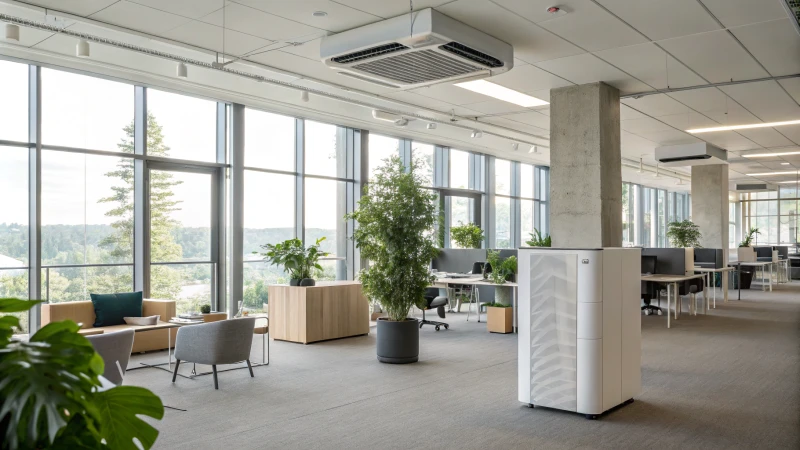
Una moderna oficina comercial con grandes ventanales y un purificador de aire

¿Cuál es la eficacia de los purificadores de aire de techo en grandes espacios comerciales?

Los purificadores de aire de techo son muy eficaces en grandes espacios comerciales, mejorando significativamente la calidad del aire interior. Requieren características como una alta tasa de suministro de aire limpio...
Noticias

Diversos ejecutivos en una sala de conferencias

¿Cuáles son las estrategias eficaces para mitigar el impacto del aumento de los aranceles a las importaciones chinas?

A medida que aumentan los aranceles sobre las importaciones chinas, las empresas deben adaptarse diversificando sus cadenas de suministro. Las estrategias incluyen explorar opciones de fabricación en países como Vietnam y México,...
Noticias
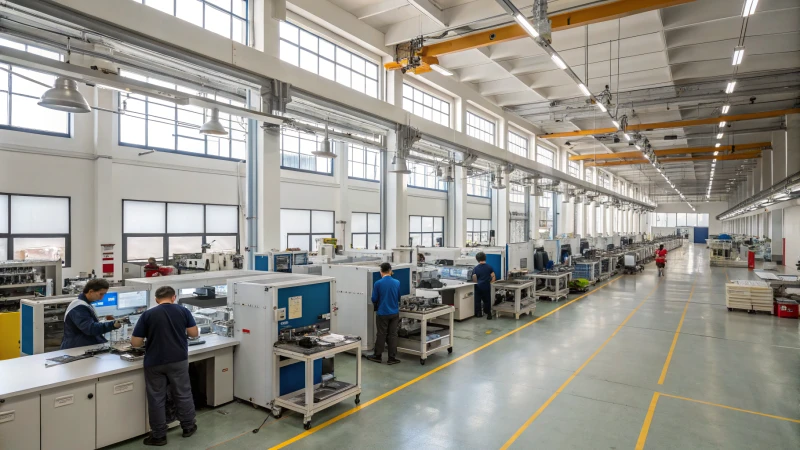
Diversos trabajadores ensamblan productos de alta tecnología en una moderna fábrica

¿Cuáles son los principales pasos y retos para trasladar la producción de China a EE.UU.?

Trasladar la producción de China a Estados Unidos presenta numerosos retos y oportunidades. Los pasos clave incluyen establecer nuevas cadenas de suministro, salvaguardar la propiedad intelectual y colaborar con...
Noticias
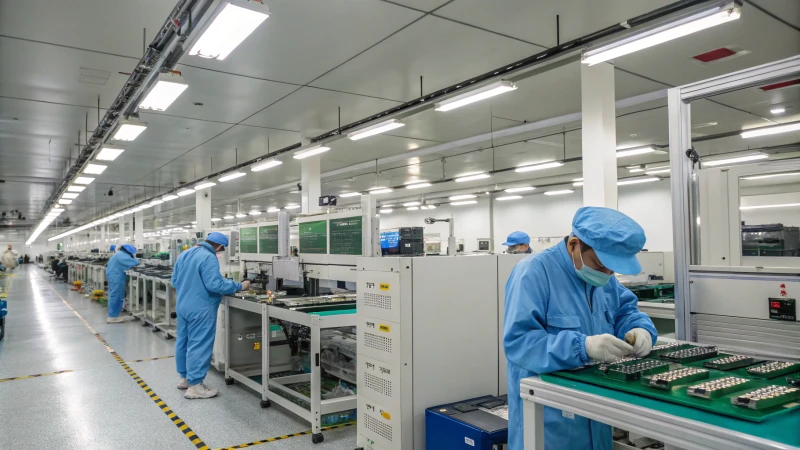
Trabajadores montando purificadores de aire en unas instalaciones limpias y modernas

¿Cuáles son las mejores prácticas para fabricar purificadores de aire en EE.UU.?

La fabricación de purificadores de aire en EE.UU. requiere prácticas estratégicas como la importación de componentes esenciales, la colaboración con socios experimentados como HisoAir y la utilización de tecnologías innovadoras. Este ...
Noticias
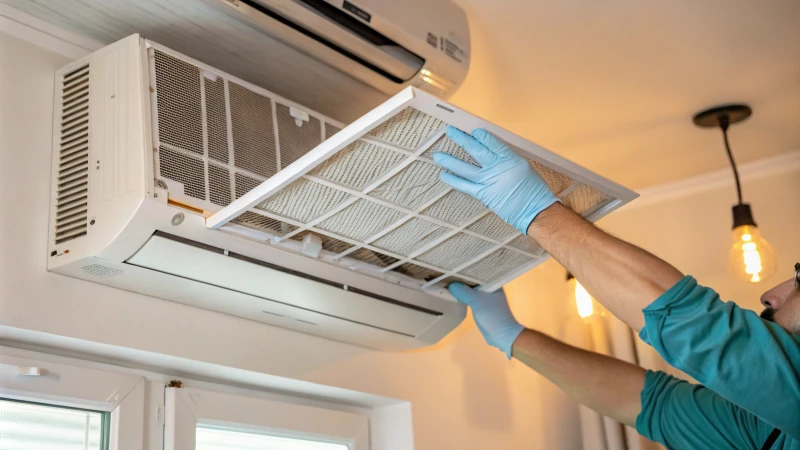
Persona que cambia el filtro de aire del sistema de calefacción, ventilación y aire acondicionado

¿Cuáles son los pasos para cambiar el filtro de aire de su sistema de climatización?

Cambiar el filtro de aire de su sistema de climatización es crucial para mantener limpia la calidad del aire interior y garantizar un funcionamiento eficiente. Esta guía describe unos sencillos pasos para sustituir...
Noticias
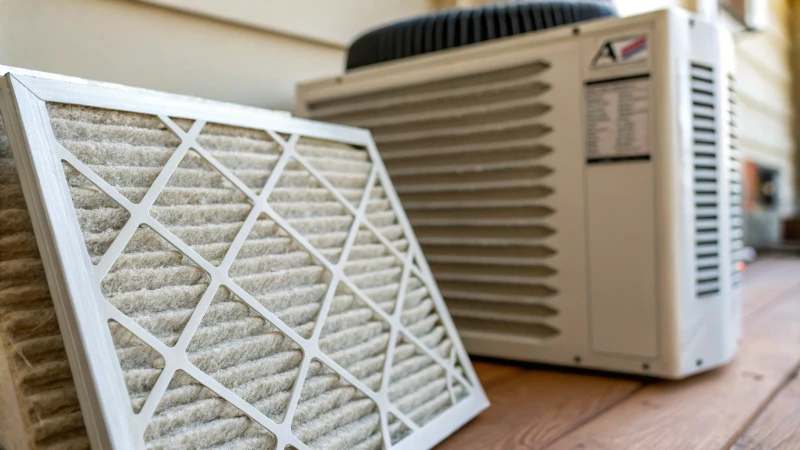
Primer plano de un filtro HEPA junto a un aparato de aire acondicionado

¿Pueden utilizarse eficazmente los filtros HEPA en los acondicionadores de aire?

Los filtros HEPA, conocidos por su capacidad para capturar el 99,97% de las partículas, no son adecuados para los acondicionadores de aire estándar debido a su alta resistencia al flujo de aire, que ...
Noticias
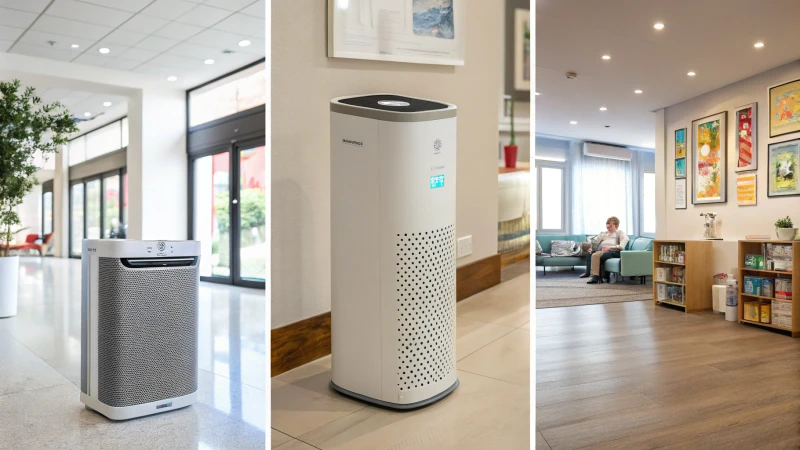
Tres purificadores de aire en distintos entornos: vestíbulo de hotel, habitación de hospital, aula de colegio.

¿Cómo se pueden personalizar los purificadores de aire para hoteles, hospitales y escuelas?

Los purificadores de aire pueden adaptarse a hoteles, hospitales y escuelas personalizando características como los niveles de ruido, las tasas de intercambio de aire y los sistemas de filtrado. Los hoteles necesitan ...
Noticias
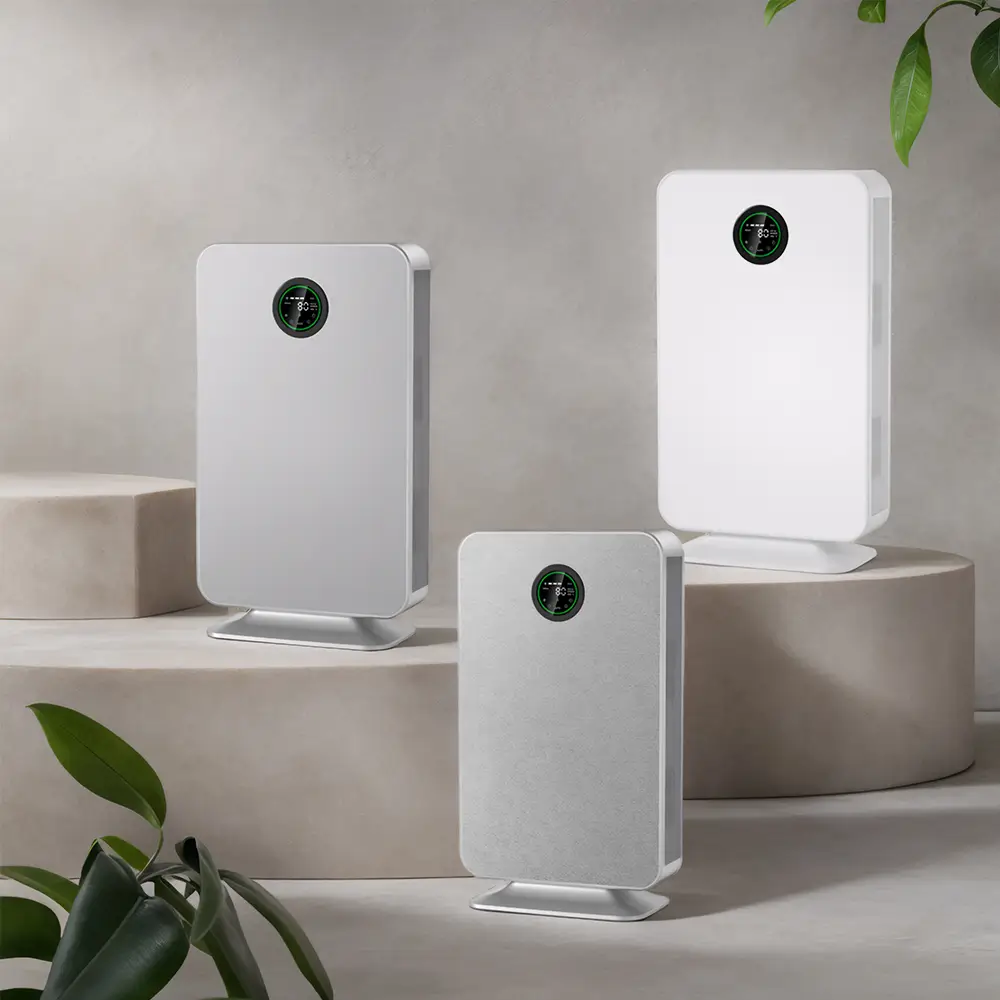
purificador de aire de montaje en pared=2

¿Cómo puede incorporar la tecnología UV-C, HEPA y de carbón activado en su purificador de aire?

Este artículo explora cómo integrar eficazmente los filtros HEPA, el carbón activado y la tecnología UV-C en su purificador de aire para obtener una calidad de aire interior óptima. Filtros HEPA ...
Noticias

Un salón moderno con purificador de aire y deshumidificador

¿Cuáles son las principales diferencias entre purificadores de aire y deshumidificadores, y cuál debe elegir?

Este artículo explora las diferencias clave entre purificadores de aire y deshumidificadores, detallando sus funciones, beneficios y escenarios de uso ideales. Los purificadores de aire mejoran la calidad del aire interior...
Noticias
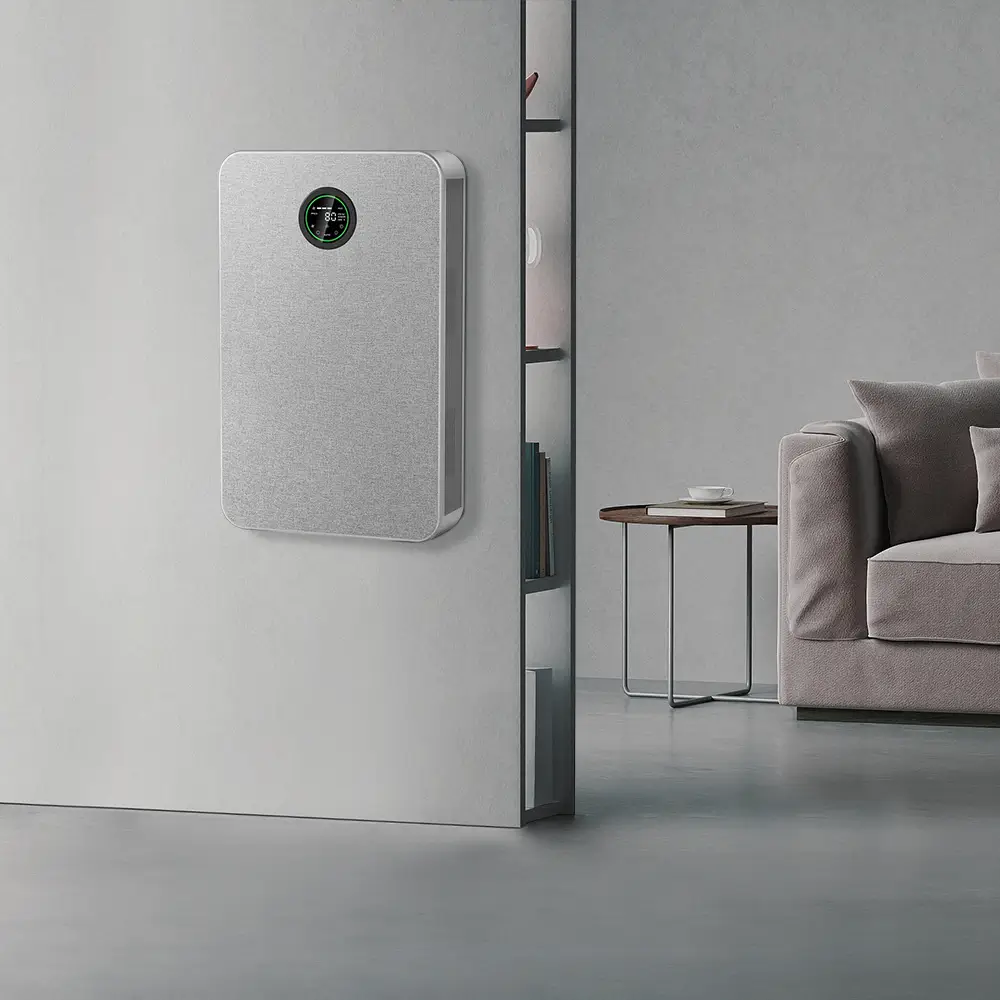
purificador de aire de montaje en pared 1

Purificadores de aire de pared frente a los de sobremesa: ¿Cuál elegir?

Elegir entre purificadores de aire murales y de sobremesa puede ser un reto. Los modelos de sobremesa son portátiles, asequibles e ideales para uso doméstico, mientras que las unidades montadas en la pared ahorran espacio...
Noticias

purificador de aire dyson (3)

¿Dónde se fabrican los purificadores de aire Dyson?

Este artículo explora los orígenes de la fabricación de los purificadores de aire Dyson, destacando su producción primaria en Malasia, junto con instalaciones en China y México. En él se analiza la ...
Noticias
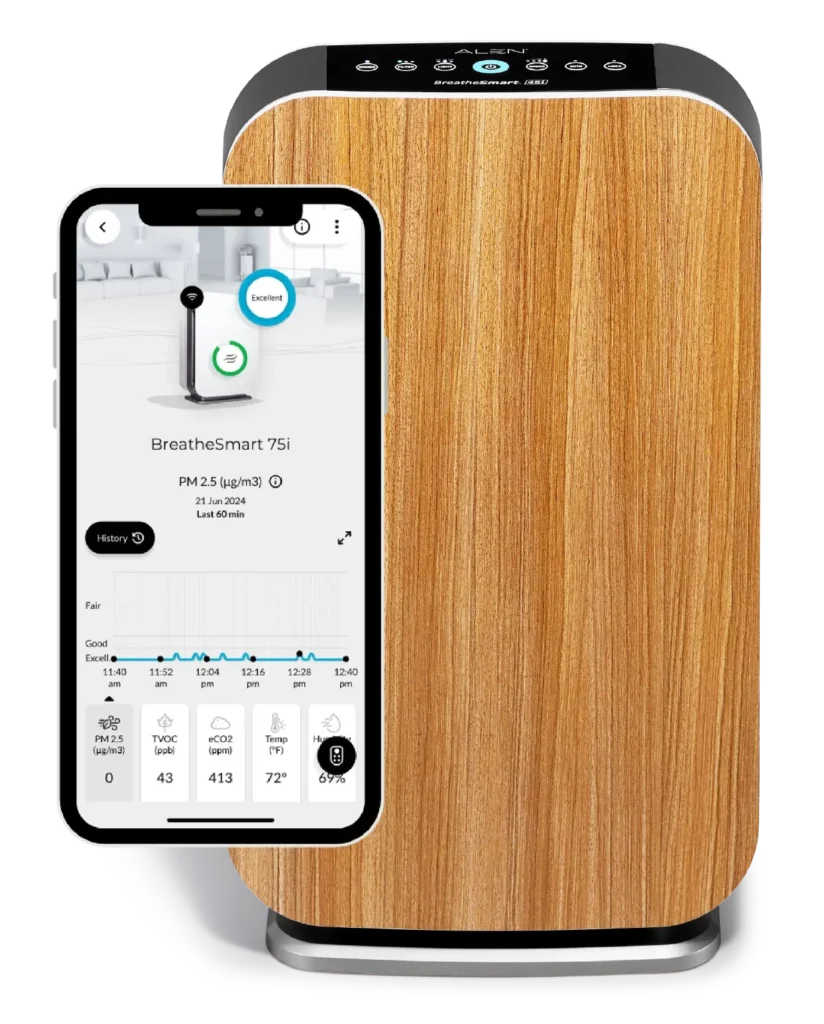
purificador de aire alen1 (2)

¿Dónde se fabrican los purificadores de aire Alen?

Los purificadores de aire Alen se fabrican en modernas instalaciones situadas en las provincias chinas de Dongguan y Shandong. Estas fábricas aprovechan la tecnología avanzada y los estrictos controles de calidad...
Noticias

Contaminant Engineering•3 min read

PFAS Water Filtration Technologies Explained: Carbon, Resin & RO

Key Takeaway:

PFAS reduction depends on the specific compounds present, treatment media, contact time, water chemistry, and system design. Activated carbon, ion exchange, and Reverse Osmosis address PFAS through different mechanisms.

PFAS are a large family of persistent fluorinated compounds that can occur in drinking-water supplies. Their treatment behavior varies significantly by molecular structure, chain length, functional group, concentration, and the chemistry of the source water.

Granular Activated Carbon (GAC) removes PFAS primarily through adsorption. It is generally more effective for many longer-chain PFAS, while shorter-chain compounds tend to break through more quickly. Carbon performance depends on media properties, Empty Bed Contact Time (EBCT), competing organic matter, loading, and replacement frequency.

Ion-exchange resins use charged functional sites to capture many PFAS compounds. Properly selected anion-exchange media can provide high capacity and may perform better than conventional activated carbon for some shorter-chain PFAS, although performance still depends on water chemistry and competing ions.

Reverse Osmosis (RO) uses membrane separation rather than adsorption. Properly designed RO systems can provide broad reduction across many PFAS compounds as well as dissolved salts and other contaminants. Unlike carbon or resin, however, RO also produces a concentrate stream that must be managed.

No single technology should be selected from a PFAS label alone. System design should consider which PFAS compounds are present, their concentrations, required reduction targets, flow rate, media life, and the applicable third-party certification or validation requirements.

HisoAir Water Technical Series
Product Discovery•3 min read

How to Choose an Under-Sink Water Purifier for Modern Kitchens

Key Takeaway:

Match the treatment technology to your water quality first, then evaluate cabinet space, faucet configuration, flow rate, drain and power requirements, and filter replacement needs.

Choosing an under-sink water purifier starts with water chemistry. Carbon filtration is well suited to chlorine, taste, odor, and many organic contaminants, while Reverse Osmosis is more appropriate when dissolved salts, fluoride, nitrates, or broader dissolved contaminants need to be reduced.

For compact kitchens, tankless RO systems eliminate the conventional storage tank and can significantly reduce the space required under the sink. However, membrane capacity stated in GPD does not directly equal faucet flow. When comparing systems, check the actual dispensing flow rate, inlet-pressure requirement, recovery ratio, and whether a booster pump is required.

Installation architecture also matters. Many RO systems require a drain connection, electrical power, and either a dedicated drinking-water faucet or a compatible multi-function faucet. High-flow carbon systems can often connect directly to the existing cold-water line with a simpler installation, but pressure drop and available faucet flow should still be verified.

RO also removes much of the naturally occurring dissolved mineral content. Where taste or mineral balance is a priority, a post-RO remineralization stage can be added. Filter life should be evaluated by both rated capacity and local water quality rather than replacement time alone.

The right system is therefore not simply the smallest or highest-GPD model. It is the configuration that matches the target contaminants, available cabinet space, desired faucet setup, peak dispensing demand, and maintenance expectations.

HisoAir Water Technical Series
Water Quality•2 min read

What Does TDS Mean in Drinking Water? Measurement vs Contaminant Reality

Key Takeaway:

A TDS meter estimates the overall concentration of dissolved ionic substances from electrical conductivity. It cannot identify specific contaminants or determine whether water is chemically safe.

Total Dissolved Solids (TDS) refers to the combined concentration of dissolved substances in water. Most handheld TDS meters do not measure TDS directly. Instead, they measure electrical conductivity (EC) and convert that reading into an estimated parts-per-million (ppm) value.

This means a TDS reading can indicate how much dissolved ionic material is present, but not what that material actually is. Calcium, magnesium, sodium, nitrates, and other dissolved ions can all contribute to conductivity, yet a simple TDS meter cannot distinguish between them.

TDS meters are also not suitable for detecting trace contaminants such as PFAS, many VOCs, pesticides, pharmaceuticals, or disinfection byproducts. These substances may be present at concentrations far below the level needed to noticeably change electrical conductivity.

A low TDS reading therefore does not guarantee safe drinking water, and a higher TDS reading does not automatically indicate contamination. Water-treatment decisions should be based on laboratory testing for specific contaminants of concern rather than TDS alone.

HisoAir Water Technical Series
Technology Selection•2 min read

RO vs UF Water Filtration: Understanding Pore Sizes & Dissolved Minerals

Key Takeaway:

Ultrafiltration can reduce bacteria, turbidity, and suspended particles while retaining most naturally occurring dissolved minerals. Reverse Osmosis provides much broader reduction of dissolved salts and smaller contaminants.

Ultrafiltration (UF) typically uses hollow-fiber membranes with pore sizes in the approximate 0.01–0.1 micron range. These membranes physically retain turbidity, suspended solids, colloids, and many microorganisms while allowing dissolved minerals and salts to remain in the water.

Reverse Osmosis (RO) operates at a much finer separation level. Unlike UF, RO can substantially reduce dissolved ions such as sodium, calcium, fluoride, nitrates, and other contributors to total dissolved solids (TDS). This makes RO more suitable when dissolved-salt reduction is a primary treatment objective.

UF generally requires less system pressure and produces little or no continuous concentrate stream in many point-of-use configurations. RO typically requires greater pressure and produces a reject-water stream, but delivers broader contaminant reduction.

For water with acceptable TDS and mineral content, UF can be a simpler mineral-retaining treatment option. Where dissolved salts, fluoride, nitrates, or broader dissolved contaminants are a concern, RO is generally the more appropriate technology.

HisoAir Water Technical Series
Technology Selection•4 min read

Carbon Block vs Reverse Osmosis: Which Fits Your Need?

Key Takeaway:

Choose RO for dissolved inorganic salts and heavy metals; choose Carbon Block for chemical taste/odor, no wastewater, and high line-pressure flow.

Reverse Osmosis (RO) and Carbon Block filtration represent two fundamentally different treatment methods: membrane separation and adsorption. Understanding these differences helps determine which technology is better suited to a specific water-quality requirement.

Reverse Osmosis uses a semi-permeable membrane with pore sizes of approximately 0.0001 microns. It can significantly reduce dissolved inorganic contaminants such as TDS, fluoride, nitrates, and certain heavy metals. Because water must be forced through the membrane, RO systems require sufficient pressure or a booster pump and generate a concentrated wastewater stream.

Carbon Block filtration relies primarily on adsorption through compressed activated carbon, commonly with nominal pore sizes around 0.5–5 microns. It is highly effective for chlorine, chloramines, VOCs, taste, and odor, while allowing substantially higher direct-flow rates without producing wastewater.

From an operating perspective, Carbon Block systems are generally simpler, require less energy, and avoid the water loss associated with RO. RO involves higher system complexity and operating cost, but provides substantially broader reduction of dissolved contaminants that Carbon Block alone cannot address.

HisoAir Water Technical Series

SOLICITAR PRESUPUESTO