
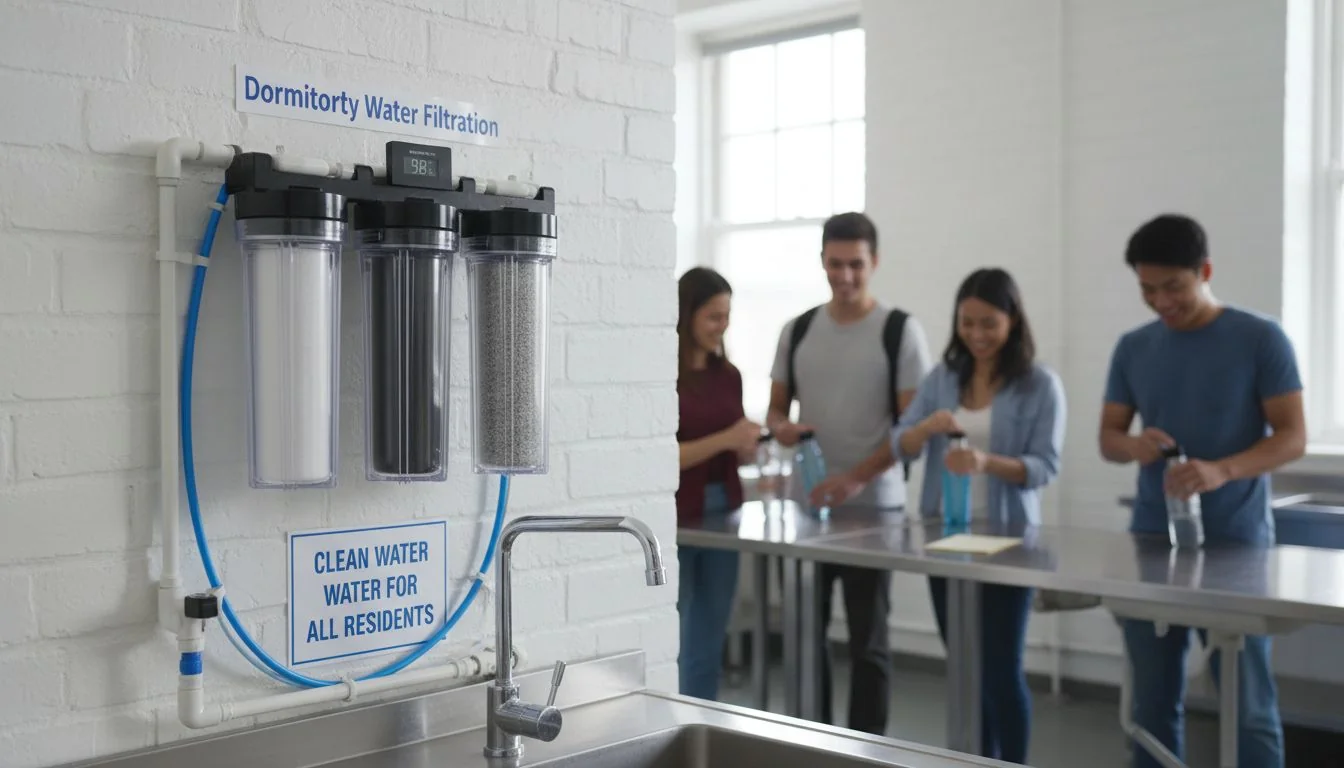
Students complain about bad dorm water. Facility teams struggle with old plumbing. You need a smart hydration upgrade1 plan to fix this without breaking the budget.
Dormitory water filtration requires planning for peak usage, standardizing equipment across campus, and scheduling installations during academic breaks. A successful facilities retrofit focuses on high-capacity bottle filling stations2 in common areas and easy-to-change replacement-filter programs to improve the student experience.
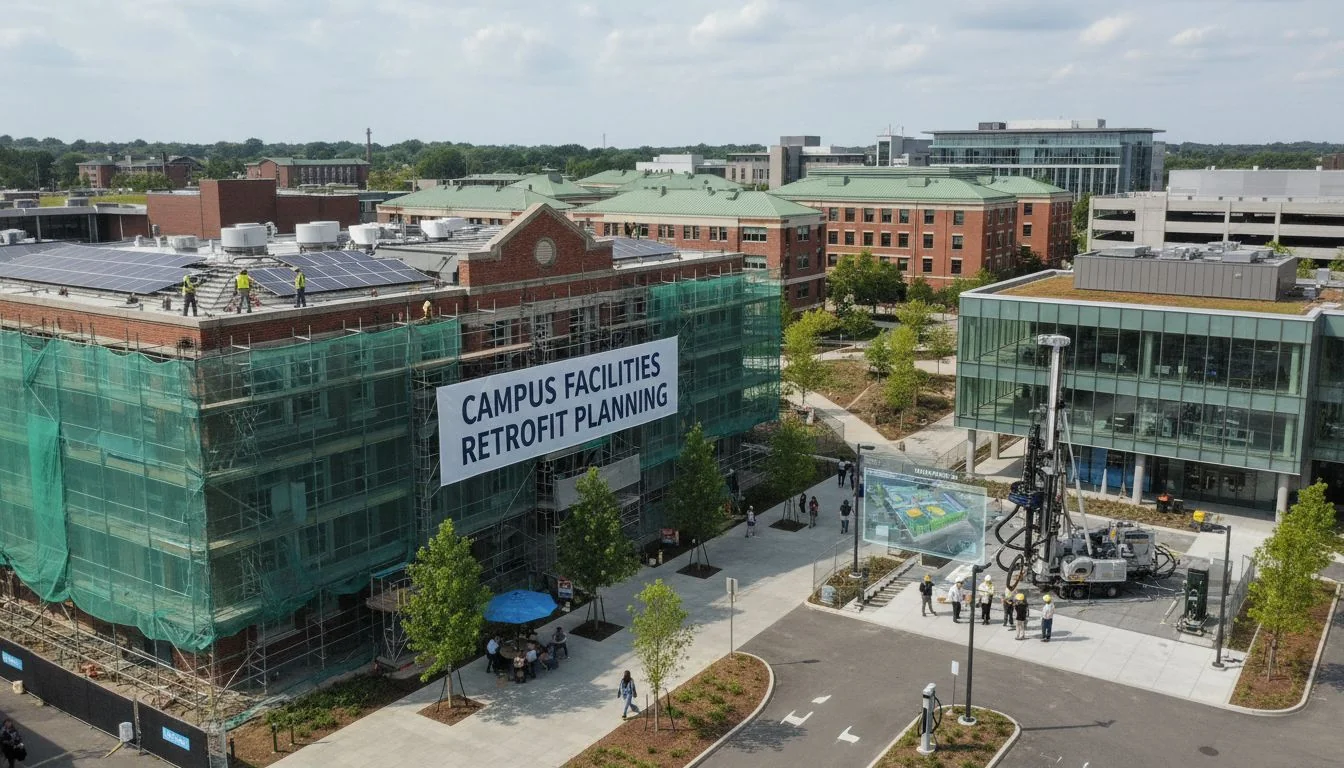
I remember visiting a university client. I went there to check the plastic molds we made for their new water dispensers. I saw their facility team stressing over a big project. They needed to install hundreds of units before the fall semester. That trip showed me a clear lesson. Designing a good product is only half the battle. The real challenge is how campus teams manage these massive hydration upgrades. Let us look at how to make this process smooth and easy.
Most universities upgrade water systems during the summer break.Verdadero
Summer break offers the longest period with empty dorms, making it the best time for major plumbing work.
Water filters in dorms never need to be replaced.Falso
All water filters have a lifespan and require a regular replacement-filter program to stay effective.
Why Are Campus Housing Water Upgrades on Facilities' Agendas?
Old pipes make water taste bad. Students buy plastic bottles instead. You must upgrade campus housing water to meet modern student demands and reduce plastic waste.
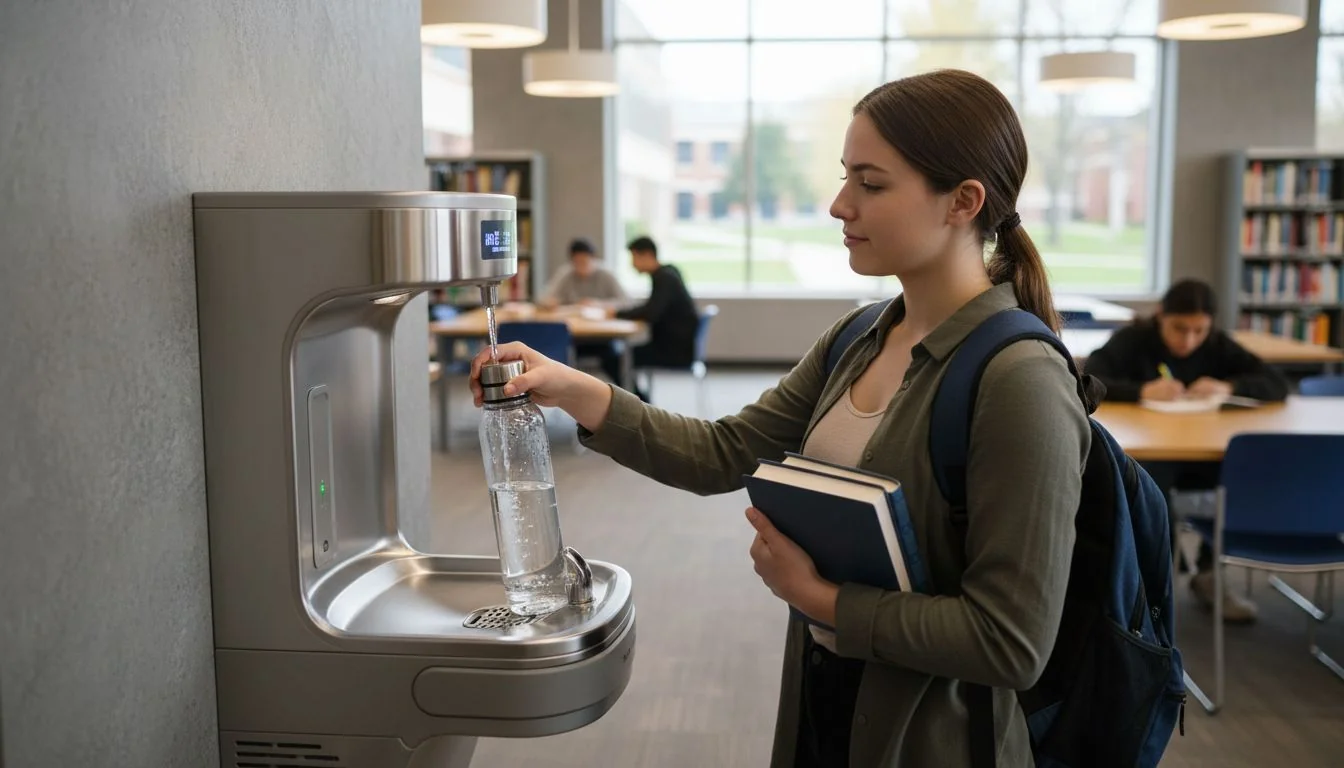
Campus housing water upgrades are top priorities because they directly improve the student experience. Facilities teams use these hydration upgrades to provide clean water, reduce plastic waste, and update aging plumbing systems with modern bottle filling stations.
The Shift to Modern Hydration
I design plastic parts for water systems. I always think about the end user. For universities, the end user is the student. Students today expect high-quality facilities. They carry reusable bottles everywhere. A dorm with only old water fountains makes students unhappy. This is why a facilities retrofit is very important. It is not about fear of bad water. It is about providing a great service.
Key Drivers for Upgrades
Facility teams have clear reasons to push for these projects. They want to cut down on maintenance calls. They also want to meet green campus goals. Let us look at the main reasons for these upgrades.
| Reason | Benefit to Students | Benefit to Facilities |
|---|---|---|
| Better Taste | Encourages healthy hydration | Fewer complaints |
| Eco-Friendly | Reduces single-use plastics | Meets sustainability targets |
| Modern Look | Feels like a premium dorm | Easier to clean and maintain |
Facility teams focus on these points. They can easily justify the budget for new equipment this way.
Bottle filling stations help reduce single-use plastic waste on campus.Verdadero
These stations encourage students to use reusable bottles, directly cutting down on plastic waste.
Students prefer old water fountains over modern filling stations.Falso
Modern students heavily favor bottle filling stations for their convenience and speed.
What Are the Best Filtration Options for Residence Halls and Common Areas?
Choosing the wrong filter wastes money. Small filters clog fast in busy dorms. You need the right filtration options to handle heavy daily use in common areas.
The best filtration options for residence halls include high-capacity inline filters3 for common areas and point-of-use systems for shared kitchens. Public-area bottle filling stations are the most popular choice because they serve many students quickly and are easy for facility teams to maintain.

Matching Systems to Locations
In my mold design work, we choose different plastics for different stress levels. The same rule applies to water filters. You cannot put a small home filter in a busy dorm lobby. It will break. You need commercial-grade systems for public areas.
Common Area vs. Private Room
Public-area bottle filling stations are the best choice for lobbies and hallways. They are tough. They handle high traffic. For suite-style dorms with kitchens, under-sink filters work well. Here is a simple breakdown of where to put different systems.
| Ubicación | Recommended System | Característica principal |
|---|---|---|
| Main Lobby | Bottle filling station | High capacity, fast flow |
| Floor Hallway | Wall-mounted dispenser | Space-saving, durable |
| Suite Kitchen | Under-sink inline filter | Hidden, easy to use |
Choosing the right system for the right place saves time. It also makes the replacement-filter program4 much easier to manage later on.
Commercial-grade filters last longer than residential filters in dorms.Verdadero
Commercial filters are designed for high volume and can handle the heavy usage of a dormitory.
Under-sink filters are the best choice for main dorm lobbies.Falso
Under-sink filters are too slow for lobbies; bottle filling stations are much better for high-traffic areas.
How to Size Systems for Dormitory Occupancy and Peak Usage?
Slow water flow frustrates students. If a machine cannot keep up, lines form. You must size your systems correctly to handle the morning rush before classes.
Sizing for dormitory occupancy requires calculating peak usage times5, usually mornings and evenings. Facility teams should install high-flow bottle filling stations that can deliver at least one gallon per minute to prevent long lines and ensure a smooth hydration upgrade.
Understanding the Morning Rush
We design a mold for mass production. We calculate the cycle time. We need to know how many parts we can make in an hour. Water systems are the same. You must calculate the flow rate. In a dorm, everyone wakes up and fills their water bottles at the same time. This is peak usage.
Calculating Capacity Needs
A dorm has 500 students. One machine is not enough. You need to plan for the rush hours. The flow is too slow. Students will be late for class.
| Dorm Size | Estimated Peak Users | Recommended Stations |
|---|---|---|
| Small (100 students) | 30 per hour | 1-2 stations |
| Medium (300 students) | 90 per hour | 3-4 stations |
| Large (500+ students) | 150+ per hour | 5+ stations |
Proper sizing stops complaints. It ensures the facilities retrofit actually improves the daily life of the students. Always plan for the busiest ten minutes of the day.
Peak usage in dorms usually happens in the middle of the night.Falso
Peak usage typically occurs in the morning before classes and in the evening.
A flow rate of one gallon per minute is good for bottle filling stations.Verdadero
This flow rate fills a standard reusable bottle in seconds, preventing long lines.
How to Plan Installation Around the Academic Calendar?
Installing pipes during midterms causes chaos. Noise disrupts studying. You must plan your facilities retrofit around the academic calendar to avoid angry students and stressed staff.
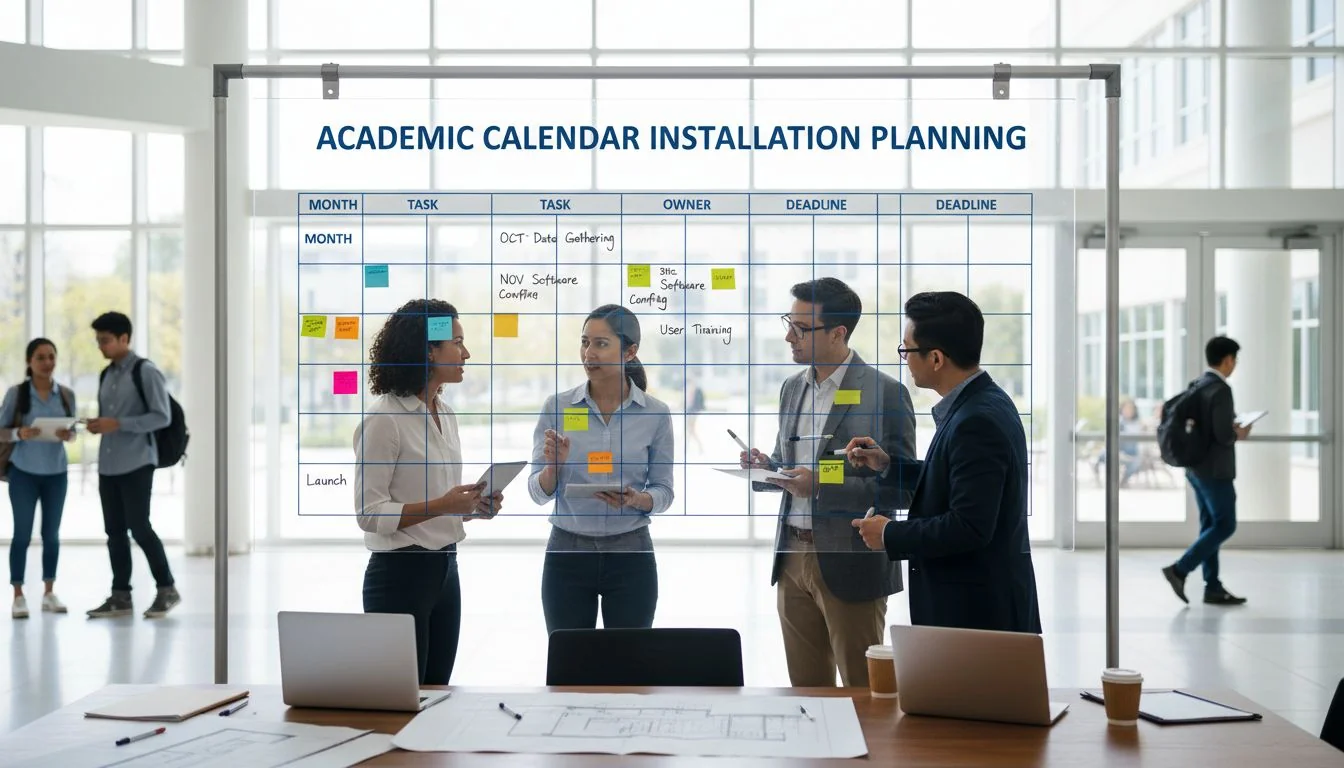
Planning installation around the academic calendar means scheduling heavy plumbing work during summer or winter breaks. For minor hydration upgrades, facility teams can work during regular hours if they communicate clearly with students and avoid quiet hours during exam weeks.
Timing is Everything
I ran a CNC trading business. We scheduled machine maintenance when the factory was closed. We did this to avoid stopping production. Campus facility teams must do the same. The dorm is the students' home and workplace. You cannot shut off the water during finals week.
Best Times for Retrofits
Major plumbing changes need empty buildings. Summer break is the golden time for a big facilities retrofit. Winter break is short but works for smaller jobs.
| Time of Year | Type of Work | Impacto en los estudiantes |
|---|---|---|
| Summer Break | Full system overhauls | None (dorms are empty) |
| Winter Break | Swapping old fountains | Very low |
| Spring Semester | Quick filter changes | Low (if planned well) |
You must work while students are there. Always post notices. Tell them exactly when the water will be off. Good communication makes the hydration upgrade feel like a gift. It does not feel like a problem.
Summer break is the best time for major plumbing retrofits in dorms.Verdadero
Dorms are mostly empty during summer, allowing workers to shut off water without disrupting students.
It is a good idea to install new pipes during final exam week.Falso
Final exam week requires quiet; noisy plumbing work will cause major disruptions and complaints.
How to Manage Maintenance and Service Across Multiple Buildings?
Tracking hundreds of filters is hard. Forgetting to change them leads to dirty water. You need a solid replacement-filter program to keep all campus buildings running smoothly.
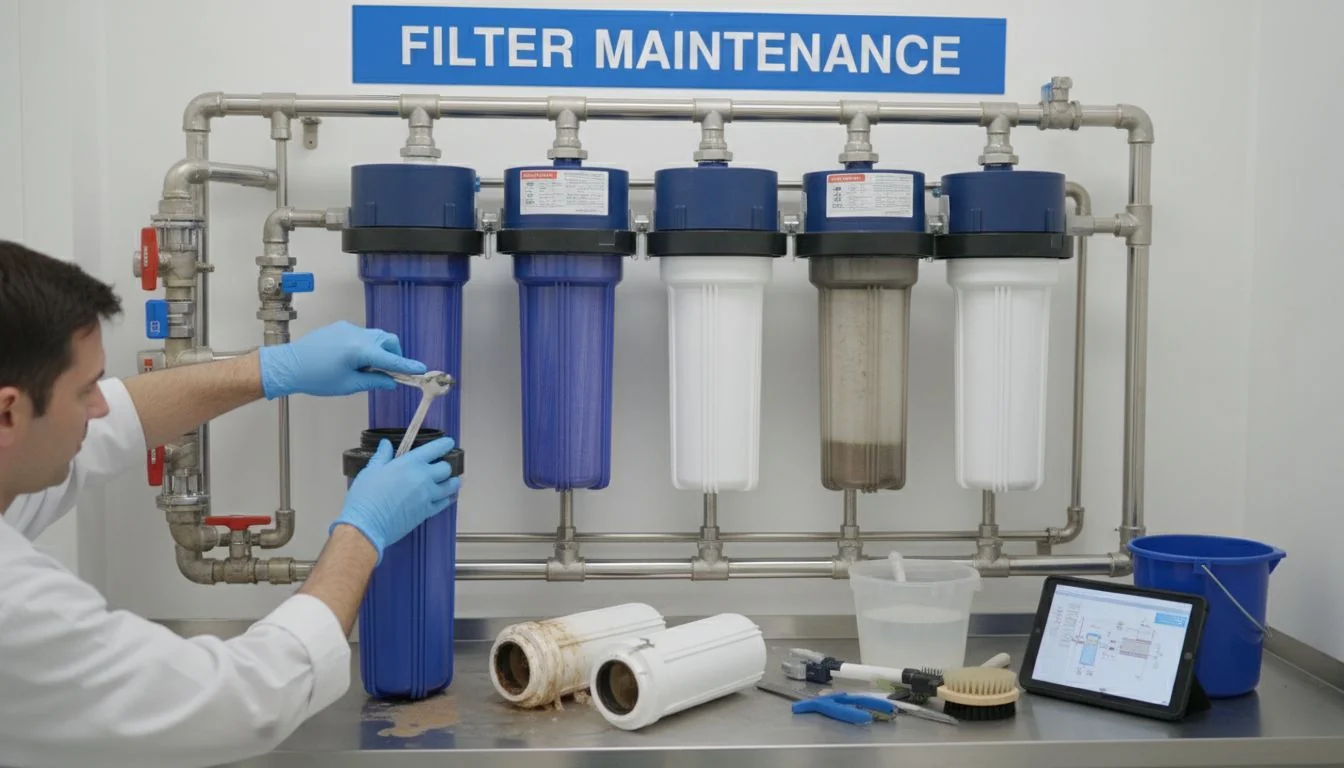
Managing maintenance across multiple buildings6 requires a centralized replacement-filter program. Facility teams should use digital tracking to monitor filter lifespans and schedule bulk filter changes. This proactive approach keeps public-area bottle filling stations clean and reduces emergency repair calls.
The Power of a Schedule
I ran my mold factory. We tracked every tool's wear and tear. We waited for a tool to break. We lost money. Water filters are exactly the same. You cannot wait for the red light to flash on every machine. You need a plan.
Building a Replacement-Filter Program
A good replacement-filter program saves time. Facility teams should not walk to five different buildings every day. They should group their tasks. Change all the filters in one dorm on the same day.
| Maintenance Task | Frecuencia | Action Required |
|---|---|---|
| Wipe down surfaces | Daily | Janitorial staff cleans the station |
| Check filter status | Mensualmente | Facility team checks indicator lights |
| Replace filters | Every 6-12 months | Swap old filters for new ones |
Use a simple spreadsheet or maintenance software. It helps track this work. You standardize the service. The hydration upgrade stays fresh and safe for years.
Grouping filter replacements by building saves time for facility teams.Verdadero
Changing all filters in one location at once reduces travel time across a large campus.
You should only change a water filter when the water stops flowing.Falso
Filters should be changed based on time or gallon capacity to ensure water remains clean and safe.
How to Handle Procurement and Standardization Across Campus?
Buying ten different brands of water stations is a nightmare. Parts will not match. You must standardize your procurement to make repairs and filter orders easy.
procurement and standardization7 across campus mean buying the same brand and model of bottle filling stations for all buildings. This strategy simplifies the replacement-filter program, allows facility teams to buy parts in bulk, and ensures a consistent hydration upgrade experience for all students.

Why Standardization Matters
We use standard screws and pins in product design. It makes assembly faster and cheaper. Jacky, you know this from designing consumer electronics. Campus facility teams need to think like designers. Every dorm has a different water machine. You need to stock ten different filters. That is a waste of space and money.
Streamlining the Workflow
You standardize the equipment. Procurement becomes simple. You can negotiate better prices with suppliers. You buy in bulk.
| Procurement Strategy | Result | Beneficio |
|---|---|---|
| Single Brand Choice | One type of filter needed | Easy inventory management |
| Bulk Purchasing | Lower cost per unit | Saves the campus budget |
| Standard Parts | Faster repair times | Less downtime for students |
A unified facilities retrofit plan makes everyone happy. The purchasing department saves money. The maintenance team works faster. The students get reliable public-area bottle filling stations everywhere they go.
Buying the same brand of water stations for the whole campus reduces inventory costs.Verdadero
Standardizing equipment means you only need to stock one type of replacement filter and spare parts.
Having many different brands of water dispensers makes maintenance easier.Falso
Multiple brands require different parts and training, making maintenance much harder and more expensive.
Conclusión
A smart hydration upgrade improves student life. Facility teams plan peak usage, standardize equipment, and run a strict replacement-filter program. They can easily manage campus-wide water retrofits this way.
References
-
Learn how hydration upgrades can enhance student life and promote sustainability on campus. ↩
-
Discover how bottle filling stations can reduce plastic waste and improve student hydration. ↩
-
Understand the advantages of high-capacity inline filters for busy dorm environments. ↩
-
Find out how to create an efficient replacement-filter program to maintain clean water systems. ↩
-
Identify peak usage times to optimize water system performance and reduce wait times. ↩
-
Explore best practices for managing maintenance across multiple buildings for efficiency. ↩
-
Discover the importance of procurement and standardization for cost-effective campus upgrades. ↩



 English
  Français
  Español
  Italiano
  Deutsch
  Português
  Русский
  العربية
  日本語
日本語  한국어
한국어  Tiếng Việt
