
In an era where health and well-being are top priorities, indoor air quality (IAQ) is a growing concern. The U.S. Environmental Protection Agency (EPA) has warned that indoor air can be 2 to 5 times more polluted than outdoor air, sometimes even up to 100 times worse 1. Dust, allergens, VOCs, mold, bacteria, and viruses all circulate invisibly in our homes and workplaces making air purification not just a luxury, but a necessity.
For businesses, maintaining optimal IAQ isn't just about compliance or comfort it's a strategic health investment. Poor air quality can lead to respiratory issues, absenteeism, and reduced productivity. As awareness grows, so does the air purifier market, filled with technical jargon and bold claims. This guide clears the confusion and compares two dominant technologies: HEPA filters and ionizers, based on science not marketing.
The Contenders: Understanding the Technology
To understand which air purification technology is superior for lung health, it's crucial to first grasp the fundamental principles behind HEPA filters and ionizers. While both aim to improve air quality, their methods of operation are vastly different, leading to significant disparities in their effectiveness and safety profiles.
HEPA Filters: The Physical Trap
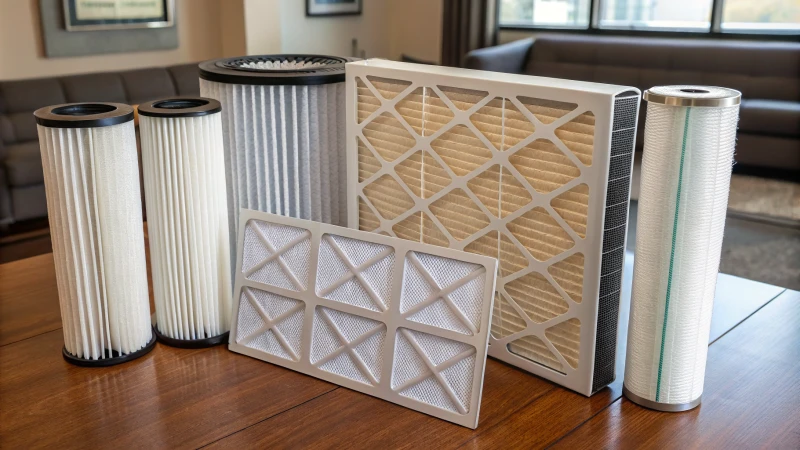
HEPA stands for High-Efficiency Particulate Air. A True HEPA filter is not just a marketing term; it's a specific standard for mechanical air filtration. To qualify as a True HEPA filter, it must be capable of trapping at least 99.97% of airborne particles that are 0.3 microns in diameter 2. This seemingly arbitrary size (0.3 microns) is known as the Most Penetrating Particle Size (MPPS), meaning particles both larger and smaller than this are captured with even higher efficiency.
The mechanism by which HEPA filters capture particles is purely physical, involving a dense mat of randomly arranged fibers, typically made of fiberglass. Unlike a simple sieve, HEPA filtration employs a combination of four primary mechanisms to trap particles, ensuring high efficiency across a wide range of particle sizes:
- Intercepción: Larger particles, as they flow through the filter, come into contact with the fibers and are simply intercepted and stick to them.
- Impactación: Even larger, heavier particles, due to their inertia, are unable to navigate the tortuous path of the air stream and instead impact directly onto the fibers, where they become embedded.
- Difusión: The smallest particles (those below 0.1 microns), which would otherwise pass through, move erratically due to Brownian motion. This random movement increases the likelihood of them colliding with and sticking to the filter fibers.
- Sieving: While less significant for very small particles, larger particles are simply too big to pass through the spaces between the fibers and are thus sieved out.
This multi-mechanism approach ensures that HEPA filters effectively capture a vast array of airborne contaminants, including dust, pollen, pet dander, mold spores, bacteria, and even some viruses. Crucially, HEPA filters physically remove these pollutants from the air and contain them within the filter media. Nothing is released back into the air, making them a highly effective and passive purification method.
Ionizers: The Magnetic Attraction
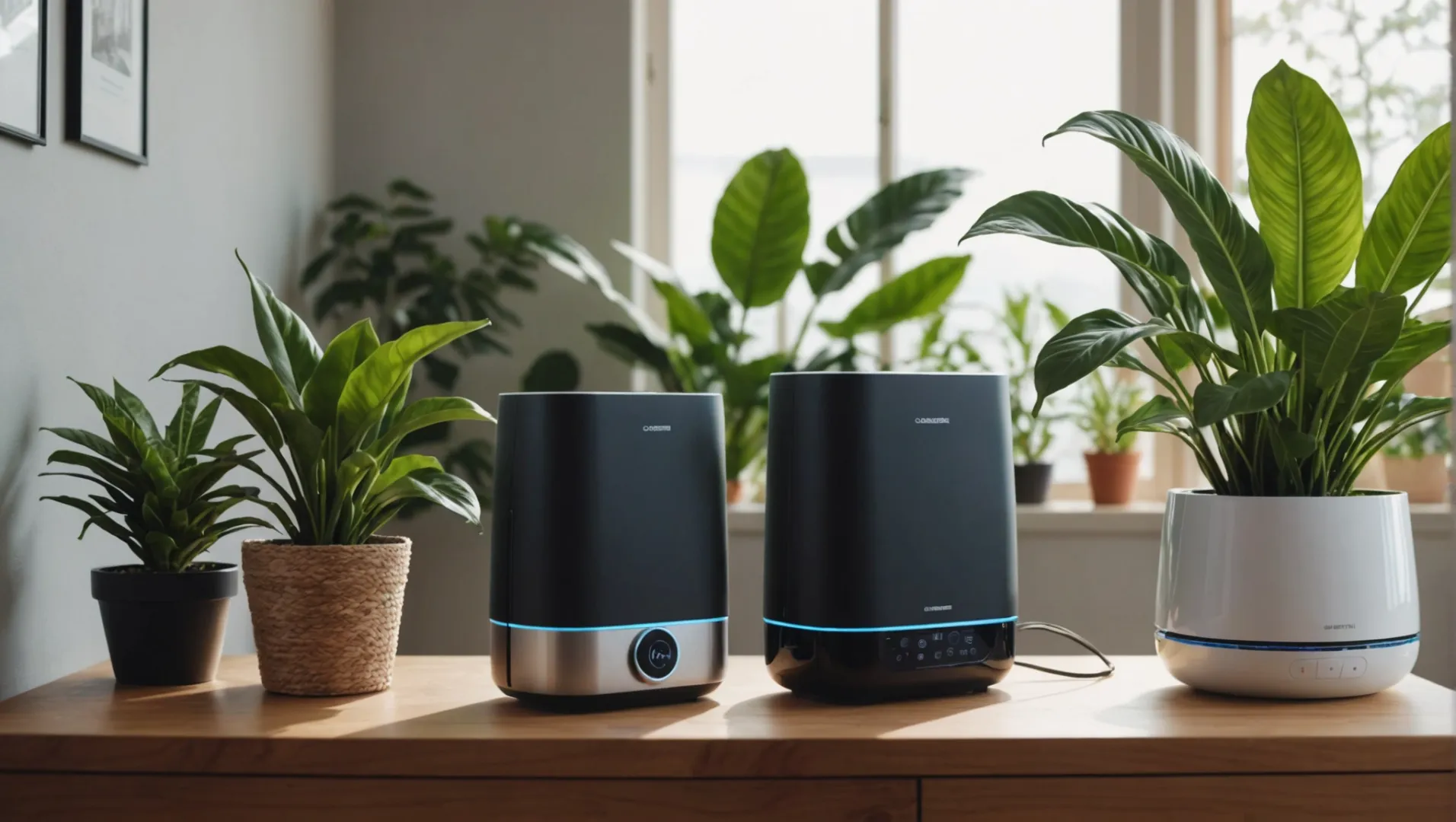
Ionizers, also known as ionic air purifiers or electrostatic precipitators, operate on a fundamentally different principle. Instead of physically trapping particles, they release a stream of negatively (or sometimes positively) charged ions into the air. These ions then attach themselves to airborne particles, such as dust, smoke, pollen, and pet dander, giving them an electrical charge.
Once charged, these particles become attracted to oppositely charged surfaces in the room, including walls, floors, furniture, and even the human body. The idea is that by making these particles heavier and electrically charged, they will fall out of the breathing zone and adhere to surfaces, thereby
appearing to clear the air. Some ionizers also include a collection plate within the unit to attract these charged particles.
While this sounds appealing in theory, the practical implications and effectiveness of ionizers in truly cleaning the air are a subject of considerable debate and scientific scrutiny. The key difference lies in what happens to the pollutants once they are charged.
The Critical Question: Do They Actually Clean the Air?
The fundamental divergence between HEPA filters and ionizers lies in their approach to pollutant removal. This distinction is critical when evaluating their true impact on lung health and overall indoor air quality.
HEPA's Method: Permanent Removal and Containment
HEPA filters employ a method of permanent removal. When airborne particles pass through the HEPA filter media, they are physically trapped and held within the filter's intricate network of fibers. This means the pollutants are effectively taken out of circulation in the air you breathe. The threat is contained within the filter, and when the filter reaches the end of its lifespan, it is safely disposed of, taking the trapped pollutants with it. This process ensures that the air passing through the purifier is genuinely cleaner, as the contaminants are no longer airborne and cannot be re-released into the environment.
This permanent removal mechanism is why HEPA filters are widely recommended by health organizations and medical professionals for individuals with respiratory sensitivities, allergies, and asthma. By consistently reducing the concentration of airborne irritants, HEPA purifiers create a healthier breathing environment, directly contributing to improved lung function and reduced symptoms.
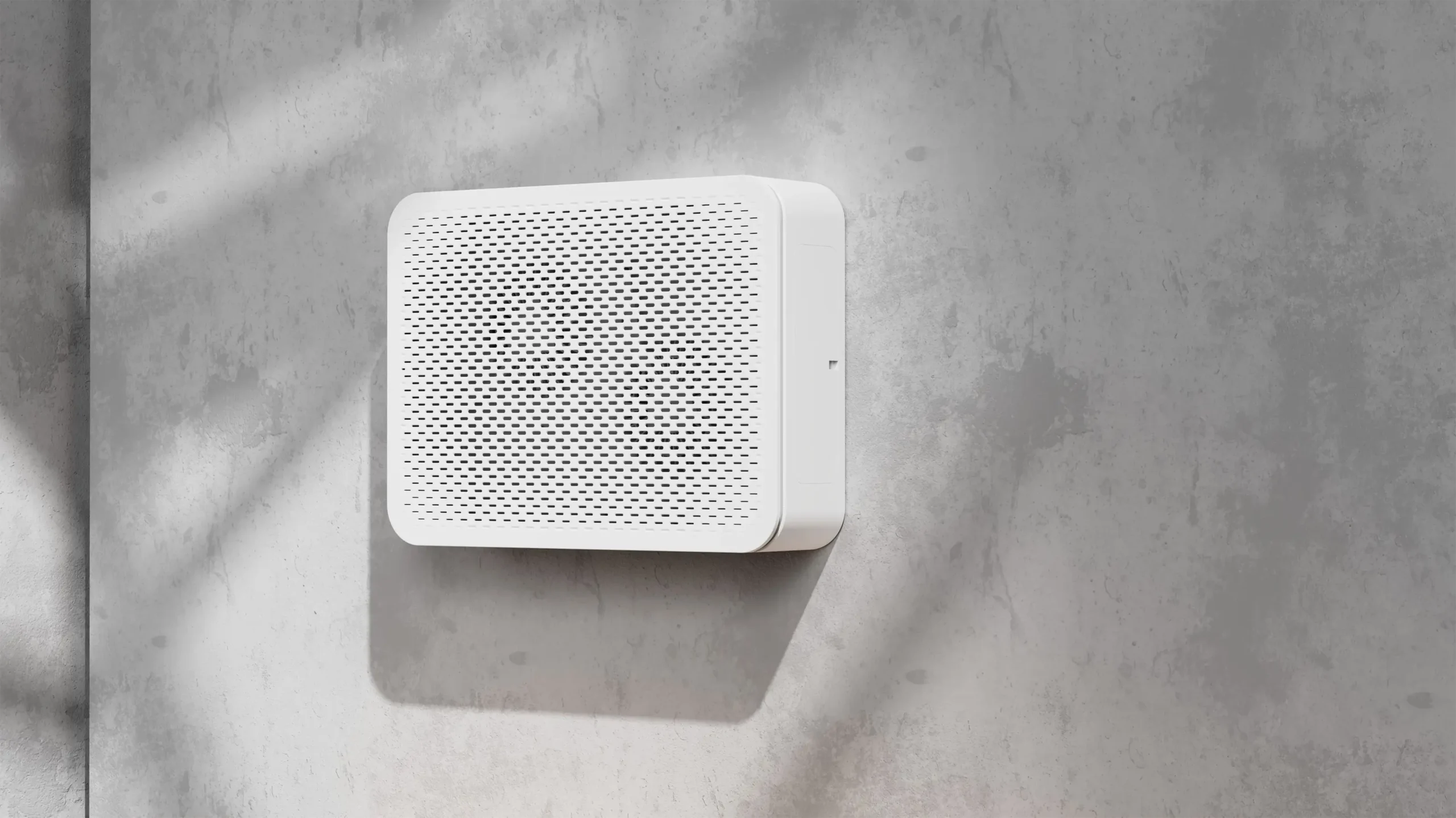
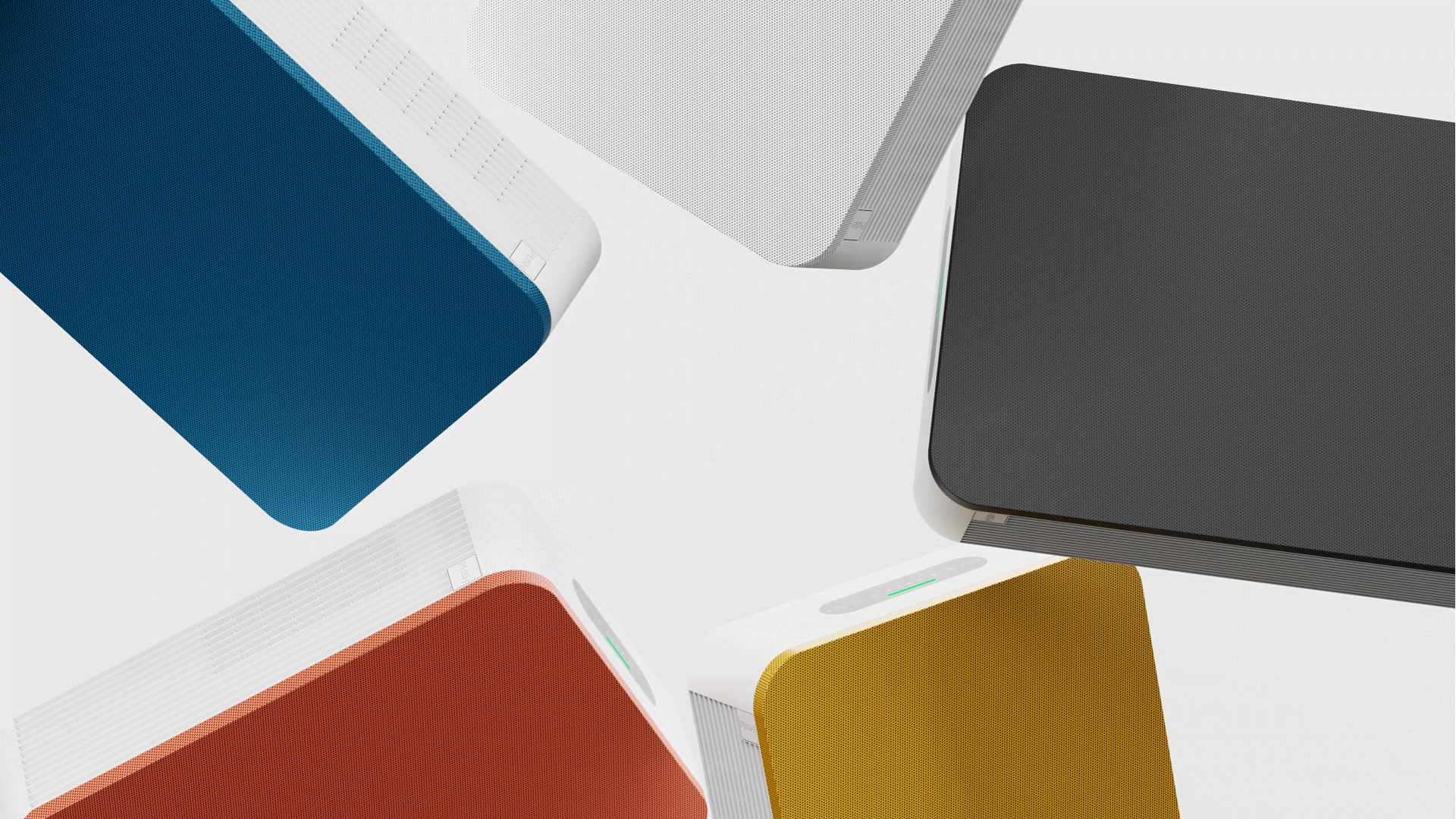
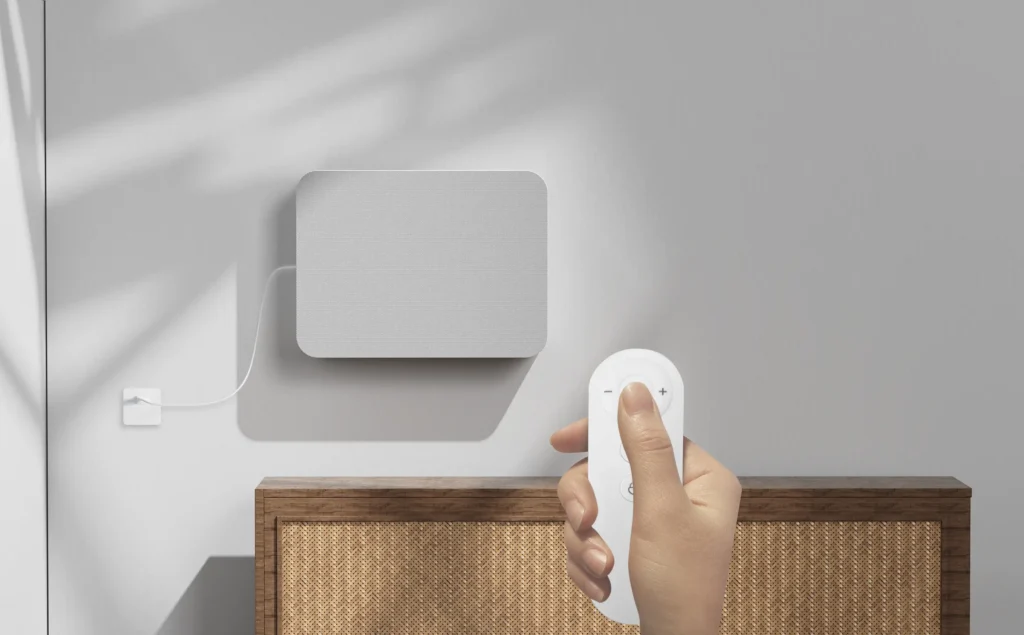
(The newly launched wall-mounted air purifier by HisoAir, click on the image to learn more)
The Ionizer's Flaw: Relocation, Not Removal
In stark contrast, ionizers do not remove pollutants from your room; they merely relocate them. The charged particles, instead of being captured and contained, are deposited onto surfaces within your living or working space. This includes walls, floors, furniture, electronics, and even your skin and hair. While the air may temporarily appear clearer because the particles have settled, the pollutants themselves are still very much present in your environment.
The significant flaw in this approach is that these deposited particles can easily become re-aerosolized. Simple activities like walking across a room, dusting, vacuuming, or even a slight draft can kick these settled particles back into the air, making them available for inhalation once again. This means that an ionizer doesn't eliminate the problem; it simply moves it from one medium (air) to another (surfaces), creating a potential for re-exposure and continued irritation to the respiratory system. For individuals with compromised lung health, this constant cycle of settling and re-suspension can be particularly problematic, offering little to no long-term benefit and potentially exacerbating existing conditions.
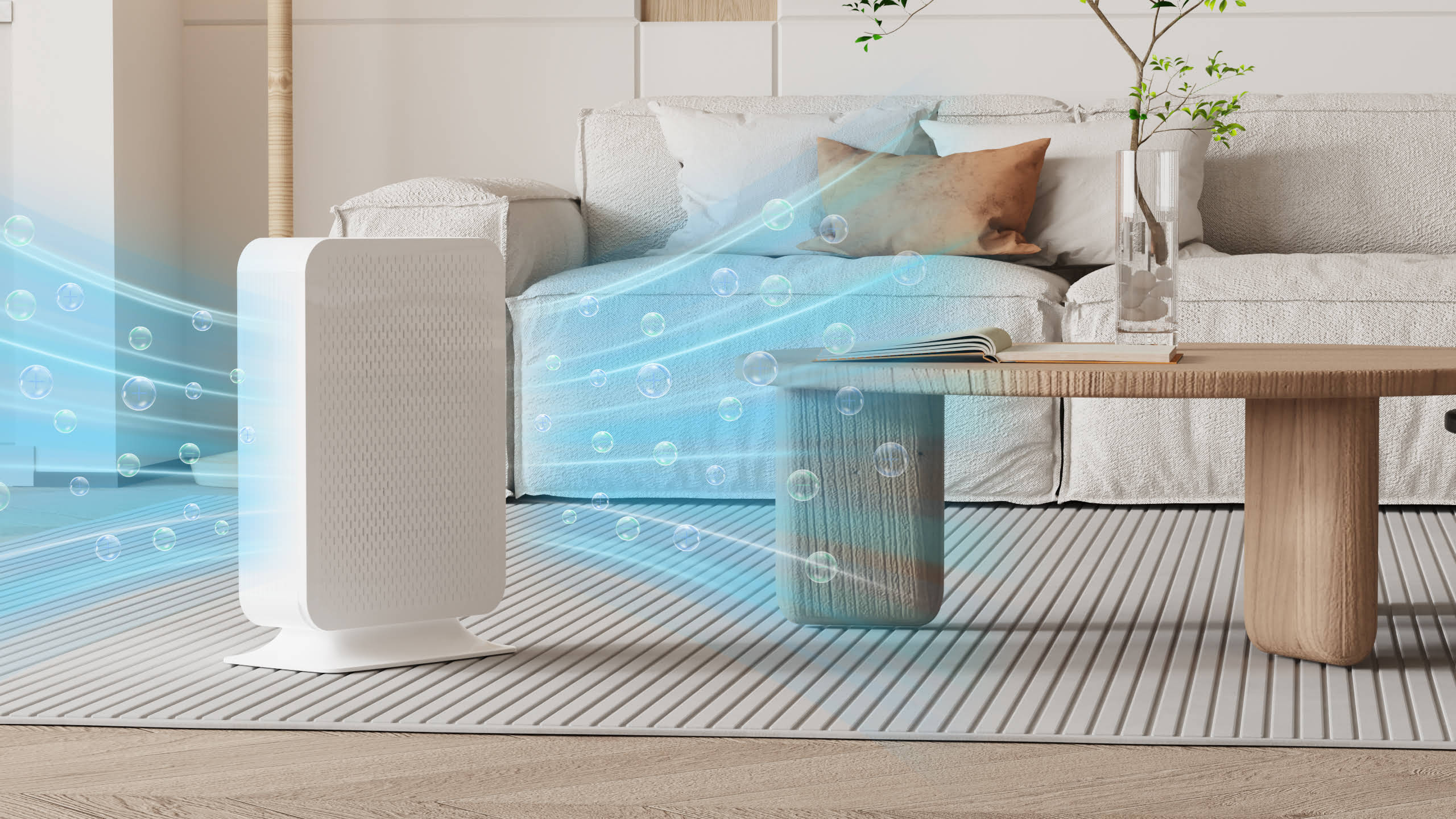
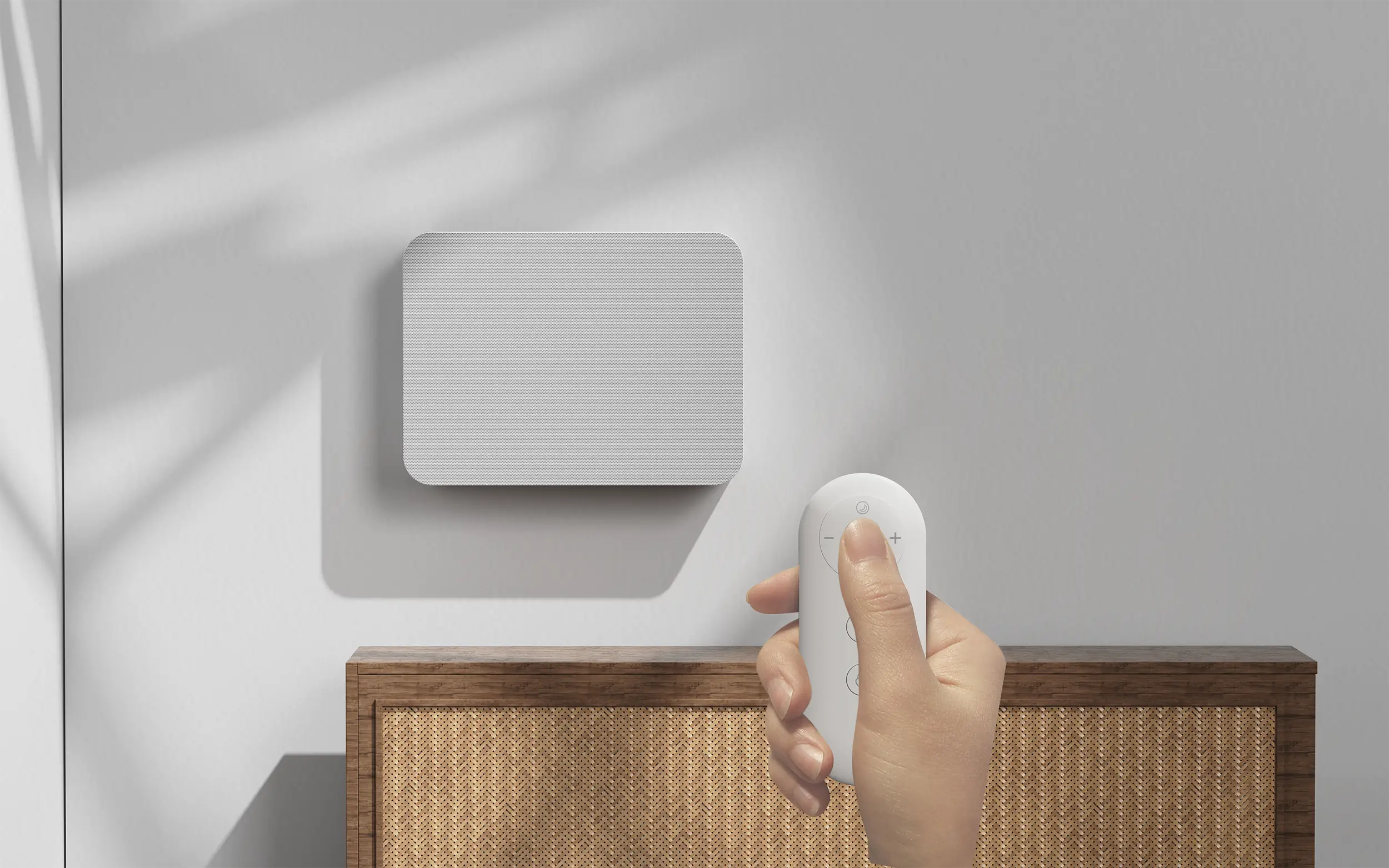
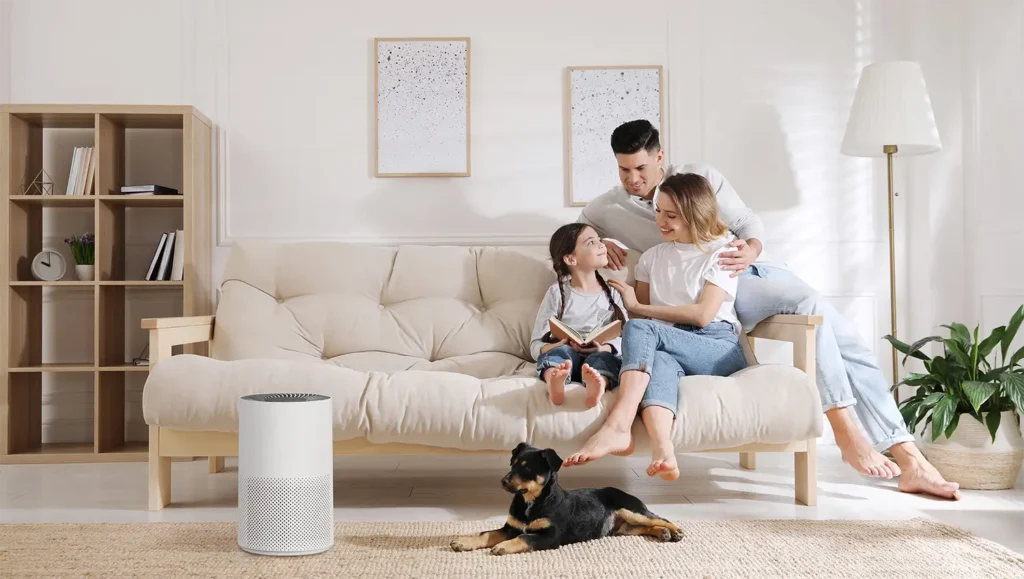
(The newly launched wall-mounted air purifier by HisoAir, click on the image to learn more)
Beyond the fundamental flaw of simply relocating pollutants, ionizers present a far more significant and well-documented health risk: the production of ozone as a byproduct. This hidden danger is a critical factor to consider when evaluating the suitability of ionizers for improving lung health.
The Byproduct Problem: An Unintended Consequence
The very process that ionizers use to generate charged ions corona discharge can also create ozone (O3). Ozone is a highly reactive gas molecule composed of three oxygen atoms. While it plays a crucial role in the upper atmosphere by protecting us from the sun's harmful ultraviolet rays, ground-level ozone is a potent lung irritant and a primary component of smog.
Many ionizer manufacturers claim that their devices produce only "safe" or "trace" amounts of ozone. However, even low levels of ozone can be harmful to the respiratory system, especially for individuals with pre-existing conditions like asthma, COPD, or allergies. The California Air Resources Board (CARB) has established a strict standard for ozone emissions from indoor air cleaning devices, certifying only those that produce less than 0.050 parts per million (ppm) of ozone 3. Any device that intentionally produces ozone is not permitted for sale in California.
Why Ozone is Bad for Lungs: A Scientific Consensus
The scientific community and leading health organizations are unequivocal in their warnings about the dangers of inhaling ozone. The EPA states that when inhaled, ozone can damage the lungs, causing chest pain, coughing, shortness of breath, and throat irritation 4. It can also worsen chronic respiratory diseases such as asthma and compromise the body's ability to fight respiratory infections.
The American Lung Association is equally clear in its stance, stating that ozone is a powerful lung irritant that can trigger asthma attacks, worsen COPD, and harm even healthy lungs 5. They explicitly advise against using any air purifier that intentionally produces ozone, as it introduces a known lung irritant into your home or workplace.
The Expert Consensus: A Clear Warning
The consensus among health experts is that the risks associated with ozone exposure from ionizers far outweigh any potential benefits. The very technology designed to improve air quality can, in fact, be a source of indoor air pollution itself. This is a critical consideration for any business or individual committed to creating a genuinely healthy indoor environment. The introduction of a known respiratory irritant, even in small amounts, is counterproductive to the goal of improving lung health and can have serious long-term consequences.
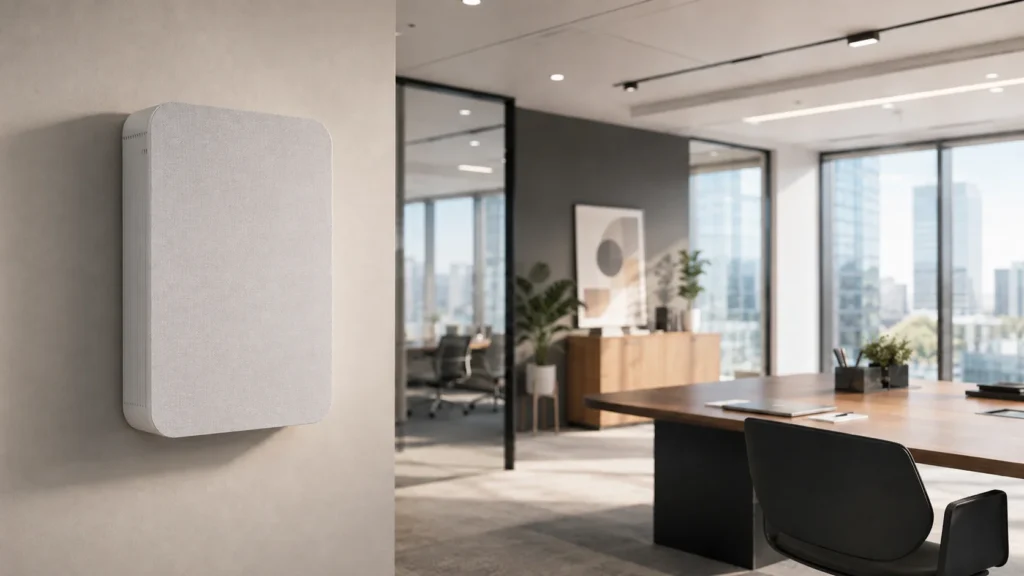
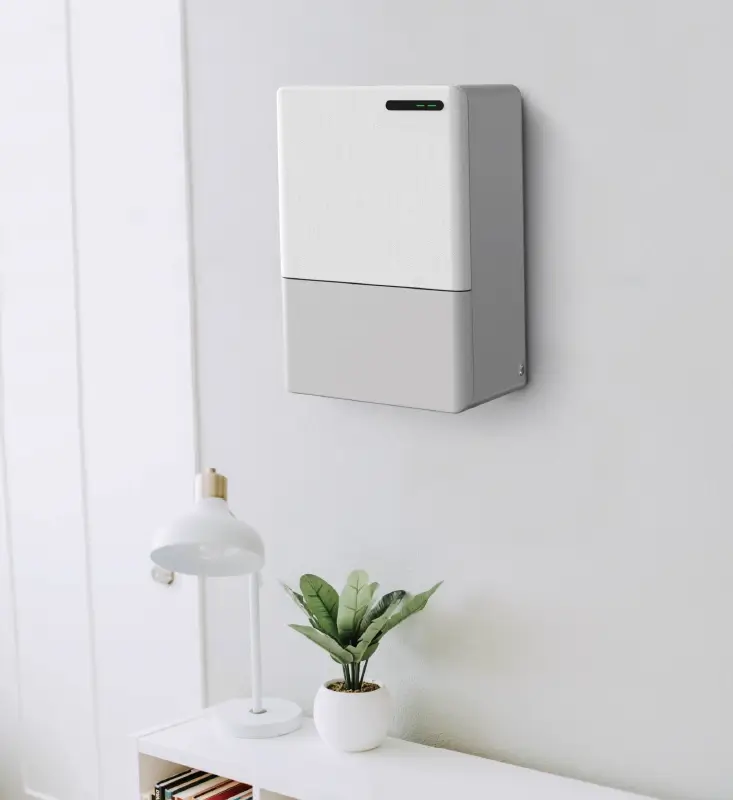
(The newly launched wall-mounted air purifier by HisoAir, click on the image to learn more)
The Health Verdict: A Clear Winner for Your Lungs
Given the distinct operational mechanisms and potential risks associated with HEPA filters and ionizers, the health verdict is unequivocally clear. For anyone concerned about respiratory health, particularly those with pre-existing conditions, HEPA filtration emerges as the undisputed champion.
For People with Asthma, Allergies, or COPD: HEPA is Essential
For individuals suffering from chronic respiratory conditions such as asthma, allergies, or Chronic Obstructive Pulmonary Disease (COPD), the presence of airborne irritants can trigger severe symptoms, exacerbations, and a significant reduction in quality of life. Research consistently demonstrates that HEPA filters provide substantial benefits for these vulnerable populations. By effectively capturing microscopic particles like pollen, dust mites, pet dander, mold spores, and even bacteria and viruses, HEPA purifiers significantly reduce the concentration of airborne triggers 6.
Studies have shown that using HEPA air purifiers can lead to a reduction in asthma symptoms, improved lung function, and fewer emergency room visits for asthmatic patients 7. For those with allergies, the removal of common allergens from the air can alleviate sneezing, coughing, watery eyes, and nasal congestion. In the context of COPD, reducing exposure to particulate matter can help prevent flare-ups and improve overall respiratory comfort. While air purification is part of a larger cleaning plan, HEPA filters are a crucial tool in creating a safe haven for sensitive lungs.
For Healthy Individuals: Reducing the Invisible Burden
Even for healthy individuals without diagnosed respiratory conditions, the benefits of HEPA filtration are significant. We are constantly exposed to fine particulate matter (PM2.5) from various sources, both indoors and outdoors. These microscopic particles, smaller than 2.5 micrometers in diameter, are small enough to penetrate deep into the lungs and even enter the bloodstream, contributing to a range of health issues over time, including cardiovascular disease and other systemic inflammatory responses 8.
While the immediate effects may be less dramatic than for those with chronic conditions, HEPA filtration consistently reduces the overall load of harmful particulate matter you breathe in daily. This proactive reduction in exposure can contribute to long-term lung health, reduce the risk of developing respiratory sensitivities, and enhance overall well-being. It's an investment in preventative health, minimizing the invisible burden on your respiratory system.
The Ionizer Risk: A Detriment to Health
Conversely, for all groups whether healthy or with pre-existing conditions the risk of ozone exposure from an ionizer far outweighs any perceived benefit. As previously discussed, ozone is a powerful lung irritant. Introducing it into an indoor environment, even at levels deemed "safe" by some manufacturers, is counterproductive to the goal of improving lung health. For sensitive individuals, even low levels of ozone can trigger symptoms, while for healthy individuals, chronic exposure can lead to long-term lung damage.
Furthermore, the fundamental mechanism of ionizers—depositing particles onto surfaces rather than removing them—means that the air is never truly cleaned. The potential for re-aerosolization of pollutants, combined with the risk of ozone production, makes ionizers a detrimental choice for anyone prioritizing genuine lung health. The consensus from leading health organizations is clear: avoid air purifiers that produce ozone.
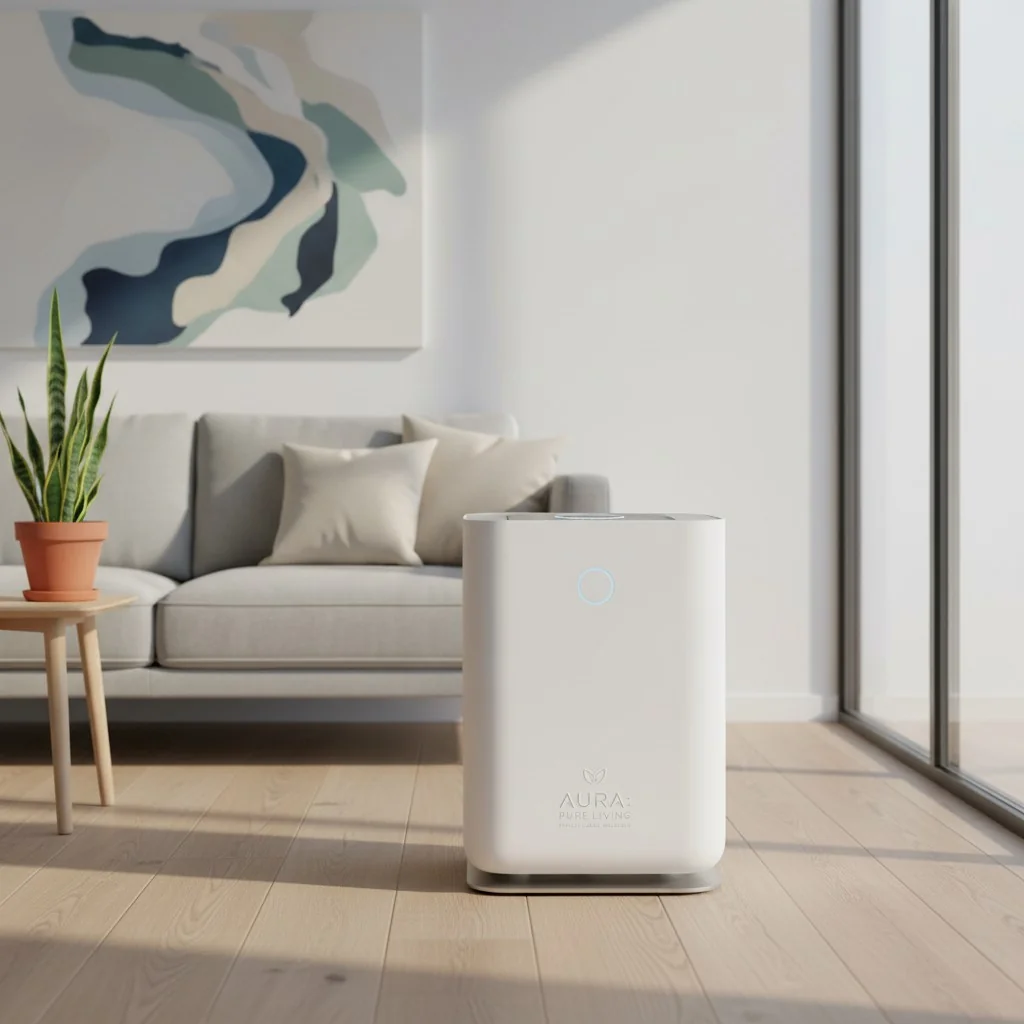
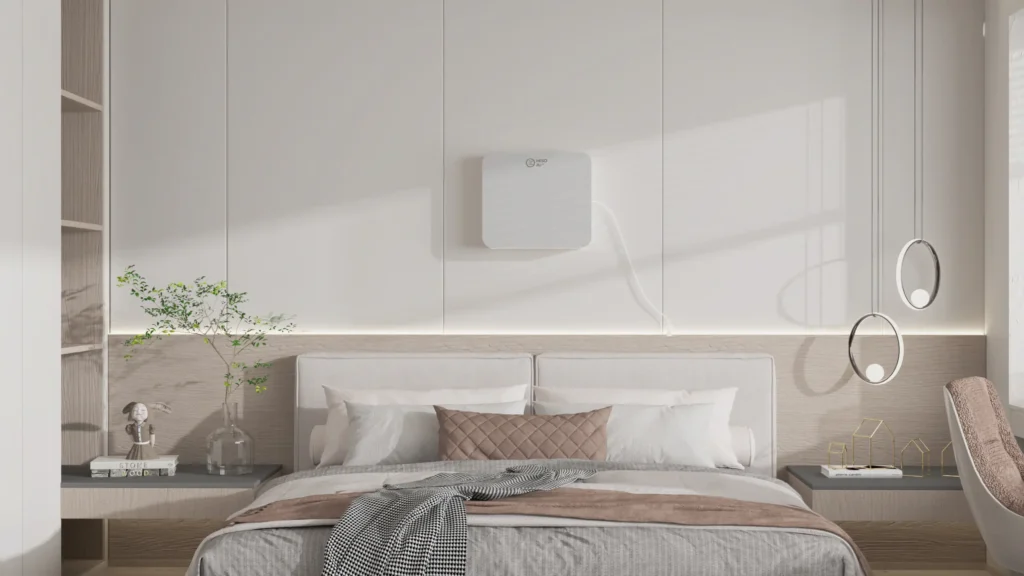
(The newly launched wall-mounted air purifier by HisoAir, click on the image to learn more)
Conclusion: Make the Science-Backed Choice for Your Health
In the ongoing debate between HEPA filters and ionizers, the scientific evidence and expert consensus point to a clear winner for genuine lung health benefits: Filtración HEPA. While the allure of ionizers with their promise of "destroying" pollutants might seem appealing, their fundamental flaw of merely relocating particles and the significant risk of ozone production make them a questionable, if not harmful, choice for indoor air purification.
For businesses and individuals alike, investing in indoor air quality is an investment in health, productivity, and well-being. When making this crucial decision, prioritize technologies that are proven to effectively and safely remove airborne contaminants from your breathing space.
The Safest and Most Effective Choice: Multi-Stage Filtration with True HEPA
For comprehensive and reliable air purification, the evidence is clear: a multi-stage air purifier featuring a Verdadero filtro HEPA is the safest and most effective choice. These systems often combine several filtration layers to address a wide spectrum of indoor air pollutants:
- Pre-filter: Captures larger particles like dust and pet hair, extending the life of subsequent filters.
- True HEPA Filter: The core of the system, responsible for trapping 99.97% of particles as small as 0.3 microns, including allergens, mold spores, bacteria, and viruses.
- Activated Carbon Filter: Crucial for adsorbing gases, odors, and volatile organic compounds (VOCs) that HEPA filters cannot capture. This is particularly important for environments with chemical fumes, cooking odors, or pet smells.
This combination ensures that both particulate matter and gaseous pollutants are effectively removed from the air, providing a truly clean and healthy indoor environment.
Final Advice & Call to Action: Shop Smart for Your Lungs
When you are in the market for an air purifier, ignore the marketing hype and focus on verifiable facts and certifications. Here are two critical things to look for:
- "True HEPA" on the Box: Ensure the product explicitly states "True HEPA" and meets the 99.97% efficiency standard for 0.3-micron particles. Be wary of terms like "HEPA-type" or "HEPA-like," which do not meet the strict HEPA standard and offer inferior filtration.
- CARB (California Air Resources Board) Certification: This certification is a crucial indicator of safety. CARB-certified air purifiers have been tested and verified not to produce harmful levels of ozone. This ensures that while you are cleaning your air, you are not inadvertently introducing a lung irritant into your space.
At Hisoair, our purificadores de aire murales are designed with your lung health in mind, featuring advanced multi-stage filtration systems that include True HEPA and activated carbon filters, ensuring superior air quality without the risk of ozone. We are committed to providing solutions that are not only effective but also safe and reliable, helping you create healthier indoor environments for your business and its occupants.
Don't just move dust around remove it. Your lungs will thank you. Make the science-backed choice for cleaner air and improved lung health today.
References
-
U.S. Environmental Protection Agency (EPA). "Indoor Air Quality." https://www.epa.gov/indoor-air-quality-iaq ↩
-
HEPAcart. "HEPA vs. True HEPA Filter: Understanding the Difference." https://www.hepacart.com/blog/hepa-vs-true-hepa-filter-understanding-the-difference ↩
-
California Air Resources Board (CARB). "Hazardous Ozone-Generating Air Purifiers." https://ww2.arb.ca.gov/our-work/programs/air-cleaners-ozone-products/hazardous-ozone-generating-air-purifiers ↩
-
U.S. Environmental Protection Agency (EPA). "Ozone Generators that are Sold as Air Cleaners." https://www.epa.gov/sites/default/files/2014-08/documents/ozone_generator.pdf ↩
-
American Lung Association. "Ozone." https://www.lung.org/clean-air/outdoors/what-makes-air-unhealthy/ozone ↩
-
Cleveland Clinic. "Can Air Purifiers Improve Your Lung and Heart Health?" https://health.clevelandclinic.org/can-air-purifiers-improve-lung-heart-health ↩
-
Airoasis. "The Science Behind Air Purification and Lung Health Recovery." https://www.airoasis.com/blogs/articles/the-science-behind-air-purification-and-lung-health-recovery ↩
-
Johns Hopkins Medicine. "Household Air Cleaners Improve Heart Health Among Individuals with COPD, Researchers Find." https://www.hopkinsmedicine.org/news/newsroom/news-releases/2022/12/household-air-cleaners-improve-heart-health-among-individuals-with-copd-researchers-find ↩

 English
  Français
  Español
  Italiano
  Deutsch
  Português
  Русский
  العربية
  日本語
日本語  한국어
한국어  Tiếng Việt

