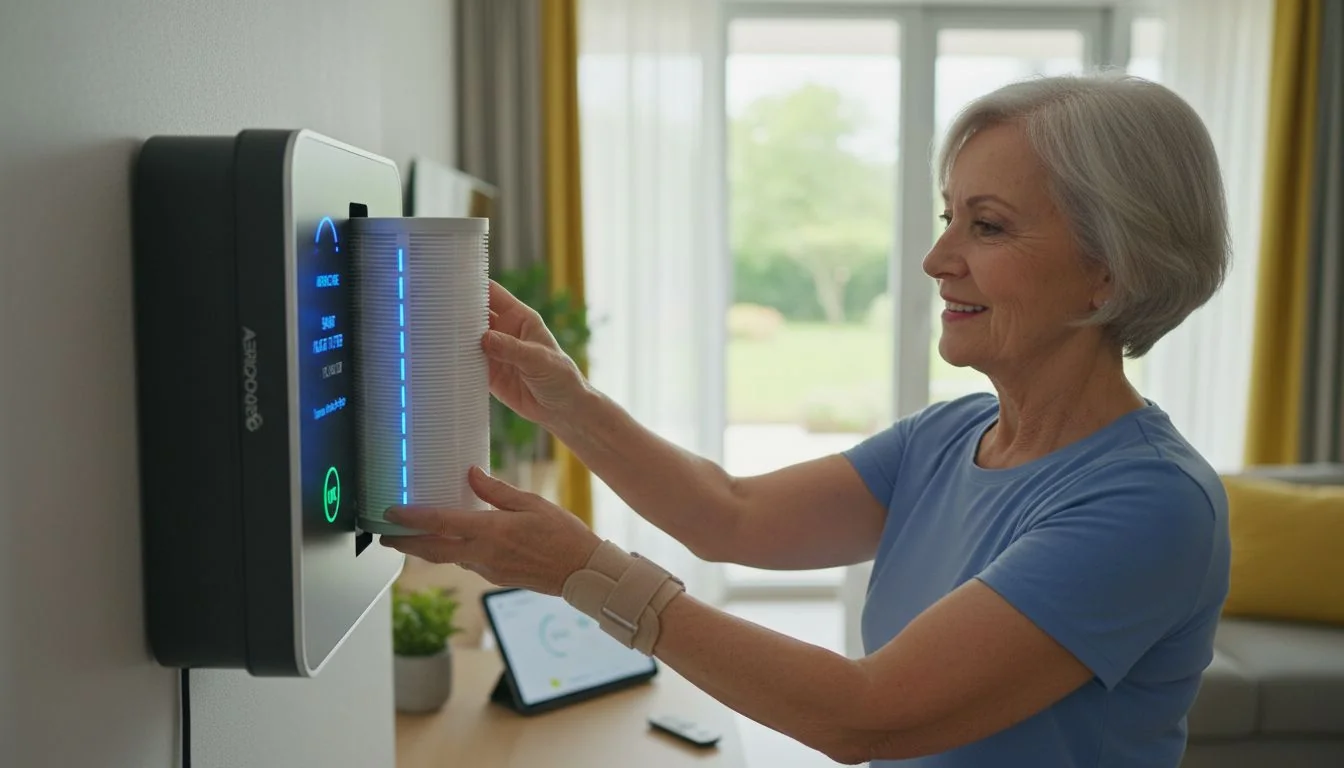
Facility managers struggle with messy maintenance records1 and missed filter changes. This leads to broken equipment and high costs. Smart filter replacement solves these daily headaches easily.
Smart filter replacement reduces maintenance burden by using IoT sensors2 to track actual usage instead of guessing timeframes. This prevents missed changes, stops incorrect replacements, keeps digital records clean, and helps facility teams plan consumable orders without guaranteeing water quality, but rather ensuring operational efficiency.
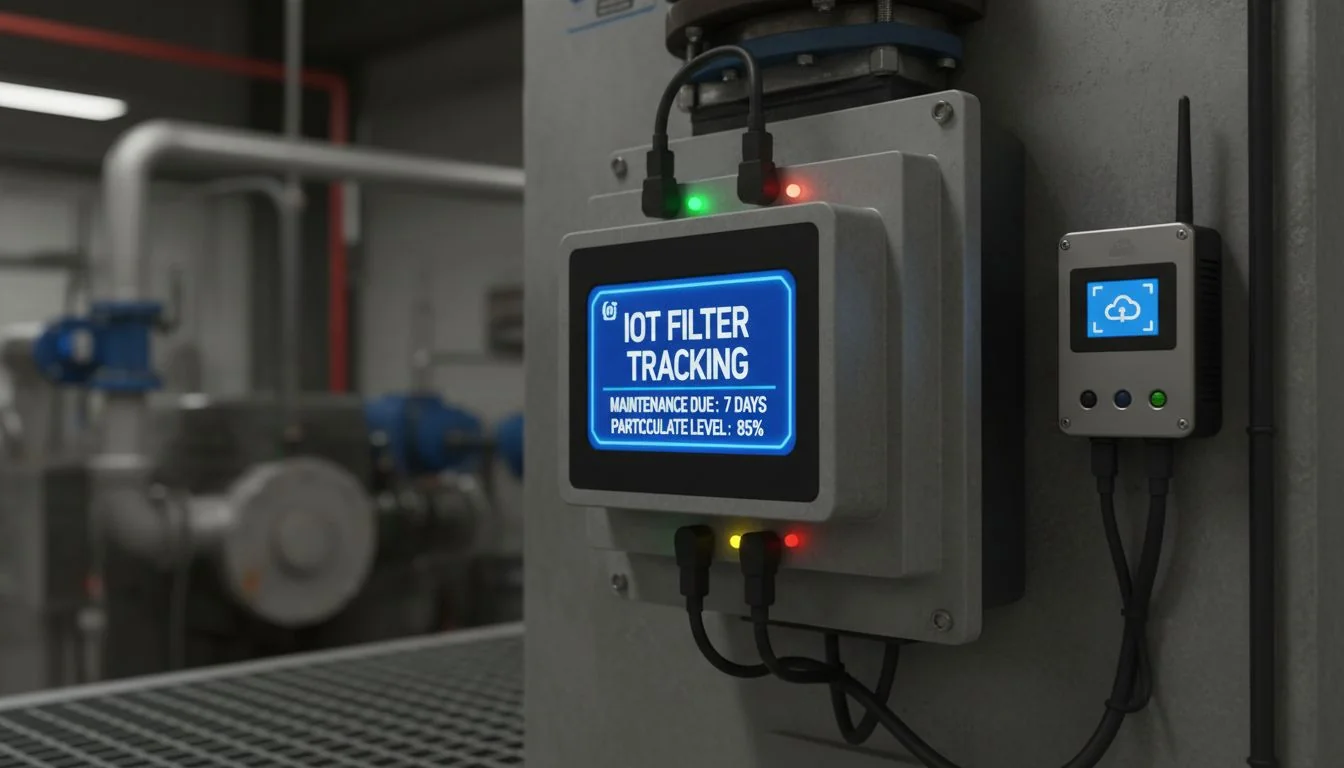
I remember designing a plastic housing for a water system years ago. We did not think about how the end user would track the filter life. Now, as product designers, we must think about connected maintenance. Let us look at how smart design changes everything and keeps the customer reading further.
Generate Claims
Smart filter reminders guarantee 100% pure water quality.Falso
Smart reminders only track usage and replacement schedules, they do not test or guarantee the actual water quality.
IoT sensors can track the exact volume of water passing through a filter.Verdadero
Flow meters and IoT sensors measure actual water usage to trigger replacement alerts accurately.
Why Is Filter Replacement a Recurring Operational Pain Point?
Maintenance teams often forget when to change filters. Paper logs get lost, and wrong filters get installed. This creates a huge mess for senior living facilities.
filter replacement3 is a pain point because manual tracking leads to missed replacements and messy records. Staff turnover makes paper logs unreliable. This causes incorrect filter installations and unexpected service calls, wasting time and money for the facility.

The Flaws of Manual Tracking
When I visit senior living facilities, I see maintenance rooms full of paper logs. These logs are often wrong. A worker might write down the wrong date. Sometimes, they install the wrong filter model. As product designers, we must understand this user environment. We cannot just design a good plastic mold. We must design a system that prevents human error. If we ignore these operational pain points, our designs fail in the field. We must think about the end user.
Common Maintenance Mistakes
Let us look at the most common issues facility teams face every day.
| Problem | Cause | Impacto |
|---|---|---|
| Missed Replacements | Lost paper logs | Equipment damage |
| Incorrect Filters | Poor labeling | System leaks |
| Messy Records | Staff turnover | Audit failures |
By understanding these pain points, we can design better IoT-connected products. We can mold plastic housings that integrate sensors easily. This helps the maintenance team assign responsibility clearly. It stops the cycle of messy records. When we master molding right, we also master how the product lives in the real world. This is why connected maintenance is so important for our industry today.
Generate Claims
Paper logs are the most reliable way to track maintenance.Falso
Paper logs are easily lost, damaged, or filled out incorrectly, making them highly unreliable.
Staff turnover increases the risk of missed filter changes.Verdadero
New staff may not know the manual schedules or where the paper logs are kept.
What Does “Smart” Replacement Monitoring Involve?
Guessing when a filter needs changing is risky. You might change it too late or too early. smart monitoring4 takes the guesswork out of the process.
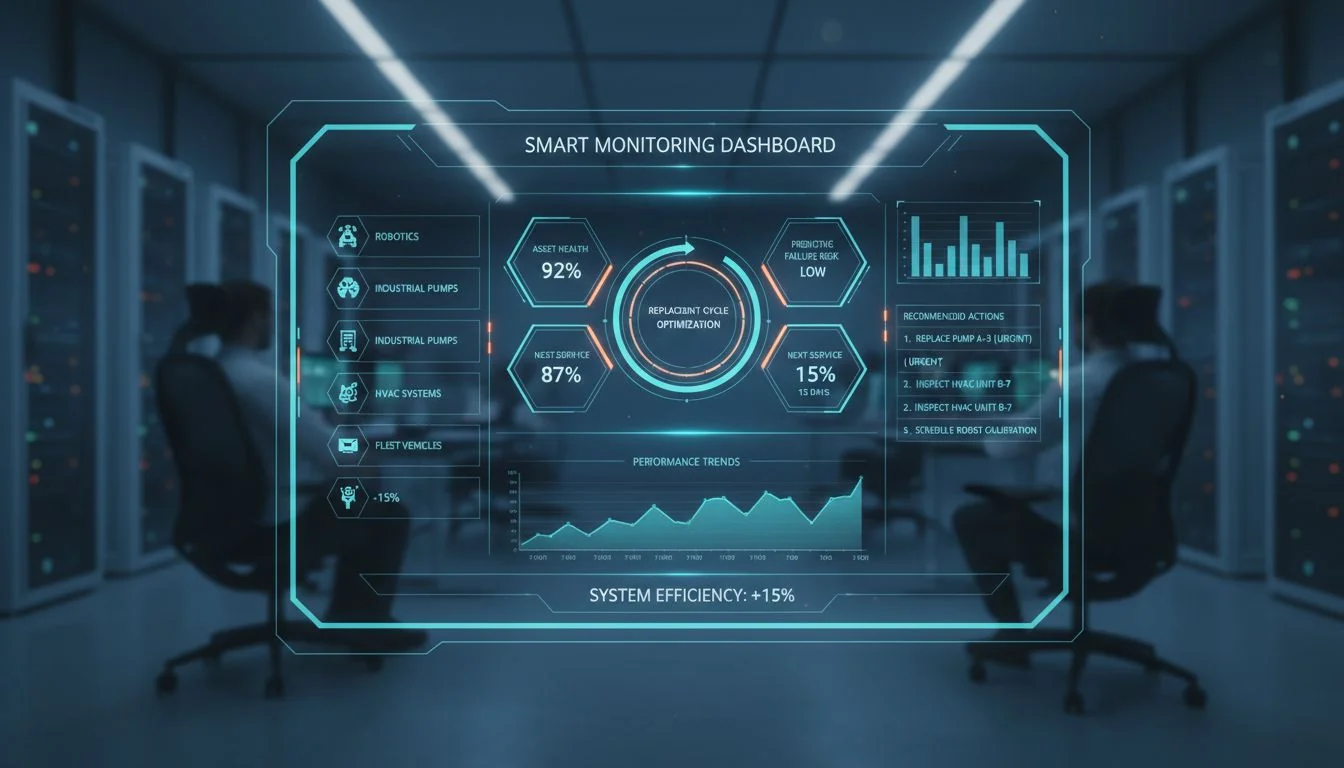
Smart replacement monitoring involves using IoT sensors to track filter usage and send digital reminders5. It focuses on reminder methods, record tracking, and responsibility assignment. It connects the physical filter to a digital dashboard, keeping maintenance records clean and organized.
Core Components of Smart Monitoring
Smart monitoring is not magic. It is a simple mix of hardware and software. In my mold design work, I often leave space in the plastic casing for a small RFID chip or a flow sensor. This sensor talks to a central system. It tells the system exactly how much the filter is used. The system focuses on clear tasks. It does not test water quality. It just tracks data.
How the System Works
Here is what the system actually does.
| Característica | Función | Beneficio |
|---|---|---|
| Digital Reminders | Sends alerts to phones | Stops missed changes |
| Record Tracking | Logs data in the cloud | Fixes messy records |
| Task Assignment | Sends alerts to specific staff | Clears up responsibility |
As designers, we must make sure the plastic parts protect these sensors. The mold must be precise. If water leaks into the sensor, the smart system fails. We must calculate mold shrinkage perfectly to ensure a tight seal. This is a challenge Jacky and I know well. When the hardware is safe, the software can do its job. It tracks the consumables planning6 and keeps the maintenance records clean. This simple connection between a plastic part and a digital dashboard changes everything for the facility team.
Generate Claims
Smart monitoring tests the chemical makeup of the water.Falso
Smart monitoring tracks usage and time, not the chemical composition of the water.
RFID chips can be molded into plastic filter housings.Verdadero
Manufacturers often embed RFID chips into plastic parts during or after the molding process to track components.
How Do Usage-Based vs Time-Based Replacement Approaches Compare?
Changing filters every six months wastes money if they are not used. Waiting six months breaks machines if usage is high. You need a better way.
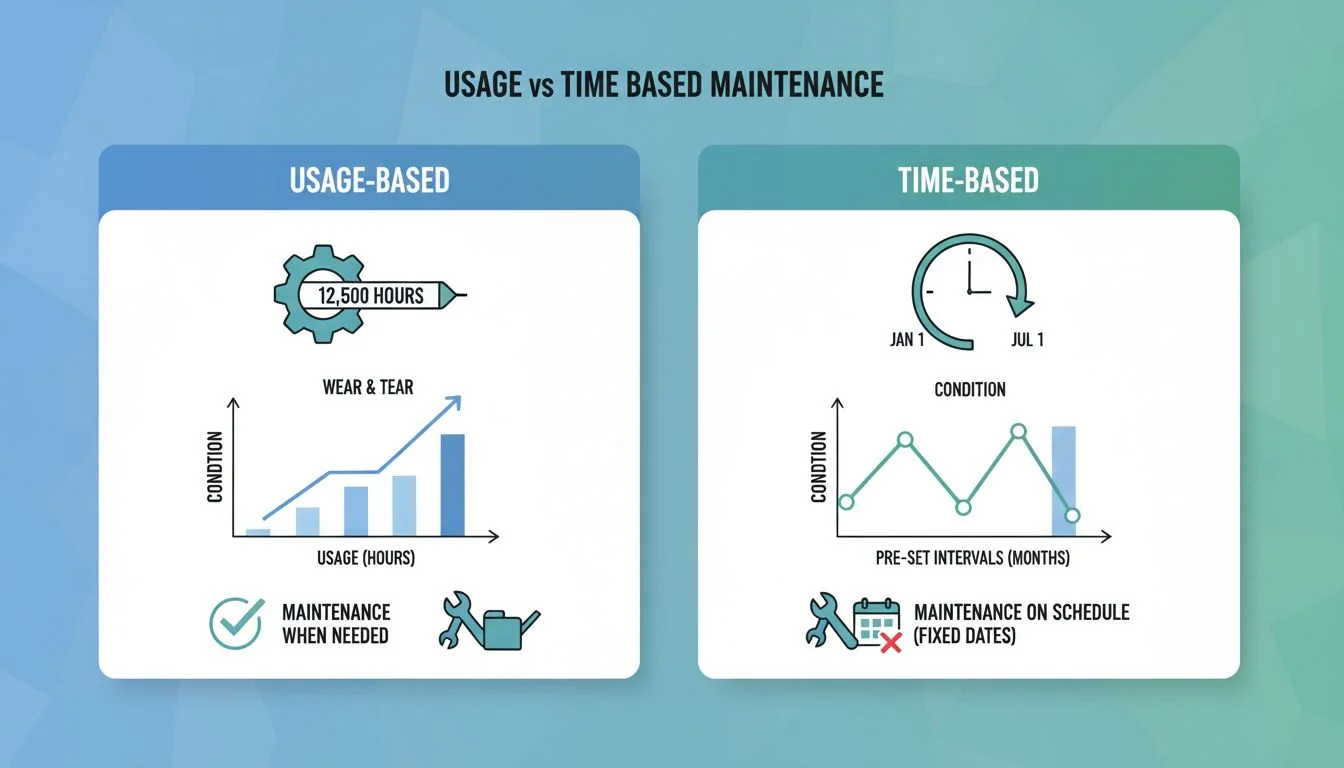
Time-based replacement relies on fixed calendar dates, which often leads to wasted consumables or missed changes. Usage-based replacement uses smart sensors to measure actual water flow. This ensures you only replace the filter when it is truly needed, saving money and planning consumables better.
The Problem with Time-Based Rules
Many facilities just change filters every six months. I used to think this was fine. But then I saw a senior living center throw away perfectly good filters. They wasted money. In another building, the filter clogged after three months because of high use. The machine broke.
The Usage-Based Solution
usage-based tracking7 solves this. It uses flow meters. We design the mold to hold these meters tightly.
| Approach | Trigger | Result |
|---|---|---|
| Time-Based | Calendar date | Wasted filters or broken machines |
| Usage-Based | Actual water flow | Perfect timing and cost savings |
When we design products for engineers like Jacky, we must push for usage-based designs. It makes consumables planning much easier. The facility knows exactly how many filters to buy each month. They do not guess anymore. They save money and space. As a mold enthusiast, I love seeing how a small design change improves a whole business. We move from guessing timeframes to knowing exact usage. This is the power of smart connected maintenance. It makes the daily operations much smoother and far less stressful for everyone involved.
Generate Claims
Time-based replacement always saves money.Falso
Time-based replacement often causes facilities to throw away filters that still have useful life, wasting money.
Usage-based tracking helps facilities plan their consumable orders.Verdadero
By knowing exact usage rates, facilities can forecast exactly when they will need new filters.
How Can Smart Systems Reduce Missed Changes and Service Calls?
A missed filter change causes low water pressure. Then, the facility has to call an expensive repair service. Smart systems stop this chain reaction completely.
Smart systems reduce missed changes by sending automated alerts8 directly to the maintenance team's phones. This clear responsibility assignment ensures the job gets done. By changing filters on time, the facility avoids equipment breakdowns, which drastically reduces expensive emergency service calls.

Stopping the Chain Reaction
A missed filter change is never just a missed change. It leads to bigger problems. The pump works harder. The plastic pipes stress. Eventually, something breaks. I have seen poorly maintained systems crack the plastic housings I helped design.
Automated Alerts and Responsibility
Smart systems fix this by assigning responsibility. The system sends a message to a specific person.
| Action | Traditional Way | Smart System Way |
|---|---|---|
| Alert Method | Checking a paper log | Push notification to phone |
| Accountability | Unclear | Assigned to specific worker |
| Service Calls | High frequency | Very low frequency |
If the worker ignores the alert, the system tells the manager. This clear tracking means the filter gets changed. The equipment stays safe. The facility does not need to call a repair technician. This is why connected maintenance is so valuable in product design today. We are not just making parts. We are preventing expensive emergencies. When we design the mold right, we give the smart sensors a safe home. This allows the automated alerts to work perfectly every single time. This clear responsibility assignment9 stops the blame game and keeps the machines running smoothly.
Generate Claims
Missed filter changes have no effect on the machine's pump.Falso
Clogged filters restrict flow, forcing pumps to work harder and potentially burn out.
Automated alerts create clear accountability for maintenance staff.Verdadero
Digital systems log who received the alert and whether the task was marked as completed.
What Are the Cost and Workflow Benefits for Facility Teams?
Facility teams are overworked and budgets are tight. Wasting time checking filters manually drains resources. Smart systems streamline the workflow and cut unnecessary costs.
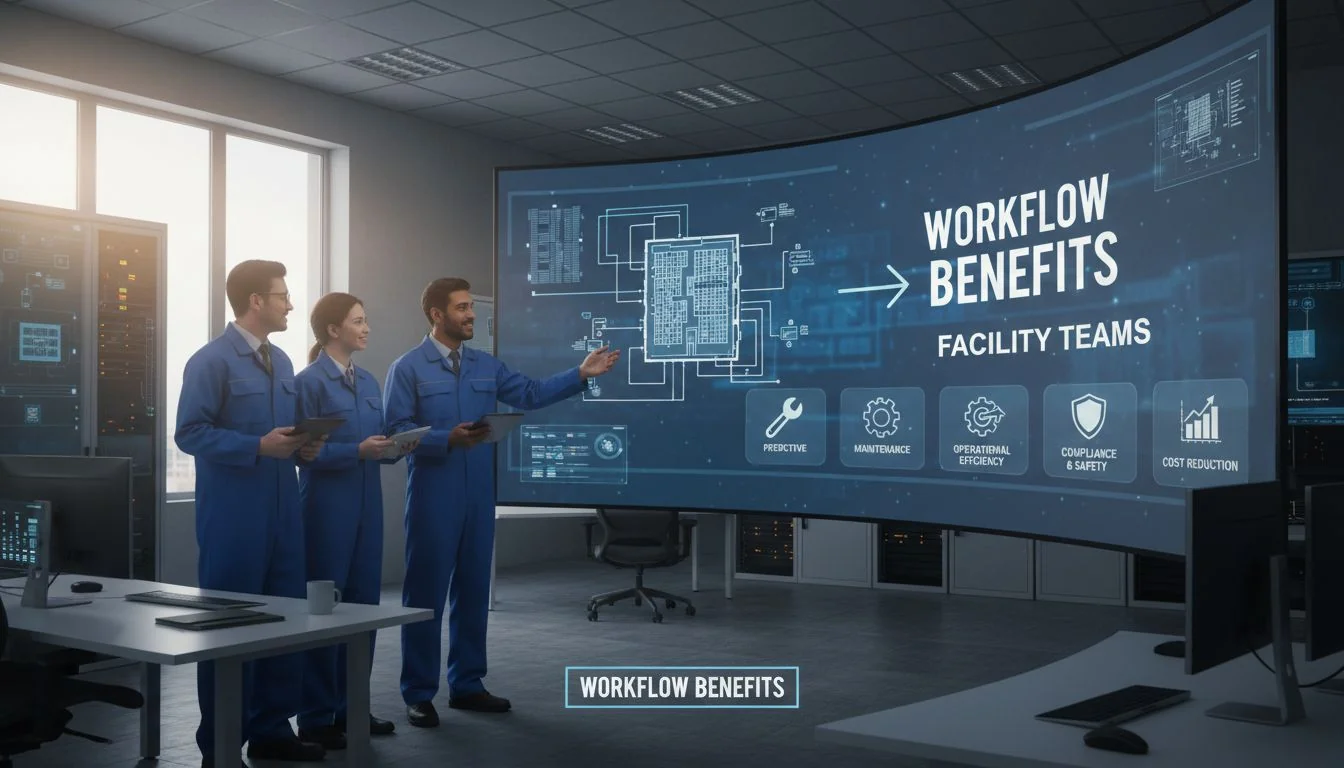
Smart filter replacement cuts costs by optimizing consumables planning and reducing emergency repairs. It improves workflow by eliminating manual checks and messy records. Maintenance teams only visit the equipment when an alert tells them to, freeing up their time for more important tasks.
Better Consumables Planning
When I ran my trading company, inventory was everything. It is the same for senior living facilities. If they buy too many filters, they waste storage space. If they buy too few, they run out. Smart systems track data over time. This helps managers buy the exact number of filters they need.
Streamlined Daily Workflow
The daily workflow changes completely with connected maintenance.
| Task | Old Workflow | Smart Workflow |
|---|---|---|
| Checking Status | Walk to every machine | Look at a digital screen |
| Ordering Parts | Guessing the amount | Data-driven ordering |
| Record Keeping | Writing on paper | Automatic cloud saving |
Workers do not walk around checking machines anymore. They only act when needed. As mold designers, we add value when we design housings that fit these smart modules. We help the end user save time and money. The maintenance team can focus on other important jobs in the building. They do not waste time on messy maintenance records. They use their time well. This workflow benefit is the real reason facilities buy smart systems. It makes their hard jobs much easier. Good product design always respects the user's time and effort.
Generate Claims
Smart systems require maintenance workers to check machines more often.Falso
Smart systems monitor the machines remotely, so workers only need to check them when an alert is triggered.
Data tracking helps facilities reduce excess inventory.Verdadero
Accurate usage data allows facilities to order only what they need, reducing storage costs.
How Should You Evaluate Smart-Monitoring Features in Procurement?
Buying the wrong smart system is an expensive mistake. Some systems are too complex or do not track the right data. You must choose carefully.
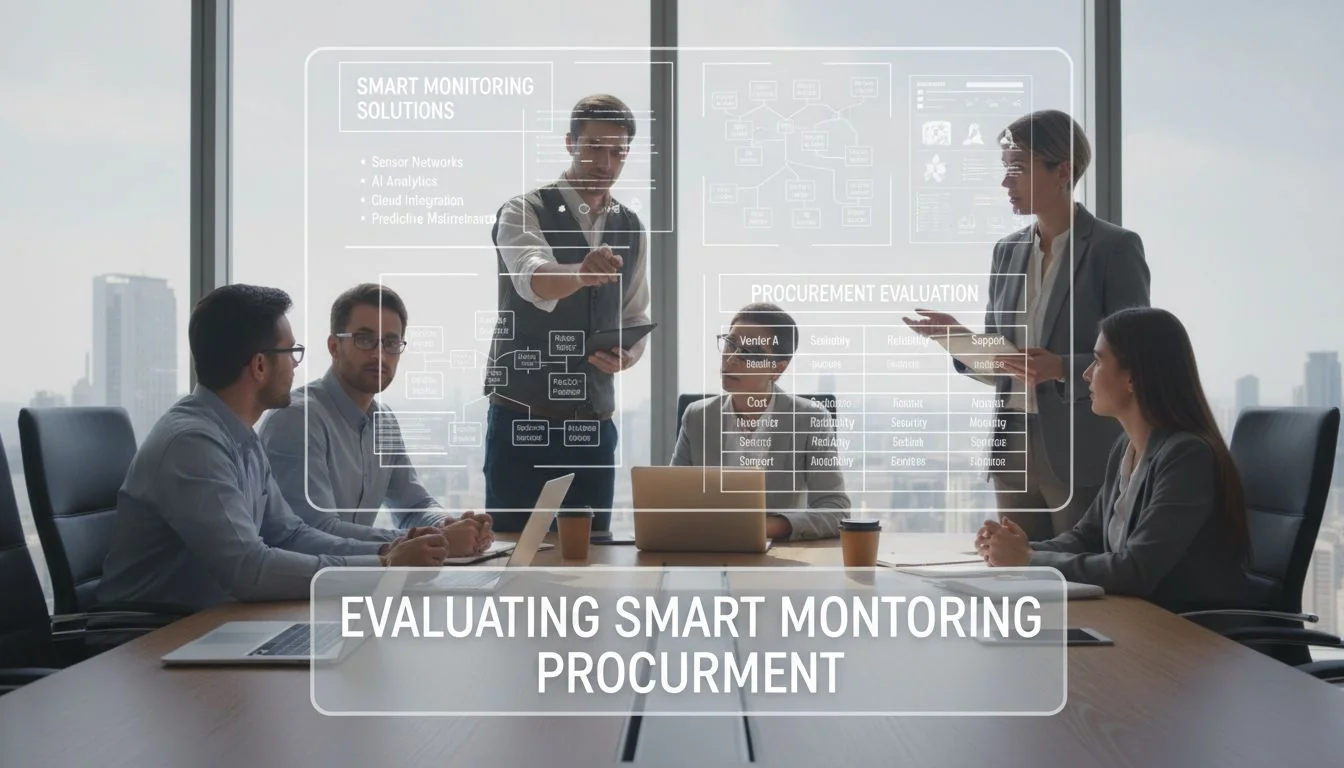
When evaluating smart-monitoring features, focus on reminder methods, record tracking, and ease of use. Ensure the system integrates well with your current workflow. Look for clear responsibility assignment features and avoid products that falsely promise water-quality guarantees instead of simple, reliable maintenance tracking.
Focus on Practical Features
When designers look for parts, they want reliability. Facility managers want the same thing. Do not buy a system that promises to test water quality perfectly. That is often a false promise. Buy a system that tracks usage and time well.
Procurement Checklist
Here is what to look for when buying a smart filter system.
| Feature to Check | Why It Matters |
|---|---|
| Reminder Methods | Must send alerts to phones or emails easily. |
| Record Tracking | Must keep clean, digital logs for audits. |
| Consumables Planning | Must show usage trends to help order parts. |
I always tell my clients to look at the plastic mold quality too. If the housing is weak, the smart sensor will break. Good mold design and smart IoT features must work together. This creates a product that truly reduces the maintenance burden. You must evaluate how the system assigns responsibility. Does it send clear alerts? Does it track the records well? If it does these things, it is a good choice. It will help you plan your consumables and stop missed replacements. Always choose practical features over fancy promises. This ensures your investment actually solves your daily operational problems.
Generate Claims
You should buy smart systems that guarantee perfect water quality.Falso
Most smart filter systems only track usage and flow, they cannot guarantee the actual chemical quality of the water.
Good record tracking features help facilities pass health and safety audits.Verdadero
Digital logs provide accurate, timestamped proof that maintenance was performed on schedule.
Conclusión
Smart filter replacement uses IoT tracking to stop missed changes and messy records. By focusing on usage data and clear alerts, facilities save money and improve their daily maintenance workflow.
References
-
Understand the consequences of poor record-keeping and how to avoid them. ↩
-
Explore how IoT sensors enhance maintenance efficiency and reduce operational costs. ↩
-
Get insights into effective filter replacement strategies to enhance operational efficiency. ↩
-
Learn about the advantages of smart monitoring systems in streamlining maintenance tasks. ↩
-
Explore the role of digital reminders in ensuring timely maintenance actions. ↩
-
Learn about the significance of effective consumables planning in facility management. ↩
-
Discover how usage-based tracking optimizes maintenance schedules and saves costs. ↩
-
Find out how automated alerts can enhance responsibility and reduce missed tasks. ↩
-
Understand the importance of clear responsibility in maintenance to prevent errors. ↩



 English
  Français
  Español
  Italiano
  Deutsch
  Português
  Русский
  العربية
  日本語
日本語  한국어
한국어  Tiếng Việt
