Se abre en una pestaña nueva
Soluciones innovadoras para la calidad del aire

The Future of Air Purifiers: Trends Driving the Next Generation

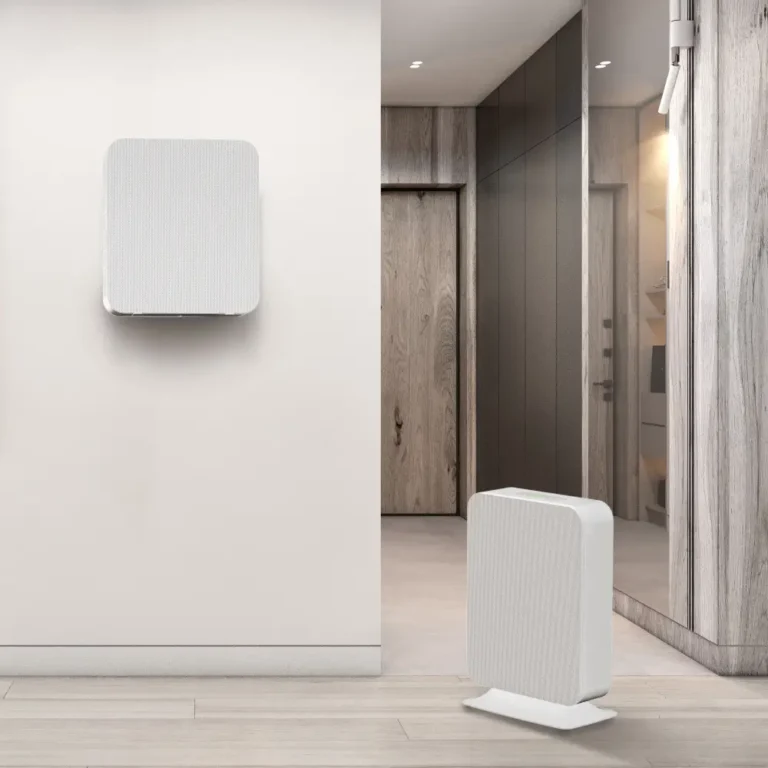
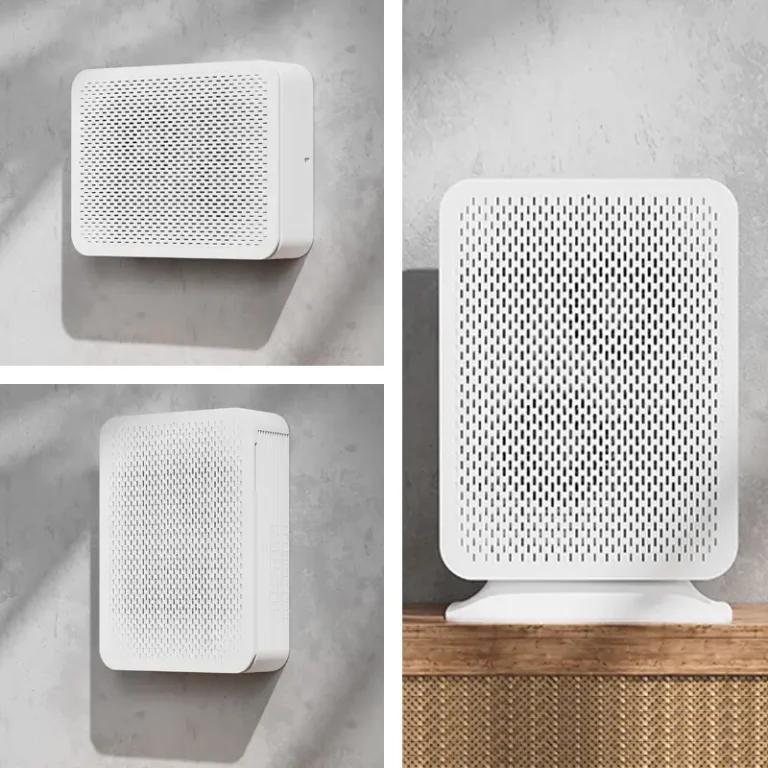
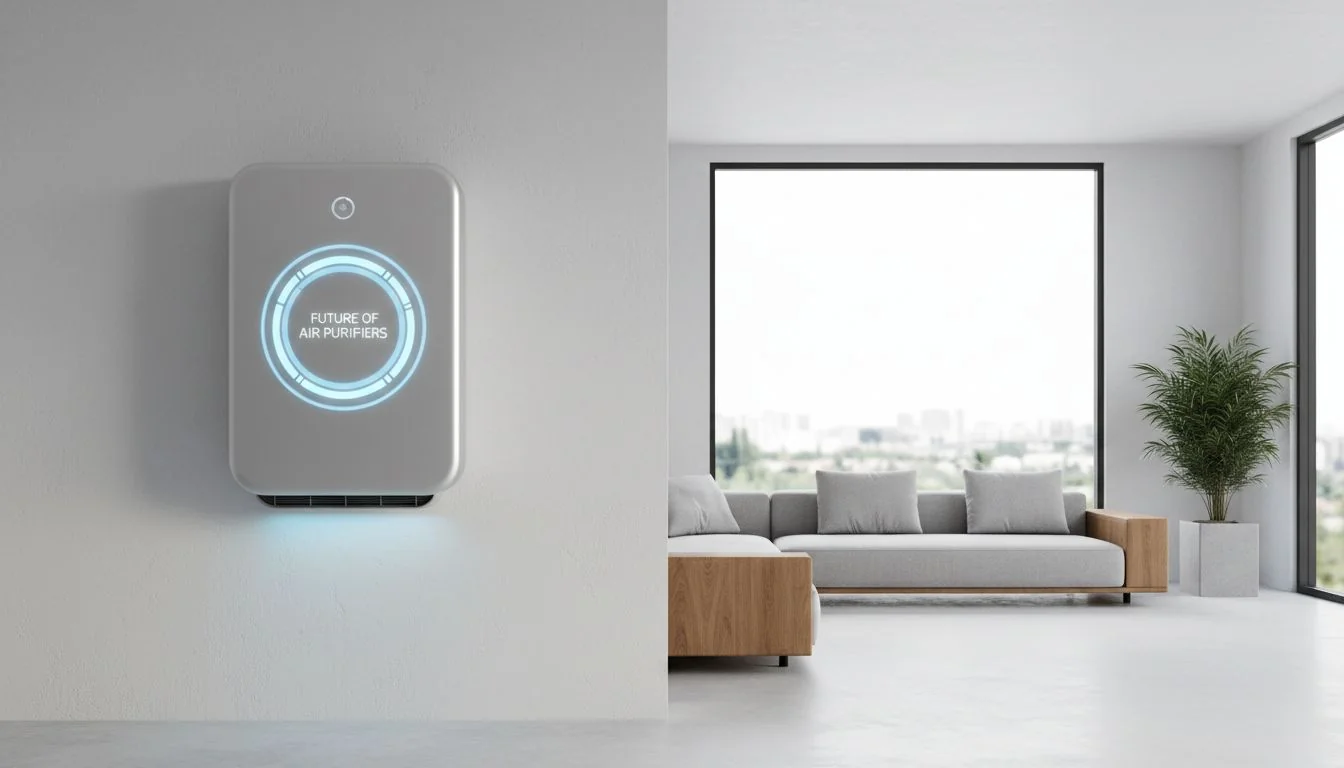
modern wall mounted air purifier in a minimalist living room

Floor space is expensive, and bulky appliances ruin the look of a room. Your clients want clean air, but they hate the clutter that comes with traditional machines. How do we solve this design conflict?

The answer lies in "Invisible Wellness1," a shift from floor-standing units to wall-mounted, "zero-footprint" architectures. This evolution merges high-performance filtration with decor-integrated aesthetics, allowing designers to create systems that purify air without occupying valuable floor space or disrupting visual harmony.
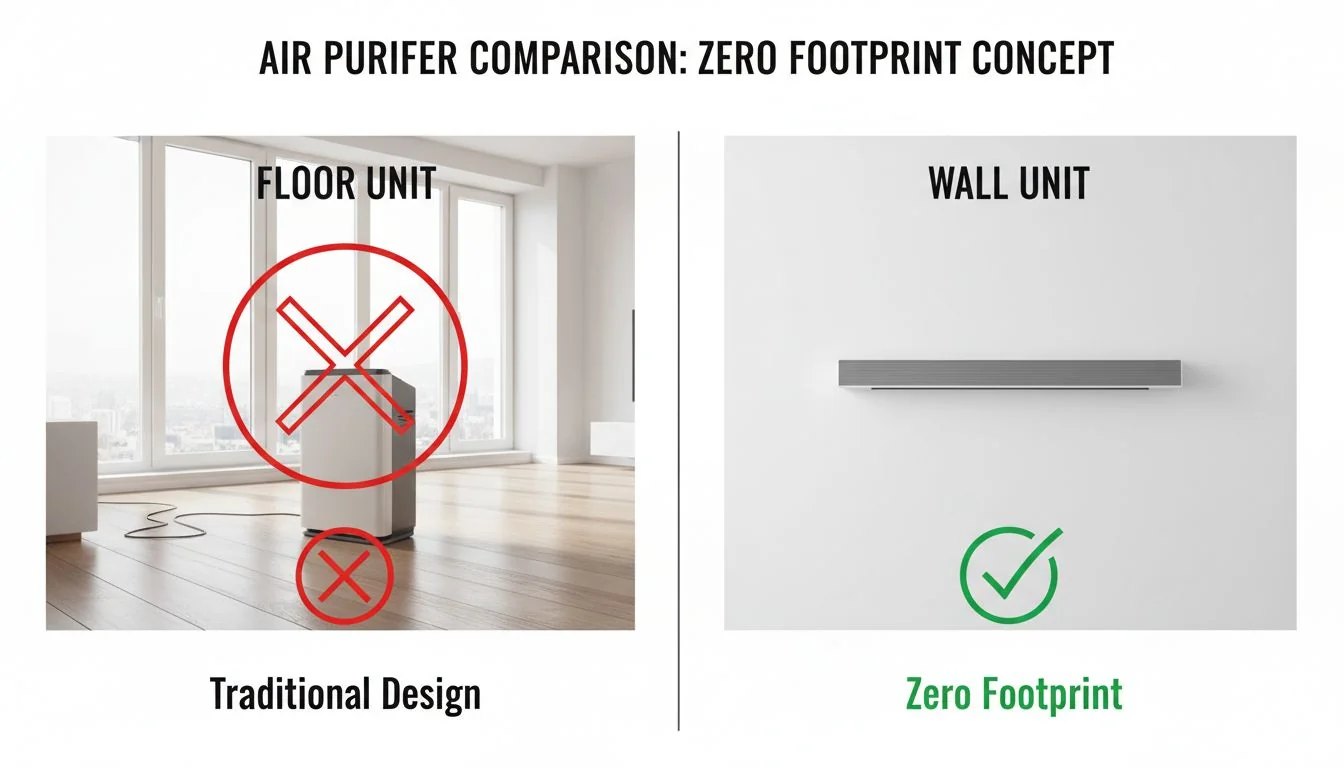
comparison of floor unit vs wall unit air purifier

We are seeing a massive change in how we think about home appliances. In the past, a machine just needed to work. Now, it needs to disappear. As a mold designer, I see this shift firsthand. We are moving away from designing heavy, standalone boxes. We are moving toward integrated systems that fit into the home like furniture. This is not just about making things smaller. It is about rethinking the entire structure of the product.

Wall-mounted air purifiers save 100% of floor space compared to traditional tower units.Verdadero

By utilizing vertical wall space, the unit removes the footprint from the floor entirely.

Interior designers prefer floor units over wall units.Falso

Designers and architects prefer wall units because they can be integrated into the design plan without ruining the room layout.

Why Is the Industry Shifting to "Zero-Footprint" Architecture?

Traditional purifiers are often tripping hazards that architects and interior designers hate. They take up room and block flow. Why are we still putting these boxes on the floor?

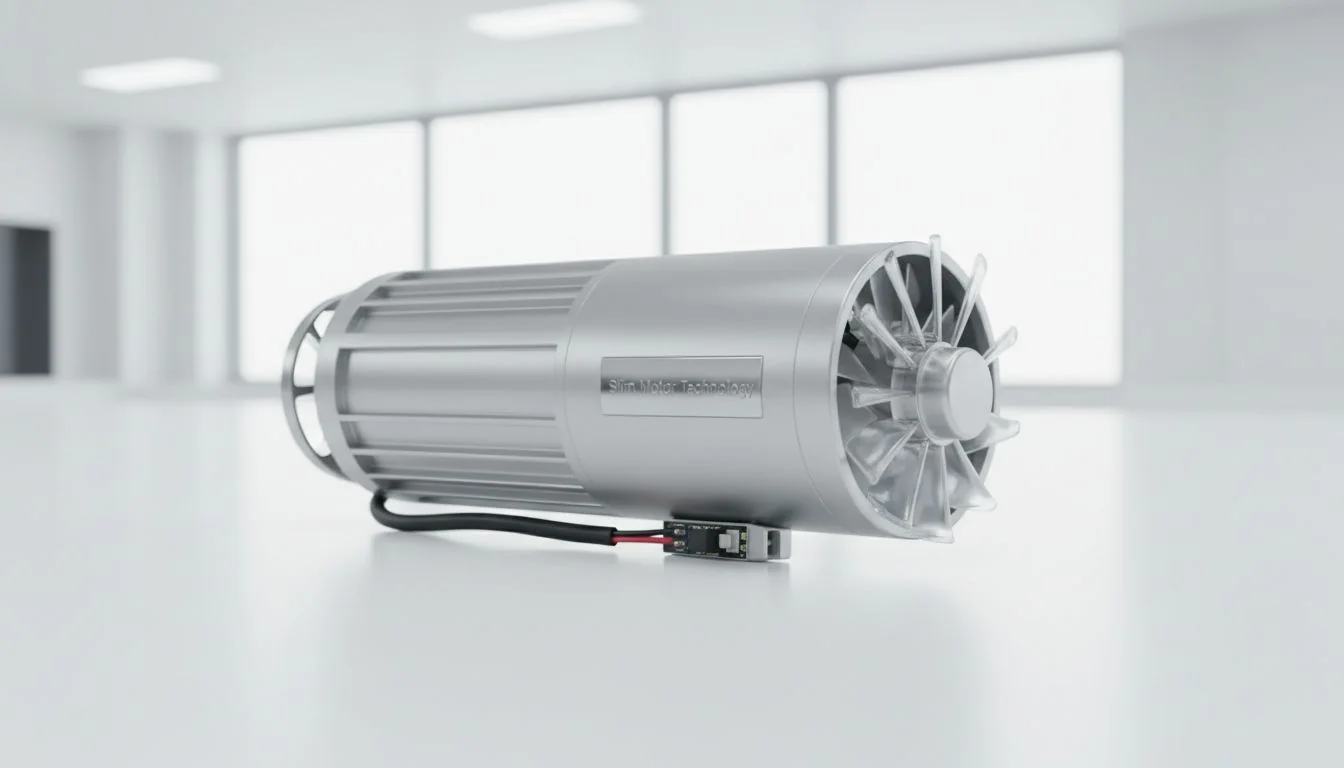
The "Zero-Footprint2" trend moves air purification to the wall, utilizing vertical space. This requires re-engineering internal components, specifically using slim motors and compact centrifugal fans, to create a flat profile that acts as a retrofit solution between portable units and full HVAC systems.
slim motor assembly for air purifier

When we look at the "Zero-Footprint" trend, we are really looking at a "Retrofit3" opportunity. Full HVAC installation is too expensive for most people. Portable units are too messy. The wall-mounted unit is the perfect middle ground. It offers premium integration without the need for a construction crew.

To make this work, we have to change how we design the mold and the internal layout. You cannot just take a tower purifier and hang it on the wall. It sticks out too much. We need to use "Slim Motor4" platforms. This allows us to reduce the depth of the device significantly.

Key Design Considerations for Vertical Shift

Característica Traditional Design Zero-Footprint Design
Fan Type Axial Fan (Thick) Centrifugal/Slim Fan (Thin)
Flujo de aire Bottom to Top Front/Side to Top
Mounting Gravity Base Reinforced Backplate

As a designer, you must focus on the backplate mold. It needs to be rigid enough to hold the motor and filters without warping, but light enough to hang easily. This establishes the manufacturer not just as a factory, but as a "Futurist." We are engineering the platforms that make this new form factor possible.

Slim motors reduce the depth of air purifiers by up to 50%.Verdadero

Specialized flat motor designs allow for significantly thinner housing profiles suitable for wall mounting.

Wall mounting requires complex construction crews.Falso

Wall-mounted units are designed as easy retrofit solutions, installing similarly to a TV or shelf.

Can an Air Purifier Become a Piece of Art?

Plastic boxes look cheap and lower the perceived value of a room. High-end consumers reject "appliance" aesthetics that clash with their carefully curated homes. How do we fix this?

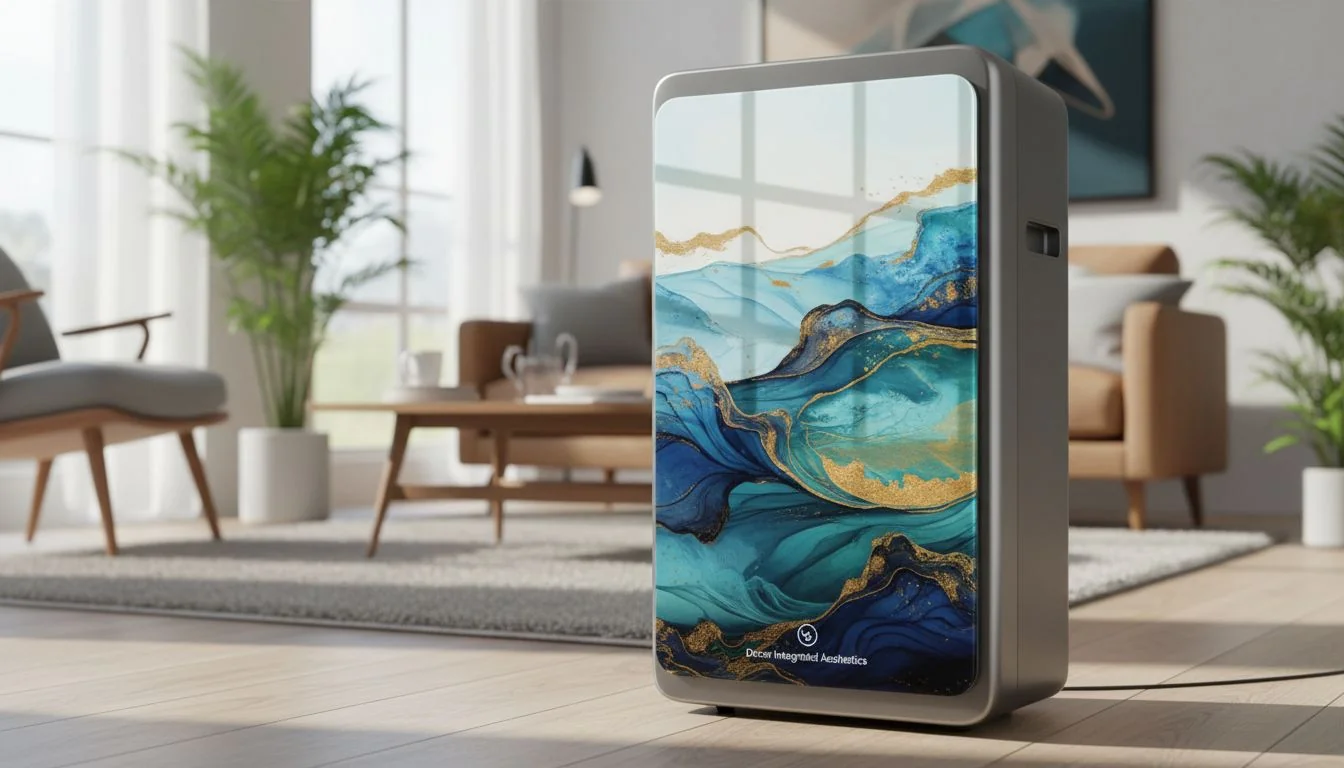
By integrating "Art Panels5" and magnetic covers, designers transform purifiers into decor elements. This increases perceived value significantly, moving the product from a $150 utility item to a $400 design feature, opening channels with interior designers who value visual integration.
air purifier with custom art panel front

This is where "Invisible Wellness" truly comes to life. We are not just hiding the machine; we are turning it into something beautiful. This trend opens up a new B2B channel for us: Interior Designers and Architects. They love products that serve a purpose but look like art.

From a mold design perspective, this is about the "Art Panel." We need to design magnetic front panels that can be swapped out easily. This allows the user to change the look of the purifier to match their room.

The Value of Aesthetics in Molding

  1. Surface Finish: We need to use high-quality textures. We might use In-Mold Decoration (IMD) to create wood grain or fabric textures directly on the plastic.
  2. Magnetic Integration6: The mold must have precise pockets for magnets. If the fit is too tight, the magnet cracks. If it is too loose, it falls out.
  3. Gap Control: The gap between the art panel and the main body must be consistent. This requires high-precision tooling to manage shrinkage.

By adding this "Art" element, we help our clients escape price wars. A commodity brand sells a purifier. We help them sell a piece of art that cleans the air. The perceived value jumps instantly.

Adding an art panel can double the retail price of a purifier.Verdadero

The product shifts from a commodity appliance category to the home decor category, commanding higher margins.

Magnetic panels are difficult for users to swap.Falso

Magnetic designs are engineered specifically for easy, tool-free customization by the end user.

How Does AI-Driven "Bio-Sensing" Change Automation?

Manual adjustments are annoying, and users often forget to turn purifiers up when air quality drops. How do we ensure the air is always clean without constant checking?

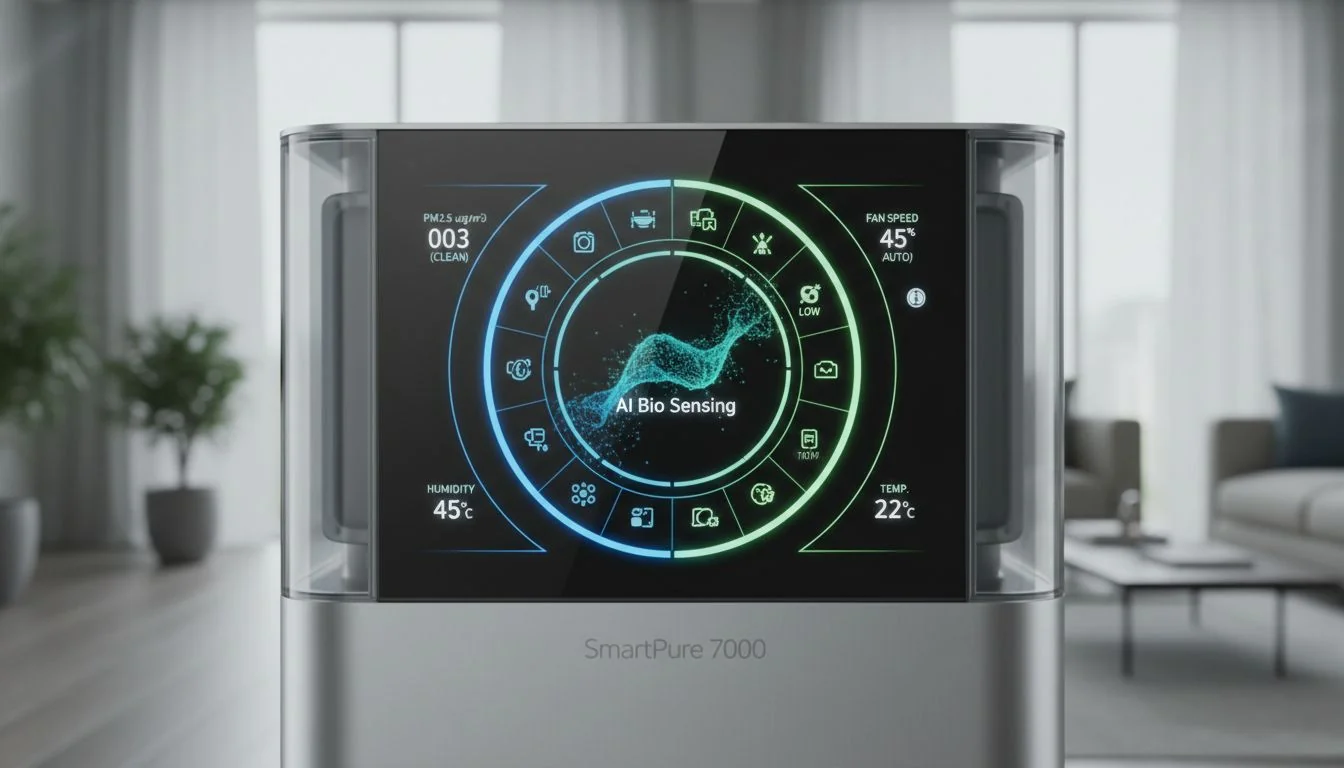
AI-driven Bio-Sensing7 uses advanced particulate and gas sensors to automate fan speeds based on real-time data. This creates a "set and forget" experience where the device reacts instantly to pollutants, ensuring optimal air quality without user intervention.
smart sensor interface on air purifier

Automation is the brain behind "Invisible Wellness." If the user has to touch the machine constantly, it is not invisible. It is a nuisance. We want the device to think for itself.

This trend relies on "Bio-Sensing." The device detects changes in the environment, like cooking smoke or pollen, and adjusts immediately. For us as designers, this means we have to integrate sensors seamlessly into the housing.

Integrating Sensors into the Mold

  • Air Intake for Sensors: The sensor needs a clear path to the room air. We must design small, discreet vents in the mold that allow air to reach the sensor but do not ruin the aesthetic.
  • Isolation: The sensor must be isolated from the clean air coming out of the machine. If the sensor reads the clean air, it will think the room is clean when it is not. We need internal ribbing in the mold to seal the sensor area.
  • Thermal Management: Sensors and AI chips generate heat. The mold design must include heat dissipation features to prevent the electronics from overheating.

This makes the machine feel "alive." It reacts to the user's life. It does the work without demanding attention.

AI sensors require manual calibration every week.Falso

Modern AI bio-sensors are self-calibrating and designed for automated operation.

Sensor placement affects the accuracy of the purifier.Verdadero

Sensors must be placed to sample room air, not the purified air exhaust, to provide accurate readings.

Is Active Sterilization the New Standard for Health Security?

Filters trap dust, but they do not always kill viruses or bacteria. Post-pandemic consumers demand more than just trapping dirt; they want total protection. Is filtration enough?

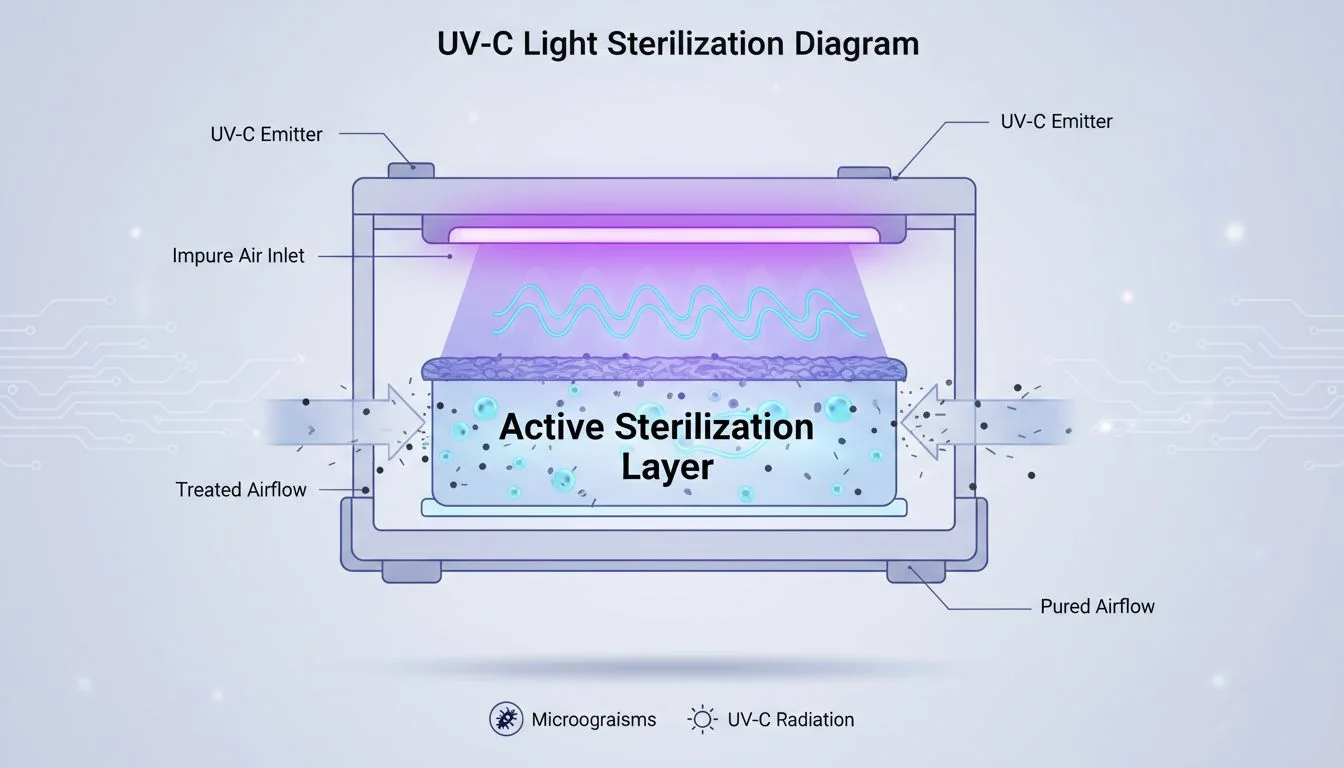
Active Sterilization8 adds a "Health Security" layer using technologies like UV-C light or plasma. This moves beyond passive filtration to actively neutralize pathogens, requiring mold designs that accommodate safety shielding and UV-resistant materials to prevent degradation.
UV-C light sterilization diagram

The final trend is the shift from passive to active. Passive filtration just catches things. Active sterilization kills them. This is the "Health Security9" layer that modern consumers are looking for.

However, adding things like Luz UV-C10 inside a plastic box presents a major challenge for mold designers. UV light destroys plastic. It makes it brittle and yellow over time.

Material and Safety Challenges

Desafío Solución
UV Degradation Use UV-resistant additives (like ASA) instead of standard ABS.
Light Leakage Design "light traps" in the air vents so air flows but light cannot escape.
Safety Interlocks Mold features that trigger a switch to turn off UV if the case is opened.

We have to be very careful here. We are dealing with health. The mold design must ensure that no UV light escapes into the room. We use complex geometry in the vents—like chevron shapes—to block the line of sight for the light while letting air pass through. This is where expert molding knowledge becomes a safety feature.

Standard ABS plastic is immune to UV light damage.Falso

Standard ABS degrades, yellows, and becomes brittle under prolonged UV exposure; UV-stabilized materials are required.

Active sterilization neutralizes pathogens that filters might miss.Verdadero

Technologies like UV-C and plasma can deactivate viruses and bacteria that are small enough to pass through some filters.

Conclusión

The future of air purification is on the wall. By embracing "Invisible Wellness," we create products that are zero-footprint, decor-integrated, smart, and secure.


References


  1. Explore how 'Invisible Wellness' is transforming air purifiers into stylish, space-saving solutions. ↩

  2. Learn about the Zero-Footprint trend and its impact on modern air purifier aesthetics and functionality. ↩

  3. Discover how Retrofit solutions bridge the gap between portable units and full HVAC systems. ↩

  4. Discover the advantages of Slim Motors in creating compact and efficient air purifiers. ↩

  5. Find out how Art Panels can turn air purifiers into decorative elements, increasing their value. ↩

  6. Explore the benefits of Magnetic Integration for customizable and user-friendly air purifiers. ↩

  7. Understand how AI-driven Bio-Sensing technology automates air quality management in purifiers. ↩

  8. Explore the importance of Active Sterilization in enhancing health security through air purification. ↩

  9. Learn about the growing demand for Health Security features in air purifiers post-pandemic. ↩

  10. Understand how UV-C light technology enhances air purifiers by actively neutralizing pathogens. ↩

Comparte:
fundador de hisoair, sr. lee
Alwen Lee, an air purification expert with over 10 years of experience, is a devoted father of two and a passionate traveler, having explored more than 30 countries. With a love for public speaking and swimming, he has dedicated his life to the indoor air quality industry. His mission is to ensure that people around the world enjoy the freedom to breathe clean air and lead happy, healthy lives.

Envíenos un mensaje

Más que leer

Modern living room with a family enjoying a healthy indoor environment monitored by smart devices, natural lighting, and greenery.

After IFA 2026: The Healthy Home Is Moving Beyond Smart Devices

In our previous IFA 2026 column, Air Purification Is Becoming Part of the Healthy-Home Platform, we argued that the next generation of indoor-health products would ...
Noticias
Modern living room and kitchen with smart home air quality devices including an air purifier, humidifier, and water filtration system, connected with visualized blue connectivity lines.

IFA 2026: Air Purification Is Becoming Part of the Healthy-Home Platform

Pre-IFA Industry Perspective | September 4, 2026 This article is based on official announcements and regulatory information available ahead of IFA 2026, which takes place ...
Noticias
Comparison infographic showcasing the differences between carbon block filter and activated carbon fiber. Detailed diagrams illustrate the hierarchical porous structure of the carbon block with long diffusion paths and the open microporous structure of the activated carbon fiber with direct access for PFAS adsorption.

Carbon Block vs. Activated Carbon Fiber (ACF): Matching Media to Target Contaminants

Two carbon media. Same adsorption chemistry. Very different behaviour in a point-of-use cartridge. If you are specifying a water purifier platform for a PFAS-aware market, ...
Noticias
NSF base listing and ANF private-label certification pathway for OEM water filters

What Is an NSF Master Listing? A Guide to Base Listings, ANF Certification and OEM Water Filters

For a brand preparing to launch an OEM water purifier, one of the most common supplier claims is: “We already have an NSF master listing, ...
News, Water Purifiers
Healthy-home brand team reviewing PFAS water filter certification, test data and product engineering

Entering the Water Category Is Easy. Building a Credible PFAS Claim Is Much Harder

For air purification, appliance and healthy-home brands, entering the water category can look surprisingly easy. A company can select an existing undersink system, customize its ...
Noticias
Team in a business meeting discussing a water filtration system with product components and a comparison table displayed on a screen.

5 Leading OEM Water Purifier Manufacturers in China for Private Label Brands

China has thousands of companies selling water filters, reverse osmosis systems and drinking-water appliances. However, only a portion of them are suitable for private-label, OEM ...
Noticias
Contaminant Engineering•3 min read

PFAS Water Filtration Technologies Explained: Carbon, Resin & RO

Key Takeaway:

PFAS reduction depends on the specific compounds present, treatment media, contact time, water chemistry, and system design. Activated carbon, ion exchange, and Reverse Osmosis address PFAS through different mechanisms.

PFAS are a large family of persistent fluorinated compounds that can occur in drinking-water supplies. Their treatment behavior varies significantly by molecular structure, chain length, functional group, concentration, and the chemistry of the source water.

Granular Activated Carbon (GAC) removes PFAS primarily through adsorption. It is generally more effective for many longer-chain PFAS, while shorter-chain compounds tend to break through more quickly. Carbon performance depends on media properties, Empty Bed Contact Time (EBCT), competing organic matter, loading, and replacement frequency.

Ion-exchange resins use charged functional sites to capture many PFAS compounds. Properly selected anion-exchange media can provide high capacity and may perform better than conventional activated carbon for some shorter-chain PFAS, although performance still depends on water chemistry and competing ions.

Reverse Osmosis (RO) uses membrane separation rather than adsorption. Properly designed RO systems can provide broad reduction across many PFAS compounds as well as dissolved salts and other contaminants. Unlike carbon or resin, however, RO also produces a concentrate stream that must be managed.

No single technology should be selected from a PFAS label alone. System design should consider which PFAS compounds are present, their concentrations, required reduction targets, flow rate, media life, and the applicable third-party certification or validation requirements.

HisoAir Water Technical Series
Product Discovery•3 min read

How to Choose an Under-Sink Water Purifier for Modern Kitchens

Key Takeaway:

Match the treatment technology to your water quality first, then evaluate cabinet space, faucet configuration, flow rate, drain and power requirements, and filter replacement needs.

Choosing an under-sink water purifier starts with water chemistry. Carbon filtration is well suited to chlorine, taste, odor, and many organic contaminants, while Reverse Osmosis is more appropriate when dissolved salts, fluoride, nitrates, or broader dissolved contaminants need to be reduced.

For compact kitchens, tankless RO systems eliminate the conventional storage tank and can significantly reduce the space required under the sink. However, membrane capacity stated in GPD does not directly equal faucet flow. When comparing systems, check the actual dispensing flow rate, inlet-pressure requirement, recovery ratio, and whether a booster pump is required.

Installation architecture also matters. Many RO systems require a drain connection, electrical power, and either a dedicated drinking-water faucet or a compatible multi-function faucet. High-flow carbon systems can often connect directly to the existing cold-water line with a simpler installation, but pressure drop and available faucet flow should still be verified.

RO also removes much of the naturally occurring dissolved mineral content. Where taste or mineral balance is a priority, a post-RO remineralization stage can be added. Filter life should be evaluated by both rated capacity and local water quality rather than replacement time alone.

The right system is therefore not simply the smallest or highest-GPD model. It is the configuration that matches the target contaminants, available cabinet space, desired faucet setup, peak dispensing demand, and maintenance expectations.

HisoAir Water Technical Series
Water Quality•2 min read

What Does TDS Mean in Drinking Water? Measurement vs Contaminant Reality

Key Takeaway:

A TDS meter estimates the overall concentration of dissolved ionic substances from electrical conductivity. It cannot identify specific contaminants or determine whether water is chemically safe.

Total Dissolved Solids (TDS) refers to the combined concentration of dissolved substances in water. Most handheld TDS meters do not measure TDS directly. Instead, they measure electrical conductivity (EC) and convert that reading into an estimated parts-per-million (ppm) value.

This means a TDS reading can indicate how much dissolved ionic material is present, but not what that material actually is. Calcium, magnesium, sodium, nitrates, and other dissolved ions can all contribute to conductivity, yet a simple TDS meter cannot distinguish between them.

TDS meters are also not suitable for detecting trace contaminants such as PFAS, many VOCs, pesticides, pharmaceuticals, or disinfection byproducts. These substances may be present at concentrations far below the level needed to noticeably change electrical conductivity.

A low TDS reading therefore does not guarantee safe drinking water, and a higher TDS reading does not automatically indicate contamination. Water-treatment decisions should be based on laboratory testing for specific contaminants of concern rather than TDS alone.

HisoAir Water Technical Series
Technology Selection•2 min read

RO vs UF Water Filtration: Understanding Pore Sizes & Dissolved Minerals

Key Takeaway:

Ultrafiltration can reduce bacteria, turbidity, and suspended particles while retaining most naturally occurring dissolved minerals. Reverse Osmosis provides much broader reduction of dissolved salts and smaller contaminants.

Ultrafiltration (UF) typically uses hollow-fiber membranes with pore sizes in the approximate 0.01–0.1 micron range. These membranes physically retain turbidity, suspended solids, colloids, and many microorganisms while allowing dissolved minerals and salts to remain in the water.

Reverse Osmosis (RO) operates at a much finer separation level. Unlike UF, RO can substantially reduce dissolved ions such as sodium, calcium, fluoride, nitrates, and other contributors to total dissolved solids (TDS). This makes RO more suitable when dissolved-salt reduction is a primary treatment objective.

UF generally requires less system pressure and produces little or no continuous concentrate stream in many point-of-use configurations. RO typically requires greater pressure and produces a reject-water stream, but delivers broader contaminant reduction.

For water with acceptable TDS and mineral content, UF can be a simpler mineral-retaining treatment option. Where dissolved salts, fluoride, nitrates, or broader dissolved contaminants are a concern, RO is generally the more appropriate technology.

HisoAir Water Technical Series
Technology Selection•4 min read

Carbon Block vs Reverse Osmosis: Which Fits Your Need?

Key Takeaway:

Choose RO for dissolved inorganic salts and heavy metals; choose Carbon Block for chemical taste/odor, no wastewater, and high line-pressure flow.

Reverse Osmosis (RO) and Carbon Block filtration represent two fundamentally different treatment methods: membrane separation and adsorption. Understanding these differences helps determine which technology is better suited to a specific water-quality requirement.

Reverse Osmosis uses a semi-permeable membrane with pore sizes of approximately 0.0001 microns. It can significantly reduce dissolved inorganic contaminants such as TDS, fluoride, nitrates, and certain heavy metals. Because water must be forced through the membrane, RO systems require sufficient pressure or a booster pump and generate a concentrated wastewater stream.

Carbon Block filtration relies primarily on adsorption through compressed activated carbon, commonly with nominal pore sizes around 0.5–5 microns. It is highly effective for chlorine, chloramines, VOCs, taste, and odor, while allowing substantially higher direct-flow rates without producing wastewater.

From an operating perspective, Carbon Block systems are generally simpler, require less energy, and avoid the water loss associated with RO. RO involves higher system complexity and operating cost, but provides substantially broader reduction of dissolved contaminants that Carbon Block alone cannot address.

HisoAir Water Technical Series

SOLICITAR PRESUPUESTO