
The South Korean humidifier market stands as a fascinating case study in consumer electronics, shaped by unique historical factors and driven by evolving health and lifestyle trends. Once a market primarily focused on basic humidification, it has transformed into a sophisticated landscape where hygiene, smart technology, and user convenience are paramount. This evolution is largely a direct consequence of the tragic humidifier disinfectant scandal, which profoundly reshaped consumer trust and regulatory frameworks, making product safety and hygiene innovation non-negotiable competitive differentiators.
This blog post provides a comprehensive overview of the South Korean humidifier market from a B2B perspective, highlighting key trends and offering insights into the strategies of its leading manufacturers. We will delve into the market's size and growth drivers, examine crucial segmentation and consumer trends, and conduct a comparative analysis of five prominent players: Carepod, Daewoo Electronics, Winix, LG Electronics, and Cuckoo. Our analysis will emphasize two core trends: hygiene-first innovation, particularly evident in brands like Carepod, and the pervasive integration of smart and IoT technologies across the industry. For B2B buyers, understanding these dynamics is crucial for strategic sourcing, OEM/ODM partnerships, and navigating a market that prioritizes both advanced technology and unwavering consumer trust.
Market Context & Drivers
A. Market Size and Growth Projections
The global humidifier market is experiencing robust growth, driven by increasing awareness of indoor air quality, rising prevalence of respiratory issues, and changing climatic conditions. Projections indicate a steady Compound Annual Growth Rate (CAGR) from 2024 to 2034, with various market segments contributing to this expansion. South Korea, in particular, represents a significant portion of this growth, propelled by a highly discerning consumer base that places a premium on health and well-being. The South Korean humidifiers respiratory devices market generated a revenue of USD 5.0 million in 2023 and is expected to reach USD 6.9 million by 2030 [1]. Specifically, the South Korea Ultrasonic Air Humidifiers Market size was valued at USD 1.52 Billion in 2024 and is projected to reach USD 2.89 Billion by 2033 [2]. This growth underscores the strong consumer demand and the market's potential for B2B opportunities.
B. Health & Air Quality as Core Demand Drivers
Rising respiratory issues, allergies, and a heightened general health awareness among the South Korean populace have significantly fueled the demand for humidifiers. Consumers are increasingly seeking solutions that alleviate dry air symptoms, improve sleep quality, and create healthier indoor environments. This demand extends beyond basic functionality, with a strong preference for devices that are quiet, portable, and require low maintenance. Ultrasonic humidifiers, known for their quiet operation and fine mist, have become particularly popular, accounting for approximately 46% of humidifiers sold on South Korean e-commerce platforms as of October 2024 [3]. The emphasis on health and air quality has also driven innovation in features such as germ-killing capabilities, easy cleaning, and integrated air purification.
C. Enduring Impact of the Humidifier Disinfectant Scandal
No discussion of the South Korean humidifier market is complete without acknowledging the profound and lasting impact of the humidifier disinfectant scandal. Occurring between 2006 and 2011, this tragic event involved the use of toxic chemicals in humidifier disinfectants, leading to severe lung injuries and numerous deaths. It is considered the first of its kind in the world and represents the most deaths caused by a home supply item [4]. The scandal resulted in a massive public outcry, stringent new regulations, and a deep-seated shift in consumer perception regarding product safety and hygiene. The South Korean government has recognized 5,667 victims, including 1,258 deaths, related to these toxic humidifier disinfectants [5].
This historical event has made hygiene and safety paramount in the South Korean humidifier market. Consumers are now highly vigilant about the materials used, ease of cleaning, and sterilization methods. For manufacturers, demonstrating transparent and verifiable hygiene innovations has become a critical competitive differentiator, moving beyond mere marketing claims to fundamental product design and engineering. This heightened consumer trust and legislative scrutiny continue to shape product development and market strategies, making compliance and demonstrable safety features essential for any B2B engagement.
Market Segmentation & Consumer Trends
A. Product Segmentation
The South Korean humidifier market exhibits diverse product segmentation, catering to various consumer needs and preferences. This includes:
- Portable vs. Hybrid/Whole-Home Humidifiers: While portable units remain popular for personal use and smaller spaces, there's a growing demand for hybrid models that combine humidification with other air treatment functions (e.g., air purification) and whole-home solutions for larger residences.
- Rise of Ultrasonic and Filter-Free Models: As noted, ultrasonic humidifiers dominate due to their quiet operation and fine mist. The market also shows a strong preference for filter-free designs, driven by consumer desire for lower maintenance and reduced concerns about bacterial growth in filters, a direct legacy of the disinfectant scandal.
B. Application Segments
Residential use continues to be the dominant application segment for humidifiers in South Korea. However, increasing adoption is observed in specialized segments, including:
- Wellness and Healthcare Facilities: Humidifiers are increasingly used in clinics, spas, and wellness centers to create comfortable and therapeutic environments.
- Childcare Environments: Given the heightened health consciousness for children, humidifiers with advanced hygiene features are highly sought after for nurseries and childcare facilities.
- Premium Health-Conscious Segments: Consumers willing to invest in high-end devices with advanced features, smart connectivity, and superior hygiene are driving growth in the premium segment.
C. Channel Trends
Online retail has emerged as the leading sales channel for humidifiers globally, accounting for over 45% of the global market share. This trend is equally pronounced in South Korea, where e-commerce platforms play a crucial role in consumer purchasing decisions. For B2B players, this necessitates robust digital and e-commerce strategies, including strong direct-to-consumer (D2C) capabilities and optimized online presence. The ability to effectively market and distribute products through online channels is now a baseline requirement for success in this market.
D. Technological Trends
Technological innovation is a key driver in the South Korean humidifier market, with a strong emphasis on smart home integration. Key trends include:
- Integración del hogar inteligente: Wi-Fi connectivity, app control, and automated humidity monitoring are becoming standard features. Consumers expect seamless integration with their existing smart home ecosystems.
- IoT as a Competitive Necessity: The Internet of Things (IoT) is no longer a luxury but a competitive necessity. Manufacturers are incorporating IoT capabilities to offer enhanced user experience, remote control, data-driven insights, and predictive maintenance.
- Advanced Sensors and Automation: Devices are equipped with sophisticated sensors to accurately monitor indoor air quality and humidity levels, automatically adjusting operation for optimal performance and energy efficiency.
Comparative Analysis: Top 5 Manufacturers
A. Carepod
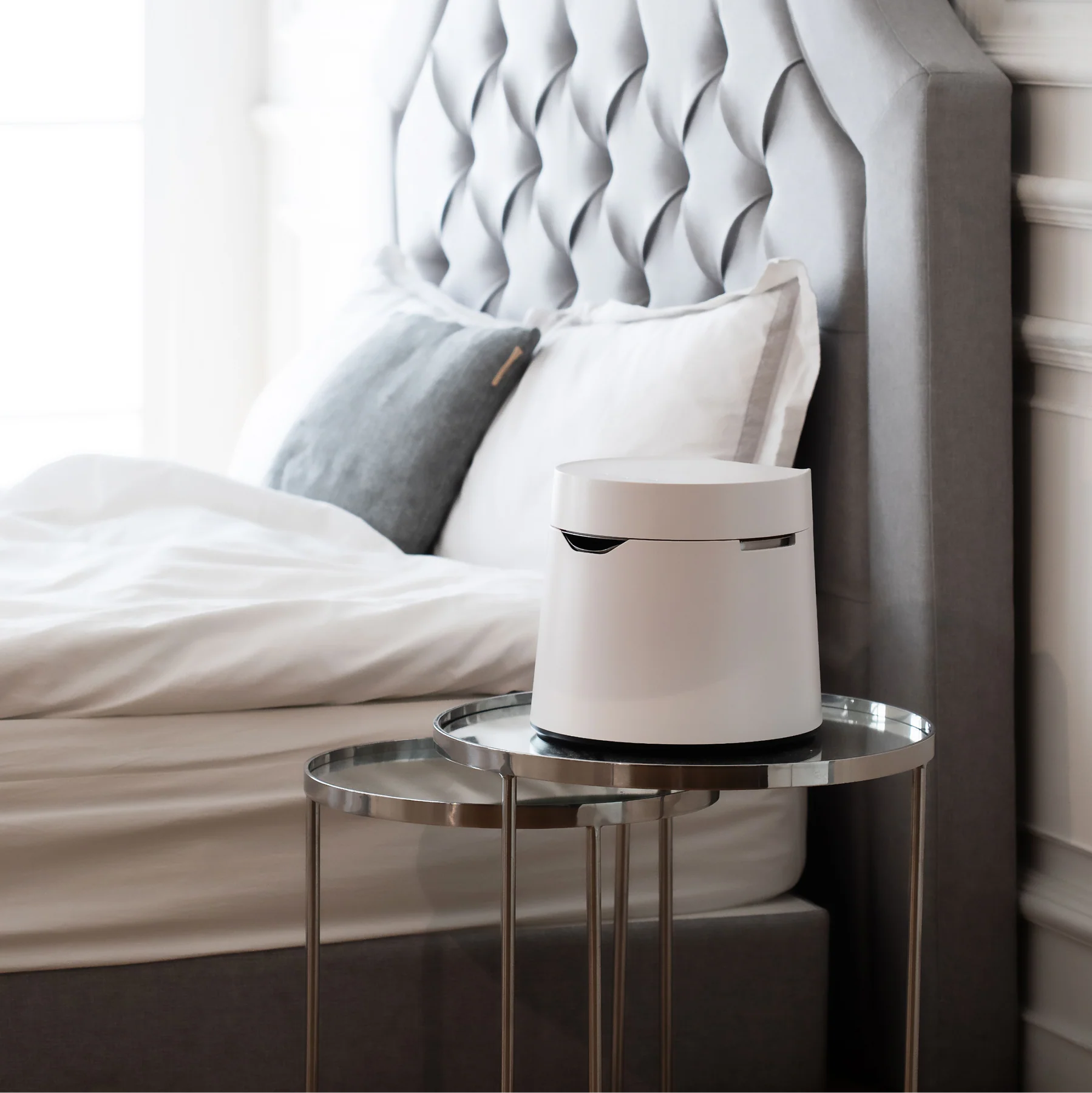
Carepod is a health-focused brand founded by a medical professional, distinguishing itself with a strong emphasis on hygiene and simplicity. Its humidifiers feature a stainless-steel, filter-free interior, allowing for easy cleaning and boil-to-sterilize capabilities, ensuring 99.9% bacterial sterilization. This design directly addresses post-scandal consumer concerns about hygiene. Carepod positions itself as a premium brand, particularly appealing to parents of babies, allergy sufferers, and hygiene-conscious individuals. Its strength lies in its trusted, hygiene-first approach, which resonates deeply with the South Korean market's post-scandal sensibilities. However, its premium pricing may limit its mass-market appeal.
B. Daewoo Electronics
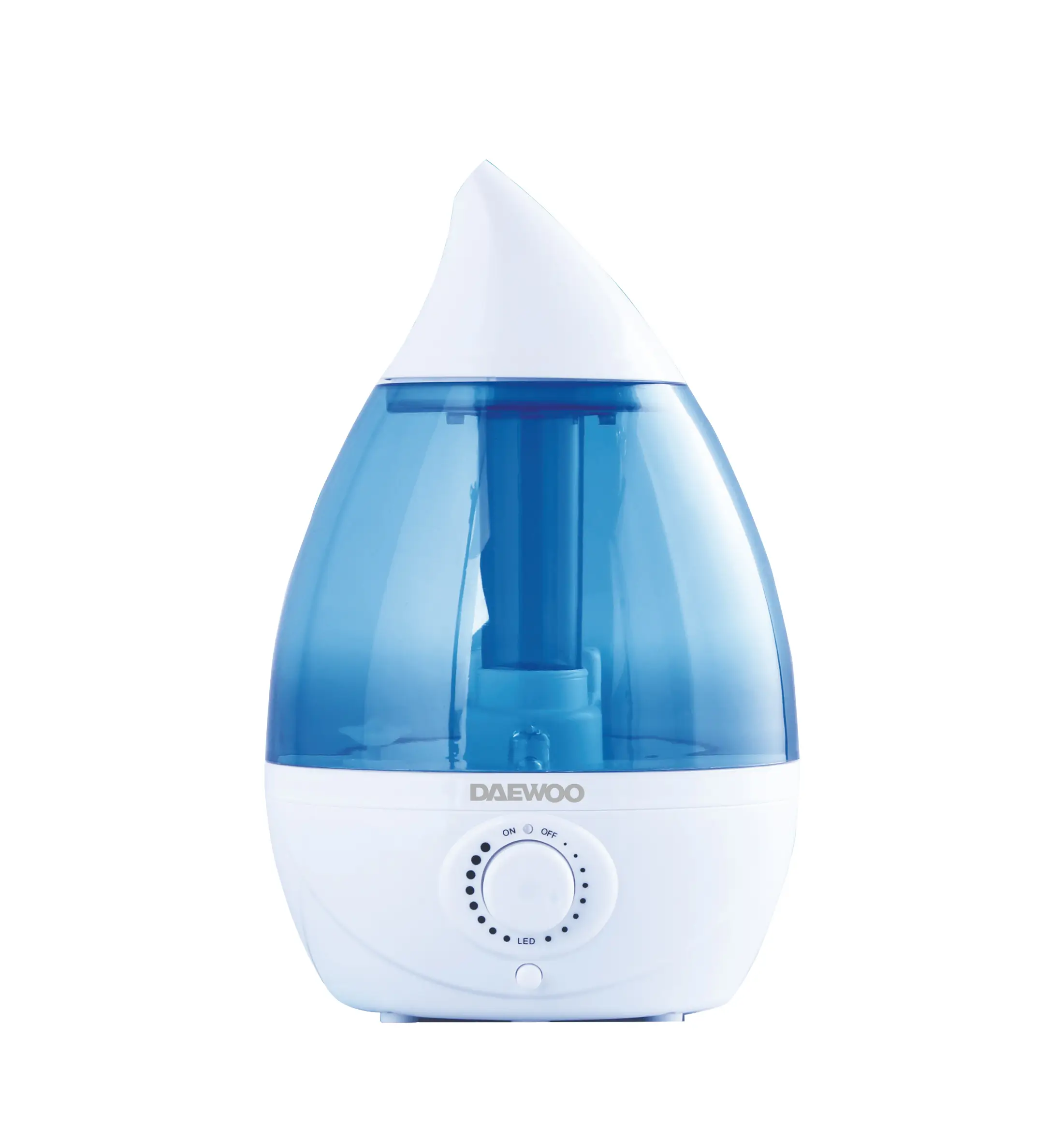
Daewoo Electronics, a legacy brand with a broad appliance portfolio, offers simple and accessible ultrasonic and warm mist humidifiers. While not as focused on cutting-edge hygiene innovations as some newer entrants, Daewoo benefits from strong brand familiarity and offers more affordable options. Its humidifiers often feature quiet operation and basic filtration (ceramic and activated carbon). Daewoo's strength lies in its established brand presence and affordability, making its products accessible to a wider consumer base. However, it may lack the visible hygiene-first or advanced smart technology innovations seen in its competitors.
C. Winix
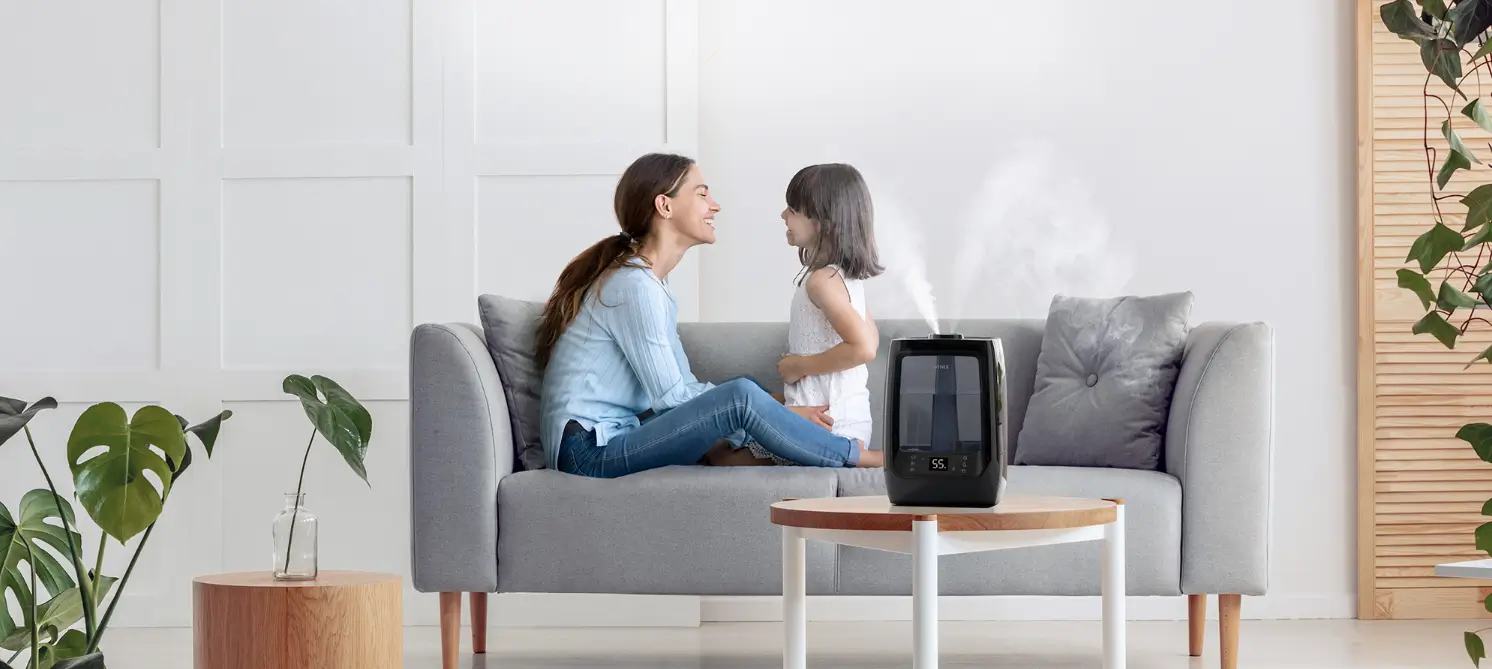
Winix is an air care specialist known for its comprehensive air treatment solutions, including hybrid devices that combine air purification with humidification. Their humidifiers often incorporate advanced technologies such as LightCel™ UV+ LED for sterilization and PlasmaWave® technology (an ion generator) for air purification. Winix's strategic focus has increasingly shifted towards air purifiers, with humidifiers serving as complementary products within their broader air quality management ecosystem. The brand's strength lies in its holistic approach to air treatment and its integration of multiple air purification technologies. A limitation might be that its humidifier line is secondary to its core air purifier business, potentially leading to less dedicated innovation in humidification compared to specialized humidifier brands.
D. LG Electronics
LG Electronics, a global technology giant, offers smart, UV-sterilized humidifiers under its PuriCare and Signature lines. LG's humidifiers are characterized by cutting-edge design, integrated IoT capabilities (ThinQ, IoT@home), air quality sensors, and child safety features. They often feature unique
watering systems" and smart LED indicators for air quality. LG's strength lies in its robust smart ecosystem, global presence, and commitment to integrating advanced technology and sleek design into its products. The limitation is that its humidifiers are typically in the premium tier, and they are part of a broader ecosystem of LG appliances rather than a standalone focus.
E. Cuckoo
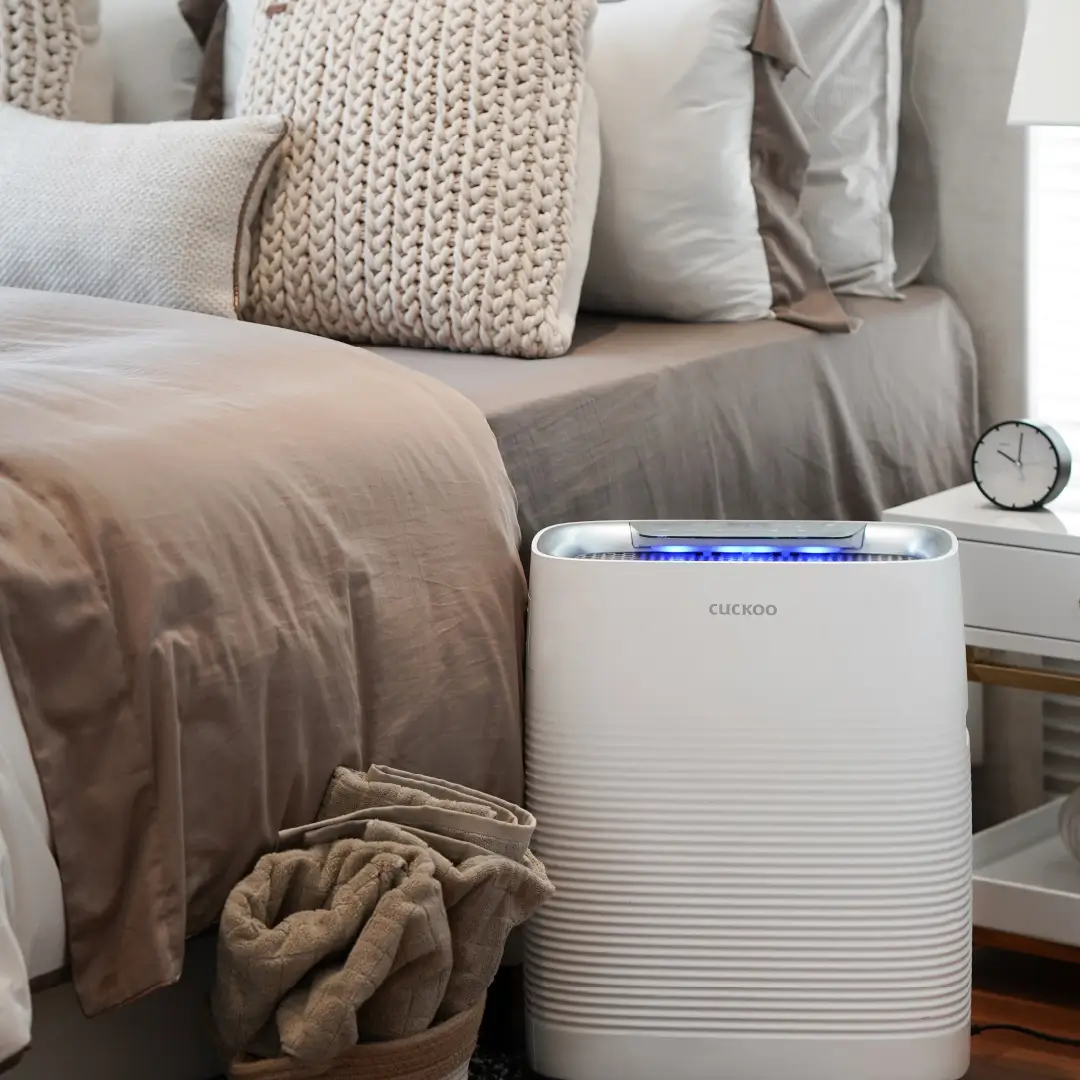
Cuckoo, a brand that successfully diversified from rice cookers into smart wellness appliances, offers humidifiers that often incorporate antibacterial materials and multi-stage filters. They are known for innovative features such as voice-enabled 2-in-1 devices (air purifier and humidifier). A significant strength of Cuckoo is its successful rental model, particularly in markets like Malaysia, which provides an accessible entry point for consumers and a recurring revenue stream for the company. This model, combined with strong brand trust built over decades, positions Cuckoo as a multifunctional innovation leader. While its humidifier-specific market share is still growing compared to its other appliance categories, its comprehensive approach to home wellness and flexible business models make it a compelling player.
Strategic Takeaways for B2B Buyers
For B2B buyers looking to enter or expand within the South Korean humidifier market, several strategic considerations are paramount:
- Evaluate by Fit: The choice of manufacturer should align with the specific market segment and value proposition. For instance, if hygiene innovation is the primary concern, Carepod might be the ideal partner. For smart home compatibility and cutting-edge technology, LG Electronics stands out. Daewoo offers price accessibility, while Winix provides integrated air care solutions. Cuckoo presents an opportunity for multifunctional innovation and flexible business models, including potential rental partnerships.
- OEM/ODM Potential: Most of the top Korean brands possess significant OEM (Original Equipment Manufacturer) and ODM (Original Design Manufacturer) capabilities. This is a critical factor for B2B procurement, allowing for white-labeling, customization, and efficient scaling of product lines under a buyer's own brand. Leveraging these capabilities can significantly reduce time-to-market and R&D costs.
- Digital & Compliance Readiness: Given the strong online retail presence and the stringent regulatory environment post-disinfectant scandal, B2B buyers must ensure their partners are digitally mature and fully compliant with all hygiene and safety standards. A robust online presence and demonstrable commitment to product safety are no longer advantages but baseline requirements for market entry and sustained success.
Perspectivas de futuro
The South Korean humidifier market is poised for continued evolution, driven by technological advancements and shifting consumer expectations:
- Smart Humidifiers to Dominate: IoT integration will become standard across all price tiers, transforming humidifiers from standalone appliances into interconnected components of a smart home ecosystem. Features like AI-driven humidity control, predictive maintenance, and seamless integration with other smart devices will become commonplace.
- Integrated Air Quality Management: The lines between humidifiers, air purifiers, and dehumidifiers will continue to blur, merging into hybrid ecosystems that offer comprehensive indoor air quality management. Consumers will increasingly seek all-in-one solutions that address multiple aspects of air treatment.
- Trust & Transparency: The legacy of the humidifier disinfectant scandal ensures that hygiene and safety will remain long-term brand differentiators. Manufacturers that can transparently demonstrate superior sterilization methods, easy-to-clean designs, and safe material usage will continue to gain consumer trust and market share.
- Strategic B2B Opportunity: High-end Korean humidifiers, with their emphasis on hygiene, smart technology, and design, are well-suited for export to other wellness-conscious markets. Furthermore, the OEM branding and rental models, successfully pioneered by companies like Cuckoo, present significant opportunities for B2B partnerships in emerging wellness markets globally.
In conclusion, the South Korean humidifier market offers a dynamic and innovative landscape for B2B buyers. By understanding its unique historical context, consumer drivers, and the strategic positioning of its leading manufacturers, businesses can identify lucrative opportunities for partnership and growth in this health-conscious and technologically advanced sector.
References
[1] Grand View Research. (2023). South Korea Humidifiers Respiratory Devices Market Size & Outlook. Retrieved from https://www.grandviewresearch.com/horizon/outlook/humidifiers-respiratory-devices-market/south-korea
[2] LinkedIn. (2024). South Korea Ultrasonic Air Humidifiers Market Overview. Retrieved from https://www.linkedin.com/pulse/south-korea-ultrasonic-air-humidifiers-market-overview-0cnuc/
[3] Statista. (2024). Danawa: humidifier sales share by technology 2024. Retrieved from https://www.statista.com/statistics/1406384/south-korea-humidifier-sales-share-by-technology/
[4] PMC. (2015). The humidifier disinfectant scandal. Retrieved from https://pmc.ncbi.nlm.nih.gov/articles/PMC4919055/
[5] The Hankyoreh. (2024). 13 years after toxicity revelations, Korean court convicts final makers of toxic humidifier disinfectants. Retrieved from https://english.hani.co.kr/arti/english_edition/e_national/1124174.html







 English
  Français
  Español
  Italiano
  Deutsch
  Português
  Русский
  العربية
  日本語
日本語  한국어
한국어  Tiếng Việt

