
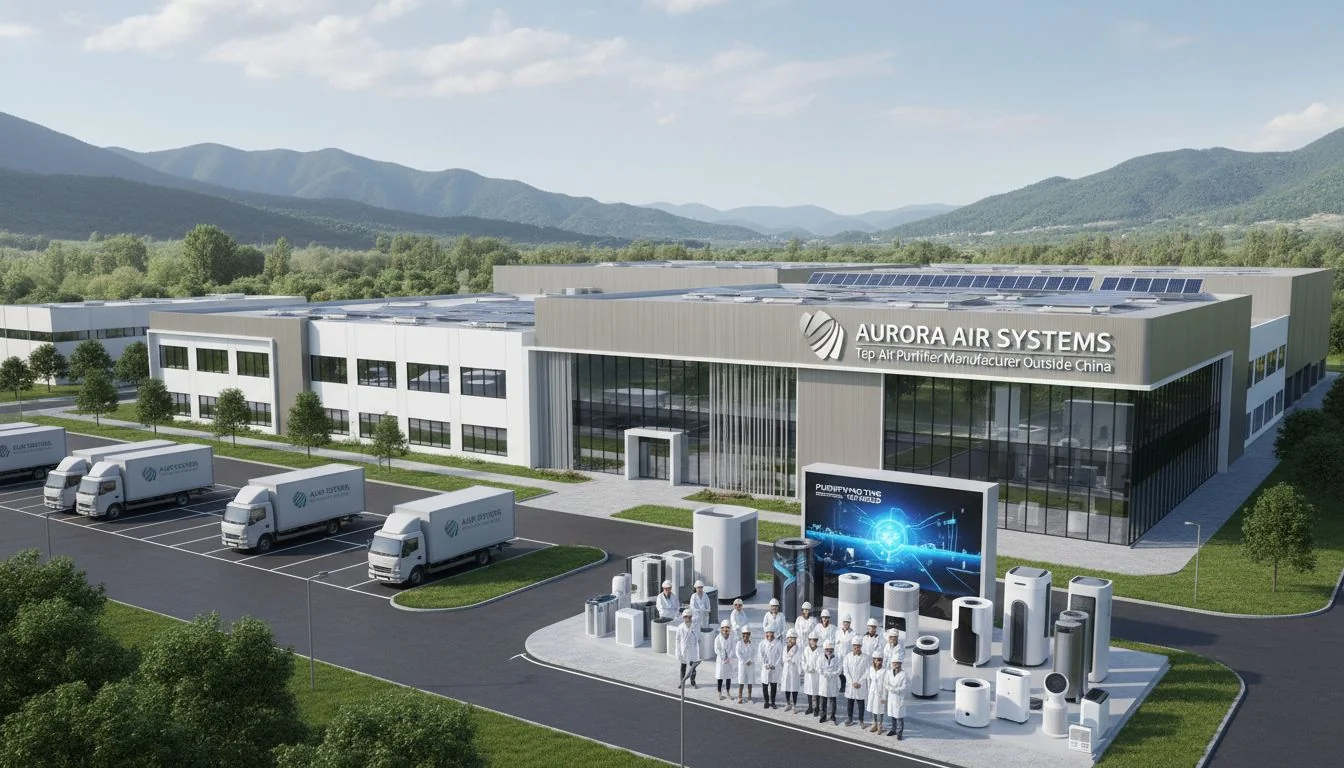
Are you worried about supply chain risks and high tariffs? Finding a reliable air purifier manufacturer outside China is hard. I will show you how to solve this problem.
Top air purifier manufacturers outside China include Coway and Winix in Korea, and HisoAir1, which has assembly lines in Thailand, Vietnam, and Malaysia. Buyers look outside China to avoid tariffs and supply chain risks, but true ODM capability and premium performance matter more than just the assembly location.
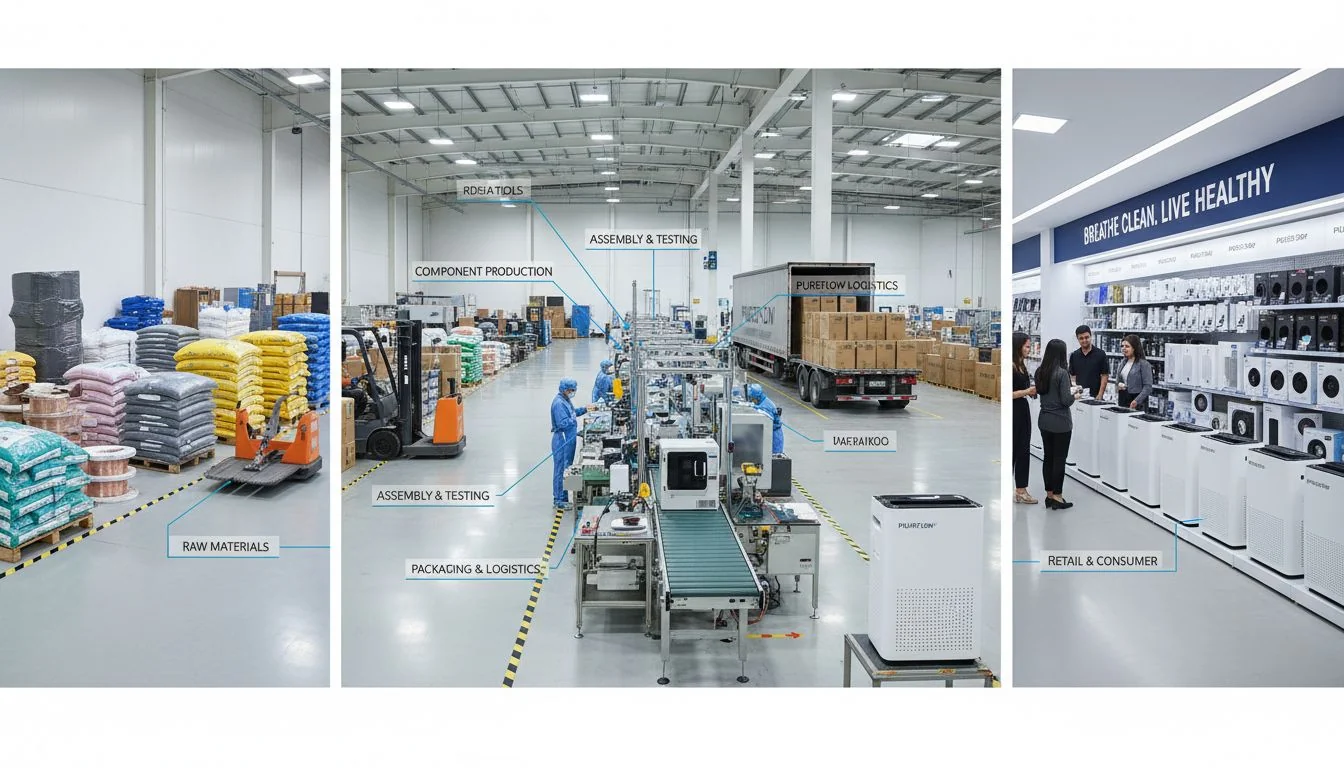
You might think moving production away from China is a simple fix. But as a mold and manufacturing expert, I can tell you there are hidden traps. Let us look at the real facts so you do not make a costly mistake.
Moving air purifier production outside China instantly removes all supply chain risks.Falso
Many components like molds, PCB, and sensors still come from China, meaning supply chain links remain.
HisoAir offers air purifier manufacturing both inside and outside of China.Verdadero
HisoAir has production facilities in China as well as assembly lines in Thailand, Vietnam, and Malaysia.
Why Are B2B Buyers Searching for Air Purifier Manufacturers Outside China?
Tariffs eat into your profit margins. Relying on one country causes delays. Buyers need new options to keep costs low and supply chains safe.
B2B buyers search for non-China manufacturers to reduce tariff costs, avoid trade war risks, and build a stable supply chain. They want to control manufacturing locations, origin rules, and minimum order quantities while keeping costs down.
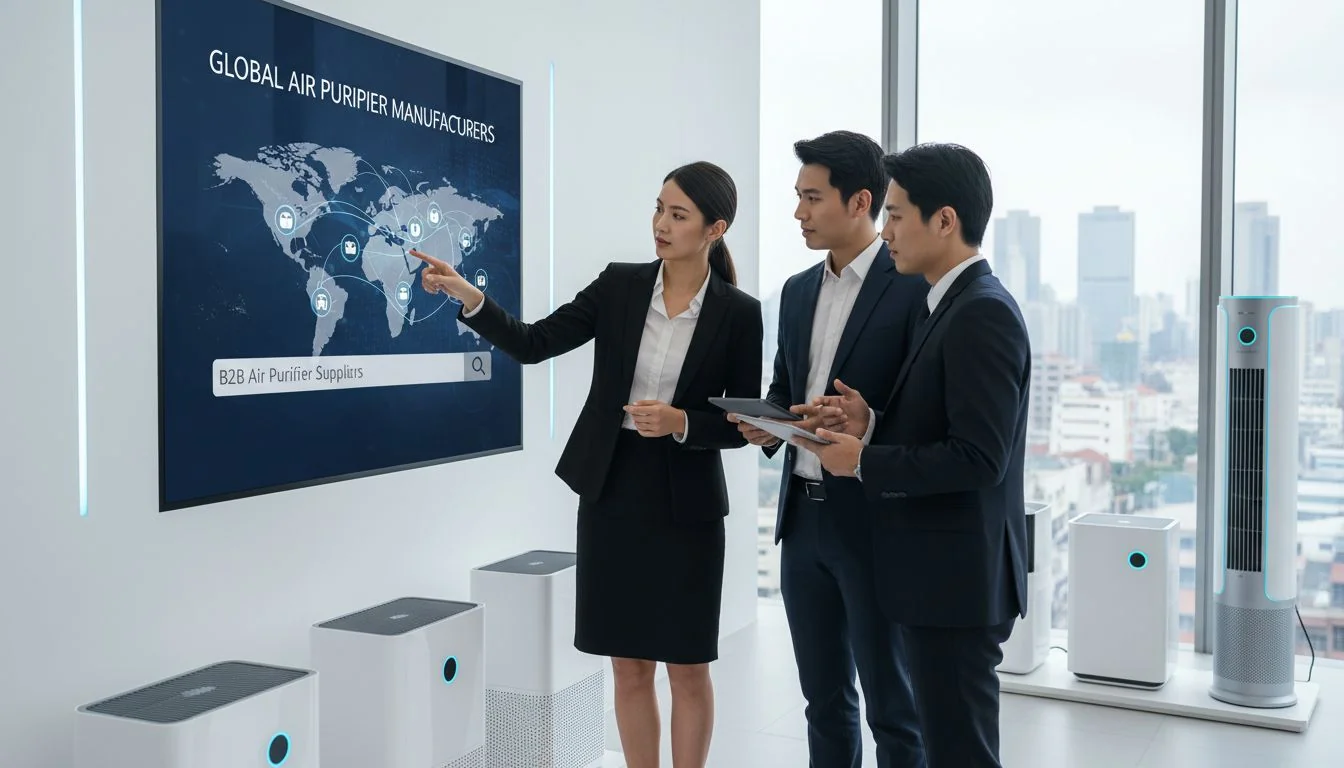
The Real Drive Behind the Search
When I talk to product designers like you, I hear the same worries. You design a great plastic housing, but trade rules ruin the budget. This search is not about finding a new brand. It is a supply chain risk search. Buyers are in the supplier screening stage. They care about the manufacturing location, legal origin, and tariffs.
But you must look deeper. Moving away from China is not just about finding a cheaper factory. It is about long-term stability. If you only look at the final assembly cost, you will miss the big picture. You need a supplier who can handle the whole process without causing delays.
| Buyer Concern | Why It Matters | How to Solve It |
|---|---|---|
| High Tariffs | Cuts into profit margins | Find a factory with legal origin outside China |
| Supply Chain Risk | Single-country reliance causes delays | Use a China+1 strategy |
| MOQ Limits | Hard to test new markets | Negotiate with flexible ODM partners |
| Cost Control | Hidden fees add up | Audit the full Bill of Materials (BOM) |
You must balance these factors to make a smart choice for your company.
Buyers search for non-China manufacturers mainly to find new retail brands.Falso
This is a supply chain risk search focused on tariffs, origin, and manufacturing stability, not brand discovery.
Tariffs are a major reason buyers look for air purifier production outside China.Verdadero
High import tariffs on Chinese goods drive buyers to seek alternative manufacturing locations to protect profit margins.
What Does “Made Outside China” Actually Mean for Air Purifiers?
You see a "Made in Vietnam" label and feel safe. But what if the core parts are still Chinese? Misunderstanding this can cause legal trouble.
"Made outside China" usually means the final assembly happens in another country. However, it does not mean "China-free." Key parts like molds, filters, fans, motors, PCBs, and sensors often still come from China. You must know the difference between assembly location and component origin.
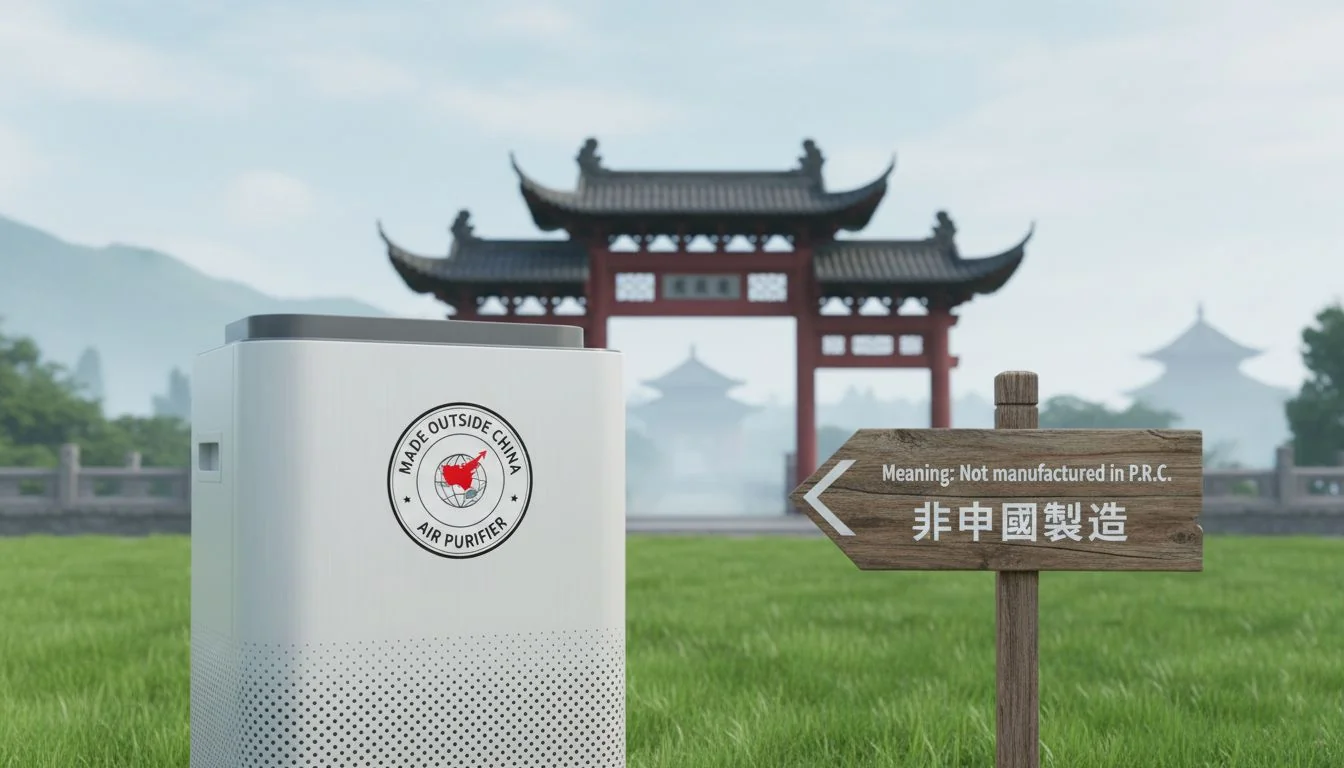
The "China-Free" Myth
This is the biggest mistake I see in the mold and manufacturing industry. A product gets put together in Vietnam. But where did the plastic injection mold come from? China. Where did the HEPA filter material come from? China. "Outside China" does not mean "China-free."
As a mold designer, you know that making high-quality molds takes skill. Many countries have assembly plants, but they lack the deep supply chain for parts. You must clearly separate the final assembly place, the legal origin, and the parts supply place.
| Componente | Typical Origin | Lugar de montaje |
|---|---|---|
| Plastic Molds | China | Vietnam / Malaysia |
| PCB & Sensors | China / Taiwan | Vietnam / Malaysia |
| Fan & Motor | China | Vietnam / Malaysia |
| Final Assembly | Vietnam / Malaysia | Vietnam / Malaysia |
If your buyer demands a 100% non-China product, you will face high costs. The supply chain in places like the US or South Korea is not as mature or fast as China. You must accept that some parts will still cross borders.
A 'Made in Vietnam' air purifier uses zero parts from China.Falso
Most air purifiers assembled outside China still use Chinese molds, motors, PCBs, and sensors.
Final assembly location is different from component supply location.Verdadero
A product can be assembled in one country while its core components are manufactured in another.
Which Non-China Manufacturing Hubs Can Support Air Purifier OEM/ODM?
Picking the wrong country for production leads to bad quality. You need a hub with real engineering skills, not just cheap labor. Let us find the right fit.
Top hubs include South Korea, which has premium manufacturers like Coway and Winix. Southeast Asia is growing fast, with companies like HisoAir setting up assembly lines in Thailand, Vietnam, and Malaysia. The US is an option, but it is much more expensive and less efficient.
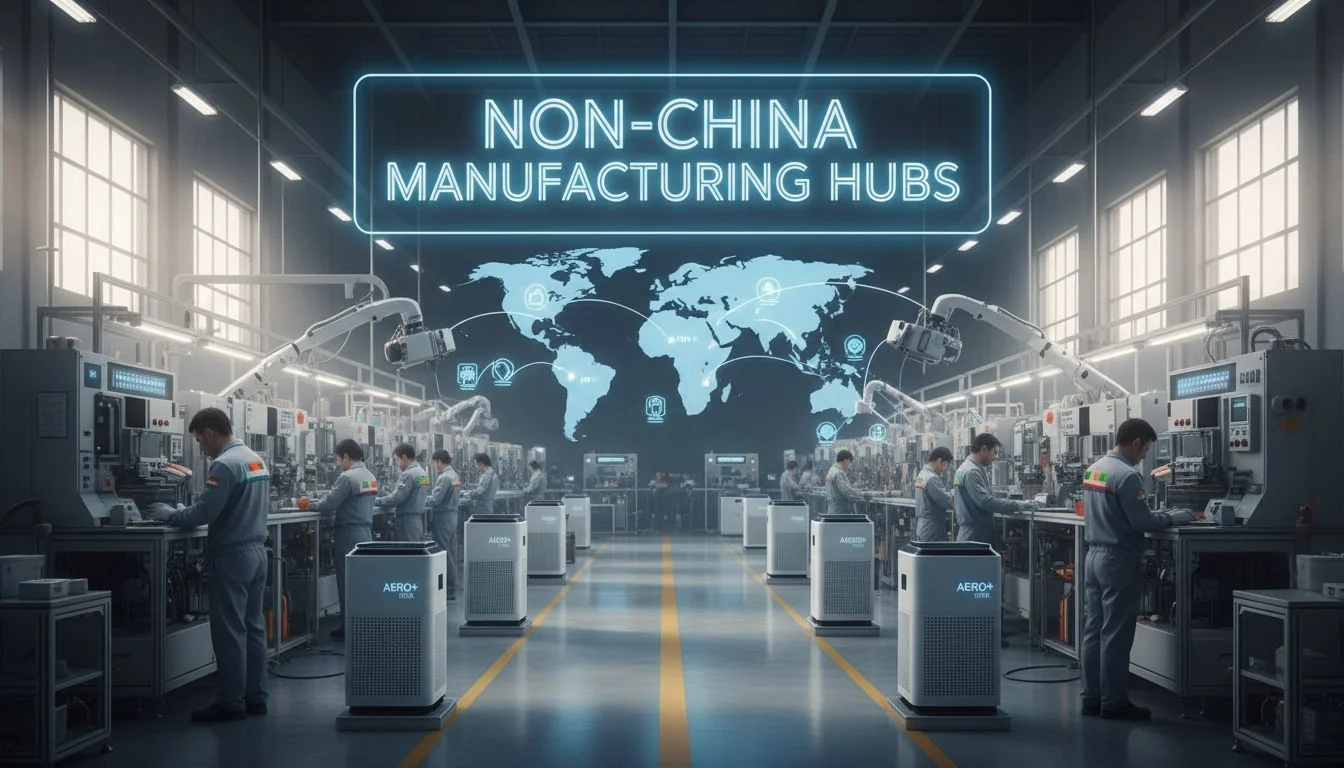
Finding True ODM Capability
Many countries have home appliance assembly plants. But can they actually design an air purifier? Usually, no. True ODM capability2 is rare. It is not just about volume production, like a Levoit supplier in Xiamen. It is about technology, product performance, and user experience.
A good hub must handle air duct design, CADR optimization, low noise control, and smart IoT development. If you just want cheap assembly, Vietnam is good. But if you need premium performance, you need a partner like HisoAir. They focus on high-performance manufacturing and have bases in both China and Southeast Asia.
| Centro de fabricación | Strengths | Weaknesses |
|---|---|---|
| South Korea (Coway, Winix) | High quality, premium design | Higher costs |
| Southeast Asia (Vietnam, Malaysia) | Low labor cost, tariff friendly | Weak local parts supply |
| EE.UU. | No import tariffs, local market | Very high cost, slow supply chain |
| China+1 (HisoAir) | Best of both worlds, strong ODM | Requires managing two locations |
You must match the hub to your specific project needs to succeed.
Any home appliance factory can easily design and optimize an air purifier.Falso
Air purifier ODM requires specific skills like CADR optimization, air duct design, and noise control, which not all factories have.
South Korea is home to premium air purifier manufacturers.Verdadero
Brands like Coway and Winix are based in South Korea and are known for high-quality air purifier manufacturing.
What Certifications Must a Non-China Air Purifier Manufacturer Support?
Failing a safety certification can stop your product launch. Moving factories often makes old certificates useless. You need a supplier who knows how to manage compliance.
A non-China manufacturer must support certification transfers, test plans, and component change control3. When the manufacturing location or key parts change, old certifications may not apply. Buyers need suppliers who can handle technical documentation, annual factory inspections, and multiple-market compliance.
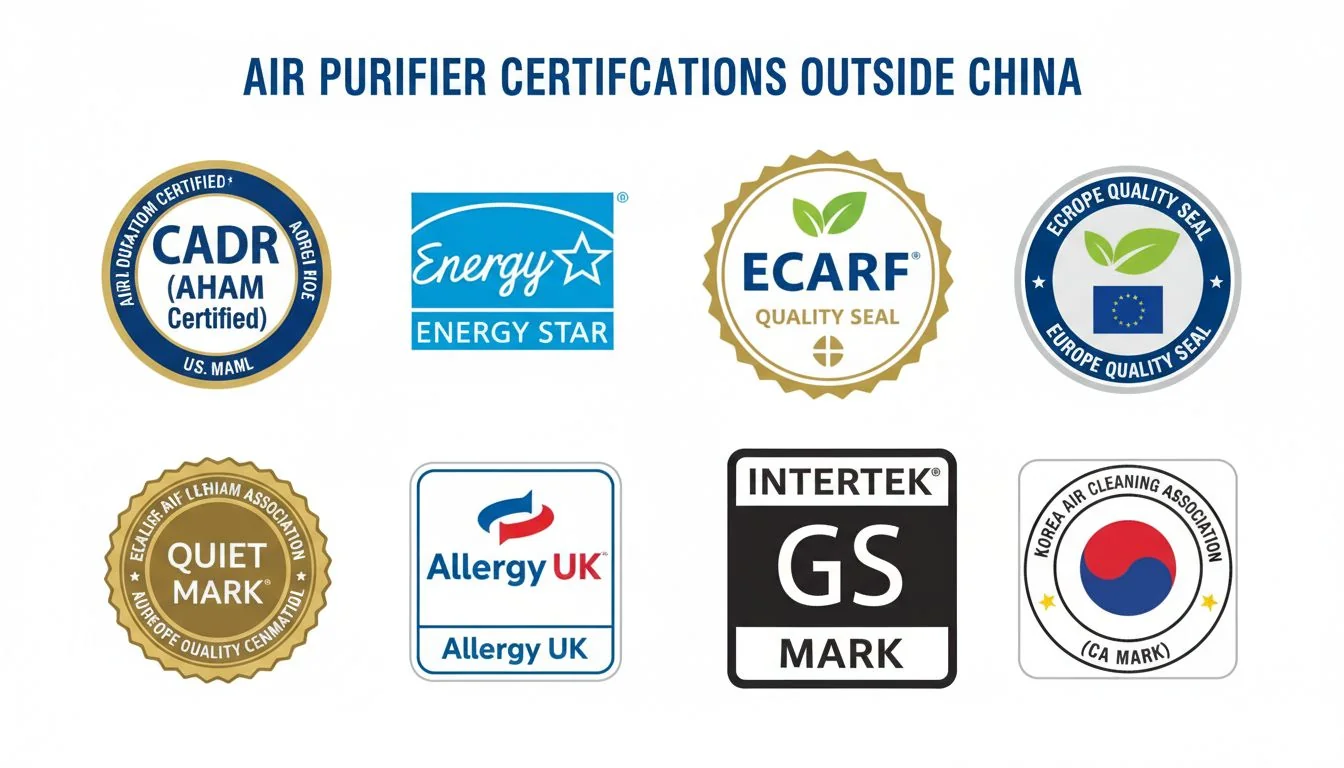
The Compliance Trap
As a product designer, you know that changing a plastic resin can void a UL certificate. The same thing happens when you move a factory. You cannot just take a Chinese certificate and use it in Malaysia. The certification must follow the factory and the Bill of Materials (BOM).
Buyers need a supplier who can manage this complex work. If your new factory does not understand component change control, you will fail your annual factory inspection. This will cost you time and money.
Key Certification Tasks
Here is what your non-China partner must manage:
| Task | Why It Is Important |
|---|---|
| Test Plan Creation | Ensures the new assembly meets all safety rules |
| Certification Transfer | Moves legal compliance to the new factory address |
| Component Change Control | Tracks any new local parts used in assembly |
| Technical Documentation | Keeps records ready for customs and safety audits |
Do not trust a factory that says certifications are "no problem." Ask for their exact process.
Certifications from a Chinese factory automatically apply to a new factory in Vietnam.Falso
Certifications are tied to the specific manufacturing location and BOM, so they must be updated or transferred.
Component change control is required when moving production to a new country.Verdadero
Any change in parts or suppliers during a factory move must be documented to maintain safety certifications.
How Can Buyers Verify Engineering, Testing and Mass-Production Capability?
A factory looks great on paper, but their mass production fails. You lose time and money. You must verify their real engineering skills before you sign a contract.
Buyers must check if the factory can handle filter development, sensor algorithms, and long-term replacement filter supply. You should audit their ability to produce consistent filter batches, support local inventory, and manage production ramp-up without high defect rates.
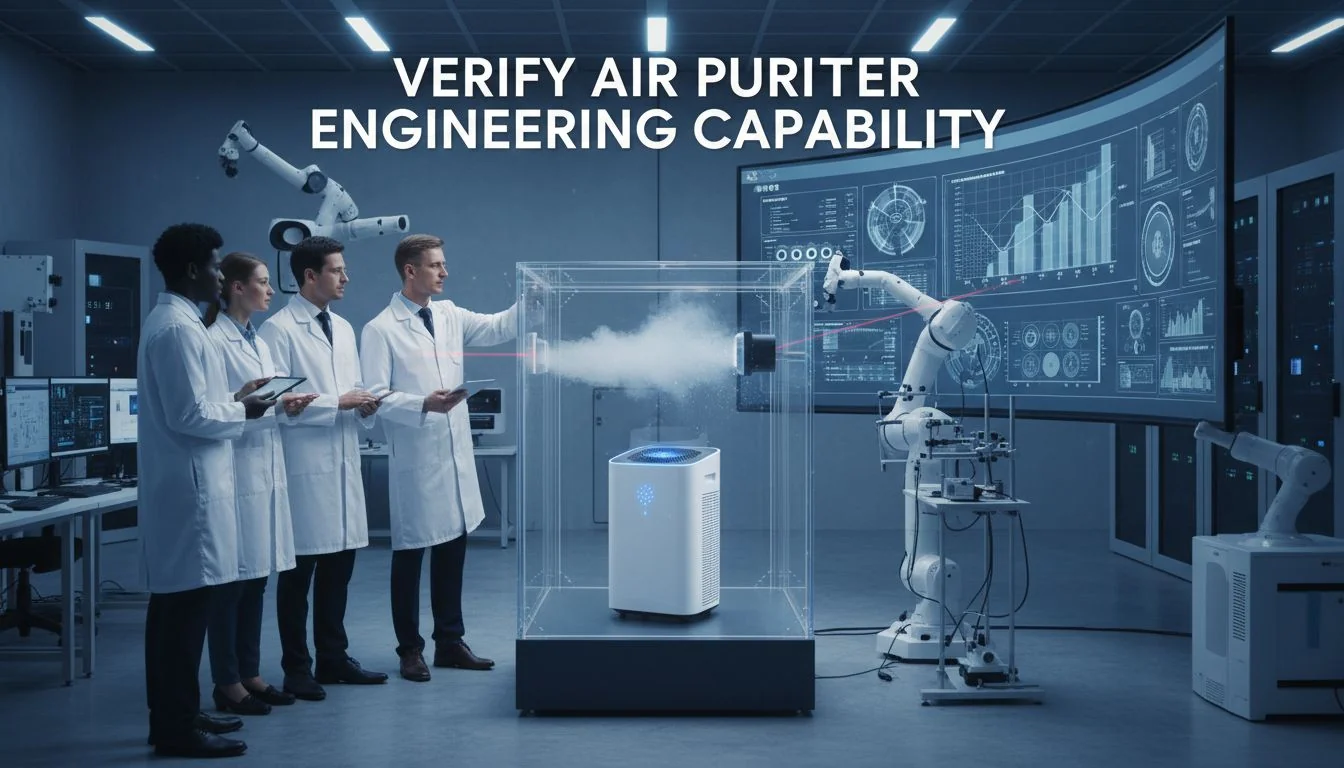
Beyond Basic Assembly
Anyone can screw plastic parts together. But air purifiers are not one-time hardware. They rely on filters. As a buyer, you must think about the next five years. Can this overseas factory supply replacement filters steadily?
You need to verify if they can make the same filter outside China. Are the filter material batches consistent? Do they support custom filters for your brand? This is where a company like HisoAir wins. They have high dust capacity filters and long-life filter technology.
Verification Checklist
Use this checklist to audit a new factory:
| Capacidad | How to Verify |
|---|---|
| Filter Supply | Ask for a 5-year supply guarantee and batch test reports |
| Sensor Algorithms | Test their smart IoT features in a real room environment |
| Producción en serie | Check their production ramp-up loss data |
| Ingeniería | Review their CADR optimization and noise control records |
If they cannot prove these skills, they are just an assembly shop, not a true manufacturer.
Air purifier manufacturing is a one-time hardware business.Falso
It is an ongoing business because customers need a steady supply of replacement filters for years.
HisoAir provides high dust capacity and long-life filter technology.Verdadero
HisoAir focuses on premium performance, which includes advanced filter development and custom filter capabilities.
Is Full Non-China Manufacturing Better Than a China+1 Supply Chain?
You want to leave China completely to avoid risks. But full relocation brings huge hidden costs. A China+1 strategy might be the smarter, safer choice for your business.
Full non-China manufacturing is often too expensive due to hidden costs like cross-border part shipping, engineer travel, and double quality management. A China+1 supply chain, like HisoAir uses, is usually better. It combines China's mature component network with overseas final assembly to lower tariff risks.
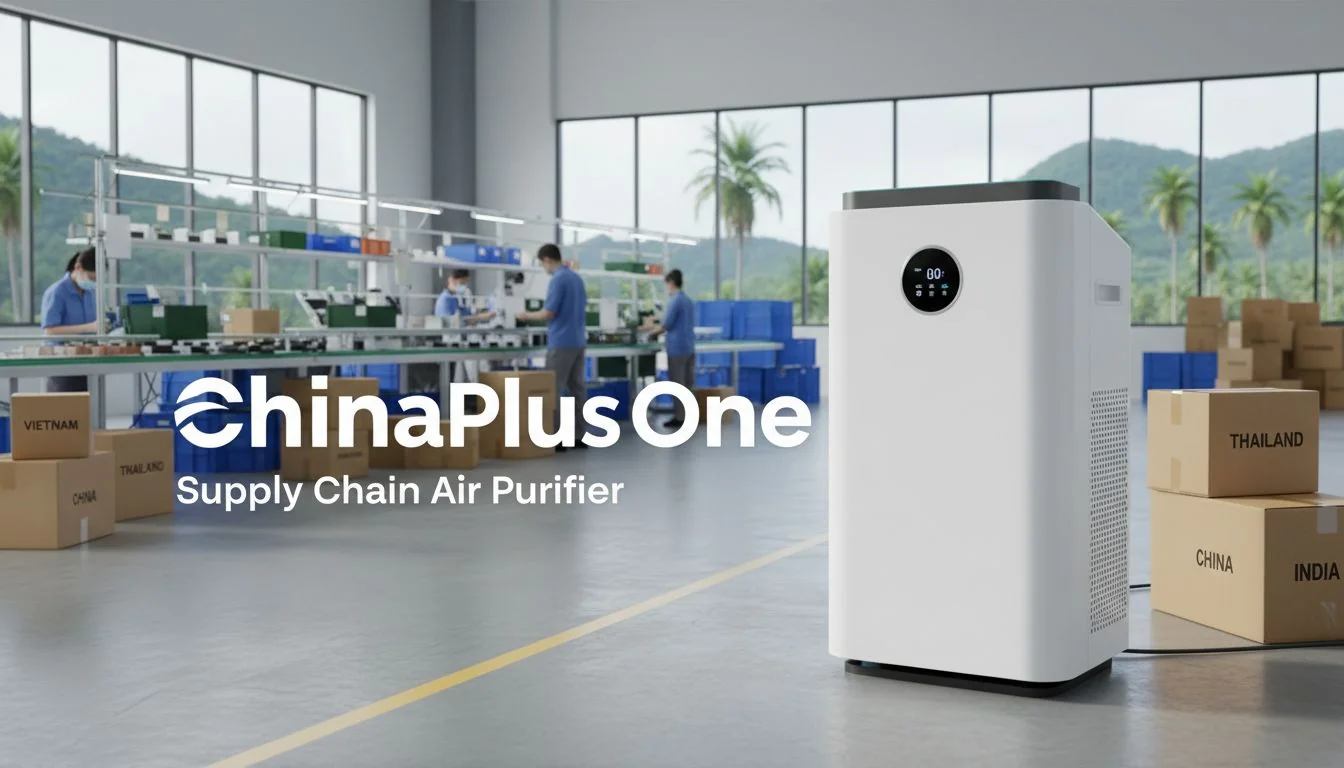
The Hidden Costs of Moving
People think moving to Southeast Asia is cheaper because labor is cheap. But they forget the hidden costs. You have to pay for cross-border transport of parts. You need more raw material inventory. Your engineers have to travel more. You have to manage quality in two places. Moving molds is also very risky and expensive.
This is why a China+1 strategy is usually the best choice. You keep the complex part making in China. You do the final assembly in Thailand or Malaysia.
Decision Matrix for Buyers
Here is a simple guide to help you choose the right model:
| Your Purchasing Need | Best Manufacturing Model |
|---|---|
| Fast new product development | Complete ODM in China |
| Lower US tariff risks | China+1 (e.g., HisoAir in Vietnam/Malaysia) |
| Strict non-China origin rules | Deep localized overseas production |
| Small batch, premium product | Taiwan, South Korea, or USA |
| Large batch, mature model | Vietnam, Thailand, Malaysia |
Do not force a full move if a China+1 setup solves your tariff problem.
Moving production outside China always lowers the total cost of manufacturing.Falso
Hidden costs like cross-border shipping, engineer travel, and double quality management often increase the total cost.
A China+1 strategy combines Chinese component supply with overseas final assembly.Verdadero
This strategy allows buyers to use China's mature supply chain while avoiding tariffs through final assembly in another country.
Conclusión
Finding an air purifier manufacturer outside China requires balancing tariffs, ODM skills, and hidden costs. Choose a China+1 partner like HisoAir for stable, high-performance production.
References
-
Exploring HisoAir's capabilities can reveal why they are a preferred choice for many buyers. ↩
-
Understanding ODM capabilities can help you choose manufacturers that meet your design and performance needs. ↩
-
Learning about component change control is essential for maintaining product compliance and quality. ↩


 English
  Français
  Español
  Italiano
  Deutsch
  Português
  Русский
  العربية
  日本語
日本語  한국어
한국어  Tiếng Việt
