Se abre en una pestaña nueva
Soluciones innovadoras para la calidad del aire

Where Are AquaTru Water Purifiers Manufactured?

Related Products

In the direct-to-consumer (D2C) landscape, transparency is not just a buzzword; it's a cornerstone of brand trust. Today's consumers are more discerning than ever. They want to know what's in their products, how they are made, and where they come from. For brands in the health and wellness space, this scrutiny is magnified. The story behind the product its design philosophy, its components, and its assembly line—is as crucial as the product itself.

AquaTru, a prominent player in the water purification market, presents a compelling case study in navigating the complexities of a global supply chain while building a powerful, consumer-facing brand. The question, "Where are AquaTru water purifiers made?" seems simple, but the answer reveals a sophisticated strategy of international collaboration, brand storytelling, and a calculated balance between performance and production cost. For any B2B or D2C client, understanding this model offers valuable insights into building a successful wellness-tech brand in the modern economy.

The Official Narrative: A Triptych of Global Sourcing

AquaTru has crafted a clear and consistent public narrative about its origins, one that strategically leverages the strengths of different global regions. This story is a triptych: designed in the USA, components from around the world, and assembled in China.
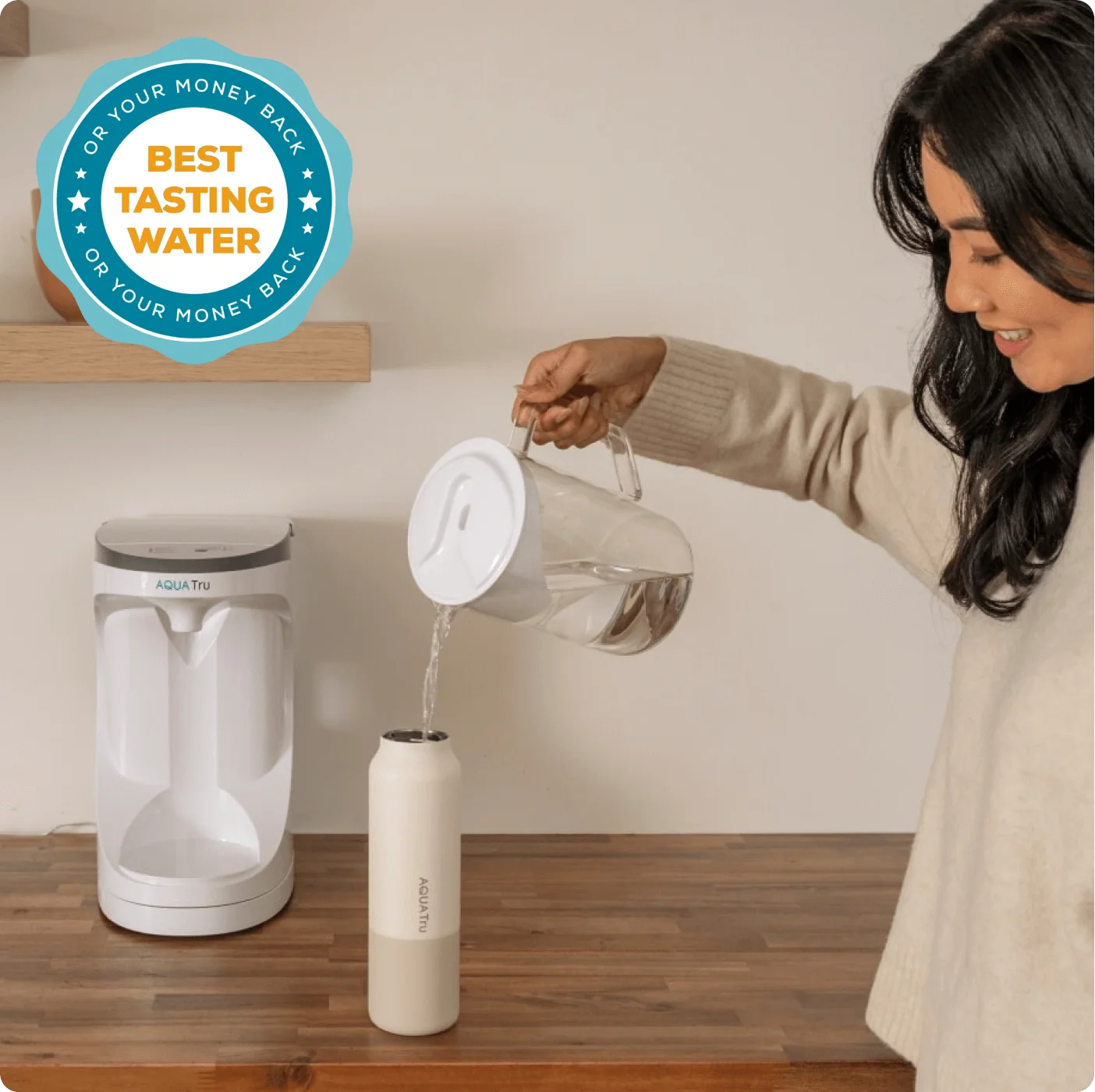
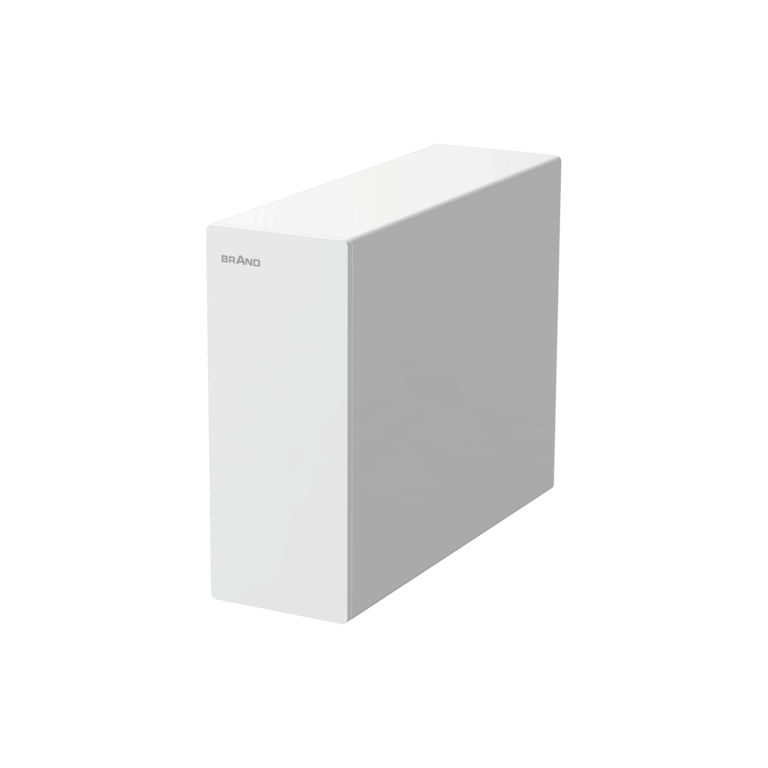
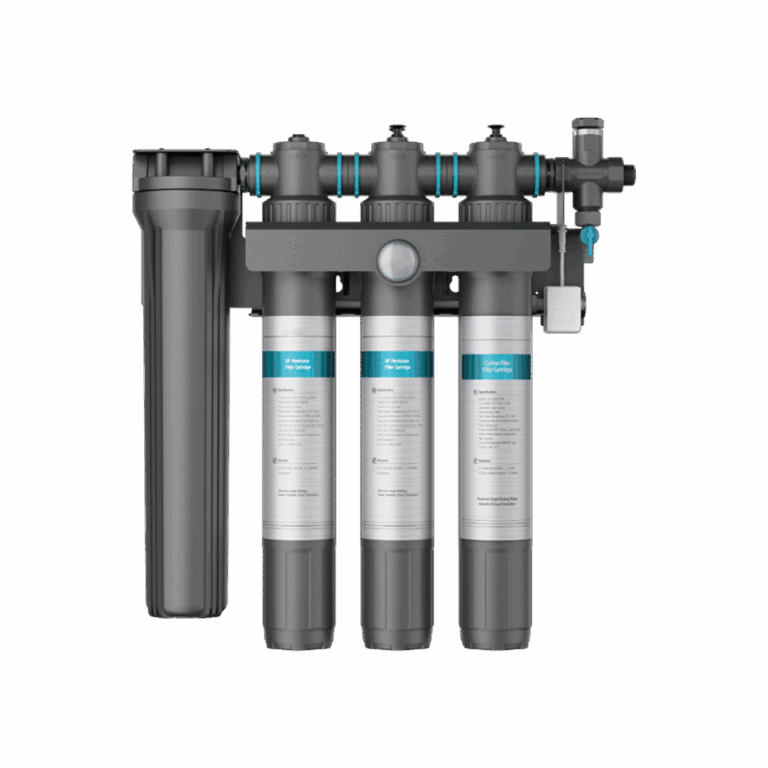
aquatru water purifiers

1. Designed in the USA: The California Innovation Hub

The brand consistently emphasizes that its purifiers are "designed in the USA," specifically in California. This is more than a geographical fact; it's a cornerstone of their marketing. By anchoring the product's identity in California, AquaTru associates itself with American innovation, stringent quality standards, and cutting-edge technology. This narrative is managed from the headquarters of its parent company, Ideal Living, in Sherman Oaks, California, where product development and brand strategy take place. For a health-conscious consumer, the "Designed in California" tag provides a powerful assurance of safety and quality.

2. Components from Around the World: Curating Quality

To add a layer of sophistication, AquaTru states that its purifiers are built with "high-quality components from around the world." This messaging counters the simplistic "Made in China" label, suggesting instead a globally curated product. The company provides specific examples to bolster this claim:

  • The Reverse Osmosis (RO) Membrane: The heart of the purifier is sourced from trusted manufacturers, including the well-respected American brand GE, as well as reputable sources in India.
  • The Carbon Filters: The final stage filter is a coconut shell carbon block filter, a material widely recognized for its effectiveness in removing volatile organic compounds (VOCs).
  • The Materials: The main tanks are made from Tritan plastic, which is promoted as being free of BPA and BPS. For consumers who prefer to avoid plastic, the AquaTru Carafe model offers a borosilicate glass tank option.

3. Assembled in China: The Manufacturing Center

Finally, the company is transparent that the final assembly of its products occurs in China. This completes the narrative, positioning Chinese manufacturing as the efficient and logical final step in a process that is conceived, designed, and controlled from the United States.

The Corporate Architecture: Understanding the Ideal Living Ecosystem

To fully grasp AquaTru's manufacturing strategy, one must look at its parent company, Ideal Living, LLC. Founded in 1999 by Peter Spiegel and Katie Williams, Ideal Living is a US-based health and wellness company with a mission to provide "superior, science-backed products." The company's origin story, inspired by Spiegel's philanthropic encounters in India, is a key part of its brand identity, highlighting a commitment to the global need for clean water.

Ideal Living operates a synergistic portfolio of brands, primarily AquaTru for water purification and AirDoctor for air purification. This "family of brands" approach allows for effective cross-promotion built around the foundational wellness pillars of pure water and clean air.

The specific legal entity for the brand is Aqua Tru, LLC, a US-based company that acts as the importer of record for all products shipped to the United States. While a single third-party business intelligence source erroneously lists AquaTru as being based in Kowloon, China, this is contradicted by the overwhelming evidence from official US customs and import records, which consistently list "Aqua Tru, Llc" of Sherman Oaks, California, as the consignee. This data anomaly likely stems from conflating the brand's manufacturing location with its corporate headquarters.
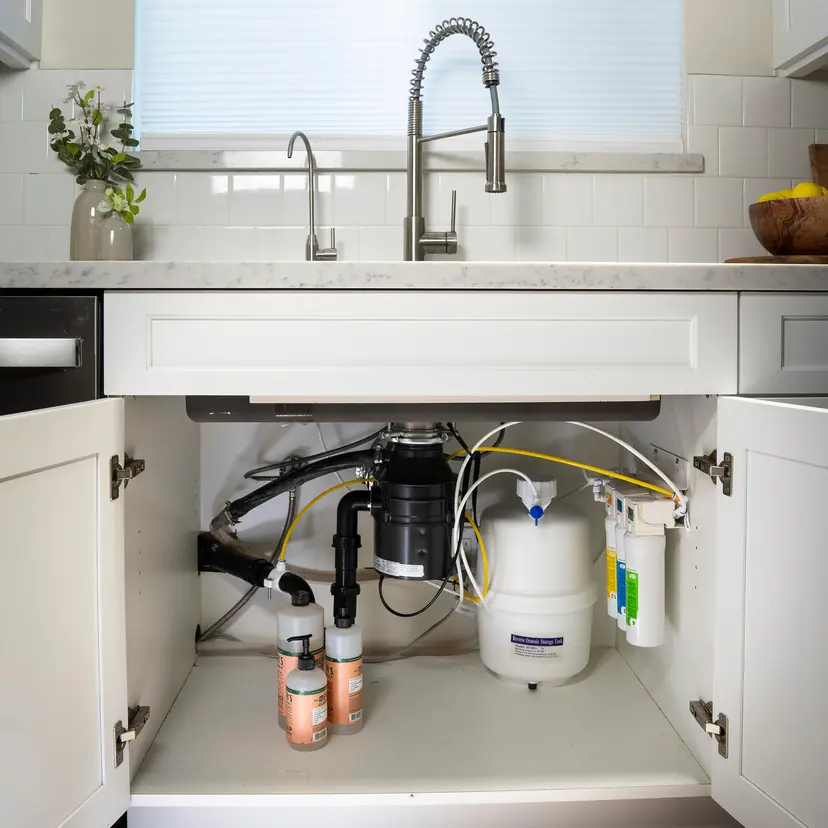
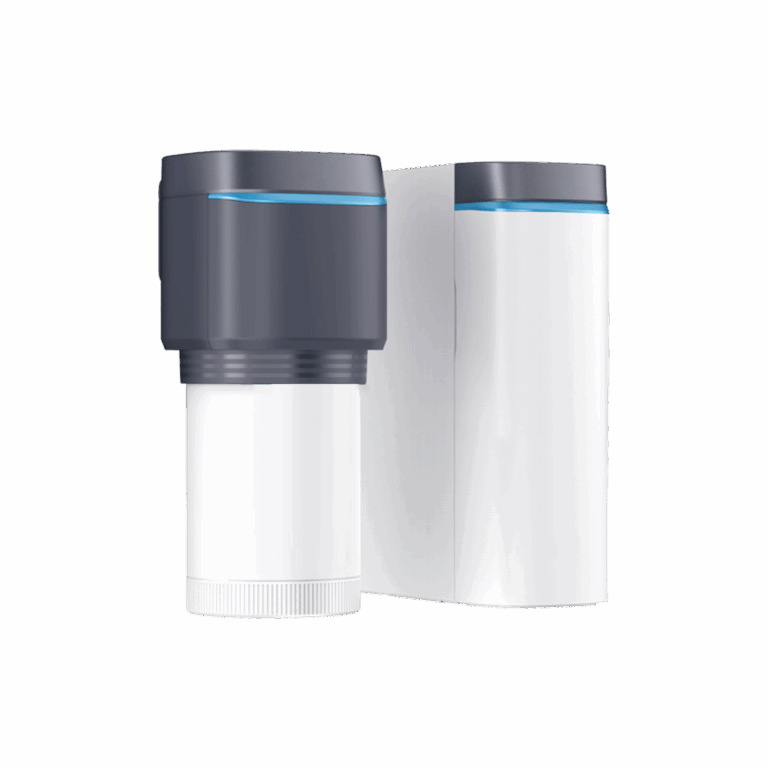
aquatru water purifiers 2

The OEM/ODM Model: A Strategy for D2C Success

The evidence points to AquaTru operating on a classic Original Equipment Manufacturer (OEM) / Original Design Manufacturer (ODM) model. Ideal Living focuses its capital and talent on high-value, non-industrial activities: brand building, marketing, product innovation, and managing its direct-to-consumer sales channels.

The capital-intensive work of manufacturing is outsourced to large, specialized partners in Asia who possess the industrial scale and expertise to produce the appliances cost-effectively. Import records reveal at least two major manufacturing partners:

  • Guangdong Lesso Water Purification Technology Co., Ltd. (China): This company is a key division of the China Lesso Group, a massive, publicly-traded industrial conglomerate. Lesso's extensive catalog includes a wide range of reverse osmosis water purifiers, suggesting they provide the core platform that is then customized for the AquaTru brand.
  • Ihastek (Malaysia) Sdn Bhd. (Malaysia): This is the Malaysian subsidiary of Zhangzhou iHastek Inc., a large Chinese high-tech company that manufactures environmental appliances for major global brands like Walmart and Costco. Shipping records show that Ihastek supplies not only AquaTru but also its sister brand, Air Doctor, indicating a high-level strategic partnership.

This diversified manufacturing base between China and Malaysia is a sophisticated risk mitigation strategy, protecting the supply chain from tariffs, geopolitical tensions, and other localized disruptions. For a D2C brand, this model is highly efficient, allowing the company to remain agile and focus on growth without the immense overhead of owning and operating its own factories.

The Result: Elite Filtration Meets Variable Durability

This manufacturing model has direct and observable consequences on the final product, creating a distinct trade-off for the consumer.

The Strength: World-Class Filtration Performance

The core function of the AquaTru purifier—removing contaminants—is exceptionally effective. The product is not certified directly by the NSF, but it is rigorously tested and certified by IAPMO (a reputable, accredited US laboratory) to meet or exceed NSF/ANSI standards. These independent tests confirm that AquaTru's 4-stage reverse osmosis system removes an extensive list of 84 contaminants, including "forever chemicals" (PFAS), lead, arsenic, chlorine, microplastics, and fluoride. Third-party lab tests consistently validate these claims, with some showing a 100% reduction of trace contaminants like lead and uranium. The filtration technology, which relies on standardized, high-quality components like the RO membrane, is undeniably elite.

The Challenge: Long-Term Appliance Reliability

While the filtration performance is stellar, the outsourced, mass-market manufacturing model can introduce variability in the long-term durability of the appliance itself. A significant volume of consumer feedback, particularly complaints filed with the Better Business Bureau, points to issues with peripheral components. Common complaints cite water leaks, premature pump failure, and parts perceived as "cheaply made," with some users reporting these problems arise shortly after the one-year warranty expires.

This reveals the central tension of the brand: a high-efficacy filtration core housed within a shell of variable long-term durability. Quality control is managed remotely through specifications and batch testing rather than direct oversight of the assembly line, which can lead to these inconsistencies.
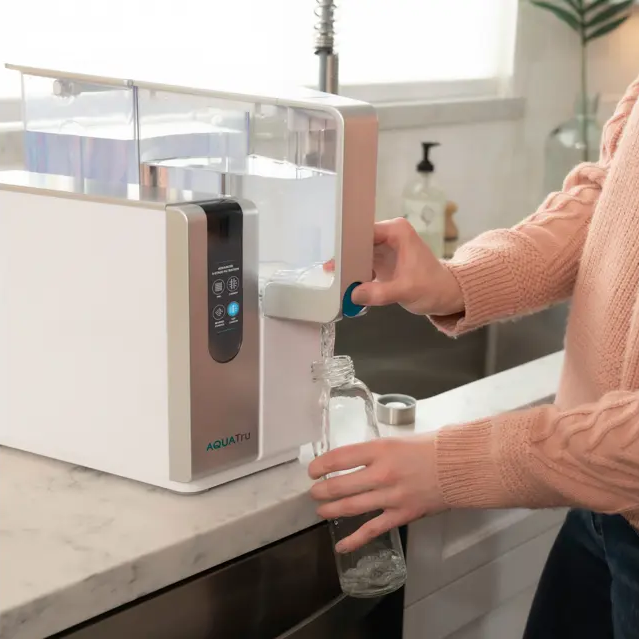
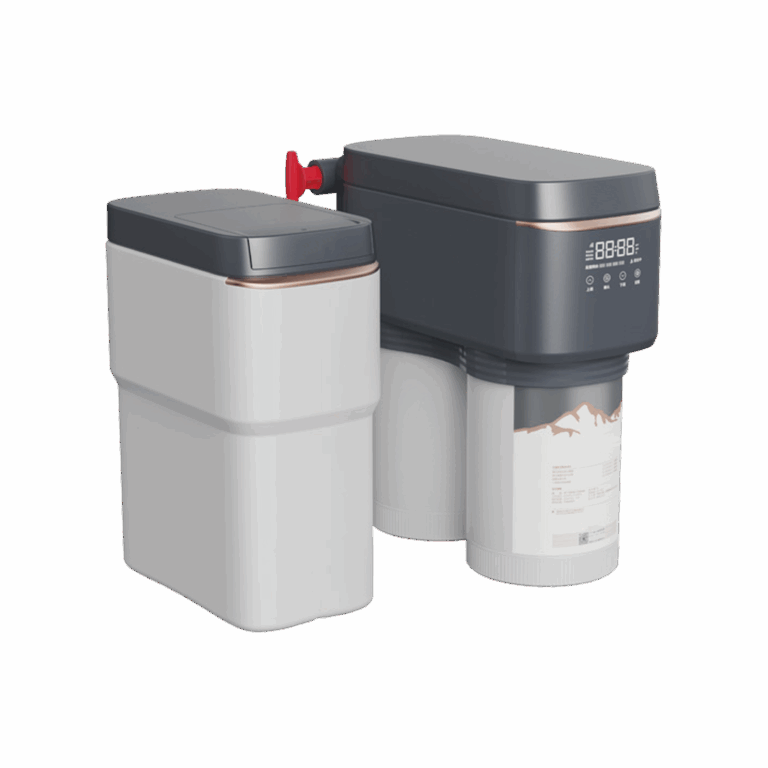
aquatru water purifiers 3

Key Takeaways for Your D2C Business

AquaTru's journey offers several powerful lessons for B2B and D2C brands in the wellness space:

  • Master Your Narrative: AquaTru demonstrates that a global supply chain can be framed as a strength. By leading with "Designed in the USA" and emphasizing globally sourced, high-quality components, they successfully built a premium brand identity that resonates with their target audience.
  • Leverage the OEM/ODM Model: Partnering with large-scale, expert manufacturers allows a brand to focus its resources on what it does best—building a connection with its customers. This capital-light model enables agility and scalability.
  • Prioritize Core Functionality: AquaTru has built its reputation on the proven, lab-tested performance of its core technology. For a health product, this non-negotiable efficacy is what earns consumer trust, even in the face of other product issues.
  • Understand the Durability Trade-Off: The cost efficiencies of outsourced manufacturing can come at the price of inconsistent long-term reliability. Brands must be prepared to manage this through robust customer service and transparent warranty policies, as negative reviews about durability can impact brand reputation.

Conclusion: A Global Product for a Global Market

So, where are AquaTru water purifiers manufactured? The definitive answer is that they are the product of a globalized strategy, conceived and designed in the USA by Ideal Living and physically assembled by large-scale OEM partners in China and Malaysia.

The AquaTru model is a masterclass in modern D2C branding. It successfully uncouples its premium, health-focused marketing from its mass-market factory origins. The brand's success hinges on a clear value proposition: it delivers on its primary promise of providing exceptionally pure water, a claim backed by robust third-party testing. For the consumer, this means weighing elite filtration performance against the potential risk of appliance durability issues. For other D2C brands, it serves as a powerful example of how to build a successful company by strategically navigating the opportunities and challenges of a globalized supply chain.

Comparte:
fundador de hisoair, sr. lee
Alwen Lee, an air purification expert with over 10 years of experience, is a devoted father of two and a passionate traveler, having explored more than 30 countries. With a love for public speaking and swimming, he has dedicated his life to the indoor air quality industry. His mission is to ensure that people around the world enjoy the freedom to breathe clean air and lead happy, healthy lives.

Envíenos un mensaje

Más que leer

Comparison between PFAS-ready and PFAS-certified water filters, showing internal filter components and certification steps.

PFAS-Ready vs. PFAS-Certified Water Filters: Engineering Differences for OEM Brands

For an appliance, wellness or healthy-home brand preparing to launch a water purifier, the phrase “PFAS-ready” can sound reassuring. The proposed system may use activated ...
Water Purifiers
NSF base listing and ANF private-label certification pathway for OEM water filters

What Is an NSF Master Listing? A Guide to Base Listings, ANF Certification and OEM Water Filters

For a brand preparing to launch an OEM water purifier, one of the most common supplier claims is: “We already have an NSF master listing, ...
News, Water Purifiers
Two professionals discussing a supplier evaluation checklist at a table with water purifier parts, documents, and technical drawings in a factory setting.

Water Purifier Manufacturer in China: 12 Questions B2B Buyers Should Ask

Finding a water purifier manufacturer in China is easy. Finding a factory that can support your target contaminants, certification pathway, product positioning and long-term replacement-filter ...
News, Water Purifiers
Featured image for Why Stainless Steel Water Purifiers Are Becoming the Premium Choice for Wellness Brands

Why Stainless Steel Water Purifiers Are Becoming the Premium Choice for Wellness Brands

Choose stainless steel purifiers for purity, aesthetics, and sustainability. Elevate your wellness brand with premium quality today!
News, Water Purifiers
Featured image for What Biohacking & Longevity Consumers Want in a Water Purification System

What Biohacking & Longevity Consumers Want in a Water Purification System

Discover pure, re-mineralized water systems. No plastics, complete RO, perfect for biohacking longevity. Upgrade your hydration now!
News, Water Purifiers
Featured image for How Premium Water Appliances Improve Sleep, Skin, and Daily Energy

How Premium Water Appliances Improve Sleep, Skin, and Daily Energy

Unlock better sleep, radiant skin, and energy with mineral-rich water. Discover the power of premium appliances for your ultimate wellness boost.
News, Water Purifiers
Contaminant Engineering•3 min read

PFAS Water Filtration Technologies Explained: Carbon, Resin & RO

Key Takeaway:

PFAS reduction depends on the specific compounds present, treatment media, contact time, water chemistry, and system design. Activated carbon, ion exchange, and Reverse Osmosis address PFAS through different mechanisms.

PFAS are a large family of persistent fluorinated compounds that can occur in drinking-water supplies. Their treatment behavior varies significantly by molecular structure, chain length, functional group, concentration, and the chemistry of the source water.

Granular Activated Carbon (GAC) removes PFAS primarily through adsorption. It is generally more effective for many longer-chain PFAS, while shorter-chain compounds tend to break through more quickly. Carbon performance depends on media properties, Empty Bed Contact Time (EBCT), competing organic matter, loading, and replacement frequency.

Ion-exchange resins use charged functional sites to capture many PFAS compounds. Properly selected anion-exchange media can provide high capacity and may perform better than conventional activated carbon for some shorter-chain PFAS, although performance still depends on water chemistry and competing ions.

Reverse Osmosis (RO) uses membrane separation rather than adsorption. Properly designed RO systems can provide broad reduction across many PFAS compounds as well as dissolved salts and other contaminants. Unlike carbon or resin, however, RO also produces a concentrate stream that must be managed.

No single technology should be selected from a PFAS label alone. System design should consider which PFAS compounds are present, their concentrations, required reduction targets, flow rate, media life, and the applicable third-party certification or validation requirements.

HisoAir Water Technical Series
Product Discovery•3 min read

How to Choose an Under-Sink Water Purifier for Modern Kitchens

Key Takeaway:

Match the treatment technology to your water quality first, then evaluate cabinet space, faucet configuration, flow rate, drain and power requirements, and filter replacement needs.

Choosing an under-sink water purifier starts with water chemistry. Carbon filtration is well suited to chlorine, taste, odor, and many organic contaminants, while Reverse Osmosis is more appropriate when dissolved salts, fluoride, nitrates, or broader dissolved contaminants need to be reduced.

For compact kitchens, tankless RO systems eliminate the conventional storage tank and can significantly reduce the space required under the sink. However, membrane capacity stated in GPD does not directly equal faucet flow. When comparing systems, check the actual dispensing flow rate, inlet-pressure requirement, recovery ratio, and whether a booster pump is required.

Installation architecture also matters. Many RO systems require a drain connection, electrical power, and either a dedicated drinking-water faucet or a compatible multi-function faucet. High-flow carbon systems can often connect directly to the existing cold-water line with a simpler installation, but pressure drop and available faucet flow should still be verified.

RO also removes much of the naturally occurring dissolved mineral content. Where taste or mineral balance is a priority, a post-RO remineralization stage can be added. Filter life should be evaluated by both rated capacity and local water quality rather than replacement time alone.

The right system is therefore not simply the smallest or highest-GPD model. It is the configuration that matches the target contaminants, available cabinet space, desired faucet setup, peak dispensing demand, and maintenance expectations.

HisoAir Water Technical Series
Water Quality•2 min read

What Does TDS Mean in Drinking Water? Measurement vs Contaminant Reality

Key Takeaway:

A TDS meter estimates the overall concentration of dissolved ionic substances from electrical conductivity. It cannot identify specific contaminants or determine whether water is chemically safe.

Total Dissolved Solids (TDS) refers to the combined concentration of dissolved substances in water. Most handheld TDS meters do not measure TDS directly. Instead, they measure electrical conductivity (EC) and convert that reading into an estimated parts-per-million (ppm) value.

This means a TDS reading can indicate how much dissolved ionic material is present, but not what that material actually is. Calcium, magnesium, sodium, nitrates, and other dissolved ions can all contribute to conductivity, yet a simple TDS meter cannot distinguish between them.

TDS meters are also not suitable for detecting trace contaminants such as PFAS, many VOCs, pesticides, pharmaceuticals, or disinfection byproducts. These substances may be present at concentrations far below the level needed to noticeably change electrical conductivity.

A low TDS reading therefore does not guarantee safe drinking water, and a higher TDS reading does not automatically indicate contamination. Water-treatment decisions should be based on laboratory testing for specific contaminants of concern rather than TDS alone.

HisoAir Water Technical Series
Technology Selection•2 min read

RO vs UF Water Filtration: Understanding Pore Sizes & Dissolved Minerals

Key Takeaway:

Ultrafiltration can reduce bacteria, turbidity, and suspended particles while retaining most naturally occurring dissolved minerals. Reverse Osmosis provides much broader reduction of dissolved salts and smaller contaminants.

Ultrafiltration (UF) typically uses hollow-fiber membranes with pore sizes in the approximate 0.01–0.1 micron range. These membranes physically retain turbidity, suspended solids, colloids, and many microorganisms while allowing dissolved minerals and salts to remain in the water.

Reverse Osmosis (RO) operates at a much finer separation level. Unlike UF, RO can substantially reduce dissolved ions such as sodium, calcium, fluoride, nitrates, and other contributors to total dissolved solids (TDS). This makes RO more suitable when dissolved-salt reduction is a primary treatment objective.

UF generally requires less system pressure and produces little or no continuous concentrate stream in many point-of-use configurations. RO typically requires greater pressure and produces a reject-water stream, but delivers broader contaminant reduction.

For water with acceptable TDS and mineral content, UF can be a simpler mineral-retaining treatment option. Where dissolved salts, fluoride, nitrates, or broader dissolved contaminants are a concern, RO is generally the more appropriate technology.

HisoAir Water Technical Series
Technology Selection•4 min read

Carbon Block vs Reverse Osmosis: Which Fits Your Need?

Key Takeaway:

Choose RO for dissolved inorganic salts and heavy metals; choose Carbon Block for chemical taste/odor, no wastewater, and high line-pressure flow.

Reverse Osmosis (RO) and Carbon Block filtration represent two fundamentally different treatment methods: membrane separation and adsorption. Understanding these differences helps determine which technology is better suited to a specific water-quality requirement.

Reverse Osmosis uses a semi-permeable membrane with pore sizes of approximately 0.0001 microns. It can significantly reduce dissolved inorganic contaminants such as TDS, fluoride, nitrates, and certain heavy metals. Because water must be forced through the membrane, RO systems require sufficient pressure or a booster pump and generate a concentrated wastewater stream.

Carbon Block filtration relies primarily on adsorption through compressed activated carbon, commonly with nominal pore sizes around 0.5–5 microns. It is highly effective for chlorine, chloramines, VOCs, taste, and odor, while allowing substantially higher direct-flow rates without producing wastewater.

From an operating perspective, Carbon Block systems are generally simpler, require less energy, and avoid the water loss associated with RO. RO involves higher system complexity and operating cost, but provides substantially broader reduction of dissolved contaminants that Carbon Block alone cannot address.

HisoAir Water Technical Series

SOLICITAR PRESUPUESTO