
In today's interconnected yet increasingly unpredictable global economy, businesses are constantly seeking ways to enhance resilience and ensure continuity. For decades, China has been the undisputed manufacturing powerhouse, a global factory offering unparalleled scale, efficiency, and cost-effectiveness. However, recent years have seen a significant shift in this paradigm, prompting a strategic re-evaluation among B2B manufacturers worldwide. This shift is encapsulated by a pivotal concept: the China Plus One Strategy. 1
As a company deeply embedded in the manufacturing landscape, with factories across China, Vietnam, and Thailand, we at HisoAir have witnessed this evolution firsthand. We understand the complexities and opportunities it presents for large corporate buyers, IAQ industry brand buyers, home appliance distributors, and e-commerce brands seeking reliable, high-quality products. This article will delve into what the "China Plus One" strategy entails, why it has become an imperative for modern manufacturing, its benefits, the challenges it presents, and how companies like ours are navigating this new era to build more robust and responsive supply chains.
What Exactly is the "China Plus One" Strategy?
The "China Plus One" (C+1) strategy2 is a supply chain diversification approach where businesses expand their manufacturing and sourcing operations to include at least one additional country alongside their existing base in China. It’s not about abandoning China entirely, but rather about mitigating the risks associated with over-reliance on a single geographic location for production and sourcing. Think of it as a strategic move to avoid putting all your eggs in one basket.
This concept3 isn't entirely new. Discussions around diversifying away from China began as early as 2008, primarily driven by rising labor costs within China. However, the strategy gained significant momentum and urgency following a confluence of global events: the Guerra comercial entre EE.UU. y China that escalated in 2018, and the unprecedented supply chain disruptions caused by the COVID-19 pandemic, particularly China's "Zero-Covid" policies. These events exposed the vulnerabilities of highly concentrated supply chains, pushing companies to prioritize resilience and flexibility over pure cost efficiency.
The core objective of C+1 is to build a more adaptable and secure supply chain. By establishing additional production or supplier bases in other countries, companies can reduce their exposure to geopolitical risks, economic fluctuations, and unforeseen disruptions in any single region.

Several compelling factors are driving the widespread adoption of the "China Plus One" strategy among B2B manufacturers:
1. Geopolitical Tensions and Trade Restrictions
The ongoing US-China trade tensions4 have introduced significant uncertainty and increased costs for businesses heavily reliant on Chinese manufacturing. Tariffs, sanctions, and shifting trade policies have made doing business in China more complex and expensive. Companies are seeking alternative locations to avoid these additional costs and ensure smoother trade relations, especially when exporting to major markets like North America and Europe. For instance, as Mr. Lee, our founder, often emphasizes, our clients in North America need stability and predictability, which a diversified manufacturing footprint helps provide.
2. Rising Costs in China
While China once offered exceptionally low labor and production costs, this advantage has steadily eroded. Rising wages5, increased regulatory compliance costs, and environmental regulations have made manufacturing in China more expensive. This has prompted companies to explore other regions where labor and operational costs are more competitive, allowing them to maintain cost efficiency without compromising quality.
3. Supply Chain Vulnerabilities Exposed by Global Events
En COVID-196 pandemic served as a stark wake-up call, highlighting the fragility of global supply chains. Factory shutdowns, port congestion, and material shortages, particularly due to China's stringent lockdown measures, caused severe delays and disruptions worldwide. Businesses realized that a concentrated supply chain could jeopardize their entire operations. The C+1 strategy offers a proactive solution, enabling companies to spread risk and ensure business continuity even if one region faces unexpected challenges.
4. Government Incentives and Market Access
Many "Plus One" countries are actively courting foreign investment by offering attractive incentives. These include tax breaks7, infrastructure investments, and streamlined regulations designed to create a favorable business climate. Furthermore, establishing a presence in new regions can open doors to new consumer markets, allowing companies to tap into growing demand and expand their global footprint.
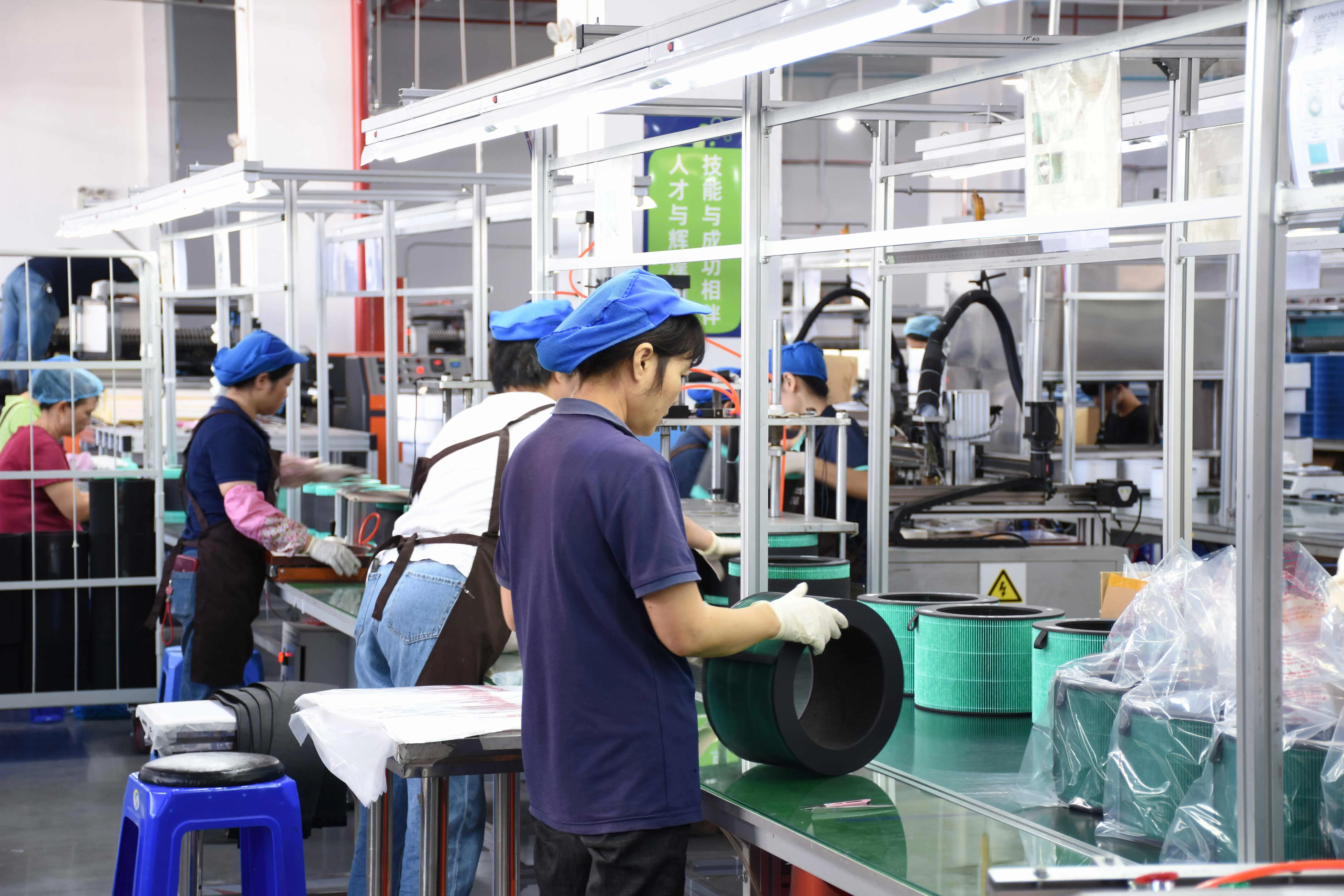
Beyond Risk: The Strategic Advantages of "Plus One"
While risk mitigation is a primary driver, the "China +1" strategy offers a multitude of strategic advantages for B2B manufacturers:
- Enhanced Supply Chain Resilience: By diversifying production across multiple locations, businesses create redundancies that can absorb shocks and disruptions. If one factory or region faces issues, production can be shifted or scaled up elsewhere, ensuring a more stable and predictable supply of goods. This is crucial for maintaining customer satisfaction and brand reputation.
- Optimización de costes: Exploring alternative manufacturing hubs can lead to significant cost savings. Countries with lower labor costs, favorable exchange rates, and attractive tax incentives can help reduce overall production expenses. As Mr. Lee often points out, our factories in Vietnam and Thailand offer competitive advantages that complement our Chinese operations, allowing us to deliver top-quality products at optimized costs.
- Increased Flexibility and Agility: A diversified supply chain is inherently more flexible. Companies can quickly adapt to changing market demands, geopolitical shifts, or sudden policy changes. This agility allows for faster response times and better positioning in a dynamic global market.
- Access to New Markets and Talent Pools: Expanding into new countries provides direct access to emerging markets and their growing consumer bases. It also allows companies to tap into diverse talent pools, leveraging specialized skills and local expertise that might not be readily available in a single location.
Where to Go? Emerging Hubs in the "Plus One" Landscape
The choice of a "Plus One" location is critical and depends on various factors, including industry, product complexity, and target markets. However, several countries have emerged as leading beneficiaries of this strategy, particularly in Southeast Asia:
Vietnam
Vietnam8 has rapidly become a top destination for manufacturers seeking to diversify. Its competitive labor costs, strategic proximity to China, growing manufacturing base, and numerous free trade agreements (including with the EU and the US) make it highly attractive. Major electronics and textile manufacturers have significantly invested in Vietnam. For HisoAir, our factory in Vietnam plays a crucial role in our diversified production strategy, allowing us to serve clients in North America, Europe, and Southeast Asia with efficiency.
Tailandia
Tailandia9 offers a strong industrial infrastructure, a skilled workforce, and a business-friendly environment. It has become a key hub for the automotive (especially EVs), electronics, and machinery sectors. The Thai government's proactive policies and incentives further enhance its appeal. Our HisoAir factory in Thailand is a testament to the country's robust manufacturing capabilities, enabling us to produce high-performance IAQ products with strong design aesthetics for our global clientele.
India
India10 is emerging as a significant player, boasting a large and youthful workforce, a growing manufacturing sector, and a vast domestic market. It has attracted substantial investment, particularly in pharmaceuticals and electronics, and is seen as a long-term strategic alternative for many industries.
Other Southeast Asian Nations11
Countries like Malasia, Indonesiay Bangladesh are also gaining traction. Malaysia offers a strong legal system and advanced telecommunications infrastructure, attracting high-tech manufacturing. Indonesia, Southeast Asia's largest economy, has a growing manufacturing sector and abundant natural resources. Bangladesh, with its low labor costs, is a key player in the textile industry. These nations collectively offer a diverse range of options for companies looking to build resilient supply chains.
| País | Principales ventajas | Primary Industries Benefiting |
|---|---|---|
| Vietnam | Competitive labor costs, strategic location, FTAs | Electronics, Textiles, Footwear, Furniture |
| Tailandia | Strong infrastructure, skilled workforce, government incentives | Automotive, Electronics, Machinery, IAQ Products |
| India | Large domestic market, youthful workforce, growing capabilities | Pharmaceuticals, Electronics, Automotive |
| Malasia | Developed infrastructure, skilled labor, high-tech focus | Electronics, Semiconductors, Electrical Appliances |
| Indonesia | Large economy, natural resources, growing manufacturing | Automotive, Food & Beverages, Chemicals |
Note: This table provides a general overview. Specific advantages and industries may vary.
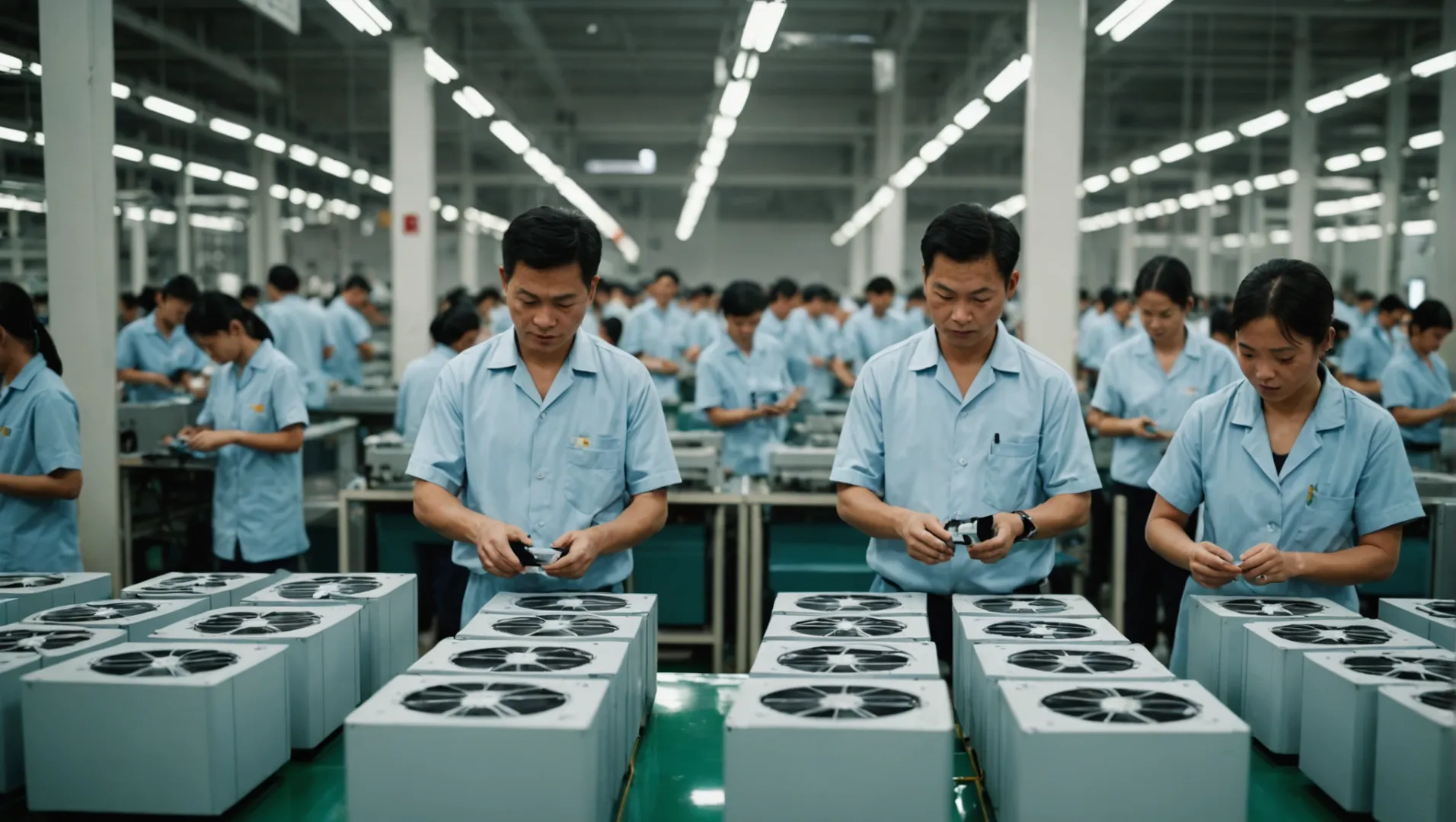
While the benefits of "China Plus One" are clear, implementing this strategy is not without its challenges. It requires careful planning and execution:
- Initial Investment12: Shifting production requires significant upfront investment in new facilities, machinery, and logistics infrastructure.
- Diferencias culturales y normativas: Each country has its unique regulatory landscape, labor laws, and business practices. Adapting to these differences and fostering effective cross-cultural communication is crucial for success.
- Logistics Complexity13: Managing supply chains across multiple countries adds layers of complexity, requiring robust logistics networks, efficient customs processes, and strong communication with new suppliers and partners.
- Infrastructure Variability: While many "Plus One" countries are rapidly developing their infrastructure, they may not yet match China's extensive and highly integrated manufacturing ecosystem. This can impact lead times and overall efficiency.
- Skilled Labor Availability: While labor costs might be lower, the availability of a sufficiently skilled workforce for specialized manufacturing processes can be a challenge in some regions.
To overcome these hurdles, B2B buyers must engage with manufacturers who possess deep local knowledge and established networks in their chosen "Plus One" locations.
HisoAir's Blueprint for Resilient Manufacturing: A Case Study in "China +1"
At HisoAir, we have proactively embraced the "China Plus One" strategy, not just as a response to global trends, but as a core component of our commitment to delivering top-quality, high-performance IAQ products to our B2B clients worldwide. With multiple factories strategically located in China, Vietnam, and Thailand, we embody the very essence of a diversified and resilient manufacturing model.
In my experience, this multi-country approach allows us to:
- Mitigate Risks Effectively: By having production capabilities in three distinct regions, we significantly reduce our exposure to disruptions in any single country. Whether it's a natural disaster, a trade policy change, or a localized supply chain issue, our diversified footprint ensures continuity of supply for our clients in North America, Europe, Japan, South Korea, Southeast Asia, South America, Russia, and Central Asia.
- Optimize Costs and Efficiency: Our presence in Vietnam and Thailand enables us to leverage competitive labor costs and favorable trade agreements, complementing the advanced manufacturing capabilities and mature supply chain ecosystem of our Chinese operations. This strategic balance allows us to offer highly competitive pricing without compromising on the superior quality and innovative design aesthetics that HisoAir is known for.
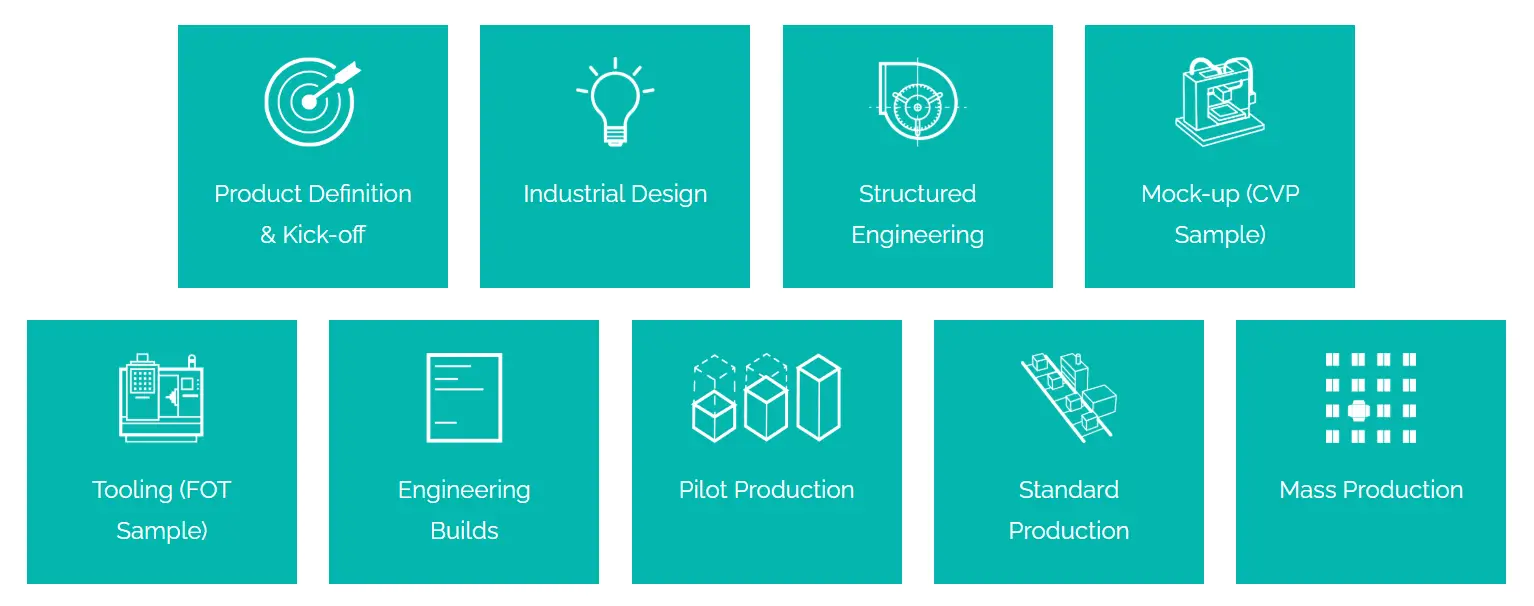
- Ensure Product Differentiation and Innovation: Our ODM development model, combined with our multi-factory setup, provides unparalleled flexibility for customization and innovation. We can allocate production based on specific product requirements, ensuring optimal performance, large airflow, and low noise levels, which are critical features for our commercial air purifiers, home air purifiers, air quality monitors, air filters, and humidifiers.
- Serve a Global Clientele: Our diversified manufacturing base strengthens our ability to serve a wide range of clients, from large corporate buyers to e-commerce brands needing health-related electrical products. We can adapt to regional market demands and logistics requirements, ensuring timely and efficient delivery.
Our commitment to the "China Plus One" strategy is a testament to our dedication to our B2B partners. We understand that for our clients, reliability and consistency are paramount. By strategically expanding our manufacturing footprint, we ensure that HisoAir remains a dependable partner, capable of navigating global complexities and delivering innovative IAQ solutions that meet the highest standards.
The Road Ahead: Shaping the Future of Global Production
The "China +1" strategy is more than just a temporary trend; it represents a fundamental shift in global manufacturing. As geopolitical landscapes continue to evolve and the lessons from recent disruptions remain fresh, diversification will increasingly become a standard practice for businesses aiming for long-term stability and growth.
For B2B buyers, understanding and partnering with manufacturers who have successfully implemented this strategy is crucial. It signifies a commitment to supply chain resilience, cost-effectiveness, and the ability to adapt to future challenges. The future of global manufacturing will likely be characterized by a network of interconnected regional hubs, with companies strategically leveraging the unique advantages of each location to build robust, agile, and sustainable supply chains.
At HisoAir, we are proud to be at the forefront of this transformation, continuously optimizing our multi-country manufacturing capabilities to serve our global partners with excellence.
Footnotes:
-
Learn more about the origins and evolution of the China Plus One strategy in global supply chains. ↩
-
Understand the definition and core objectives of the China Plus One strategy. ↩
-
Explore the historical context and resurgence of the China Plus One strategy. ↩
-
Discover how geopolitical tensions and trade restrictions are driving the China Plus One strategy. ↩
-
Read about rising labor costs in China as a key factor for diversification. ↩
-
Learn how COVID-19 exposed supply chain vulnerabilities and accelerated the adoption of C+1. ↩
-
Understand the benefits of implementing China Plus One, including government incentives. ↩
-
Discover why Vietnam is a key player in the China Plus One strategy. ↩
-
Explore Thailand's role as a key link in the 'China + One' strategy, especially for EV automakers. ↩
-
Read about India's growing importance in the China Plus One strategy. ↩
-
Learn about other Southeast Asian countries benefiting from supply chain diversification. ↩
-
Understand the implementation challenges of a China Plus One strategy, including initial investment. ↩
-
Explore the complexities of logistics in a diversified supply chain. ↩




 English
  Français
  Español
  Italiano
  Deutsch
  Português
  Русский
  العربية
  日本語
日本語  한국어
한국어  Tiếng Việt

