Si apre in una nuova scheda
Soluzioni innovative per la qualità dell'aria

Best 5 Japanese Manufacturers of Air Purifiers and Humidifiers

In Japan a nation celebrated for its focus on health, wellness, and cutting-edge technology clean indoor air has become a top priority. Rising urban density, seasonal allergens, and a culture of preventive care have driven strong demand for advanced air treatment solutions. In this competitive and innovation-driven market, Japanese manufacturers lead the way. This article explores the top five brands Sharp, Daikin, Panasonic, Hitachi, and Mitsubishi Electric highlighting their technologies, strategies, and how they’re shaping the future of air purification and humidification.

The Market Landscape: A Competitive Arena

The Japanese air treatment market is characterized by its robust growth and intense competition, fueled by a health-conscious populace and the increasing density of urban living. This environment has spurred innovation, with manufacturers constantly striving to offer more effective, efficient, and user-friendly solutions. While numerous domestic and international brands vie for market share, a select few Japanese companies have established a dominant presence.

Sharp, Panasonic, and Daikin collectively command over 75% of the market share, forming a formidable trio that dictates trends and sets industry standards. Their long-standing reputations for quality and innovation have earned them immense consumer trust. However, the market is far from stagnant. Other key domestic players, such as Hitachi and Mitsubishi Electric, actively challenge this dominance, often carving out niches with specialized features or competitive pricing. Furthermore, the presence of international brands like Dyson adds another layer of competitive pressure, compelling Japanese manufacturers to continuously innovate and differentiate their offerings to maintain their leading positions.
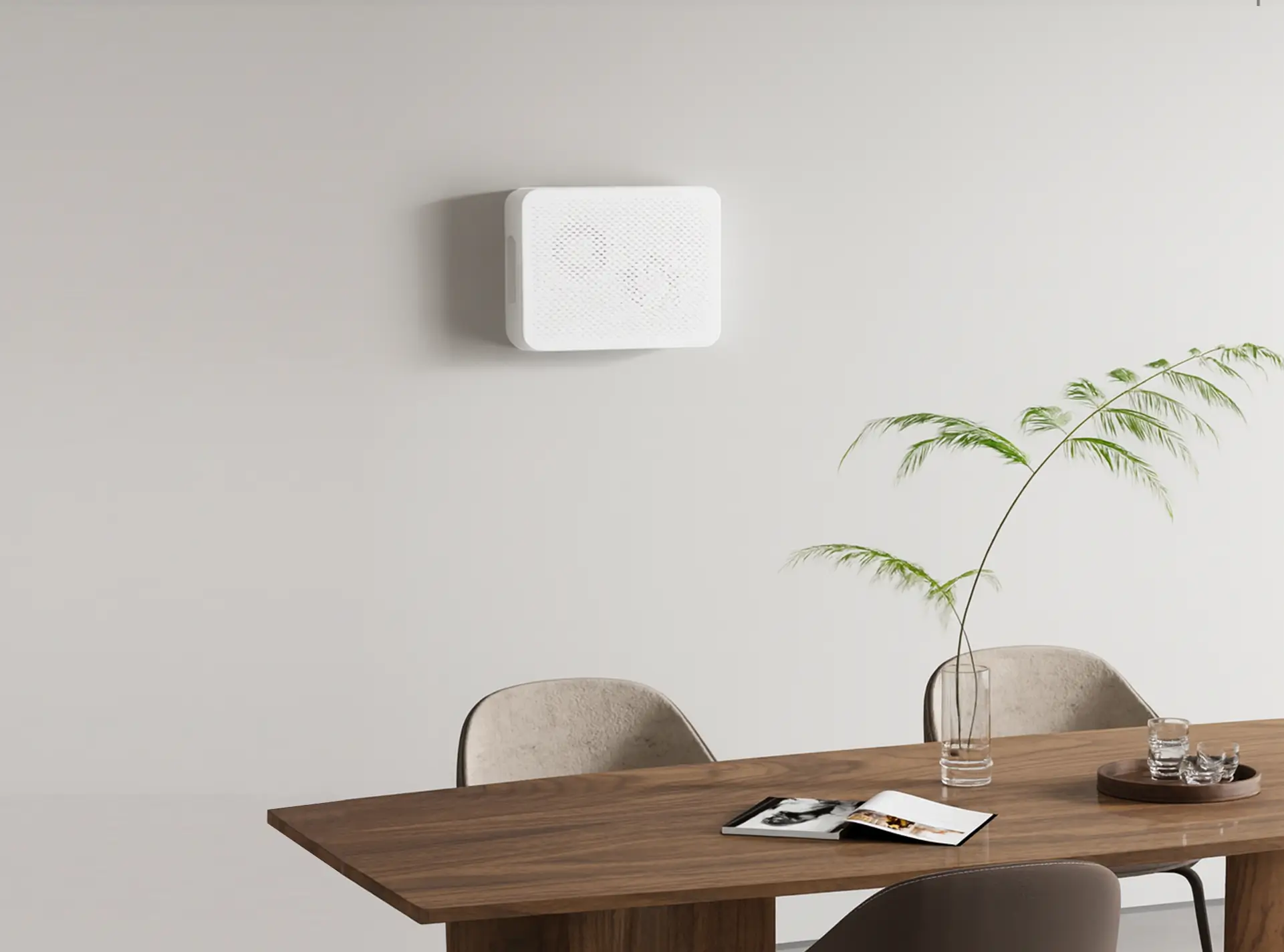
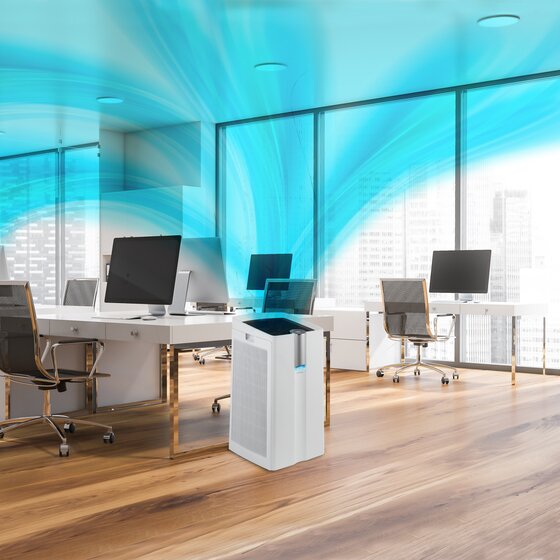
wall mounted air purifier ha200 ha400 office

The Technology Battlefield: Active vs. Passive Purification

Every effective air purifier relies on passive filtration a multi-stage process involving a pre-filter, HEPA filter, and activated carbon filter to physically remove particles, allergens, and odors. However, leading Japanese manufacturers differentiate themselves with proprietary "active" purification technologies that neutralize pollutants at a molecular level.

Daikin's Streamer Technology uses high-speed electrons to internally decompose harmful substances like viruses, bacteria, and allergens, ensuring exceptionally clean air is released.

Sharp's Plasmacluster Technology releases positive and negative ions into the air. These ions form hydroxyl radicals that neutralize airborne contaminants by extracting hydrogen from their protein structures, then return to the air as water. This process also reduces static electricity.

Panasonic's nanoe™ X Technology generates hydroxyl radicals contained in nano-sized water particles. These radicals effectively inhibit viruses, bacteria, allergens, and odors, and can penetrate fabrics for comprehensive purification. Panasonic's focus on sustained release ensures widespread effectiveness.

These active technologies represent the cutting edge of air purification, offering advanced solutions that go beyond traditional filtration and highlight the innovative spirit of Japanese manufacturers.

The Top 5 Manufacturers: A Definitive Ranking

Rank 1: Sharp Corporation

Sharp is the undisputed market and popularity leader in Japan's air purifier and humidifier market, driven by immense consumer trust and its pioneering Plasmacluster technology. This technology, which releases positive and negative ions to neutralize airborne contaminants, has been rigorously tested and is synonymous with clean air. Sharp's product strategy focuses on comprehensive, high-performance combination units that integrate air purification and humidification, catering to holistic consumer needs with user-friendly designs.
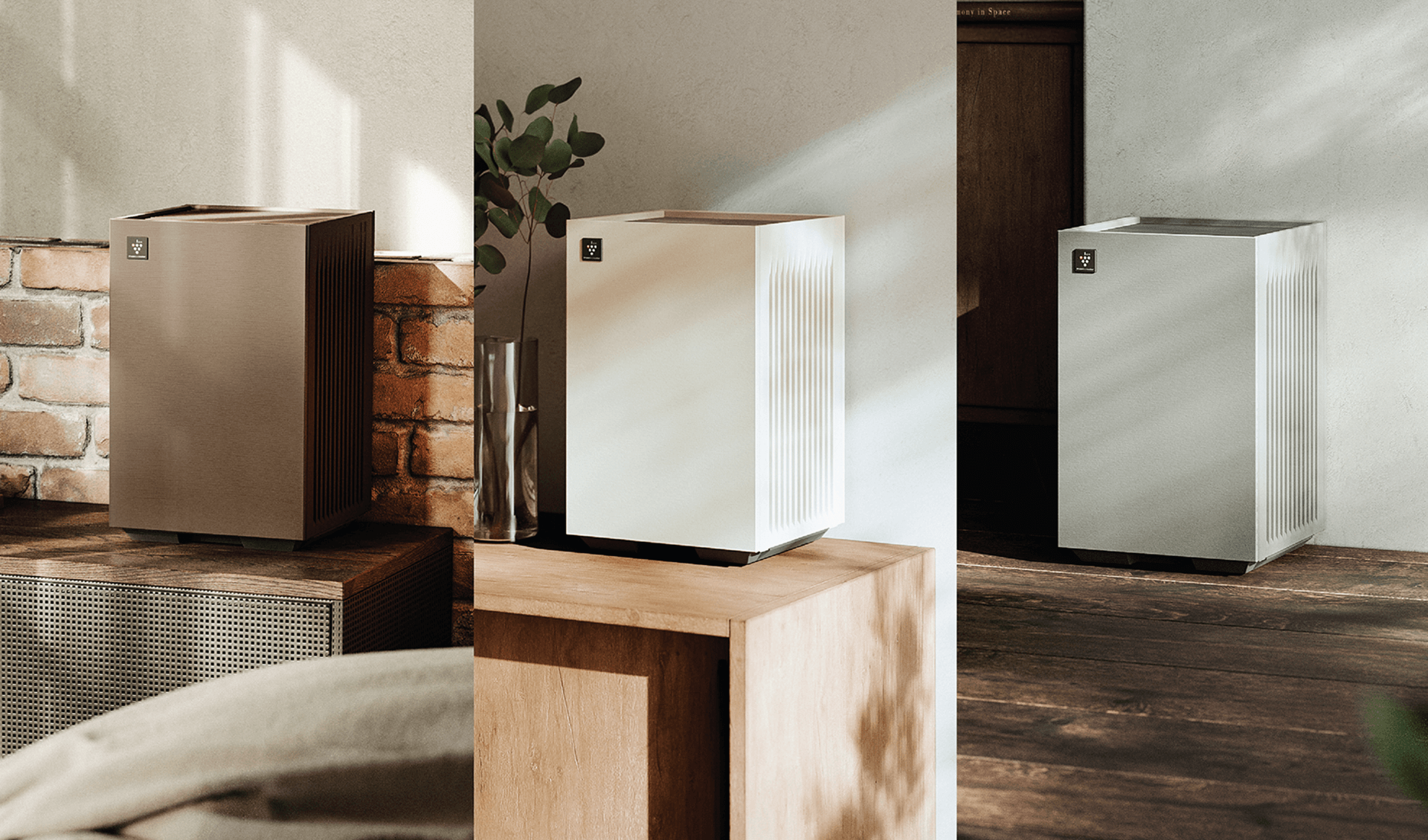
sharp air purifier 8

Rank 2: Daikin Industries, Ltd.

Daikin holds a strong second position, leveraging its global leadership in HVAC. Its core strength is the scientifically-backed Streamer technology, which internally decomposes harmful substances using powerful plasma discharge. Daikin's products also feature practical designs like three-directional suction for efficient air intake. Their strategy focuses on robust, high-performance units for both residential and commercial markets, combining air purification with humidification.
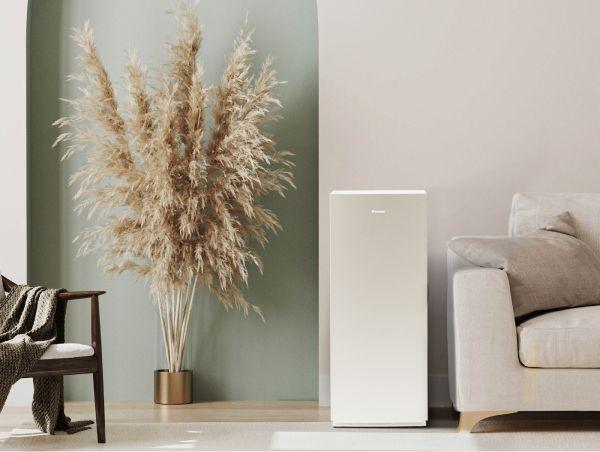
dakin purifier

Rank 3: Panasonic Holdings Corporation

Panasonic is a top-tier competitor, benefiting from its ubiquitous brand presence. Its strength lies in sophisticated nanoe™ X technology, which uses hydroxyl radicals in water to inhibit pollutants, and a strong focus on minimalist, modern aesthetic design. Panasonic's strategy offers premium, design-conscious combination units that blend advanced performance with elegant aesthetics, appealing to consumers who value both function and style.
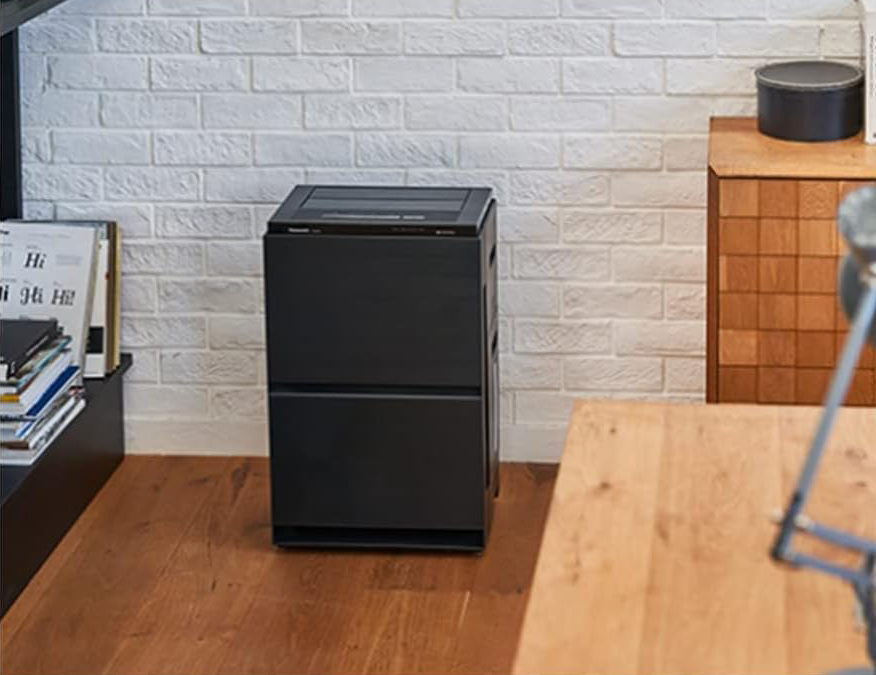
panasonic nanoe x f vc70xv k humidifier air purifier

Rank 4: Hitachi, Ltd.

Hitachi holds a significant position in the mid-range and value segments. Its core strength is prioritizing affordability, compact design for smaller homes, and convenience features like automatic filter cleaning. Hitachi's strategy focuses on solid, fundamental performance without proprietary ion technology, appealing to budget-conscious consumers who prioritize reliability and ease of use.
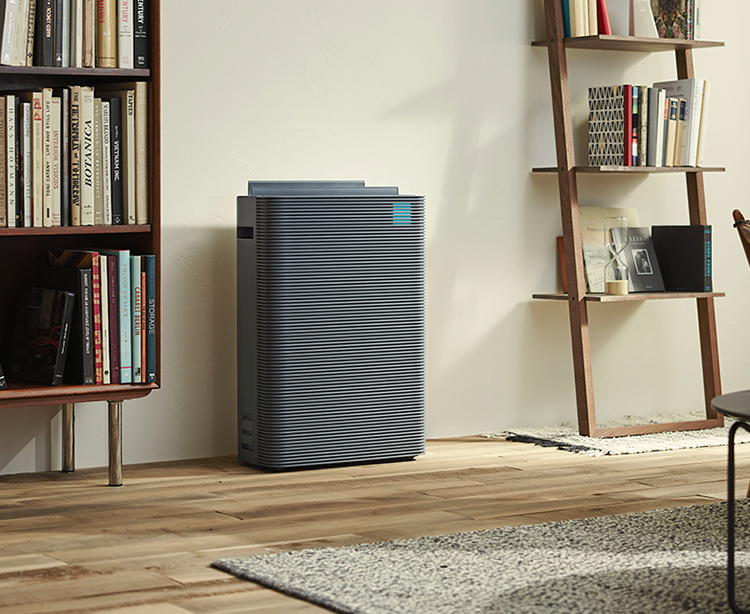
hitachi purifier

Rank 5: Mitsubishi Electric Corporation

Mitsubishi Electric is a notable competitor known for high-power performance and specialized niches. Its strength is high airflow (CADR) and multi-functionality, particularly in combination dehumidifier/purifiers. Mitsubishi Electric's strategy centers on robust, engineering-focused units that solve specific climate-related problems, appealing to users who prioritize raw performance and specialized features.
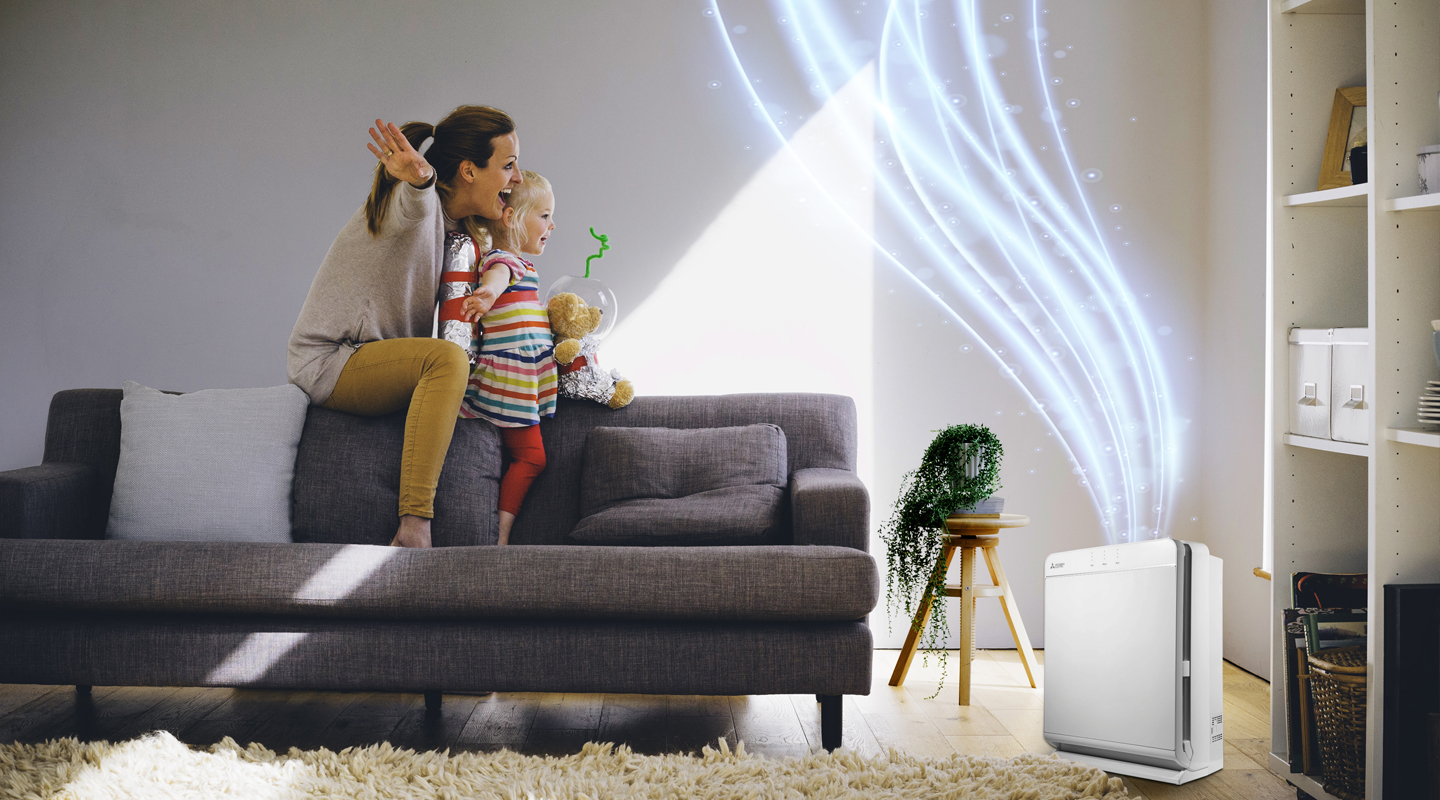
mitsubishi purifier

A Market Within a Market: The Humidifier Specialists

Beyond the integrated units, dedicated humidifier specialists cater to specific humidity needs. Zojirushi is the champion of simplicity, famed for its filter-less, easy-to-clean "pot-style" steam humidifiers that produce clean, sterile steam. Dainichi is the performance leader, known for high-power hybrid models that combine vaporizing and evaporative systems, offering robust performance and user-friendly maintenance features like disposable trays.
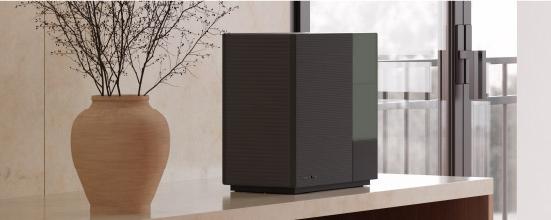
dainichi humidifier

An "eco" niche also exists, featuring non-electric, artisanal humidifiers (e.g., Masuya) that prioritize aesthetics, sustainability, and gentle humidification over raw power, appealing to those who value minimalist design and natural solutions.
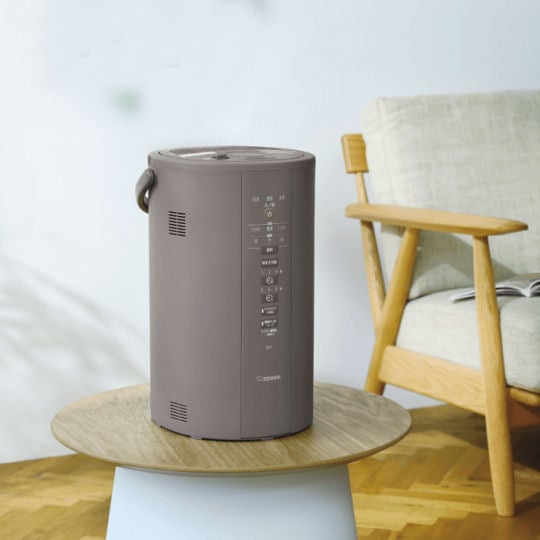
zojirushi humidifier

Top Air Purifier and Humidifier Manufacturer in China

HisoAir

HisoAir is a leading innovator in air purification and humidity control, recognized for its advanced technology and global reach. With nearly two decades of expertise, the company delivers high-performance air purifiers and humidifiers designed to meet both residential and commercial needs. HisoAir’s solutions combine medical-grade filtration with user-friendly design, ensuring cleaner air and optimal humidity levels for healthier indoor environments worldwide.

Conclusion: Finding the Right Air Solution

Japan's purificatore d'aria e umidificatore market is rich with innovation from Sharp's Plasmacluster to Daikin's Streamer and Panasonic's nanoe™ X. Each brand serves a different need, whether it's high-tech purification, minimalist design, or energy-efficient humidification. For consumers, the key is to align their specific needs whether allergy relief, humidity control, or quiet operation with a manufacturer's core strength.

For those seeking global-grade, professional solutions, HisoAir offers advanced air purification systems trusted in commercial and residential settings alike. It's a smart choice for anyone prioritizing performance, clean design, and medical-grade filtration.

Condividi:
il fondatore di hisoair, il signor lee
Alwen Lee, an air purification expert with over 10 years of experience, is a devoted father of two and a passionate traveler, having explored more than 30 countries. With a love for public speaking and swimming, he has dedicated his life to the indoor air quality industry. His mission is to ensure that people around the world enjoy the freedom to breathe clean air and lead happy, healthy lives.

Inviaci un messaggio

Altro da leggere

I 4 principali produttori di depuratori d'aria in Malesia

Best air purifier in malaysia 2026: top 10 brands

The air is contaminated with numerous particles like dust, allergens, viruses, bacteria, and more that can harm people’s health. Cleaning it with efficient air purifiers ...
Produttori di depuratori d'aria, Notizie
Featured image for What are innovative home wellness products for D2C brands?

What are innovative home wellness products for D2C brands?

Discover AIoT-driven home wellness products. Stand out & boost profit with unique, smart solutions for D2C brands.
Humidifier, News
Featured image for Why Stainless Steel Humidifier Tanks Are Becoming the Gold Standard in Premium Wellness Hardware?

Why Stainless Steel Humidifier Tanks Are Becoming the Gold Standard in Premium Wellness Hardware?

Choose stainless steel for your humidifier. Enjoy luxury, hygiene, and safety over plastic. Discover why it's the premium wellness choice today.
AI Trends, Humidifier, News
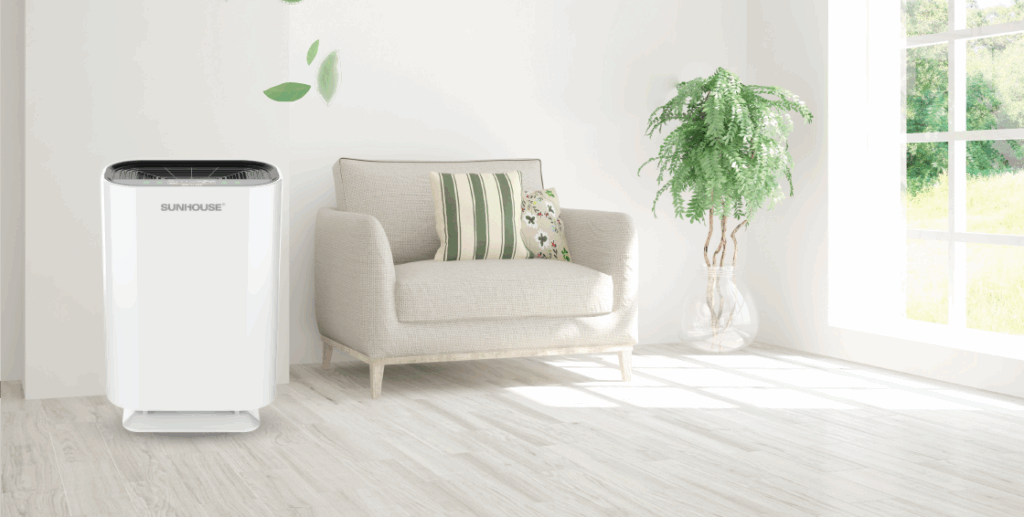
sunhouse air purifiers 4

Where Are Sunhouse Air Purifiers Manufactured?

When you pick up a product, the 'Made in...' label often tells a seemingly straightforward story. For Sunhouse, a prominent name in home appliances, that ...
Produttori di depuratori d'aria
trusens air purifier 2

Where Are TruSens Air Purifiers Manufactured?

In today's world, clean air isn't just a luxury; it's a necessity for health, productivity, and peace of mind. Whether you're a homeowner seeking a ...
Produttori di depuratori d'aria
bissell air purifiers 2

Where Are Bissell Air Purifiers Manufactured?

When you think of Bissell, what comes to mind? For most, it’s a story of American ingenuity. With a history stretching back nearly 150 years, ...
Produttori di depuratori d'aria
Contaminant Engineering•3 min read

PFAS Water Filtration Technologies Explained: Carbon, Resin & RO

Key Takeaway:

PFAS reduction depends on the specific compounds present, treatment media, contact time, water chemistry, and system design. Activated carbon, ion exchange, and Reverse Osmosis address PFAS through different mechanisms.

PFAS are a large family of persistent fluorinated compounds that can occur in drinking-water supplies. Their treatment behavior varies significantly by molecular structure, chain length, functional group, concentration, and the chemistry of the source water.

Granular Activated Carbon (GAC) removes PFAS primarily through adsorption. It is generally more effective for many longer-chain PFAS, while shorter-chain compounds tend to break through more quickly. Carbon performance depends on media properties, Empty Bed Contact Time (EBCT), competing organic matter, loading, and replacement frequency.

Ion-exchange resins use charged functional sites to capture many PFAS compounds. Properly selected anion-exchange media can provide high capacity and may perform better than conventional activated carbon for some shorter-chain PFAS, although performance still depends on water chemistry and competing ions.

Reverse Osmosis (RO) uses membrane separation rather than adsorption. Properly designed RO systems can provide broad reduction across many PFAS compounds as well as dissolved salts and other contaminants. Unlike carbon or resin, however, RO also produces a concentrate stream that must be managed.

No single technology should be selected from a PFAS label alone. System design should consider which PFAS compounds are present, their concentrations, required reduction targets, flow rate, media life, and the applicable third-party certification or validation requirements.

HisoAir Water Technical Series
Product Discovery•3 min read

How to Choose an Under-Sink Water Purifier for Modern Kitchens

Key Takeaway:

Match the treatment technology to your water quality first, then evaluate cabinet space, faucet configuration, flow rate, drain and power requirements, and filter replacement needs.

Choosing an under-sink water purifier starts with water chemistry. Carbon filtration is well suited to chlorine, taste, odor, and many organic contaminants, while Reverse Osmosis is more appropriate when dissolved salts, fluoride, nitrates, or broader dissolved contaminants need to be reduced.

For compact kitchens, tankless RO systems eliminate the conventional storage tank and can significantly reduce the space required under the sink. However, membrane capacity stated in GPD does not directly equal faucet flow. When comparing systems, check the actual dispensing flow rate, inlet-pressure requirement, recovery ratio, and whether a booster pump is required.

Installation architecture also matters. Many RO systems require a drain connection, electrical power, and either a dedicated drinking-water faucet or a compatible multi-function faucet. High-flow carbon systems can often connect directly to the existing cold-water line with a simpler installation, but pressure drop and available faucet flow should still be verified.

RO also removes much of the naturally occurring dissolved mineral content. Where taste or mineral balance is a priority, a post-RO remineralization stage can be added. Filter life should be evaluated by both rated capacity and local water quality rather than replacement time alone.

The right system is therefore not simply the smallest or highest-GPD model. It is the configuration that matches the target contaminants, available cabinet space, desired faucet setup, peak dispensing demand, and maintenance expectations.

HisoAir Water Technical Series
Water Quality•2 min read

What Does TDS Mean in Drinking Water? Measurement vs Contaminant Reality

Key Takeaway:

A TDS meter estimates the overall concentration of dissolved ionic substances from electrical conductivity. It cannot identify specific contaminants or determine whether water is chemically safe.

Total Dissolved Solids (TDS) refers to the combined concentration of dissolved substances in water. Most handheld TDS meters do not measure TDS directly. Instead, they measure electrical conductivity (EC) and convert that reading into an estimated parts-per-million (ppm) value.

This means a TDS reading can indicate how much dissolved ionic material is present, but not what that material actually is. Calcium, magnesium, sodium, nitrates, and other dissolved ions can all contribute to conductivity, yet a simple TDS meter cannot distinguish between them.

TDS meters are also not suitable for detecting trace contaminants such as PFAS, many VOCs, pesticides, pharmaceuticals, or disinfection byproducts. These substances may be present at concentrations far below the level needed to noticeably change electrical conductivity.

A low TDS reading therefore does not guarantee safe drinking water, and a higher TDS reading does not automatically indicate contamination. Water-treatment decisions should be based on laboratory testing for specific contaminants of concern rather than TDS alone.

HisoAir Water Technical Series
Technology Selection•2 min read

RO vs UF Water Filtration: Understanding Pore Sizes & Dissolved Minerals

Key Takeaway:

Ultrafiltration can reduce bacteria, turbidity, and suspended particles while retaining most naturally occurring dissolved minerals. Reverse Osmosis provides much broader reduction of dissolved salts and smaller contaminants.

Ultrafiltration (UF) typically uses hollow-fiber membranes with pore sizes in the approximate 0.01–0.1 micron range. These membranes physically retain turbidity, suspended solids, colloids, and many microorganisms while allowing dissolved minerals and salts to remain in the water.

Reverse Osmosis (RO) operates at a much finer separation level. Unlike UF, RO can substantially reduce dissolved ions such as sodium, calcium, fluoride, nitrates, and other contributors to total dissolved solids (TDS). This makes RO more suitable when dissolved-salt reduction is a primary treatment objective.

UF generally requires less system pressure and produces little or no continuous concentrate stream in many point-of-use configurations. RO typically requires greater pressure and produces a reject-water stream, but delivers broader contaminant reduction.

For water with acceptable TDS and mineral content, UF can be a simpler mineral-retaining treatment option. Where dissolved salts, fluoride, nitrates, or broader dissolved contaminants are a concern, RO is generally the more appropriate technology.

HisoAir Water Technical Series
Technology Selection•4 min read

Carbon Block vs Reverse Osmosis: Which Fits Your Need?

Key Takeaway:

Choose RO for dissolved inorganic salts and heavy metals; choose Carbon Block for chemical taste/odor, no wastewater, and high line-pressure flow.

Reverse Osmosis (RO) and Carbon Block filtration represent two fundamentally different treatment methods: membrane separation and adsorption. Understanding these differences helps determine which technology is better suited to a specific water-quality requirement.

Reverse Osmosis uses a semi-permeable membrane with pore sizes of approximately 0.0001 microns. It can significantly reduce dissolved inorganic contaminants such as TDS, fluoride, nitrates, and certain heavy metals. Because water must be forced through the membrane, RO systems require sufficient pressure or a booster pump and generate a concentrated wastewater stream.

Carbon Block filtration relies primarily on adsorption through compressed activated carbon, commonly with nominal pore sizes around 0.5–5 microns. It is highly effective for chlorine, chloramines, VOCs, taste, and odor, while allowing substantially higher direct-flow rates without producing wastewater.

From an operating perspective, Carbon Block systems are generally simpler, require less energy, and avoid the water loss associated with RO. RO involves higher system complexity and operating cost, but provides substantially broader reduction of dissolved contaminants that Carbon Block alone cannot address.

HisoAir Water Technical Series

RICHIEDI UN PREVENTIVO