
Si apre in una nuova scheda
Soluzioni innovative per la qualità dell'aria

Notizie

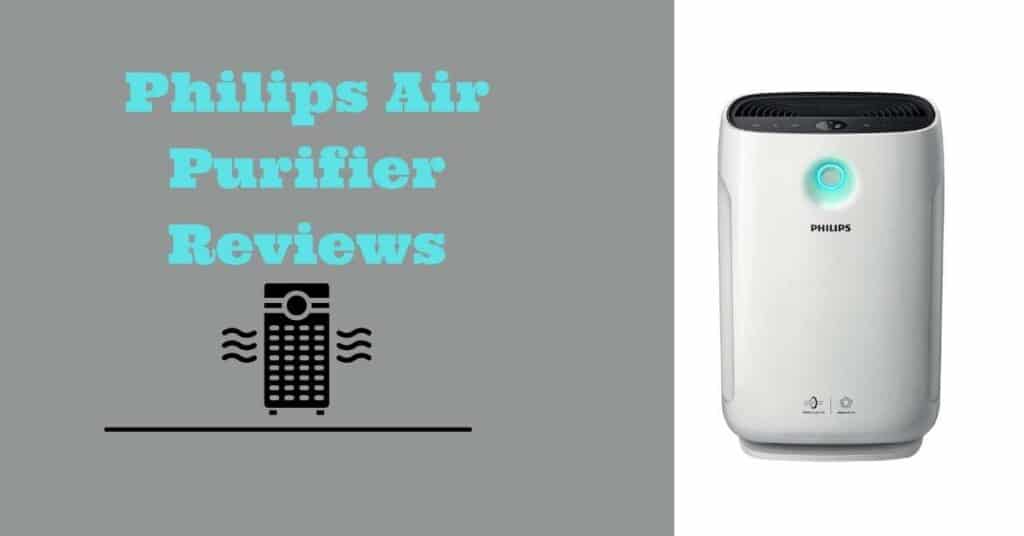
Recensioni sui depuratori d'aria Philips

Recensioni sui depuratori d'aria Philips

Controlla i modelli di purificatore d'aria Philips più venduti, in modo da poterne confrontare le specifiche, le caratteristiche e le prestazioni e trovare il purificatore d'aria Philips ideale per il tuo ...
Recensioni sui depuratori d'aria, Notizie
Alen

5 Migliori recensioni del depuratore d'aria Alen Breathesmart HEPA

Oggi sul mercato esistono molti produttori di purificatori d'aria. Qui presentiamo Alen, che è un produttore integrale di purificatori d'aria altamente ...
Recensioni sui depuratori d'aria, Notizie

Valutazione dei filtri dell'aria MERV Che cos'è e perché è importante?

Valutazione MERV dei filtri dell'aria: Cos'è e perché è importante?

I filtri dell'aria installati negli apparecchi HVAC e nei depuratori d'aria non hanno la stessa qualità e costruzione. Un modo per analizzare questi filtri è ...
Notizie
I 4 migliori depuratori d'aria per la polvere che funzionano davvero

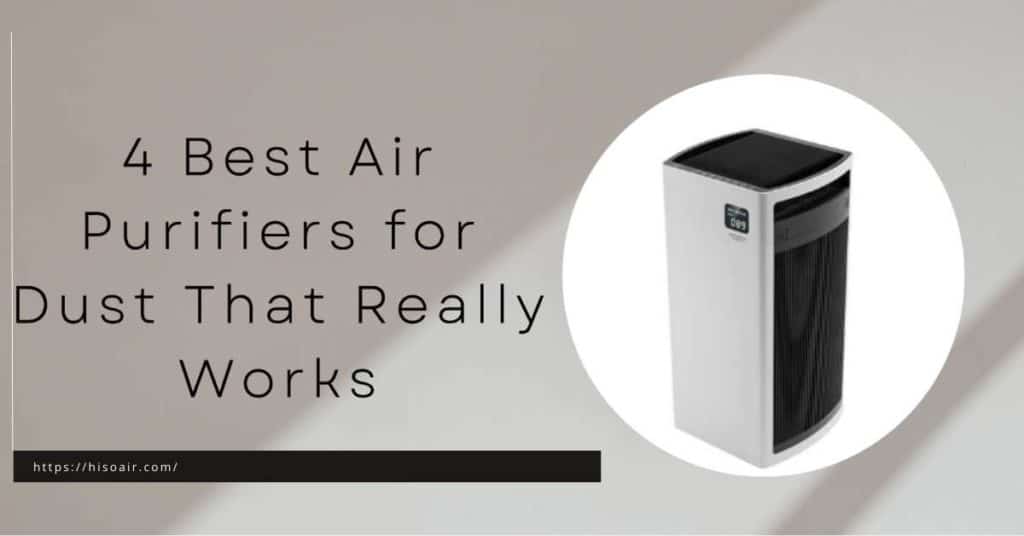
I 4 migliori depuratori d'aria per la polvere che funzionano davvero

È importante acquistare un purificatore d'aria per respirare aria pulita grazie alla filtrazione dell'aria. Questi dispositivi puliscono l'aria rimuovendo la polvere e altri inquinanti, ...
Recensioni sui depuratori d'aria, Notizie
I 4 migliori depuratori d'aria VOC eliminano i peggiori odori domestici

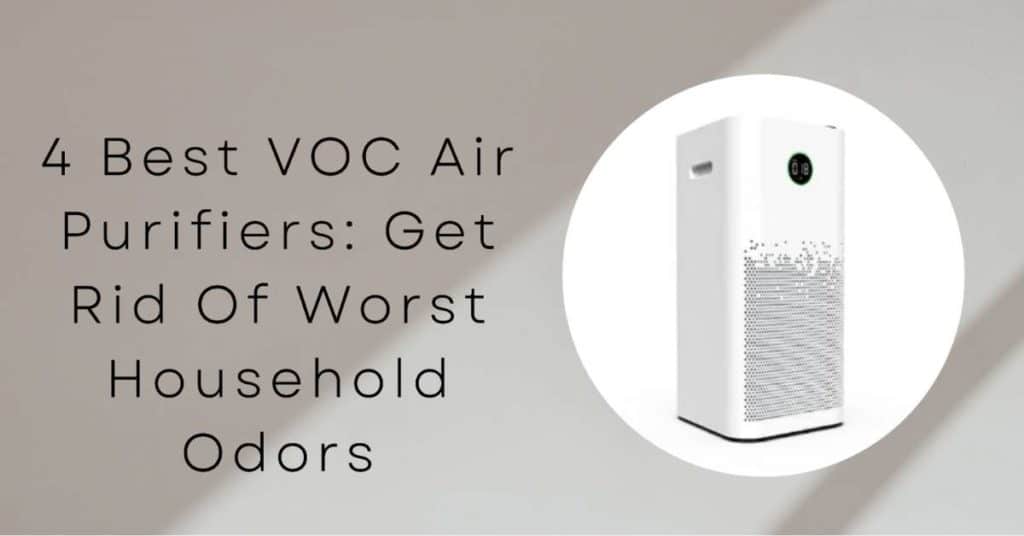
I 4 migliori depuratori d'aria VOC: Eliminare i peggiori odori domestici

Con il miglior purificatore d'aria VOC, potrete respirare meglio, dormire meglio e rilassarvi in un ambiente più sano. I migliori purificatori d'aria VOC possono ...
Recensioni sui depuratori d'aria, Notizie
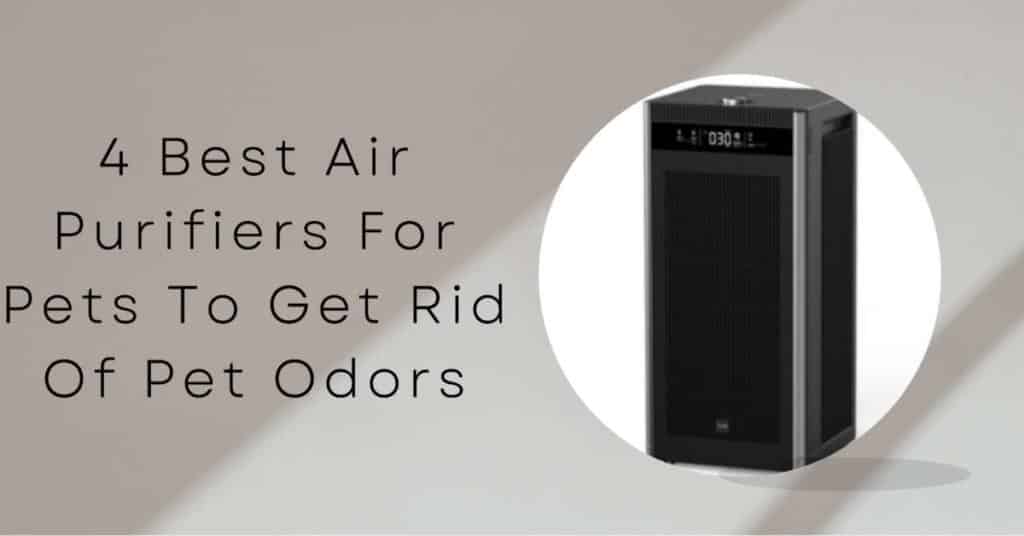
I 4 migliori purificatori d'aria per animali domestici per eliminare gli odori degli animali domestici

I migliori depuratori d'aria per animali domestici per eliminare gli odori degli animali domestici

Ecco il miglior purificatore d'aria per i proprietari di animali domestici: la soluzione migliore per un'aria pulita e più sana che riduce le malattie. Nonostante il nostro amore per ...
Recensioni sui depuratori d'aria, Notizie

5 modi efficaci per eliminare le allergie del gatto in modo naturale Eliminare l'odore di erba: 5 modi collaudati per provare Come eliminare la formaldeide nelle case: 5 metodi facili che funzionano

Come eliminare il mal di testa da allergia: 5 trattamenti efficaci

Il mal di testa da allergia è fastidioso e persistente. Per questo motivo è essenziale ottenere un sollievo a lungo termine per liberarsi dal mal di testa da allergia. Continuate a leggere e ...
Notizie

Come eliminare l'odore di cucina: 5 soluzioni intelligenti da provare

Come eliminare l'odore di cucina: 5 soluzioni intelligenti da provare

Cucinare è una vera delizia. Ma il disordine, e soprattutto l'odore, che ne deriva è un po' faticoso da eliminare. Fortunatamente, ci sono ...
Notizie

Come eliminare la formaldeide nelle case: 5 metodi facili che funzionano

Come eliminare la formaldeide nelle case: 5 metodi facili che funzionano

La formaldeide è un tipo di composto organico volatile (VOC) comunemente presente negli ambienti residenziali. Purtroppo, la sua esposizione può essere un po' nociva. ...
Notizie
Decorazione moderna delle pareti Come modernizzare le pareti

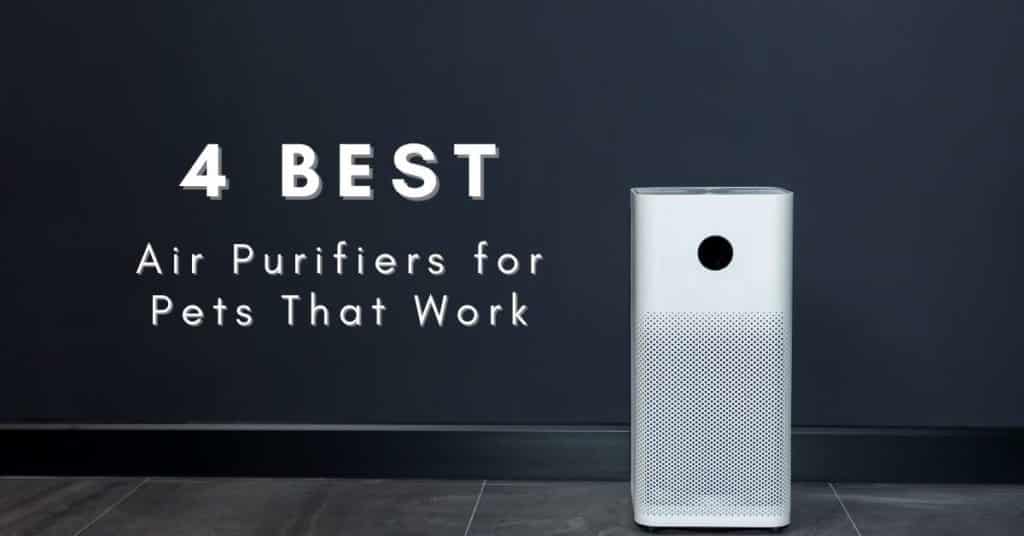
I 4 migliori depuratori d'aria per animali domestici che funzionano

Amate il vostro animale domestico, ma vi fa starnutire. Trovate il miglior purificatore d'aria per animali domestici e smettete di preoccuparvi di odori e allergeni. Purificatori d'aria ...
Recensioni sui depuratori d'aria, Notizie

Come sbarazzarsi delle allergie stagionali 5 metodi migliori per alleviarle (1)

Come eliminare le allergie stagionali: 5 metodi migliori per alleviare le allergie

Le allergie stagionali possono essere frustranti e potenzialmente pericolose. Pur non avendo una cura, esistono mezzi efficaci per prevenirle e trattarle. Abbiamo ...
Notizie

Come eliminare l'odore di fumo dall'auto: 5 metodi di lavoro

Come eliminare l'odore di fumo dall'auto: 5 metodi di lavoro

Non è facile eliminare l'odore pungente di fumo nella vostra auto. È appiccicoso e richiede strategie di rimozione rigide. Fortunatamente, abbiamo ...
Notizie

Contaminant Engineering•3 min read

PFAS Water Filtration Technologies Explained: Carbon, Resin & RO

Key Takeaway:

PFAS reduction depends on the specific compounds present, treatment media, contact time, water chemistry, and system design. Activated carbon, ion exchange, and Reverse Osmosis address PFAS through different mechanisms.

PFAS are a large family of persistent fluorinated compounds that can occur in drinking-water supplies. Their treatment behavior varies significantly by molecular structure, chain length, functional group, concentration, and the chemistry of the source water.

Granular Activated Carbon (GAC) removes PFAS primarily through adsorption. It is generally more effective for many longer-chain PFAS, while shorter-chain compounds tend to break through more quickly. Carbon performance depends on media properties, Empty Bed Contact Time (EBCT), competing organic matter, loading, and replacement frequency.

Ion-exchange resins use charged functional sites to capture many PFAS compounds. Properly selected anion-exchange media can provide high capacity and may perform better than conventional activated carbon for some shorter-chain PFAS, although performance still depends on water chemistry and competing ions.

Reverse Osmosis (RO) uses membrane separation rather than adsorption. Properly designed RO systems can provide broad reduction across many PFAS compounds as well as dissolved salts and other contaminants. Unlike carbon or resin, however, RO also produces a concentrate stream that must be managed.

No single technology should be selected from a PFAS label alone. System design should consider which PFAS compounds are present, their concentrations, required reduction targets, flow rate, media life, and the applicable third-party certification or validation requirements.

HisoAir Water Technical Series
Product Discovery•3 min read

How to Choose an Under-Sink Water Purifier for Modern Kitchens

Key Takeaway:

Match the treatment technology to your water quality first, then evaluate cabinet space, faucet configuration, flow rate, drain and power requirements, and filter replacement needs.

Choosing an under-sink water purifier starts with water chemistry. Carbon filtration is well suited to chlorine, taste, odor, and many organic contaminants, while Reverse Osmosis is more appropriate when dissolved salts, fluoride, nitrates, or broader dissolved contaminants need to be reduced.

For compact kitchens, tankless RO systems eliminate the conventional storage tank and can significantly reduce the space required under the sink. However, membrane capacity stated in GPD does not directly equal faucet flow. When comparing systems, check the actual dispensing flow rate, inlet-pressure requirement, recovery ratio, and whether a booster pump is required.

Installation architecture also matters. Many RO systems require a drain connection, electrical power, and either a dedicated drinking-water faucet or a compatible multi-function faucet. High-flow carbon systems can often connect directly to the existing cold-water line with a simpler installation, but pressure drop and available faucet flow should still be verified.

RO also removes much of the naturally occurring dissolved mineral content. Where taste or mineral balance is a priority, a post-RO remineralization stage can be added. Filter life should be evaluated by both rated capacity and local water quality rather than replacement time alone.

The right system is therefore not simply the smallest or highest-GPD model. It is the configuration that matches the target contaminants, available cabinet space, desired faucet setup, peak dispensing demand, and maintenance expectations.

HisoAir Water Technical Series
Water Quality•2 min read

What Does TDS Mean in Drinking Water? Measurement vs Contaminant Reality

Key Takeaway:

A TDS meter estimates the overall concentration of dissolved ionic substances from electrical conductivity. It cannot identify specific contaminants or determine whether water is chemically safe.

Total Dissolved Solids (TDS) refers to the combined concentration of dissolved substances in water. Most handheld TDS meters do not measure TDS directly. Instead, they measure electrical conductivity (EC) and convert that reading into an estimated parts-per-million (ppm) value.

This means a TDS reading can indicate how much dissolved ionic material is present, but not what that material actually is. Calcium, magnesium, sodium, nitrates, and other dissolved ions can all contribute to conductivity, yet a simple TDS meter cannot distinguish between them.

TDS meters are also not suitable for detecting trace contaminants such as PFAS, many VOCs, pesticides, pharmaceuticals, or disinfection byproducts. These substances may be present at concentrations far below the level needed to noticeably change electrical conductivity.

A low TDS reading therefore does not guarantee safe drinking water, and a higher TDS reading does not automatically indicate contamination. Water-treatment decisions should be based on laboratory testing for specific contaminants of concern rather than TDS alone.

HisoAir Water Technical Series
Technology Selection•2 min read

RO vs UF Water Filtration: Understanding Pore Sizes & Dissolved Minerals

Key Takeaway:

Ultrafiltration can reduce bacteria, turbidity, and suspended particles while retaining most naturally occurring dissolved minerals. Reverse Osmosis provides much broader reduction of dissolved salts and smaller contaminants.

Ultrafiltration (UF) typically uses hollow-fiber membranes with pore sizes in the approximate 0.01–0.1 micron range. These membranes physically retain turbidity, suspended solids, colloids, and many microorganisms while allowing dissolved minerals and salts to remain in the water.

Reverse Osmosis (RO) operates at a much finer separation level. Unlike UF, RO can substantially reduce dissolved ions such as sodium, calcium, fluoride, nitrates, and other contributors to total dissolved solids (TDS). This makes RO more suitable when dissolved-salt reduction is a primary treatment objective.

UF generally requires less system pressure and produces little or no continuous concentrate stream in many point-of-use configurations. RO typically requires greater pressure and produces a reject-water stream, but delivers broader contaminant reduction.

For water with acceptable TDS and mineral content, UF can be a simpler mineral-retaining treatment option. Where dissolved salts, fluoride, nitrates, or broader dissolved contaminants are a concern, RO is generally the more appropriate technology.

HisoAir Water Technical Series
Technology Selection•4 min read

Carbon Block vs Reverse Osmosis: Which Fits Your Need?

Key Takeaway:

Choose RO for dissolved inorganic salts and heavy metals; choose Carbon Block for chemical taste/odor, no wastewater, and high line-pressure flow.

Reverse Osmosis (RO) and Carbon Block filtration represent two fundamentally different treatment methods: membrane separation and adsorption. Understanding these differences helps determine which technology is better suited to a specific water-quality requirement.

Reverse Osmosis uses a semi-permeable membrane with pore sizes of approximately 0.0001 microns. It can significantly reduce dissolved inorganic contaminants such as TDS, fluoride, nitrates, and certain heavy metals. Because water must be forced through the membrane, RO systems require sufficient pressure or a booster pump and generate a concentrated wastewater stream.

Carbon Block filtration relies primarily on adsorption through compressed activated carbon, commonly with nominal pore sizes around 0.5–5 microns. It is highly effective for chlorine, chloramines, VOCs, taste, and odor, while allowing substantially higher direct-flow rates without producing wastewater.

From an operating perspective, Carbon Block systems are generally simpler, require less energy, and avoid the water loss associated with RO. RO involves higher system complexity and operating cost, but provides substantially broader reduction of dissolved contaminants that Carbon Block alone cannot address.

HisoAir Water Technical Series

RICHIEDI UN PREVENTIVO