
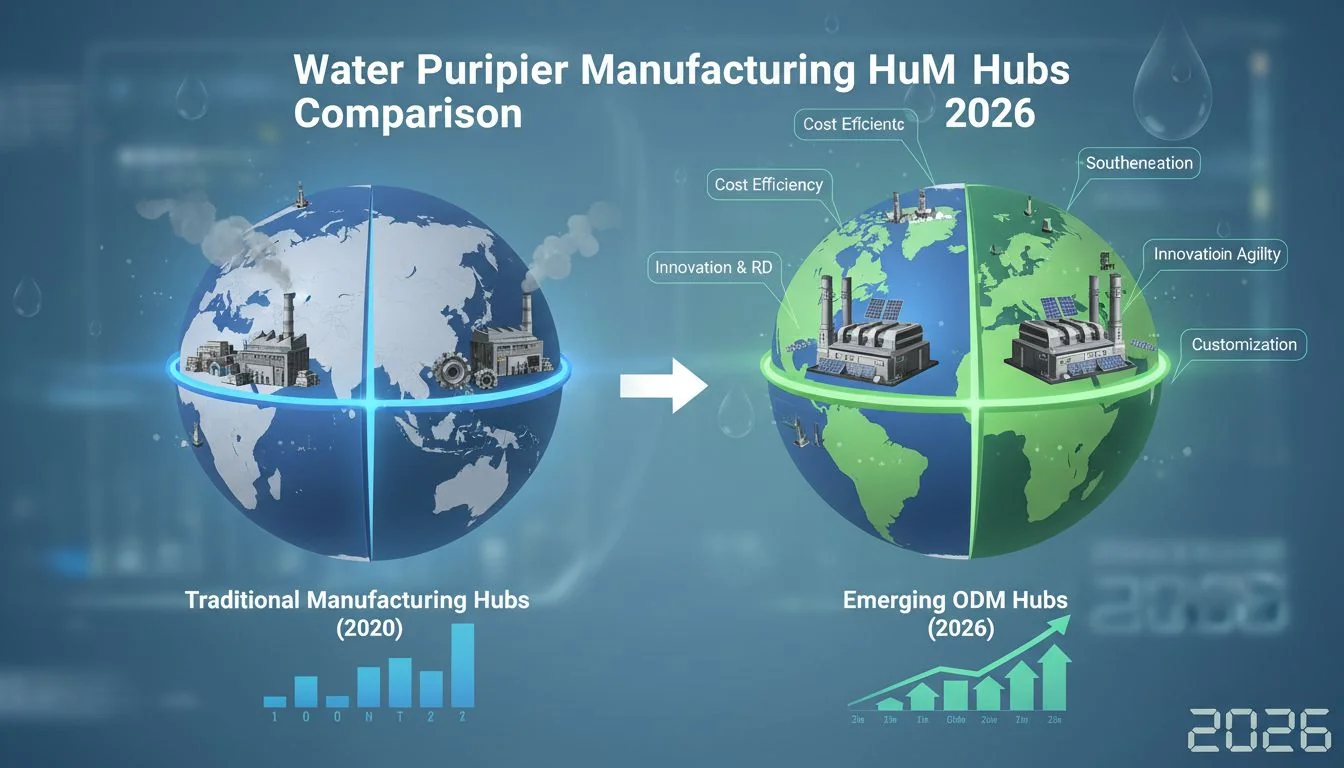
Struggling to pick the right manufacturing hub for your next water purifier project? A wrong choice means delayed launches and blown budgets. Let me show you the 2026 landscape.
In 2026, China offers unmatched component density1 but high tariff risks. Korea leads in premium design and IoT. Vietnam provides tariff relief but relies on Chinese parts. India suits domestic scale but lags in export quality. Your best choice depends on your brand's tariff exposure and premium positioning.

I remember my early days working in a mold factory. I watched clients struggle to pick the right country for their plastic parts. Today, as the founder of Moldle, I see designers face the same confusion. You work hard on your CAD files and mold shrinkage calculations. You face tight project deadlines. You cannot afford a supply chain mistake. Let us look at the real data for 2026 so you can master molding right and protect your next big launch.
China has the deepest water purifier component ecosystem in the world.Vero
China can source 60 to 120 part categories within a 200 km radius in key manufacturing hubs.
Vietnam sources all of its water purifier components locally.Falso
Vietnam still imports 60 to 80 percent of its water purifier components from China.
Does Component Supply Chain Density Create Both Advantage and Risk for 2026?
Worried about slow part sourcing? Relying on one region speeds up production but exposes you to massive tariff risks2. You need to balance speed with safety.
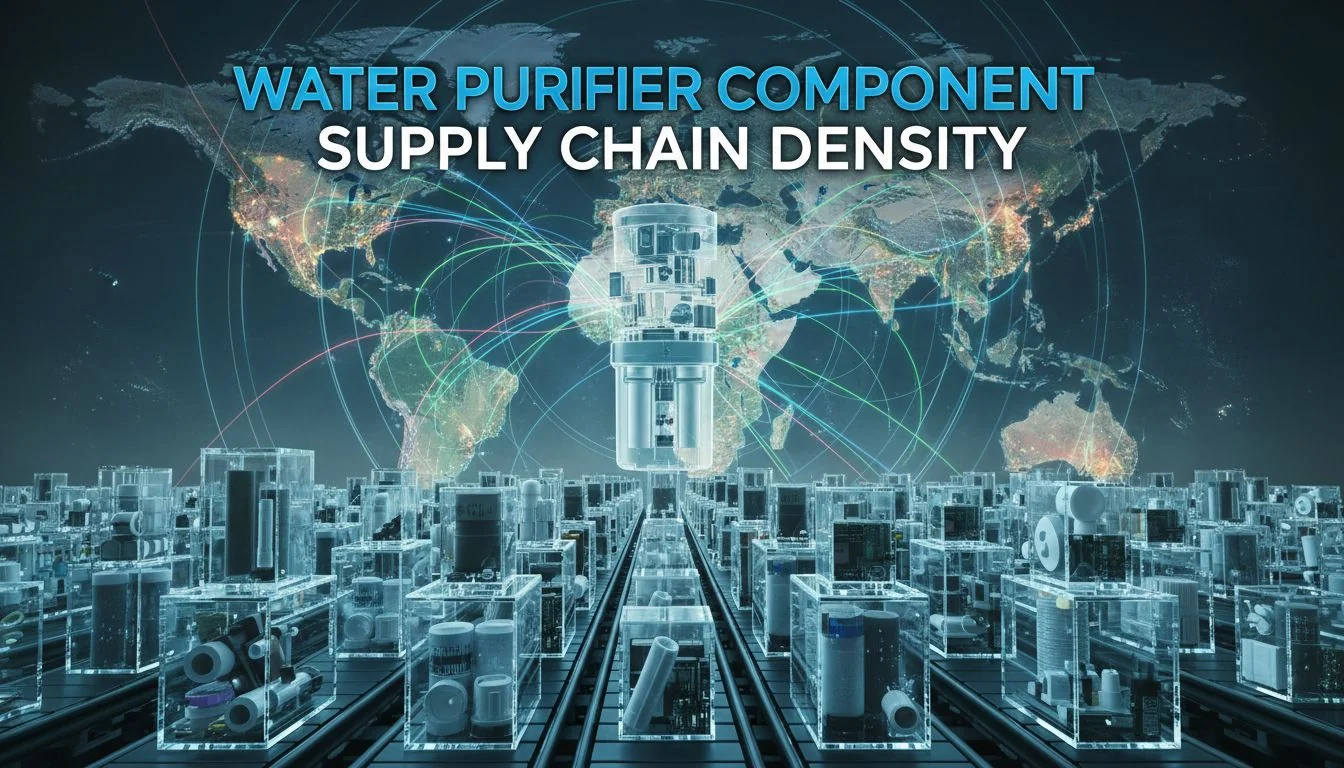
China has the deepest water purifier component ecosystem. You can source parts within a 200 km radius. But this density creates concentration risks like Section 301 tariffs and ESG audits. This forces brands over $20M to diversify their supply chains.
The Reality of Component Sourcing in 2026
When you design a new plastic component, speed matters. In China, a factory in the Yangtze River Delta can find a new pump in 48 hours. They can make a custom housing tool in just two weeks. For a mold designer facing tight deadlines, this speed is a huge advantage. No other hub can match this today.
But this speed comes with a big risk. US-bound products face Section 301 tariffs. Major US retailers like Costco and Home Depot now demand ESG sourcing audits. Pure-China sourcing is losing its value. Board members now tell brands to find new countries.
Many brands look at Vietnam and India. Vietnam has growing assembly capacity. It offers tariff benefits. But 60 to 80 percent of the parts still come from China. This means you get tariff savings, but you do not get true supply chain independence3. India has cheap labor and scale for its own market. But its export-quality parts are 5 to 10 years behind China. The quality varies too much. Korea has great premium parts like sensors and displays. But they still buy housings and pumps from China or Japan.
Hub Comparison for Component Density
| Paese | Component Depth | Vantaggio chiave | Main Weakness |
|---|---|---|---|
| Cina | Molto alto | 2-week custom tooling | High tariff and ESG risk |
| Vietnam | Basso | Tariff benefits | Relies on China for parts |
| India | Medio | Cheap labor | Basso export quality4 |
| Corea | High (Premium) | Great sensors and displays | Lacks basic housings and pumps |
A factory in China can commission a custom housing tool in two weeks.Vero
The dense supply chain in regions like the Yangtze River Delta allows for rapid tooling and sourcing.
India has better export-quality water purifier components than China.Falso
India's export-quality component depth is currently 5 to 10 years behind China.
Is NSF Certification Capability Tied to the Country or the Factory?
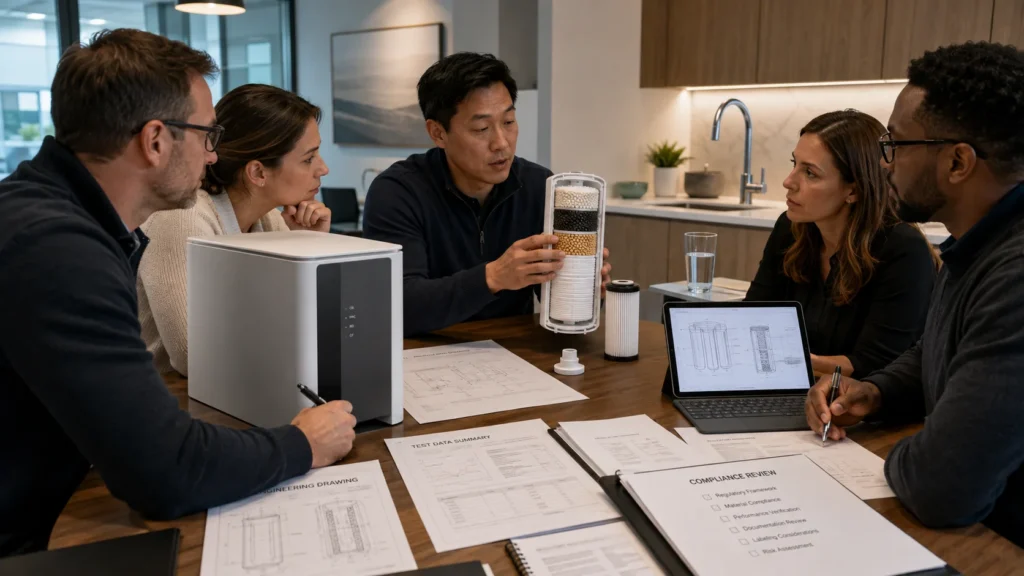
Failing NSF certification5 can kill your product launch. Many designers think picking a developed country guarantees easy certification. That is a costly mistake.
NSF capability is a factory property, not a country property. China has the most NSF-experienced factories, but they are concentrated in top export facilities. Taiwan is strong for premium batches, while Vietnam and India lack deep NSF documentation libraries.
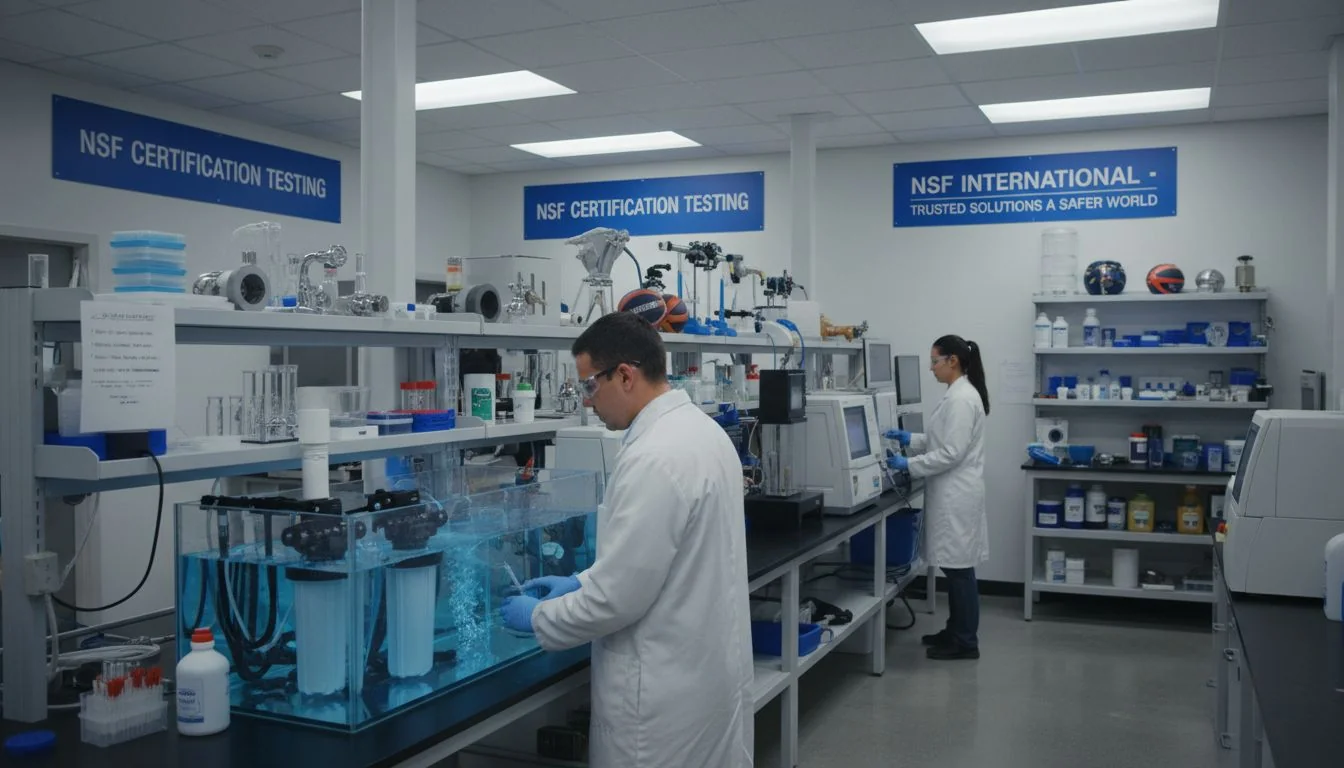
The Truth About NSF Certification
Many people think NSF capability matches the country tier. This is wrong. You must look at the specific factory. China has the largest number of NSF-experienced factories by volume. These factories have decade-old NSF/61 material documentation libraries. This cuts down certification time for repeat material specs. But this experience only exists in about 30 to 50 top export factories. Most Chinese factories have zero NSF experience.
Taiwan is a great hidden option. It has a small but very capable base of NSF-experienced factories. They are perfect for premium and small-batch projects. They offer stable quality and a safe IP environment. Korea has NSF capability, but only when big brands like Coway or LG use it for the US market. They rarely offer this to outside ODM clients.
Vietnam is trying to build NSF capability. They partner with Chinese labs. But their NSF/61 documentation is still very small. If you start a new project there, you will likely need first-time NSF tests on many parts. This takes time. India focuses on BIS/ISI for its domestic market. Export NSF is possible, but it is very slow. You can also assemble in the US for premium brands. But the cost penalty is 40 to 80 percent higher than Asia.
NSF Readiness by Region
| Regione | NSF Experience Level | Best Use Case | Drawback |
|---|---|---|---|
| Top China Factories | Molto alto | Fast certification for repeat specs | Limited to 30-50 factories |
| Taiwan | Alto | Premium small-batch projects | Often overlooked |
| Corea | High (Internal) | Big brand US market SKUs | Closed to outside ODM clients |
| Vietnam | Basso | Building new lab partnerships | Needs first-time tests |
| India | Basso | Domestic market focus | Very slow export NSF |
Most factories in China have extensive NSF certification experience.Falso
Only roughly 30 to 50 top export-grade factories in China have deep NSF experience; the rest have none.
US-based assembly for water purifiers costs 40 to 80 percent more than Asian assembly.Vero
Reshoring to the US incurs a significant cost penalty compared to manufacturing in Asia.
Want to build a high-end smart purifier? Poor design and clunky IoT will ruin your brand image. Korea offers top-tier quality, but the costs are steep.
Korea is the gold standard for premium UX, industrial design, and IoT integration. However, the ODM math only works for high-end D2C brands. MOQs start at 5,000 units, and costs are 30 to 50 percent higher than China.
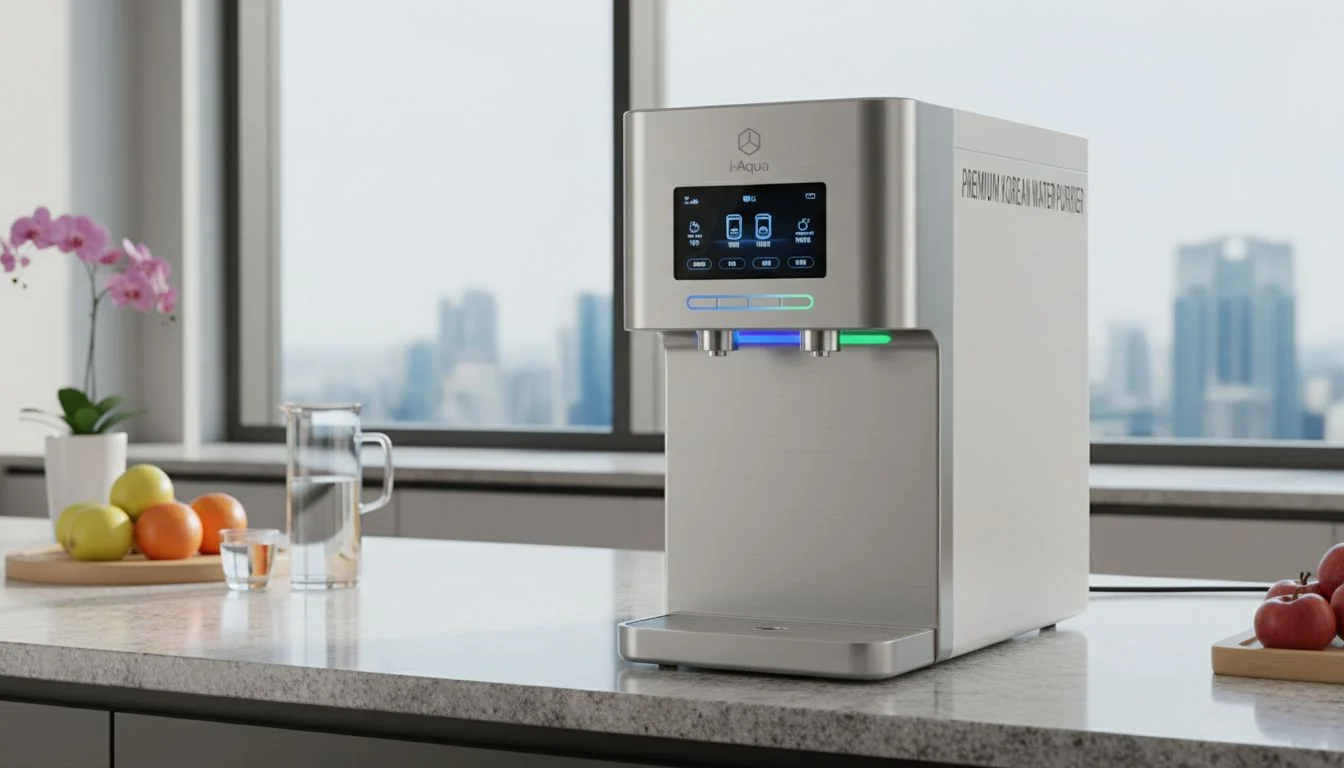
The Cost of Premium Korean Manufacturing
Korea leads the world in water purifier design. Brands like Coway and LG define the premium smart-home category. When you need perfect industrial design and color/material/finish (CMF), Korea wins. Their work is much better than most Chinese ODM output. They also have deep IoT integration. They use Korea's massive consumer electronics ecosystem. "Engineered in Korea" is a great story for a premium brand selling units for over $700. Korea also has fast commercial courts to protect your IP. They are a US ally, so you get lower geopolitical and tariff risks.
But Korea creates a lot of friction for a mold designer. If you want new tooling, the Minimum Order Quantity (MOQ) starts at 5,000 units. In China, you can start with 500 to 1,000 units. The price for the same spec is 30 to 50 percent higher in Korea. Very few Korean factories take outside ODM brands. They prefer to do everything themselves. Their certification path focuses on the domestic KS standard first. You often have to do duplicate work for NSF. And they still buy their housings and pumps from China.
Korea vs China for Premium ODM
| Caratteristica | Corea | Cina |
|---|---|---|
| Industrial Design & CMF | World-class | Average to Good |
| New Tooling MOQ | 5,000+ units | 500 - 1,000 units |
| Price Premium | 30 - 50% higher | Baseline cost |
| IP protection6 | Strong and fast | Improving but slower |
| Outside ODM Acceptance | Very low | Very high |
Korean factories typically require a Minimum Order Quantity of 500 units for new tooling.Falso
Korean MOQs for new tooling typically start at 5,000+ units, whereas China offers 500-1,000.
Korea relies on China and Japan for basic components like housings and pumps.Vero
Despite its premium reputation, Korea has shallow depth in basic components and cross-sources them.
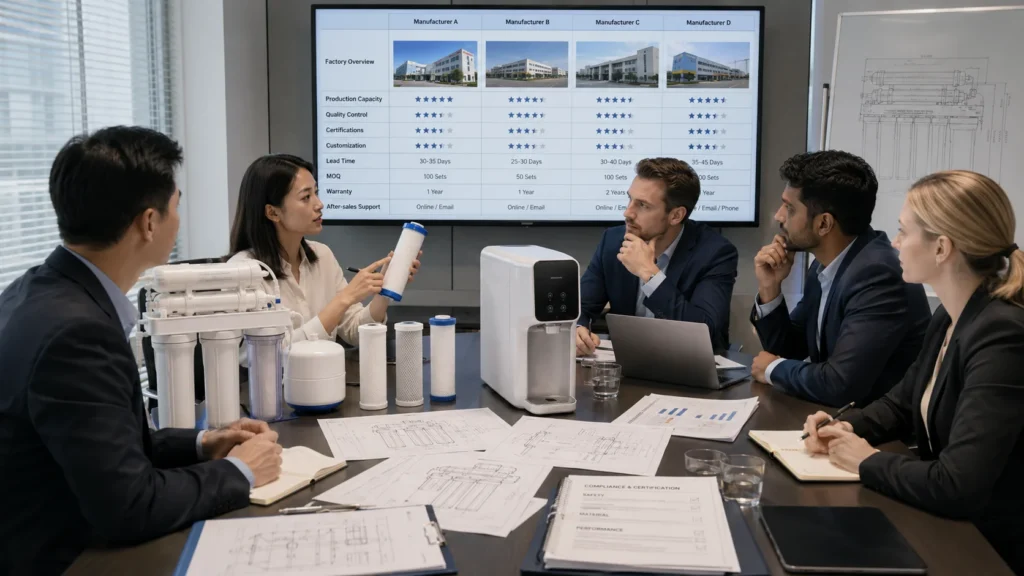
Is the China+1 Strategy a Simple Binary Choice for Your Supply Chain?
Moving everything out of China sounds safe, but it often fails. A poorly planned move wastes money and still triggers tariffs. You need a smart mix.
China+1 is a spectrum, not a binary choice. Moving 100 percent to Vietnam is naive because most parts still come from China. Your ideal mix depends on tariff exposure, brand story, and risk tolerance.
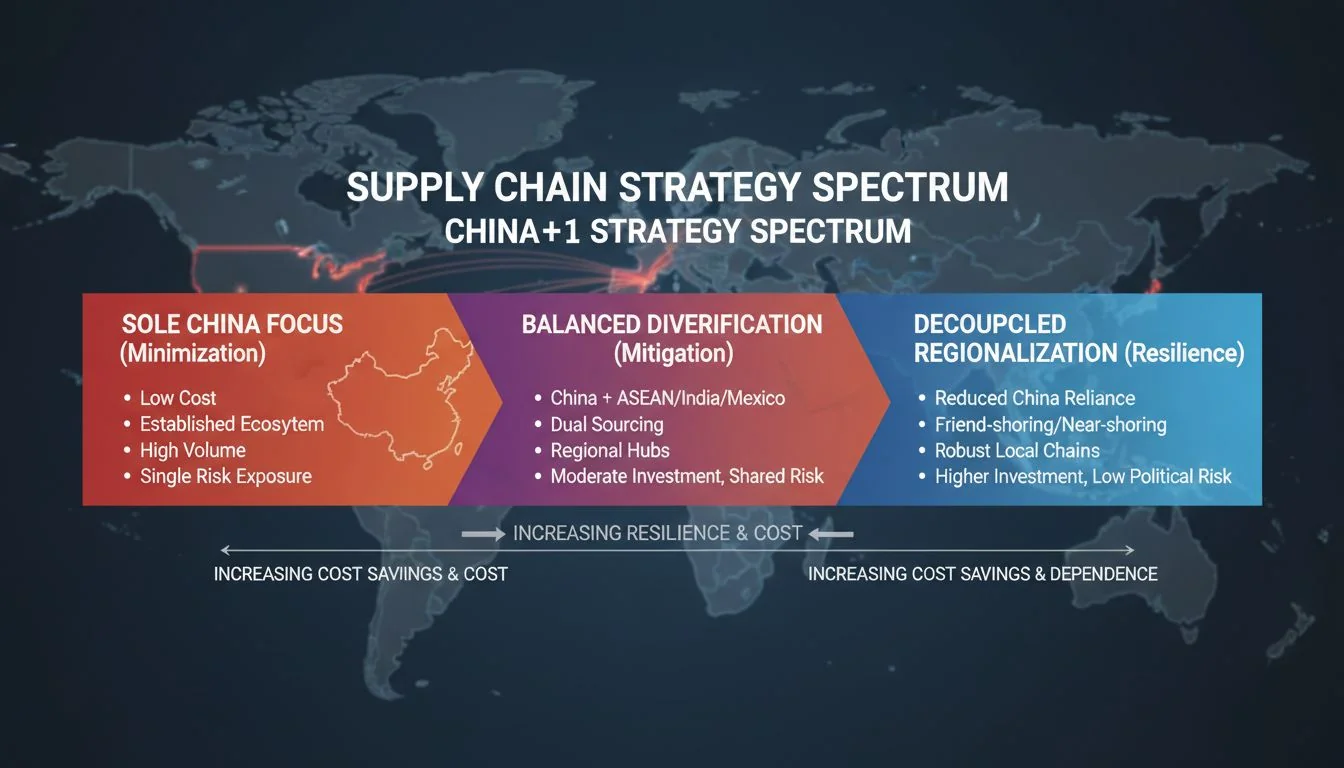
Finding Your Place on the Spectrum
Many people hold extreme views about supply chains. Some say, "Move everything to Vietnam." This is naive. As a designer, you know that 60 to 80 percent of the plastic parts still come from China. The assembly location does not change that. Others say, "Tariffs are temporary, stay 100 percent in China." This is also naive in 2026. Section 301 tariffs are here to stay. ESG audits are real. "Made in China" is now a serious board-level issue.
The smart approach is a spectrum of operating models. You must pick the one that fits your brand. If you sell fast-moving commodity tiers, 100 percent China still works best for cost. If you need tariff relief, you can buy parts in China and assemble them in Vietnam or Thailand. This gives you a "Made in Vietnam" label while keeping costs low. If you face strict ESG audits, you need a hybrid model. You must make critical parts like tanks in the +1 country to meet rules of origin. If you are a premium wellness brand, you might assemble in North America. You will pay 40 to 80 percent more, but your brand story requires it. A good hybrid model can save you 15 to 25 percent on landed costs. A bad one saves nothing.
The Four Supply Chain Models
| Modello | Descrizione | Best Fit For |
|---|---|---|
| 100% China | All sourcing and assembly in China | Cost-led brands, private label |
| China Parts + SEA Assembly | Parts from China, assembly in Vietnam/Thailand | Brands needing tariff relief |
| Hybrid + Transformation | Critical parts made in +1 country | Brands facing ESG audits |
| Mostly Reshore | Assembly in North America | Premium ESG-anchored brands |
Assembling a water purifier in Vietnam completely removes reliance on the Chinese supply chain.Falso
60 to 80 percent of water purifier components still originate in China regardless of the assembly location.
A well-architected hybrid supply chain model can improve landed costs by 15 to 25 percent for US-bound products.Vero
Strategic mixing of component sourcing and assembly locations can yield significant cost improvements.
Has IP Risk Improved in China Compared to Korea, Japan, or the US?
Terrified of your mold designs being copied? Relying on outdated IP assumptions leaves your hard work exposed to cheap knockoffs. You must protect your assets.
China's IP enforcement has improved significantly, especially in major commercial courts. However, it remains weaker than Korea, Japan, or the US. Regardless of the hub, you need a multi-layered IP strategy including tooling ownership and multi-jurisdictional patents.

The Honest Picture on IP in 2026
I have helped many clients protect their mold designs. The IP picture in China has genuinely improved. Courts in Guangdong, Zhejiang, and Shanghai are much better now. If someone copies your industrial design, you can win. Damages often exceed RMB 1 million. Top export factories now sign real NDAs. They respect tooling ownership agreements.
But we must be honest. China's IP enforcement is still weaker than Korea, Japan, the US, or the EU. The timelines are slower. The damage caps are lower. Enforcement outside big cities is uneven. US brand lawyers still see China as a high IP risk. Vietnam and India are much worse. They have very weak IP records for industrial designs. Their tariff advantages do not give you IP safety. Korea, Japan, and Taiwan offer the best IP safety, but they cost the most.
No matter where you go, you need a four-layer IP strategy. First, do factory due diligence. Look for long client relationships and no copy history. Second, get a Tooling Ownership Agreement. Use physical mold tags and a clear mold transfer clause. Third, file design patents in both the making country and the selling country before you make the tooling. Fourth, isolate your sensitive parts. Keep your proprietary cartridge and IoT software under separate NDAs and separate manufacturing tracks.
The Four-Layer IP Strategy
| Layer | Action Required | Why It Matters |
|---|---|---|
| Factory Due Diligence | Check history and client relationships | Prevents working with known copiers |
| Tooling Ownership | Use physical mold tags and transfer clauses | Secures your physical assets |
| Patent Filing | File in both source and destination countries | Gives legal grounds to sue |
| Subassembly Isolation | Separate sensitive parts (IoT, cartridges) | Limits exposure of core tech |
IP enforcement in China's major commercial courts routinely awards damages over RMB 1 million for copy cases.Vero
Design patent and utility model litigation success rates and damages have risen sharply in key Chinese courts.
Vietnam and India offer stronger IP protection for industrial designs than China.Falso
Vietnam and India have substantially weaker IP enforcement records, especially among lower-tier factories.
Conclusione
Choosing the right 2026 ODM hub requires balancing component density, NSF experience, premium design7 needs, tariff risks, and IP protection. Master these factors to ensure your next project succeeds.
References
-
Understanding component density can help you make informed decisions about manufacturing locations and their associated risks. ↩
-
Identifying tariff risks is essential for strategic sourcing and can significantly impact your bottom line. ↩
-
Achieving supply chain independence is vital for reducing risks and ensuring operational stability. ↩
-
Exploring export quality differences can guide your sourcing decisions and impact your product's success. ↩
-
NSF certification is crucial for product compliance; exploring its implications can save you from costly delays. ↩
-
Effective IP protection strategies are crucial for safeguarding your innovations and maintaining competitive advantage. ↩
-
Exploring premium design can enhance your product's marketability and consumer appeal. ↩


 English
  Français
  Español
  Italiano
  Deutsch
  Português
  Русский
  العربية
  日本語
日本語  한국어
한국어  Tiếng Việt

