
Si apre in una nuova scheda
Soluzioni innovative per la qualità dell'aria

DIY vs. Commercial: Ceiling Purifier vs. Wall-Mounted Purifier

Indoor air quality has become a global concern for both individuals and organizations. Whether at home, in offices, or in public facilities, the need for reliable purification systems is no longer optional—it is essential. With pollutants, allergens, and airborne pathogens affecting health and productivity, the right air purifier can make a measurable difference.

For buyers, however, the challenge lies not only in choosing the right brand but also in selecting the right type of installation and design. At HisoAir, we provide two distinct solutions tailored to different needs:

This article explores the differences between DIY-friendly ceiling purifiers and commercial wall-mounted purifiers, helping both direct-to-consumer (D2C) buyers and business-to-business (B2B) clients make informed decisions.

Why Air Purification Matters More Than Ever

The modern indoor environment is often sealed tightly for energy efficiency, limiting fresh air circulation. Pollutants such as dust, volatile organic compounds (VOCs), smoke, allergens, and bacteria accumulate indoors at levels 2–5 times higher than outdoors.

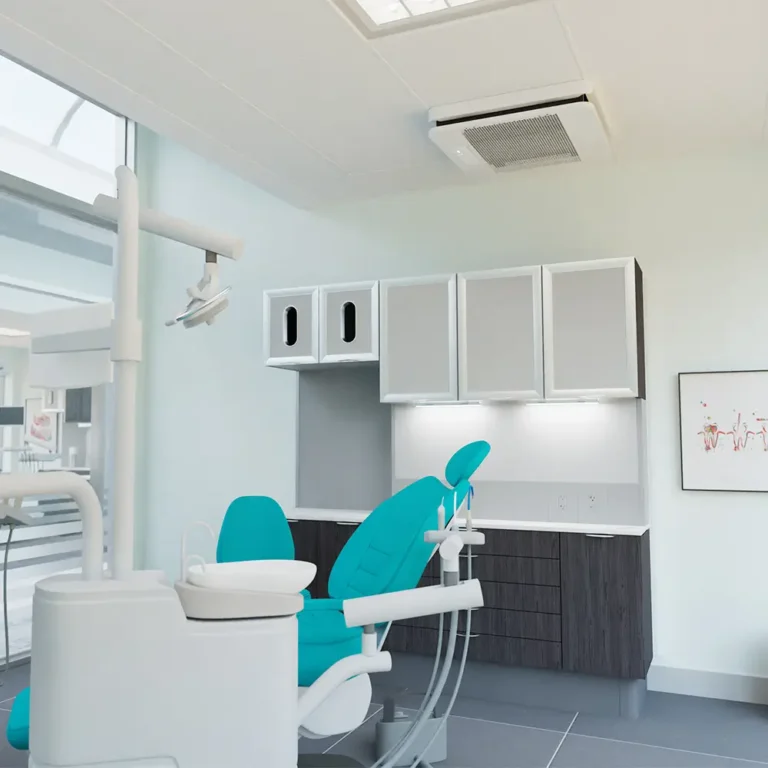
I ristoranti sono gli unici luoghi in cui le persone si tolgono la maschera per mangiare e dove l'aria interna può essere facilmente inquinata.

For consumers, this translates into allergies, asthma triggers, and general discomfort at home. For businesses, poor indoor air quality can reduce employee productivity, increase sick days, and negatively affect customer experiences.

Choosing the right purification system is therefore both a health investment e un strategic decision.

Overview of the Two Solutions

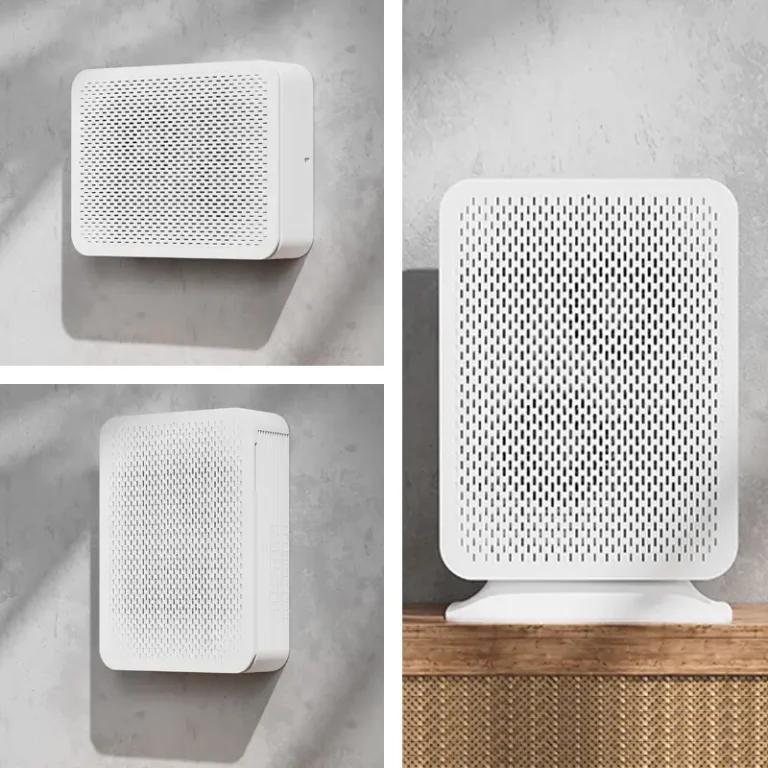
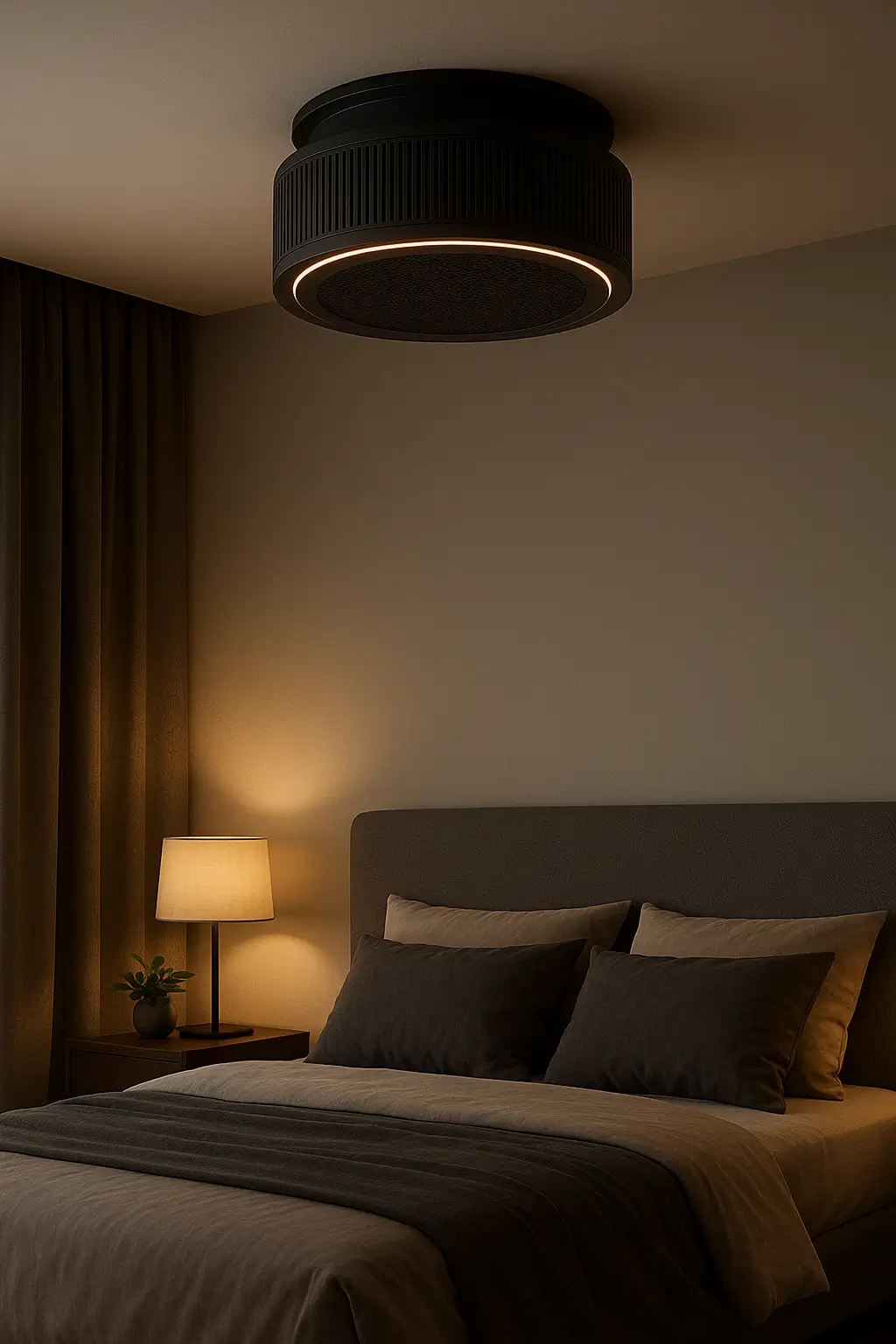
1. Ceiling Air Purifier HA1002 (DIY-Friendly)

  • Target user: Homeowners, renters, small office users.
  • Installazione: Can be self-installed without specialized technicians.
  • Design: Mounted discreetly on the ceiling, saving floor and wall space.
  • Key advantage: Easy integration into living spaces without altering aesthetics.
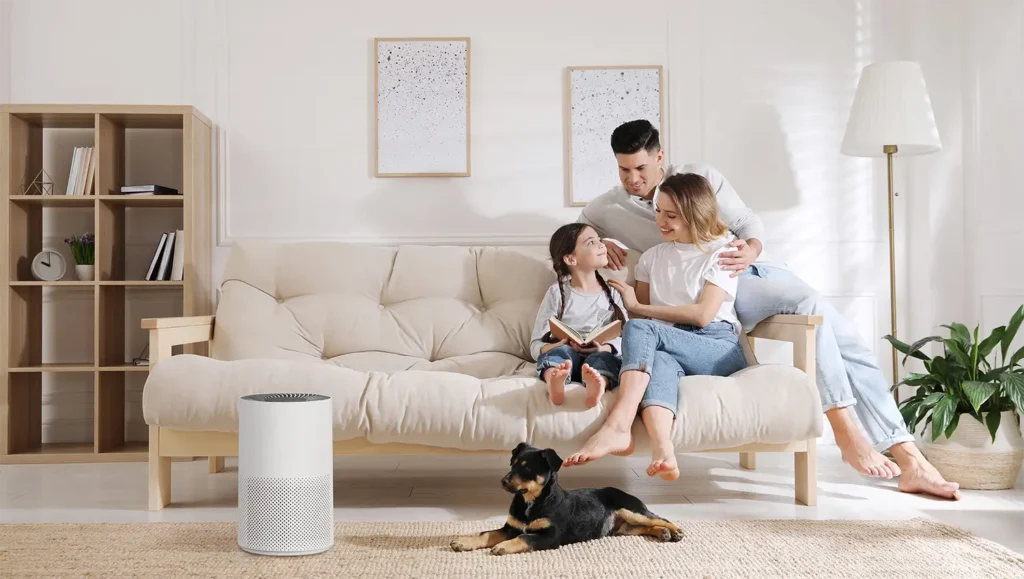
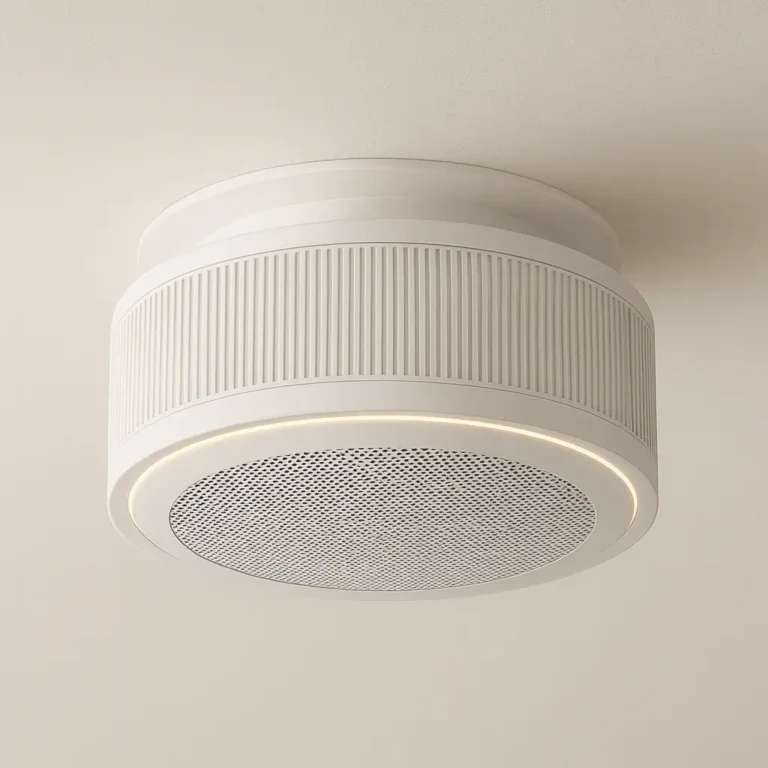
ceiling air purifier ha1002

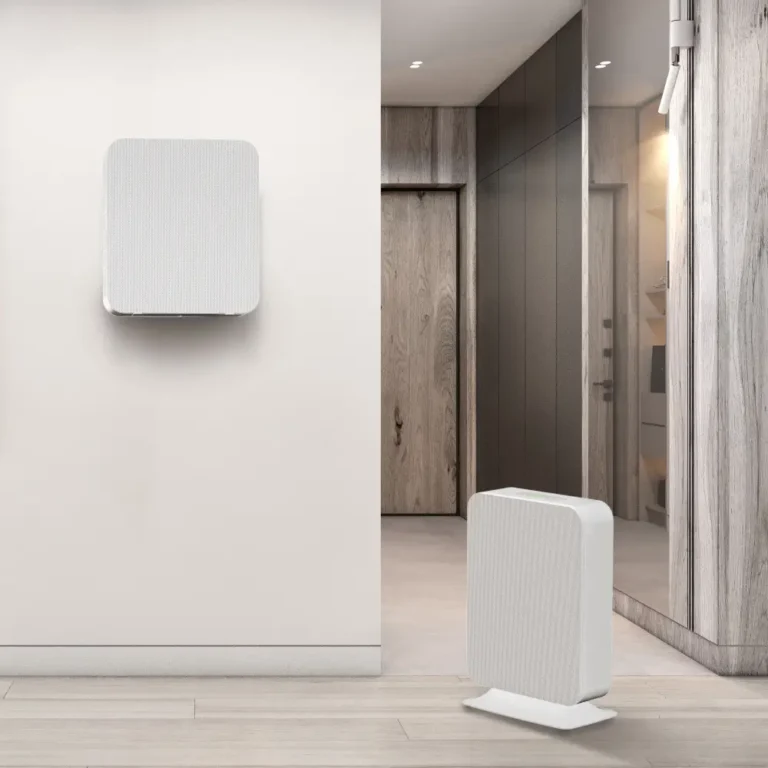
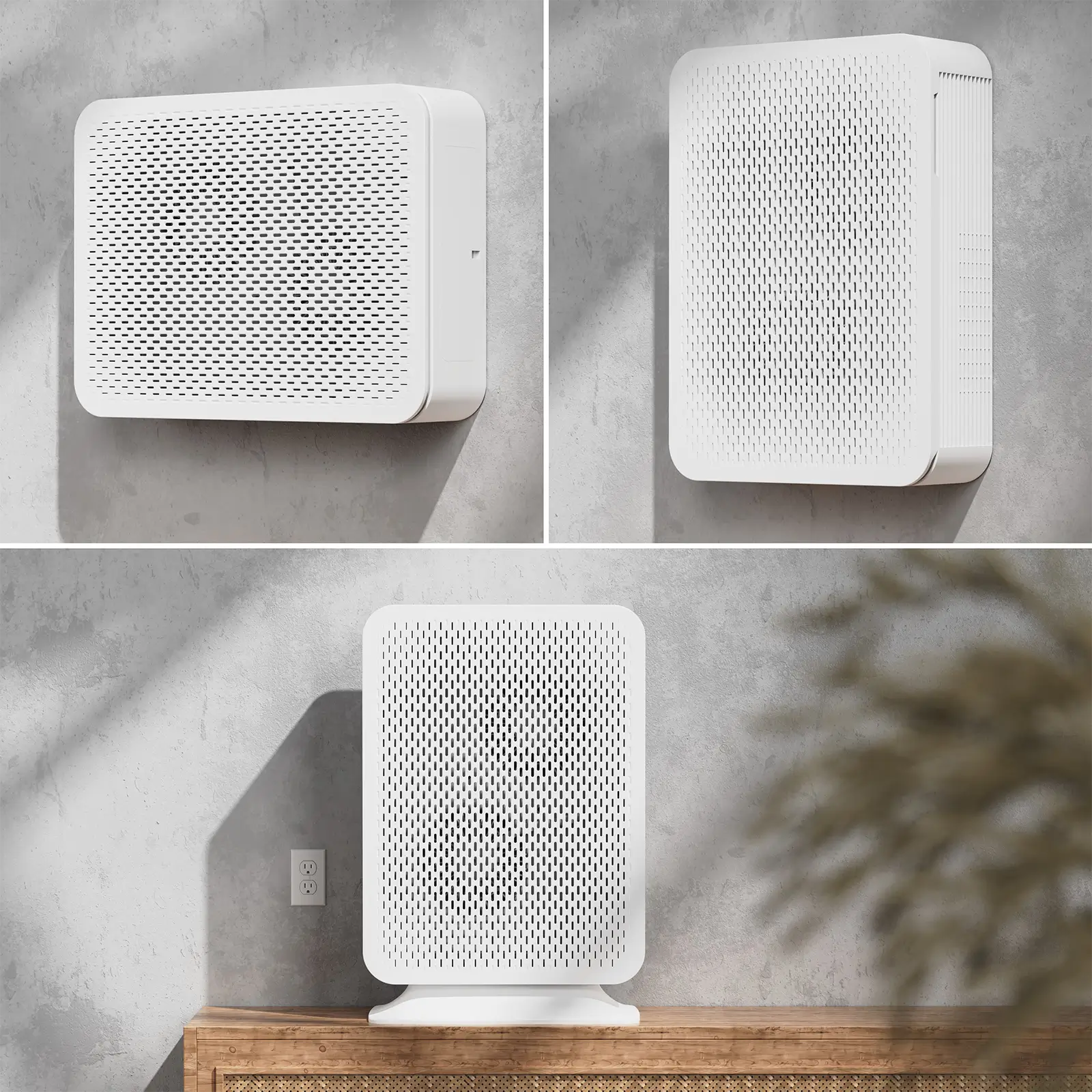
2. Wall-Mounted Air Purifier HA200 / HA400 (Commercial Grade)

  • Target user: Schools, offices, medical facilities, hotels, retail spaces.
  • Installazione: Professional setup recommended.
  • Design: High-capacity, wall-mounted structure that handles larger air volumes.
  • Key advantage: Built for durability and continuous operation in high-traffic areas.
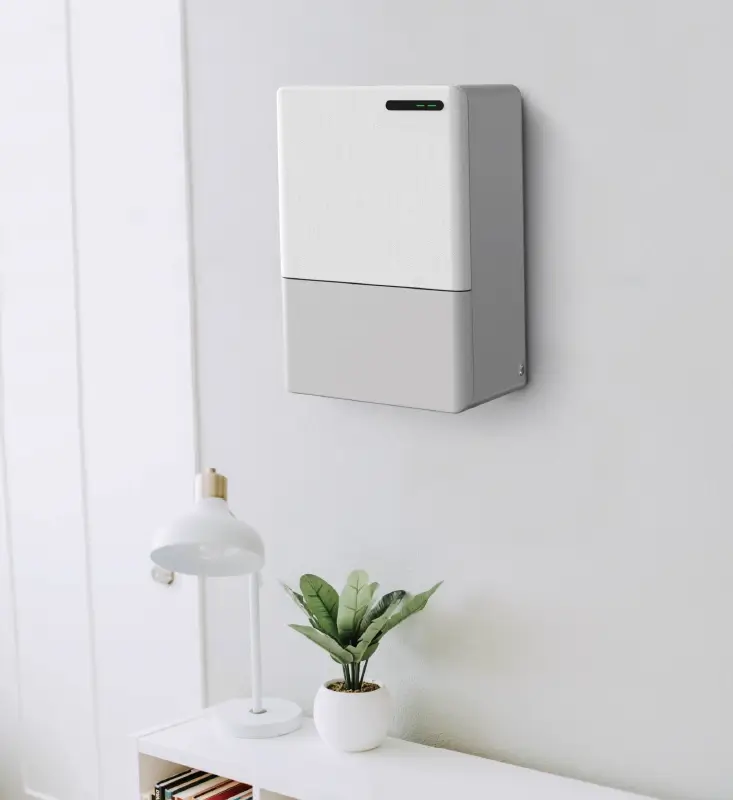
ha400 1

DIY Ceiling Purifier: Advantages for D2C Buyers

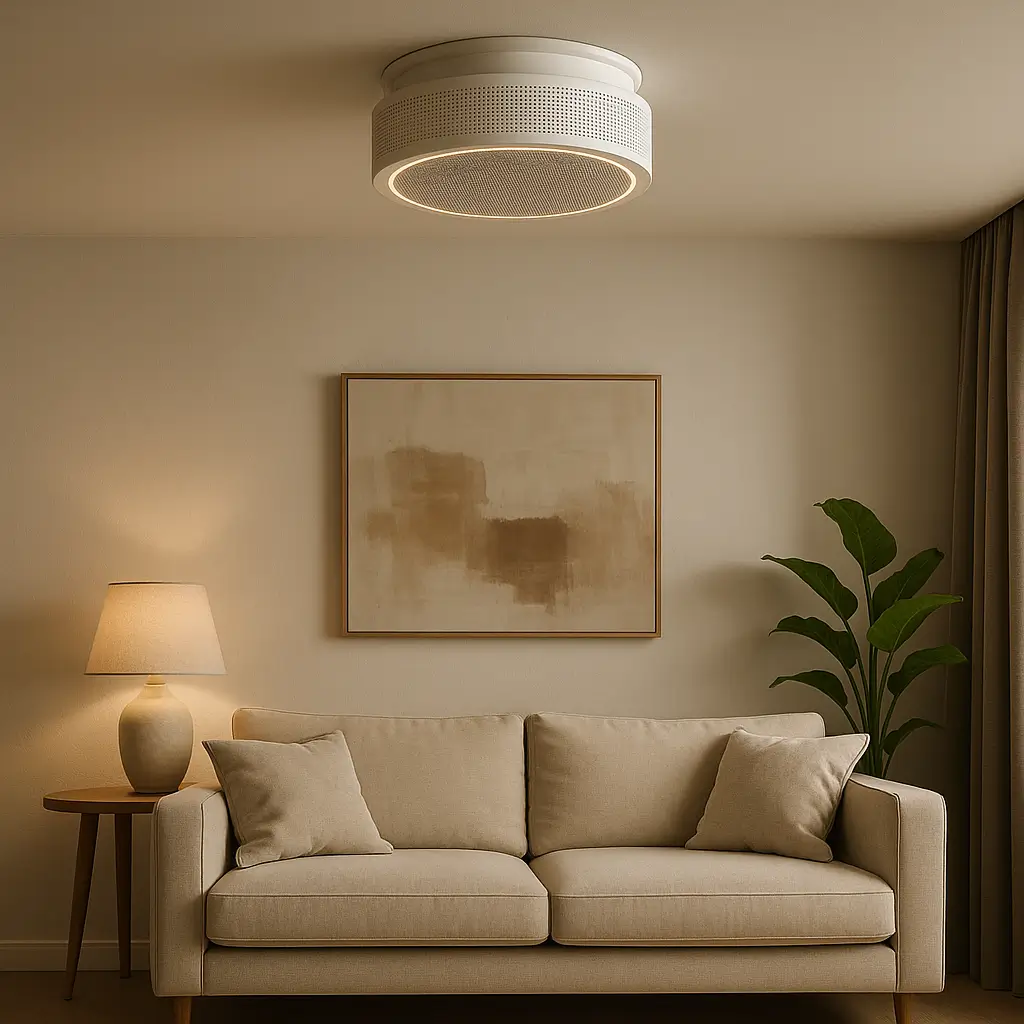
For homeowners and small-scale users, the HA1002 ceiling purifier is designed with practicality in mind.

1. Design salvaspazio

Unlike standing purifiers that take up valuable floor space, the ceiling-mounted design makes the purifier “invisible” in daily living. This is particularly valuable for urban apartments where every square meter matters.

2. DIY Installation

End users often hesitate to buy appliances that require costly installation. The HA1002 empowers them to self-install—ideal for renters or families that want flexibility without drilling into walls or paying contractors.

3. Comfort silenzioso

In a home environment, noise is a key concern. The HA1002 operates with low decibel output, blending seamlessly into bedrooms, living rooms, or home offices.

4. Benefici per la salute

By reducing allergens and pollutants in enclosed spaces, the HA1002 provides relief for children, elderly family members, and individuals with respiratory conditions.

For D2C customers, the ceiling purifier represents accessibility: affordable, user-friendly, and designed to meet residential lifestyle needs.
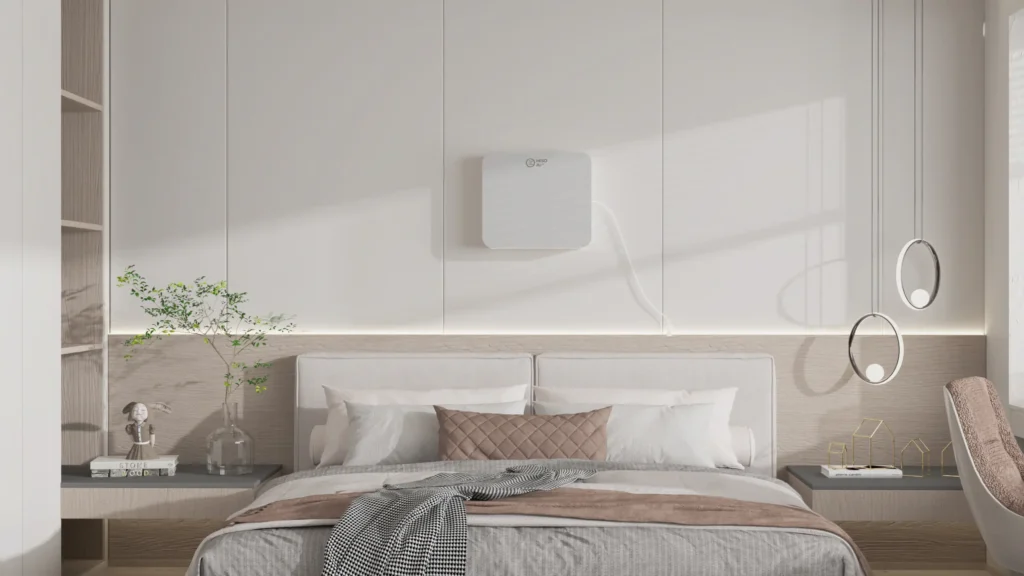
ceiling air purifier ha1002

Wall-Mounted Purifiers: Advantages for B2B Clients

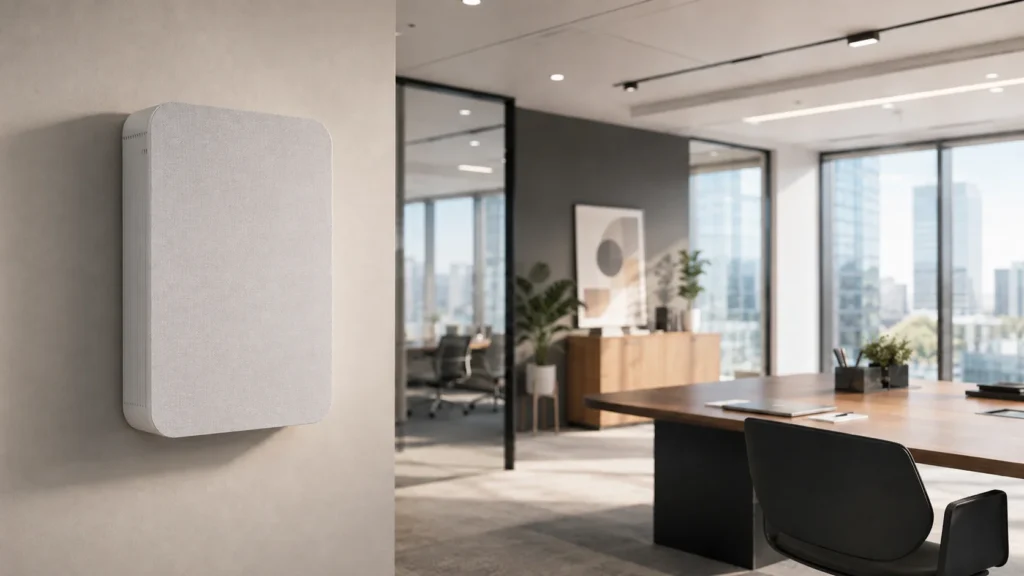
For organizations and professional spaces, the HA200/HA400 wall-mounted purifiers offer a very different value proposition.

1. Commercial-Grade Performance

These purifiers handle higher airflows, ensuring that larger rooms or shared environments remain safe and comfortable. Offices, classrooms, and clinics benefit from rapid air exchange and filtration efficiency.

2. Professional Installation, Professional Look

Wall-mounted units are installed by professionals, ensuring stability and optimal airflow positioning. Once in place, they project a polished, high-tech image that reinforces an organization’s commitment to health and safety.

3. Continuous Operation

Designed for durability, the HA200 and HA400 can operate continuously, an essential feature for businesses with long working hours or 24/7 facilities.

4. Supporting ESG and Corporate Responsibility Goals

By investing in air quality solutions, businesses align themselves with Environmental, Social, and Governance (ESG) priorities. Employees and customers increasingly value companies that take visible action toward health and sustainability.

For B2B customers, wall-mounted purifiers are not just a health device—they are part of a professional infrastructure that improves brand perception and workplace well-being.
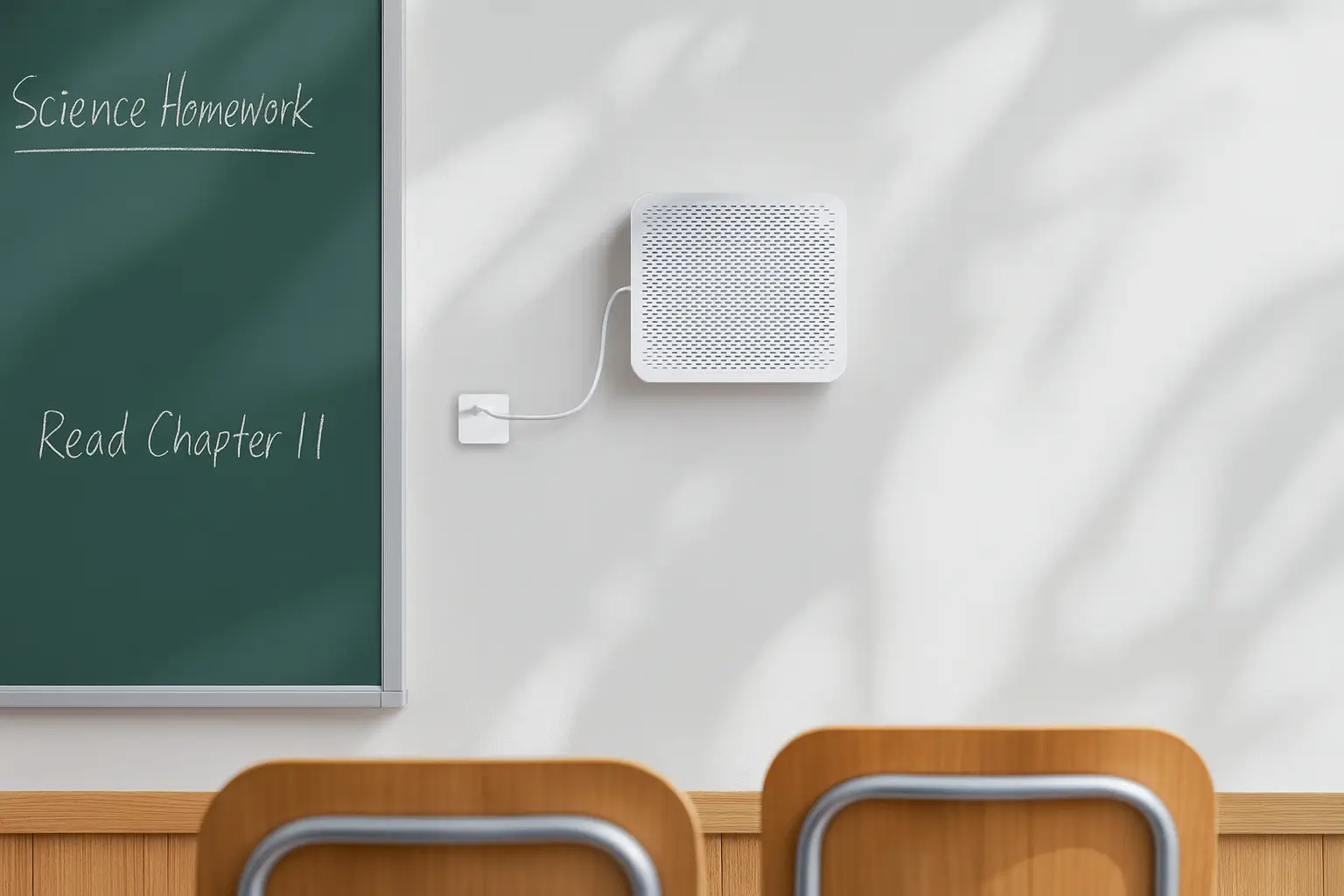
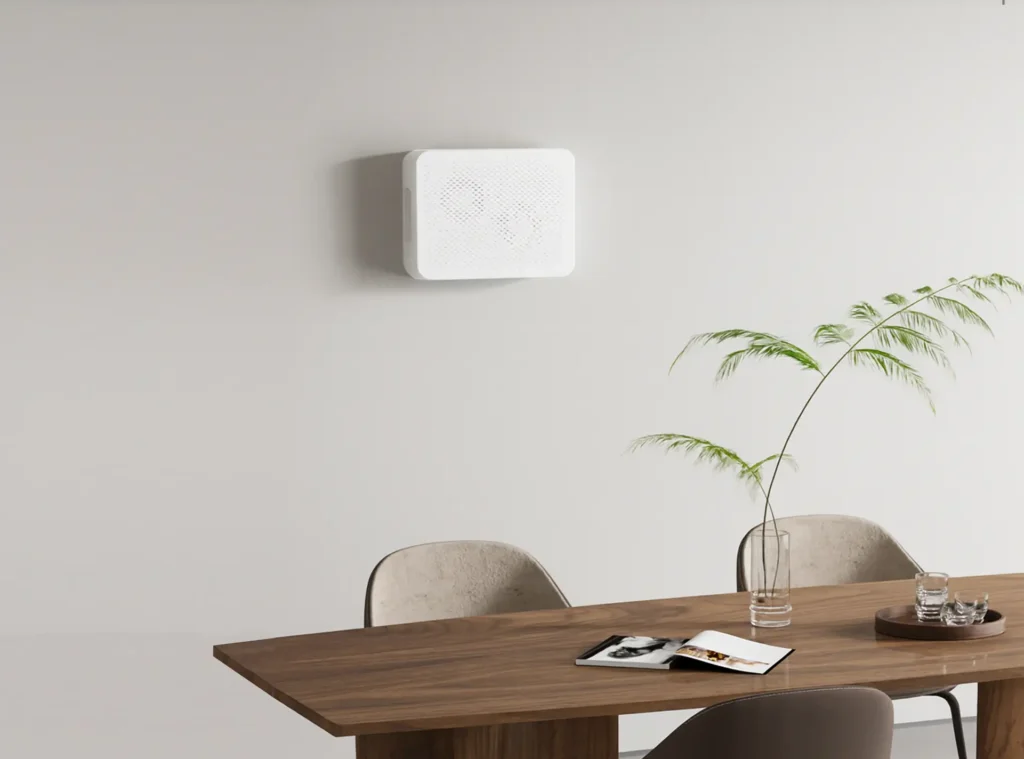
wall mounted air purifier ha200 classroom

Feature Comparison: Ceiling vs. Wall-Mounted

Caratteristica Ceiling Purifier (HA1002) Wall-Mounted Purifier (HA200/HA400)
Installazione DIY, renter-friendly Professional recommended
Target Environment Homes, small offices Offices, schools, healthcare, retail
Capacità Small-to-medium rooms Medium-to-large rooms
Livello di rumore Ultra-quiet Low-to-moderate (optimized for business)
Design Impact Discreet, space-saving Professional, visible commitment
User Segment D2C / Residential B2B / Commercial

How to Choose the Right Purifier for Your Needs

For D2C Buyers (Homeowners, Renters):

  • Ask yourself: Do I need an easy, non-intrusive solution that doesn’t require professional help?
  • If yes: The ceiling-mounted HA1002 is your best fit. It’s a blend of convenience, affordability, and comfort.

For B2B Buyers (Businesses, Institutions):

  • Ask yourself: Am I managing a high-traffic environment where air safety is linked to performance and reputation?
  • If yes: The wall-mounted HA200/HA400 provides long-term reliability, making it an asset rather than a simple appliance.

ROI Considerations

  • For D2C buyers, the return on investment is measured in comfort, health, and quality of life. A healthier indoor environment reduces medical costs and improves daily well-being.
  • For B2B buyers, ROI goes beyond health—clean air supports employee productivity, customer satisfaction, and even brand loyalty. Studies show that better indoor air can improve work performance by up to 11%.

Real-World Scenarios

  1. A young family in an urban apartment chooses the HA1002 to keep children safe from allergens without sacrificing floor space.
  2. A private clinic installs HA400 units in waiting rooms and consultation spaces, providing peace of mind to patients and reinforcing its image as a modern, health-focused facility.
  3. A coworking space uses wall-mounted purifiers to guarantee fresh air in meeting rooms, reducing customer churn and improving satisfaction scores.
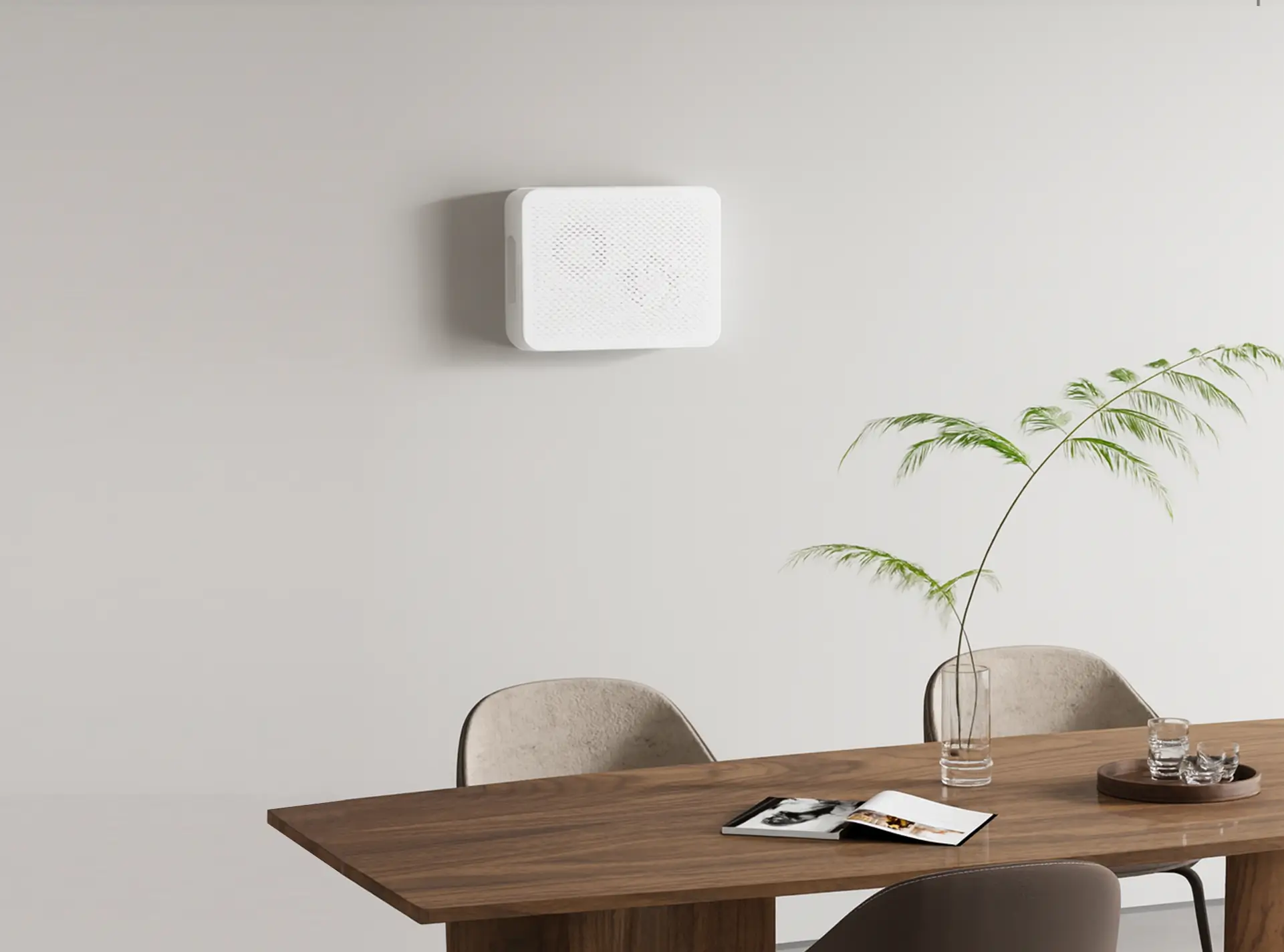
wall mounted air purifier ha200 ha400 office

Pensieri finali

When it comes to indoor air quality, one size does not fit all. The choice between a DIY ceiling purifier e un commercial wall-mounted purifier depends entirely on your environment and priorities:

  • If you’re a homeowner or small office user, the HA1002 offers a practical, affordable solution that integrates seamlessly into your space.
  • If you’re a business leader, facility manager, or institutional buyer, the HA200/HA400 delivers the power, reliability, and professional image your organization needs.

Both solutions share HisoAir’s commitment to safety, design, and performance, ensuring that whether for home or business, clean air is always within reach.

Condividi:
il fondatore di hisoair, il signor lee
Alwen Lee, an air purification expert with over 10 years of experience, is a devoted father of two and a passionate traveler, having explored more than 30 countries. With a love for public speaking and swimming, he has dedicated his life to the indoor air quality industry. His mission is to ensure that people around the world enjoy the freedom to breathe clean air and lead happy, healthy lives.

Inviaci un messaggio

Altro da leggere

A modern office room with a gray wall-mounted air purifier, large wooden desk, office chairs, indoor plants, and glass windows offering a city view.

Luftreiniger gegen Staub: HEPA-Luftreinigung für Büro, Gewerbe und Industrie

Kurz gesagt: Ein Luftreiniger entfernt Staub aus der Luft – nicht vom Schreibtisch. Er reduziert die Konzentration schwebender Partikel und damit auch die Menge an ...
Air purifier, Filter
Featured image for How to launch a private label wellness product in the US

How to launch a private label wellness product in the US

Stand out in the US wellness market! Partner with innovators for unique products and tap into a booming industry. Start your launch today!
AI Trends, Air purifier
air purifier ha2553

The Strategic Guide to Home Air Purification: A Room-by-Room Analysis

In an era where indoor living dominates our daily routines, the quality of the air we breathe within our homes has become a paramount concern. ...
Purificatore d'aria
purificatore d'aria per ventilazione hv 100

Wall-Mounted Purifier vs HVAC for Indoor Air Quality

Indoor air quality isn’t a nice-to-have—it’s daily infrastructure. Wildfire smoke, urban PM2.5, and indoor sources from cooking to cleaners now make clean air a baseline ...
Purificatore d'aria
ha180 bedroom

Wall-Mounted Air Purifiers: Best Choice for Apartments

Save space and breathe cleaner air with wall-mounted air purifiers. Perfect for apartments, they reduce odors, dust, and allergens for healthier living. The rise of ...
Purificatore d'aria
wall mounted air purifier ha200 ha400 office

Why Hotels & Offices Need Wall-Mounted Air Purifiers to Boost Guest & Employee Satisfaction

In today's discerning world, where health and well-being have taken center stage, the subtle yet profound impact of indoor air quality (IAQ) often goes unnoticed. ...
Purificatore d'aria
Contaminant Engineering•3 min read

PFAS Water Filtration Technologies Explained: Carbon, Resin & RO

Key Takeaway:

PFAS reduction depends on the specific compounds present, treatment media, contact time, water chemistry, and system design. Activated carbon, ion exchange, and Reverse Osmosis address PFAS through different mechanisms.

PFAS are a large family of persistent fluorinated compounds that can occur in drinking-water supplies. Their treatment behavior varies significantly by molecular structure, chain length, functional group, concentration, and the chemistry of the source water.

Granular Activated Carbon (GAC) removes PFAS primarily through adsorption. It is generally more effective for many longer-chain PFAS, while shorter-chain compounds tend to break through more quickly. Carbon performance depends on media properties, Empty Bed Contact Time (EBCT), competing organic matter, loading, and replacement frequency.

Ion-exchange resins use charged functional sites to capture many PFAS compounds. Properly selected anion-exchange media can provide high capacity and may perform better than conventional activated carbon for some shorter-chain PFAS, although performance still depends on water chemistry and competing ions.

Reverse Osmosis (RO) uses membrane separation rather than adsorption. Properly designed RO systems can provide broad reduction across many PFAS compounds as well as dissolved salts and other contaminants. Unlike carbon or resin, however, RO also produces a concentrate stream that must be managed.

No single technology should be selected from a PFAS label alone. System design should consider which PFAS compounds are present, their concentrations, required reduction targets, flow rate, media life, and the applicable third-party certification or validation requirements.

HisoAir Water Technical Series
Product Discovery•3 min read

How to Choose an Under-Sink Water Purifier for Modern Kitchens

Key Takeaway:

Match the treatment technology to your water quality first, then evaluate cabinet space, faucet configuration, flow rate, drain and power requirements, and filter replacement needs.

Choosing an under-sink water purifier starts with water chemistry. Carbon filtration is well suited to chlorine, taste, odor, and many organic contaminants, while Reverse Osmosis is more appropriate when dissolved salts, fluoride, nitrates, or broader dissolved contaminants need to be reduced.

For compact kitchens, tankless RO systems eliminate the conventional storage tank and can significantly reduce the space required under the sink. However, membrane capacity stated in GPD does not directly equal faucet flow. When comparing systems, check the actual dispensing flow rate, inlet-pressure requirement, recovery ratio, and whether a booster pump is required.

Installation architecture also matters. Many RO systems require a drain connection, electrical power, and either a dedicated drinking-water faucet or a compatible multi-function faucet. High-flow carbon systems can often connect directly to the existing cold-water line with a simpler installation, but pressure drop and available faucet flow should still be verified.

RO also removes much of the naturally occurring dissolved mineral content. Where taste or mineral balance is a priority, a post-RO remineralization stage can be added. Filter life should be evaluated by both rated capacity and local water quality rather than replacement time alone.

The right system is therefore not simply the smallest or highest-GPD model. It is the configuration that matches the target contaminants, available cabinet space, desired faucet setup, peak dispensing demand, and maintenance expectations.

HisoAir Water Technical Series
Water Quality•2 min read

What Does TDS Mean in Drinking Water? Measurement vs Contaminant Reality

Key Takeaway:

A TDS meter estimates the overall concentration of dissolved ionic substances from electrical conductivity. It cannot identify specific contaminants or determine whether water is chemically safe.

Total Dissolved Solids (TDS) refers to the combined concentration of dissolved substances in water. Most handheld TDS meters do not measure TDS directly. Instead, they measure electrical conductivity (EC) and convert that reading into an estimated parts-per-million (ppm) value.

This means a TDS reading can indicate how much dissolved ionic material is present, but not what that material actually is. Calcium, magnesium, sodium, nitrates, and other dissolved ions can all contribute to conductivity, yet a simple TDS meter cannot distinguish between them.

TDS meters are also not suitable for detecting trace contaminants such as PFAS, many VOCs, pesticides, pharmaceuticals, or disinfection byproducts. These substances may be present at concentrations far below the level needed to noticeably change electrical conductivity.

A low TDS reading therefore does not guarantee safe drinking water, and a higher TDS reading does not automatically indicate contamination. Water-treatment decisions should be based on laboratory testing for specific contaminants of concern rather than TDS alone.

HisoAir Water Technical Series
Technology Selection•2 min read

RO vs UF Water Filtration: Understanding Pore Sizes & Dissolved Minerals

Key Takeaway:

Ultrafiltration can reduce bacteria, turbidity, and suspended particles while retaining most naturally occurring dissolved minerals. Reverse Osmosis provides much broader reduction of dissolved salts and smaller contaminants.

Ultrafiltration (UF) typically uses hollow-fiber membranes with pore sizes in the approximate 0.01–0.1 micron range. These membranes physically retain turbidity, suspended solids, colloids, and many microorganisms while allowing dissolved minerals and salts to remain in the water.

Reverse Osmosis (RO) operates at a much finer separation level. Unlike UF, RO can substantially reduce dissolved ions such as sodium, calcium, fluoride, nitrates, and other contributors to total dissolved solids (TDS). This makes RO more suitable when dissolved-salt reduction is a primary treatment objective.

UF generally requires less system pressure and produces little or no continuous concentrate stream in many point-of-use configurations. RO typically requires greater pressure and produces a reject-water stream, but delivers broader contaminant reduction.

For water with acceptable TDS and mineral content, UF can be a simpler mineral-retaining treatment option. Where dissolved salts, fluoride, nitrates, or broader dissolved contaminants are a concern, RO is generally the more appropriate technology.

HisoAir Water Technical Series
Technology Selection•4 min read

Carbon Block vs Reverse Osmosis: Which Fits Your Need?

Key Takeaway:

Choose RO for dissolved inorganic salts and heavy metals; choose Carbon Block for chemical taste/odor, no wastewater, and high line-pressure flow.

Reverse Osmosis (RO) and Carbon Block filtration represent two fundamentally different treatment methods: membrane separation and adsorption. Understanding these differences helps determine which technology is better suited to a specific water-quality requirement.

Reverse Osmosis uses a semi-permeable membrane with pore sizes of approximately 0.0001 microns. It can significantly reduce dissolved inorganic contaminants such as TDS, fluoride, nitrates, and certain heavy metals. Because water must be forced through the membrane, RO systems require sufficient pressure or a booster pump and generate a concentrated wastewater stream.

Carbon Block filtration relies primarily on adsorption through compressed activated carbon, commonly with nominal pore sizes around 0.5–5 microns. It is highly effective for chlorine, chloramines, VOCs, taste, and odor, while allowing substantially higher direct-flow rates without producing wastewater.

From an operating perspective, Carbon Block systems are generally simpler, require less energy, and avoid the water loss associated with RO. RO involves higher system complexity and operating cost, but provides substantially broader reduction of dissolved contaminants that Carbon Block alone cannot address.

HisoAir Water Technical Series

RICHIEDI UN PREVENTIVO