

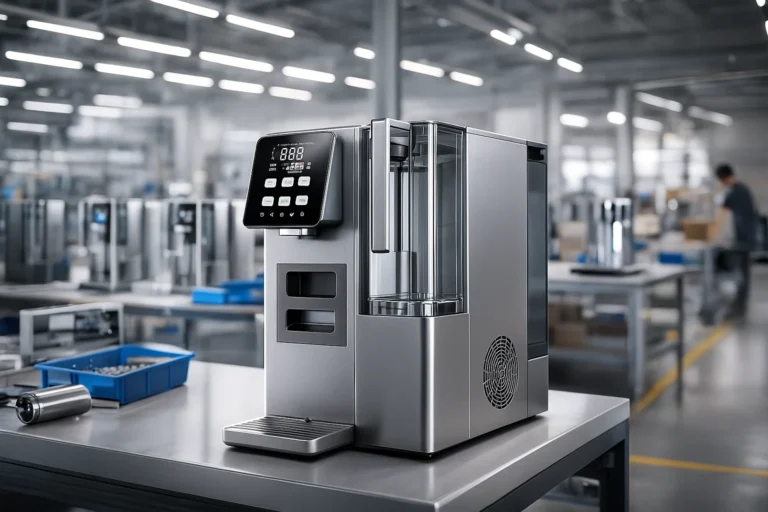
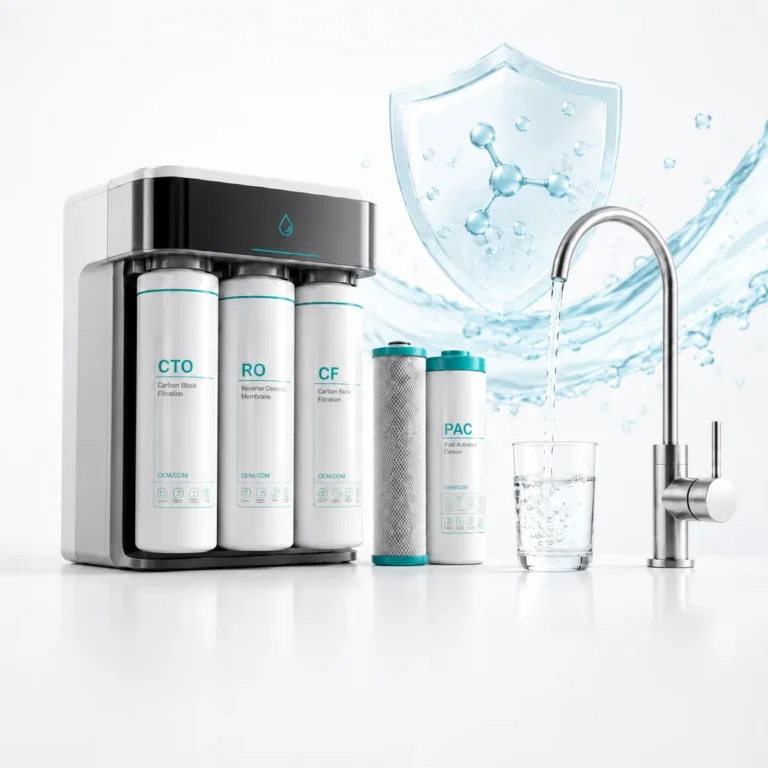
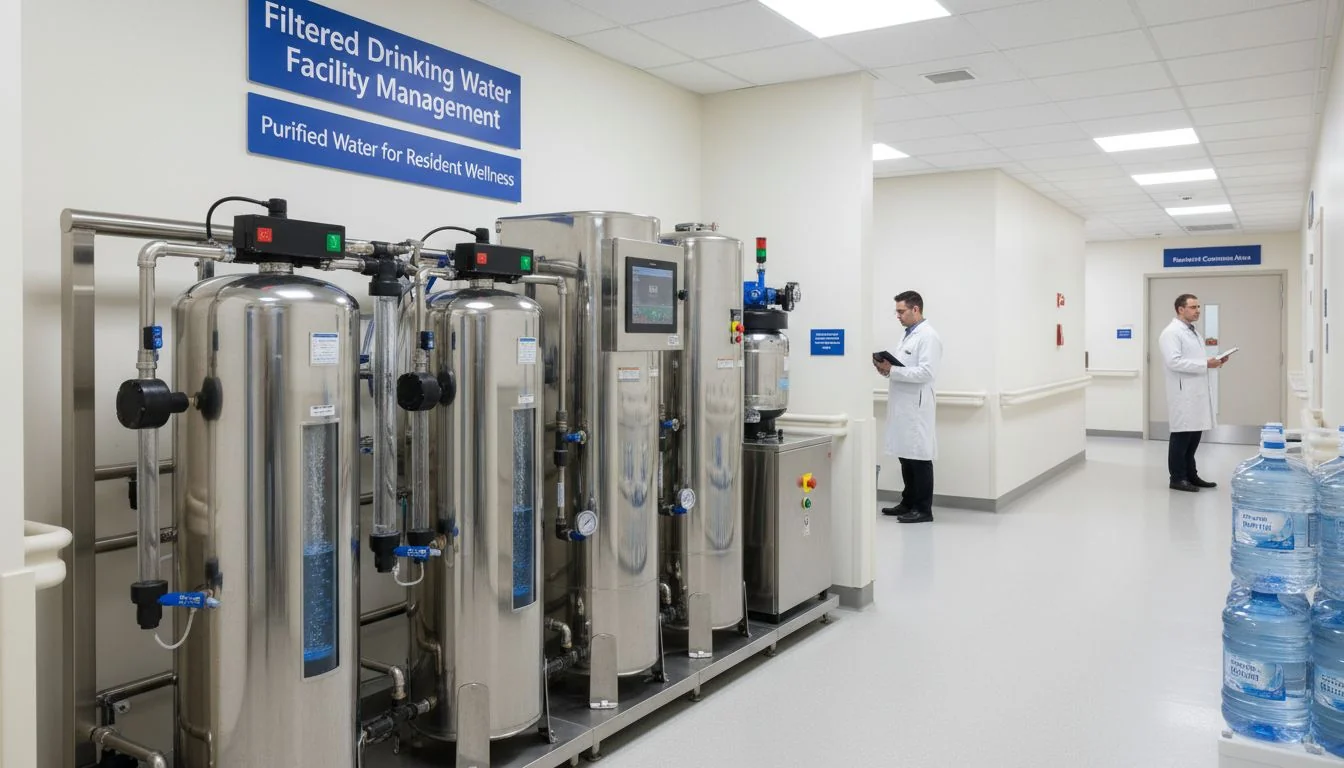
Facility managers struggle with unreliable water systems. Broken dispensers cause daily operational headaches. I will show you how to plan, install, and maintain commercial water systems without the stress.
Facility managers must consider equipment location, maintenance schedules, record-keeping, and supplier support when choosing filtered drinking water systems1. A successful setup requires matching system capacity to facility size while ensuring easy serviceability for maintenance staff.

You might think any commercial water filter will work for a large building. But if you ignore the operational side, you will face constant breakdowns and angry staff. Let us look at the exact steps to manage this equipment properly.
Facility managers are responsible for the medical treatment of residents.Falso
Facility managers handle building operations and equipment maintenance, not medical care.
Proper record-keeping is essential for facility water system maintenance.Vero
Tracking filter changes and service dates ensures equipment runs efficiently and meets operational standards.
Where Does Drinking Water Fit in Facility Operations?
Poorly planned water stations disrupt daily workflows. Staff waste time walking far to get water. You need a layout that fits your building operations perfectly.
Drinking water systems are core operational assets in long-term care facilities. They must integrate smoothly into daily staff routines. Managers should place equipment in high-traffic zones to support efficient facility operations without blocking hallways or maintenance access points.
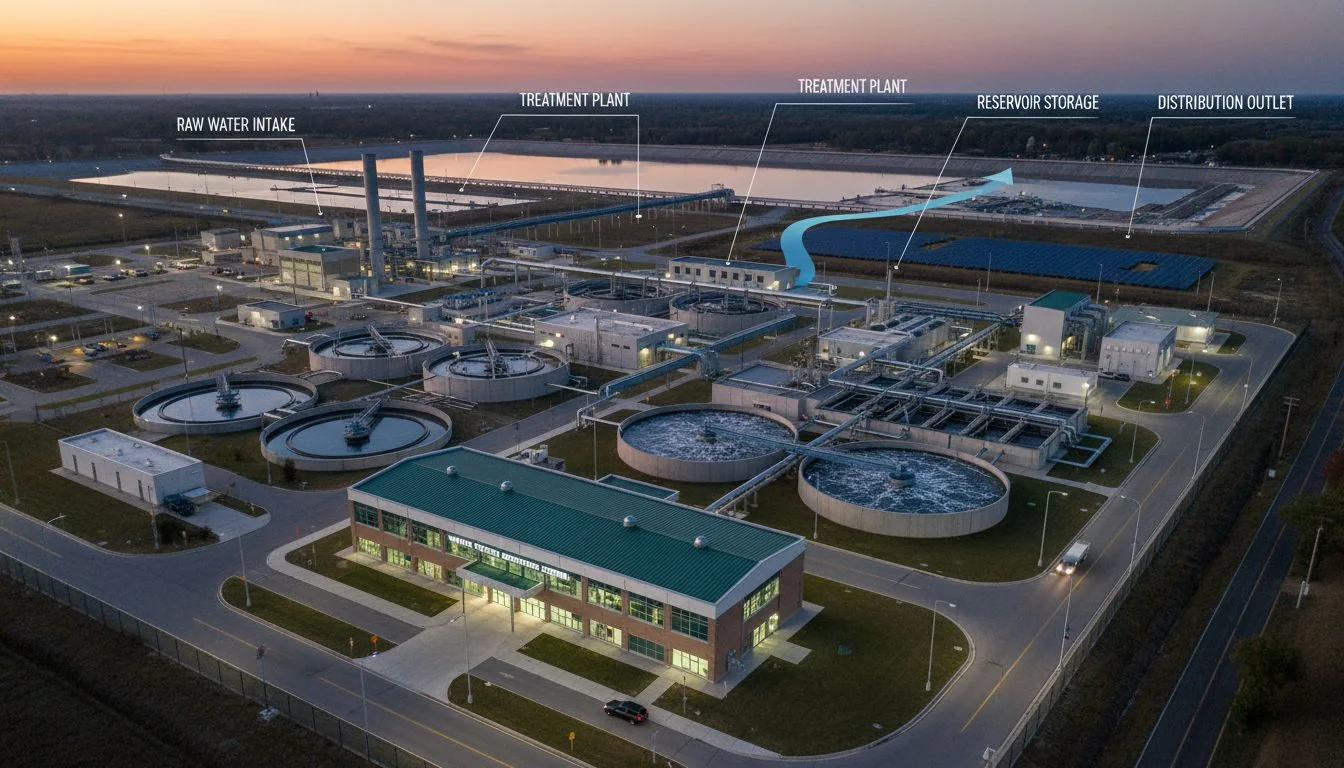
In my years running a CNC and mold trading company, I learned that equipment placement2 dictates efficiency. The same rule applies to facility management. You cannot just put a water dispenser wherever there is an empty wall. You must think about the daily traffic.
Integrating Equipment into Daily Workflows
When you plan your facility layout, treat water stations like critical machinery. Maintenance staff need clear access to change filters. Cleaning crews need space to mop around the units. If you place a unit in a narrow hallway, you create a bottleneck. I always tell my clients to map out the floor plan first. Look at where the plumbing lines already exist. This saves installation costs.
| Location Type | Operational Impact | Maintenance Access |
|---|---|---|
| Main Hallways | High traffic, potential blocking | Easy to reach, highly visible |
| Utility Rooms | Low traffic, out of the way | Very easy, close to main water lines |
| Staff Breakrooms | Medium traffic, controlled use | Simple access, less risk of damage |
You must balance user access with serviceability. If a technician cannot reach the back panel, your maintenance costs will go up.
Water dispensers should be placed in the narrowest hallways to save space.Falso
Placing equipment in narrow hallways creates bottlenecks and makes maintenance difficult.
Using existing plumbing lines reduces installation costs.Vero
Connecting to nearby existing pipes requires less labor and materials than running new lines.
What Are the Common Filtration Points Like Kitchens, Common Areas, and Resident Floors?
Installing the wrong filter in a busy kitchen causes low water pressure. This slows down food prep. You must match the equipment to the specific zone.
Common filtration points include commercial kitchens, staff breakrooms, common areas, and resident floors. Each zone requires different equipment. Kitchens need high-flow systems for cooking, while resident floors need durable, easy-to-clean dispensers that can handle steady, daily use by staff and visitors.
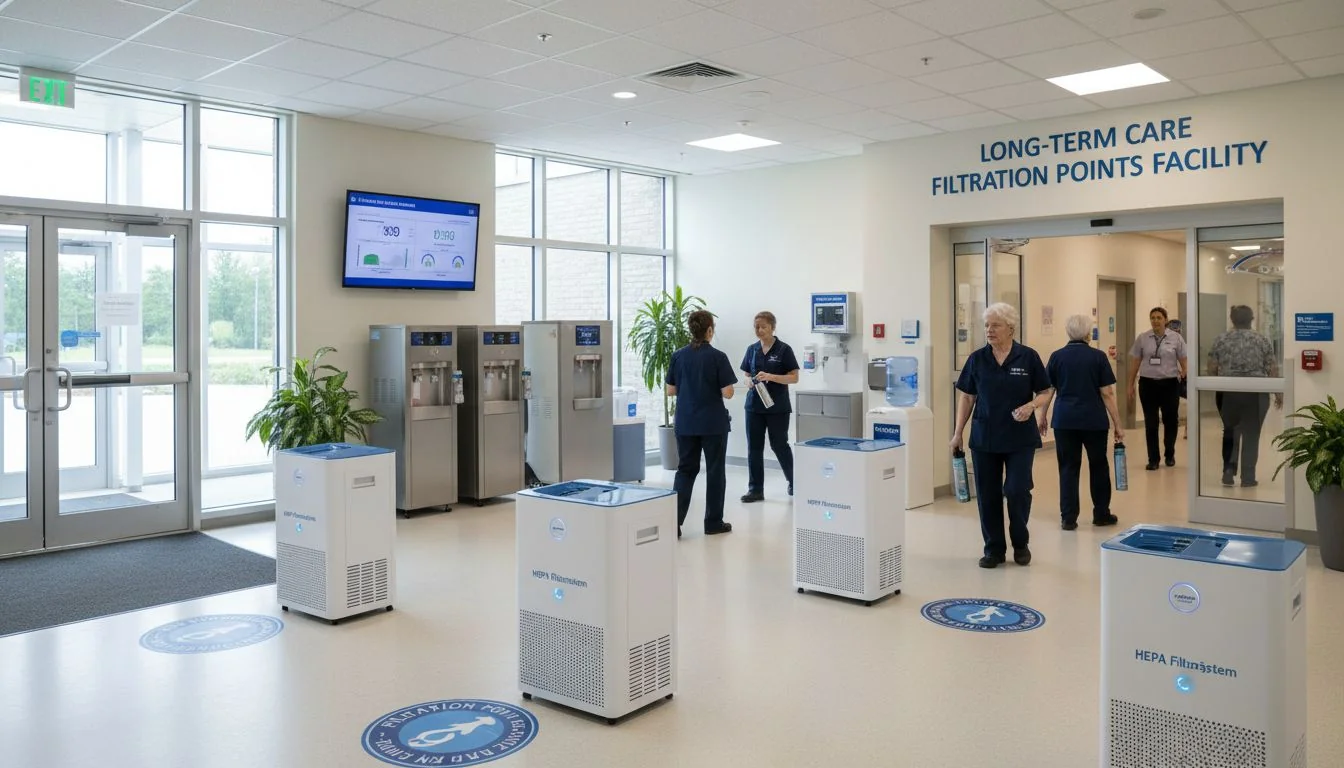
Just like we use different steel grades for different mold parts, you need different water systems for different building zones. A one-size-fits-all approach will fail.
Zoning Your Facility for Water Systems
Let us break down the building into zones. The main kitchen is your heavy-duty zone. The equipment here must handle high volumes of water quickly. If the flow rate is too slow, the kitchen staff will complain. On the resident floors, the focus shifts to durability and noise control. You do not want a loud compressor turning on at night.
| Facility Zone | Equipment Requirement | Key Operational Focus |
|---|---|---|
| Commercial Kitchen | High-capacity inline filters | Fast flow rate, heavy volume |
| Common Areas | Freestanding dispensers | Durability, spill management |
| Resident Floors | Unità a parete | Quiet operation, easy cleaning |
I always advise facility managers to standardize the filter cartridges across these different units if possible. This makes inventory management much easier. You do not want to stock ten different types of filters in your maintenance room. Keep it simple and efficient.
Commercial kitchens require the exact same water filters as small staff breakrooms.Falso
Kitchens need high-capacity, high-flow systems, while breakrooms can use standard dispensers.
Standardizing filter cartridges reduces inventory management problems.Vero
Using the same type of filter across multiple units means you need to stock fewer parts.
How Do You Handle Capacity Planning for Facility Size and Usage?
Buying an undersized water system leads to constant breakdowns. Your maintenance team will work overtime fixing it. You must calculate your capacity needs accurately before buying.
capacity planning3 requires calculating the total daily water usage based on facility size and staff headcount. Facility managers must evaluate peak usage times to ensure the system can deliver enough water without pressure drops or premature filter clogging. Proper sizing prevents equipment failure.
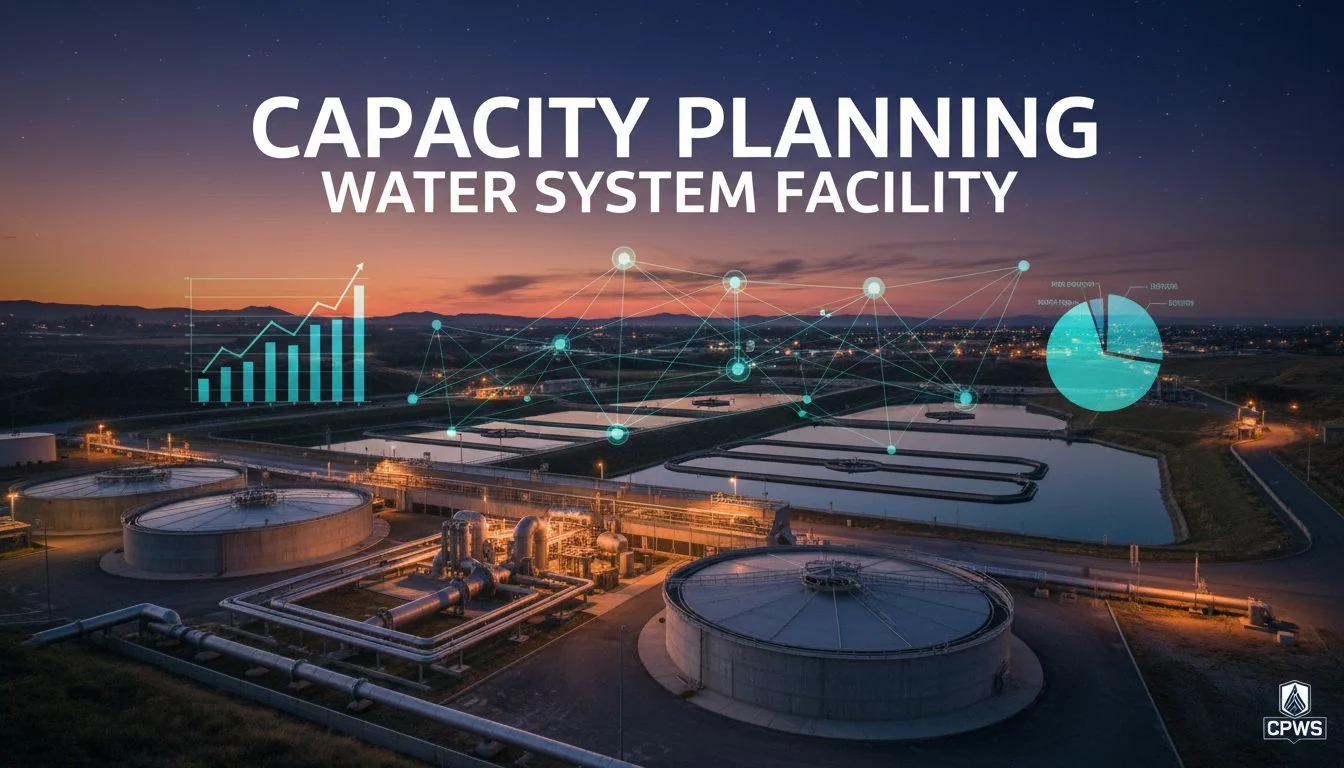
In mold design, if you miscalculate the shrinkage rate, the whole part is ruined. In facility management, if you miscalculate water capacity, the equipment breaks down. You must look at the numbers.
Calculating Peak Demand
You need to know how much water your building uses during its busiest hours. We call this peak demand. If everyone fills their pitchers at 8:00 AM, your system must handle that spike. Do not just look at the daily total. Look at the hourly maximum.
| Usage Metric | Calculation Method | Why It Matters |
|---|---|---|
| Daily Total | Headcount x Average use | Determines filter lifespan |
| Peak Hour Demand | Max users in one hour | Determines machine flow rate |
| Chiller Capacity | Cold water drawn per hour | Prevents warm water dispensing |
Talk to your supplier about these numbers. Ask them for the recovery rate of the chiller. If the machine takes too long to cool the water back down, it is not big enough for your facility. Always add a 20% buffer to your calculations to handle future growth.
You only need to know the total daily water usage to size a system.Falso
You must also know the peak hour demand to ensure the system can handle sudden spikes in usage.
Adding a capacity buffer helps accommodate future facility growth.Vero
A 20% buffer ensures the equipment will not be overworked if the facility adds more staff or users.
What Certifications and Specifications Should You Require?
Uncertified equipment poses a huge risk to your building. A leak can cause thousands in water damage. You must demand strict hardware specifications from your vendors.
Facility managers must require commercial-grade specifications and recognized hardware certifications, such as NSF/ANSI standards for structural integrity and material safety. You should also demand leak detection systems, automatic shut-off valves, and durable stainless-steel components to protect the facility from water damage and frequent repairs.
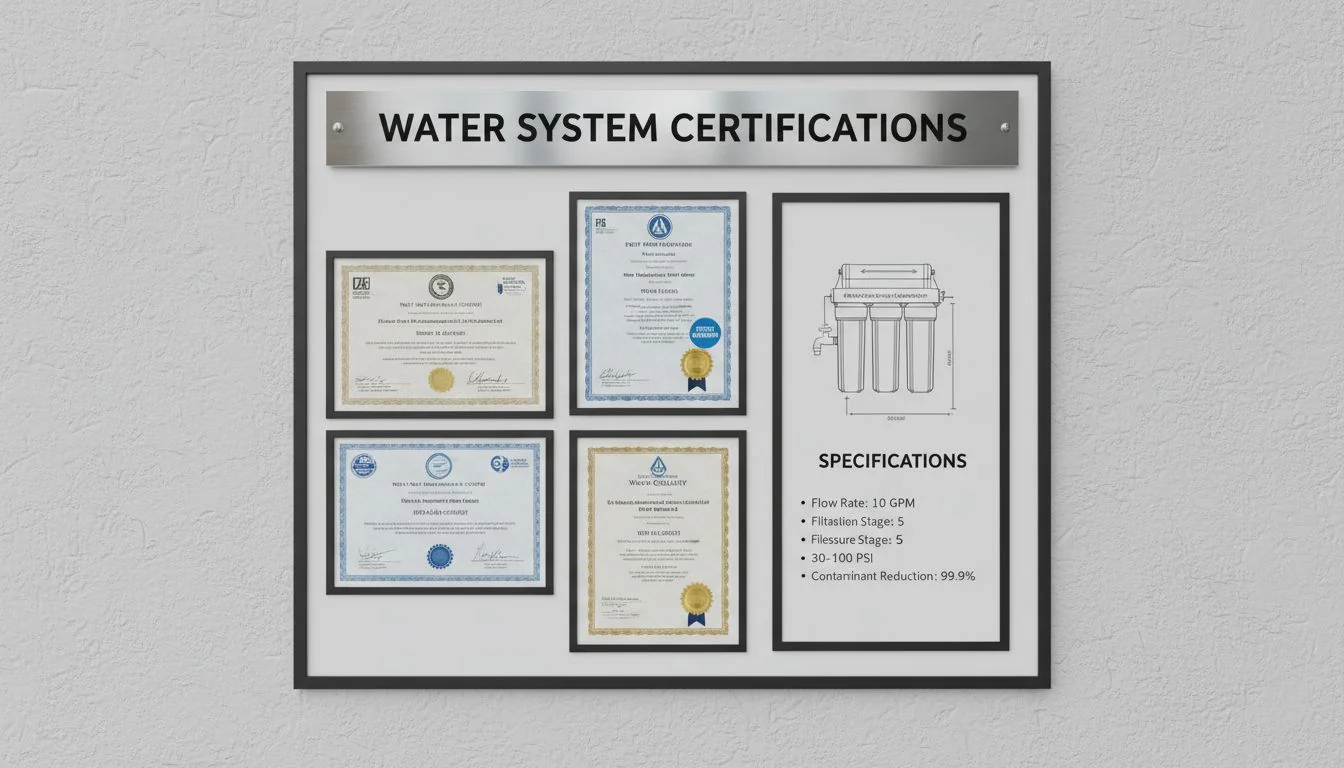
When I buy CNC machines, I check every specification sheet. I look for safety marks and build quality. You must do the same for commercial water systems. Do not buy residential units for a commercial building.
Essential Hardware Specifications
You need equipment built for heavy use. The internal valves should be brass or high-grade stainless steel, not cheap plastic. Plastic valves crack under constant city water pressure. You also need built-in leak protection. A small drip over a weekend can ruin your floors.
| Specification | Scopo | Facility Benefit |
|---|---|---|
| NSF/ANSI 42 & 53 | Material safety and structural integrity | Ensures equipment will not fail under pressure |
| Auto Shut-off Valve | Stops water flow if a leak occurs | Prevents expensive building water damage |
| Stainless Steel Tanks | Resists corrosion and scaling | Extends the lifespan of the equipment |
Always ask the vendor for the specification sheets before you sign a contract. Keep these documents in your facility management files. If a building inspector asks about your equipment, you will have the paperwork ready.
Residential water dispensers are perfectly fine for large commercial facilities.Falso
Residential units lack the durability and capacity required for heavy commercial use.
Automatic shut-off valves help prevent major water damage.Vero
These valves detect leaks and stop the water supply, protecting the building's floors and walls.
How Should You Handle Maintenance, Service, and Documentation Practices?
Missing a filter change leads to clogged machines. Your staff will waste time dealing with broken units. You need a strict maintenance schedule and clear records.
Effective maintenance requires a clear schedule for filter replacements and system sanitization. Facility managers must assign clear maintenance responsibilities to internal staff or external contractors. Keeping detailed service logs ensures equipment remains in good working order and helps track the long-term cost of ownership.
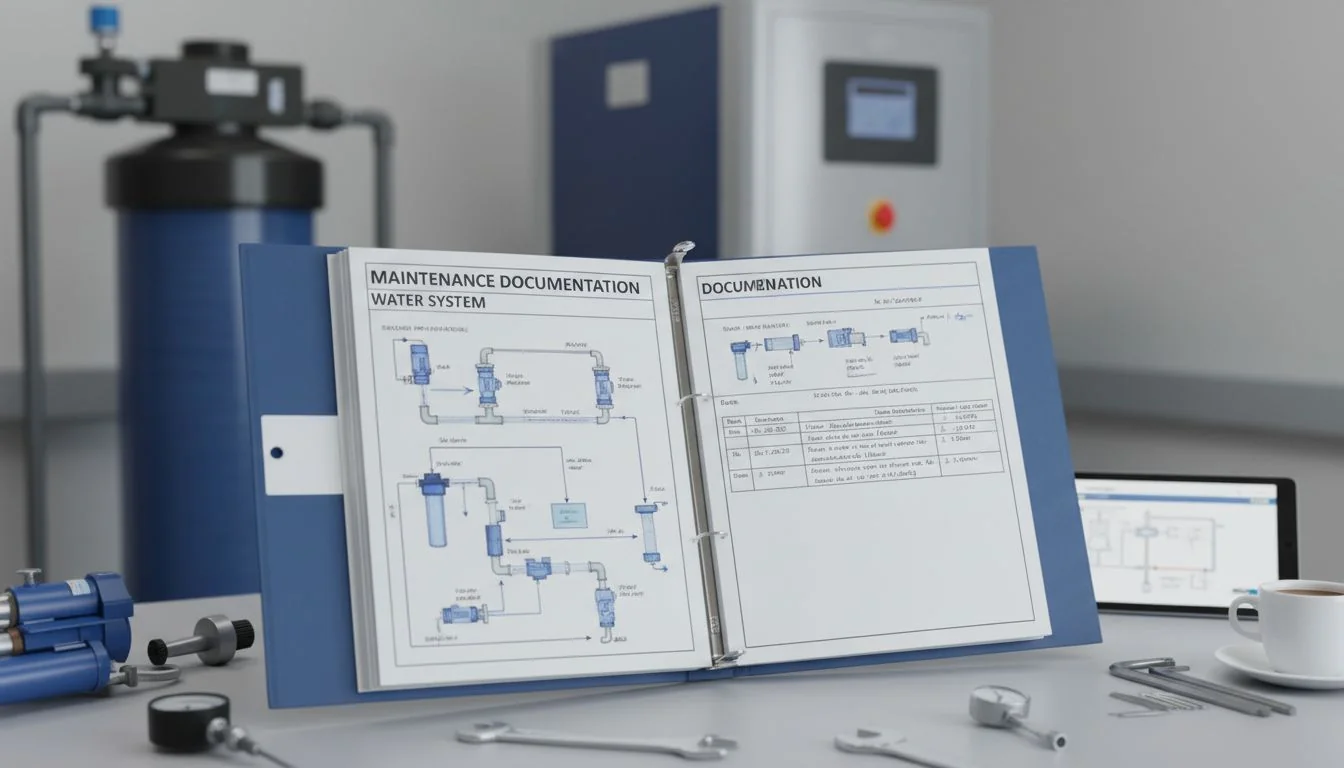
In manufacturing, preventive maintenance4 keeps the factory running. If we do not grease the molds, they break. Water systems are the same. You cannot just install them and forget them.
Building a Maintenance Routine
You must decide who is responsible for the upkeep. Will your internal facility team change the filters, or will you hire an outside service company? Either way, you need a logbook. Every machine should have a service tag attached to it.
| Maintenance Task | Frequenza | Responsible Party |
|---|---|---|
| Visual Leak Check | Weekly | Internal Facility Staff |
| filter replacement5 | Every 6 Months | Internal or External Tech |
| Deep Sanitization | Annualmente | Certified External Tech |
I highly recommend using a digital facility management system to track these dates. Set automatic reminders. When a technician changes a filter, they must record the date, the filter model number, and the water pressure reading. Good documentation proves that you are managing the building properly. It also helps you claim warranty repairs if a machine fails early.
Water systems do not require maintenance until they stop working.Falso
Preventive maintenance, like regular filter changes, is required to keep systems running and prevent breakdowns.
Keeping detailed service logs helps with warranty claims.Vero
Manufacturers often require proof of regular maintenance before they will honor a warranty claim.
What Are the Procurement Steps and Supplier Evaluation Criteria?
Choosing a bad supplier leaves you stranded when equipment breaks. You will wait weeks for spare parts. You must evaluate vendors carefully before you buy anything.
Procurement involves comparing suppliers based on equipment quality, warranty terms, and local service availability. Facility managers should use a non-medical procurement checklist to evaluate vendors. A strong supplier provides fast access to spare parts, clear installation guidelines, and reliable technical support for your maintenance team.
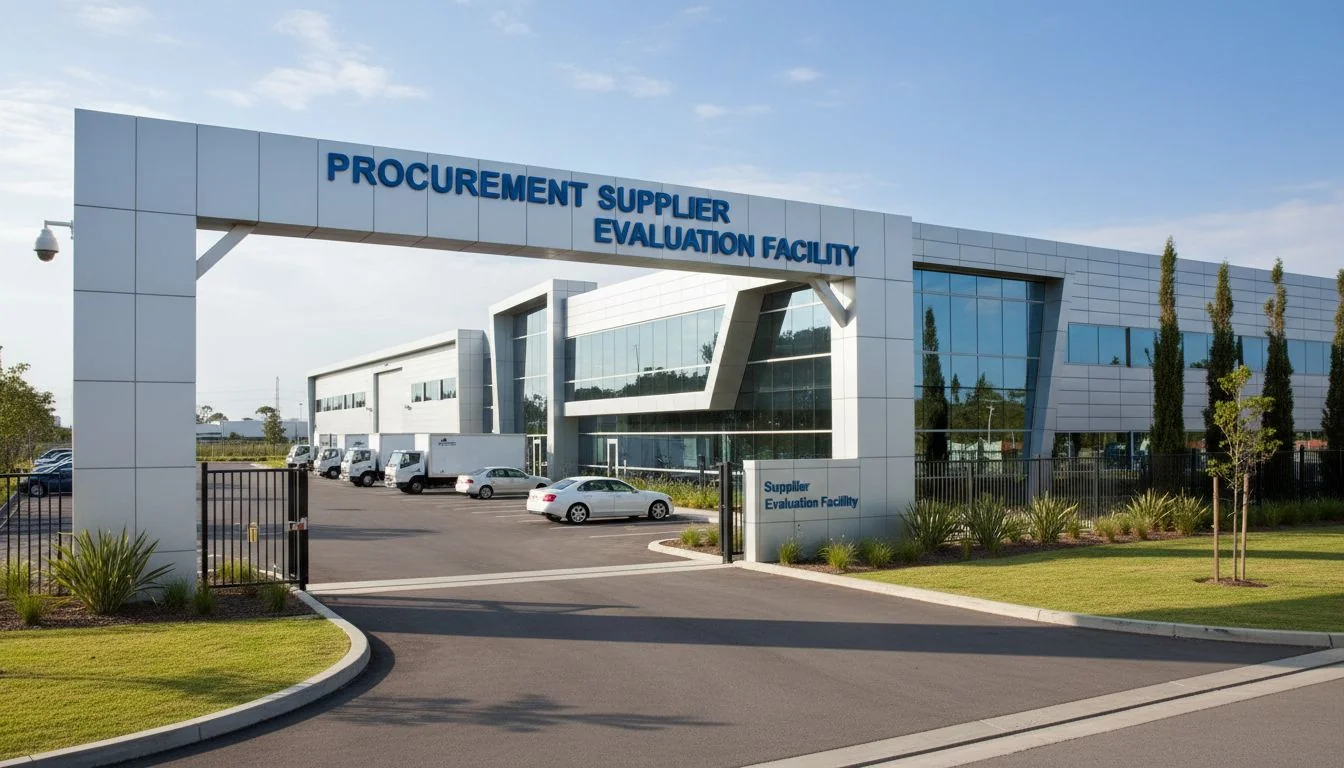
When I started my trading company, I learned that a cheap price often means terrible support. You are not just buying a machine; you are buying a relationship with the supplier.
Non-Medical Procurement Checklist
You need a structured way to compare your options. Do not just look at the upfront cost. Look at the total cost of ownership. How much do the replacement filters cost? How fast can the vendor ship a replacement valve?
| Evaluation Criteria | What to Look For | Why It Matters |
|---|---|---|
| Spare Parts Availability | Local warehouse stock | Reduces machine downtime during repairs |
| Warranty Length | Minimum 1-year full coverage | Protects your facility budget |
| Tech Support | Direct phone line to engineers | Helps internal staff fix minor issues fast |
Ask the supplier for references from other large facilities. Call those facility managers and ask them about the vendor's response time. If a machine breaks on a Friday afternoon, you need to know the supplier will answer the phone. Always get the service level agreement in writing before you issue the purchase order.
The upfront cost of the machine is the only financial factor to consider.Falso
Total cost of ownership, including filters and spare parts, is crucial for budget planning.
Local spare parts availability reduces equipment downtime.Vero
If parts are stored locally, repairs can be completed in days rather than weeks.
Conclusione
Managing facility water systems requires careful planning, strict maintenance, and strong supplier support. By focusing on equipment specifications and clear documentation, you will keep your building operations running smoothly.
References
-
Explore best practices for selecting filtered drinking water systems to ensure efficiency and reliability in facilities. ↩
-
Discover strategies for optimal equipment placement to enhance workflow and accessibility in facility operations. ↩
-
Find out how to accurately plan capacity for water systems to avoid breakdowns and ensure adequate supply. ↩
-
Learn why preventive maintenance is crucial for the longevity and efficiency of water systems in facilities. ↩
-
Get insights on the frequency of filter replacements to maintain optimal performance of water systems. ↩









 English
  Français
  Español
  Italiano
  Deutsch
  Português
  Русский
  العربية
  日本語
日本語  한국어
한국어  Tiếng Việt

