
In our pursuit of providing the best possible environment for our children, we often focus on nutrition, education, and physical safety. However, one critical aspect that frequently goes overlooked is the quality of the air they breathe, especially in places where they spend a significant portion of their day, such as kindergartens and schools. Children, with their developing respiratory systems and higher breathing rates, are particularly vulnerable to the detrimental effects of indoor air pollution. Unlike adults, their smaller airways and immature immune systems make them more susceptible to airborne contaminants. This makes understanding and improving indoor air quality in educational settings not just a matter of comfort, but a fundamental component of safeguarding their health and future. This blog post will delve into why air purifiers are not just a luxury, but an essential tool in creating healthier learning environments for our little ones.
Common Indoor Air Pollutants in Kindergartens
Kindergartens, while designed to be nurturing spaces, can inadvertently become breeding grounds for various indoor air pollutants. These pollutants, often invisible, pose a significant threat to children's delicate respiratory systems. One of the most prevalent culprits is pó, which accumulates rapidly in active environments with many children and activities. This dust often carries alergénios such as dust mites, pollen, and even pêlos de animais that children might bring from home on their clothes. These microscopic particles can trigger allergic reactions and respiratory issues in sensitive individuals.
Beyond visible dust, kindergartens are also susceptible to molde growth, especially in areas with poor ventilation or high humidity. Mold spores are potent allergens and can release mycotoxins, further compromising air quality. Furthermore, the use of certain cleaning supplies, art materials, and even new furniture can release VOCs (Volatile Organic Compounds) into the air. These chemical compounds can cause immediate symptoms like headaches and dizziness, and long-term exposure is linked to more severe health problems.
Perhaps most concerning in a communal setting like a kindergarten is the presence of airborne viruses and bacteria. Children, being in close proximity, can easily transmit respiratory pathogens through coughing, sneezing, and even just breathing. While not typically considered a pollutant in the same vein as dust or mold, these biological agents significantly impact indoor air quality and contribute to the spread of illness. The combination of these factors creates a complex indoor air environment that requires proactive measures to ensure the well-being of young occupants.
Health Implications: Protecting Children's Developing Lungs
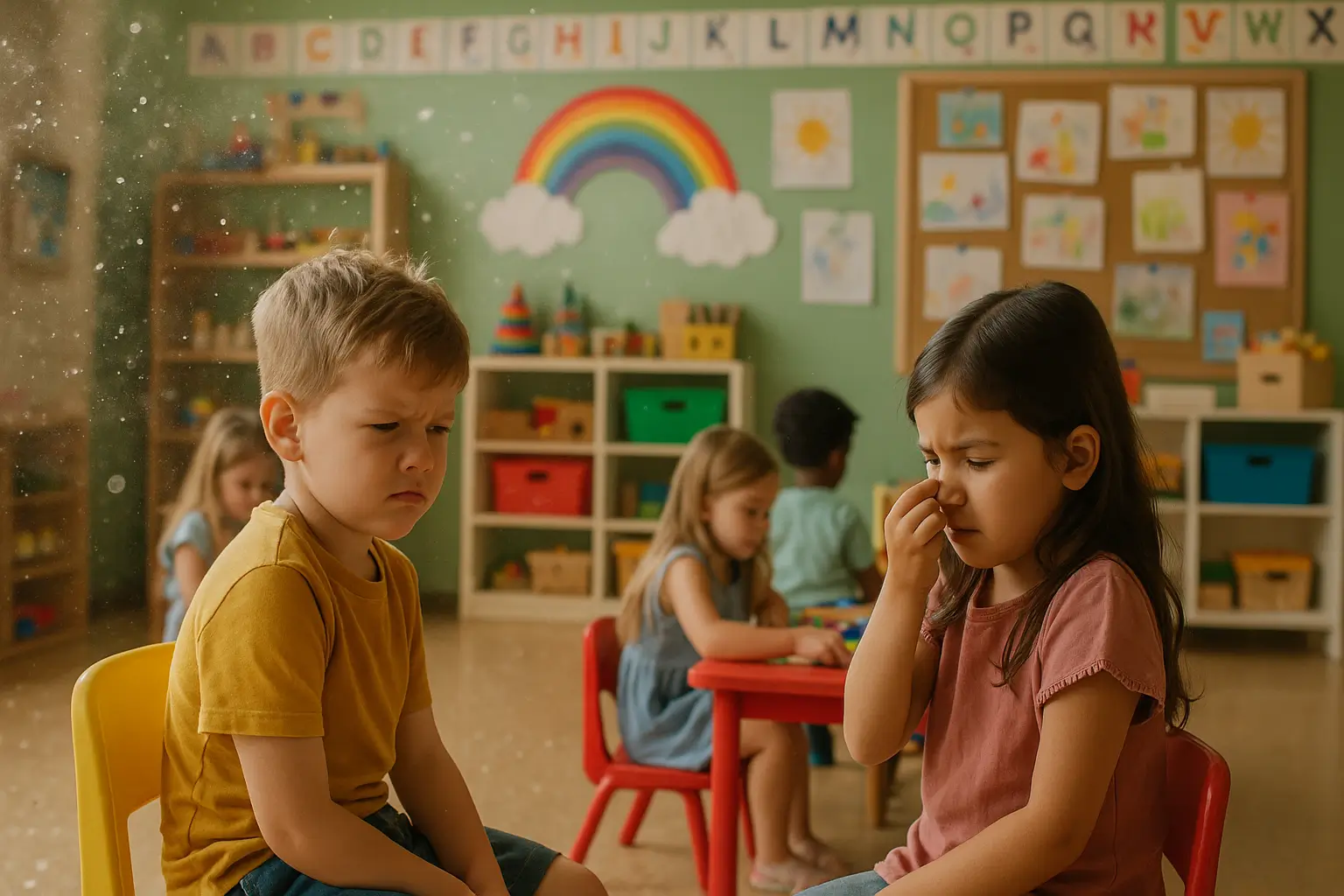
The constant exposure to indoor air pollutants in kindergartens has profound health implications for young children. Their respiratory systems are still developing, making them uniquely susceptible to the harmful effects of poor air quality. One of the most significant concerns is the exacerbation and development of asma. Children exposed to high levels of dust, allergens, and airborne irritants are at a much higher risk of experiencing childhood asthma attacks, characterized by wheezing, coughing, and difficulty breathing. For children already diagnosed with asthma, poor indoor air quality can lead to more frequent and severe episodes, impacting their quality of life and requiring increased medical intervention.
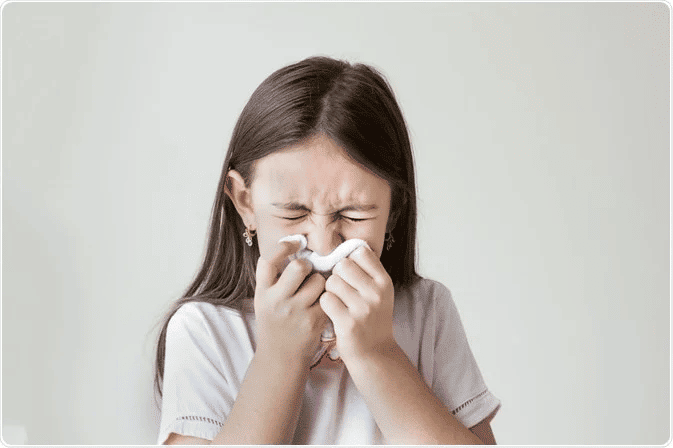
Beyond asthma, alergias are another common consequence. Continuous exposure to allergens like dust mites, pollen, and pet dander can trigger chronic allergic rhinitis, skin rashes, and eye irritation. These allergy symptoms can be disruptive, affecting a child's concentration and overall comfort in the classroom. Furthermore, the presence of airborne viruses and bacteria contributes to a higher incidence of respiratory infections, such as colds, flu, and bronchitis. Frequent infections can lead to missed school days, impacting a child's learning and social development.
The long-term effects are even more concerning. Chronic exposure to indoor air pollution can hinder proper lung development, potentially leading to reduced lung function and an increased risk of chronic respiratory diseases later in life. Studies have also linked poor indoor air quality to decreased cognitive performance, reduced attention spans, and increased absenteeism, all of which can negatively impact a child's educational journey and overall well-being. Prioritizing clean air is therefore crucial for protecting not just their immediate health, but their long-term health and developmental trajectory.
The Role of Air Purifiers in Creating Healthier Learning Environments
Given the myriad of pollutants lurking in kindergarten classrooms, the proactive implementation of purificadores de ar becomes not just beneficial, but essential. These devices play a pivotal role in transforming indoor spaces into healthier learning environments by actively removing harmful particles and gases from the air. At the heart of most effective air purifiers is the HEPA air purifier technology. HEPA (High-Efficiency Particulate Air) filters are designed to capture at least 99.97% of airborne particles 0.3 microns in size, including dust, pollen, mold spores, and pet dander. This highly efficient air filtration system significantly reduces the concentration of common allergens and irritants, providing immediate relief for children with allergies and asthma.
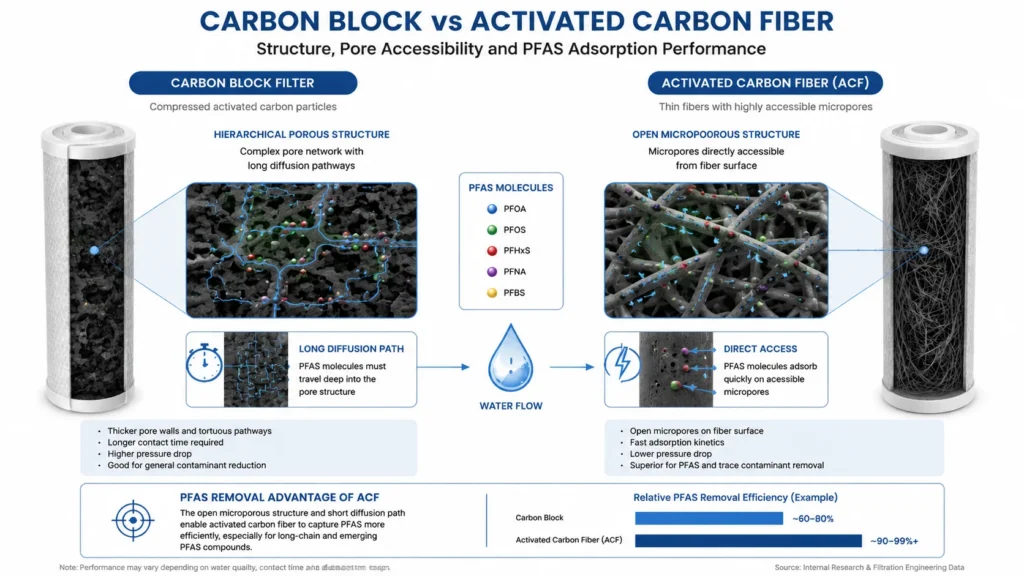
Beyond particulate matter, many advanced air purifiers also incorporate activated carbon filters. These filters are crucial for adsorbing COVs (Volatile Organic Compounds) and other gaseous pollutants, effectively neutralizing odors from cleaning supplies, art materials, and even lingering food smells. By continuously circulating and cleaning the air, these devices contribute to a noticeable improvement in qualidade do ar interior, creating a fresher and more breathable atmosphere for both children and staff.
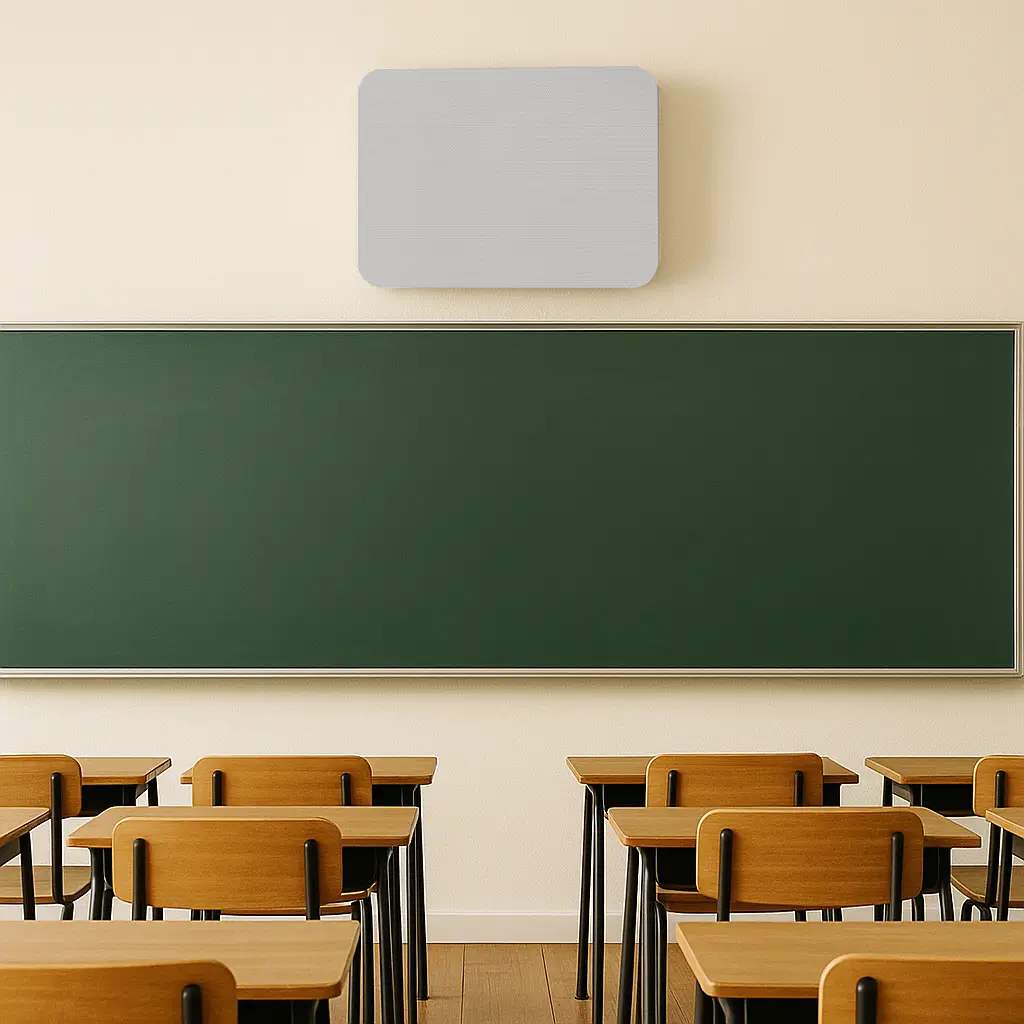
For kindergartens, investing in a classroom air purifier means more than just cleaner air; it translates to tangible benefits for the children. A reduction in airborne viruses and bacteria can lead to fewer instances of respiratory illnesses, resulting in less absenteeism and more consistent learning. When children breathe clean air, they are more comfortable, less prone to allergic reactions, and can focus better on their activities. Ultimately, the strategic placement and consistent use of best air purifier models contribute significantly to a safer, healthier, and more conducive environment for early childhood development.
What to Look for in an Air Purifier for Classrooms
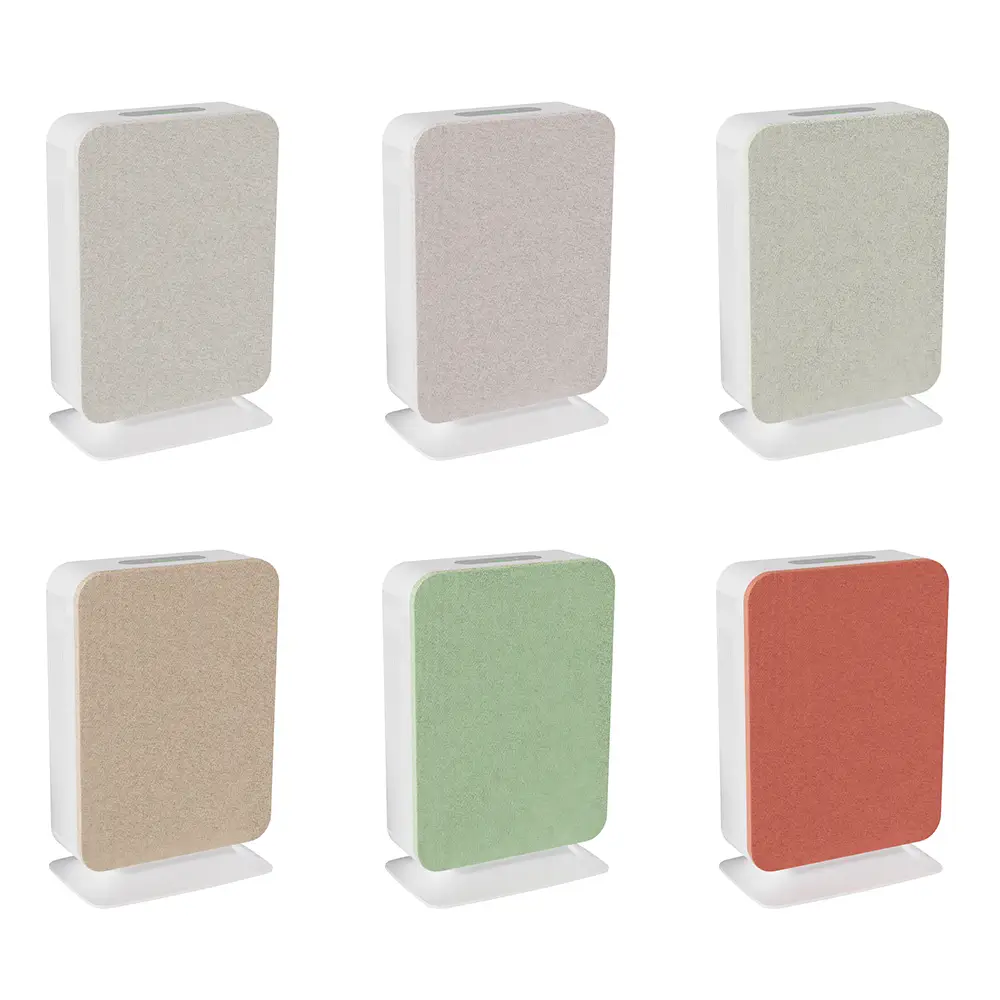
Selecting the right purificador de ar for a kindergarten classroom requires careful consideration, as the needs of a learning environment differ from those of a typical home or office. The primary goal is to ensure maximum effectiveness in improving kindergarten air quality without causing disruption. Here are the key factors to consider when choosing a classroom air purifier:
Firstly, CADR (Clean Air Delivery Rate) is paramount. This metric indicates how quickly the air purifier cleans a room of specific pollutants (smoke, dust, pollen). It's crucial to match the CADR rating to the room size of each classroom. A common recommendation is to ensure the air purifier can achieve at least 5 air changes per hour (ACH) in the given space. This means the purifier can filter all the air in the room five times every hour, providing optimal air purification for active environments.
Secondly, the filter type is critical. A Filtro HEPA is non-negotiable for capturing airborne particles like dust, pollen, mold spores, and pet dander. Look for "True HEPA" filters, which are certified to capture 99.97% of particles as small as 0.3 microns. Additionally, an activated carbon filter is highly recommended for removing gases, odors, and COVs. Some purifiers also include pre-filters to capture larger particles, extending the life of the HEPA filter.
Thirdly, quiet air purifier operation is essential. Classrooms are environments where children need to focus and learn. A noisy air purifier can be a significant distraction, hindering concentration and communication. Look for models with low noise levels, especially at their effective operating speeds. Many manufacturers provide decibel ratings, allowing for informed comparisons.
Other important considerations include energy efficient models, which can help schools manage operational costs. Features like child-locks and the absence of ozone emission are also vital for safety in a kindergarten setting. Finally, consider the maintenance requirements, including the ease and cost of filter replacement. Regular filter changes are necessary to maintain optimal performance, so a user-friendly design and affordable replacement filters are practical benefits. By focusing on these key features, kindergartens can select the best air purifier solutions to effectively address concerns like air purifier for allergies, air purifier for duste air purifier for mold, ensuring a truly clean and healthy learning space.
Successful Implementation: Case Studies and Best Practices
The theoretical benefits of air purifiers in kindergartens are compelling, but real-world examples and best practices truly underscore their impact. Numerous school air quality initiatives across the globe have demonstrated that integrating air purification systems can lead to measurable improvements in student health and academic performance. While specific detailed case studies for kindergartens are often proprietary or localized, the principles of successful implementation are universal and can be adapted to any early childhood setting.
Consider a hypothetical preschool, "Bright Beginnings," which faced recurring issues with seasonal allergies and frequent cold outbreaks among its students. After implementing a comprehensive preschool air quality improvement plan, including the strategic placement of medical-grade HEPA air purifiers in each classroom and common area, they observed significant changes. Within a single academic year, the school reported a noticeable decrease in allergy-related symptoms among children, fewer sick days, and an overall healthier environment. Parents expressed greater confidence in the school's commitment to kindergarten safety, and teachers noted improved student concentration and reduced instances of respiratory discomfort.
Best practices for successful implementation extend beyond simply purchasing air purifiers. They involve a holistic approach:
- Strategic Placement: Air purifiers should be placed in areas where children spend the most time, such as classrooms, nap rooms, and play areas. Optimal placement ensures maximum air circulation and filtration efficiency. Avoid placing them in corners or against walls where airflow might be restricted.
- Continuous Operation: For consistent air quality improvement, air purifiers should operate continuously during school hours, and ideally, even after hours to maintain a clean environment. Many modern units are designed for quiet, 24/7 operation.
- Regular Maintenance: Adhering to the manufacturer's recommendations for filter replacement is crucial. Clogged filters lose their effectiveness and can even become a source of pollutants. Regular cleaning of pre-filters and timely replacement of HEPA and carbon filters ensure the purifiers continue to perform optimally.
- Educating Staff and Parents: Informing teachers, staff, and parents about the importance of indoor air quality and the role of air purifiers fosters a supportive community. This can also encourage good practices, such as minimizing the use of strong chemical cleaners and ensuring proper ventilation when possible.
- Monitoring Air Quality: While not always feasible for every kindergarten, some institutions might consider investing in indoor air quality monitors. These devices can provide real-time data on particulate matter and VOC levels, offering objective evidence of the purifiers' effectiveness and identifying areas that might require additional attention.
By adopting these best practices, kindergartens can ensure that their air quality initiatives are not just a temporary fix but a sustainable commitment to providing a truly healthy and safe learning environment for their youngest learners.
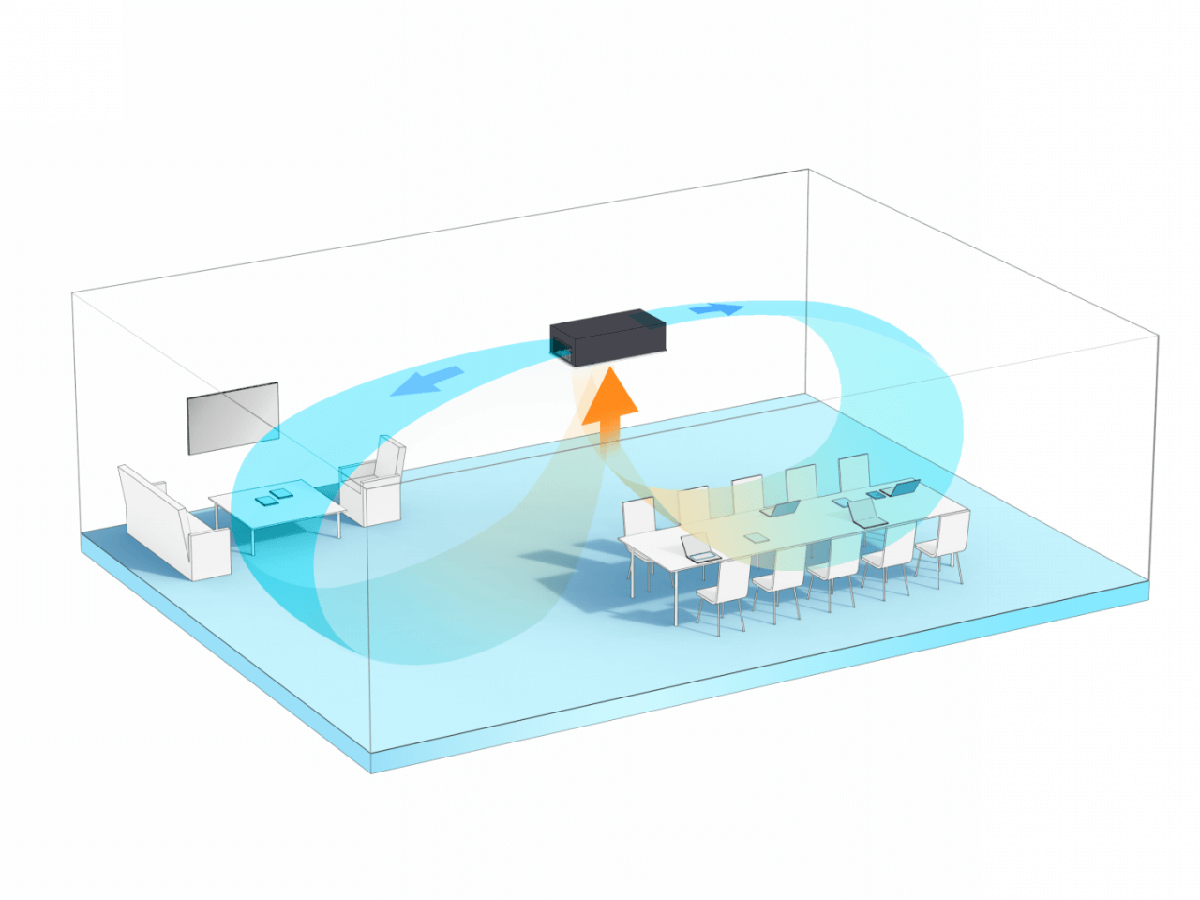
HisoAir is a partner that can provide OEM and ODM services.
Regulations, Recommendations, and the Future of Air Quality in Education
The growing awareness of indoor air quality's impact on children's health has led to increased scrutiny and the development of various regulations and recommendations for educational settings. While specific mandates can vary by region and country, the general trend is towards recognizing and addressing indoor air pollution as a critical public health concern. Organizations like the U.S. Environmental Protection Agency (EPA) and the Centers for Disease Control and Prevention (CDC) have issued guidelines emphasizing the importance of good indoor air quality standards in schools and childcare facilities.
These recommendations often highlight the need for adequate school ventilation, regular maintenance of HVAC systems, and the reduction of indoor pollutant sources. The use of portable air purifiers, particularly those with HEPA filters, is increasingly being recommended as a supplementary measure to improve air quality, especially in older buildings or those with limited natural ventilation. For instance, during the recent global health crisis, many public health bodies explicitly advised schools to deploy HEPA air purifiers in classrooms to help mitigate the spread of airborne pathogens.
The future of air quality in education is likely to see even greater emphasis on proactive measures. As research continues to uncover the long-term effects of early childhood exposure to pollutants, there will be a stronger push for more stringent public health recommendations and potentially new regulations. This could include mandatory air quality monitoring, stricter building codes for new educational facilities, and increased funding for air purification technologies. The integration of smart air quality management systems, which can continuously monitor and adjust ventilation and filtration based on real-time data, may also become more commonplace.
Ultimately, the goal is to embed the concept of clean air as a fundamental right for every child within the educational framework. This shift in perspective will ensure that providing a healthy and safe learning environment extends beyond physical safety and academic curriculum to encompass the very air children breathe. As we move forward, prioritizing indoor air quality will be seen not as an optional enhancement, but as an indispensable component of a holistic approach to child well-being and educational success.
Conclusão
Children’s developing lungs are especially vulnerable to indoor pollutants such as dust, allergens, VOCs, and airborne viruses found in classrooms. These contaminants can trigger asthma, allergies, and respiratory infections, making clean air just as critical to children’s growth as nutritious food and quality education.
Deploying air purifiers with HEPA filters selected for adequate CADR, suitable filter type, and low noise offers an effective safeguard when units are well-placed, run continuously, and properly maintained. Elevating indoor air quality in kindergartens and schools is therefore a core element of holistic child safety, protecting immediate health while nurturing every child’s long-term potential.

 English
  Français
  Español
  Italiano
  Deutsch
  Português
  Русский
  العربية
  日本語
日本語  한국어
한국어  Tiếng Việt

