
In today's health-conscious world, gyms and fitness centers are more than just places to work out; they are sanctuaries for well-being. However, a critical, often overlooked aspect of a truly healthy fitness environment is the quality of its indoor air. When individuals engage in strenuous physical activity, their respiratory rate increases, leading to deeper and more frequent inhalation of airborne particles. This makes the air they breathe even more crucial. A gym with compromised air quality can expose members to a cocktail of pollutants, potentially leading to respiratory issues, reduced performance, and an overall unpleasant experience. This guide will delve into why prioritizing air purification is not just a health imperative but a strategic business advantage for any fitness center looking to thrive.
Sources of Pollution in Gyms: Sweat, Breath, High CO2, Odor
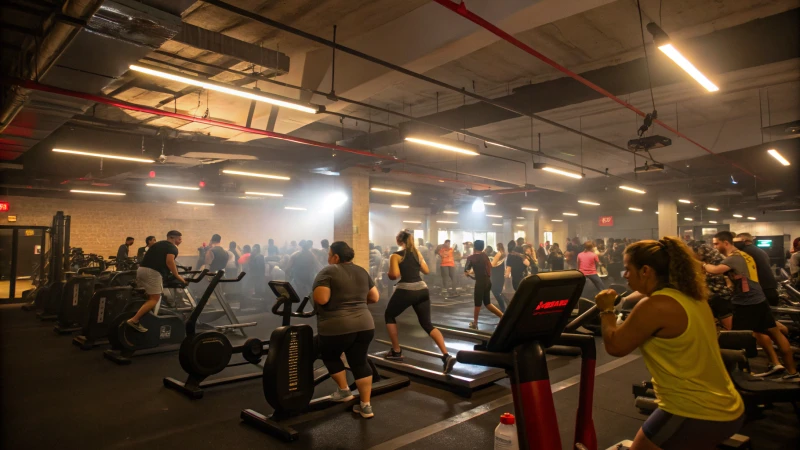
Gyms are unique environments where various factors converge to create a challenging indoor air quality landscape. Unlike typical commercial spaces, fitness centers are characterized by intense physical activity, which significantly contributes to airborne contaminants. Let's break down the primary sources of pollution:
Sweat and Skin Particles
When members push their limits, sweat and microscopic skin particles are released into the air. These organic materials can become airborne, contributing to dust and acting as a breeding ground for bacteria and mold if not properly managed. While invisible to the naked eye, these particles can irritate respiratory systems and contribute to unpleasant odors.
Exhaled Breath and Bio-effluents
Every breath exhaled by a gym-goer contains bio-effluents, including volatile organic compounds (VOCs) and other metabolic byproducts. In a crowded gym, the sheer volume of exhaled air can quickly elevate the concentration of these compounds, leading to a stale, heavy atmosphere. This is particularly true during peak hours or in enclosed spaces like group exercise studios.
Elevated Carbon Dioxide (CO2) Levels
High occupancy and vigorous activity lead to a rapid increase in carbon dioxide levels. While CO2 itself is not a direct toxin at typical indoor concentrations, elevated levels are a strong indicator of inadequate ventilation. High CO2 can cause drowsiness, headaches, and a feeling of stuffiness, directly impacting members' comfort and workout performance. Imagine trying to hit a personal best when you're feeling sluggish due to poor air circulation. This is a common pain point for gym members and a clear sign that the air quality needs attention.
Persistent Odors
Gyms are notorious for their distinct odors, a combination of sweat, cleaning products, and general human activity. These odors are often caused by VOCs and other airborne chemicals. Beyond being off-putting, persistent odors can signal underlying air quality issues and deter potential members. A fresh-smelling gym, on the other hand, immediately conveys cleanliness and care, enhancing the overall member experience.
Cleaning Products and Equipment Emissions
The very products used to keep a gym clean can also contribute to indoor air pollution. Many conventional cleaning agents release VOCs into the air. Furthermore, new gym equipment, flooring, and even certain building materials can off-gas chemicals, adding to the indoor air burden. This highlights the need for a holistic approach to air quality, considering all potential sources of contamination.
Member Expectations Post-COVID
The COVID-19 pandemic fundamentally shifted public perception of indoor air quality. What was once an abstract concept is now a tangible concern for many. Gym members, in particular, are more aware and demanding of clean, safe environments. This heightened awareness presents both a challenge and an opportunity for fitness centers.
Increased Health and Safety Consciousness
Post-COVID, individuals are acutely aware of airborne pathogens and the importance of ventilation. They are actively seeking assurances that the spaces they frequent are taking proactive measures to protect their health. For gyms, this translates into a direct expectation for superior air quality. Members want to know that the air they breathe during their workouts is free from viruses, bacteria, and other harmful particles. This is no longer a luxury but a baseline expectation.
Transparency and Communication
Members are not just looking for clean air; they are looking for transparency. Gyms that openly communicate their air purification strategies, the types of systems they use, and the benefits these systems provide will build greater trust and confidence. This could include displaying information about air changes per hour (ACH), filter types (e.g., HEPA, MERV-13), and the technologies employed (e.g., UV-C, bipolar ionization).
Demand for Visible Solutions
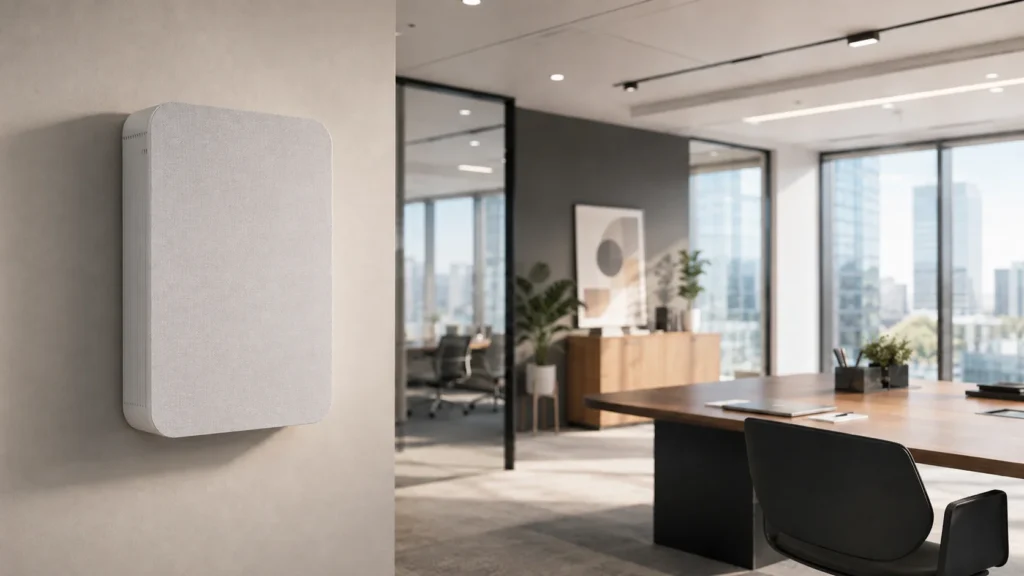
While some air purification systems are integrated into HVAC, many members appreciate visible signs of clean air efforts. This could be standalone air purifiers strategically placed throughout the facility or clear signage explaining the air quality measures in place. Visible solutions reassure members that their health is a top priority, fostering a sense of security and comfort. This directly addresses the psychological aspect of returning to shared spaces post-pandemic.
Vantagem competitiva
In a competitive fitness market, superior air quality can be a significant differentiator. Gyms that invest in advanced air purification systems can market themselves as safer, healthier alternatives, attracting new members and retaining existing ones. This investment is not merely an expense; it's a strategic move that enhances brand reputation and member loyalty.
Best Air Purifier Types for Fitness Centers
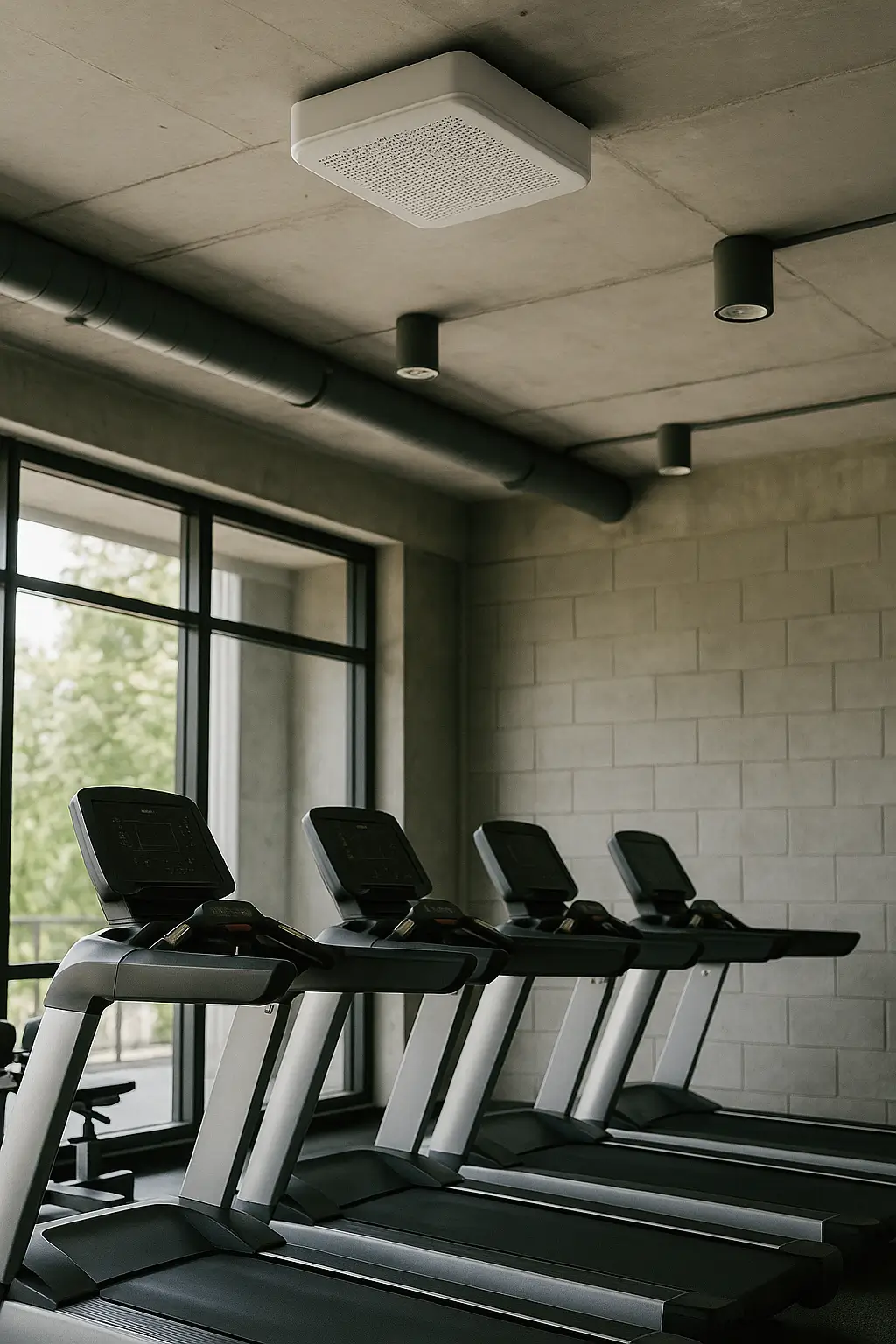
Escolher o melhor air purification system for a gym requires careful consideration of various technologies and their effectiveness against the specific pollutants found in fitness environments. It is recommended to focus on systems that offer robust filtration and advanced purification methods.
Filtragem HEPA
High-Efficiency Particulate Air (HEPA) filters are the gold standard for capturing airborne particles. They are designed to trap 99.97% of particles 0.3 microns in size, including dust, pollen, mold spores, bacteria, and even some viruses. For gyms, HEPA filters are crucial for removing sweat particles, skin flakes, and other biological contaminants. When considering HEPA, look for true HEPA filters, not just "HEPA-type" or "HEPA-like" filters, which may not offer the same level of filtration.
Activated Carbon Filtration
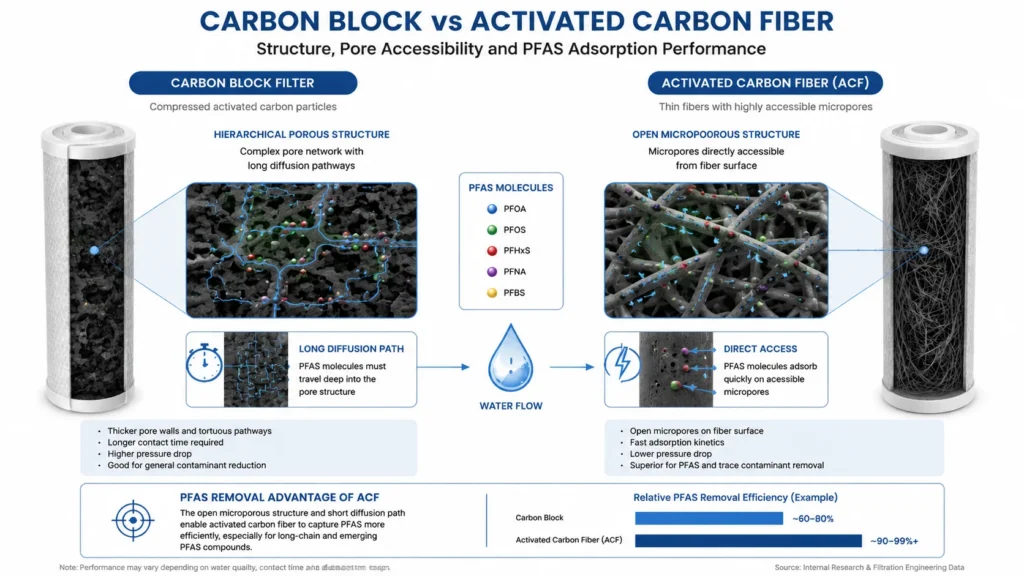
While HEPA filters excel at capturing particles, they are not effective against gases, odors, and volatile organic compounds (VOCs). This is where activated carbon filtration comes in. Activated carbon is highly porous and can absorb a wide range of gaseous pollutants, including those responsible for gym odors (sweat, cleaning chemicals) and bio-effluents from exhaled breath. For a gym environment, a combination of HEPA and activated carbon is essential for comprehensive air purification.
UV-C Sterilization
Ultraviolet-C (UV-C) light is a proven technology for inactivating airborne microorganisms, including bacteria, viruses, and mold spores. Integrating UV-C lamps into an air purification system provides an additional layer of defense against pathogens, which is particularly important in high-traffic, high-exertion environments like gyms. This technology directly addresses post-COVID member concerns about airborne disease transmission.
Ionização bipolar
Bipolar ionization technology releases charged ions into the air that attach to airborne particles, making them larger and easier for filters to capture. It can also help to neutralize some VOCs and odors. While it can be a beneficial addition, it's important to ensure that the system is ozone-free, as ozone can be a respiratory irritant.
Air Changes Per Hour (ACH) and Clean Air Delivery Rate (CADR)
Beyond the type of filtration, the effectiveness of an air purifier in a gym depends on its capacity to clean the air in a given space. This is measured by Air Changes Per Hour (ACH) and Clean Air Delivery Rate (CADR). ACH indicates how many times the entire volume of air in a room is replaced or filtered per hour. For gyms, a higher ACH is generally recommended due to the increased pollutant load. CADR measures how quickly an air purifier removes pollutants from the air. When selecting units, consider the square footage of each area within the gym (e.g., main workout floor, studios, locker rooms) and choose purifiers with appropriate CADR ratings to ensure adequate coverage.
Case Study: Gym that Improved Member Satisfaction with Clean Air
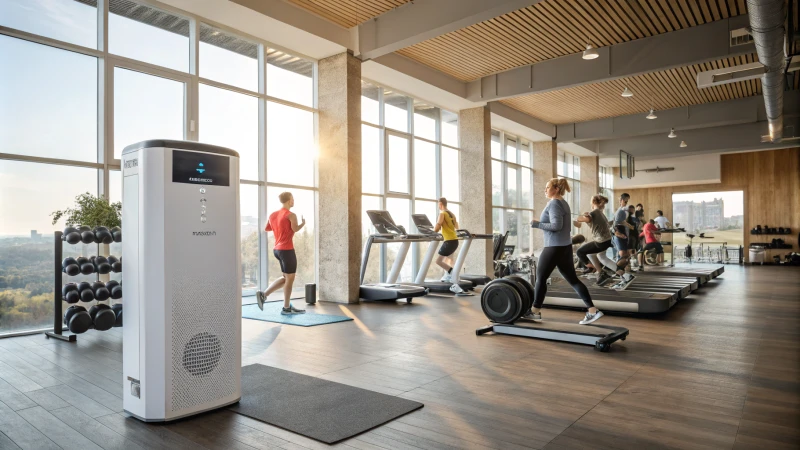
Let's look at a hypothetical yet illustrative example of a gym that successfully leveraged air purification to enhance member satisfaction and business growth. "The Peak Performance Gym," a mid-sized fitness center in a bustling urban area, faced declining membership and negative online reviews, with many citing a "stuffy" and "unpleasant" atmosphere.
Recognizing the critical role of indoor air quality, the management of The Peak Performance Gym partnered with an IAQ solutions provider. After a thorough assessment, they implemented a comprehensive air purification strategy that included:
- Installation of commercial-grade HEPA and activated carbon air purifiers: Strategically placed units with high CADR ratings were installed across the main workout floor, group exercise studios, and locker rooms. These units were chosen for their ability to tackle both particulate matter and odors effectively.
- Integration of UV-C technology: Existing HVAC systems were retrofitted with UV-C lights to continuously sterilize circulating air, providing an extra layer of protection against airborne pathogens.
- CO2 monitoring: Real-time CO2 monitors were installed to provide immediate feedback on ventilation effectiveness, allowing staff to adjust air circulation as needed during peak hours.
- Transparent communication: The gym launched a campaign to inform members about their new air quality initiatives. Signage explained the technology, and staff were trained to answer questions about the benefits of clean air. They even displayed real-time air quality readings in the lobby.
The results were remarkable. Within six months, The Peak Performance Gym saw a significant turnaround:
- Membership increased by 25%: New members cited the "fresh and clean" environment as a primary reason for joining.
- Member retention improved by 15%: Existing members reported a more comfortable and enjoyable workout experience, leading to higher satisfaction and fewer cancellations.
- Positive online reviews surged: Testimonials frequently highlighted the improved air quality, with members praising the gym's commitment to their health.
- Reduced complaints about odors and stuffiness: The persistent issues that plagued the gym were virtually eliminated.
This case study underscores that investing in advanced air purification is not just an operational cost but a powerful marketing tool and a direct driver of member satisfaction and business success.
Cost, Coverage, and ROI Considerations
Implementing a robust air purification system in a gym is an investment, and like any business decision, it requires a careful analysis of costs, coverage, and return on investment (ROI).
Initial Investment Costs
The cost of air purification systems can vary widely depending on the technology, capacity, and number of units required. Commercial-grade HEPA and activated carbon units, especially those with integrated UV-C, will have a higher upfront cost than smaller, residential-grade purifiers. Factors influencing cost include:
- Square footage of the facility: Larger gyms require more powerful units or a greater number of units.
- Ceiling height: Higher ceilings mean a larger air volume to purify.
- Occupancy levels: Gyms with high peak-hour attendance will need more robust systems.
- Desired ACH: Achieving a higher air change rate often requires more powerful or numerous units.
It's crucial to consider the total cost of ownership, including installation, filter replacement, and energy consumption. While some competitor brands might offer cheaper initial units, their filters may need frequent replacement (e.g., every few months), leading to higher long-term operational costs.
Coverage and Placement
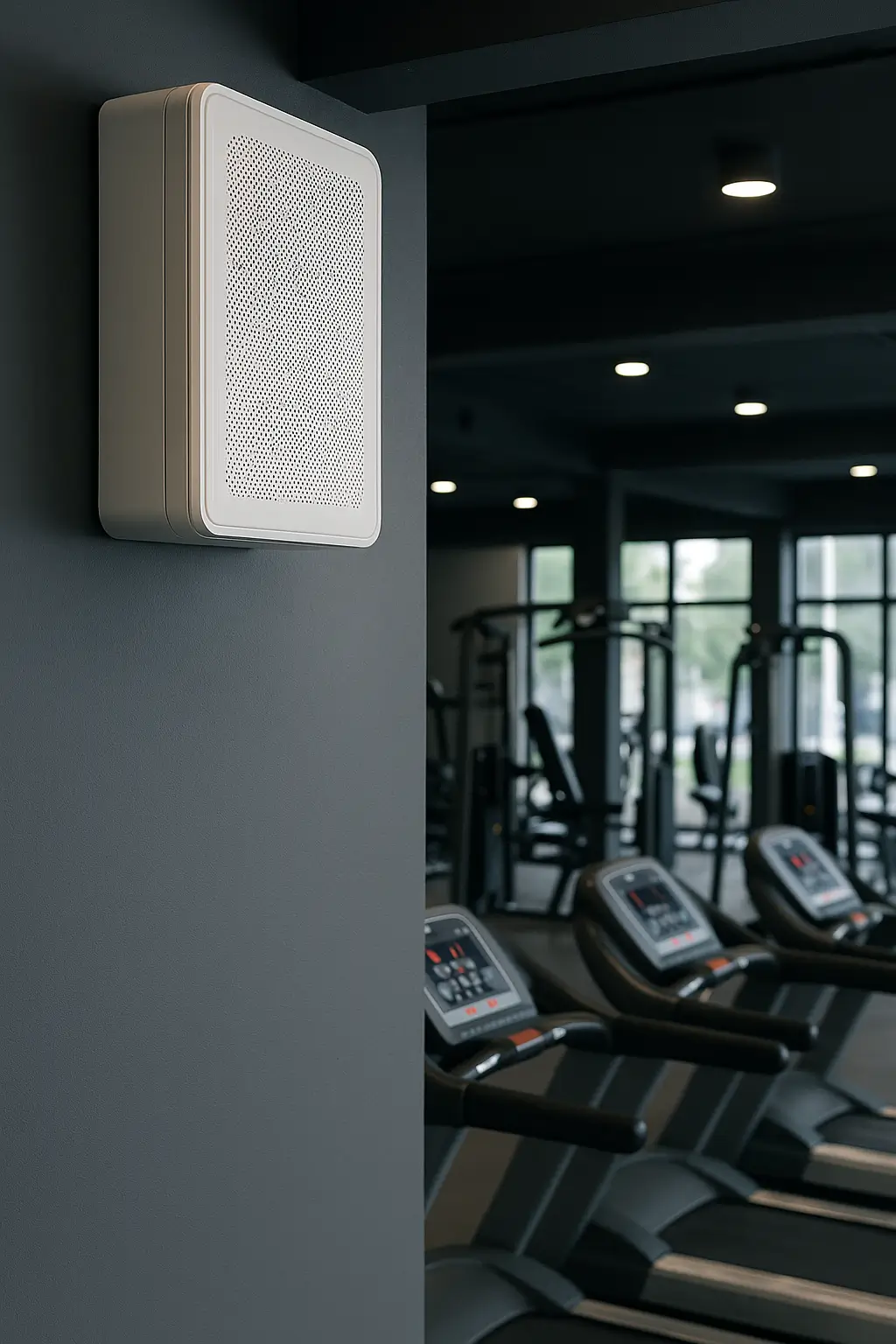
Effective air purification is not just about buying powerful units; it's about strategic placement and ensuring adequate coverage throughout the entire facility. A common mistake is to place a few large units in open areas and neglect smaller, enclosed spaces. Each area of the gym—from the main workout floor and cardio zones to weightlifting areas, group class studios, locker rooms, and even reception areas—has unique air quality challenges and requires tailored solutions. A comprehensive plan should consider:
- Zoning: Dividing the gym into different zones based on activity level and pollutant sources.
- Airflow patterns: Understanding how air circulates within the space to optimize purifier placement.
- Noise levels: Ensuring that purifiers operate quietly, especially in areas where focus and concentration are important (e.g., yoga studios, personal training zones).
Return on Investment (ROI)
The ROI of investing in gym air purification extends beyond immediate cost savings and encompasses several key areas:
- Increased Membership and Retention: As demonstrated in the case study, improved air quality directly translates to higher member satisfaction, leading to increased sign-ups and reduced churn. This is a direct revenue driver.
- Enhanced Brand Reputation: A gym known for its commitment to health and safety builds a strong, positive brand image, attracting a premium clientele and fostering loyalty. This can lead to positive word-of-mouth marketing and a stronger market position.
- Reduced Absenteeism (Staff and Members): Cleaner air can lead to fewer respiratory illnesses among both staff and members, reducing sick days for employees and ensuring consistent attendance from clients. This contributes to operational efficiency and a more vibrant gym community.
- Compliance and Regulatory Adherence: As awareness of indoor air quality grows, so too might regulations. Proactive investment ensures compliance and avoids potential penalties.
- Improved Workout Performance: When members breathe cleaner air, they can perform better, leading to a more satisfying workout experience and greater adherence to their fitness goals. This reinforces the value proposition of the gym.
Conclusão
In the competitive landscape of the fitness industry, providing an exceptional member experience is paramount. While state-of-the-art equipment and diverse class offerings are important, the invisible element of indoor air quality is increasingly becoming a decisive factor. As we've explored, gyms are unique environments prone to various airborne pollutants, from bio-effluents and odors to elevated CO2 levels and even pathogens. The post-COVID era has only amplified the public's awareness and demand for healthier indoor spaces, making air purification no longer a luxury but a fundamental necessity.
Investing in advanced air purification systems—featuring robust HEPA filtration, activated carbon for odor and VOC removal, and supplementary technologies like UV-C sterilization—is a strategic imperative for any gym aiming for long-term success. The benefits are clear: improved member health and comfort, enhanced workout performance, increased satisfaction and retention, and a stronger brand reputation.
Ultimately, when gym members breathe clean air, they not only enjoy better workouts but also become happier, more loyal clients. This creates a virtuous cycle where a commitment to indoor air quality directly fuels business growth and fosters a thriving fitness community. Make clean air your gym's competitive edge, and watch your membership—and your success—soar.


 English
  Français
  Español
  Italiano
  Deutsch
  Português
  Русский
  العربية
  日本語
日本語  한국어
한국어  Tiếng Việt

