
In the competitive world of food and beverage, success is often measured by the exquisite flavors on the plate, the captivating ambiance, and the impeccable service. Yet, there's an invisible, often overlooked, element that profoundly shapes a diner's experience and, consequently, their loyalty: the quality of the air they breathe. Imagine stepping into a restaurant, the aroma of freshly prepared dishes wafting through the air, the gentle hum of conversation, and a sense of immediate comfort. This initial impression, subtly influenced by the very air, sets the stage for the entire dining journey. Indoor Air Quality (IAQ) acts as a silent, yet powerful, determinant of guest satisfaction, influencing everything from their appetite to their willingness to return. So, what truly defines a memorable dining experience beyond exquisite food? It's the holistic sensory journey, where even the air contributes to an unforgettable impression.
The Invisible Threat: Understanding Indoor Air Pollution in Restaurants
While the culinary delights are the star of any restaurant, an unseen adversary often lurks in the background: indoor air pollution. Restaurants, by their very nature, are hotspots for various airborne contaminants, posing a significant challenge to maintaining a pristine dining environment. The primary sources of this invisible threat are multifaceted. Cooking fumes, laden with grease, smoke, and volatile organic compounds (VOCs), are a major culprit, especially from high-temperature cooking methods like grilling and frying. A 2022 study by the EPA, for instance, found that commercial kitchens can have PM2.5 levels up to ten times higher than outdoor air [1]. Beyond the kitchen, cleaning chemicals used to maintain hygiene release additional VOCs, which can linger in poorly ventilated spaces. Crowded dining areas contribute to elevated carbon dioxide (CO2) levels, leading to feelings of stuffiness, fatigue, and even cognitive sluggishness in both customers and staff. Furthermore, outdoor pollutants can easily seep into the restaurant, particularly in urban settings or if ventilation systems are outdated. Even furniture and decor, such as carpets, upholstery, and paints, can emit VOCs over time, subtly degrading the air quality.
The health implications of prolonged exposure to these indoor pollutants are considerable, affecting both guests and staff. Diners may experience headaches, breathing problems, or allergies, which can lead them to question the establishment's overall quality and hygiene standards. For staff, who spend hours in these environments, the risks are even higher, including increased absenteeism and long-term respiratory issues. This constant exposure to a cocktail of contaminants directly impacts perception. Stale air, lingering food odors, or even the faint smell of cleaning products can create a negative impression, subtly undermining the otherwise perfect dining experience. This can lead to a decrease in customer satisfaction, negative reviews, and ultimately, a reluctance to return. So, what hidden factors might be silently detracting from your restaurant's ambiance? Often, it's the very air your patrons breathe.

The Business Case for Clean Air: Enhancing Guest Satisfaction and Driving Loyalty
In an industry where every detail counts, investing in superior indoor air quality is no longer a luxury but a strategic imperative. The business case for clean air in restaurants is compelling, directly translating into enhanced guest satisfaction, increased loyalty, and a stronger bottom line. When the air is clean and fresh, guests experience improved comfort and well-being. They tend to stay longer, feel more relaxed, and can fully immerse themselves in their meals without the distraction of unpleasant odors or stuffiness. This heightened comfort directly contributes to a more enjoyable and memorable dining experience, fostering a positive emotional connection with your establishment.
This positive experience inevitably leads to positive reviews and enthusiastic word-of-mouth recommendations. In today's digital age, online reviews on platforms like Yelp and Google are paramount. A restaurant known for its fresh, clean environment will naturally garner higher ratings and more glowing testimonials, attracting new customers and reinforcing the choice of existing ones. This creates a virtuous cycle: better air leads to better experiences, which leads to better reviews, and ultimately, to increased patronage. Furthermore, clean air significantly benefits your most valuable asset: your staff. Reduced exposure to airborne pollutants translates to improved staff health, fewer sick days, and boosted morale. A healthy and happy team is a productive team, leading to better service, reduced turnover, and a more harmonious working environment.
Beyond immediate comfort and operational benefits, prioritizing indoor air quality offers a powerful opportunity for brand differentiation. In a crowded market, positioning your restaurant as a health-conscious and guest-centric establishment sets you apart. It signals a commitment to excellence that extends beyond the menu, demonstrating a holistic approach to hospitality. This focus on wellness resonates deeply with today's discerning consumers, who are increasingly aware of the importance of healthy environments. So, how can investing in air quality directly translate into tangible business benefits? By creating an environment where every breath is as enjoyable as every bite, you cultivate a loyal customer base and build a reputation for unparalleled quality and care.
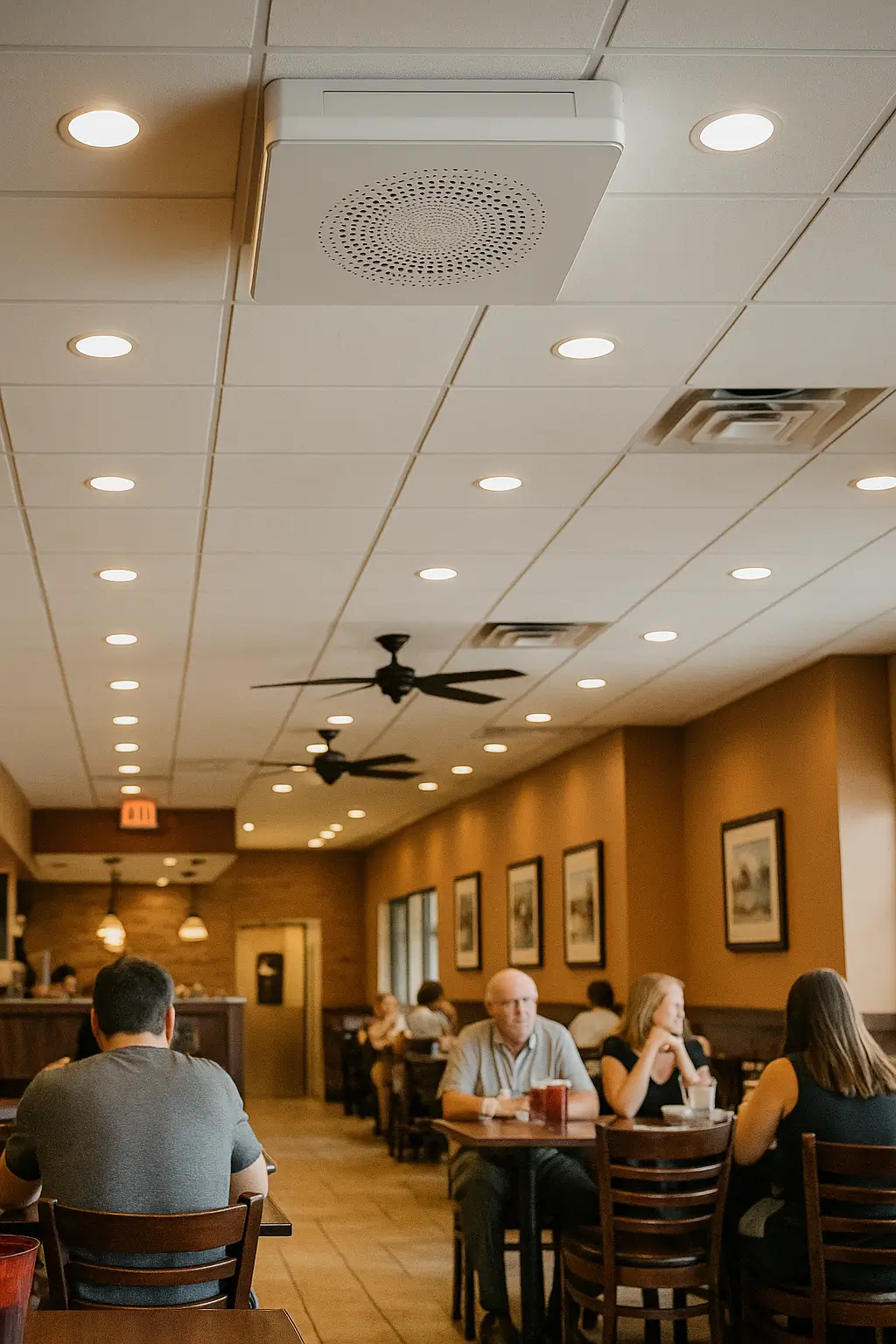
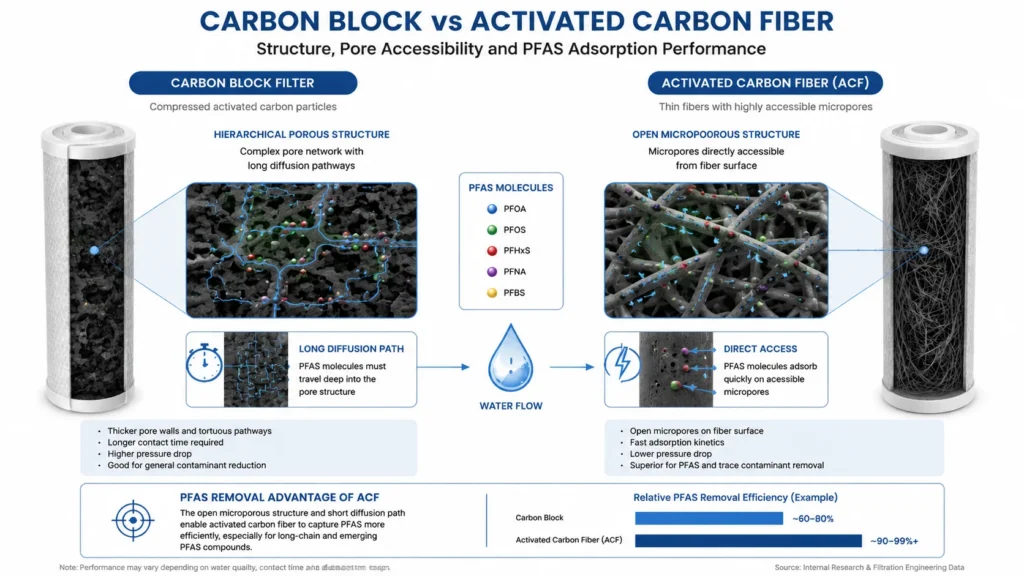
With a clear understanding of the importance of indoor air quality, the next step is to navigate the various air purification solutions available and select the one that best suits your restaurant's unique needs. The market offers a range of technologies, each with its own strengths and applications. The most common and effective technologies include HEPA filters, which are highly efficient at capturing particulate matter like dust, pollen, and pet dander; Activated Carbon filters, which excel at absorbing odors, VOCs, and smoke; and UV-C light, which can be used to neutralize bacteria and viruses. The choice of technology, or a combination thereof, will depend on the specific pollutants you need to address in your restaurant.
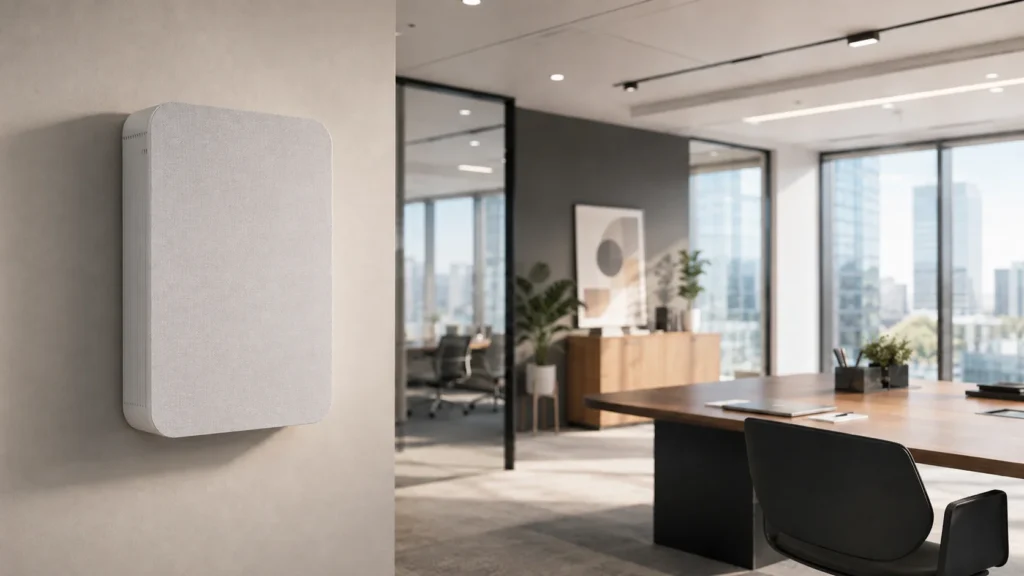
Sizing and placement are also critical factors to consider. The Clean Air Delivery Rate (CADR) is a key metric that indicates how quickly a purifier can clean a room of a certain size. It's essential to calculate the CADR required for your dining areas and kitchen to ensure adequate air circulation. Strategic placement of purifiers is equally important to maximize airflow and coverage, ensuring that all areas of the restaurant benefit from clean air. Different areas of the restaurant will have different needs. For instance, the kitchen will require a more robust solution to handle cooking fumes, while the dining area may prioritize quiet operation and aesthetic integration. The layout of your restaurant, whether it's an open-plan space or has segmented areas, will also influence the type and number of purifiers needed. You can choose from standalone units, which offer flexibility and are easy to install, or integrated HVAC solutions, which provide a more comprehensive and centralized approach to air purification. For larger establishments, commercial-grade systems may be the most effective option.
To help you make an informed decision, here's a comparison of different air purification technologies:
| Tecnologia | Prós | Contras | Best Use Cases for Restaurants |
|---|---|---|---|
| Filtros HEPA | Highly effective at removing particulate matter (PM2.5, PM10), allergens, and dust. | Do not remove odors, gases, or VOCs. Filters need regular replacement. | Dining areas, especially for restaurants in dusty or high-pollen areas. |
| Filtros de carvão ativado | Excellent at absorbing odors, VOCs, and smoke. | Less effective against particulate matter. Filters need regular replacement. | Kitchens, bars, and smoking areas (if applicable). |
| Luz UV-C | Kills bacteria, viruses, and mold spores. | Ineffective against particulate matter, odors, or gases. Requires careful installation to avoid direct exposure. | Integrated into HVAC systems to sterilize the air as it circulates. |
| Ionic Purifiers | Can remove very fine particles from the air. | May produce ozone, which can be a respiratory irritant. Less effective than HEPA filters for larger particles. | Best used in combination with other technologies and in well-ventilated areas. |
What are the essential considerations when selecting an air purification system for a commercial setting? It's a combination of understanding your specific needs, choosing the right technology, and ensuring proper sizing and placement to create a healthy and inviting environment for your guests and staff.

Real-World Impact: Case Studies of Restaurants Transformed by Clean Air
The theoretical benefits of air purification are compelling, but real-world examples truly underscore its transformative power. Across the globe, restaurants are discovering that investing in clean air is not just a cost, but a powerful catalyst for enhanced customer satisfaction and business growth. Consider the case of a gourmet restaurant in Atlanta that, despite its exquisite menu, was struggling with inconsistent customer feedback related to lingering cooking odors. After implementing an advanced ventilation and air filtration system, the restaurant saw a significant improvement in guest comments, with many praising the fresh and pleasant atmosphere. This led to a noticeable increase in customer loyalty and a substantial influx of new patrons, drawn by positive online reviews highlighting the improved ambiance [2]. This demonstrates how a targeted investment in air quality can directly impact a restaurant's reputation and bottom line.
Another compelling example comes from a local bistro, also in Atlanta, which faced complaints about stuffiness and occasional unpleasant smells. Instead of a full system overhaul, they focused on a rigorous, regular maintenance program for their existing ventilation systems, coupled with the strategic placement of commercial-grade air purifiers. The results were immediate and impactful1: a marked increase in customer satisfaction and a significant reduction in complaints related to odors and air quality. This highlights that even incremental improvements and diligent maintenance can yield substantial benefits. These success stories are not isolated incidents; they reflect a growing trend where restaurants are leveraging improved IAQ to create a competitive advantage.
While specific quantitative data like direct revenue increases are often proprietary and hard to come by publicly, the qualitative feedback consistently points to longer dwell times, higher repeat visit rates, and improved online review scores. Customers are increasingly discerning, and a clean, fresh environment is becoming as important as the food itself. Beyond individual establishments, even large chains are recognizing the importance of air quality. Chipotle, for instance, announced plans to replace gas grills with electric stoves in 100 locations, a move aimed at cutting greenhouse gas emissions and improving qualidade do ar interior 2. This large-scale commitment from a major player underscores the industry-wide shift towards prioritizing cleaner air. Can a simple investment in air quality truly revolutionize a restaurant's success? These case studies suggest a resounding yes, proving that a breath of fresh air can indeed lead to a breath of fresh business.
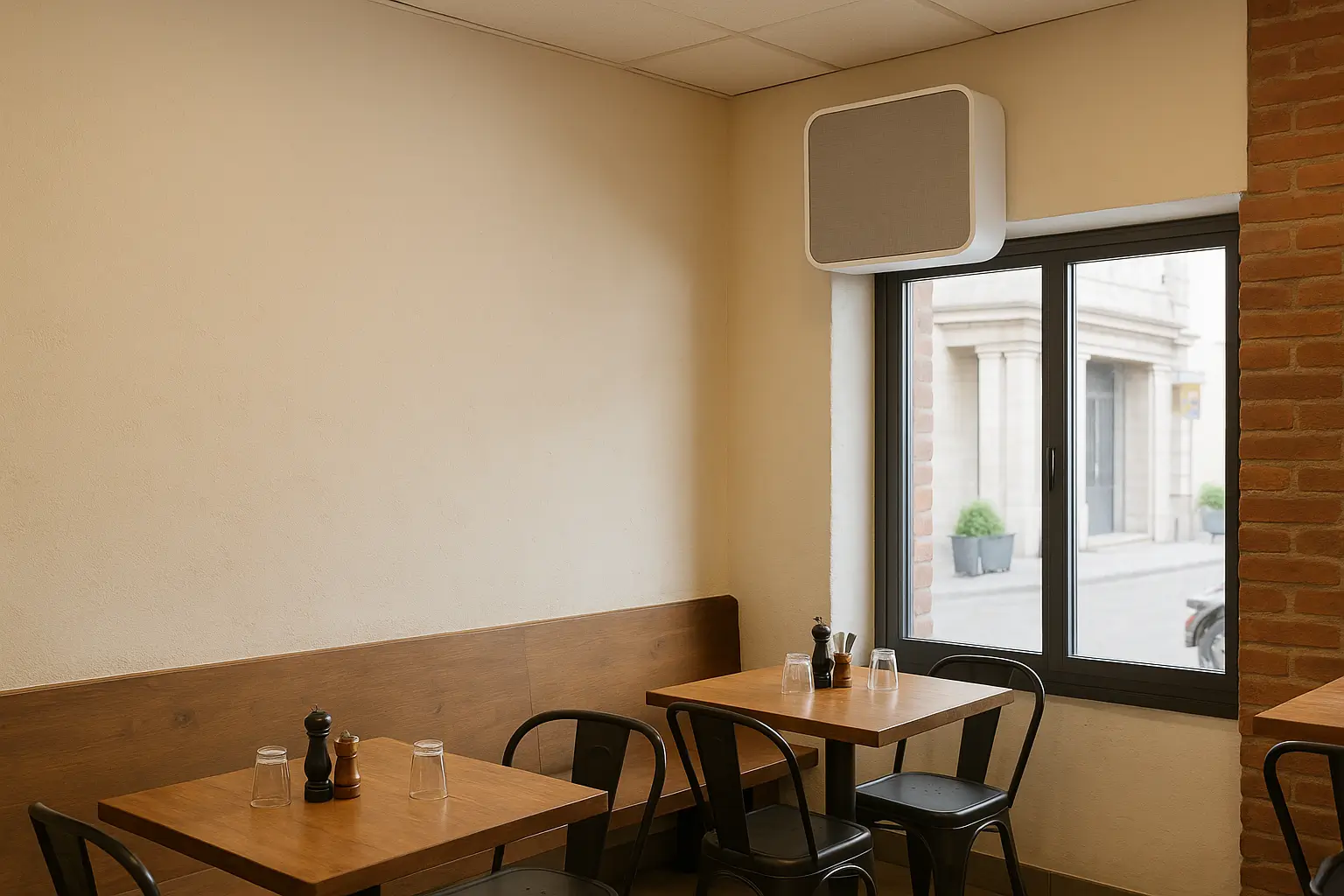
Seamless Integration: Practical Tips for Deploying and Maintaining Air Purifiers
Implementing an air purification system in your restaurant goes beyond simply purchasing units; it requires thoughtful integration and consistent maintenance to ensure optimal performance and a seamless experience for both guests and staff. Strategic placement is paramount. Air purifiers should be positioned to maximize their effectiveness without disrupting the restaurant's aesthetics or workflow. Consider areas with high foot traffic, near cooking stations, or in dining areas where odors might linger. For instance, placing units discreetly in corners or near ventilation returns can help circulate purified air efficiently. It's also crucial to ensure that the units are not obstructed by furniture or decor, which could impede airflow and reduce their efficacy.
Regular maintenance is another non-negotiable aspect of effective air purification. Filters, especially HEPA and activated carbon filters, have a finite lifespan and must be replaced according to the manufacturer's recommendations. Neglecting filter replacement can lead to reduced performance, increased energy consumption, and even the recirculation of pollutants. Establishing a clear schedule for filter changes and routine cleaning of the units will ensure consistent air quality. Furthermore, staff training is vital. Educate your employees on the importance of air quality, how the air purification system works, and their role in its basic operation and maintenance. This empowers them to be proactive in identifying potential issues and reinforces the restaurant's commitment to a healthy environment.
Finally, consider integrating Indoor Air Quality (IAQ) monitors into your system. These devices provide real-time data on various pollutants, allowing you to track air quality levels and make informed decisions. Displaying this data, or simply making guests aware of your monitoring efforts, can further demonstrate your commitment to their well-being and build trust. This transparency can be a powerful marketing tool, reassuring customers that their comfort and health are a top priority. By meticulously planning placement, adhering to maintenance schedules, training staff, and leveraging IAQ monitoring, restaurant owners can seamlessly integrate air purification into their operations, turning clean air into a tangible asset for customer satisfaction and brand value.
Conclusão
In the dynamic and competitive landscape of the restaurant industry, success hinges on creating an exceptional dining experience that captivates and retains customers. While culinary excellence and inviting ambiance are undoubtedly crucial, the often-overlooked element of indoor air quality has emerged as a powerful differentiator and a strategic investment. As we have explored, air purifiers are far more than just an operational expense; they are a vital tool for enhancing every facet of the dining journey, from the moment a guest steps through the door to their lasting memories of your establishment.
By proactively addressing airborne pollutants, unpleasant odors, and stale air, restaurants can cultivate an environment that promotes comfort, well-being, and an unadulterated appreciation for the food. This commitment to superior indoor air quality translates directly into tangible business benefits: improved customer satisfaction, glowing online reviews, increased loyalty, and a stronger brand reputation. Moreover, it fosters a healthier and more productive environment for your dedicated staff, contributing to overall operational efficiency and a positive workplace culture. The decision to invest in air purification is a testament to a restaurant’s dedication to its patrons, signaling a holistic approach to hospitality that extends beyond the plate.
Ultimately, prioritizing indoor air quality is the next essential step for forward-thinking restaurants. It’s about recognizing that the air your customers breathe is an integral part of their dining experience, influencing their perception, comfort, and desire to return. By embracing advanced air purification technologies and implementing diligent maintenance practices, restaurant owners can transform their establishments into havens of fresh air and culinary delight. This hidden investment, once unveiled, becomes a cornerstone of customer satisfaction and a powerful driver of lasting loyalty, ensuring that your restaurant not only serves exceptional food but also provides an unparalleled atmosphere where every breath is as refreshing as every bite.



 English
  Français
  Español
  Italiano
  Deutsch
  Português
  Русский
  العربية
  日本語
日本語  한국어
한국어  Tiếng Việt

