
You design great water purifiers, but finding a factory that meets strict PFAS rules1 is hard. Bad choices cause delays. I will show you how to find the right partner.
To choose a water purifier OEM for NSF-certified PFAS products, you must check their certification history, engineering skills, and quality control. You need a factory that understands mold design, offers clear documentation, and proves they can pass strict NSF audits for PFAS removal.
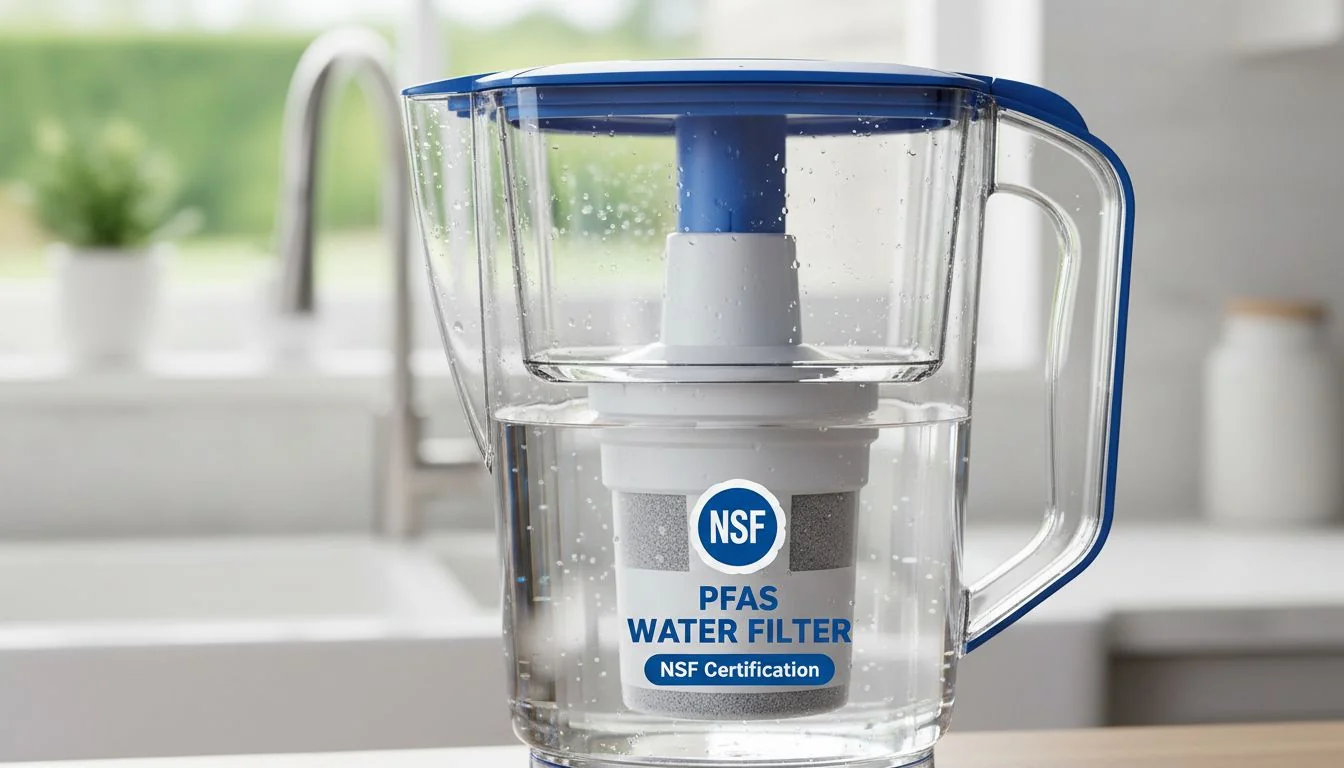
I remember when I first started sourcing factories for complex plastic parts. It was a nightmare. You might feel the same way now. Let us look at the exact steps you need to take to avoid costly mistakes.
PFAS chemicals are easy to remove from water.Falso
PFAS chemicals have strong molecular bonds and require specialized filtration technologies like reverse osmosis or specific carbon blocks to remove.
NSF certification requires regular factory audits.Verdadeiro
NSF International conducts unannounced inspections of manufacturing facilities to ensure ongoing compliance with their standards.
1. What to Look for in an OEM Water Purifier Manufacturer?
You need a reliable factory. A bad factory ruins your product design. You must look for specific skills to ensure your water purifier works well.
Look for an OEM with strong mold design skills2, a clean assembly line, and experience with water filtration. They must know how to handle plastic shrinkage and tight tolerances. This ensures your product does not leak and passes all tests.
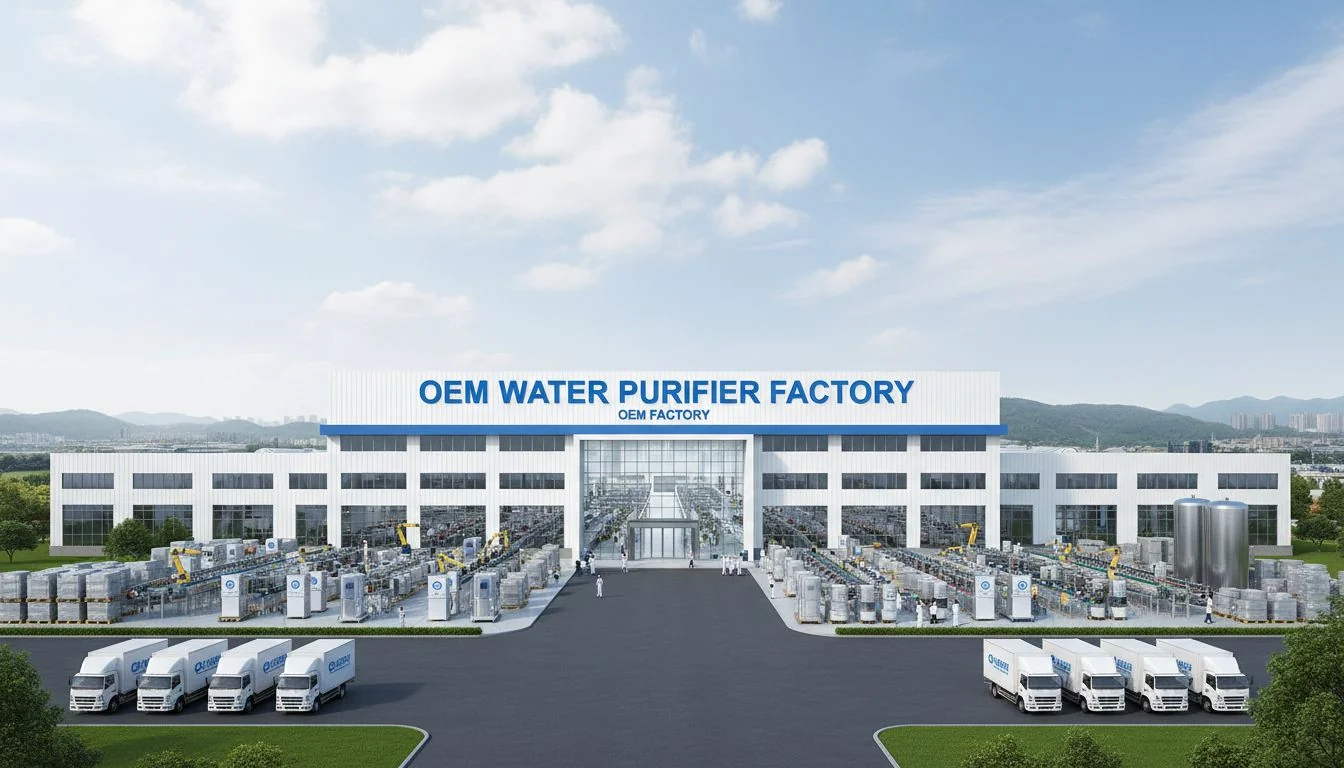
Core Factory Skills
When I visit a factory, I look at their tooling room first. You and I know that good plastic parts start with good molds. If the factory does not understand mold shrinkage, your water purifier will leak. Leaks mean you fail the NSF tests.
You must check their engineering team. Do they use good CAD software? Do they understand fluid dynamics? A good OEM partner does more than just put parts together. They help you improve your design.
At Moldle, we always check these details. We built an air and water platform to help buyers find factories that actually know what they are doing.
Here is a simple checklist you can use when you evaluate a factory's core skills:
| Skill Area | What to Check | Why It Matters |
|---|---|---|
| Mold Design | Tooling equipment and software | Prevents leaks and bad fits |
| Montagem | Clean room standards | Keeps filters safe from dirt |
| Ensaios | In-house lab equipment | Catches problems early |
You must ask the factory to show you their past work. Do not just trust their sales pitch.
Any plastic factory can make water purifiers.Falso
Water purifiers require food-grade plastics, precise tolerances to prevent leaks, and clean assembly environments.
Mold shrinkage affects product assembly.Verdadeiro
If plastic shrinks more than expected during cooling, the parts will not fit together tightly, causing water leaks.
2. Certification Capability: NSF Listing and Documentation Support?
NSF rules for PFAS are very strict. If your factory lacks paperwork, you fail. You need a partner who knows how to manage this process.
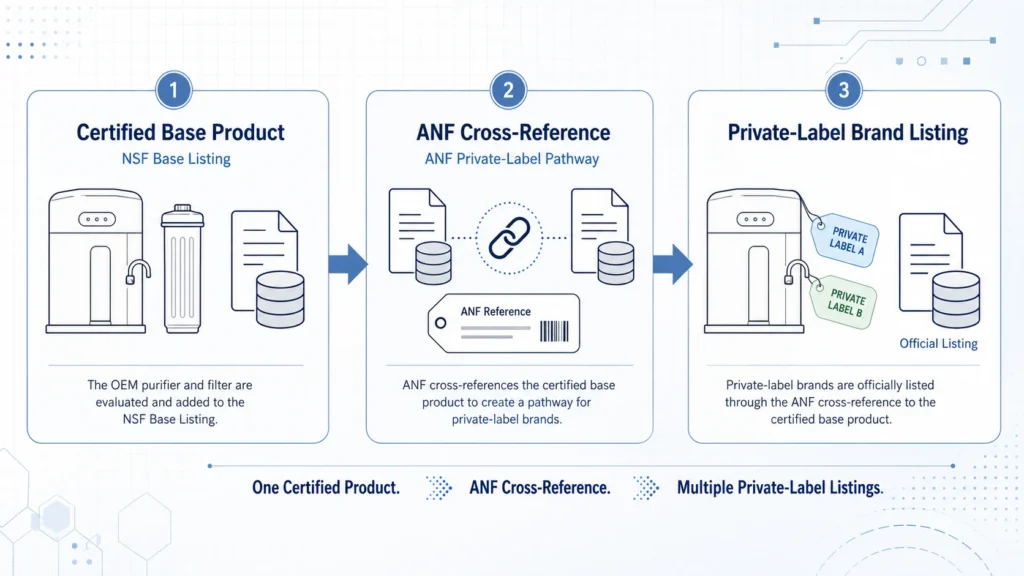
Your OEM must have experience getting NSF 53 or NSF 58 certifications for PFAS reduction. They must provide full material lists, test reports, and compliance documents. This support saves you months of waiting and thousands of dollars in testing fees.

The Paperwork Process
Getting an NSF listing is not just about making a good product. It is about proving it. I have seen many good products fail because the factory lost the material records. You need a factory that tracks every piece of plastic and every gram of carbon.
The factory must help you with the documentation. They need to talk to the testing labs. They need to explain their manufacturing process. If they do not speak good English or do not understand the technical terms, you will have to do all the work.
Our compliance-support process helps bridge this gap. We make sure the factory gives you the right papers at the right time.
Here is what you need from them:
| Document Type | Factory Responsibility | Your Benefit |
|---|---|---|
| Lista de materiais | List all food-grade parts | Speeds up NSF review |
| Test Reports | Provide in-house lab results | Shows the filter works |
| ISO Certificates | Prove quality control | Required for factory audits3 |
Always ask the factory for an example of an NSF document they did before.
NSF certification only tests the final water quality.Falso
NSF also evaluates the materials used in the product to ensure they do not leach harmful chemicals into the water.
PFAS reduction falls under specific NSF standards.Verdadeiro
NSF/ANSI 53 and NSF/ANSI 58 are the primary standards that include protocols for PFAS reduction claims.
3. Manufacturing Quality Systems and Audits?
Bad quality control ruins your brand. If one batch fails, you lose customers. You must pick a factory with strict quality systems.
Evaluate the factory's quality management system4. They must have ISO 9001 certification. They need strict incoming material checks, in-process controls, and final product testing. A good factory welcomes third-party audits and fixes problems quickly.
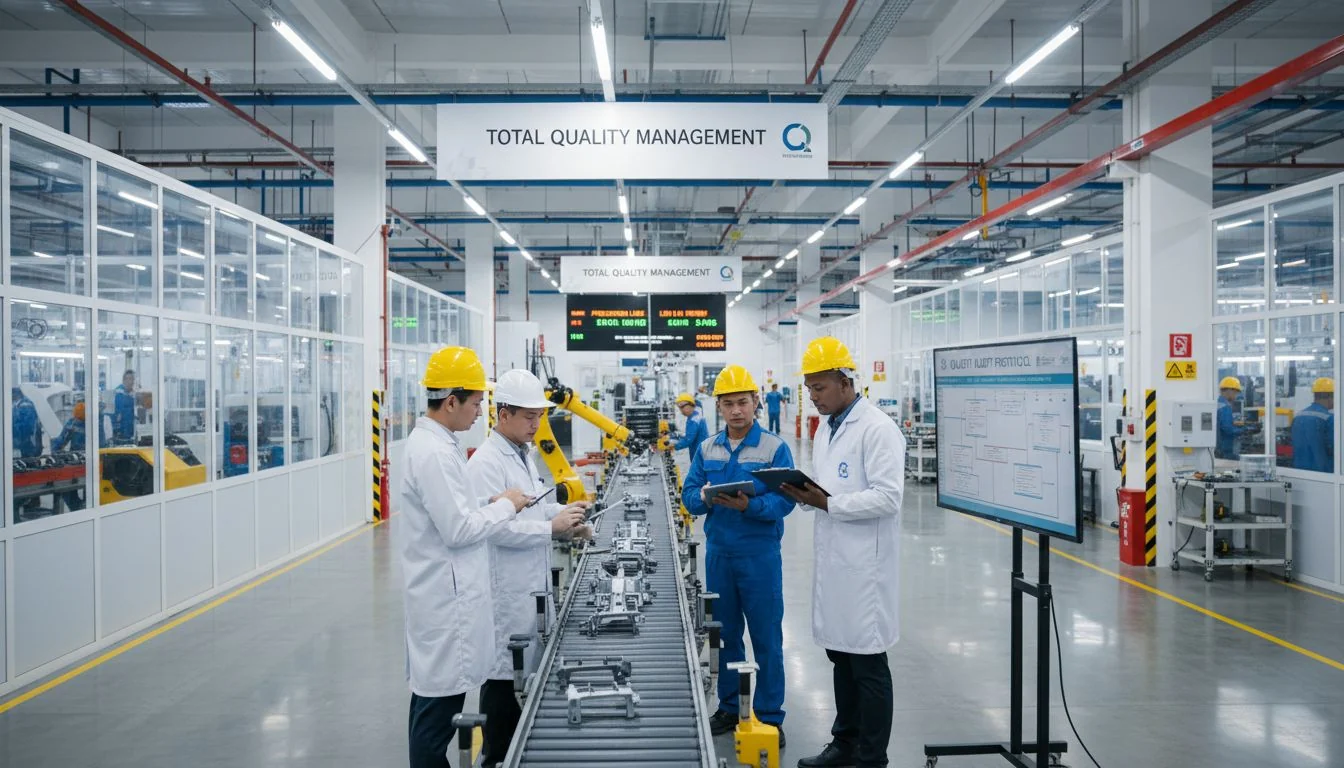
How to Check Quality Systems
I learned about quality control the hard way. When I worked in a mold factory, one small mistake ruined a whole order. For water purifiers, a mistake means people drink bad water. You cannot let this happen.
You must look at how the factory checks their parts. Do they test the plastic resin before they melt it? Do they test the water pressure on every single unit? You need to see their standard operating procedures.
A strong quality system means the factory can pass the unannounced NSF audits. If they fail an audit, your product loses its certification.
Look at this table to see what a good quality system includes:
| Quality Step | Action Required | Result |
|---|---|---|
| Incoming QC | Check raw materials | Stops bad parts early |
| In-Process QC | Check parts during assembly | Fixes errors fast |
| Final QC | Test water pressure and flow | Ensures safe products |
You should hire a third-party inspector to visit the factory before you place a big order.
ISO 9001 guarantees a product will pass NSF testing.Falso
ISO 9001 is a quality management standard, but it does not evaluate specific product performance like PFAS removal.
In-process quality control reduces final defect rates.Verdadeiro
Catching errors during assembly prevents defective units from reaching the final testing stage, saving time and materials.
4. Product Development and Customization Capability?
Standard products do not stand out. You want a unique design. If the factory cannot customize, your product looks like everyone else's.
Choose an OEM that offers strong engineering support5. They should help you modify mold designs, change filter media, and update the product look. A good partner uses advanced CAD tools and understands how to make your specific design work in mass production.
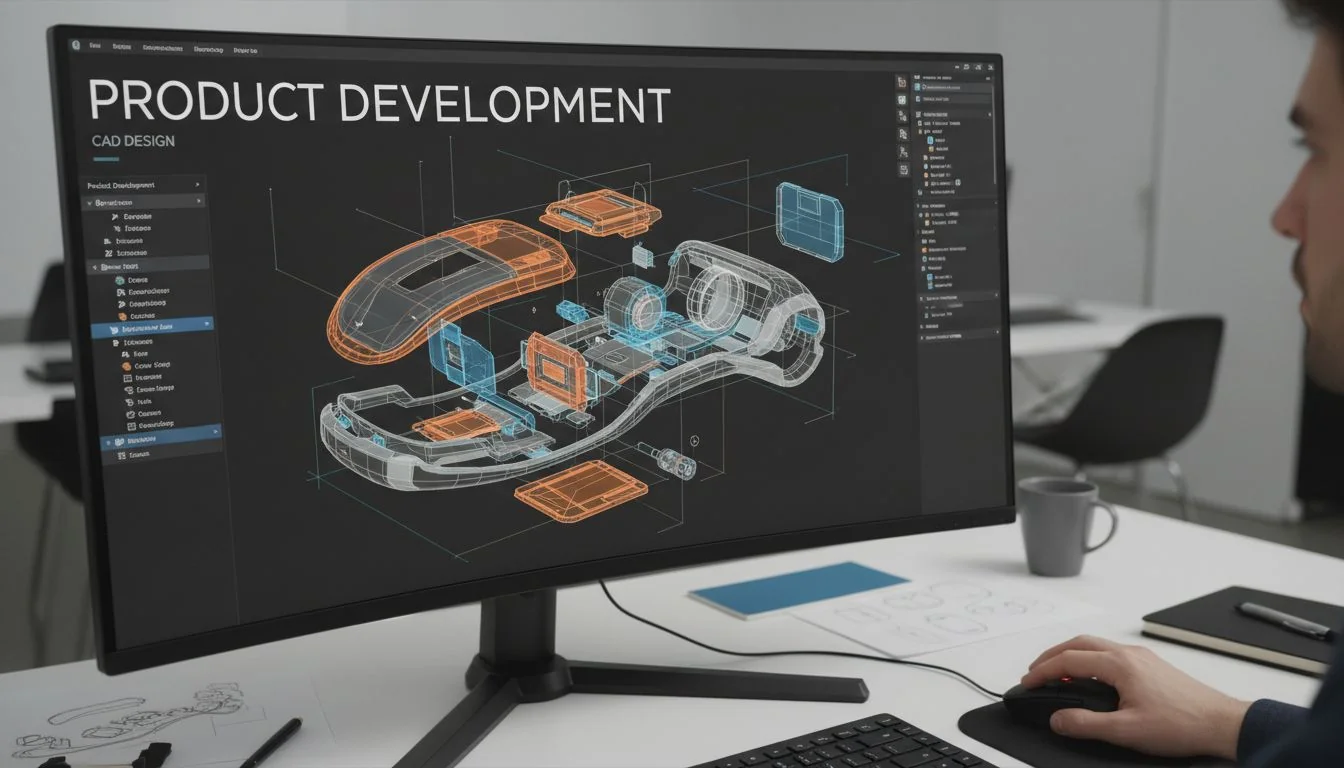
Making Your Design Work
You are a designer. You know how hard it is to make a beautiful product that is also easy to build. I see this all the time at Moldle. A designer makes a great 3D model, but the factory says they cannot mold it.
You need a factory that works with you. They should look at your CAD files and suggest small changes. Maybe they need to add draft angles. Maybe they need to change the wall thickness. They must do this without ruining your design.
They also need to customize the filter inside. PFAS removal needs special carbon or reverse osmosis membranes. The factory must know how to pack these materials correctly.
Here is how a good factory helps with development:
| Development Stage | Factory Support | Your Benefit |
|---|---|---|
| Design Review | Check CAD for moldability | Saves tooling time |
| Prototipagem | Make 3D printed samples | Lets you test the look |
| Filter Customization | Adjust media for PFAS | Meets your market needs |
A factory that communicates well during this stage will save you a lot of stress later.
Adding draft angles to a CAD model changes its core function.Falso
Draft angles are slight tapers added to vertical walls to help the part eject from the mold, usually without affecting function.
Custom filter media requires new performance testing.Verdadeiro
Any change to the filtration materials means the product must be re-tested to prove it still removes contaminants like PFAS.
5. Supply Chain Reliability and Lead Times?
Late shipments kill your sales. If the factory cannot get raw materials, you wait for months. You need a partner with a strong supply chain.
Your OEM must have reliable suppliers for plastic resin, filter media, and electronic parts. They should give you clear lead times and keep safety stock. A stable supply chain ensures you get your water purifiers on time, even when the market is busy.
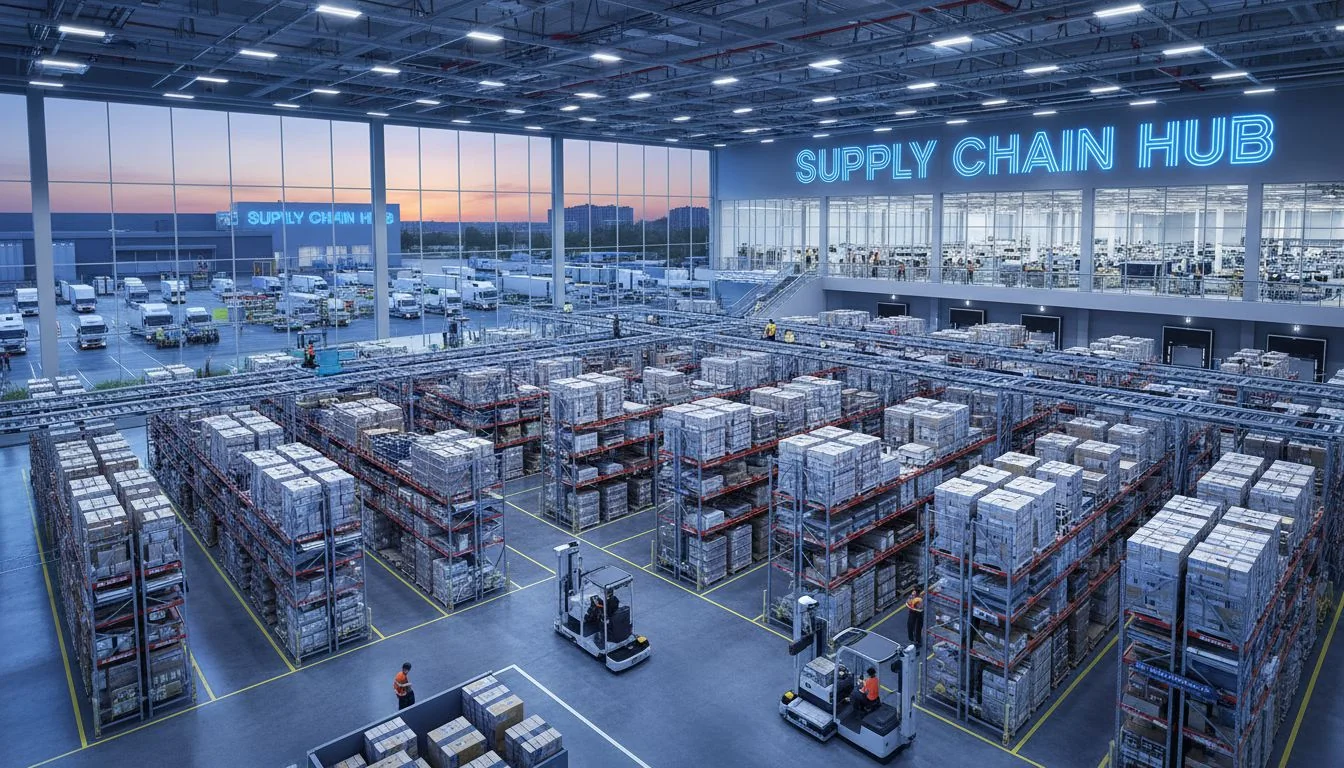
Managing Production Time
I ran a trading company for years. The biggest problem was always delivery time. A factory promises 30 days, but they take 60 days. This happens because they do not control their own suppliers.
For PFAS water purifiers, the filter media is very specific. If the factory buys this media from a bad supplier, your whole order stops. You must ask the factory where they buy their materials. Do they have backup suppliers?
You also need to know their production capacity. Can they make 10,000 units a month? What happens if you need 50,000 units?
Here is what you should check for supply chain health:
| Supply Chain Area | Question to Ask | Why It Is Important |
|---|---|---|
| Matérias-primas | Do you have backup suppliers? | Prevents material shortages |
| Production Capacity | What is your maximum output? | Shows if they can grow with you |
| Lead Time | What is the standard delivery time? | Helps you plan your sales |
Always put the agreed lead times in your contract. This protects your business.
A factory with one supplier for filter media is highly reliable.Falso
Relying on a single supplier creates a bottleneck; if that supplier fails, the factory cannot produce the product.
Safety stock helps reduce lead times for repeat orders.Verdadeiro
Keeping a reserve of common raw materials allows the factory to start production immediately when a new order arrives.
6. How to Evaluate and Shortlist OEM Partners?
You have a list of factories. Choosing the wrong one wastes time and money. You need a clear method to pick the best partner.
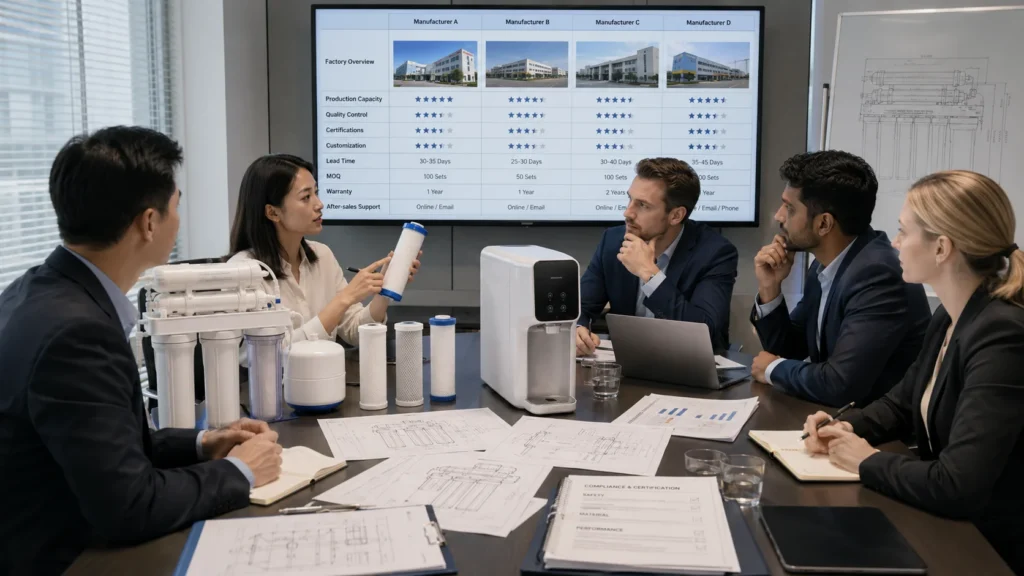
Create a checklist to compare factories. Score them on their NSF experience, mold design skills, quality systems, and communication. Talk to their engineers, not just the sales team. Request samples and visit the factory if you can. This helps you find the right fit.

The Final Selection Process
When I help clients at Moldle, I always tell them to look past the shiny brochures. Every factory looks good on paper. You need to dig deeper.
Start by sending them a small technical question. See how fast they reply. See if their answer makes sense. If they cannot answer a simple question about mold shrinkage or PFAS testing, cross them off your list.
Next, ask for a sample of a similar product they made. Take it apart. Look at the plastic parts. Are the edges smooth? Does it fit together well?
Use a scoring system to make your final choice. Here is an example:
| Evaluation Category | What to Score (1-10) | Minimum Score Needed |
|---|---|---|
| NSF Experience | Past PFAS certifications | 8 |
| Engenharia | CAD and mold knowledge | 8 |
| Comunicação | Speed and clarity | 7 |
Do not just pick the cheapest factory. Pick the one that gives you the most peace of mind.
The sales team always has deep technical knowledge of mold design.Falso
Sales teams focus on customer service and pricing; technical questions should be directed to the factory's engineering team.
Evaluating a physical sample reveals manufacturing quality.Verdadeiro
Inspecting a sample allows you to check for defects like flash, warp, or poor assembly that pictures cannot show.
Conclusão
Choosing the right OEM for PFAS water purifiers takes time. Check their engineering, quality, and NSF experience. A good partner protects your brand and helps your business grow.
References
-
Understanding PFAS regulations is crucial for compliance and ensuring safe drinking water. ↩
-
Effective mold design is key to preventing leaks and ensuring product quality in water purifiers. ↩
-
Understanding factory audits helps ensure compliance and quality assurance in production. ↩
-
A robust quality management system ensures consistent product quality and compliance with standards. ↩
-
Strong engineering support can significantly improve product design and manufacturability. ↩




 English
  Français
  Español
  Italiano
  Deutsch
  Português
  Русский
  العربية
  日本語
日本語  한국어
한국어  Tiếng Việt

