Abre num novo separador
Soluções inovadoras para a qualidade do ar

Purificador de ar iónico vs hepa: qual é o melhor e mais seguro

Related Products

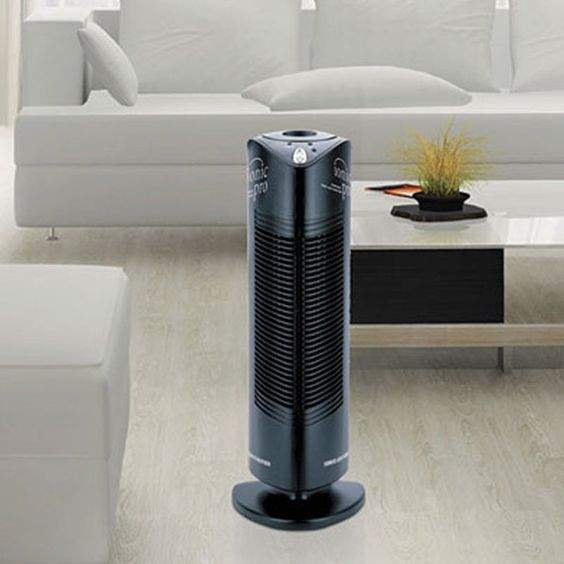
Purificador de ar iónico

Fonte da imagem: Pinterest
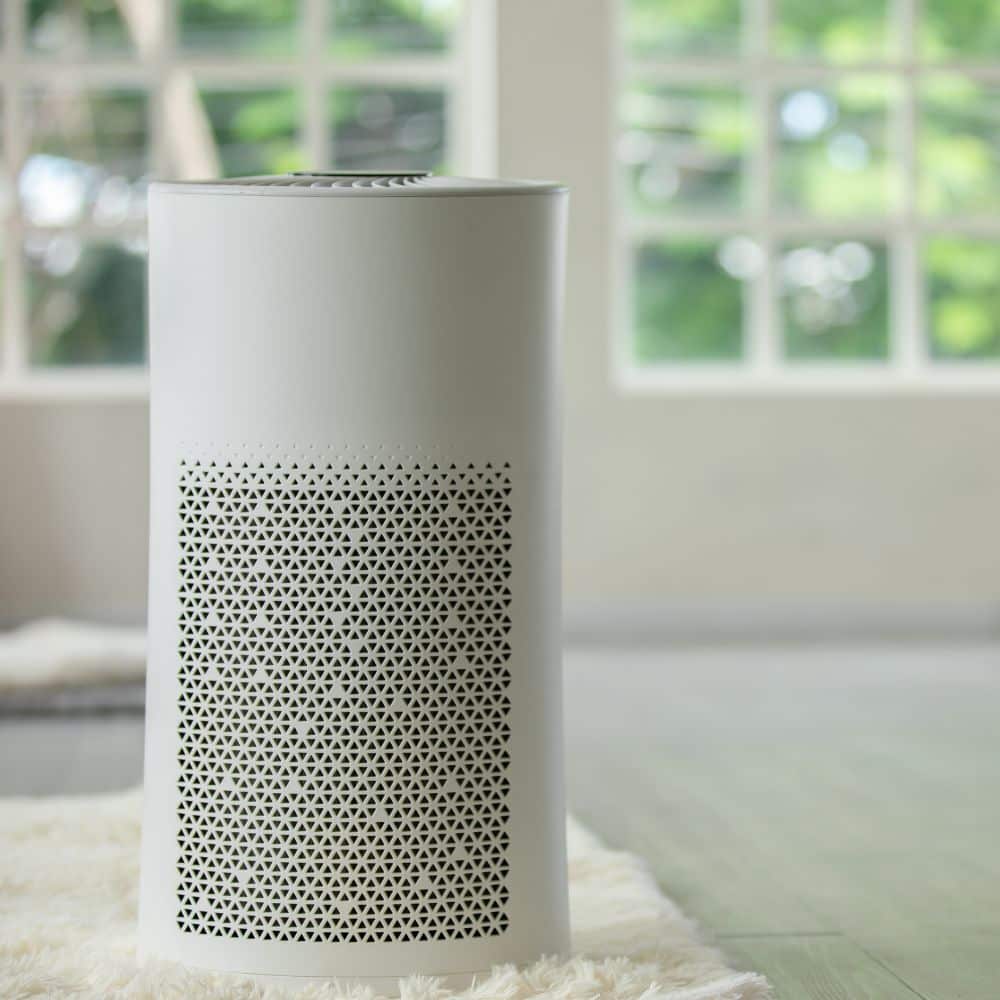
Purificador HEPA
Purificador HEPA

Fonte da imagem: Hisoair

Purificador de ar iónico para salas pequenas ou Purificador de ar HEPA para divisões grandesOs populares sistemas de purificação do ar, normalmente utilizados em casa e nas empresas, desempenham um papel importante na melhoria da qualidade do ar.

O purificador de ar iónico e os sistemas de purificação de ar HEPA são dois dos sistemas de purificação de ar mais populares, normalmente utilizados em casas e empresas para melhorar a qualidade do ar.

Os ionizadores são melhores do que os purificadores de ar HEPA?

Embora os ionizadores sejam comercializados como purificadores de ar, tecnicamente não o são com base num estudo sobre purificadores de ar. Diminuem, de facto, alguns compostos orgânicos voláteis no ar, mas também aumentam a presença de outros, como o etanol, a acetona e o tolueno. Além disso, a utilização em interiores pode mesmo levar à potencial formação de ozono e formaldeído.

HEPA vs iónico


O que significa iónico num purificador de ar
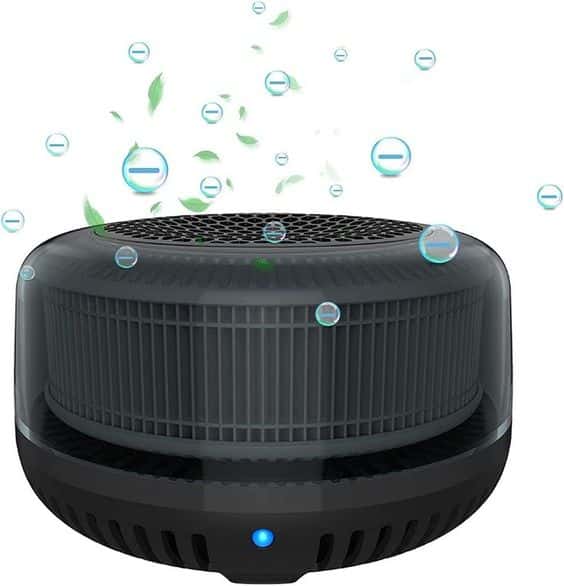
purificador de ar iónico

Fonte da imagem: Pinterest

De acordo com wikiOs purificadores de ar iónicos removem as impurezas do ar produzindo iões carregados que os poluentes do ar aderem para evitar que sejam transportados pelo ar.

O que significa HEPA num purificador de ar
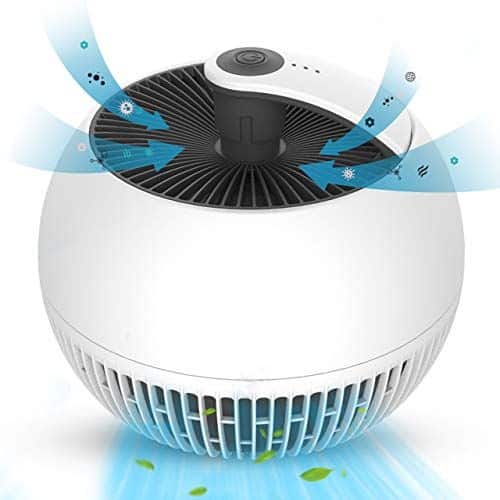
purificador de ar hepa

Fonte da imagem: Pinterest

HEPA por wiki é a abreviatura de high-efficiency particulate air (ar particulado de alta eficiência) e é um tipo de purificador de ar. Funciona através da captura e filtragem de pólen, alergénios, bolor, vírus, bactérias e partículas 2,5.

Filtro iónico vs filtro hepa: qual é o melhor

Prós do filtro de ar iónico
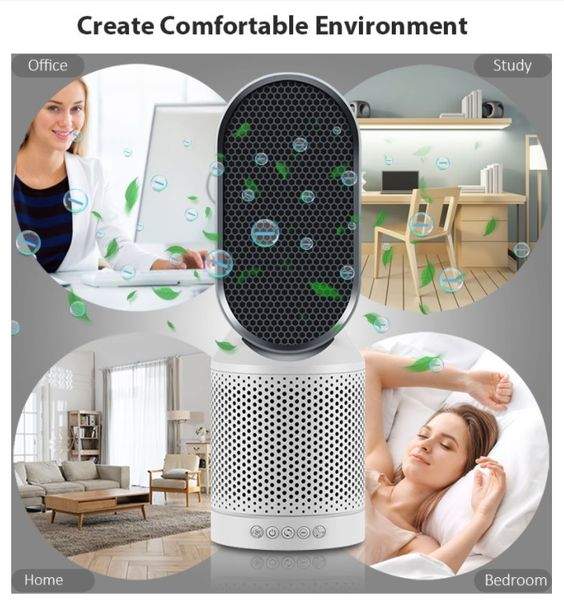
contras do filtro iónico

Fonte da imagem: Pinterest

Os purificadores iónicos atraem as partículas através de uma ventoinha para placas metálicas carregadas que emitem iões carregados negativamente. Estes iões ligam-se então aos poluentes do ar, fazendo com que estes se fixem nas superfícies. A sua estrutura permite que o purificador seja compacto e silencioso em comparação com outros purificadores.

Contras do filtro iónico
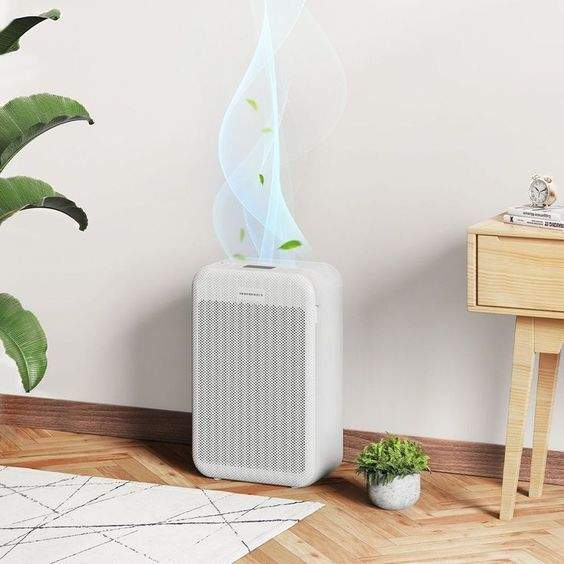
filtro iónico pros
filtro iónico pros

Fonte da imagem: Pinterest

A forma como o purificador de ar iónico remove as partículas de ar, permitindo que os poluentes se depositem nas superfícies através de iões de carga negativa das placas de metal, cria uma confusão nas superfícies em que as partículas se depositam e podem ainda ser respiradas.

Prós do filtro HEPA
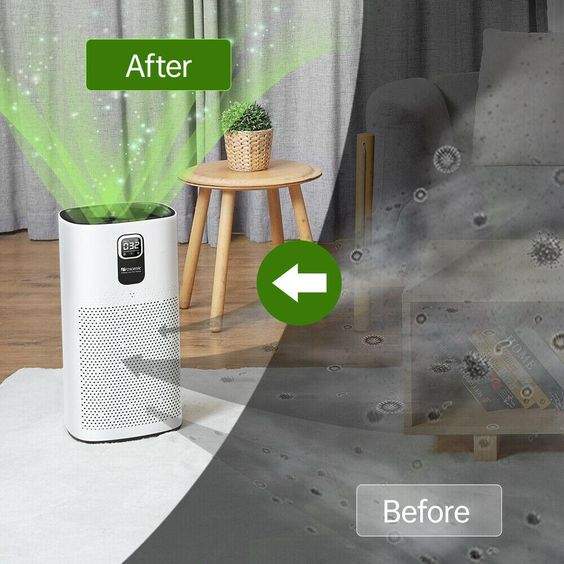
Prós do filtro HEPA
Prós do filtro HEPA

Fonte da imagem: Pinterest

Filtros HEPA são fiáveis na eliminação dos poluentes atmosféricos sem o risco para a saúde de outros subprodutos do ar. É utilizada uma ventoinha para forçar consistentemente o ar através de uma malha fina para o filtrar. A malha retém as partículas nocivas e o ar limpo é libertado de volta para a divisão.

Contras do filtro HEPA
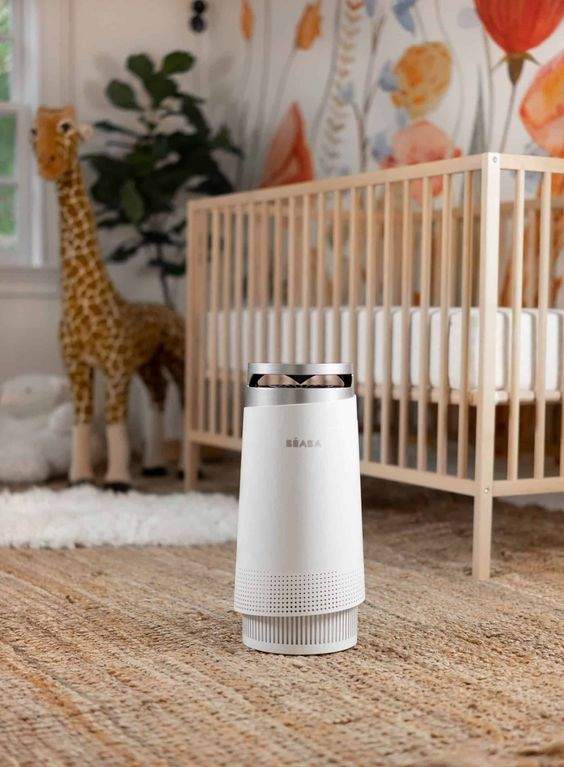
contras do filtro hepa

Fonte da imagem: Pinterest

Os filtros HEPA podem ser propensos ao crescimento de bolor e bactérias se a sujidade acumulada se acumular neles. No entanto, isto pode ser facilmente resolvido com a utilização de luz UVC para limpar e desinfetar o filtro HEPA e prepará-lo novamente para filtrar as partículas do ar.

Diferença entre ionizador e purificador de ar

O que fazem os ionizadores e se os purificadores de ar iónicos funcionam realmente?

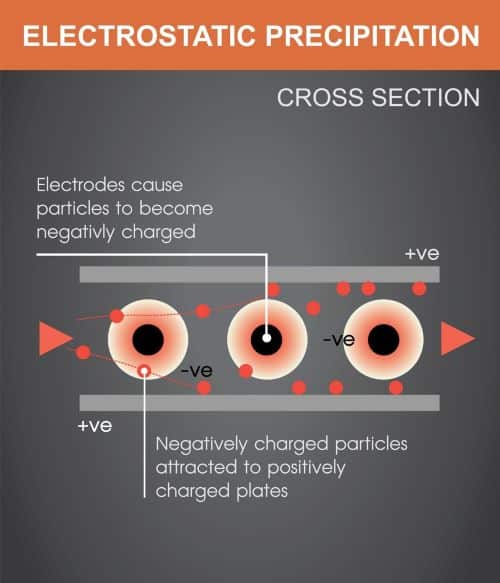
Os ionizadores "purificam" o ar criando iões carregados negativamente através de placas metálicas carregadas eletronicamente. Estes iões negativos ligam-se a partículas minúsculas que se juntam e pousam nas superfícies. Pode restringir bolores, bactérias e vírus, mas pode ser ineficaz contra o pó, o pólen e o pelo. Também não inibe os odores.

Purificador de ar ionizador como funciona
Purificadores de ar ionizados

Fonte da imagem: Saúde aérea

Os purificadores de ar ionizados têm placas de metal que carregam eletronicamente os iões, fazendo com que estes fiquem carregados negativamente. Estes iões atraem partículas de ar carregadas positivamente, que são os poluentes do ar. Quando se combinam, impedem que sejam transportadas pelo ar, fazendo com que se fixem nas superfícies em vez de ficarem suspensas como contaminantes do ar.

O que é que os purificadores de ar HEPA fazem e como funcionam
como funcionam os purificadores hepa

Fonte da imagem: Pinterest

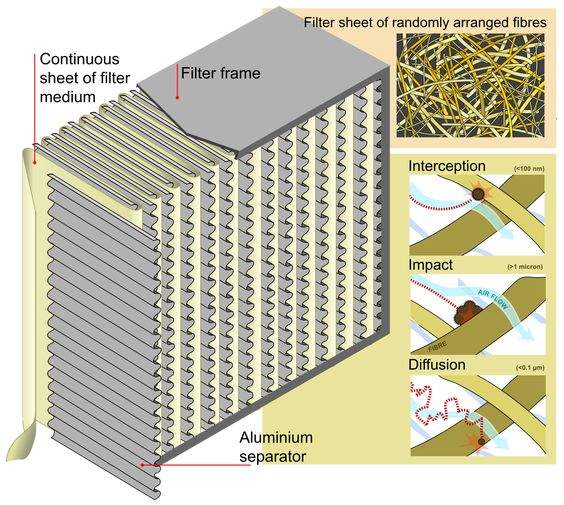
Os purificadores de ar com filtro HEPA funcionam forçando o ar circundante a passar através de uma malha fina. A malha retém os poluentes atmosféricos nocivos, como o pólen, o pó, o fumo, o bolor, os pêlos de animais, os ácaros e outras partículas transportadas pelo ar. O ar passa através de diferentes camadas da malha fina e sai purificado de 99,99% de partículas.

Perigos e efeitos secundários do purificador de ar iónico

porque é que os purificadores de ar iónicos são maus

Os purificadores iónicos apresentam possíveis riscos para a saúde. Não filtram o ar tão bem como um filtro HEPA, o que permite a inalação de algumas das partículas que os purificadores de ar iónicos não conseguem remover. Estas podem causar irritação na garganta, dores no peito e outros desconfortos ou infecções respiratórias.

Os purificadores de ar ionizantes produzem ozono?

Apesar dos benefícios de purificação do ar dos purificadores de ar ionizantes, os riscos para a saúde dos purificadores de ar iónicos ainda persistem. Os subprodutos do seu método de purificação resultam em ozono, que é considerado um poluente do ar e um irritante para os pulmões. É importante ter em conta este possível efeito secundário antes de o utilizar.

os purificadores de ar iónicos causam cancro?

Não foram encontrados dados conclusivos suficientes para afirmar de forma inequívoca que os purificadores de ar iónicos causam cancro. No entanto, estudos mostram que os purificadores de ar iónicos aumentam alguns dos compostos orgânicos voláteis ou COV, que estão ligados a alguns problemas de saúde importantes, incluindo o cancro em animais e mesmo em seres humanos.

É saudável respirar ar ionizado?

Ao contrário do que é anunciado, não é de facto saudável respirar ar ionizado. Para além do cancro, a exposição ao ar ionizado pode provocar problemas respiratórios, uma vez que contém substâncias irritantes para os pulmões. Para além disso, as pessoas também correm o risco de sentir náuseas, dores de cabeça, danos nos rins, no fígado e no sistema nervoso central.

Os ionizadores eliminam os vírus?

A resposta curta é nãomas os ionizadores podem neutralizá-los. Através do seu método de purificação de libertação de iões negativos, pode purificar os vírus, atraindo-os para os iões negativos e deixando-os assentar em superfícies onde os pode limpar facilmente.

Existem efeitos secundários do purificador de ar Hepa?

O filtro HEPA é objeto de controvérsia quanto à segurança e aos possíveis efeitos secundários. No entanto, teorias foram desmentidas e os filtros HEPA continuam a ser seguros. As partículas de fibra de vidro que se temia causarem doenças pulmonares ou cancro foram cientificamente excluídas como motivo de preocupação.

purificador de ar iónico vs hepa: em resumo

Os problemas de segurança dos purificadores de ar iónicos retiram-lhe os seus maravilhosos pontos positivos. Por razões de segurança e de saúde, recomenda-se a escolha de Purificadores de ar HEPA em oposição ao purificador de ar iónico.

O melhor purificador de ar hepa

Os purificadores de ar HEPA reinam supremos entre outros purificadores de ar, e entre as muitas opções de purificadores de ar alguns fabricantes de filtros hepa são mais adequados do que outros. Austin Air Systems, Donaldson Company Inc., Daikin Industries Ltd., Hengst, Honeywell International Inc., a propósito, pode aprender onde são fabricados os purificadores de ar honeywell a apenas um clique de distância) e MANN+HUMMEL são alguns dos melhores.


Partilhar:
o fundador da hisoair, sr. lee
Alwen Lee, an air purification expert with over 10 years of experience, is a devoted father of two and a passionate traveler, having explored more than 30 countries. With a love for public speaking and swimming, he has dedicated his life to the indoor air quality industry. His mission is to ensure that people around the world enjoy the freedom to breathe clean air and lead happy, healthy lives.

Envie-nos uma mensagem

Related Products

Mais para ler

Modern living room with a family enjoying a healthy indoor environment monitored by smart devices, natural lighting, and greenery.

After IFA 2026: The Healthy Home Is Moving Beyond Smart Devices

In our previous IFA 2026 column, Air Purification Is Becoming Part of the Healthy-Home Platform, we argued that the next generation of indoor-health products would ...
Notícias
Modern living room and kitchen with smart home air quality devices including an air purifier, humidifier, and water filtration system, connected with visualized blue connectivity lines.

IFA 2026: Air Purification Is Becoming Part of the Healthy-Home Platform

Pre-IFA Industry Perspective | September 4, 2026 This article is based on official announcements and regulatory information available ahead of IFA 2026, which takes place ...
Notícias
A modern office room with a gray wall-mounted air purifier, large wooden desk, office chairs, indoor plants, and glass windows offering a city view.

Luftreiniger gegen Staub: HEPA-Luftreinigung für Büro, Gewerbe und Industrie

Kurz gesagt: Ein Luftreiniger entfernt Staub aus der Luft – nicht vom Schreibtisch. Er reduziert die Konzentration schwebender Partikel und damit auch die Menge an ...
Air purifier, Filter
Comparison infographic showcasing the differences between carbon block filter and activated carbon fiber. Detailed diagrams illustrate the hierarchical porous structure of the carbon block with long diffusion paths and the open microporous structure of the activated carbon fiber with direct access for PFAS adsorption.

Carbon Block vs. Activated Carbon Fiber (ACF): Matching Media to Target Contaminants

Two carbon media. Same adsorption chemistry. Very different behaviour in a point-of-use cartridge. If you are specifying a water purifier platform for a PFAS-aware market, ...
Notícias
NSF base listing and ANF private-label certification pathway for OEM water filters

What Is an NSF Master Listing? A Guide to Base Listings, ANF Certification and OEM Water Filters

For a brand preparing to launch an OEM water purifier, one of the most common supplier claims is: “We already have an NSF master listing, ...
News, Water Purifiers
Healthy-home brand team reviewing PFAS water filter certification, test data and product engineering

Entering the Water Category Is Easy. Building a Credible PFAS Claim Is Much Harder

For air purification, appliance and healthy-home brands, entering the water category can look surprisingly easy. A company can select an existing undersink system, customize its ...
Notícias
Contaminant Engineering•3 min read

PFAS Water Filtration Technologies Explained: Carbon, Resin & RO

Key Takeaway:

PFAS reduction depends on the specific compounds present, treatment media, contact time, water chemistry, and system design. Activated carbon, ion exchange, and Reverse Osmosis address PFAS through different mechanisms.

PFAS are a large family of persistent fluorinated compounds that can occur in drinking-water supplies. Their treatment behavior varies significantly by molecular structure, chain length, functional group, concentration, and the chemistry of the source water.

Granular Activated Carbon (GAC) removes PFAS primarily through adsorption. It is generally more effective for many longer-chain PFAS, while shorter-chain compounds tend to break through more quickly. Carbon performance depends on media properties, Empty Bed Contact Time (EBCT), competing organic matter, loading, and replacement frequency.

Ion-exchange resins use charged functional sites to capture many PFAS compounds. Properly selected anion-exchange media can provide high capacity and may perform better than conventional activated carbon for some shorter-chain PFAS, although performance still depends on water chemistry and competing ions.

Reverse Osmosis (RO) uses membrane separation rather than adsorption. Properly designed RO systems can provide broad reduction across many PFAS compounds as well as dissolved salts and other contaminants. Unlike carbon or resin, however, RO also produces a concentrate stream that must be managed.

No single technology should be selected from a PFAS label alone. System design should consider which PFAS compounds are present, their concentrations, required reduction targets, flow rate, media life, and the applicable third-party certification or validation requirements.

HisoAir Water Technical Series
Product Discovery•3 min read

How to Choose an Under-Sink Water Purifier for Modern Kitchens

Key Takeaway:

Match the treatment technology to your water quality first, then evaluate cabinet space, faucet configuration, flow rate, drain and power requirements, and filter replacement needs.

Choosing an under-sink water purifier starts with water chemistry. Carbon filtration is well suited to chlorine, taste, odor, and many organic contaminants, while Reverse Osmosis is more appropriate when dissolved salts, fluoride, nitrates, or broader dissolved contaminants need to be reduced.

For compact kitchens, tankless RO systems eliminate the conventional storage tank and can significantly reduce the space required under the sink. However, membrane capacity stated in GPD does not directly equal faucet flow. When comparing systems, check the actual dispensing flow rate, inlet-pressure requirement, recovery ratio, and whether a booster pump is required.

Installation architecture also matters. Many RO systems require a drain connection, electrical power, and either a dedicated drinking-water faucet or a compatible multi-function faucet. High-flow carbon systems can often connect directly to the existing cold-water line with a simpler installation, but pressure drop and available faucet flow should still be verified.

RO also removes much of the naturally occurring dissolved mineral content. Where taste or mineral balance is a priority, a post-RO remineralization stage can be added. Filter life should be evaluated by both rated capacity and local water quality rather than replacement time alone.

The right system is therefore not simply the smallest or highest-GPD model. It is the configuration that matches the target contaminants, available cabinet space, desired faucet setup, peak dispensing demand, and maintenance expectations.

HisoAir Water Technical Series
Water Quality•2 min read

What Does TDS Mean in Drinking Water? Measurement vs Contaminant Reality

Key Takeaway:

A TDS meter estimates the overall concentration of dissolved ionic substances from electrical conductivity. It cannot identify specific contaminants or determine whether water is chemically safe.

Total Dissolved Solids (TDS) refers to the combined concentration of dissolved substances in water. Most handheld TDS meters do not measure TDS directly. Instead, they measure electrical conductivity (EC) and convert that reading into an estimated parts-per-million (ppm) value.

This means a TDS reading can indicate how much dissolved ionic material is present, but not what that material actually is. Calcium, magnesium, sodium, nitrates, and other dissolved ions can all contribute to conductivity, yet a simple TDS meter cannot distinguish between them.

TDS meters are also not suitable for detecting trace contaminants such as PFAS, many VOCs, pesticides, pharmaceuticals, or disinfection byproducts. These substances may be present at concentrations far below the level needed to noticeably change electrical conductivity.

A low TDS reading therefore does not guarantee safe drinking water, and a higher TDS reading does not automatically indicate contamination. Water-treatment decisions should be based on laboratory testing for specific contaminants of concern rather than TDS alone.

HisoAir Water Technical Series
Technology Selection•2 min read

RO vs UF Water Filtration: Understanding Pore Sizes & Dissolved Minerals

Key Takeaway:

Ultrafiltration can reduce bacteria, turbidity, and suspended particles while retaining most naturally occurring dissolved minerals. Reverse Osmosis provides much broader reduction of dissolved salts and smaller contaminants.

Ultrafiltration (UF) typically uses hollow-fiber membranes with pore sizes in the approximate 0.01–0.1 micron range. These membranes physically retain turbidity, suspended solids, colloids, and many microorganisms while allowing dissolved minerals and salts to remain in the water.

Reverse Osmosis (RO) operates at a much finer separation level. Unlike UF, RO can substantially reduce dissolved ions such as sodium, calcium, fluoride, nitrates, and other contributors to total dissolved solids (TDS). This makes RO more suitable when dissolved-salt reduction is a primary treatment objective.

UF generally requires less system pressure and produces little or no continuous concentrate stream in many point-of-use configurations. RO typically requires greater pressure and produces a reject-water stream, but delivers broader contaminant reduction.

For water with acceptable TDS and mineral content, UF can be a simpler mineral-retaining treatment option. Where dissolved salts, fluoride, nitrates, or broader dissolved contaminants are a concern, RO is generally the more appropriate technology.

HisoAir Water Technical Series
Technology Selection•4 min read

Carbon Block vs Reverse Osmosis: Which Fits Your Need?

Key Takeaway:

Choose RO for dissolved inorganic salts and heavy metals; choose Carbon Block for chemical taste/odor, no wastewater, and high line-pressure flow.

Reverse Osmosis (RO) and Carbon Block filtration represent two fundamentally different treatment methods: membrane separation and adsorption. Understanding these differences helps determine which technology is better suited to a specific water-quality requirement.

Reverse Osmosis uses a semi-permeable membrane with pore sizes of approximately 0.0001 microns. It can significantly reduce dissolved inorganic contaminants such as TDS, fluoride, nitrates, and certain heavy metals. Because water must be forced through the membrane, RO systems require sufficient pressure or a booster pump and generate a concentrated wastewater stream.

Carbon Block filtration relies primarily on adsorption through compressed activated carbon, commonly with nominal pore sizes around 0.5–5 microns. It is highly effective for chlorine, chloramines, VOCs, taste, and odor, while allowing substantially higher direct-flow rates without producing wastewater.

From an operating perspective, Carbon Block systems are generally simpler, require less energy, and avoid the water loss associated with RO. RO involves higher system complexity and operating cost, but provides substantially broader reduction of dissolved contaminants that Carbon Block alone cannot address.

HisoAir Water Technical Series

SOLICITAR UM ORÇAMENTO