
You need a reliable water purifier factory. Bad suppliers cause compliance failures and product recalls. I will show you how to find a true manufacturing partner in China.
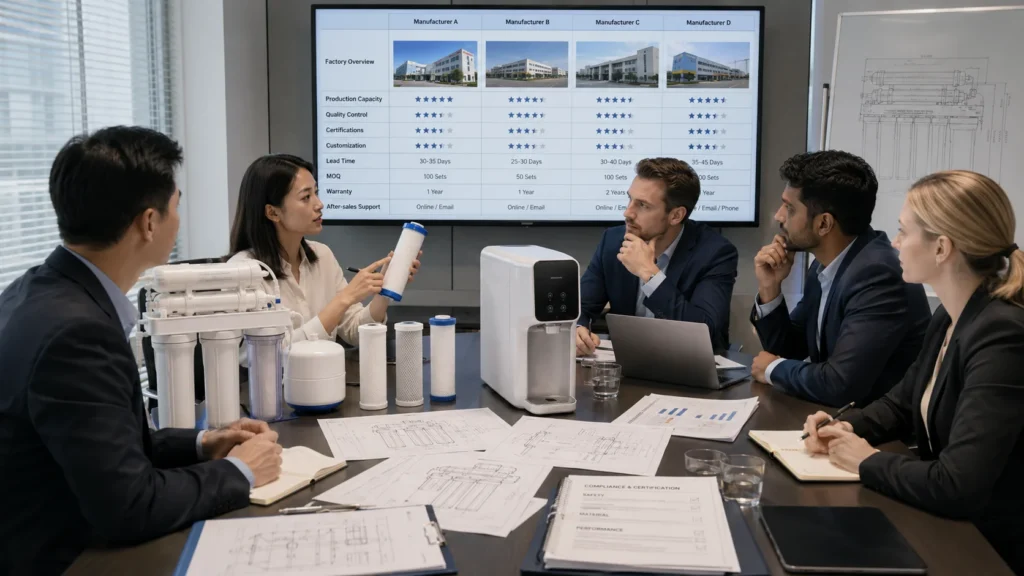
Comparing water purifier manufacturers in China goes beyond price and catalogs. You must evaluate their ability to design filtration systems for specific contaminants like PFAS1, manage NSF certification pathways, and ensure consistent filter performance throughout the product's life cycle.
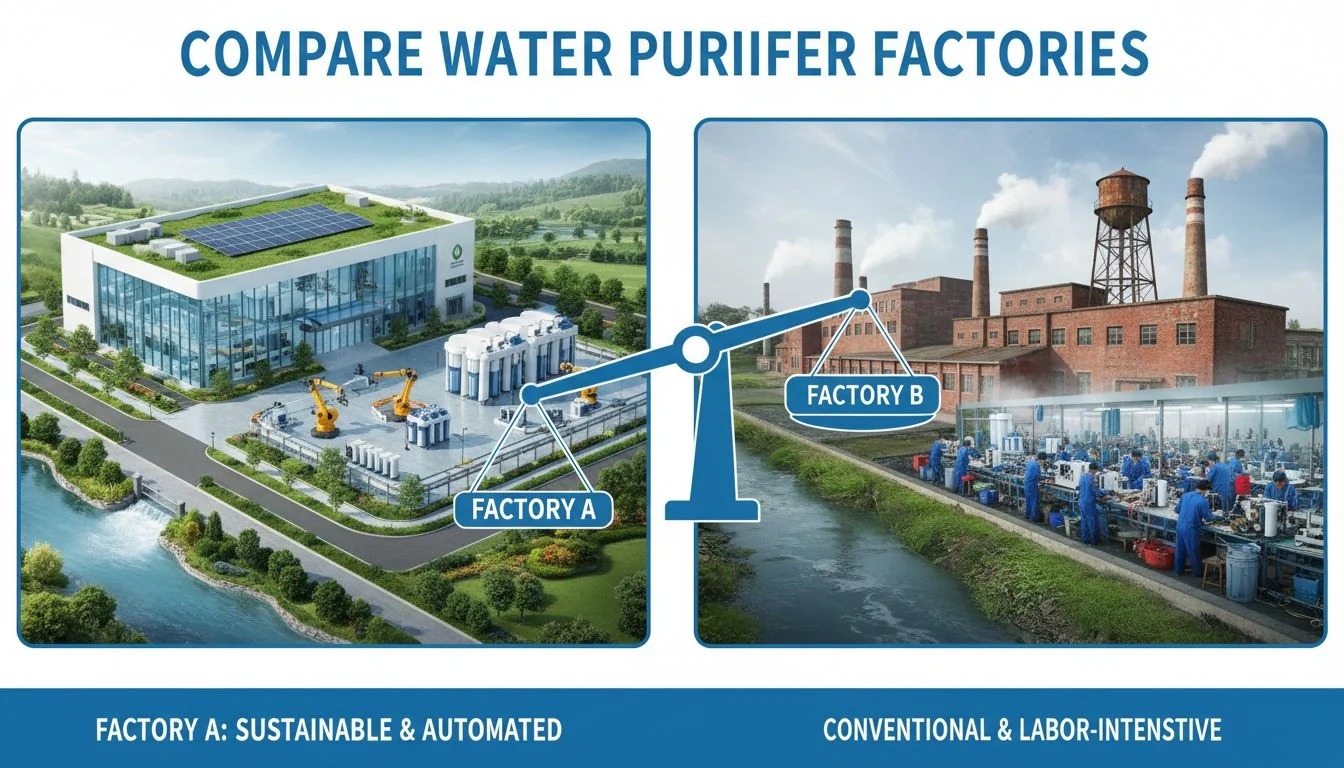
When I first started sourcing in China, I thought all factories were the same. I quickly learned that choosing the wrong supplier brings huge risks. Let us look at how to evaluate these factories properly so you can protect your brand and your customers.
All water purifier factories in China offer the same level of product development.Falso
Most factories only offer catalog products with basic logo changes, while compliance-oriented partners build systems around specific market needs.
Evaluating a factory requires looking at their certification and testing capabilities.Verdadeiro
A good factory must prove performance through complete-system testing and manage complex certification pathways like NSF.
1. What Do Buyers Really Mean by a “Water Purifier Manufacturer in China”?
You search for a manufacturer online. You find thousands of results. This makes it hard to know who can actually build a safe, compliant product for your market.
Buyers looking for a water purifier manufacturer in China usually need an OEM2 or ODM partner. They do not just want a cheap product. They need a factory that can handle product development, local water conditions, and strict market regulations.
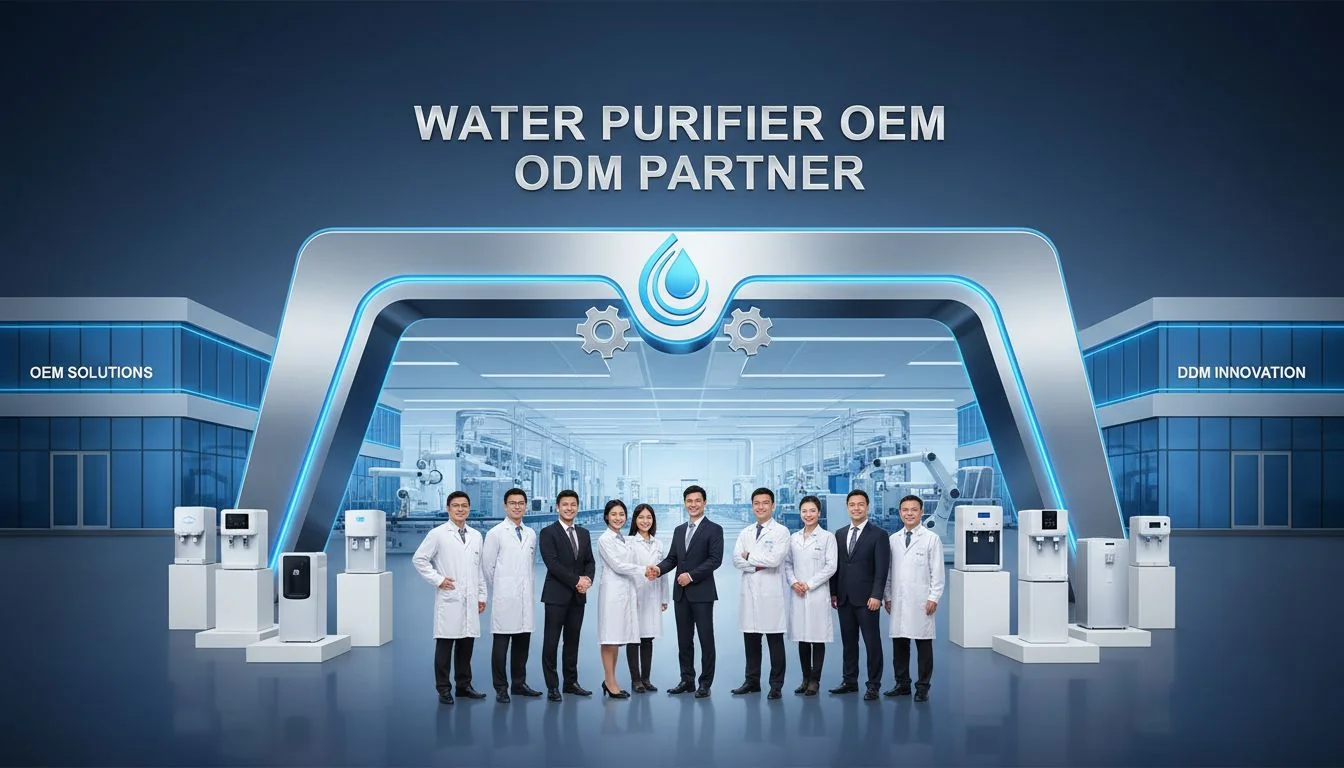
The Four Types of Water Purifier Suppliers
When I talk to designers like you, I see a common mistake. Many buyers treat all suppliers as equals. But the industry has a clear capability hierarchy. You must know which type of factory you are dealing with.
If you only need a basic white-label product, a catalog factory works fine. But if you want to enter a regulated market like North America, you need a compliance-oriented partner. This partner helps you reduce technical, compliance, and supply chain risks. They do not just sell you a machine. They help you build a complete water purification platform.
I always tell my clients to match their project needs with the right factory type. This saves time and prevents costly mistakes later.
| Supplier Type | Core Business | Best For |
|---|---|---|
| Component Supplier | Makes parts like RO membranes or housings. | Buyers who only need single parts. |
| Assembly Factory | Buys parts and puts them together. | Low-cost, basic functional needs. |
| Catalog-Based OEM | Offers existing products with custom logos. | Standard private-label brands. |
| Compliance-Oriented ODM3 | Designs systems around market rules and contaminants. | Brands needing strict certifications and custom designs. |
Every factory in China can design a custom water purifier from scratch.Falso
Many factories only assemble parts or sell existing catalog models with minor cosmetic changes.
A compliance-oriented ODM partner helps reduce market-entry risks.Verdadeiro
They plan the certification pathway and design the product to meet specific local regulations.
2. HisoAir vs a Typical Catalog-Based Water Purifier Factory?
You want a product that stands out. A standard catalog factory just gives you the same machine everyone else sells. This hurts your brand value.
A typical factory starts with an existing catalog and asks what size you want. HisoAir starts with your target market, local water conditions, and certification needs. They build a filtration platform around your specific business goals.
Project Development Logic Makes the Difference
I have visited many factories. Most of them operate the same way. They show you a catalog. You pick a 600 GPD system. They change the color and put your logo on it. This is easy, but it is risky. You manage all the certification and marketing claims yourself.
HisoAir uses a completely different logic. They do not just ask what product you want to buy. They ask what problem you want to solve. They look at the target country. They analyze the local water quality4. They plan the certification pathway before they even start the design.
This approach reduces your product liability risks. It also ensures your product actually works in the real world. You get a partner who cares about your long-term success, not just the current order.
| Evaluation Area | Typical Catalog-Based Factory | HisoAir |
|---|---|---|
| Project Start | Existing product catalog | Target market and water conditions |
| OEM Scope | Logo, color, and packaging | Filtration, structure, UI, and documentation |
| Ensaios | Basic functional and leakage testing | Performance, pressure, and batch consistency |
| Manufacturing Goal | Complete the current order | Support long-term brand development |
HisoAir only sells existing products from a standard catalog.Falso
HisoAir develops market-ready filtration platforms based on target contaminants and certification requirements.
A catalog-based factory leaves the certification risk to the buyer.Verdadeiro
Standard factories provide the hardware, but the buyer must manage compliance and marketing claims independently.
3. PFAS Reduction: Can the Factory Prove Performance Beyond Filter Media Claims?
PFAS contamination is a huge concern. Many factories claim their filters remove PFAS. But false claims can lead to lawsuits and ruined reputations.
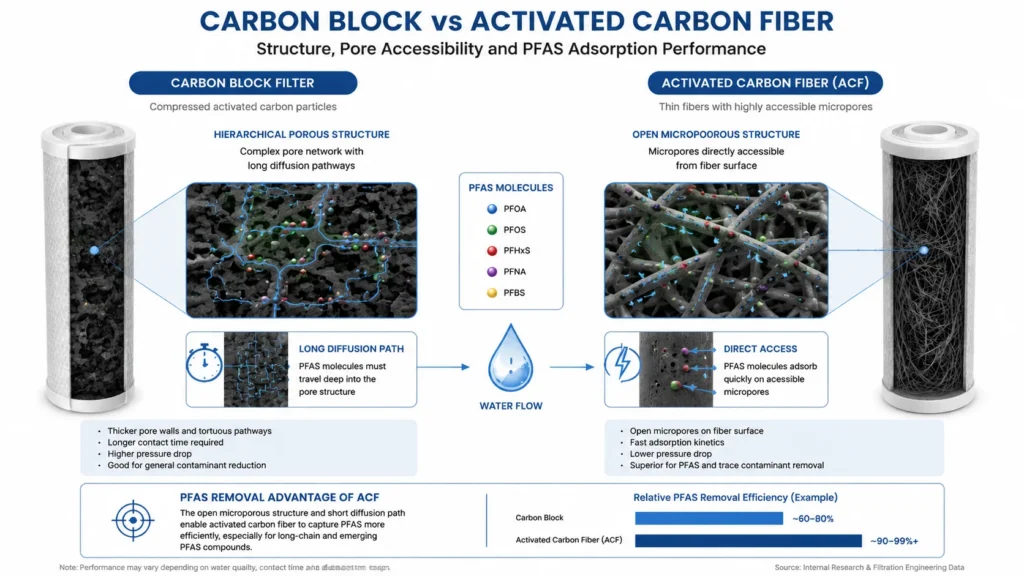
PFAS reduction is not just about using a good carbon block or RO membrane. The factory must prove that the complete system maintains the required reduction rate under specific operating conditions through the end of the filter's life.
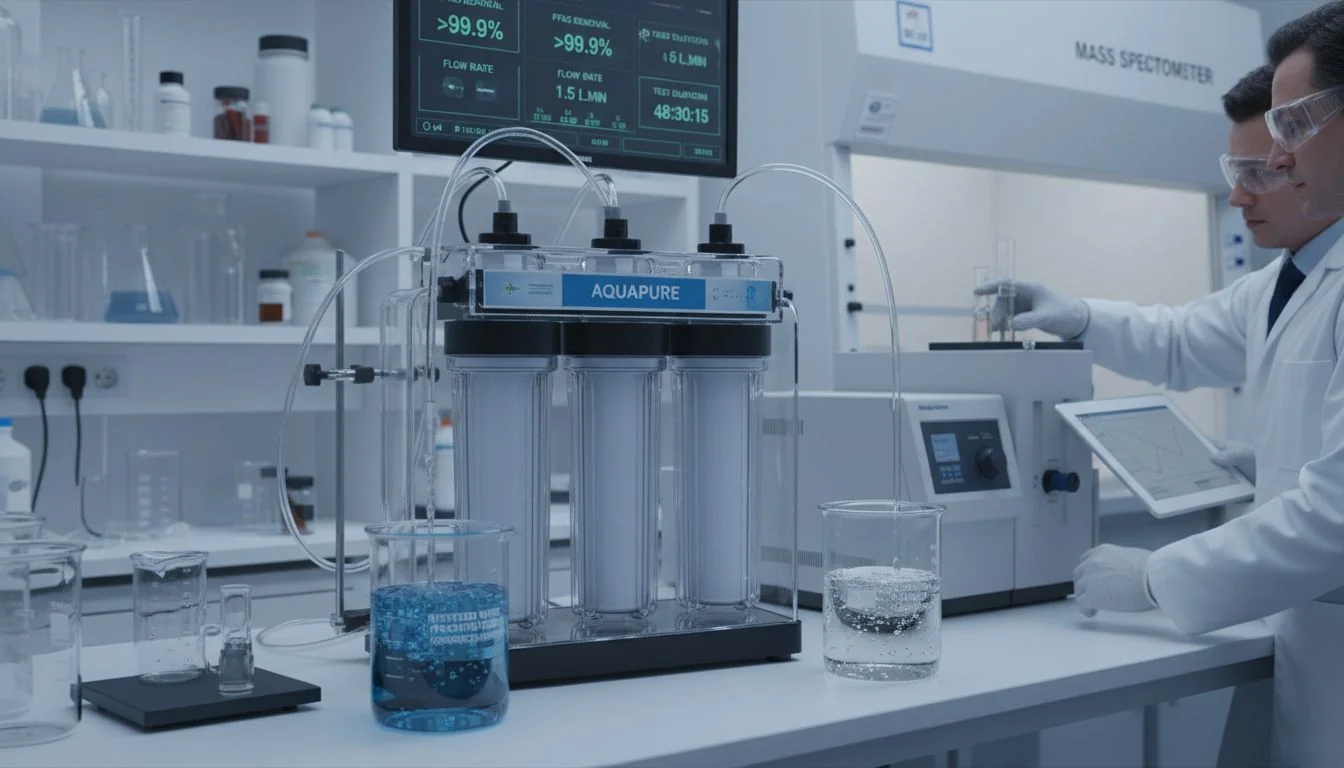
Moving from Marketing Labels to Verified Performance
Many suppliers use "PFAS removal" as a simple marketing label. They buy a filter media, read the supplier's report, and put the claim on their box. I always warn designers about this. A media report does not mean your complete machine works.
HisoAir treats PFAS as a strict system performance requirement. They know that flow rate, capacity, and contact time change everything. They test the complete system, not just the media.
They also check if the system still removes PFAS right before the filter needs replacing. This gives you the legal proof you need to support your packaging claims. It protects you from selling a product that fails in the field. You can sell your product with total confidence.
| Typical Factory PFAS Approach | HisoAir PFAS Approach |
|---|---|
| Uses activated carbon as main evidence | Defines system around specific target contaminants |
| Provides reports from media supplier | Supports complete-system third-party testing |
| Tests only initial performance | Evaluates performance through end of filter life |
| Uses general "PFAS removal" statement | Defines exact claims that can be legally supported |
A filter media test report is enough to prove a water purifier removes PFAS.Falso
The complete system must be tested because flow rate and contact time affect actual PFAS reduction.
HisoAir tests PFAS reduction performance at the end of the filter's life.Verdadeiro
They verify that the system maintains its reduction rate even when the filter is about to expire.
4. NSF-Certified Materials vs Components vs Complete Water Purifier Systems?
You see an NSF logo on a factory website. You think the product is fully certified. This misunderstanding causes major compliance failures at customs.
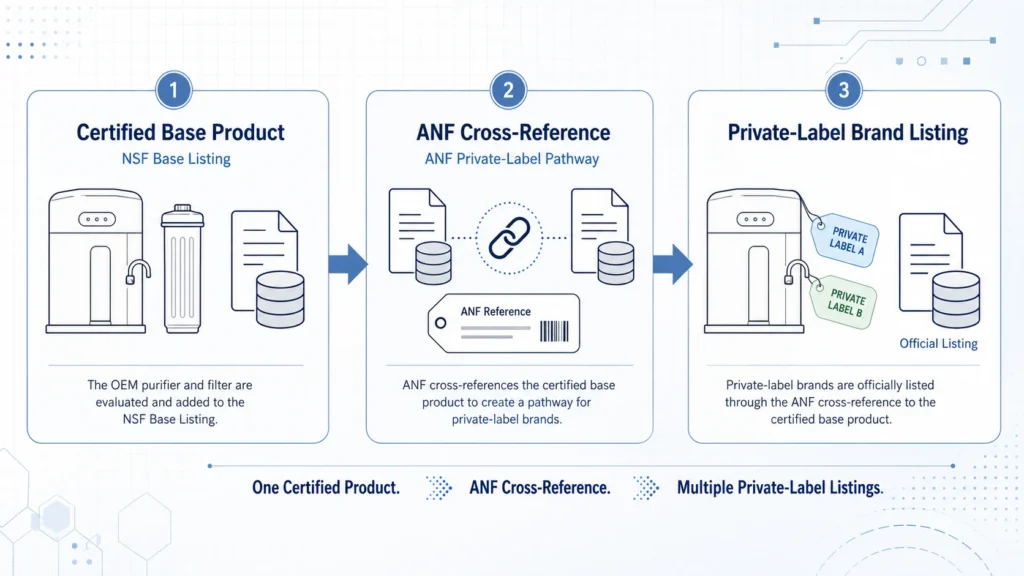
NSF certification5 has different levels. A product might only use NSF-compliant materials or an NSF-certified RO membrane. This is not the same as having a complete water purifier system certified for specific contaminant-reduction claims.
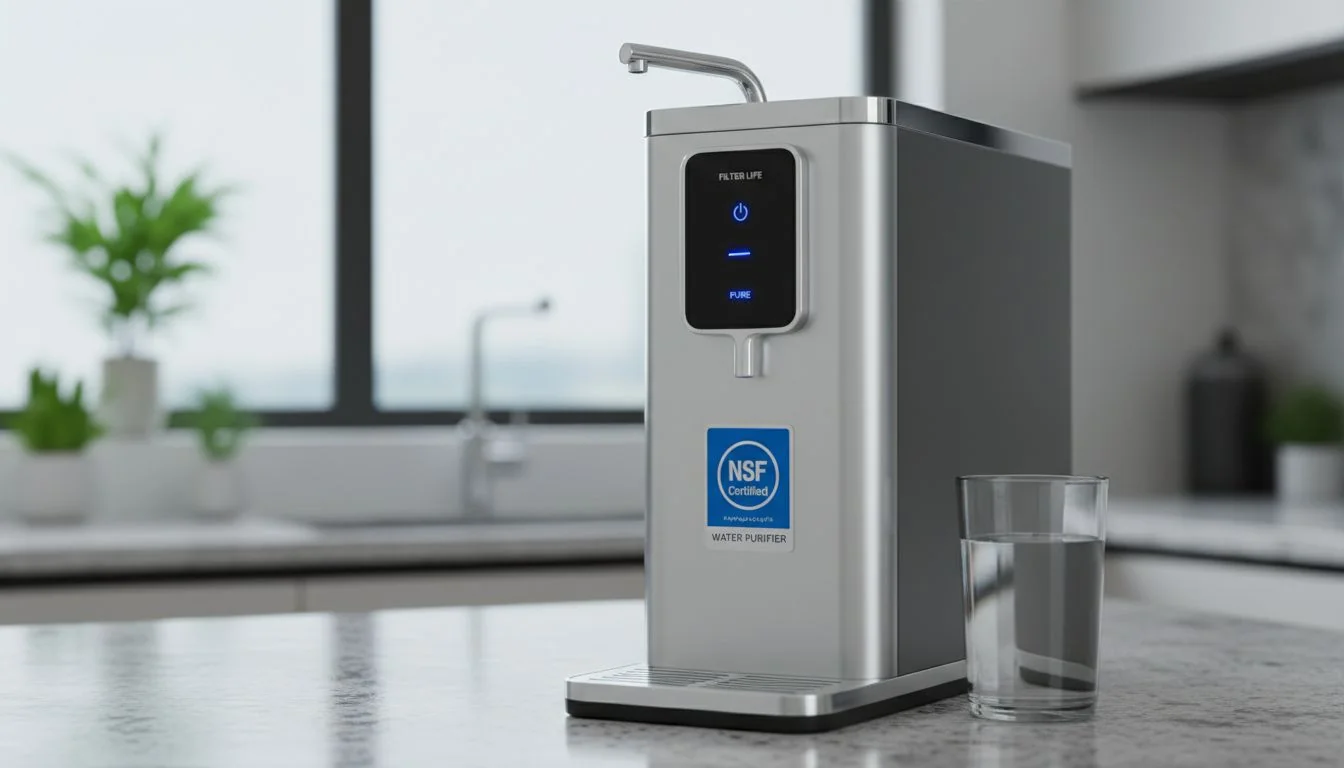
Understanding the NSF Certification Hierarchy
I have seen many buyers get confused by NSF claims. A factory tells them the product is "NSF certified." Later, the buyer finds out only the plastic tubing has a certificate. This is a very common trap in the industry.
HisoAir does not just slap an NSF logo on a brochure. They help you understand exactly what certification you need. They map out the pathway for your specific model and market. They manage the wetted materials to reduce safety risks.
They know the difference between a certified component and a certified system. This deep compliance knowledge saves you time. It prevents costly redesigns after the product is already finished. You get a clear roadmap to market entry.
| Certification Level | What It Means | Market Value |
|---|---|---|
| NSF-Compliant Materials | Plastics and metals are safe for drinking water. | Basic safety requirement. |
| NSF-Certified Components | Parts like tubing or membranes pass specific tests. | Good for marketing individual parts. |
| Tested to NSF Standards | Lab tested using NSF methods, but no official logo. | Provides performance data, no official listing. |
| Complete System Certified | The whole machine is officially listed by NSF/WQA/IAPMO. | Highest trust, supports strong market claims. |
If a water purifier uses an NSF-certified RO membrane, the whole system is NSF certified.Falso
Component certification only applies to that specific part, not the entire assembled water purifier system.
HisoAir helps plan the certification pathway during the product definition stage.Verdadeiro
They integrate certification requirements into the design process to avoid compliance issues later.
5. Can the Manufacturer Maintain Performance Across the Full Filter Life?
Your sample works perfectly on day one. Six months later, customers complain the water tastes bad. Inconsistent filter life destroys your brand reputation.
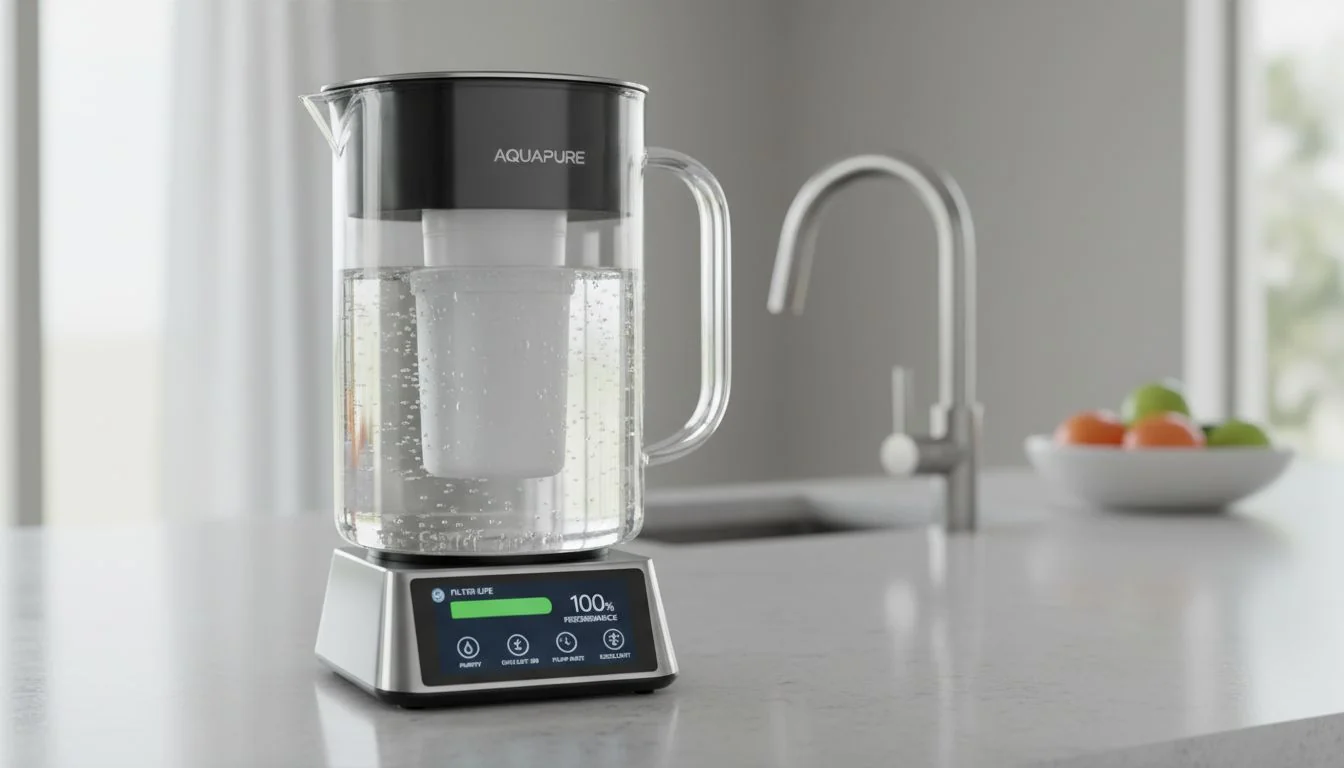
Initial test results do not guarantee long-term success. A reliable manufacturer must prove that the water purifier maintains its performance, flow rate, and contaminant reduction from the first drop of water to the very end of the filter's rated life.
The Importance of End-of-Life Testing and Batch Control
As a designer, I know that making one good prototype is easy. Making ten thousand identical products is hard. Many factories only test a new filter. They do not test how it performs after processing 500 gallons of dirty water.
HisoAir focuses heavily on filter life performance and batch control. They test the system to ensure it still reduces contaminants right before the filter expires. They also control the production batches so every replacement filter performs exactly like the original.
This reduces the gap between your advertised filter life and the actual user experience. It protects your recurring revenue from replacement filter sales. Your customers stay happy, and your business grows steadily.
| Métrica de desempenho | Basic Factory Focus | HisoAir Focus |
|---|---|---|
| Contaminant Reduction | Day one performance | Performance at end of rated capacity |
| Production Consistency | Random sample checks | Strict filter batch-control requirements |
| Replacement Supply | Sells filters as basic accessories | Manages long-term filter ecosystem |
| Experiência do utilizador | Focuses on initial hardware sale | Protects long-term brand trust |
Initial performance tests are enough to determine the rated capacity of a water filter.Falso
Filters must be tested throughout their entire lifespan to ensure they still remove contaminants at the end.
Strict batch control ensures replacement filters perform like the original ones.Verdadeiro
Controlling production variables prevents performance drops when customers buy new filters months later.
6. How to Choose a Water Purifier Manufacturer in China: 10 Questions Before RFQ?
Sending a basic Request for Quotation is a mistake. You will only get prices, not capabilities. You must ask the right questions to expose weak suppliers.
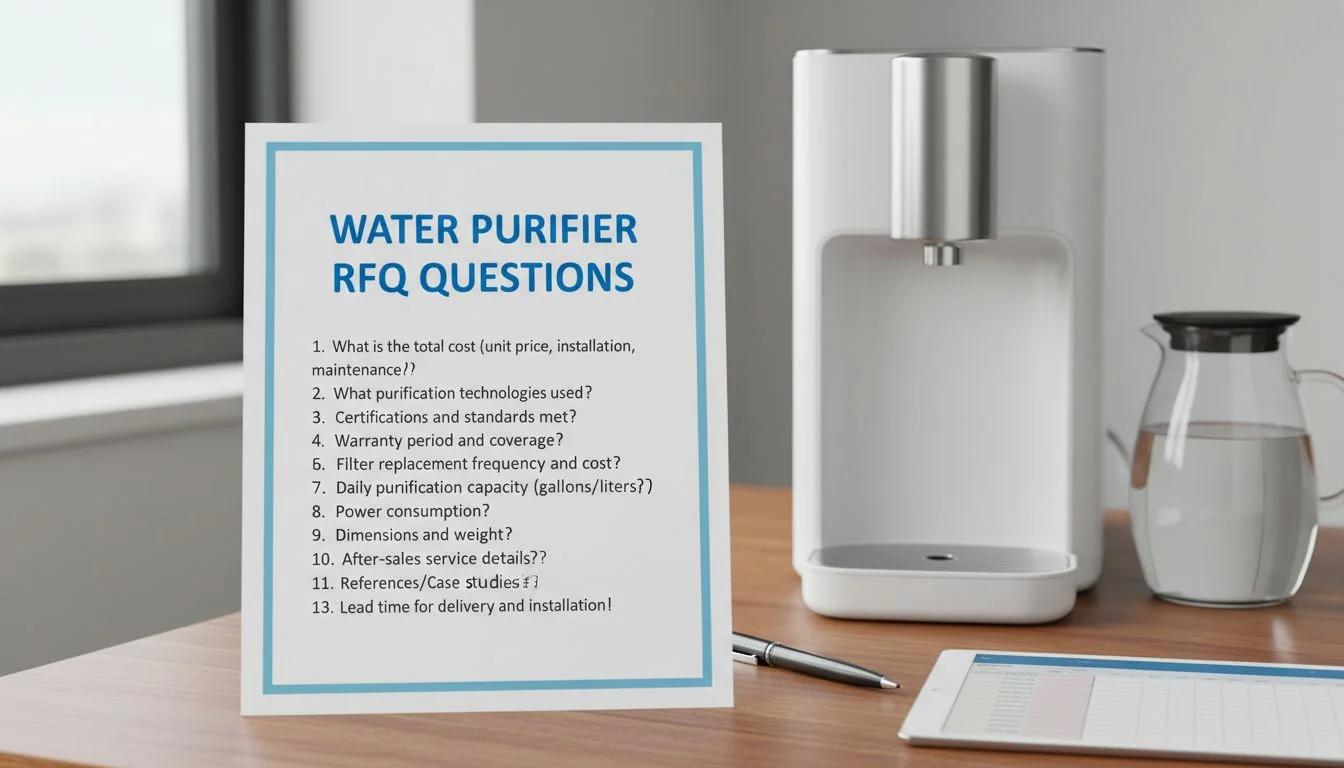
Before sending an RFQ, ask the factory about their complete-system testing, certification support, and PFAS verification methods. You need to know how they handle wetted materials, filter batch consistency, and long-term replacement supply to ensure they are a true development partner.
The Ultimate Supplier Assessment Checklist
I always tell my clients to stop asking for the lowest price first. You must evaluate the factory's risk management skills. If they cannot answer technical questions clearly, they will fail you during mass production.
You need a partner like HisoAir who understands what happens before production, during certification, and after the first shipment. Use these questions to test any Chinese water purifier factory. Their answers will quickly show you if they are a simple assembly shop or a true compliance-oriented manufacturing partner.
Do not skip this step. A good factory will welcome these questions. A bad factory will try to avoid them.
| Category | Key Questions to Ask the Factory |
|---|---|
| PFAS & Contaminants | Was the complete system tested for PFAS, or just the media? |
| Certificação | Can you provide the exact NSF/WQA certificate for this specific model? |
| Filter Life | Do you have test data showing performance at the end of the filter life? |
| Controlo de qualidade | How do you ensure performance consistency across different filter batches? |
| Long-Term Support | How do you guarantee stable replacement-filter supply for the next five years? |
Asking for the lowest price is the best way to start an RFQ process.Falso
Focusing only on price ignores critical factors like compliance, testing, and long-term reliability.
A good factory can provide test data for the complete system, not just components.Verdadeiro
Complete-system testing is necessary to prove actual performance and support legal marketing claims.
Conclusão
Choosing a water purifier manufacturer in China is a major compliance and brand decision. Partner with a factory that reduces your risks through proper testing, certification planning, and long-term support.
References
-
Understanding PFAS reduction is crucial for compliance and product safety in water purification. ↩
-
OEM partnerships can enhance product development and compliance in the water purification industry. ↩
-
ODM partners provide tailored solutions that meet specific market needs and regulations. ↩
-
Local water conditions are critical for designing effective water purification systems. ↩
-
NSF certification ensures product safety and compliance, making it essential for market entry. ↩


 English
  Français
  Español
  Italiano
  Deutsch
  Português
  Русский
  العربية
  日本語
日本語  한국어
한국어  Tiếng Việt

