
Abre num novo separador
Soluções inovadoras para a qualidade do ar

Where Are Intellipure Air Purifiers Manufactured?

In today’s market, the phrase “Made in USA” carries significant weight. For direct-to-consumer (D2C) buyers, it often implies superior quality, support for the domestic economy, and a product they can trust. For business-to-business (B2B) clients, it can signal a more resilient supply chain, easier communication, and adherence to stringent manufacturing standards. But in our interconnected global economy, what does this label truly mean?

When it comes to a premium brand like Intellipure, a leader in the air purification industry, the answer is more nuanced and strategically fascinating than a simple pin on a map. Intellipure air purifiers are the product of a sophisticated hybrid global strategy, culminating in final assembly and rigorous quality control in the United States.

This isn't a story of outsourcing, but one of strategic global partnership, combining the strengths of international supply chains with the quality assurance and narrative power of American manufacturing. Let's pull back the curtain on where and how these high-performance machines are made.

The Heart of the Brand: Pulaski, New York

The story of every Intellipure air purifier ends in a small town in upstate New York. The company’s manufacturing and headquarters are located in Pulaski, New York, a location that is central to the brand's identity. This isn't just a factory; it's a cornerstone of the company's narrative.
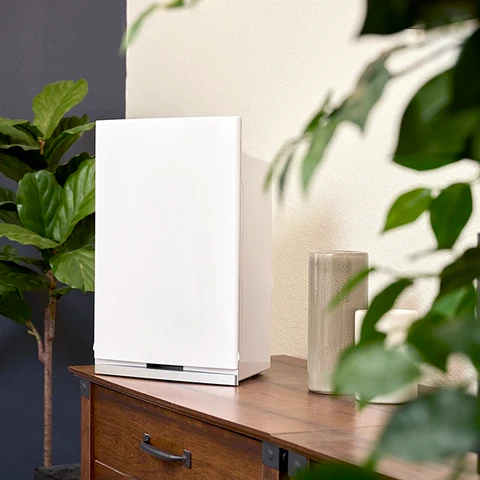
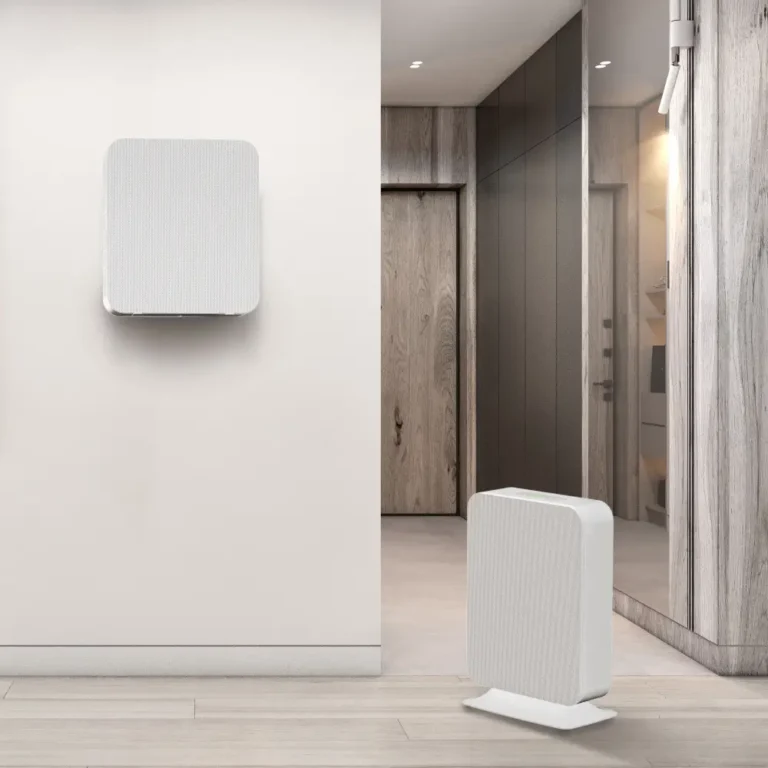
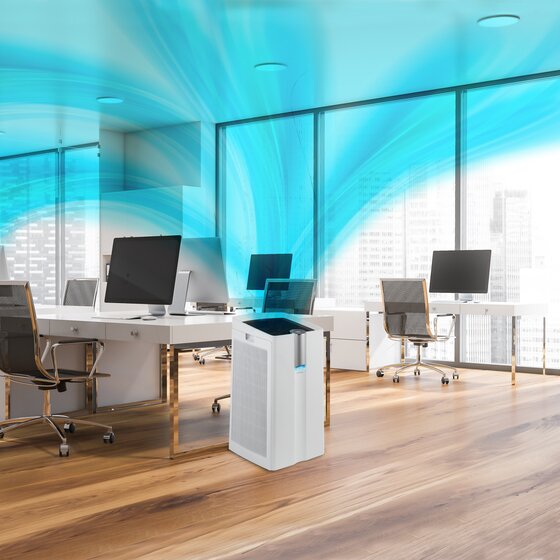
intellipure air purifiers

The story begins with founder Vincent Lobdell, a Pulaski native who brought the company's headquarters to his hometown. He did so by purchasing and renovating a historic mill from the 1830s that was slated for demolition, breathing new life into a piece of local history. For over 30 years, the company has been a fixture in the community, providing jobs for local residents.

This origin story is powerful, but what happens inside the facility is what defines the product's quality. Inside the restored mill, Intellipure purifiers are assembled by hand, not by mass machines. This hands-on approach is followed by the most critical step in the entire process: individual testing.

Unlike many manufacturers who might test products in batches, every single Intellipure unit is individually tested and certified with a class 1 laser particle counter before it is packaged and shipped. This ensures that the entire system—not just the filter—meets the company's demanding performance standards, guaranteeing it captures 99.99% of airborne particles down to an incredible 0.007 microns. This final, meticulous American-based step is the ultimate guarantee of the quality and performance that both consumers and commercial clients expect.
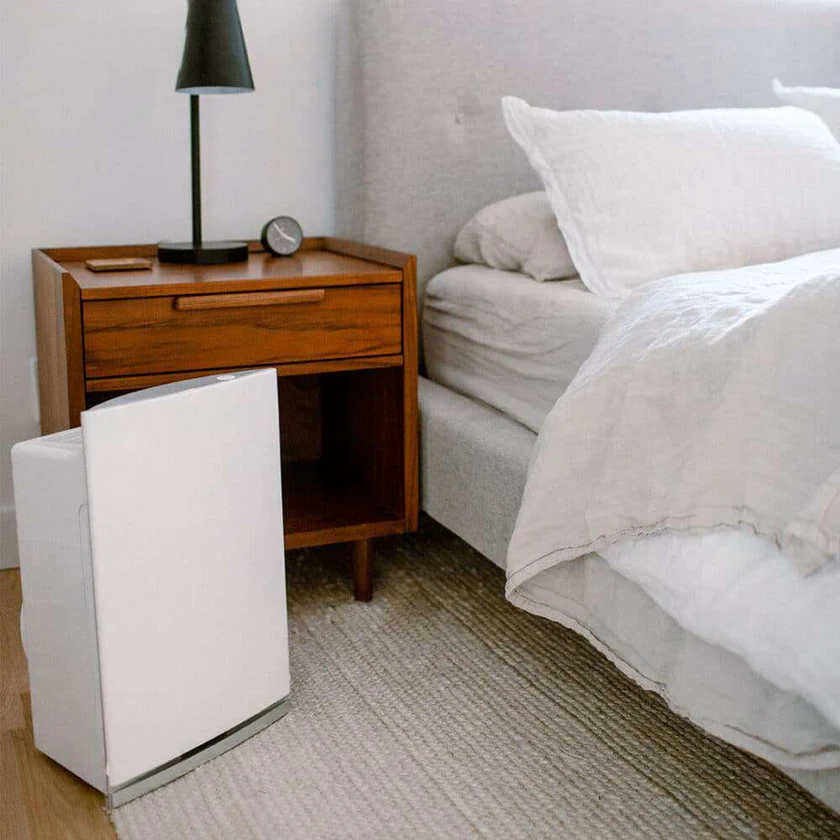
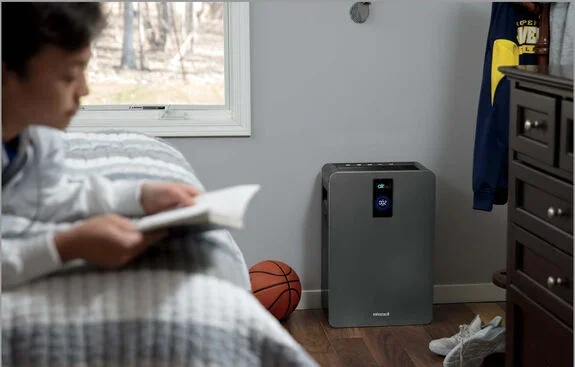
intellipure air purifiers 2

Deconstructing "Manufactured": The Semi-Knocked-Down (SKD) Global Strategy

While the final, value-adding stages of assembly and testing happen in New York, the journey of an Intellipure purifier begins thousands of miles away. The company employs a highly efficient and increasingly common operational model known as Semi-Knocked-Down (SKD) assembly.

The SKD model is defined as a process where "critical components are sourced abroad, shipped as kits, and final assembly plus quality control happen on U.S. lines." This is precisely how Intellipure operates. Essential components such as microprocessors, plastic casings, fan motors, and even the filter media are produced by trusted international suppliers, primarily in China and other parts of Asia known for their advanced manufacturing ecosystems. For example, it's common in the industry for electronic components like display panels to be sourced from South Korea or batteries from Japan.

These globally sourced parts are then consolidated into kits and shipped to the Pulaski facility. There, the American workforce takes over, performing the crucial final assembly and the all-important individual performance testing. This hybrid approach allows Intellipure to accurately use the "Assembled in USA" label, a badge that reflects this blend of global efficiency and American craftsmanship.
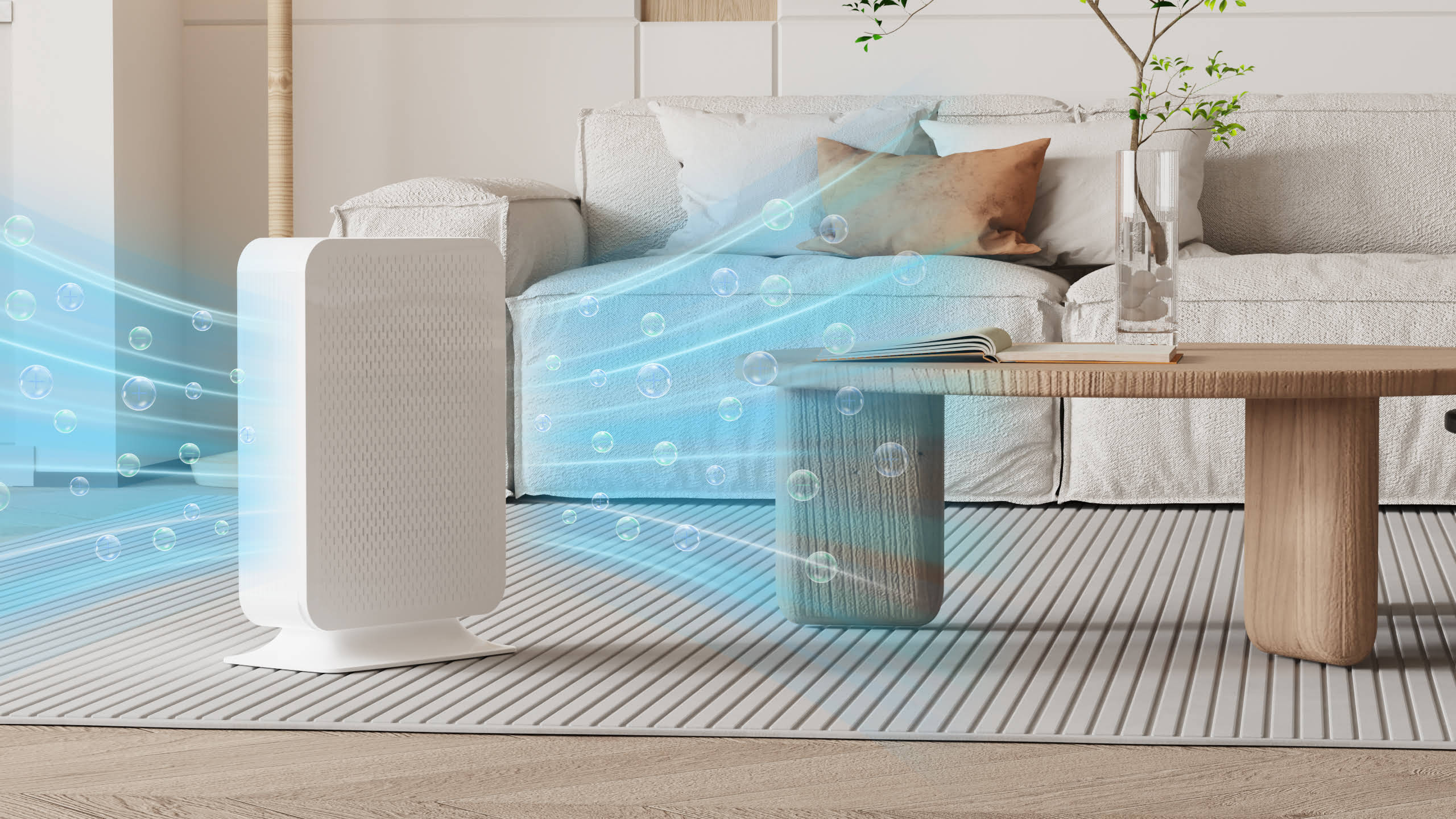
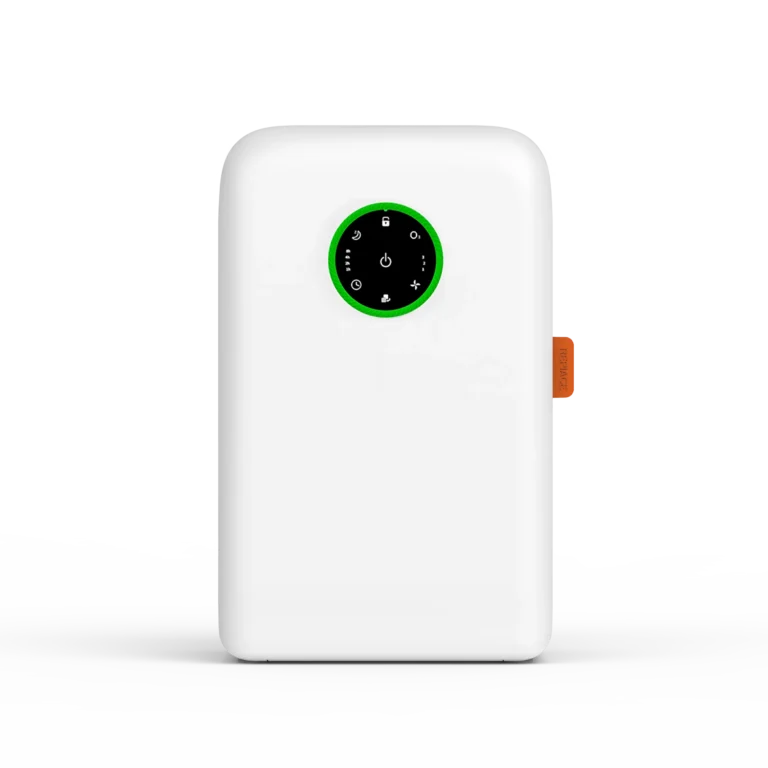
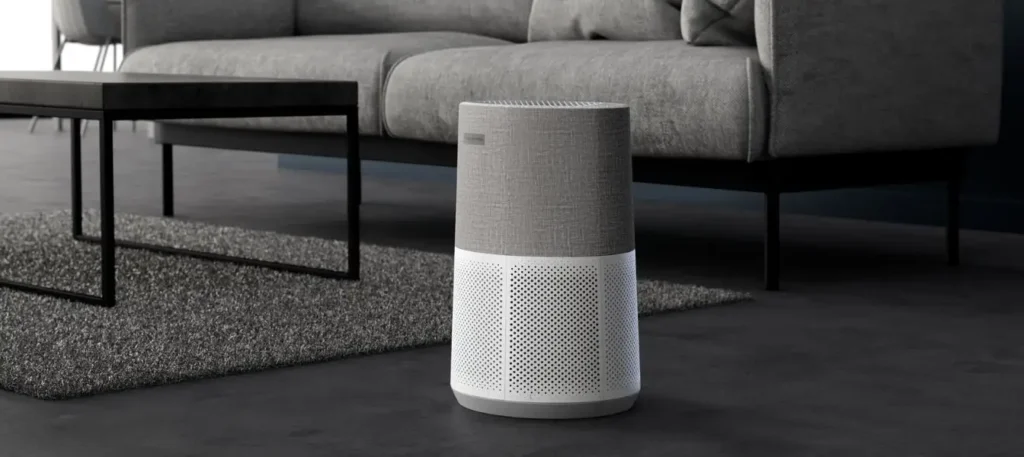
ha200 ha400 plasma
HisoAir - High Performance Air Purifier HA400

The Strategic "Why": Balancing Cost, Quality, and Brand Identity

Adopting the SKD model is a deliberate business decision driven by several key factors that ultimately benefit both the company and its customers.

  1. Economic Efficiency and Tariff Mitigation
    One of the most significant drivers of the SKD model is economic. The United States has imposed tariffs as high as 25% on many fully manufactured goods imported from China. By importing components—which often face lower or no tariffs—and performing the final assembly domestically, Intellipure can significantly reduce its tax burden. This cost saving helps keep the final product competitively priced in the premium market. Furthermore, leveraging the economies of scale from established Asian supply chains for component production is more cost-effective than attempting to replicate the entire process in the higher-cost U.S. environment.

  2. Uncompromising Quality Control
    For a health and wellness product, performance is non-negotiable. The SKD model allows Intellipure to maintain absolute control over the most critical phase of production. By managing the final assembly and conducting rigorous, individual testing on U.S. soil, the company can personally vouch for the quality and reliability of every unit that leaves its facility. This is particularly important for a brand built on the superior performance of its proprietary Disinfecting Filtration System (DFS) technology, which was developed through a U.S. military grant. This U.S.-based quality assurance transforms the final assembly from a simple procedure into the ultimate validation of the brand's promise.

  3. Powerful Brand Positioning
    The "American-Made" narrative, anchored by the tangible story of the Pulaski facility, is a powerful marketing tool. For D2C customers, it evokes patriotism and a desire to support American jobs. For B2B clients, it suggests a company with a stable, domestic presence and responsive customer service. This branding provides a significant competitive advantage in a crowded market, allowing Intellipure to build a strong identity that resonates with a wide range of buyers who associate American assembly with superior quality and accountability.

Corporate Strength and a Future-Focused Vision

Understanding Intellipure's manufacturing requires seeing its place within a larger corporate structure. Intellipure is the primary consumer-facing brand of its parent company, HealthWay Family of Brands, a global leader in air purification. While Intellipure focuses on homes and small businesses, other HealthWay brands cater to large commercial and enterprise clients, all unified by the same core DFS technology.

This strong foundation was further solidified in September 2021, when HealthWay was acquired by AE Industrial Partners (AEI), a private equity firm focused on scaling high-growth technology companies. AEI's investment was a strategic move to build a major platform in the rapidly expanding indoor air quality market. This backing provides Intellipure with significant resources for growth and innovation, signaling to B2B clients in particular that they are partnering with a stable, well-capitalized, and forward-looking industry leader.
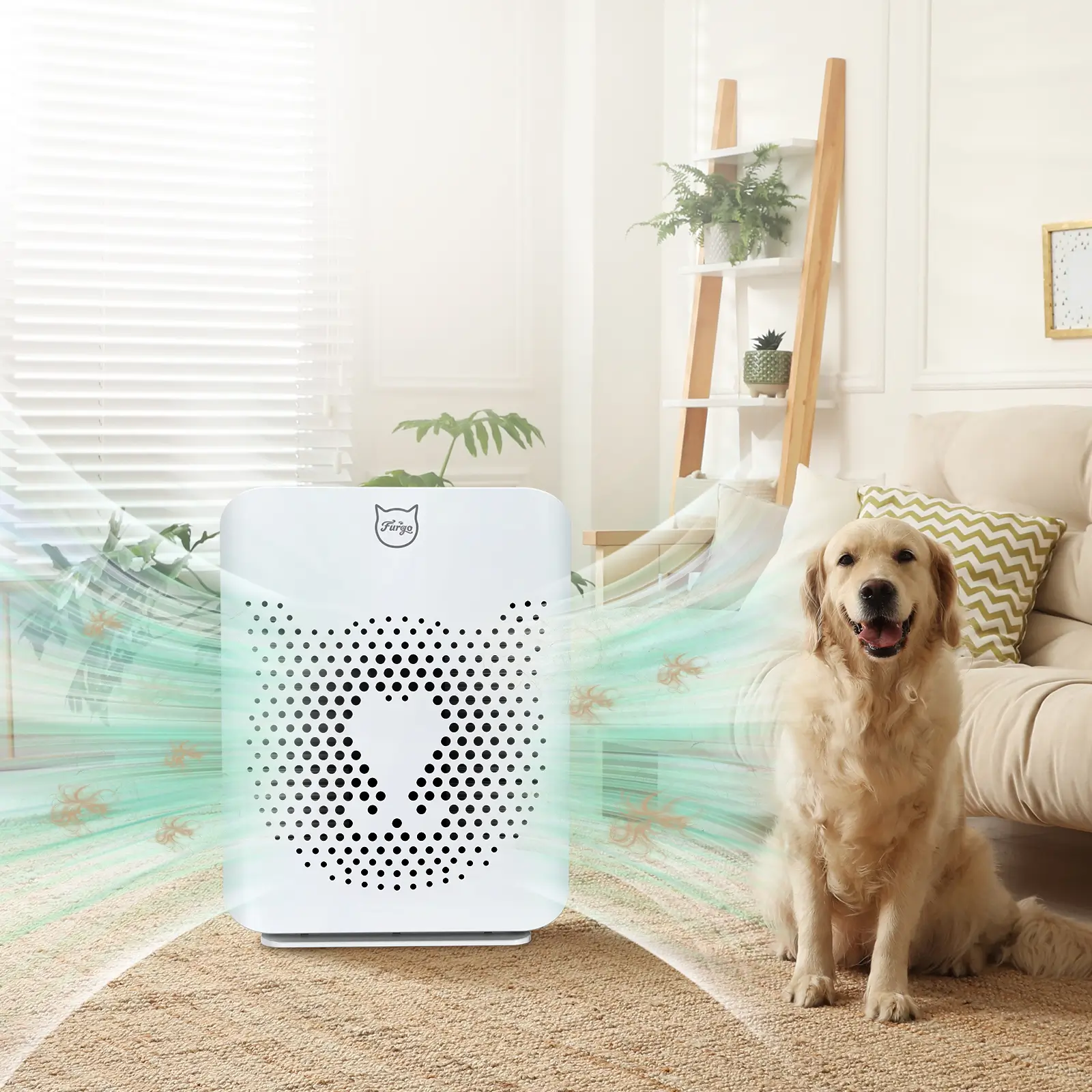
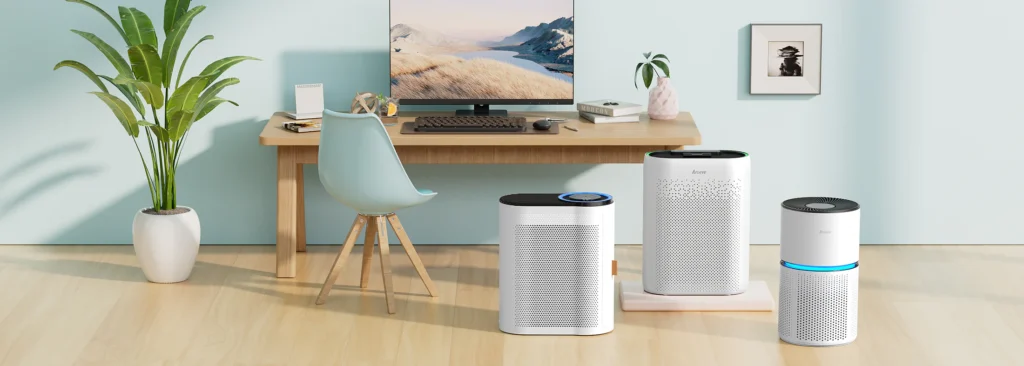
purificador de ar para animais de estimação ha360
HisoAir - Floor-standing Air Purifier HA360

Conclusion: A Global Product with an American Soul

So, where are Intellipure air purifiers manufactured? The most accurate answer is that they are a product of the modern global economy: globally sourced and American-assembled.

The brain of the operation the design, engineering, and proprietary DFS technology—is American. The heart of the brand beats in Pulaski, New York, where a dedicated American workforce assembles each unit by hand and guarantees its performance through meticulous individual testing. The muscle of the operation lies in the strategic use of efficient, high-quality global supply chains for component manufacturing.

For the D2C customer, this hybrid model delivers a product that is both technologically advanced and affordably priced, all while being backed by a compelling American story and an uncompromising commitment to quality you can trust in your home.

For the B2B client, this strategy reveals a smart, resilient company that has optimized its operations for a globalized world. It offers the best of both worlds: the cost-efficiencies of a global supply chain and the reliability, quality control, and marketing power of a U.S.-based final production stage.

Ultimately, Intellipure provides a masterclass in modern manufacturing. It demonstrates that "Made in USA" or "Assembled in USA" is not just a label, but a complex, strategic choice that, when executed well, delivers exceptional value to customers everywhere.

Partilhar:
o fundador da hisoair, sr. lee
Alwen Lee, an air purification expert with over 10 years of experience, is a devoted father of two and a passionate traveler, having explored more than 30 countries. With a love for public speaking and swimming, he has dedicated his life to the indoor air quality industry. His mission is to ensure that people around the world enjoy the freedom to breathe clean air and lead happy, healthy lives.

Envie-nos uma mensagem

Mais para ler

Os 4 principais fabricantes de purificadores de ar na Malásia

Best air purifier in malaysia 2026: top 10 brands

O ar está contaminado com numerosas partículas como poeiras, alergénios, vírus, bactérias e outras que podem prejudicar a saúde das pessoas. Limpá-lo com purificadores de ar eficientes ...
Fabricantes de purificadores de ar, Notícias
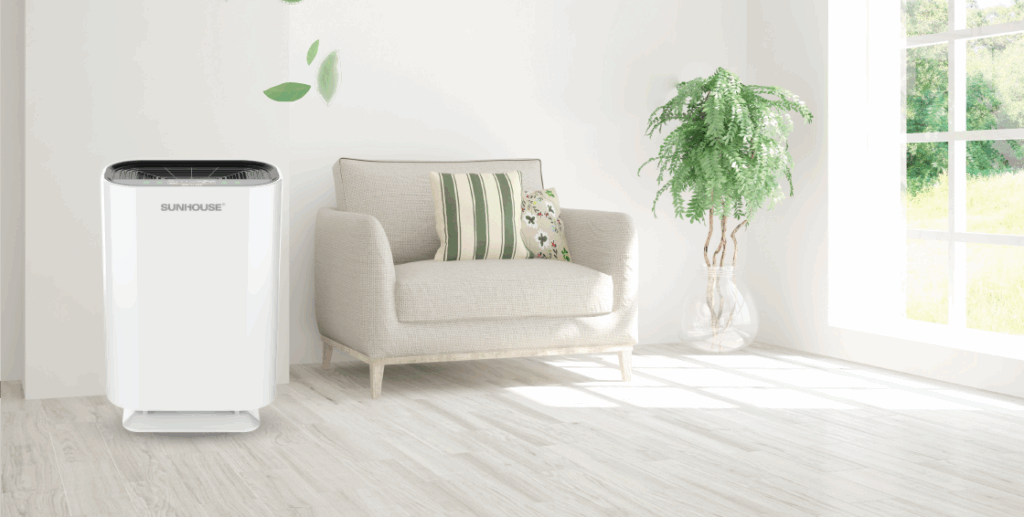
sunhouse air purifiers 4

Where Are Sunhouse Air Purifiers Manufactured?

When you pick up a product, the 'Made in...' label often tells a seemingly straightforward story. For Sunhouse, a prominent name in home appliances, that ...
Fabricantes de purificadores de ar
trusens air purifier 2

Where Are TruSens Air Purifiers Manufactured?

In today's world, clean air isn't just a luxury; it's a necessity for health, productivity, and peace of mind. Whether you're a homeowner seeking a ...
Fabricantes de purificadores de ar
bissell air purifiers 2

Where Are Bissell Air Purifiers Manufactured?

When you think of Bissell, what comes to mind? For most, it’s a story of American ingenuity. With a history stretching back nearly 150 years, ...
Fabricantes de purificadores de ar
rowenta air purifier 2

Where Are Rowenta Air Purifiers Manufactured?

As a business operating in the direct-to-consumer (D2C) or B2B space, understanding the intricacies of a global supply chain is paramount. The simple question, "Where ...
Fabricantes de purificadores de ar
aroeve air purifiers 4

Where Are Aroeve Air Purifiers Manufactured?

In the sprawling, hyper-competitive world of e-commerce, a new type of brand has emerged. Seemingly materializing from nowhere, these "phantom brands" can rapidly dominate product ...
Fabricantes de purificadores de ar
Contaminant Engineering•3 min read

PFAS Water Filtration Technologies Explained: Carbon, Resin & RO

Key Takeaway:

PFAS reduction depends on the specific compounds present, treatment media, contact time, water chemistry, and system design. Activated carbon, ion exchange, and Reverse Osmosis address PFAS through different mechanisms.

PFAS are a large family of persistent fluorinated compounds that can occur in drinking-water supplies. Their treatment behavior varies significantly by molecular structure, chain length, functional group, concentration, and the chemistry of the source water.

Granular Activated Carbon (GAC) removes PFAS primarily through adsorption. It is generally more effective for many longer-chain PFAS, while shorter-chain compounds tend to break through more quickly. Carbon performance depends on media properties, Empty Bed Contact Time (EBCT), competing organic matter, loading, and replacement frequency.

Ion-exchange resins use charged functional sites to capture many PFAS compounds. Properly selected anion-exchange media can provide high capacity and may perform better than conventional activated carbon for some shorter-chain PFAS, although performance still depends on water chemistry and competing ions.

Reverse Osmosis (RO) uses membrane separation rather than adsorption. Properly designed RO systems can provide broad reduction across many PFAS compounds as well as dissolved salts and other contaminants. Unlike carbon or resin, however, RO also produces a concentrate stream that must be managed.

No single technology should be selected from a PFAS label alone. System design should consider which PFAS compounds are present, their concentrations, required reduction targets, flow rate, media life, and the applicable third-party certification or validation requirements.

HisoAir Water Technical Series
Product Discovery•3 min read

How to Choose an Under-Sink Water Purifier for Modern Kitchens

Key Takeaway:

Match the treatment technology to your water quality first, then evaluate cabinet space, faucet configuration, flow rate, drain and power requirements, and filter replacement needs.

Choosing an under-sink water purifier starts with water chemistry. Carbon filtration is well suited to chlorine, taste, odor, and many organic contaminants, while Reverse Osmosis is more appropriate when dissolved salts, fluoride, nitrates, or broader dissolved contaminants need to be reduced.

For compact kitchens, tankless RO systems eliminate the conventional storage tank and can significantly reduce the space required under the sink. However, membrane capacity stated in GPD does not directly equal faucet flow. When comparing systems, check the actual dispensing flow rate, inlet-pressure requirement, recovery ratio, and whether a booster pump is required.

Installation architecture also matters. Many RO systems require a drain connection, electrical power, and either a dedicated drinking-water faucet or a compatible multi-function faucet. High-flow carbon systems can often connect directly to the existing cold-water line with a simpler installation, but pressure drop and available faucet flow should still be verified.

RO also removes much of the naturally occurring dissolved mineral content. Where taste or mineral balance is a priority, a post-RO remineralization stage can be added. Filter life should be evaluated by both rated capacity and local water quality rather than replacement time alone.

The right system is therefore not simply the smallest or highest-GPD model. It is the configuration that matches the target contaminants, available cabinet space, desired faucet setup, peak dispensing demand, and maintenance expectations.

HisoAir Water Technical Series
Water Quality•2 min read

What Does TDS Mean in Drinking Water? Measurement vs Contaminant Reality

Key Takeaway:

A TDS meter estimates the overall concentration of dissolved ionic substances from electrical conductivity. It cannot identify specific contaminants or determine whether water is chemically safe.

Total Dissolved Solids (TDS) refers to the combined concentration of dissolved substances in water. Most handheld TDS meters do not measure TDS directly. Instead, they measure electrical conductivity (EC) and convert that reading into an estimated parts-per-million (ppm) value.

This means a TDS reading can indicate how much dissolved ionic material is present, but not what that material actually is. Calcium, magnesium, sodium, nitrates, and other dissolved ions can all contribute to conductivity, yet a simple TDS meter cannot distinguish between them.

TDS meters are also not suitable for detecting trace contaminants such as PFAS, many VOCs, pesticides, pharmaceuticals, or disinfection byproducts. These substances may be present at concentrations far below the level needed to noticeably change electrical conductivity.

A low TDS reading therefore does not guarantee safe drinking water, and a higher TDS reading does not automatically indicate contamination. Water-treatment decisions should be based on laboratory testing for specific contaminants of concern rather than TDS alone.

HisoAir Water Technical Series
Technology Selection•2 min read

RO vs UF Water Filtration: Understanding Pore Sizes & Dissolved Minerals

Key Takeaway:

Ultrafiltration can reduce bacteria, turbidity, and suspended particles while retaining most naturally occurring dissolved minerals. Reverse Osmosis provides much broader reduction of dissolved salts and smaller contaminants.

Ultrafiltration (UF) typically uses hollow-fiber membranes with pore sizes in the approximate 0.01–0.1 micron range. These membranes physically retain turbidity, suspended solids, colloids, and many microorganisms while allowing dissolved minerals and salts to remain in the water.

Reverse Osmosis (RO) operates at a much finer separation level. Unlike UF, RO can substantially reduce dissolved ions such as sodium, calcium, fluoride, nitrates, and other contributors to total dissolved solids (TDS). This makes RO more suitable when dissolved-salt reduction is a primary treatment objective.

UF generally requires less system pressure and produces little or no continuous concentrate stream in many point-of-use configurations. RO typically requires greater pressure and produces a reject-water stream, but delivers broader contaminant reduction.

For water with acceptable TDS and mineral content, UF can be a simpler mineral-retaining treatment option. Where dissolved salts, fluoride, nitrates, or broader dissolved contaminants are a concern, RO is generally the more appropriate technology.

HisoAir Water Technical Series
Technology Selection•4 min read

Carbon Block vs Reverse Osmosis: Which Fits Your Need?

Key Takeaway:

Choose RO for dissolved inorganic salts and heavy metals; choose Carbon Block for chemical taste/odor, no wastewater, and high line-pressure flow.

Reverse Osmosis (RO) and Carbon Block filtration represent two fundamentally different treatment methods: membrane separation and adsorption. Understanding these differences helps determine which technology is better suited to a specific water-quality requirement.

Reverse Osmosis uses a semi-permeable membrane with pore sizes of approximately 0.0001 microns. It can significantly reduce dissolved inorganic contaminants such as TDS, fluoride, nitrates, and certain heavy metals. Because water must be forced through the membrane, RO systems require sufficient pressure or a booster pump and generate a concentrated wastewater stream.

Carbon Block filtration relies primarily on adsorption through compressed activated carbon, commonly with nominal pore sizes around 0.5–5 microns. It is highly effective for chlorine, chloramines, VOCs, taste, and odor, while allowing substantially higher direct-flow rates without producing wastewater.

From an operating perspective, Carbon Block systems are generally simpler, require less energy, and avoid the water loss associated with RO. RO involves higher system complexity and operating cost, but provides substantially broader reduction of dissolved contaminants that Carbon Block alone cannot address.

HisoAir Water Technical Series

SOLICITAR UM ORÇAMENTO