
Abre num novo separador
Soluções inovadoras para a qualidade do ar

Where Are Mooka Air Purifier Manufactured?

If you’ve shopped for an air purifier recently, chances are you’ve come across the Mooka brand. Available on major retail sites like HomeDepot.com and Walmart.com, Mooka presents a compelling image. The brand story is relatable, centered on a founder named Monica who, motivated by a mother’s desire to protect her family from urban pollution, created the company in 2017. Their website features a U.S. toll-free number, and their customer service hours are conveniently listed in Eastern Standard Time. Marketing materials even reference the specific air quality concerns of Americans, like smoke from California wildfires drifting across the country.

Everything about Mooka feels distinctly American. But in today’s global marketplace, brand identity can be more complex than it appears. The question that many consumers and businesses are asking is: where are Mooka air purifiers actually manufactured? The answer reveals more than just a factory location; it unveils a sophisticated and modern global business strategy. This deep dive will peel back the layers of Mooka’s operations, providing critical insights for both direct-to-consumer (D2C) shoppers and business-to-business (B2B) clients looking to understand this rapidly growing brand.

Crafting the American Dream: Mooka's U.S. Persona

Mooka has masterfully cultivated a brand persona that resonates with a North American audience. This isn't an accident; it's a deliberate and well-executed strategy built on three core pillars.
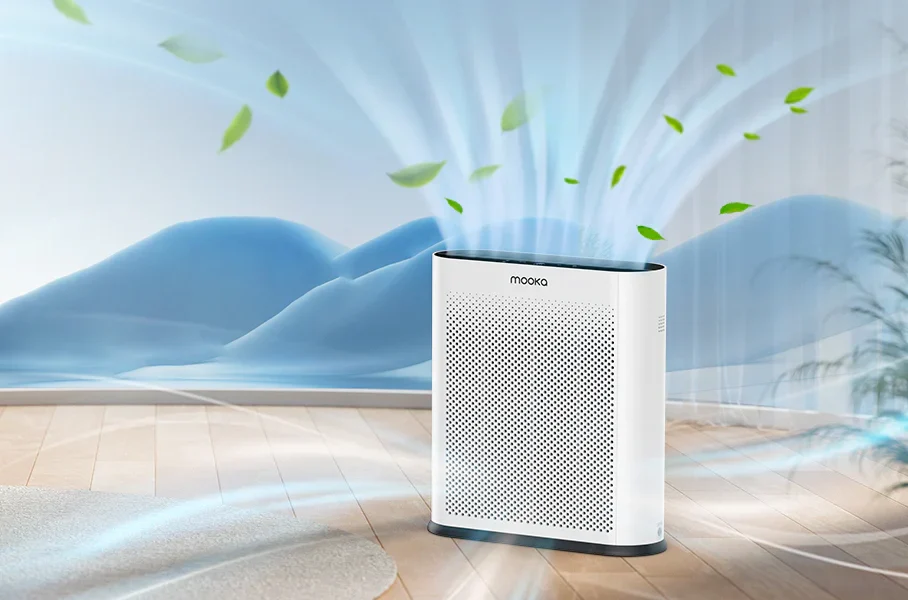
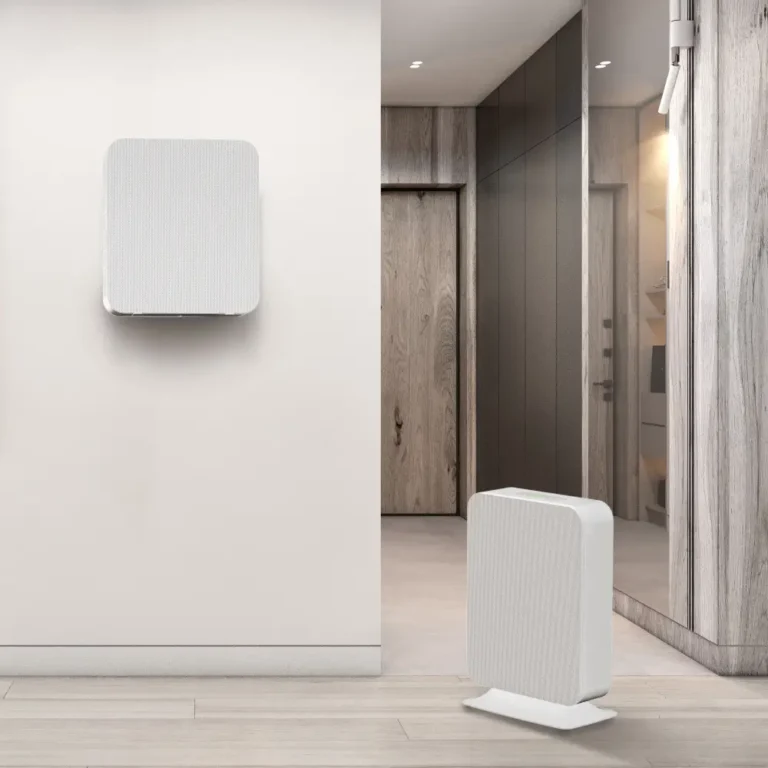
mooka air purifier 7

The Founder's Narrative: The story of "Monica" founding Mooka in a "pollution-choked city" is the heart of the brand's identity. This narrative creates an emotional connection, framing Mooka not as a faceless corporation but as a mission-driven enterprise born from a personal, relatable struggle. The story is intentionally vague on specifics like the city or country of origin, allowing it to function as a powerful marketing tool that aligns the brand with Western values of family, health, and wellness.

U.S.-Centric Infrastructure: To back up its American feel, Mooka has established a robust, U.S.-focused customer and commercial infrastructure. The company provides a North American toll-free number (+1 (855) 666-9955) for support and explicitly lists its office hours as 8:00 AM to 12:00 AM (midnight) Eastern Standard Time (EST), seven days a week. This is a significant detail. By pegging its service operations to a U.S. time zone, Mooka signals a tangible commitment to its American customer base. This is further reinforced by U.S.-based email addresses for wholesale and marketing inquiries.

Targeted Marketing Language: Mooka’s product descriptions are tailored to the American market. The brand consistently highlights its adoption by millions of families and its global reach, but it also drills down into U.S.-specific concerns. As mentioned, multiple product listings explicitly note the purifiers' effectiveness against smoke from "California Wildfires". This demonstrates a keen understanding of the market and strengthens the brand's connection with U.S. consumers.

This entire construct from the founder's story to the EST service hours is a textbook example of a modern branding strategy designed to build trust and familiarity in a target market.
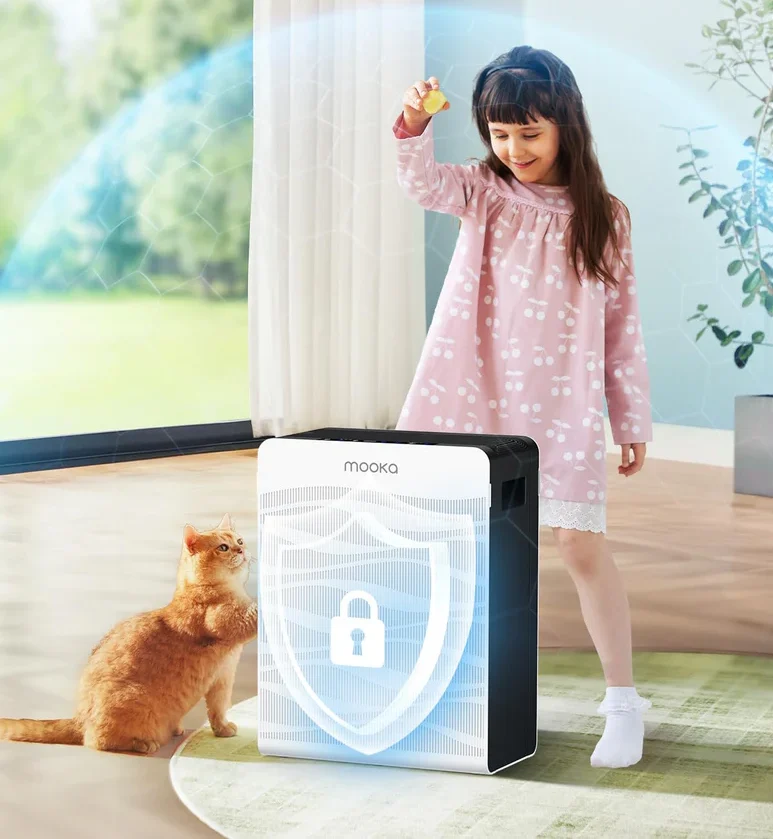
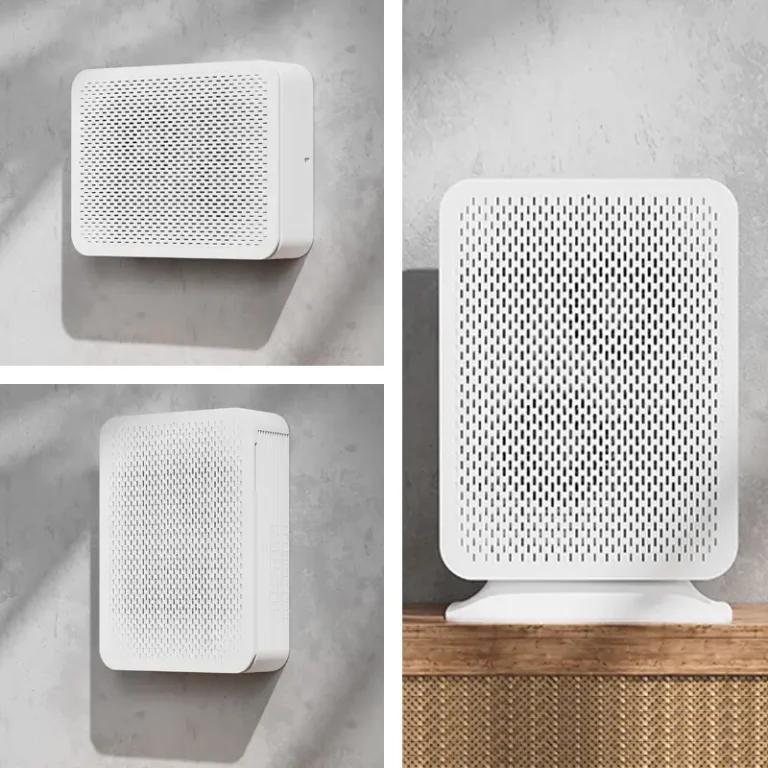
mooka air purifier 3

The Manufacturing Reality: A Trail to Shenzhen

Despite the carefully constructed U.S. persona, the evidence regarding Mooka's manufacturing origins is conclusive.

Mooka air purifiers are manufactured in Shenzhen, China.

This is stated unequivocally by HisoAir, an industry publication that specializes in home appliances. Shenzhen is a global hub for electronics design and manufacturing, making it a logical and credible location for the production of Mooka's devices.

This conclusion is further supported by the observations of independent industry experts. A technical review from AirPurifierFirst.com, for instance, categorizes Mooka among "newer Chinese brands" and notes a "lack of transparency" from the company—a recurring theme that aligns with a strategy of obscuring its manufacturing base.

Indirect clues also point to a sophisticated, export-focused Chinese manufacturing operation. Mooka's products boast a full suite of international safety and regulatory certifications, including CARB (California Air Resources Board), ETL (a North American product safety mark), FCC, CE, and RoHS. Obtaining these certifications, particularly the U.S.-specific ones, requires a manufacturer with significant experience in meeting stringent global standards. Furthermore, at least one product description mentions an "imported true H13 HEPA filter," suggesting a global supply chain where components are sourced from various locations and assembled in a central manufacturing facility, a model characteristic of hubs like Shenzhen.
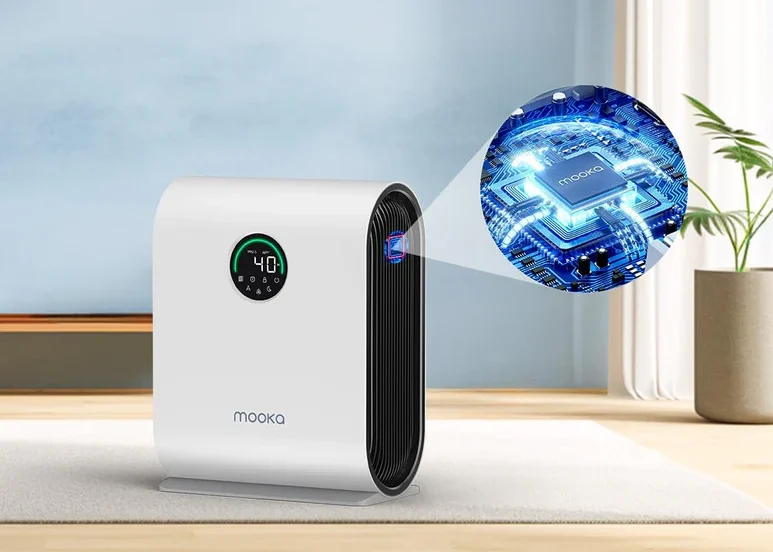
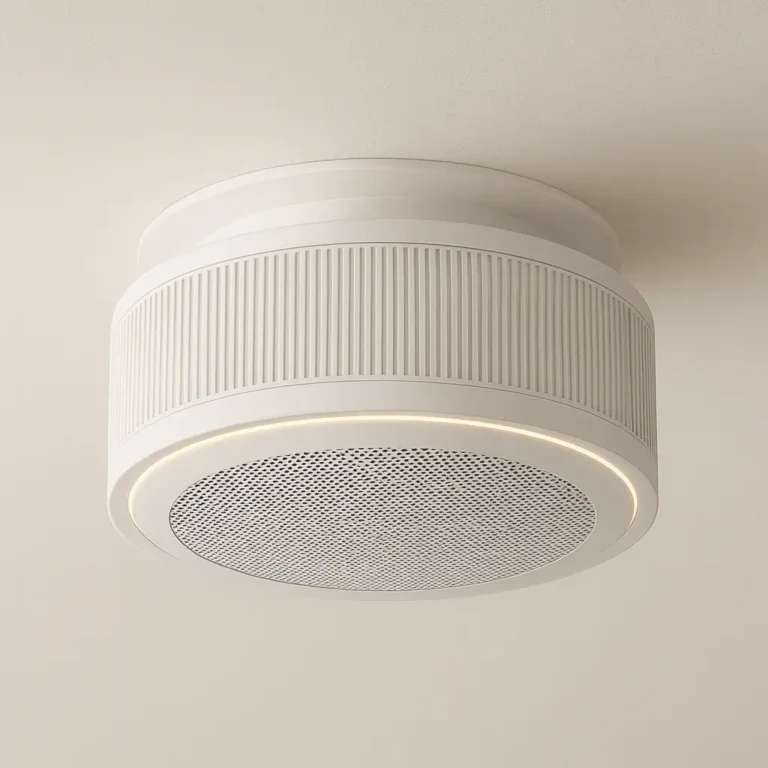
mooka air purifier 4

The Hidden Partner: How a U.S. Government Contractor Powers Mooka's Operations

With manufacturing based in China and marketing aimed at the U.S., how does Mooka manage its extensive American retail presence? The brand has moved far beyond the simple "Amazon-only" or "relabel" model that some online forums initially suspected. Mooka products are sold by retail giants like Home Depot and Walmart, an achievement that requires a highly professional and reliable U.S. logistics and distribution network.

The key to this operation appears to be a U.S.-based company: Pisces Healthcare Solutions.

The official website for Pisces Healthcare Solutions, a medical supply company, explicitly lists and sells a range of Mooka-branded air purifiers. This is not a typical third-party retail arrangement; the products are integrated into Pisces' own "Sleep & Respiratory" and "Air Purifiers and Accessories" categories, suggesting a deep, strategic partnership.

So, who is Pisces Healthcare Solutions?

Its legal name is LMH Hawthorne Healthcare, Inc., a U.S. entity with a corporate headquarters in Longmont, Colorado, and distribution centers in Virginia and Florida.

Crucially, Pisces is a certified Service-Disabled Veteran Owned Small Business (SDVOSB).

It is an active U.S. government contractor, serving the Department of Defense (DOD) and over 125 Department of Veterans Affairs (VA) Medical Centers.

Its primary business is the distribution of medical and therapeutic products like mobility aids and respiratory equipment—not direct-to-consumer electronics.

This information clarifies the entire Mooka business model. The evidence strongly indicates that Mooka is a brand, manufactured in China, that is imported, distributed, and logistically managed in the United States by Pisces Healthcare Solutions.

This is a sophisticated B2B2C (Business-to-Business-to-Consumer) strategy. The Chinese manufacturer gains access to the lucrative U.S. market via a trusted, certified American partner with proven expertise in logistics and government contracting. In turn, Pisces Healthcare Solutions leverages its existing infrastructure to diversify into the consumer electronics market, creating a new revenue stream. This symbiotic relationship explains how Mooka can maintain its American "feel" through U.S.-based distribution and support while benefiting from the scale of global manufacturing.
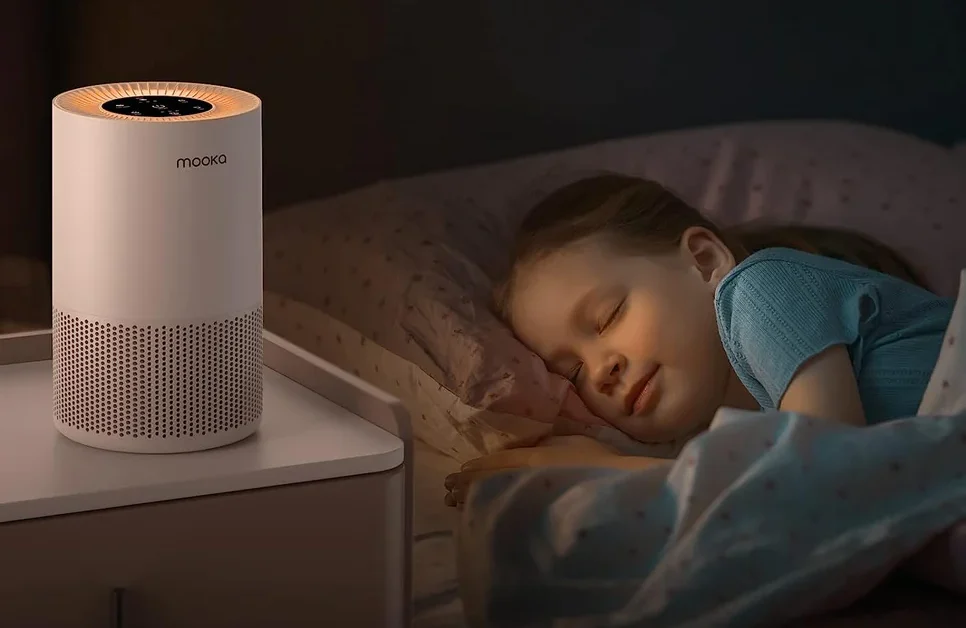
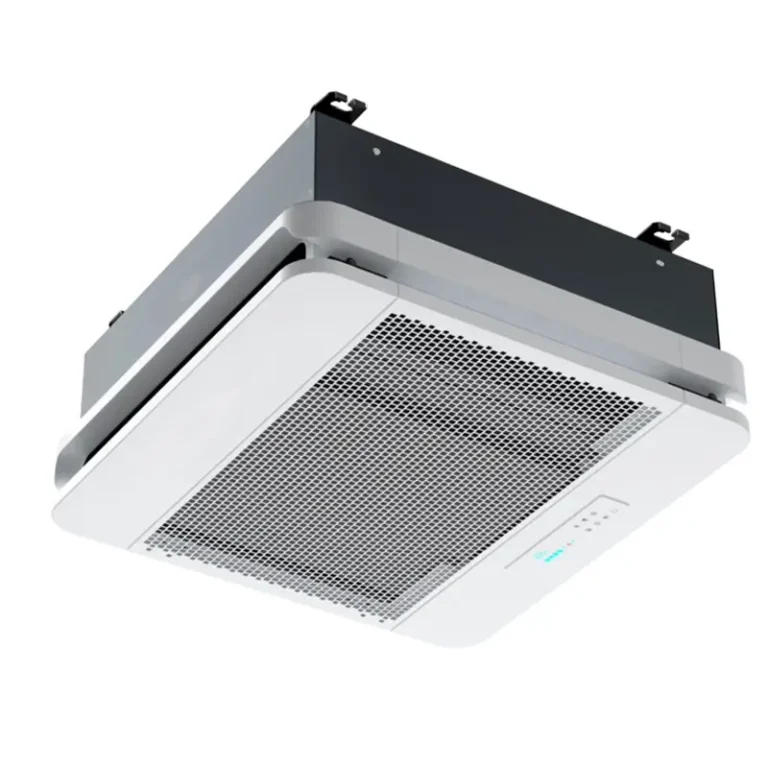
mooka air purifier 2

What This Means for You: Key Takeaways for Consumers and Businesses

For the D2C Consumer
When you buy a Mooka air purifier, you are purchasing a product that was manufactured in China. However, the brand's U.S. operations—including shipping, returns, and customer support—are handled through its American partner. The presence of a U.S.-based distributor like Pisces provides a level of accountability that might be absent from brands that ship directly from overseas.
Your purchasing decision should be based on the product's performance, technical specifications, and safety certifications (like ETL and CARB), which are legitimate and verifiable. The emotive founder story is a marketing tool; the U.S.-based support network is the practical reality.

For the B2B Client (Retailers, Competitors, and Potential Partners)
Mooka serves as an excellent case study in modern global private labeling and strategic brand positioning. The corporate opacity—the public separation between the brand, its U.S. distributor, and its overseas manufacturer—is a deliberate strategy, not an oversight. It allows the company to present a simple, appealing narrative to consumers while managing a complex international supply chain behind the scenes.
For any business seeking to partner with, compete against, or procure from Mooka in the U.S., the key entity for engagement is almost certainly Pisces Healthcare Solutions. Inquiries regarding supply chain logistics, large-scale distribution, or commercial partnerships should be directed to this established U.S. partner. The brand's success in securing placement with major retailers like Home Depot and Walmart is a testament to the reliability and scalability of its U.S. operational backbone.
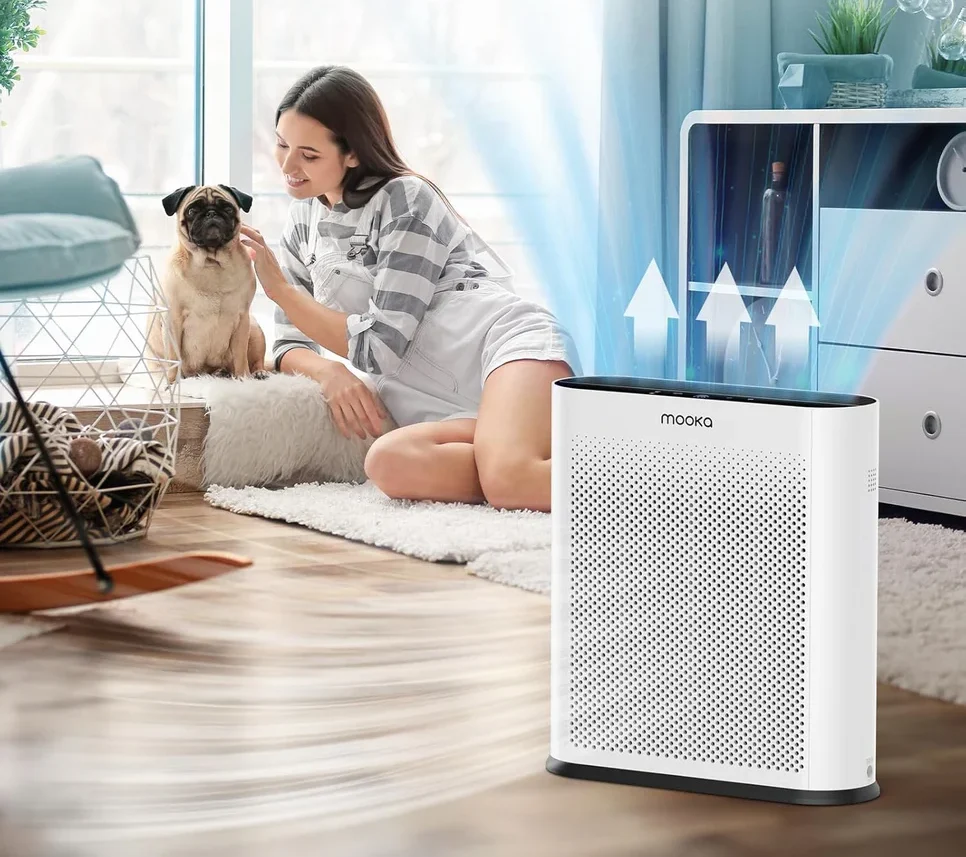
mooka air purifier 6

Conclusion: A Modern Brand for a Globalized World

The answer to "Where are Mooka air purifiers made?" is Shenzhen, China. But the more complete answer is that Mooka as a brand exists in two places at once: its products are born in a global manufacturing powerhouse, while its identity is carefully nurtured for and by the American market.

This dual nature, powered by a strategic partnership between an overseas manufacturer and a certified U.S. government contractor, is a hallmark of modern, successful global commerce. It’s a model that leverages the strengths of international production while providing the localized support and market understanding necessary to win consumer trust. For both individuals and businesses, recognizing this sophisticated structure is the key to truly understanding the Mooka brand.

Partilhar:
o fundador da hisoair, sr. lee
Alwen Lee, an air purification expert with over 10 years of experience, is a devoted father of two and a passionate traveler, having explored more than 30 countries. With a love for public speaking and swimming, he has dedicated his life to the indoor air quality industry. His mission is to ensure that people around the world enjoy the freedom to breathe clean air and lead happy, healthy lives.

Envie-nos uma mensagem

Mais para ler

Os 4 principais fabricantes de purificadores de ar na Malásia

Best air purifier in malaysia 2026: top 10 brands

O ar está contaminado com numerosas partículas como poeiras, alergénios, vírus, bactérias e outras que podem prejudicar a saúde das pessoas. Limpá-lo com purificadores de ar eficientes ...
Fabricantes de purificadores de ar, Notícias
sunhouse air purifiers 4

Where Are Sunhouse Air Purifiers Manufactured?

When you pick up a product, the 'Made in...' label often tells a seemingly straightforward story. For Sunhouse, a prominent name in home appliances, that ...
Fabricantes de purificadores de ar
trusens air purifier 2

Where Are TruSens Air Purifiers Manufactured?

In today's world, clean air isn't just a luxury; it's a necessity for health, productivity, and peace of mind. Whether you're a homeowner seeking a ...
Fabricantes de purificadores de ar
bissell air purifiers 2

Where Are Bissell Air Purifiers Manufactured?

When you think of Bissell, what comes to mind? For most, it’s a story of American ingenuity. With a history stretching back nearly 150 years, ...
Fabricantes de purificadores de ar
intellipure air purifiers

Where Are Intellipure Air Purifiers Manufactured?

In today’s market, the phrase “Made in USA” carries significant weight. For direct-to-consumer (D2C) buyers, it often implies superior quality, support for the domestic economy, ...
Fabricantes de purificadores de ar
rowenta air purifier 2

Where Are Rowenta Air Purifiers Manufactured?

As a business operating in the direct-to-consumer (D2C) or B2B space, understanding the intricacies of a global supply chain is paramount. The simple question, "Where ...
Fabricantes de purificadores de ar
Contaminant Engineering•3 min read

PFAS Water Filtration Technologies Explained: Carbon, Resin & RO

Key Takeaway:

PFAS reduction depends on the specific compounds present, treatment media, contact time, water chemistry, and system design. Activated carbon, ion exchange, and Reverse Osmosis address PFAS through different mechanisms.

PFAS are a large family of persistent fluorinated compounds that can occur in drinking-water supplies. Their treatment behavior varies significantly by molecular structure, chain length, functional group, concentration, and the chemistry of the source water.

Granular Activated Carbon (GAC) removes PFAS primarily through adsorption. It is generally more effective for many longer-chain PFAS, while shorter-chain compounds tend to break through more quickly. Carbon performance depends on media properties, Empty Bed Contact Time (EBCT), competing organic matter, loading, and replacement frequency.

Ion-exchange resins use charged functional sites to capture many PFAS compounds. Properly selected anion-exchange media can provide high capacity and may perform better than conventional activated carbon for some shorter-chain PFAS, although performance still depends on water chemistry and competing ions.

Reverse Osmosis (RO) uses membrane separation rather than adsorption. Properly designed RO systems can provide broad reduction across many PFAS compounds as well as dissolved salts and other contaminants. Unlike carbon or resin, however, RO also produces a concentrate stream that must be managed.

No single technology should be selected from a PFAS label alone. System design should consider which PFAS compounds are present, their concentrations, required reduction targets, flow rate, media life, and the applicable third-party certification or validation requirements.

HisoAir Water Technical Series
Product Discovery•3 min read

How to Choose an Under-Sink Water Purifier for Modern Kitchens

Key Takeaway:

Match the treatment technology to your water quality first, then evaluate cabinet space, faucet configuration, flow rate, drain and power requirements, and filter replacement needs.

Choosing an under-sink water purifier starts with water chemistry. Carbon filtration is well suited to chlorine, taste, odor, and many organic contaminants, while Reverse Osmosis is more appropriate when dissolved salts, fluoride, nitrates, or broader dissolved contaminants need to be reduced.

For compact kitchens, tankless RO systems eliminate the conventional storage tank and can significantly reduce the space required under the sink. However, membrane capacity stated in GPD does not directly equal faucet flow. When comparing systems, check the actual dispensing flow rate, inlet-pressure requirement, recovery ratio, and whether a booster pump is required.

Installation architecture also matters. Many RO systems require a drain connection, electrical power, and either a dedicated drinking-water faucet or a compatible multi-function faucet. High-flow carbon systems can often connect directly to the existing cold-water line with a simpler installation, but pressure drop and available faucet flow should still be verified.

RO also removes much of the naturally occurring dissolved mineral content. Where taste or mineral balance is a priority, a post-RO remineralization stage can be added. Filter life should be evaluated by both rated capacity and local water quality rather than replacement time alone.

The right system is therefore not simply the smallest or highest-GPD model. It is the configuration that matches the target contaminants, available cabinet space, desired faucet setup, peak dispensing demand, and maintenance expectations.

HisoAir Water Technical Series
Water Quality•2 min read

What Does TDS Mean in Drinking Water? Measurement vs Contaminant Reality

Key Takeaway:

A TDS meter estimates the overall concentration of dissolved ionic substances from electrical conductivity. It cannot identify specific contaminants or determine whether water is chemically safe.

Total Dissolved Solids (TDS) refers to the combined concentration of dissolved substances in water. Most handheld TDS meters do not measure TDS directly. Instead, they measure electrical conductivity (EC) and convert that reading into an estimated parts-per-million (ppm) value.

This means a TDS reading can indicate how much dissolved ionic material is present, but not what that material actually is. Calcium, magnesium, sodium, nitrates, and other dissolved ions can all contribute to conductivity, yet a simple TDS meter cannot distinguish between them.

TDS meters are also not suitable for detecting trace contaminants such as PFAS, many VOCs, pesticides, pharmaceuticals, or disinfection byproducts. These substances may be present at concentrations far below the level needed to noticeably change electrical conductivity.

A low TDS reading therefore does not guarantee safe drinking water, and a higher TDS reading does not automatically indicate contamination. Water-treatment decisions should be based on laboratory testing for specific contaminants of concern rather than TDS alone.

HisoAir Water Technical Series
Technology Selection•2 min read

RO vs UF Water Filtration: Understanding Pore Sizes & Dissolved Minerals

Key Takeaway:

Ultrafiltration can reduce bacteria, turbidity, and suspended particles while retaining most naturally occurring dissolved minerals. Reverse Osmosis provides much broader reduction of dissolved salts and smaller contaminants.

Ultrafiltration (UF) typically uses hollow-fiber membranes with pore sizes in the approximate 0.01–0.1 micron range. These membranes physically retain turbidity, suspended solids, colloids, and many microorganisms while allowing dissolved minerals and salts to remain in the water.

Reverse Osmosis (RO) operates at a much finer separation level. Unlike UF, RO can substantially reduce dissolved ions such as sodium, calcium, fluoride, nitrates, and other contributors to total dissolved solids (TDS). This makes RO more suitable when dissolved-salt reduction is a primary treatment objective.

UF generally requires less system pressure and produces little or no continuous concentrate stream in many point-of-use configurations. RO typically requires greater pressure and produces a reject-water stream, but delivers broader contaminant reduction.

For water with acceptable TDS and mineral content, UF can be a simpler mineral-retaining treatment option. Where dissolved salts, fluoride, nitrates, or broader dissolved contaminants are a concern, RO is generally the more appropriate technology.

HisoAir Water Technical Series
Technology Selection•4 min read

Carbon Block vs Reverse Osmosis: Which Fits Your Need?

Key Takeaway:

Choose RO for dissolved inorganic salts and heavy metals; choose Carbon Block for chemical taste/odor, no wastewater, and high line-pressure flow.

Reverse Osmosis (RO) and Carbon Block filtration represent two fundamentally different treatment methods: membrane separation and adsorption. Understanding these differences helps determine which technology is better suited to a specific water-quality requirement.

Reverse Osmosis uses a semi-permeable membrane with pore sizes of approximately 0.0001 microns. It can significantly reduce dissolved inorganic contaminants such as TDS, fluoride, nitrates, and certain heavy metals. Because water must be forced through the membrane, RO systems require sufficient pressure or a booster pump and generate a concentrated wastewater stream.

Carbon Block filtration relies primarily on adsorption through compressed activated carbon, commonly with nominal pore sizes around 0.5–5 microns. It is highly effective for chlorine, chloramines, VOCs, taste, and odor, while allowing substantially higher direct-flow rates without producing wastewater.

From an operating perspective, Carbon Block systems are generally simpler, require less energy, and avoid the water loss associated with RO. RO involves higher system complexity and operating cost, but provides substantially broader reduction of dissolved contaminants that Carbon Block alone cannot address.

HisoAir Water Technical Series

SOLICITAR UM ORÇAMENTO