In today's competitive wellness market, understanding the origins of products is more critical than ever for B2B buyers. From ensuring quality and ethical practices to managing supply chain risks and meeting consumer demand for transparency, knowing where major brands source their components and manufacture their goods provides a significant strategic advantage. This article delves into the intricate sourcing strategies of leading US wellness brands, with a particular focus on air quality products such as air purifiers, humidifiers, diffusers, fans, coolers, and dehumidifiers. For businesses looking to partner with reliable suppliers or enhance their own product lines, this comprehensive overview offers invaluable insights into the diverse approaches to global and domestic manufacturing.
The Complex Landscape of Wellness Product Sourcing
The sourcing landscape for wellness products is multifaceted, characterized by a blend of global and domestic manufacturing, in-house production, and extensive outsourcing. Many US wellness brands, driven by cost efficiencies, access to specialized technologies, and scalability, opt for global supply chains, often leveraging manufacturing hubs in Asia. This approach allows them to offer competitive pricing and a wide range of products. However, a growing segment of the market emphasizes domestic production, driven by factors such as quality control, shorter lead times, reduced shipping costs, and a desire to appeal to consumers who prioritize
Made in USA products. The choice of sourcing strategy often reflects a brand's core values, target market, and operational priorities.
Sourcing Strategies by Product Category
Air Purifiers: A Tale of Two Sourcing Philosophies
The air purifier market showcases a clear divergence in sourcing strategies among major US wellness brands. On one hand, global players like Coway demonstrate a robust international manufacturing presence. Their products are manufactured across various locations, including China, Vietnam, Thailand, and Malaysia. This diversified approach, often referred to as a "China+1 Strategy," allows for greater flexibility, risk mitigation, and access to a broader range of manufacturing capabilities and cost efficiencies. For B2B buyers, partnering with brands like Coway means tapping into a globally optimized supply chain capable of high-volume production and diverse product offerings.
Conversely, brands such as Sistemas de ar de Austin proudly champion a "Made in USA" philosophy. Their air purifiers are handcrafted in Buffalo, New York, emphasizing local production, stringent quality control, and a commitment to American manufacturing. This strategy often resonates with consumers who prioritize domestic job creation, reduced environmental impact from shipping, and a perception of higher quality or ethical production standards. For B2B buyers, sourcing from such brands can be a powerful marketing tool, appealing to a growing segment of the market that values local provenance and transparency.

HisoAir - Standing & Wall-Mounted Air Purifier HA200(ABS panel)
Humidifiers: Design Focus Meets Domestic Production
In the humidifier sector, brands like Crane USA highlight their focus on product design, efficiency, and style. While their website does not explicitly detail manufacturing locations, their emphasis on design and innovation suggests a potential reliance on outsourced manufacturing partners, which is a common practice in the consumer electronics industry. This allows them to concentrate on R&D and marketing, bringing aesthetically pleasing and functional products to market quickly.
Em contrapartida, AIRCARE stands out as a prominent US-based humidifier manufacturer, recognized as the largest in the country. Their commitment to domestic production underscores a trend seen in certain segments of the wellness industry where in-house or local manufacturing remains a core competitive advantage. For B2B partners, this can translate to more reliable supply chains, easier communication, and potentially faster turnaround times for custom orders or large volumes.
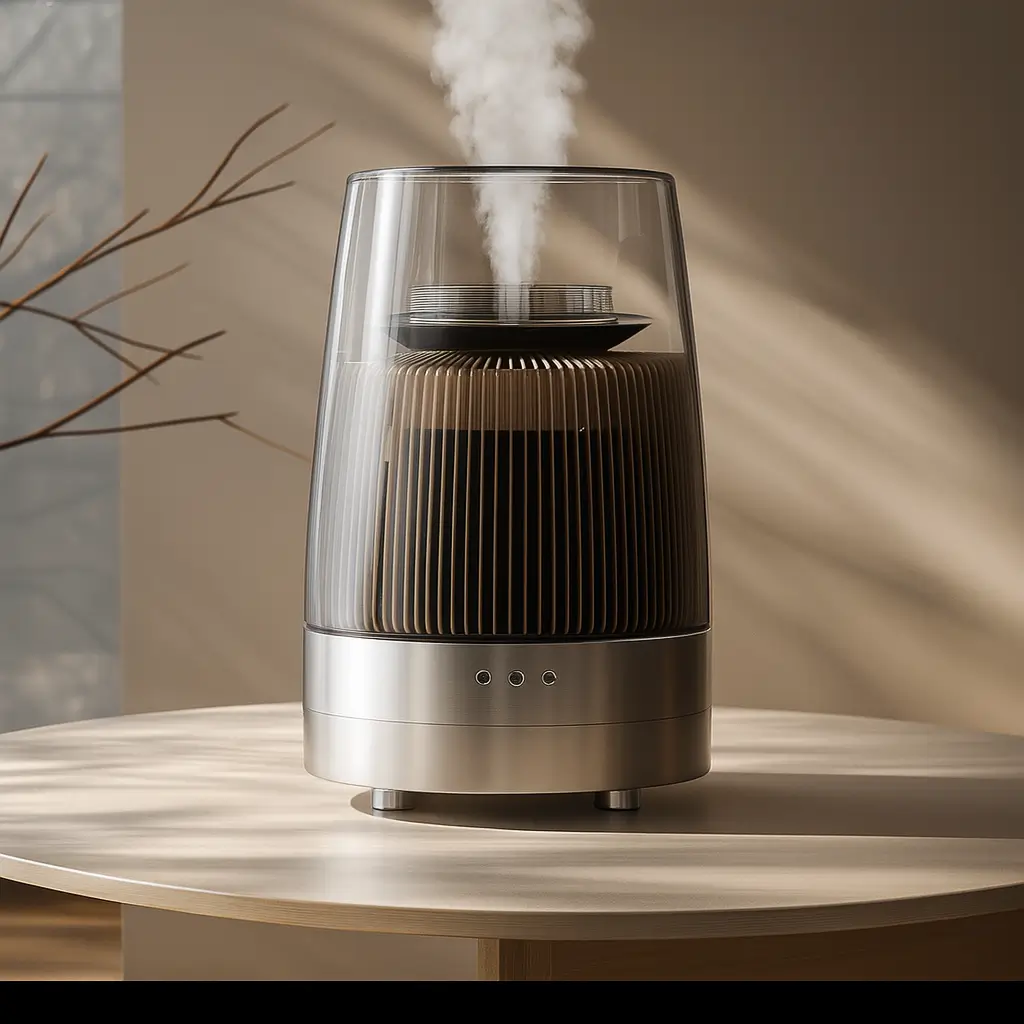
HisoAir - Premium Stainless Steel Steam Humidifier HM300
Diffusers: Global Ingredients, Varied Manufacturing
The market for diffusers, particularly those utilizing essential oils, often involves a dual sourcing approach. Brands like SpaRoom emphasize that their essential oils are "globally sourced 100% Pure and Natural." This highlights the necessity of accessing high-quality raw materials from around the world to ensure product efficacy and consumer appeal. However, the manufacturing location for the diffusers themselves is often less explicitly stated. This could indicate a reliance on specialized electronics manufacturers, many of whom are located in Asia, allowing brands to focus on the formulation of essential oil blends and the design of the diffuser units.
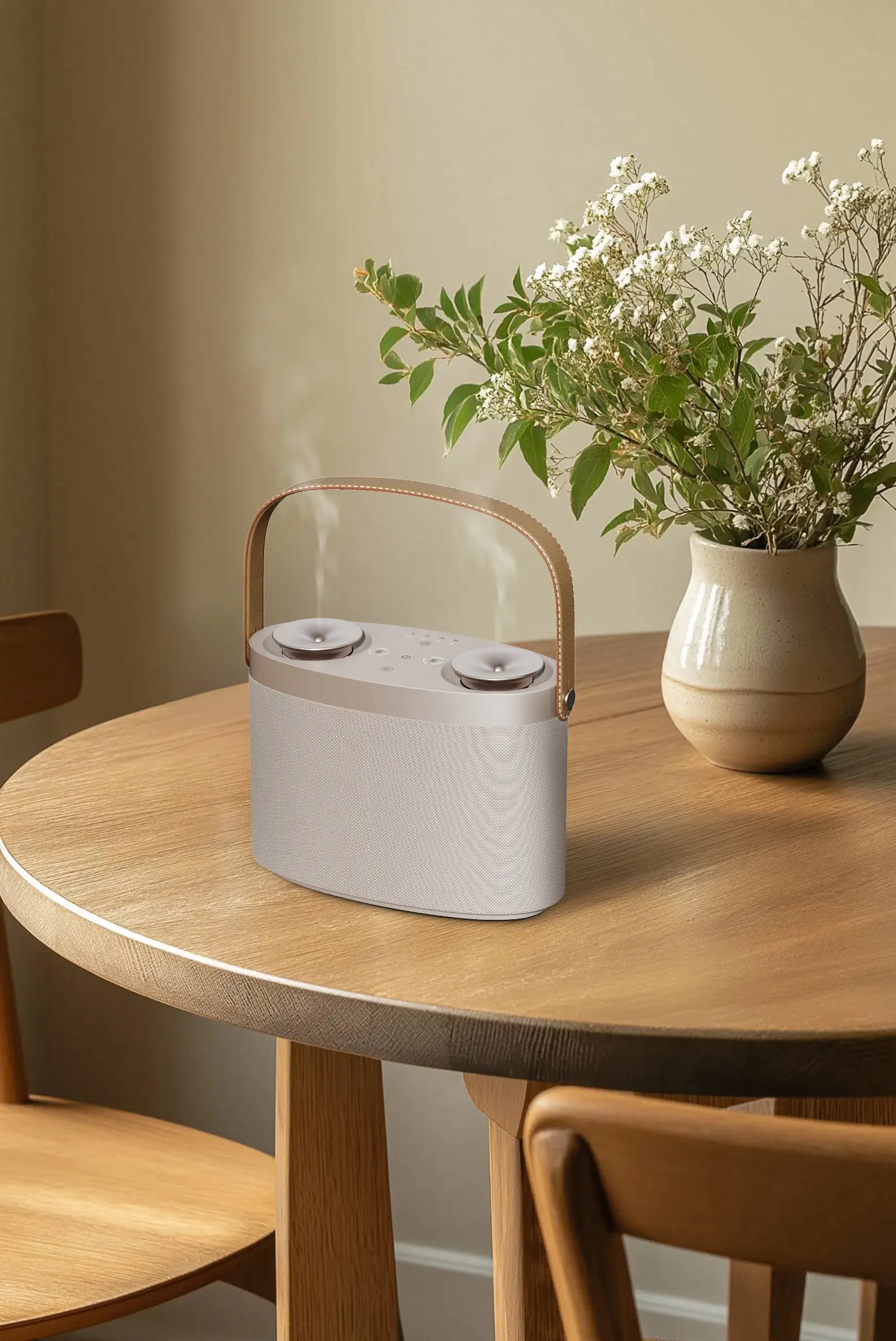
HisoAir - Dual-Atomizer Waterless Diffuser HD723
Fans and Air Circulators: US-Centric Heritage
Brands like Vornado, a long-standing player in the air circulation market, maintain a strong US-centric identity. Based in Andover, Kansas, Vornado emphasizes its decades of experience and commitment to quality. While their website doesn't explicitly state that every component is "Made in USA," their deep roots and operational base in the United States suggest a significant portion of their manufacturing and assembly processes occur domestically. This can be a key differentiator for B2B buyers seeking products with a strong American heritage and potentially more responsive customer support and supply chain management.
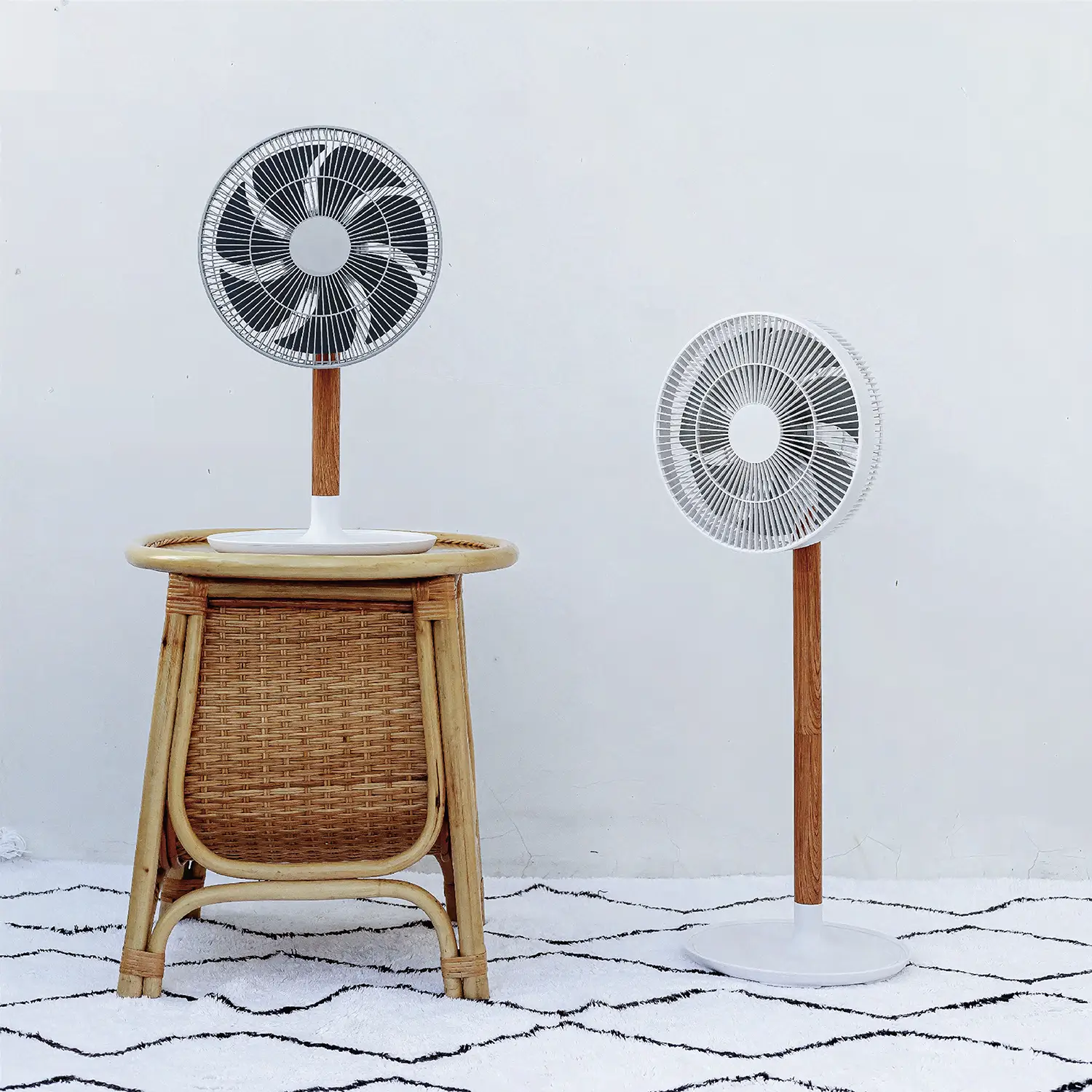
HisoAir - Floor & Table Air Circulator Fan HF6301
Coolers (Evaporative and Personal): American-Made Cooling Solutions
In the niche of evaporative and personal coolers, brands like Portacool proudly declare their products are "Made in the USA," with manufacturing operations based in Center, Texas. This commitment to domestic production for cooling solutions aligns with the broader trend of certain wellness product categories prioritizing local manufacturing. For B2B buyers, this offers advantages in terms of supply chain transparency, quality assurance, and the ability to market products with a clear "Made in USA" label, which can be a significant draw for patriotic consumers or those seeking products with a lower carbon footprint due to reduced long-distance shipping.

HisoAir - Floor-standing Cooler HC900
Dehumidifiers: A Strong Domestic Manufacturing Base
The dehumidifier market in the US exhibits a robust domestic manufacturing presence. Brands such as AprilAire, Santa Fe, Therma-Stor, and Phoenix are prominent examples that emphasize their US-based production. This strong domestic base suggests that for dehumidifiers, US manufacturers have been able to maintain competitiveness, possibly due to factors like specialized technology, established infrastructure, or the ability to meet specific regional market demands. For B2B buyers, this provides ample opportunities to source high-quality, domestically produced dehumidifiers, potentially leading to more stable supply chains and easier compliance with local regulations.

HisoAir - 2-in-1 Dehumidifier & Air Purifier DM-A7502
Summary of Sourcing Patterns
The following table summarizes the observed sourcing patterns among major US wellness brands for air quality products:
Purificadores de ar
| Marca | Sourcing Strategy | Notes |
|---|---|---|
| Coway | Global manufacturing (China, Vietnam, Thailand, Malaysia) | Emphasizes 'China+1 Strategy Ready' |
| Sistemas de ar de Austin | US-based manufacturing (Buffalo, NY) | Handcrafted in Buffalo, NY |
Humidificadores
| Marca | Sourcing Strategy | Notes |
|---|---|---|
| Crane USA | Unspecified (likely outsourced) | Focuses on design; manufacturing not explicitly stated |
| AIRCARE | US-based manufacturing | Largest humidifier manufacturer in the USA |
Diffusers
| Marca | Sourcing Strategy | Notes |
|---|---|---|
| SpaRoom | Global sourcing for essential oils; diffuser manufacturing unspecified | Essential oils are 'globally sourced 100% Pure and Natural' |
Fans/Air Circulators
| Marca | Sourcing Strategy | Notes |
|---|---|---|
| Vornado | US-centric operation (Andover, Kansas) | Long history; emphasis on US location, but not explicitly 'Made in USA' for all components |
Coolers (Evaporative/Personal)
| Marca | Sourcing Strategy | Notes |
|---|---|---|
| Portacool | US-based manufacturing (Center, Texas) | All products 'Made in the USA' |
Desumidificadores
| Marca | Sourcing Strategy | Notes |
|---|---|---|
| AprilAire, Santa Fe, Therma-Stor, Phoenix | US-based manufacturing | Strong domestic production presence; 'Made in USA' emphasized |
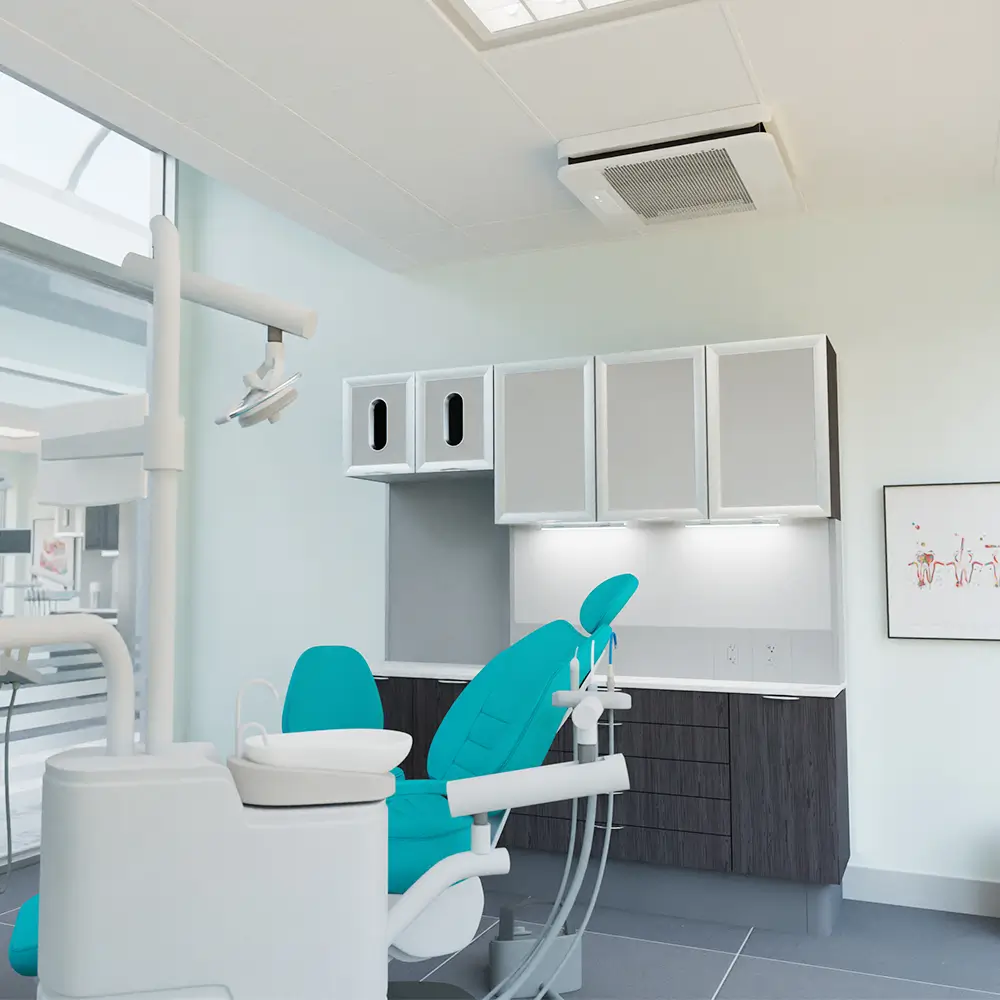
HisoAir - Ceiling Air Purifier HA800
Key Takeaways for B2B Buyers
For B2B buyers in the wellness industry, understanding these diverse sourcing strategies is paramount. Here are key takeaways:
- Diversified Supply Chains: Many major brands leverage global manufacturing to achieve cost efficiencies and scalability. This can offer competitive pricing and a wide range of product options.
- "Made in USA" Advantage: A significant portion of the market, particularly for products like air purifiers, humidifiers, and dehumidifiers, emphasizes US-based manufacturing. This can appeal to consumers prioritizing domestic production, quality, and faster supply chains.
- Transparency and Traceability: As consumer demand for ethical and sustainable products grows, brands that offer greater transparency into their sourcing and manufacturing processes will gain a competitive edge. B2B buyers should seek partners who can provide clear information about their supply chain.
- Quality Control and Compliance: Regardless of the sourcing location, rigorous quality control and adherence to international and national compliance standards are non-negotiable. Brands that invest in robust testing and certification processes offer greater assurance to B2B partners.
- Partnership Opportunities: For businesses like HisoAir, which offers OEM/ODM services for air quality products, understanding these sourcing trends can inform strategic partnerships. By identifying gaps in the market or specific needs of wellness brands, HisoAir can position itself as a valuable manufacturing partner, offering tailored solutions whether brands seek global production capabilities or a strong "Made in USA" emphasis.
Conclusion: Strategic Sourcing for a Healthier Future
The sourcing strategies of major US wellness brands in the air quality sector are as varied as the products themselves. From globally diversified manufacturing to proud US-based production, each approach offers distinct advantages and caters to different market demands. For B2B buyers, the key lies in aligning with partners whose sourcing philosophies resonate with their own business objectives and target consumer values. By carefully evaluating supply chain transparency, quality assurance, and manufacturing capabilities, businesses can make informed decisions that not only optimize their product offerings but also contribute to a healthier, more sustainable future for the wellness industry.



 English
 Français
 Español
 Italiano
 Deutsch
 Português
 Русский
 العربية
 日本語
 한국어
 Tiếng Việt

