
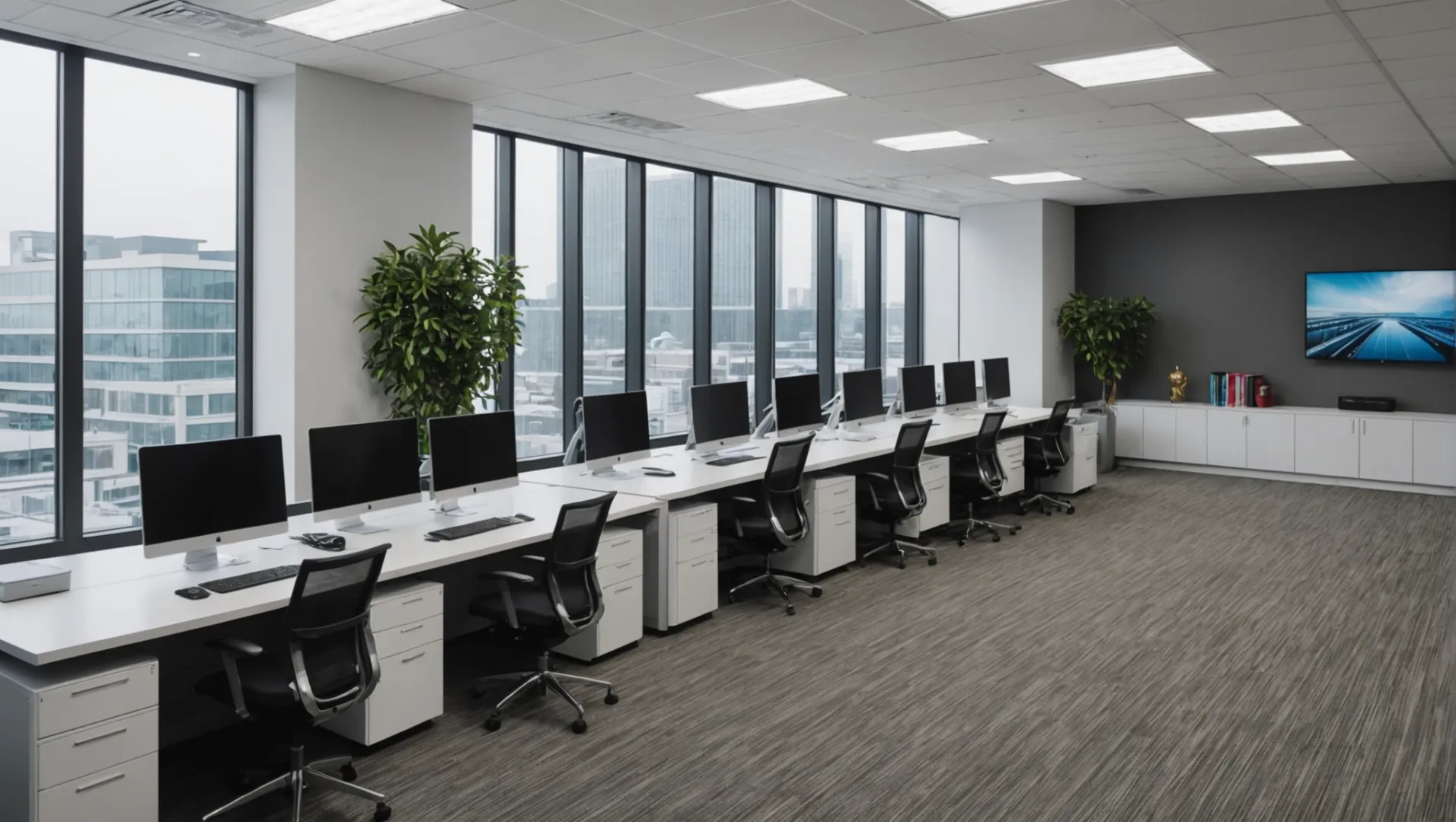
Ever wondered how we can breathe easier in our workplaces?
To create custom air purifiers for commercial use, focus on high-performance CADR ratings, noise reduction, and integrating advanced features such as UVC technology and multi-filtration systems. This ensures efficient air cleaning tailored to larger spaces like offices and hospitals.
While it may seem a bit overwhelming at first, don’t worry! Understanding the basics of design and technology can empower you to craft effective solutions. Let’s explore some essential components and strategic considerations that can help you successfully customize your air purifiers.
UVC technology in air purifiers kills bacteria and viruses.True
UVC light effectively eliminates microorganisms by disrupting their DNA.
What Are the Key Components of a Commercial Air Purifier?
Commercial spaces demand robust air purification systems to ensure a healthy environment for occupants.
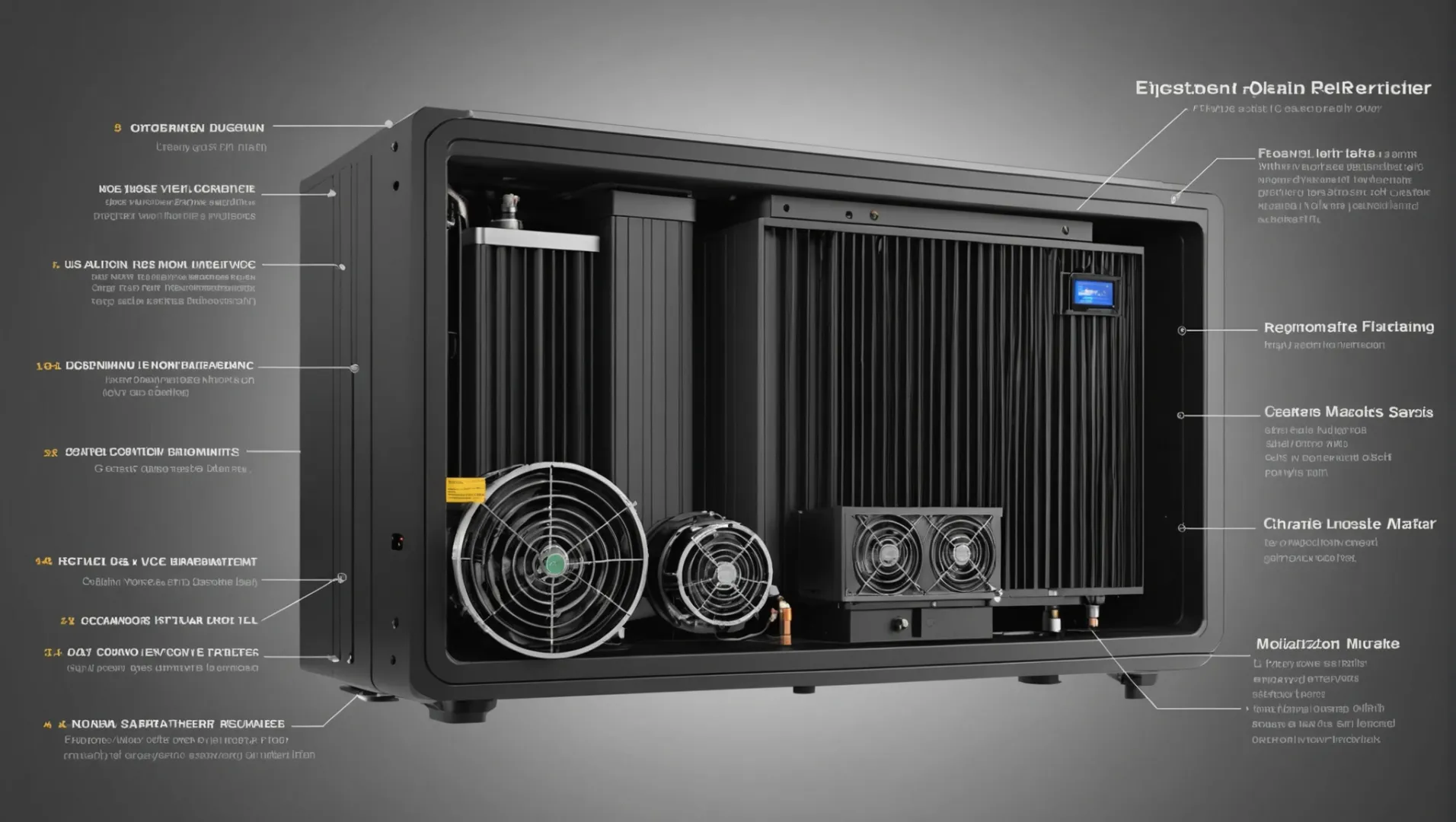
Key components of a commercial air purifier include a high-performance CADR, noise reduction features, advanced filtration systems, and durable construction for extended use.
Understanding CADR: Clean Air Delivery Rate
The Clean Air Delivery Rate1 (CADR) is a crucial metric indicating the volume of filtered air delivered by an air purifier, measured in cubic meters per hour (CMH). For commercial use, it's vital to choose units with a CADR over 400 CMH to efficiently cover large areas like offices or gyms. This ensures contaminants such as dust, pollen, and smoke are effectively removed from the air.
Importance of Noise Reduction
In environments such as offices and schools, noise can be a significant distraction. Therefore, commercial air purifiers should incorporate sound-dampening technologies or specially designed fan systems to minimize noise. These features ensure that the operation of the purifier does not interfere with productivity or concentration in work and learning environments.
Advanced Filtration Systems
Commercial air purifiers must integrate advanced filtration technologies to handle a wide range of pollutants. A typical setup might include:
| Filter Type | Function |
|---|---|
| HEPA Filters | Capture airborne particles like dust and pollen |
| Activated Carbon | Remove odors and volatile organic compounds |
| UVC Technology | Eliminate bacteria and viruses |
| Anti-bacterial Coating | Prevent microbial growth on filters |
These multi-layered systems ensure comprehensive air cleaning tailored to specific needs of commercial spaces.
Construction and Durability
Given the higher usage in commercial settings, the build quality of an air purifier is paramount. Opt for models constructed with durable materials that can withstand continuous operation. Additionally, features like ceiling or wall-mounted designs can save space and prevent the purifier from becoming an obstacle in busy areas.
Special Features for Added Value
Consider integrating unique features that enhance the functionality and marketability of your air purifier. This can include smart technology for remote control via apps, energy-efficient modes to reduce electricity consumption, or customizable settings that allow users to tailor the purification process to their specific needs.
These components not only ensure efficient operation but also position your custom air purifier as a premium product capable of demanding higher retail prices.
Commercial air purifiers need a CADR over 400 CMH.True
A CADR over 400 CMH is essential for efficiently covering large areas.
HEPA filters remove odors from the air.False
HEPA filters capture particles; activated carbon filters remove odors.
How to Integrate Advanced Features in Your Custom Design?
Discover the steps to enhance your custom air purifier with cutting-edge technologies.
To integrate advanced features into your custom air purifier design, prioritize multi-stage filtration systems, implement UVC light for disinfection, and optimize airflow with unique duct designs. These elements not only enhance air quality but also add value, catering to the specific needs of commercial environments.
Prioritizing Multi-Stage Filtration Systems
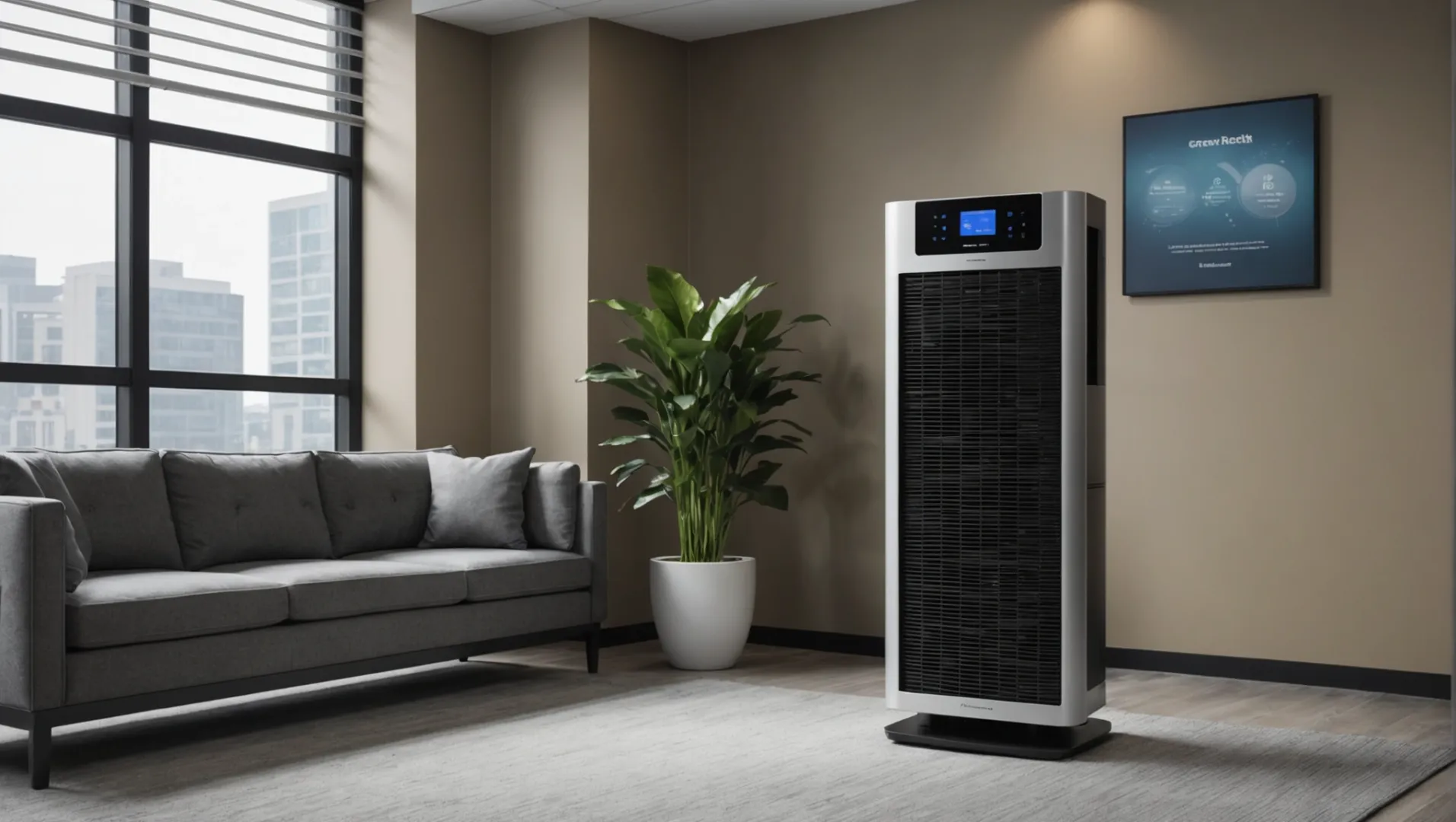
One of the most effective ways to enhance air purification is by incorporating a multi-stage filtration system2. These systems typically include pre-filters, HEPA filters, activated carbon filters, and anti-bacterial filters. Each stage targets different types of pollutants, ensuring comprehensive cleaning. For instance, while the pre-filter captures large particles like dust and hair, the HEPA filter is crucial for trapping microscopic allergens. Including an activated carbon layer helps in removing odors and volatile organic compounds (VOCs).
Implementing UVC Light Technology
UVC light is renowned for its ability to destroy microorganisms such as bacteria and viruses. Integrating UVC technology into your custom design can significantly boost the air purifier's efficiency. The placement of the UVC lamps is crucial; they should be positioned where they can treat the airflow without being obstructed by filters. Ensure the UVC system is shielded properly to prevent exposure, which could be harmful.
Optimizing Airflow with Unique Duct Designs
Custom air purifiers benefit greatly from a unique air-duct design. By enhancing airflow efficiency, you can reduce energy consumption while maintaining high-performance levels. Consider employing a special fan system that complements the duct layout to achieve optimal circulation. This approach not only improves the purifier's effectiveness but also contributes to its quiet operation, which is essential in commercial settings.
Ensuring Noise Reduction and Quality Assurance
In commercial environments like offices or hotels, noise reduction is paramount. Utilizing a special fan system3 that operates quietly without compromising on air movement is vital. Additionally, maintaining high-quality standards ensures longevity and reduces after-sales service costs. Regular testing and certification by relevant authorities can help in maintaining these standards, providing assurance to end users.
By integrating these advanced features thoughtfully into your custom air purifier design, you create a product that stands out in performance and reliability.
UVC light destroys bacteria in air purifiers.True
UVC light is effective in destroying microorganisms, including bacteria.
Multi-stage filters only remove odors from air.False
They capture particles, allergens, and VOCs, not just odors.
Why Is Noise Reduction Important in Commercial Air Purifiers?
In bustling commercial spaces, maintaining a serene atmosphere is crucial for productivity and customer satisfaction.
Noise reduction in commercial air purifiers is vital to ensure a quiet environment, minimizing disruptions in workplaces like offices and schools while maintaining air quality.
Enhancing Workplace Productivity
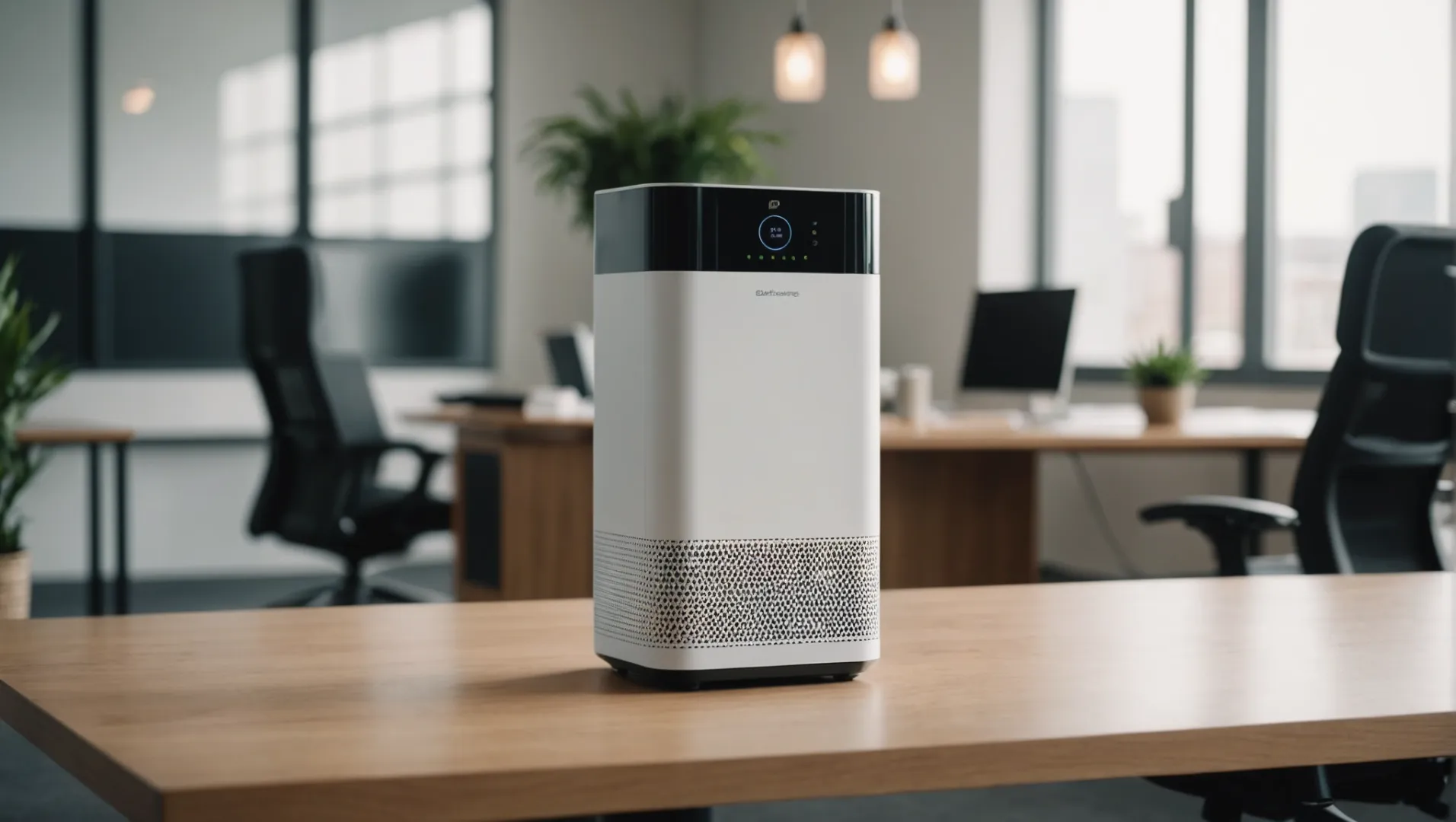
Commercial spaces such as offices and schools demand an atmosphere conducive to focus and concentration. Excessive noise from air purifiers can disrupt this environment, leading to decreased productivity and increased stress among workers or students. Hence, integrating noise reduction technologies, like special fan systems4 and unique air-duct designs, becomes crucial.
The Role of Noise Levels in Customer Experience
In settings like restaurants, hotels, and salons, customer experience is paramount. A tranquil environment enhances customer satisfaction, encouraging repeat visits and positive reviews. Air purifiers with low noise emissions contribute significantly to creating such an atmosphere, making them a preferred choice for businesses prioritizing customer comfort.
Balancing Performance and Quiet Operation
Achieving an optimal balance between high-performance cleaning and quiet operation requires innovative design strategies. Using materials that absorb sound or incorporating advanced technologies like UVC or multi-filtration systems can help maintain high CADR ratings5 without compromising on noise levels.
Strategic Product Design for Competitive Advantage
The commercial air purifier market is competitive, with numerous brands vying for attention. Offering products that combine effective air purification with noise reduction not only meets customer demands but also allows businesses to position their products at a premium price point. Additionally, these features can be highlighted as part of the product's unique selling proposition in marketing campaigns.
Long-term Cost Efficiency
Investing in high-quality, quiet air purifiers can lead to significant long-term savings. Reduced noise levels decrease the need for frequent maintenance caused by excessive wear and tear due to vibrations or operational stress. Moreover, a quieter environment means fewer complaints and returns, lowering after-sales service costs.
Noise reduction in air purifiers boosts workplace productivity.True
Reduced noise minimizes disruptions, enhancing focus and efficiency.
High CADR ratings are irrelevant to noise reduction in purifiers.False
Balancing high CADR with low noise is crucial for effective purification.
Which Mounting Options Are Best for Commercial Settings?
Choosing the right mounting options for commercial air purifiers is crucial for maximizing efficiency and space.
Ceiling and wall-mounted air purifiers are ideal for commercial settings as they save space, reduce clutter, and ensure optimal air distribution. These options are preferable over standalone models, which are more suited to residential use, due to their discreet placement and effectiveness in larger environments.
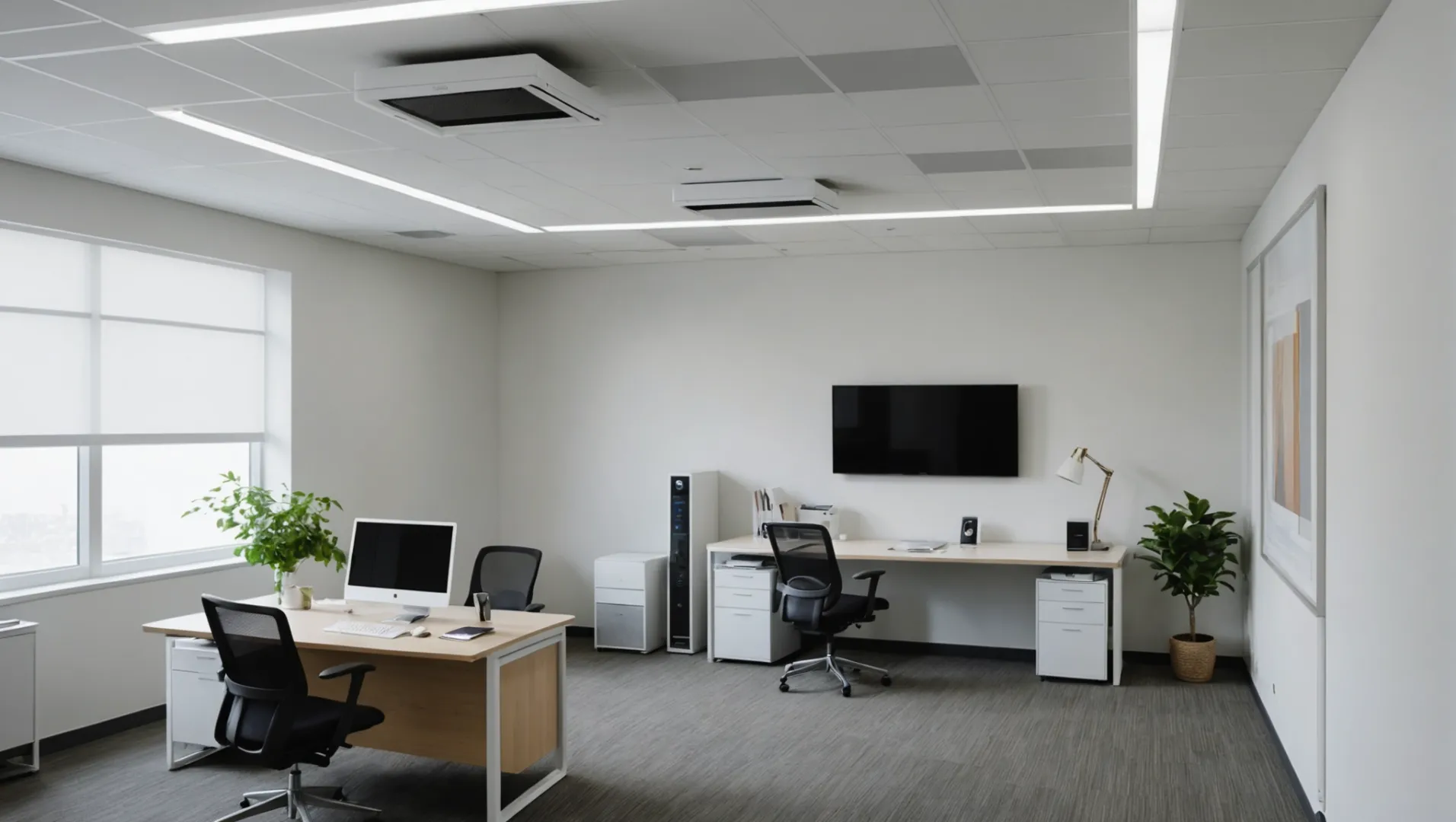
Benefits of Ceiling-Mounted Air Purifiers
Ceiling-mounted air purifiers are an excellent choice for commercial settings, particularly where floor space is at a premium. By installing units on the ceiling, businesses can maintain an unobstructed workspace, which is essential in places like offices6, restaurants, and hospitals. Additionally, ceiling-mounted units facilitate a more even distribution of purified air across the room, ensuring consistent air quality throughout the space.
- Space Efficiency: Keeps the floor clear, ideal for high-traffic areas.
- Optimal Airflow: Provides even air distribution, enhancing the efficiency of air purification systems.
Advantages of Wall-Mounted Air Purifiers
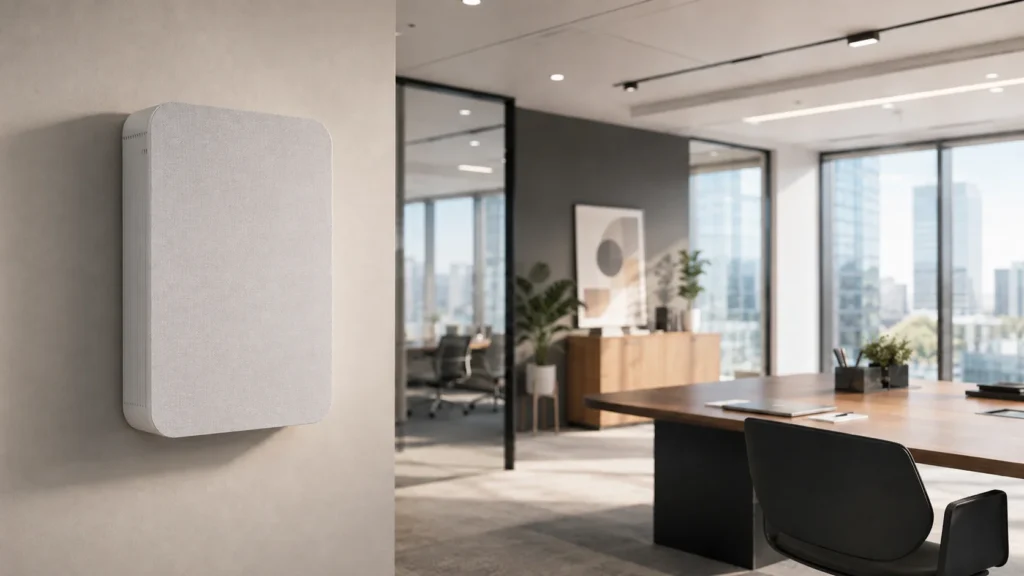
Wall-mounted options are also popular in commercial settings due to their ease of access and installation flexibility. They are suitable for environments where ceiling installation isn't feasible or when aesthetic considerations are a priority. This mounting method allows easy maintenance and filter replacements without needing ladders or additional equipment.
- Versatility: Can be installed at various heights and positions to target specific areas.
- Aesthetic Appeal: Blends seamlessly with interior designs, especially important in client-facing businesses like salons7 or hotels.
Considerations for Choosing Mounting Options
When selecting the appropriate mounting option for your commercial air purifier, consider factors such as room size, usage patterns, and existing infrastructure. For instance:
- Room Size and Shape: Larger spaces may benefit more from ceiling-mounted units to cover a broader area.
- Noise Levels: Ensure the chosen model supports low-noise operation to maintain a conducive working environment, which is critical in settings like schools or dental clinics8.
- Existing HVAC Systems: Integrating with existing systems can enhance efficiency and reduce installation costs.
In summary, the choice between ceiling and wall-mounted options should align with the specific needs of your commercial setting. Each offers unique advantages that can contribute to better air quality management while optimizing available space.
Ceiling-mounted purifiers save space in commercial settings.True
Ceiling-mounted units keep floors clear, ideal for high-traffic areas.
Standalone air purifiers are best for commercial use.False
Standalone models suit residential use; mounted options fit commercial needs.
Conclusion
By applying these strategies, you'll be well on your way to creating effective air purification systems tailored for commercial environments.
-
Learn how CADR impacts air purification efficiency.: CADR, the Clean Air Delivery Rate, is a metric that was developed as a way of measuring the performance of air purifiers for home. ↩
-
Explore how multi-stage filtration enhances air purification effectiveness.: These sophisticated systems utilize multi-stage filters and processes to remove particles and contaminants from the air, including dust, pollen, mold spores ... ↩
-
Learn about fan systems designed to reduce noise in air purifiers.: It's the Coway AirMega 400. It's not a great value but it is extremely quiet with the best CFM/dB ratios of any air purifier we've tested so far. ↩
-
Explore how specialized fan systems reduce noise while maintaining efficiency.: Dreo Air Purifier Tower Fan, 45" 2-in-1 Smart Fan for Bedroom, 27ft/s Velocity, 120°Oscillation, 24H Timer Bladeless Fans for Home, 25dB Low Noise, Standing Fan ... ↩
-
Learn why CADR ratings are essential for effective air purification.: A higher CADR rating for a particular pollutant indicates that the air purifier is more effective in removing that type of particle from the ... ↩
-
Explore top-rated models perfect for professional environments.: The HealthyAir Ceiling-Mount Air Purifier is the ideal air purification system for use in commercial and public applications, including evidence rooms, dental ... ↩
-
Discover stylish options that blend with salon decor.: The Wall Mounted Salon Air Purifier is a portable room air purifier is perfect for salon suites, capturing and neutralizing airborne viruses. ↩
-
Learn about quiet models ideal for dental clinics.: The aim of the present study was to evaluate the efficacy of an air purifier device (professional XXl inn-561 innoliving) with HEPA 14 filter in reducing the ... ↩

 English
  Français
  Español
  Italiano
  Deutsch
  Português
  Русский
  العربية
  日本語
日本語  한국어
한국어  Tiếng Việt

