새 탭에서 열립니다
혁신적인 공기질 솔루션

상업용 맞춤형 공기청정기는 어떻게 만들 수 있나요?

Related Products

사무실 환경의 맞춤형 상업용 공기 청정기

직장에서 어떻게 하면 더 쉽게 숨을 쉴 수 있을지 궁금하신가요?

상업용 맞춤형 공기청정기를 만들려면 고성능에 집중하세요. CADR 등급, 노이즈 감소 및 다음과 같은 고급 기능 통합 UVC 기술과 다중 여과 시스템을 사용합니다. 이를 통해 사무실이나 병원과 같은 넓은 공간에 맞는 효율적인 공기 청정을 보장합니다.

처음에는 다소 부담스러워 보일 수 있지만 걱정하지 마세요! 디자인과 기술의 기본을 이해하면 효과적인 솔루션을 만들 수 있습니다. 공기청정기를 성공적으로 맞춤화하는 데 도움이 되는 몇 가지 필수 구성 요소와 전략적 고려 사항을 살펴보세요.

공기청정기의 UVC 기술은 박테리아와 바이러스를 죽입니다.True

자외선은 미생물의 DNA를 파괴하여 효과적으로 미생물을 제거합니다.

상업용 공기청정기의 핵심 구성 요소는 무엇인가요?

상업 공간은 입주자의 건강한 환경을 보장하기 위해 강력한 공기 정화 시스템이 필요합니다.

상업용 공기청정기의 주요 구성 요소에는 고성능 CADR소음 감소 기능, 고급 여과 시스템, 내구성이 뛰어난 구조로 오래 사용할 수 있습니다.
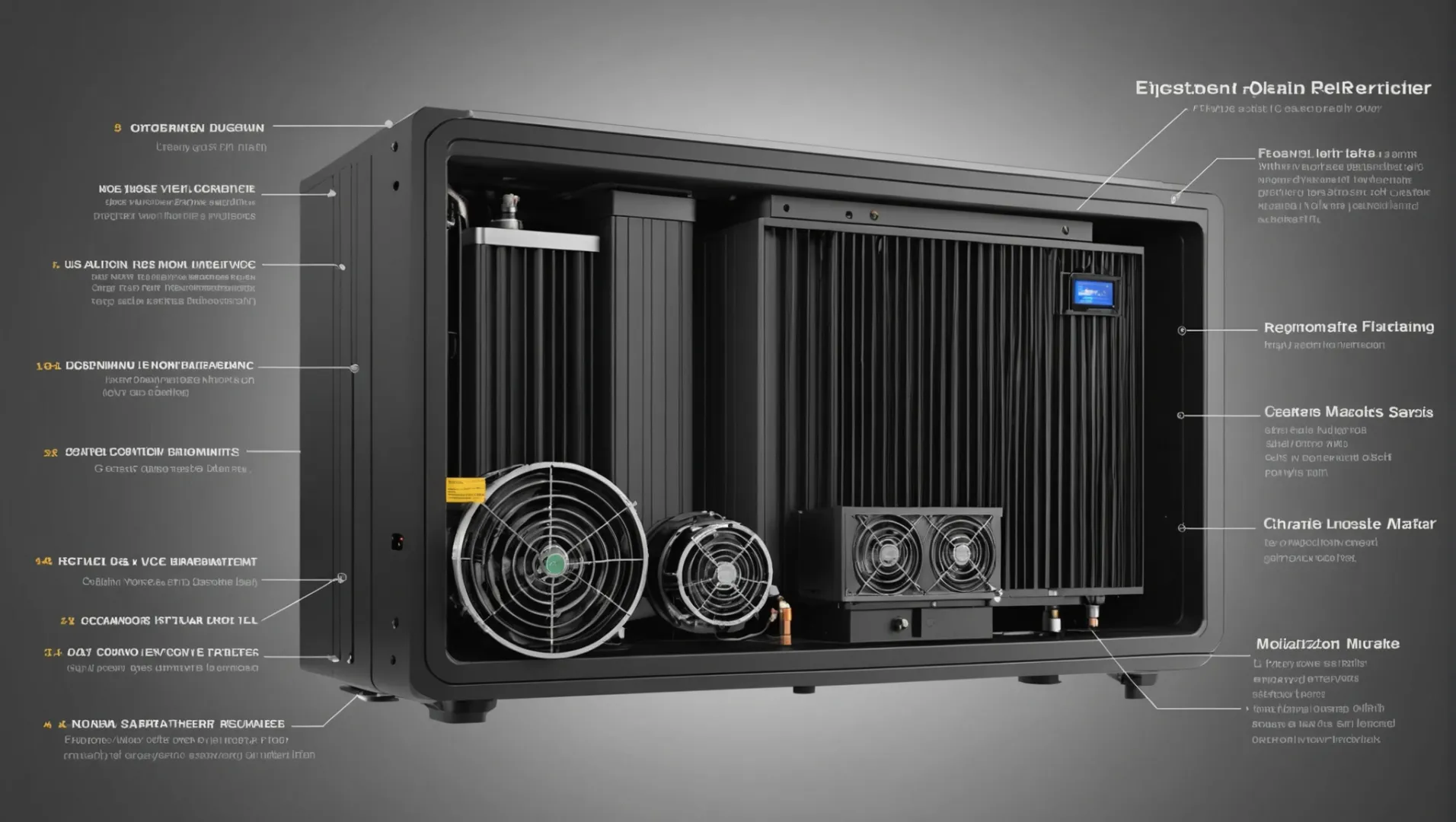
필터, 팬, 디지털 인터페이스를 포함한 상업용 공기청정기의 주요 구성 요소 그림.
상업용 공기청정기 부품

이해 CADR: 깨끗한 공기 전달률

그리고 깨끗한 공기 전달률1 (CADR)는 공기청정기가 제공하는 필터링된 공기의 양을 나타내는 중요한 지표로, 시간당 입방미터(CMH) 단위로 측정됩니다. 상업적 용도의 경우, 이 수치가 CADR 를 넘어 사무실이나 체육관과 같은 넓은 공간을 효율적으로 커버할 수 있습니다. 이를 통해 먼지, 꽃가루, 연기 등의 오염 물질을 공기에서 효과적으로 제거할 수 있습니다.

노이즈 감소의 중요성

사무실이나 학교와 같은 환경에서는 소음이 집중력을 크게 방해할 수 있습니다. 따라서 상업용 공기청정기는 소음을 최소화하기 위해 소음 저감 기술이나 특수 설계된 팬 시스템을 통합해야 합니다. 이러한 기능은 공기청정기의 작동이 업무 및 학습 환경의 생산성이나 집중력을 방해하지 않도록 보장합니다.

고급 필터링 시스템

상업용 공기청정기는 다양한 오염 물질을 처리하기 위해 고급 필터링 기술을 통합해야 합니다. 일반적인 설정에는 다음이 포함될 수 있습니다:

필터 유형 기능
HEPA 필터 먼지 및 꽃가루와 같은 공기 중 입자 포착
활성탄 냄새 및 휘발성 유기 화합물 제거
UVC 기술 박테리아 및 바이러스 제거
항균 코팅 필터에서 미생물 번식 방지

이러한 다계층 시스템은 상업 공간의 특정 요구 사항에 맞는 포괄적인 공기 청정을 보장합니다.

구조 및 내구성

상업적 환경에서 사용 빈도가 높기 때문에 공기청정기의 제작 품질이 가장 중요합니다. 지속적인 작동을 견딜 수 있는 내구성 있는 소재로 제작된 모델을 선택하세요. 또한 천장 또는 벽걸이형 디자인과 같은 기능은 공간을 절약하고 바쁜 공간에서 공기청정기가 장애물이 되지 않도록 방지할 수 있습니다.

부가가치를 위한 특별한 기능

공기청정기의 기능과 시장성을 향상시키는 고유한 기능을 통합하는 것도 고려해 보세요. 여기에는 앱을 통한 원격 제어를 위한 스마트 기술, 전기 소비를 줄이기 위한 에너지 효율 모드, 사용자가 특정 요구에 맞게 정화 과정을 조정할 수 있는 사용자 지정 설정 등이 포함될 수 있습니다.

이러한 구성 요소는 효율적인 작동을 보장할 뿐만 아니라 맞춤형 공기청정기를 더 높은 소매 가격을 요구할 수 있는 프리미엄 제품으로 포지셔닝할 수 있습니다.

상업용 공기청정기는 400CMH 이상의 CADR이 필요합니다.True

넓은 지역을 효율적으로 커버하려면 400 CMH 이상의 CADR이 필수적입니다.

HEPA 필터는 공기 중의 냄새를 제거합니다.False

HEPA 필터는 입자를 포집하고 활성탄 필터는 냄새를 제거합니다.

사용자 지정 디자인에 고급 기능을 통합하는 방법은 무엇인가요?

최첨단 기술로 맞춤형 공기청정기를 개선하는 단계를 알아보세요.

고급 기능을 맞춤형 공기 청정기 설계에 통합하려면 다단계 필터링 시스템의 우선 순위를 정하고 다음을 구현하세요. UVC 소독을 위한 조명, 독특한 덕트 디자인으로 공기 흐름을 최적화합니다. 이러한 요소는 공기질을 개선할 뿐만 아니라 상업 환경의 특정 요구 사항을 충족하여 가치를 더합니다.
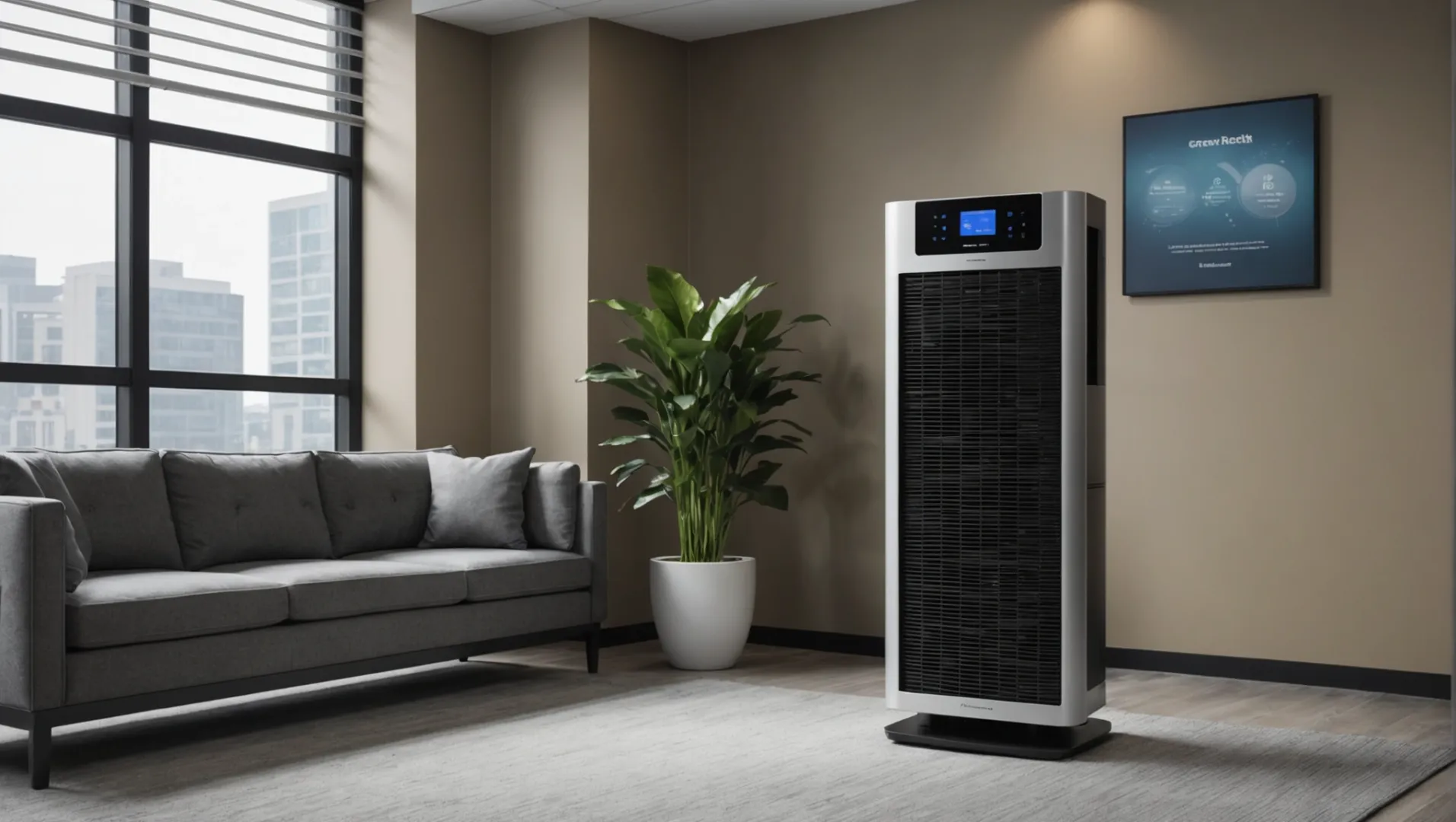
다단계 여과 및 UVC 조명과 같은 고급 기능을 갖춘 맞춤형 공기 청정기
고급 공기 청정기 설계

다단계 여과 시스템의 우선 순위 지정

공기 정화를 강화하는 가장 효과적인 방법 중 하나는 다단계 필터링 시스템2. 이러한 시스템에는 일반적으로 프리필터가 포함됩니다, HEPA 필터, 활성탄 필터, 항균 필터로 구성되어 있습니다. 각 단계는 서로 다른 유형의 오염 물질을 대상으로 하여 종합적인 청소를 보장합니다. 예를 들어, 프리 필터는 먼지나 머리카락과 같은 큰 입자를 포착하는 반면에 HEPA 필터는 미세한 알레르겐을 포집하는 데 매우 중요합니다. 활성탄 층을 포함하면 냄새와 휘발성 유기 화합물(VOC)을 제거하는 데 도움이 됩니다.

구현 UVC 조명 기술

UVC 빛은 박테리아나 바이러스와 같은 미생물을 파괴하는 능력으로 유명합니다. 통합 UVC 기술을 맞춤형 설계에 적용하면 공기청정기의 효율성을 크게 높일 수 있습니다. 공기청정기의 배치는 UVC 램프는 필터에 막히지 않고 공기 흐름을 처리할 수 있는 곳에 배치하는 것이 중요합니다. 다음 사항을 확인하세요. UVC 시스템은 유해할 수 있는 노출을 방지하기 위해 적절히 차폐되어 있습니다.

고유한 덕트 설계로 공기 흐름 최적화

맞춤형 공기청정기는 독특한 공기 덕트 설계의 이점을 크게 누릴 수 있습니다. 공기 흐름 효율을 향상시켜 에너지 소비를 줄이면서도 고성능을 유지할 수 있습니다. 최적의 순환을 위해 덕트 레이아웃을 보완하는 특수 팬 시스템을 사용하는 것도 고려해 보세요. 이 접근 방식은 정수기의 효율성을 향상시킬 뿐만 아니라 상업 환경에서 필수적인 조용한 작동에도 기여합니다.

노이즈 감소 및 품질 보증 보장

사무실이나 호텔과 같은 상업 환경에서는 소음을 줄이는 것이 무엇보다 중요합니다. 소음을 줄이기 위해 특수 팬 시스템3 공기 이동을 방해하지 않으면서 조용하게 작동하는 것이 중요합니다. 또한 고품질 표준을 유지하면 수명을 보장하고 애프터서비스 비용을 절감할 수 있습니다. 관련 기관의 정기적인 테스트와 인증은 이러한 표준을 유지하는 데 도움이 되며, 최종 사용자에게 확신을 줄 수 있습니다.

이러한 고급 기능을 맞춤형 공기청정기 설계에 신중하게 통합하면 성능과 신뢰성 면에서 돋보이는 제품을 만들 수 있습니다.

UVC 빛은 공기청정기의 박테리아를 파괴합니다.True

자외선은 박테리아를 포함한 미생물을 파괴하는 데 효과적입니다.

다단계 필터는 공기 중 냄새만 제거합니다.False

냄새뿐만 아니라 입자, 알레르기 유발 물질, VOC를 포착합니다.

상업용 공기청정기에서 소음 감소가 중요한 이유는 무엇인가요?

분주한 상업 공간에서는 생산성과 고객 만족도를 위해 고요한 분위기를 유지하는 것이 중요합니다.

상업용 공기청정기의 소음 감소는 조용한 환경을 보장하고 사무실이나 학교와 같은 업무 공간에서 공기질을 유지하면서 업무 중단을 최소화하는 데 필수적입니다.
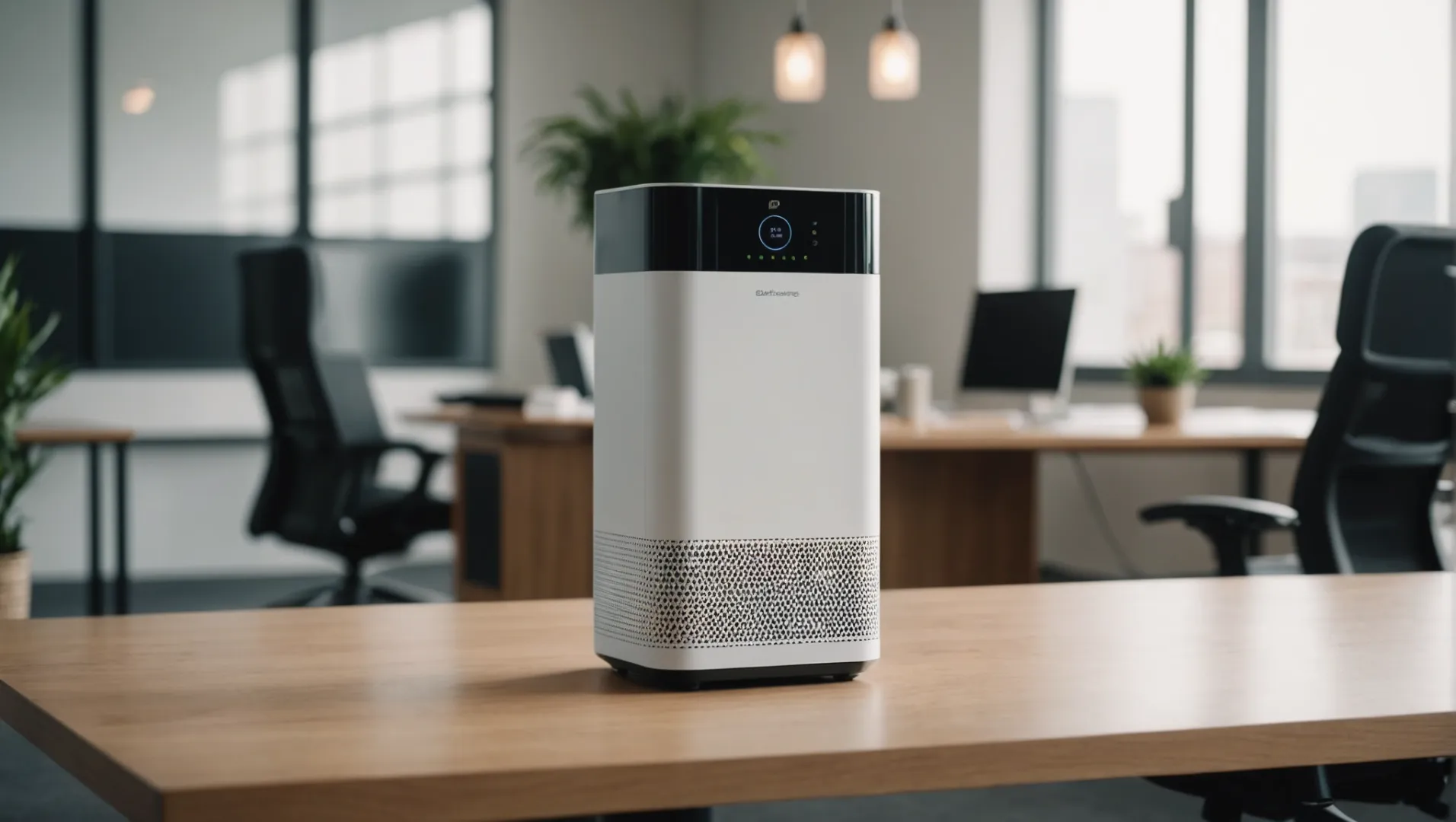
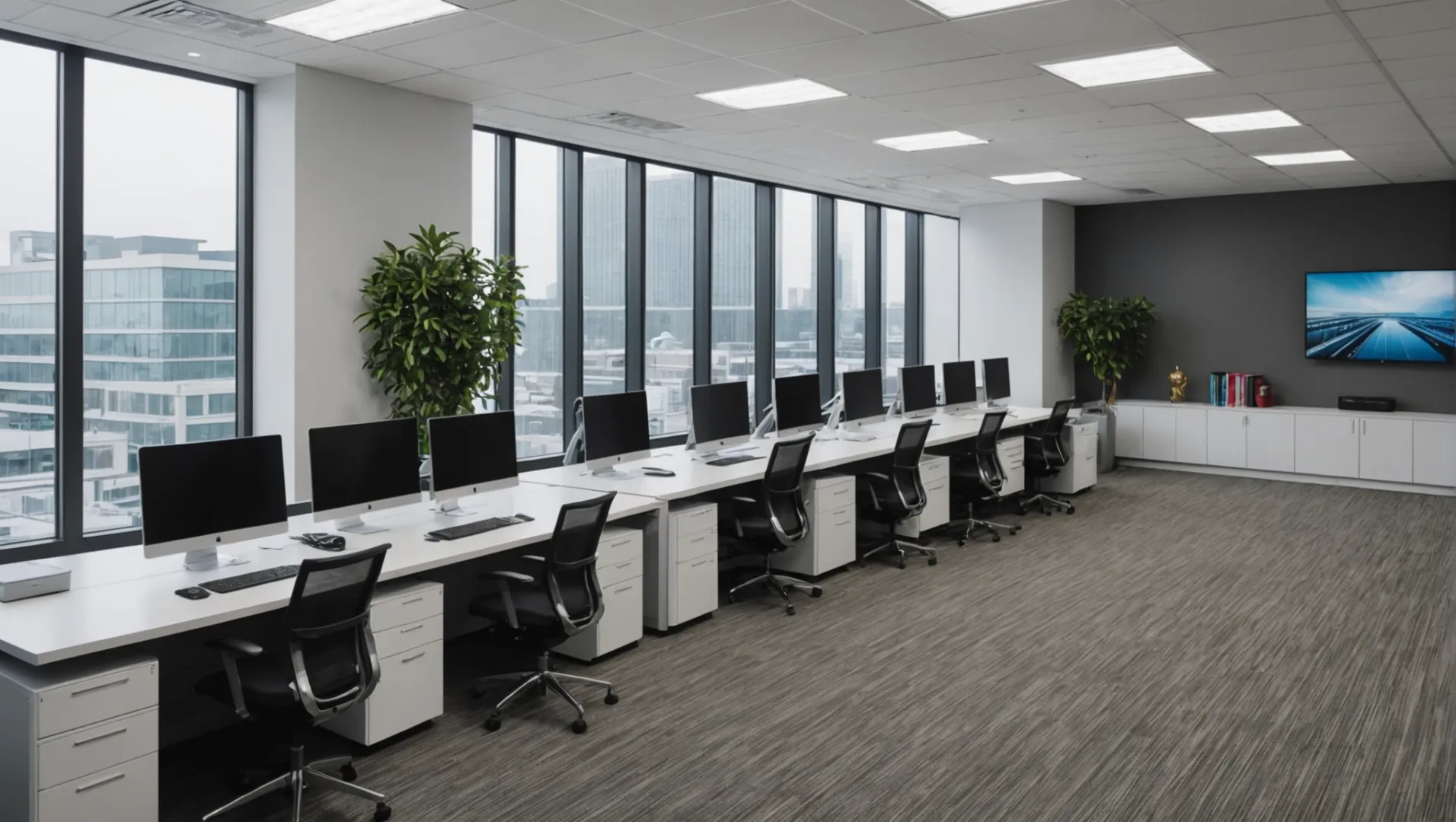
조용한 사무실 환경의 현대식 공기 청정기
사무실용 상업용 공기 청정기

업무 생산성 향상

사무실이나 학교와 같은 상업 공간은 집중과 집중에 도움이 되는 분위기가 필요합니다. 공기청정기의 과도한 소음은 이러한 환경을 방해하여 생산성을 떨어뜨리고 직장인이나 학생들의 스트레스를 증가시킬 수 있습니다. 따라서 다음과 같은 소음 감소 기술을 통합하여 특수 팬 시스템4 독특한 에어덕트 디자인이 중요해졌습니다.

고객 경험에서 노이즈 레벨의 역할

레스토랑, 호텔, 미용실과 같은 환경에서는 고객 경험이 가장 중요합니다. 조용한 환경은 고객 만족도를 높여 재방문과 긍정적인 리뷰를 유도합니다. 소음이 적은 공기청정기는 이러한 분위기를 조성하는 데 크게 기여하므로 고객의 편안함을 우선시하는 비즈니스에서 선호되는 제품입니다.

성능과 저소음 운영의 균형

고성능 청소와 조용한 작동 사이의 최적의 균형을 이루려면 혁신적인 설계 전략이 필요합니다. 소리를 흡수하는 소재를 사용하거나 다음과 같은 첨단 기술을 통합하는 것이 좋습니다. UVC 또는 다중 여과 시스템을 사용하면 높은 수준의 CADR 평가5 소음 수준과 타협하지 않고.

경쟁 우위를 위한 전략적 제품 설계

상업용 공기청정기 시장은 경쟁이 치열하여 수많은 브랜드가 관심을 끌기 위해 경쟁하고 있습니다. 효과적인 공기 정화와 소음 감소를 결합한 제품을 제공하면 고객의 요구를 충족할 뿐만 아니라 프리미엄 가격대로 제품을 포지셔닝할 수 있습니다. 또한 이러한 기능은 마케팅 캠페인에서 제품의 고유한 판매 제안의 일부로 강조할 수 있습니다.

장기적인 비용 효율성

고품질의 조용한 공기청정기에 투자하면 장기적으로 상당한 비용을 절감할 수 있습니다. 소음 수준이 낮아지면 진동이나 작동 스트레스로 인한 과도한 마모로 인한 잦은 유지보수의 필요성이 줄어듭니다. 또한 조용한 환경은 불만과 반품이 줄어들어 애프터서비스 비용도 절감할 수 있습니다.

공기청정기의 소음 감소로 업무 생산성이 향상됩니다.True

소음이 감소하면 방해 요소를 최소화하여 집중력과 효율성이 향상됩니다.

높은 CADR 등급은 정수기의 소음 감소와 무관합니다.False

효과적인 정화를 위해서는 높은 CADR과 낮은 노이즈의 균형을 맞추는 것이 중요합니다.

상업용 환경에 가장 적합한 마운팅 옵션은 무엇인가요?

상업용 공기청정기에 적합한 마운팅 옵션을 선택하는 것은 효율성과 공간을 극대화하는 데 매우 중요합니다.

천장 및 벽걸이형 공기청정기는 공간을 절약하고 어수선함을 줄이며 최적의 공기 분배를 보장하기 때문에 상업 환경에 이상적입니다. 이러한 옵션은 눈에 띄지 않게 배치할 수 있고 넓은 환경에서도 효과적이기 때문에 주거용에 더 적합한 독립형 모델보다 선호됩니다.
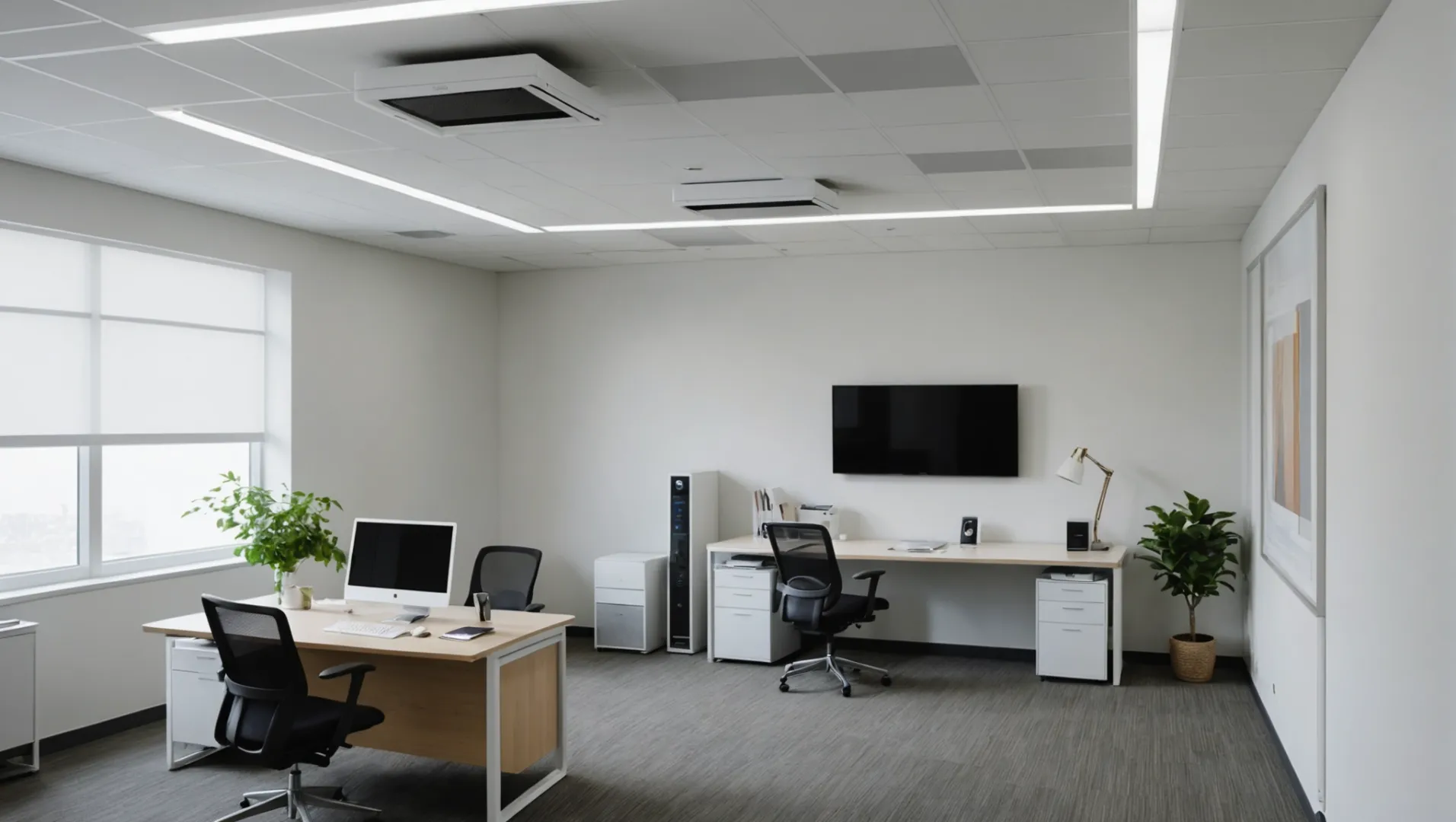
사무실 환경의 천장과 벽에 설치된 상업용 공기청정기
상업용 공기청정기 장착 옵션

다음과 같은 이점이 있습니다. 천장 장착형 공기 청정기

천장 장착형 공기청정기는 특히 바닥 공간이 협소한 상업 환경에 탁월한 선택입니다. 천장에 장치를 설치하면 다음과 같은 장소에서 필수적인 방해받지 않는 작업 공간을 유지할 수 있습니다. 사무실6, 식당, 병원 등에서도 사용할 수 있습니다. 또한 천장에 설치된 장치는 정화된 공기를 실내 전체에 더 고르게 분배하여 공간 전체에 일관된 공기 품질을 보장합니다.

  • 공간 효율성: 바닥을 깨끗하게 유지하여 교통량이 많은 구역에 이상적입니다.
  • 최적의 공기 흐름: 공기를 고르게 분배하여 공기 정화 시스템의 효율성을 높입니다.

Advantages of 벽걸이형 공기청정기

벽걸이형 옵션은 접근이 용이하고 설치가 유연하기 때문에 상업 환경에서도 인기가 높습니다. 천장 설치가 불가능하거나 미관을 우선적으로 고려해야 하는 환경에 적합합니다. 이 설치 방식은 사다리나 추가 장비 없이도 쉽게 유지보수하고 필터를 교체할 수 있습니다.

  • 다용도성: 특정 영역을 대상으로 다양한 높이와 위치에 설치할 수 있습니다.
  • 미적 매력: 다음과 같은 고객 대면 비즈니스에서 특히 중요한 인테리어 디자인과 매끄럽게 조화를 이룹니다. 살롱7 또는 호텔.

마운팅 옵션 선택 시 고려 사항

상업용 공기청정기에 적합한 설치 옵션을 선택할 때는 공간 크기, 사용 패턴, 기존 인프라 등의 요소를 고려하세요. 예를 들어

  • 객실 크기 및 모양: 넓은 공간에서는 더 넓은 면적을 커버하기 위해 천장에 장착된 유닛을 사용하는 것이 더 유리할 수 있습니다.
  • 소음 수준: 선택한 모델이 저소음 작동을 지원하여 학교나 치과 진료소8.
  • 기존 HVAC 시스템: 기존 시스템과 통합하면 효율성을 높이고 설치 비용을 절감할 수 있습니다.

요약하자면, 천장형과 벽걸이형 옵션 중 어떤 것을 선택할지는 상업 환경의 특정 요구사항에 따라 결정해야 합니다. 각 옵션은 사용 가능한 공간을 최적화하면서 더 나은 공기질 관리에 기여할 수 있는 고유한 이점을 제공합니다.

천장 장착형 정수기는 상업 환경에서 공간을 절약해 줍니다.True

천장에 장착된 유닛은 바닥을 깨끗하게 유지하므로 교통량이 많은 공간에 이상적입니다.

독립형 공기청정기는 상업용으로 사용하는 것이 가장 좋습니다.False

독립형 모델은 주거용에 적합하고 마운트형 옵션은 상업용 요구에 적합합니다.

결론

이러한 전략을 적용하면 상업 환경에 맞는 효과적인 공기 정화 시스템을 구축하는 데 성공할 수 있습니다.


  1. CADR이 공기 정화 효율에 미치는 영향을 알아보세요: 청정 공기 전달률인 CADR은 가정용 공기청정기의 성능을 측정하기 위해 개발된 지표입니다. ↩

  2. 다단계 필터링이 공기 정화 효과를 향상시키는 방법을 알아보세요: 이 정교한 시스템은 다단계 필터와 프로세스를 활용하여 먼지, 꽃가루, 곰팡이 포자 등 공기 중의 입자와 오염 물질을 제거합니다.... ↩

  3. 공기청정기의 소음을 줄이기 위해 설계된 팬 시스템에 대해 알아보세요..: 바로 코웨이 에어메가 400입니다. 큰 가격은 아니지만 지금까지 테스트한 공기청정기 중 최고의 CFM/dB 비율로 매우 조용합니다. ↩

  4. 특수 팬 시스템이 효율성을 유지하면서 소음을 줄이는 방법을 살펴보세요: Dreo 공기 청정기 타워 팬, 침실 용 45" 2-in-1 스마트 팬, 27ft/s 속도, 120° 진동, 가정용 24H 타이머 블레이드리스 팬, 25dB 저소음, 스탠딩 팬 ... ↩

  5. 효과적인 공기 정화를 위해 CADR 등급이 필수적인 이유를 알아보세요: 특정 오염 물질에 대한 CADR 등급이 높을수록 공기 청정기가 해당 유형의 입자를 제거하는 데 더 효과적이라는 것을 나타냅니다 ... ↩

  6. 전문적인 환경에 적합한 최고급 모델 살펴보기 ..: HealthyAir 천장 장착형 공기 청정기는 증거실, 치과를 포함한 상업용 및 공공 용도에 사용하기에 이상적인 공기 정화 시스템입니다 ... ↩

  7. 살롱 장식과 조화를 이루는 스타일리시한 옵션을 만나보세요: 벽걸이형 살롱 공기청정기는 공기 중 바이러스를 포집하고 중화시키는 휴대용 실내 공기청정기로 살롱 스위트룸에 안성맞춤입니다. ↩

  8. 치과에 이상적인 조용한 모델에 대해 알아보십시오 ..: 본 연구의 목적은 HEPA 14 필터가 장착 된 공기 청정기 장치 (professional XXl inn-561 innoliving)의 미세먼지 저감 효과를 평가하는 것이 었습니다 ... ↩
공유:
히로에어 설립자 미스터 리
Alwen Lee, an air purification expert with over 10 years of experience, is a devoted father of two and a passionate traveler, having explored more than 30 countries. With a love for public speaking and swimming, he has dedicated his life to the indoor air quality industry. His mission is to ensure that people around the world enjoy the freedom to breathe clean air and lead happy, healthy lives.

메시지 보내기

Related Products

자세히 보기

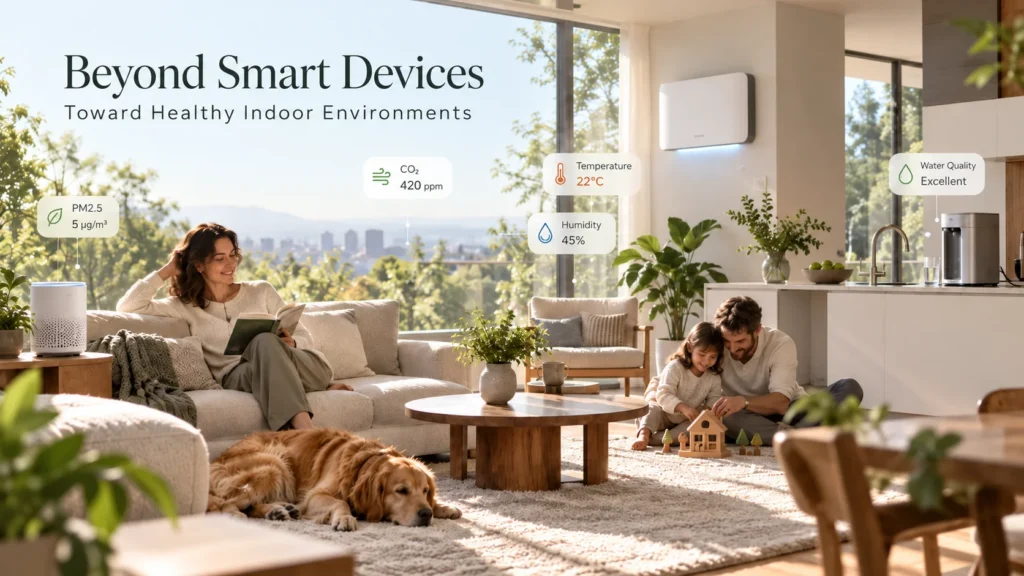
Modern living room with a family enjoying a healthy indoor environment monitored by smart devices, natural lighting, and greenery.

After IFA 2026: The Healthy Home Is Moving Beyond Smart Devices

In our previous IFA 2026 column, Air Purification Is Becoming Part of the Healthy-Home Platform, we argued that the next generation of indoor-health products would ...
뉴스
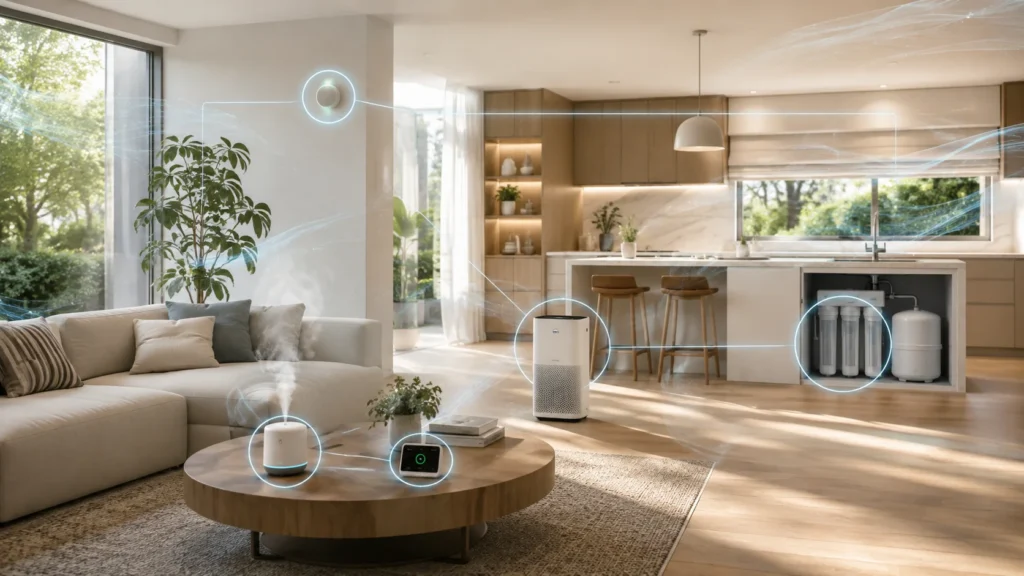
Modern living room and kitchen with smart home air quality devices including an air purifier, humidifier, and water filtration system, connected with visualized blue connectivity lines.

IFA 2026: Air Purification Is Becoming Part of the Healthy-Home Platform

Pre-IFA Industry Perspective | September 4, 2026 This article is based on official announcements and regulatory information available ahead of IFA 2026, which takes place ...
뉴스
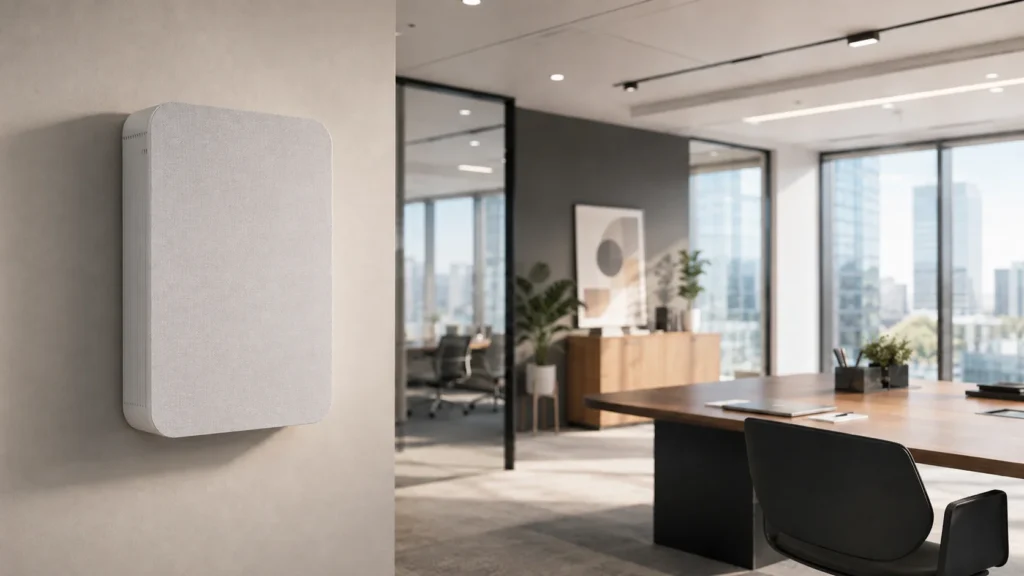
A modern office room with a gray wall-mounted air purifier, large wooden desk, office chairs, indoor plants, and glass windows offering a city view.

Luftreiniger gegen Staub: HEPA-Luftreinigung für Büro, Gewerbe und Industrie

Kurz gesagt: Ein Luftreiniger entfernt Staub aus der Luft – nicht vom Schreibtisch. Er reduziert die Konzentration schwebender Partikel und damit auch die Menge an ...
Air purifier, Filter
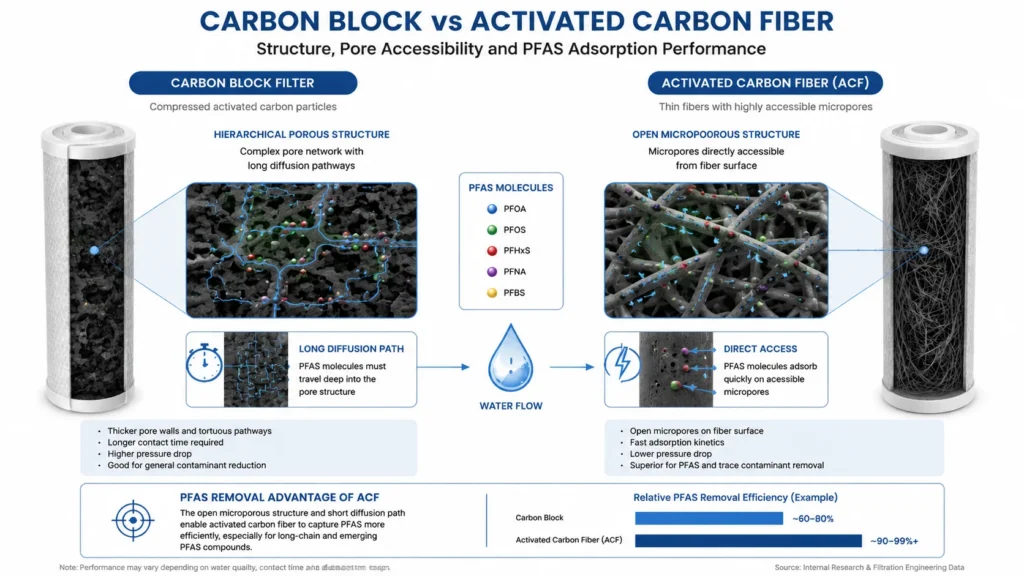
Comparison infographic showcasing the differences between carbon block filter and activated carbon fiber. Detailed diagrams illustrate the hierarchical porous structure of the carbon block with long diffusion paths and the open microporous structure of the activated carbon fiber with direct access for PFAS adsorption.

Carbon Block vs. Activated Carbon Fiber (ACF): Matching Media to Target Contaminants

Two carbon media. Same adsorption chemistry. Very different behaviour in a point-of-use cartridge. If you are specifying a water purifier platform for a PFAS-aware market, ...
뉴스
NSF base listing and ANF private-label certification pathway for OEM water filters

What Is an NSF Master Listing? A Guide to Base Listings, ANF Certification and OEM Water Filters

For a brand preparing to launch an OEM water purifier, one of the most common supplier claims is: “We already have an NSF master listing, ...
News, Water Purifiers
Healthy-home brand team reviewing PFAS water filter certification, test data and product engineering

Entering the Water Category Is Easy. Building a Credible PFAS Claim Is Much Harder

For air purification, appliance and healthy-home brands, entering the water category can look surprisingly easy. A company can select an existing undersink system, customize its ...
뉴스
Contaminant Engineering•3 min read

PFAS Water Filtration Technologies Explained: Carbon, Resin & RO

Key Takeaway:

PFAS reduction depends on the specific compounds present, treatment media, contact time, water chemistry, and system design. Activated carbon, ion exchange, and Reverse Osmosis address PFAS through different mechanisms.

PFAS are a large family of persistent fluorinated compounds that can occur in drinking-water supplies. Their treatment behavior varies significantly by molecular structure, chain length, functional group, concentration, and the chemistry of the source water.

Granular Activated Carbon (GAC) removes PFAS primarily through adsorption. It is generally more effective for many longer-chain PFAS, while shorter-chain compounds tend to break through more quickly. Carbon performance depends on media properties, Empty Bed Contact Time (EBCT), competing organic matter, loading, and replacement frequency.

Ion-exchange resins use charged functional sites to capture many PFAS compounds. Properly selected anion-exchange media can provide high capacity and may perform better than conventional activated carbon for some shorter-chain PFAS, although performance still depends on water chemistry and competing ions.

Reverse Osmosis (RO) uses membrane separation rather than adsorption. Properly designed RO systems can provide broad reduction across many PFAS compounds as well as dissolved salts and other contaminants. Unlike carbon or resin, however, RO also produces a concentrate stream that must be managed.

No single technology should be selected from a PFAS label alone. System design should consider which PFAS compounds are present, their concentrations, required reduction targets, flow rate, media life, and the applicable third-party certification or validation requirements.

HisoAir Water Technical Series
Product Discovery•3 min read

How to Choose an Under-Sink Water Purifier for Modern Kitchens

Key Takeaway:

Match the treatment technology to your water quality first, then evaluate cabinet space, faucet configuration, flow rate, drain and power requirements, and filter replacement needs.

Choosing an under-sink water purifier starts with water chemistry. Carbon filtration is well suited to chlorine, taste, odor, and many organic contaminants, while Reverse Osmosis is more appropriate when dissolved salts, fluoride, nitrates, or broader dissolved contaminants need to be reduced.

For compact kitchens, tankless RO systems eliminate the conventional storage tank and can significantly reduce the space required under the sink. However, membrane capacity stated in GPD does not directly equal faucet flow. When comparing systems, check the actual dispensing flow rate, inlet-pressure requirement, recovery ratio, and whether a booster pump is required.

Installation architecture also matters. Many RO systems require a drain connection, electrical power, and either a dedicated drinking-water faucet or a compatible multi-function faucet. High-flow carbon systems can often connect directly to the existing cold-water line with a simpler installation, but pressure drop and available faucet flow should still be verified.

RO also removes much of the naturally occurring dissolved mineral content. Where taste or mineral balance is a priority, a post-RO remineralization stage can be added. Filter life should be evaluated by both rated capacity and local water quality rather than replacement time alone.

The right system is therefore not simply the smallest or highest-GPD model. It is the configuration that matches the target contaminants, available cabinet space, desired faucet setup, peak dispensing demand, and maintenance expectations.

HisoAir Water Technical Series
Water Quality•2 min read

What Does TDS Mean in Drinking Water? Measurement vs Contaminant Reality

Key Takeaway:

A TDS meter estimates the overall concentration of dissolved ionic substances from electrical conductivity. It cannot identify specific contaminants or determine whether water is chemically safe.

Total Dissolved Solids (TDS) refers to the combined concentration of dissolved substances in water. Most handheld TDS meters do not measure TDS directly. Instead, they measure electrical conductivity (EC) and convert that reading into an estimated parts-per-million (ppm) value.

This means a TDS reading can indicate how much dissolved ionic material is present, but not what that material actually is. Calcium, magnesium, sodium, nitrates, and other dissolved ions can all contribute to conductivity, yet a simple TDS meter cannot distinguish between them.

TDS meters are also not suitable for detecting trace contaminants such as PFAS, many VOCs, pesticides, pharmaceuticals, or disinfection byproducts. These substances may be present at concentrations far below the level needed to noticeably change electrical conductivity.

A low TDS reading therefore does not guarantee safe drinking water, and a higher TDS reading does not automatically indicate contamination. Water-treatment decisions should be based on laboratory testing for specific contaminants of concern rather than TDS alone.

HisoAir Water Technical Series
Technology Selection•2 min read

RO vs UF Water Filtration: Understanding Pore Sizes & Dissolved Minerals

Key Takeaway:

Ultrafiltration can reduce bacteria, turbidity, and suspended particles while retaining most naturally occurring dissolved minerals. Reverse Osmosis provides much broader reduction of dissolved salts and smaller contaminants.

Ultrafiltration (UF) typically uses hollow-fiber membranes with pore sizes in the approximate 0.01–0.1 micron range. These membranes physically retain turbidity, suspended solids, colloids, and many microorganisms while allowing dissolved minerals and salts to remain in the water.

Reverse Osmosis (RO) operates at a much finer separation level. Unlike UF, RO can substantially reduce dissolved ions such as sodium, calcium, fluoride, nitrates, and other contributors to total dissolved solids (TDS). This makes RO more suitable when dissolved-salt reduction is a primary treatment objective.

UF generally requires less system pressure and produces little or no continuous concentrate stream in many point-of-use configurations. RO typically requires greater pressure and produces a reject-water stream, but delivers broader contaminant reduction.

For water with acceptable TDS and mineral content, UF can be a simpler mineral-retaining treatment option. Where dissolved salts, fluoride, nitrates, or broader dissolved contaminants are a concern, RO is generally the more appropriate technology.

HisoAir Water Technical Series
Technology Selection•4 min read

Carbon Block vs Reverse Osmosis: Which Fits Your Need?

Key Takeaway:

Choose RO for dissolved inorganic salts and heavy metals; choose Carbon Block for chemical taste/odor, no wastewater, and high line-pressure flow.

Reverse Osmosis (RO) and Carbon Block filtration represent two fundamentally different treatment methods: membrane separation and adsorption. Understanding these differences helps determine which technology is better suited to a specific water-quality requirement.

Reverse Osmosis uses a semi-permeable membrane with pore sizes of approximately 0.0001 microns. It can significantly reduce dissolved inorganic contaminants such as TDS, fluoride, nitrates, and certain heavy metals. Because water must be forced through the membrane, RO systems require sufficient pressure or a booster pump and generate a concentrated wastewater stream.

Carbon Block filtration relies primarily on adsorption through compressed activated carbon, commonly with nominal pore sizes around 0.5–5 microns. It is highly effective for chlorine, chloramines, VOCs, taste, and odor, while allowing substantially higher direct-flow rates without producing wastewater.

From an operating perspective, Carbon Block systems are generally simpler, require less energy, and avoid the water loss associated with RO. RO involves higher system complexity and operating cost, but provides substantially broader reduction of dissolved contaminants that Carbon Block alone cannot address.

HisoAir Water Technical Series

견적 요청하기