
Global Patented SteamPure™ Tech
99.99% Sterilization Boiling
SteamPure™ uses a micro-boil chamber (≈50 ml) to reachstable output in about 10 minutes. Each drop is boiled before release to reduce bacteria and mineral carryover creating a soft, visible mist that feels naturally comfortable.
지금 문의10 min
to steady mist
to steady mist
Hygienic
boil-first output
boil-first output
Low noise
smart airflow
smart airflow
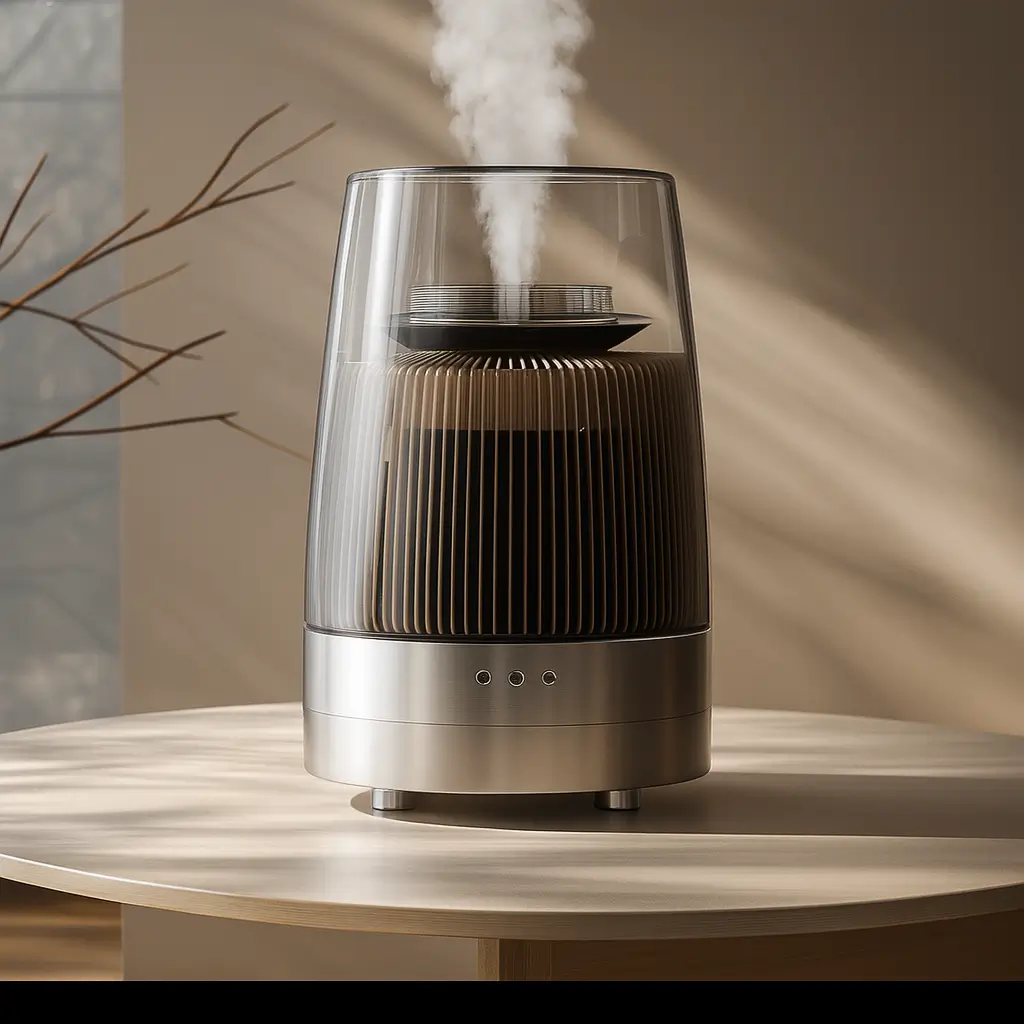
What We Offer
HM300
4.2L Tank Capacity
Humidification 350 mL/h
Humidification 350 mL/h
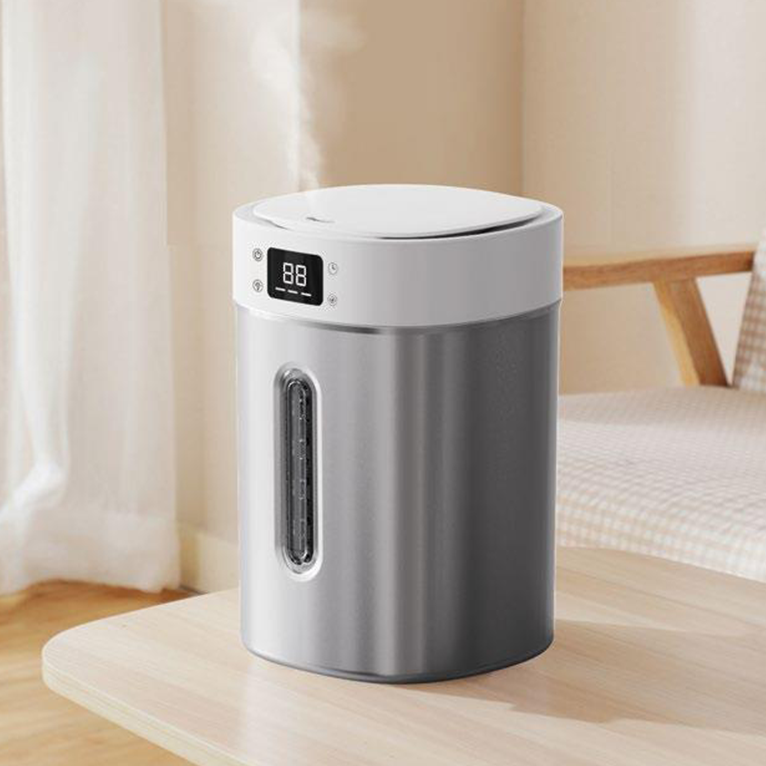
HM2206
3.8L Tank Capacity
Humidification 200 mL/h
Humidification 200 mL/h
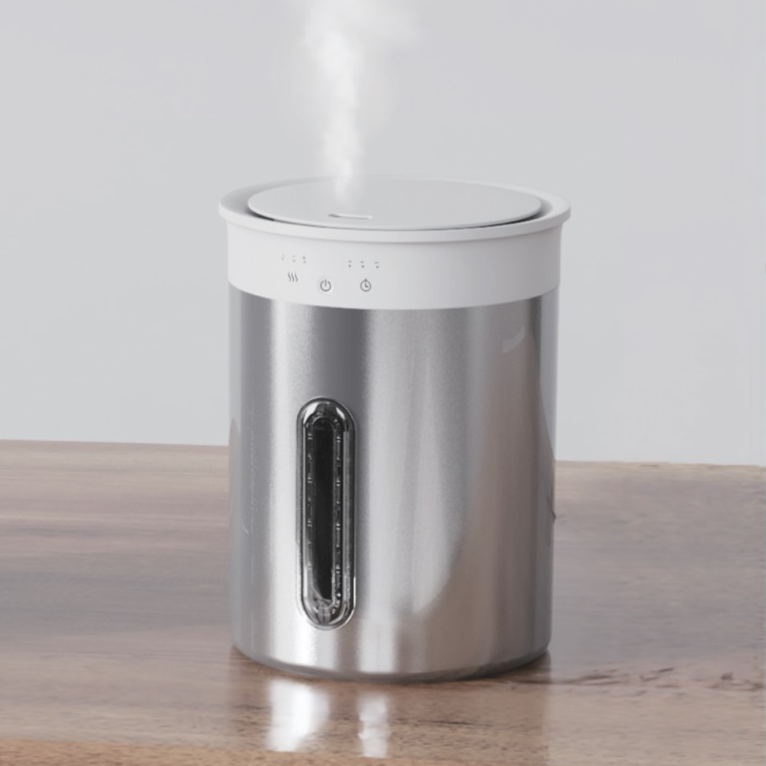
HM618
3.4L Tank Capacity
Humidification 180 mL/h
Humidification 180 mL/h
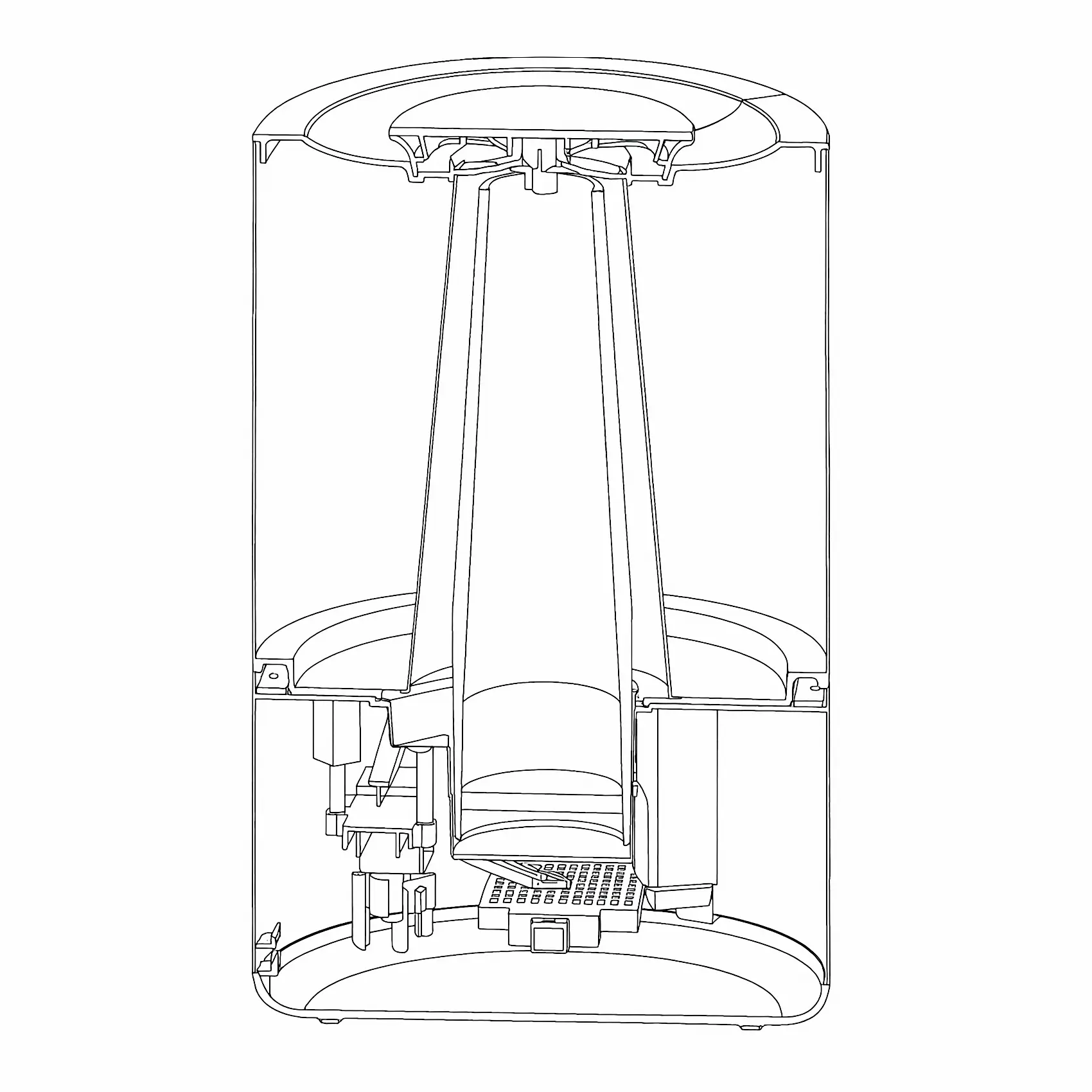
Why SteamPure™ Technology?
Fast
small-volume rapid boil achieves targethumidity quickly.
small-volume rapid boil achieves targethumidity quickly.
Comfortable
soft, visible mist disperses smoothlywith no damp desktops.
soft, visible mist disperses smoothlywith no damp desktops.
Clean
steam purification reduces bacteria anddissolved solids before diffusion.
steam purification reduces bacteria anddissolved solids before diffusion.
How lt Works?
Micro-boil
~50 ml of water is heated to a rollingboil.
~50 ml of water is heated to a rollingboil.
Purify & Calm
steam passes through a calmingpath to form gentle, visible mist.
steam passes through a calmingpath to form gentle, visible mist.
Smart Diffusion
integrated airflow delivers 360°coverage without hot spots.
integrated airflow delivers 360°coverage without hot spots.
주요 기능
Rapid Heating
Just 10 Minutes With only 50 ml of water per cycle, SteamPure™ reaches boiling in 10 minutes, providing fast and efficient humidification.
Just 10 Minutes With only 50 ml of water per cycle, SteamPure™ reaches boiling in 10 minutes, providing fast and efficient humidification.
Gentle, Visible Mist
SteamPure™ produces a soft, natural mist — lighter and cleaner than ultrasonic fog, blending smoothly into the room atmosphere for a comfortable humidity level.
SteamPure™ produces a soft, natural mist — lighter and cleaner than ultrasonic fog, blending smoothly into the room atmosphere for a comfortable humidity level.
Hygienic Steam Output
Every drop of water is boiled before release, helping reduce bacteria and impurities for healthier indoor air.
Every drop of water is boiled before release, helping reduce bacteria and impurities for healthier indoor air.
Smart Diffusion Design
An integrated fan disperses steam evenly, preventing hot spots and ensuring safe, comfortable use in any environment.
An integrated fan disperses steam evenly, preventing hot spots and ensuring safe, comfortable use in any environment.
Energy-Saving Performance
Designed for efficiency, SteamPure™ uses minimal water and power while maximizing humidification output.
Designed for efficiency, SteamPure™ uses minimal water and power while maximizing humidification output.
Quiet by Design
Low-turbulence airflow and damping keep nighttime noise down.
Low-turbulence airflow and damping keep nighttime noise down.
 English
  Français
  Español
  Italiano
  Deutsch
  Português
  Русский
  العربية
  日本語
日本語  한국어
한국어  Tiếng Việt