
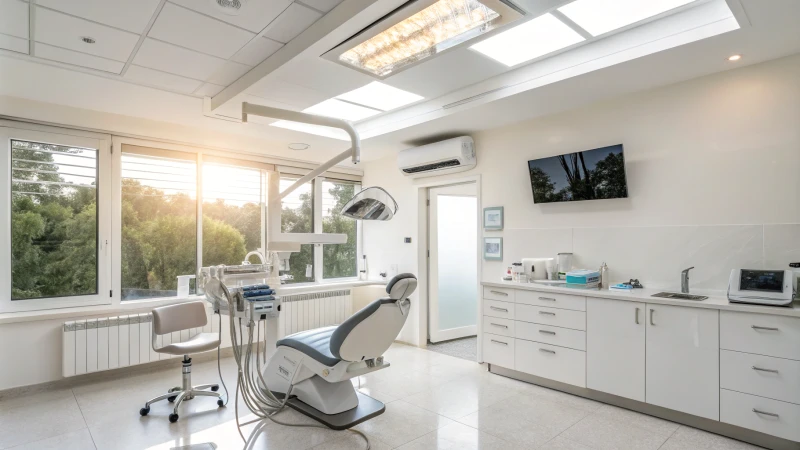
You enter a dental office and feel the fresh, clean air. Something else might be happening that you don't see.
Ceiling air purifiers are ideal for dental offices. They clean large areas without using floor space. The advanced technology reduces noise effectively. These purifiers fit well with current HVAC systems. They really improve air quality and monitoring.
I remember sitting in my dentist's waiting room. I nervously flipped through a magazine. Suddenly, I noticed how quiet and fresh the room felt. It almost felt like I was outside, breathing clean air. That was when I realized the wonder of ceiling air purifiers. These are not just gadgets; they are lifesavers for patients and staff. They blend into the ceiling seamlessly. This helps free up valuable space. The office looks less cluttered and very inviting.
But it's not only about appearance. Imagine working where loud machines are always buzzing around. With noise-canceling technology, these purifiers whisper softly. They don't distract dentists. Dentists focus more on their work this way. Purifiers also work well with HVAC systems. Every breath we take is monitored carefully. They keep us safe from hidden pollutants. They keep us very safe.
Ceiling purifiers occupy no floor space in dental offices.True
Ceiling air purifiers are installed overhead, freeing up floor space.
Ceiling purifiers increase noise levels in dental offices.False
They use decibel cancellation technology to minimize noise interference.
How Do Ceiling Air Purifiers Work with Dental HVAC Systems?
Picture stepping into a dental clinic where the air breathes fresh and clean, similar to a morning breeze. Ceiling air purifiers quietly cooperate with HVAC systems.
Ceiling air purifiers improve dental HVAC systems. They increase airflow and filtration. These devices reduce contaminants effectively. Health standards become easier to meet. They create a safer dental environment.
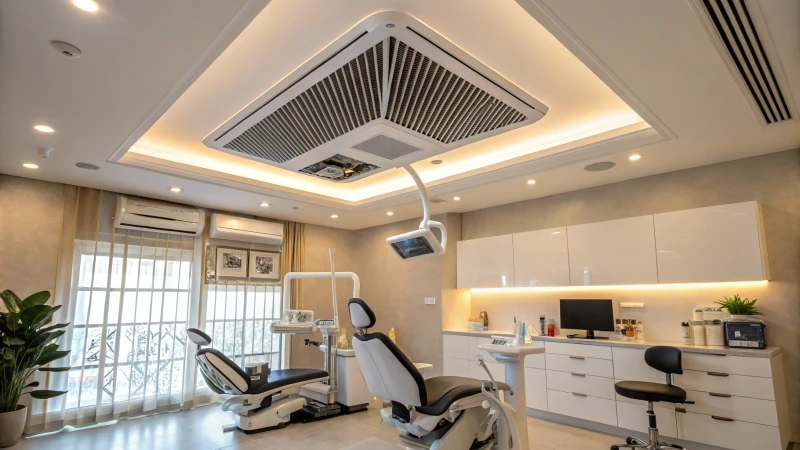
Integration of Ceiling Air Purifiers and HVAC Systems
When I first heard about ceiling air purifiers, they really caught my attention. These clever devices sit nicely on the ceiling. They work closely with the dental HVAC systems1. They fit in so well that you might barely notice them. But believe me, they're there. They help keep the air we breathe super clean. It’s like an invisible air guard watching over us.
These purifiers really improve the air exchange rate. This is very important in dental clinics. I remember visiting a dental office and feeling how fresh the air was. It really made the visit more comfortable.
Improving Air Quality
The main feature of these purifiers is their power to remove harmful particles and pathogens. They connect with HVAC systems and clean the air many times every hour. This means peace of mind for everyone in the office, knowing that bacteria and viruses stay away makes me feel safer. I feel at ease whether I'm waiting for my turn or talking to the staff.
| Feature | Ceiling Air Purifier | Dental HVAC System |
|---|---|---|
| Air Filtration | High-efficiency HEPA | Standard |
| Noise Reduction | Yes (Decibel Cancellation™) | No |
| Space Utilization | Ceiling-mounted | Floor/Ceiling |
| Integration Capability | IoT & Management Systems | Limited |
Noise Reduction Technology
I love a quiet place, especially in dental offices where calmness helps. Modern ceiling air purifiers have noise reduction features like HisoAir's Decibel Cancellation™. These devices keep peace intact; it’s comforting to know the purifier works quietly without interrupting the calm atmosphere.
IoT and System Integration
Advanced ceiling air purifiers link with IoT systems, allowing real-time monitoring and management through dental office management systems2. It’s like a high-tech helper keeping track of air quality settings, providing facility managers with useful insights. I’ve noticed that these integrations lead to better operations and happier patients—everybody benefits.
Choosing the right air purifier depends on understanding your needs and ensuring it fits your HVAC system well. This personalized selection means better results while keeping up with health rules like AHSRAE 241. In places where safety is very important, every breath should feel safe and clean.
Ceiling air purifiers reduce noise in dental offices.True
Modern purifiers use Decibel Cancellation™ technology to minimize noise.
Dental HVAC systems filter air better than ceiling purifiers.False
Ceiling purifiers use high-efficiency HEPA filters, superior to standard HVAC.
How do ceiling air purifiers help reduce noise?
Do you notice how some air purifiers work so quietly that it's easy to forget about them?
Ceiling air purifiers lower noise levels with special decibel reduction technology. These purifiers are ideal for quiet places like dental clinics. They hang from the ceiling. They really cut down on noise. This setup also frees up important floor space.
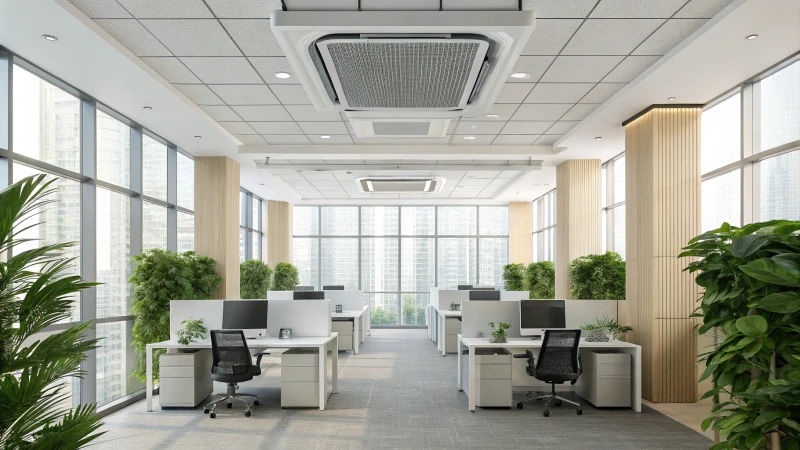
Understanding Decibel Cancellation Technology
I remember walking into a dental office with air purifiers on the ceiling. The usual machinery buzz was gone. There was a soothing silence instead. This happened because of decibel cancellation3 technology. These purifiers bring noise down to a gentle whisper. Quiet is really important in places like dental offices. Patients feel very comfortable, and professionals focus better without the hum disturbing them. The noise gets neutralized right at its source, achieving peace without losing any performance.
Space Efficiency and Acoustic Benefits
Ceiling-installed purifiers change everything. I helped set one up before; every inch mattered in that space. Mounting them on the ceiling was the ideal answer, freeing up floor space and eliminating the need for big, bulky machines. This setup was really good for acoustic management4. The sound spread evenly and naturally, eliminating annoying echoes that sometimes fill a room.
| Feature | Benefit |
|---|---|
| Decibel Cancellation | Reduced noise pollution |
| Ceiling Mounting | Saves floor space, improves sound distribution |
| Integration with HVAC | Enhanced air exchange rates |
Integration with HVAC Systems
An interesting feature is their smooth integration with HVAC systems. I worked on a project where this happened; it improved air quality and lessened the work for each HVAC unit, naturally lowering noise levels. Following standards like ASHRAE 2415 keeps everything in order, ensuring all sound and performance standards are met.
Sensor and IoT Integration
The advanced features go further as modern ceiling purifiers have IoT capabilities, allowing real-time monitoring and control. I set up a system that adjusted itself based on environmental changes to keep noise really low. Connected to office management systems6, these purifiers provide useful data that enhance acoustic comfort in offices, making them not just smart but very essential.
Ceiling air purifiers reduce noise pollution.True
They use decibel cancellation technology to minimize operational noise.
Ceiling-mounted purifiers increase floor space usage.False
They save floor space by being mounted on ceilings.
How Can Ceiling Air Purifiers Improve Patient Comfort and Safety?
Do you ever think that a ceiling air purifier might be the hidden hero in healthcare?
Ceiling air purifiers increase patient comfort and safety by cleaning the air of harmful particles. They lower noise levels and fit smoothly into HVAC systems. Air quality really improves without using floor space with these purifiers. These devices are perfect for hospitals and clinics.
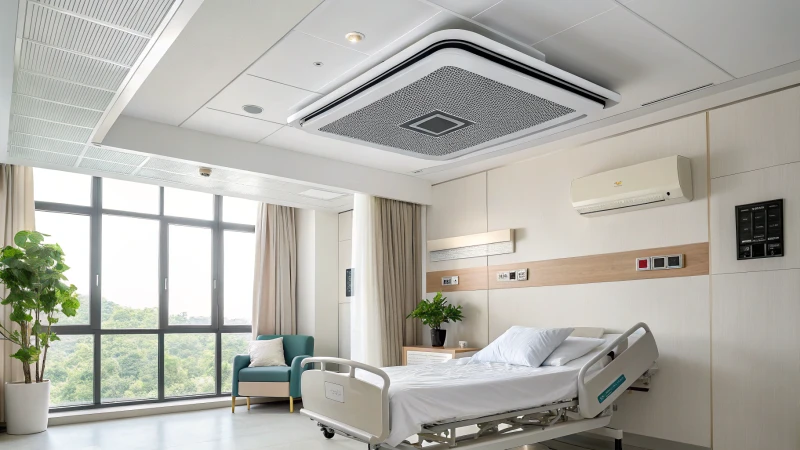
How Ceiling Air Purifiers Work
Imagine entering a healthcare facility where the air feels crisp and clean, like walking into a peaceful forest. Ceiling air purifiers quietly do their job here. They sit quietly above, saving floor space. This space-saving design is very helpful in busy healthcare settings. I once visited a friend in a hospital and noticed these devices. They silently worked by drawing in the room's air, filtering out dirty particles, and releasing pure air back. It's like having an invisible shield that keeps the air fresh.
| Feature | Benefit |
|---|---|
| High CFM CADR | Covers large spaces |
| Decibel Cancellation | Reduces operational noise |
| IoT Integration | Real-time air quality monitoring |
Benefits of Ceiling Air Purifiers
Better Air Quality: These purifiers work hard to keep pollutants, viruses, and bacteria away. This creates a safer environment for everyone. I read that breathing cleaner air really helps recovery times and well-being. Research even says7 that better air quality leads to improved health outcomes.
Reducing Noise: Hospitals can be noisy, but ceiling air purifiers have Decibel Cancellation technology. This means less noise, making a peaceful atmosphere that helps healing. I've always believed peace and quiet are very important for recovery. Studies reveal8 that quieter places help patients recover faster and feel less stressed.
Integration with Existing Systems
These devices do not work alone. They connect with existing HVAC systems for greater efficiency. I find it fascinating how they improve air exchange rates—up to six times more than usual, according to ASHRAE 241 standards. This teamwork keeps air quality consistently high, which is vital for patient safety.
Additionally, smart systems with IoT technology9 offer remote monitoring. Healthcare facilities can monitor indoor air quality closely and adjust purifier settings when needed to maintain the best conditions.
Potential Drawbacks
Like any technology, there are some drawbacks to consider. Initial installation costs might seem high and regular maintenance is needed for smooth operation. However, I often think about the long-term benefits—improved air quality and patient comfort make these initial challenges worthwhile.
Considering all these aspects, ceiling air purifiers offer strong reasons to improve healthcare environments. They solve old problems of indoor air pollution and noise with new solutions, becoming a vital part of modern healthcare.
Ceiling air purifiers reduce operational noise.True
Ceiling air purifiers use Decibel Cancellation to minimize noise.
IoT integration is not possible with ceiling air purifiers.False
Ceiling air purifiers can integrate with IoT for real-time monitoring.
Why Are Ceiling Air Purifiers Crucial for Dental Office Health Compliance?
Picture yourself sitting in a dental chair. Equipment buzzes all around you. However, there is no hint of the usual chemical odor. Ceiling air purifiers create this fresh environment.
Ceiling air purifiers in dental offices help with health rules. They clean the air efficiently by removing airborne contaminants. The devices also reduce noise. They fit very well with HVAC systems. The air stays clean and the place remains calm.
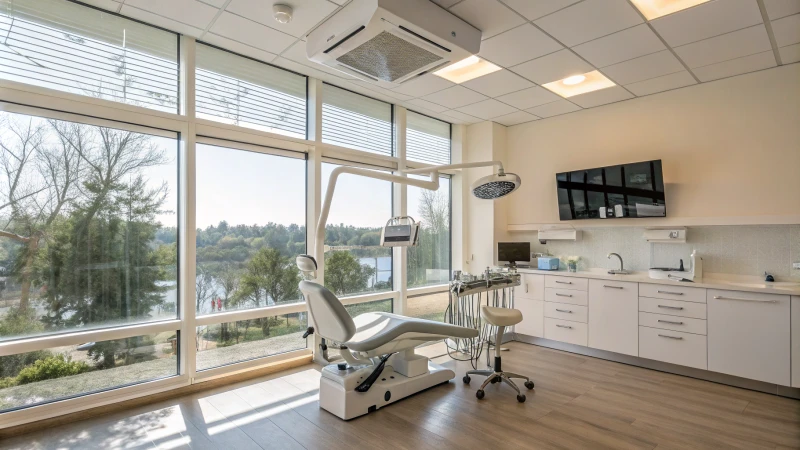
Improving Air Quality
Imagine sitting in the dentist's waiting room, browsing an old magazine. The air feels fresh, like after a rain. This clean feeling comes from ceiling air purifiers quietly working above. These purifiers are very important in dental offices. They tirelessly clear away particles, allergens, and germs from the air. During dental procedures, cleaning the air is an absolute necessity. Brands like HisoAir10 provide purifiers with high Clean Air Delivery Rates (CADR). They really cover all corners, even in large dental spaces.
| Feature | Benefit |
|---|---|
| High CADR | Covers extensive office areas |
| Allergen Removal | Enhances patient and staff safety |
| Pathogen Filtration | Reduces risk of infection transmission |
Noise Reduction Technologies
At the dentist once, I felt uneasy because of constant machine noise. Noise makes it hard to relax. Thankfully, many ceiling purifiers now have noise-cancellation technology. Picture yourself in the chair, peaceful, as the Decibel Cancellation™11 feature quietly works. It creates a calm zone where patients and staff focus on dental health.
Space Optimization and Design
I dislike clutter. That's why ceiling air purifiers appeal to me. Installed out of sight, they free up floor space in treatment rooms. This setup keeps the area looking tidy and professional. The cleared space helps avoid distractions during appointments.
- Unobtrusive Installation: Blends into office design.
- Space Efficiency: Frees room for dental work.
Integration with HVAC Systems
Ceiling air purifiers smartly work with existing HVAC systems. This teamwork improves air exchange rates, aligning with ASHRAE 241 standards. As a result, these purifiers not only clean the air but also enhance the entire office’s energy efficiency.
Technological Integration
Today's technology lets us do amazing things like track air quality live. Thanks to IoT, ceiling purifiers sync with dental office management software. This setup guarantees following health regulations smoothly. Systems offer real-time data on air quality—keeping everyone informed is really important.
- Data Monitoring: Reveals air quality details.
- Automated Controls: Modifies purification as needed.
For those curious about improving dental practices, explore our detailed guide12. Using these technologies helps maintain top hygiene standards and ensures both patients and staff enjoy fresh air.
Ceiling air purifiers reduce infection risk in dental offices.True
They filter pathogens and improve air quality, lowering infection risks.
All ceiling air purifiers are noisy and disruptive.False
Modern models use decibel cancellation to minimize noise during operation.
Conclusion
Ceiling air purifiers enhance dental offices by improving air quality, reducing noise, and saving floor space while integrating seamlessly with HVAC systems for optimal patient comfort and safety.
-
Understanding the basics of dental HVAC systems helps in comprehending how air purifiers integrate efficiently. ↩
-
Discover how IoT integration can streamline operations and enhance air quality management in dental practices. ↩
-
Discover how decibel cancellation technology effectively reduces noise levels in air purifiers. ↩
-
Explore how ceiling-mounted air purifiers enhance room acoustics by distributing sound evenly. ↩
-
Learn about ASHRAE 241 standards to ensure your HVAC systems meet industry noise and performance benchmarks. ↩
-
Understand how IoT integration allows real-time monitoring and noise optimization in air purifiers. ↩
-
Discover research on the positive effects of enhanced air quality on health outcomes. ↩
-
Learn about studies showing how quieter environments contribute to better patient recovery. ↩
-
Find out how IoT integration in air purifiers benefits healthcare settings through real-time monitoring. ↩
-
Explore how HisoAir's high CADR models efficiently cover large dental office areas, providing excellent air purification. ↩
-
Discover how Decibel Cancellation technology minimizes noise levels in dental offices, creating a serene environment. ↩
-
Learn about integrating air purifiers with IoT systems for advanced monitoring and compliance. ↩

 English
  Français
  Español
  Italiano
  Deutsch
  Português
  Русский
  العربية
  日本語
日本語  한국어
한국어  Tiếng Việt

