
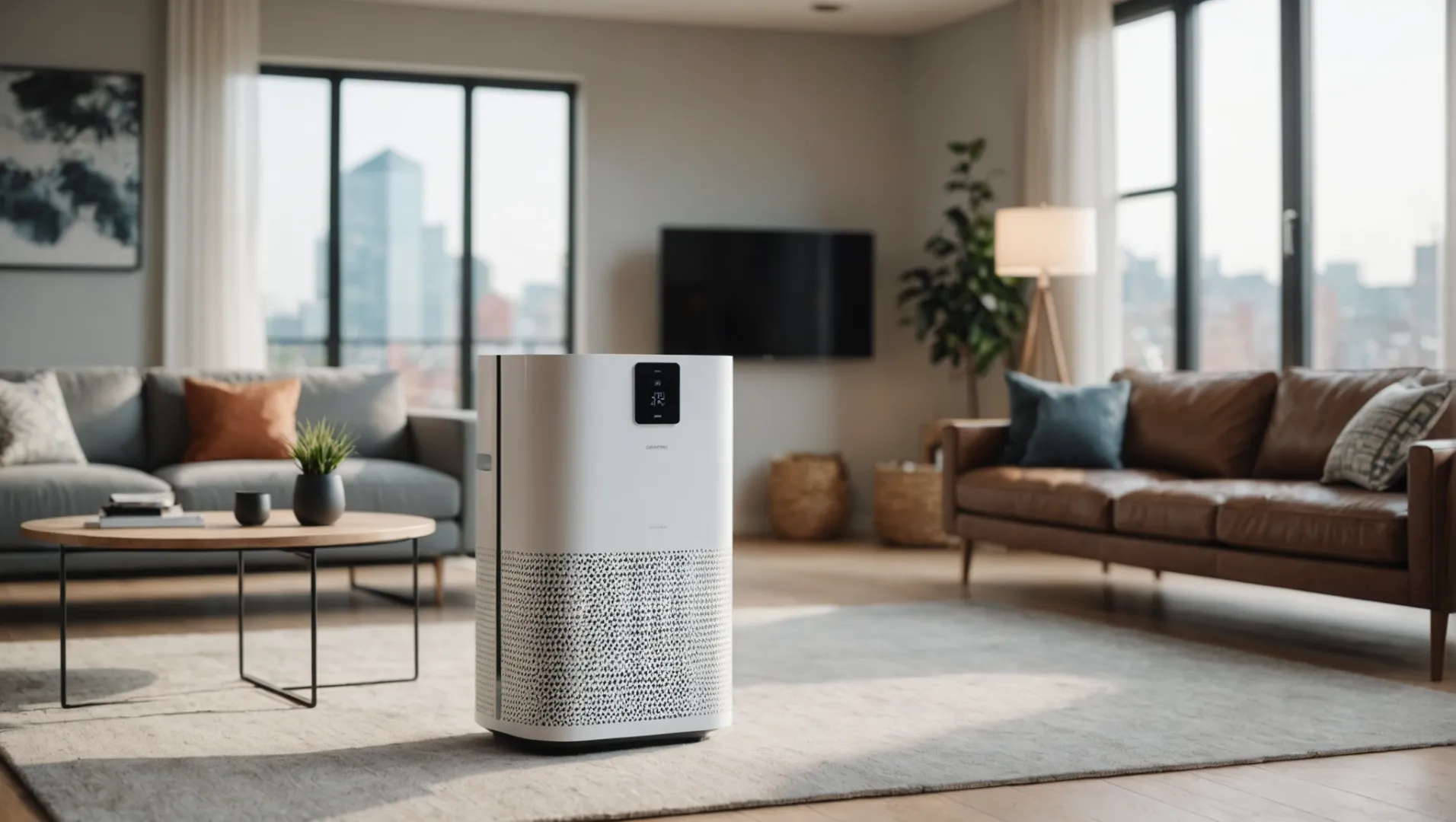
The future of air purification is not just about cleaning the air; it's about making it smarter.
IoT and AI can revolutionize air purifier functionality by enabling more precise filter replacement alerts, integrating a variety of sensors, and personalizing air quality management for diverse environments.
Keep reading to uncover how these technologies not only tackle industry pain points but also introduce innovative features that promise to enhance your health and energy efficiency at home.
AI in air purifiers enables precise filter replacement alerts.True
AI uses real-time data and algorithms to predict exact filter change timings.
What Are the Key Benefits of Integrating IoT and AI in Air Purifiers?
Imagine a world where your air purifier adapts to your environment, optimizing itself for your needs.
IoT and AI integration in air purifiers offers benefits like accurate filter replacement notifications, enhanced environmental monitoring through additional sensors, and tailored air quality management for individual settings.

Enhanced Filter Replacement Notifications
Traditionally, air purifiers remind users to replace filters based on general usage hours, often leading to inaccuracies. However, with IoT and AI, manufacturers can utilize pressure sensors to gather real-time data, creating algorithms that predict exact filter replacement timings. This customization not only enhances user convenience but also ensures optimal performance. The ability to adapt filter changes according to specific air quality requirements is a game changer1 for those living in varying environments.
Comprehensive Environmental Monitoring
Modern air purifiers are no longer limited to just filtering out particulate matter. IoT and AI integration allows for a variety of sensors—such as humidity, temperature, and even noise sensors—to be embedded within the device. This provides a more holistic view of the environment's air quality. Advanced sensors like VOC (Volatile Organic Compounds), CO2, CO, and gas sensors offer deeper insights into the pollutants present, enabling users to address specific air quality issues effectively.
Personalized Air Quality Management
By analyzing data from multiple sources, AI can personalize the purification process. For instance, an air purifier could automatically adjust its settings based on occupancy detected by integrated sensors. This adaptability means energy efficiency is maximized without compromising air quality. Personalized alerts and recommendations can guide users in creating healthier indoor environments, tailored to their unique needs.
Integration with Smart Home Systems
With Matter over Thread technology, smart home devices can communicate seamlessly across platforms like Amazon Alexa and Google Home. This integration expands the functionality of air purifiers, allowing users to control and monitor their devices through a unified interface. As all sensors feed data into a central platform, users gain comprehensive insights into their home's air quality trends and can make informed decisions about their indoor environment. Such innovations underscore the potential of IoT and AI to elevate air purifiers beyond mere appliances into intelligent guardians of health.
IoT enables real-time filter replacement alerts.True
IoT uses sensors to provide accurate, timely filter alerts.
AI reduces air purifier energy consumption by 50%.False
AI optimizes settings but doesn't guarantee a 50% reduction.
How Do AI-Powered Sensors Enhance Air Quality Monitoring?
AI-powered sensors are revolutionizing air quality monitoring by offering more precision and adaptability.
AI-powered sensors improve air quality monitoring by collecting real-time data, enhancing accuracy, and customizing alerts for specific environments.
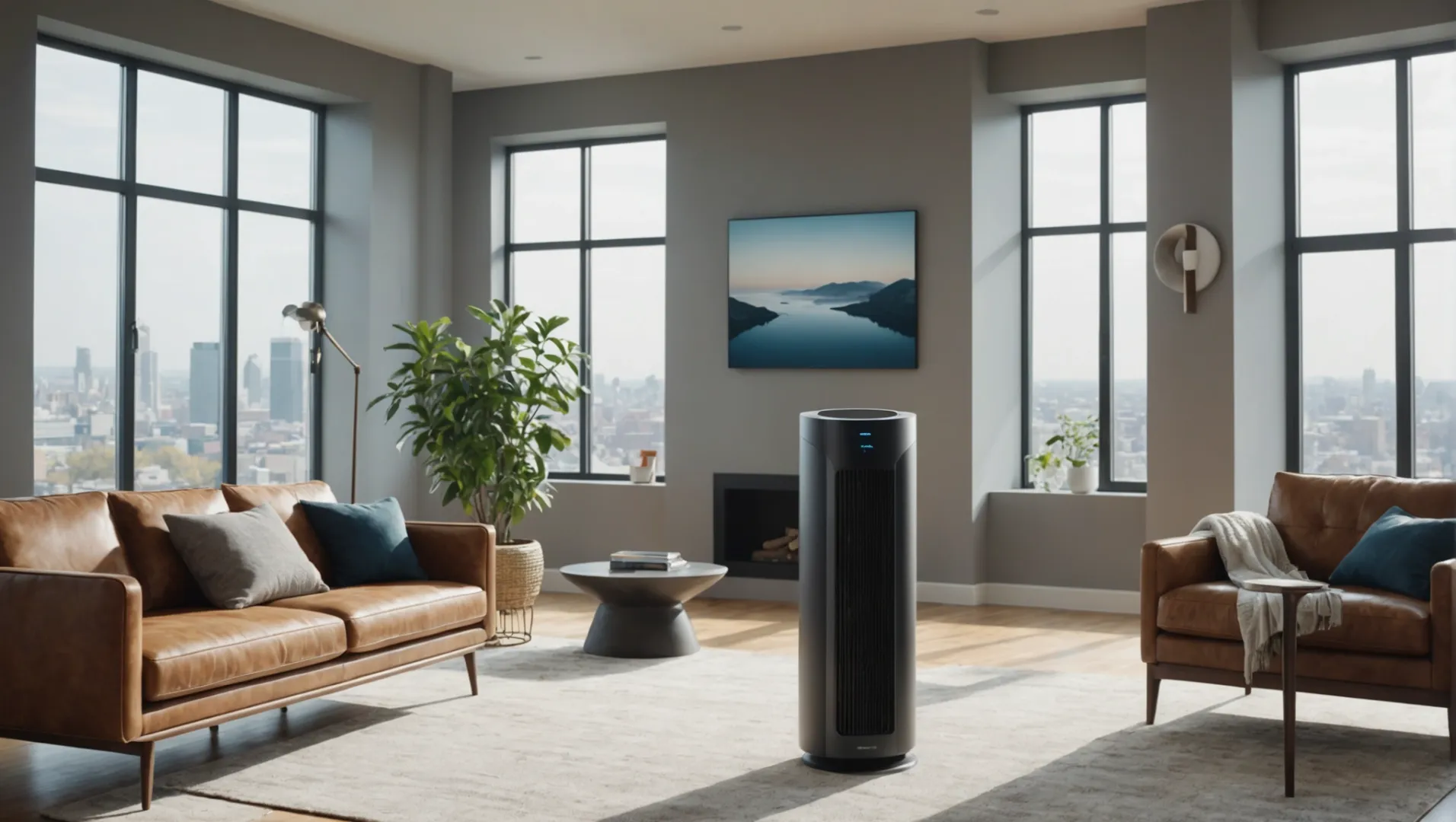
Real-Time Data Collection
AI-powered sensors embedded in air purifiers continuously collect real-time data on various environmental factors. This includes not just traditional particulate matter but also humidity, temperature, and even volatile organic compounds (VOCs). By analyzing these data points, AI systems can offer a comprehensive overview of air quality at any given moment.
For example, by integrating a combination of PM2.5 and VOC sensors, an air purifier can effectively identify pollution sources and their levels. This real-time insight allows for immediate adjustments to purification settings, enhancing overall indoor air quality.
Enhanced Accuracy and Precision
Traditional air purifiers often rely on timers or manual input to determine when filters need changing. However, this method is both inaccurate and inconvenient for users with varying environmental conditions. AI algorithms2 utilize data collected from pressure sensors placed within the filters to predict when a replacement is necessary.
This predictive capability not only increases accuracy but also ensures that users are informed about filter changes before any drop in performance, thereby maintaining optimal air purification.
Customization for Diverse Environments
The integration of AI allows air purifiers to adapt to different environments by learning from user behavior and external conditions. For instance, a smart purifier may adjust its operation based on the occupancy of a room, using occupancy sensors to determine when people are present.
Furthermore, the ability to integrate with smart home systems such as Matter-enabled platforms3 means that these devices can learn user preferences and routines. This integration enables personalized air quality management that aligns with daily activities and specific health needs.
Expanding Sensor Integration
Modern air purifiers now come equipped with a broader array of sensors beyond those traditionally used. These include noise sensors to reduce operational sound in quiet environments, light sensors to adapt to ambient conditions, and CO2 sensors for monitoring indoor air quality.
For example, the "WellCube" project by HisoAir incorporates over 10 different sensors, illustrating the potential breadth of data available for AI systems to analyze. This approach not only provides comprehensive environmental insights but also enhances user experience by addressing multiple aspects of indoor comfort.
AI sensors only monitor particulate matter.False
AI sensors track various factors like VOCs, humidity, and temperature.
AI predicts air filter changes before performance drops.True
AI uses pressure sensor data to predict when a filter needs replacing.
Can Smart Air Purifiers Improve Health Outcomes?
Smart air purifiers may transform our living spaces into health-enhancing environments.
Smart air purifiers can significantly improve health outcomes by removing airborne pollutants, providing tailored air quality solutions, and integrating with health-monitoring systems.
Addressing Air Quality Concerns
Traditional air purifiers often lack the capacity to adapt to varying environmental conditions, leading to less effective pollutant removal. Smart air purifiers equipped with advanced sensors can detect and eliminate a wider range of airborne contaminants, including VOCs (volatile organic compounds), CO2, and other hazardous gases. This precise monitoring ensures that indoor air quality is consistently maintained at optimal levels, thus reducing the risk of respiratory and cardiovascular issues.
Personalized Air Quality Solutions
With the advent of AI technology, smart air purifiers can analyze air quality data specific to your home environment. By utilizing machine learning algorithms, these devices can predict and adjust their operation based on historical data and current conditions. This personalized approach means that individuals with allergies or respiratory conditions, like asthma, can benefit from an environment tailored to their health needs. In essence, these purifiers not only react to present air quality but anticipate future changes, offering a proactive solution.
Integration with Health-Monitoring Systems
The integration of IoT in smart air purifiers allows these devices to communicate with other smart home systems and personal health devices. For example, connecting your purifier to a health app can enable it to adjust settings based on your current health data or even local pollution forecasts. As highlighted in HisoAir's WellCube project4, such integration creates a seamless experience where air quality management is part of a larger ecosystem aimed at promoting overall well-being.
Evidence-Based Health Improvements
Research indicates that improving indoor air quality has direct positive effects on health outcomes. A study conducted by the Environmental Protection Agency found that reducing indoor pollutants can alleviate symptoms for individuals suffering from asthma and other respiratory conditions. By employing smart technology, air purifiers can offer a more reliable and consistent improvement in air quality compared to their traditional counterparts. This ability to maintain cleaner air translates into tangible health benefits, such as reduced hospital visits and improved overall quality of life.
Smart air purifiers can predict air quality changes.True
They use AI and machine learning to anticipate future air quality.
Traditional purifiers adapt better to environmental changes.False
Traditional purifiers lack advanced sensors for adaptive pollutant removal.
Is Matter the Future of Smart Home Integration for Air Purifiers?
The future of smart homes is evolving with Matter, promising seamless integration for devices like air purifiers.
Matter's universal protocol could unify air purifier integrations across platforms, offering streamlined control and enhanced user experiences.
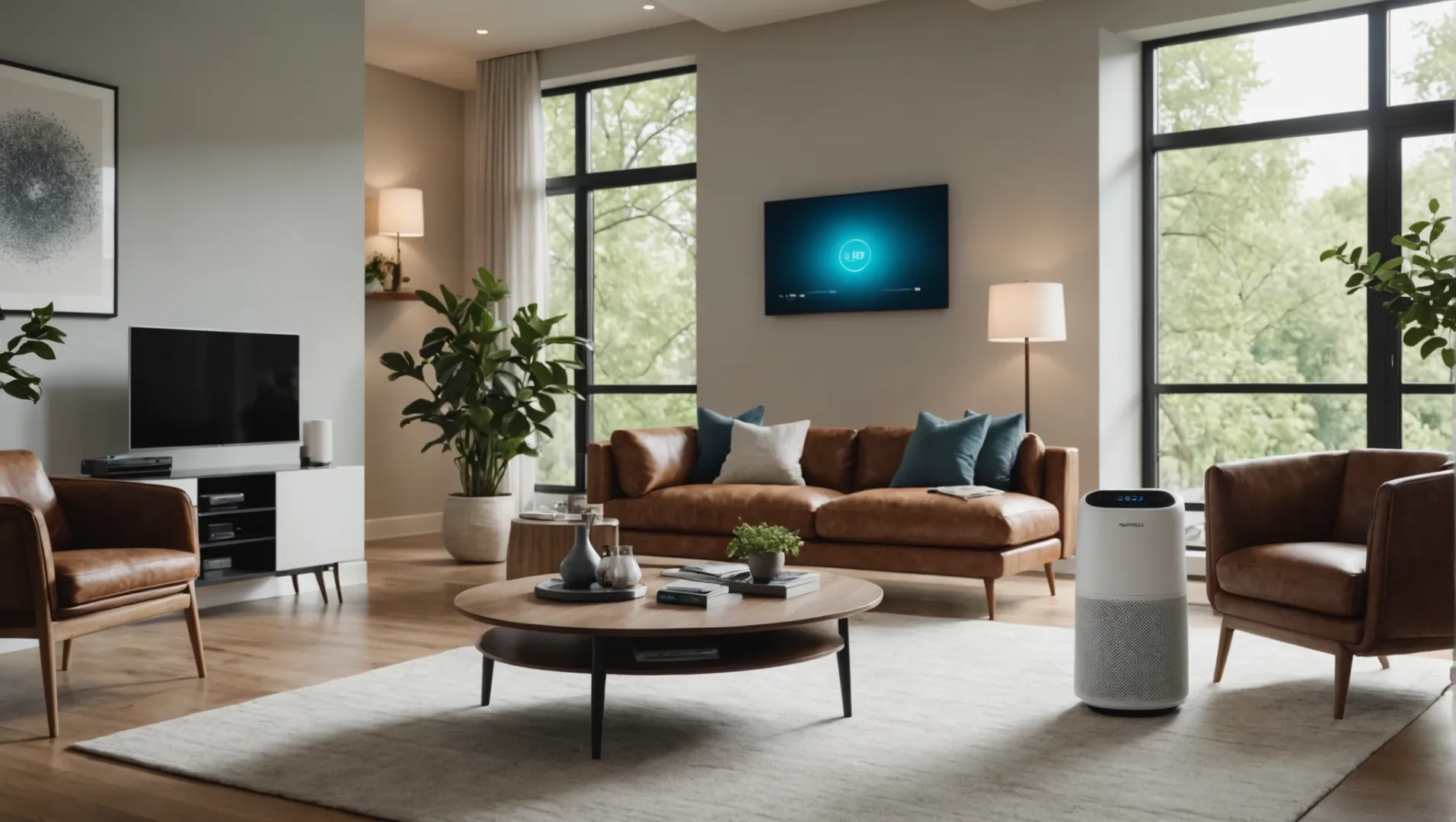
Understanding Matter: A Universal Smart Home Protocol
Matter is a groundbreaking initiative by the Connectivity Standards Alliance (CSA), formerly known as the Zigbee Alliance. It aims to simplify and unify smart home device interactions, ensuring that devices from different manufacturers can communicate effectively. This protocol supports a wide range of platforms, including Amazon Alexa, Google Home, Apple HomeKit, and Samsung SmartThings.
The Role of Matter in Air Purifier Integration
Air purifiers, equipped with an array of sensors such as PM2.5, VOC, and CO2 detectors, can significantly benefit from Matter's universal framework. With Matter5, users can expect:
- Seamless Connectivity: Regardless of the brand or platform, air purifiers will easily connect to other smart home devices.
- Enhanced User Control: Simplified control through a single application interface for diverse devices.
- Improved Interoperability: Ensuring that updates or new devices integrate without compatibility issues.
Addressing Industry Pain Points with Matter
One significant pain point in the air purifier industry is the inaccurate filter replacement reminders. Traditionally, these reminders are based on fixed usage hours, disregarding varying air quality conditions. With Matter's integration, manufacturers can leverage IoT data to provide precise filter replacement alerts by utilizing real-time sensor data. AI and IoT technologies6 can analyze air quality data to predict more accurately when a filter change is necessary.
Future-Proofing Smart Homes with Matter
As the smart home ecosystem grows, having a standardized protocol like Matter ensures that homeowners are not locked into specific ecosystems. It offers flexibility and scalability, allowing users to expand their smart home systems with confidence. Furthermore, innovations such as HisoAir's "WellCube" project are setting a precedent by integrating multiple sensors within air purifiers. These advancements indicate a trend towards more intelligent and adaptable home environments.
The convergence of Matter7 with advanced sensor technologies and AI capabilities in air purifiers suggests a future where home environments are healthier and more energy-efficient.
Matter supports Google Home integration.True
Matter is designed to work with platforms like Google Home.
Matter cannot predict air filter changes.False
Matter uses IoT data for precise filter replacement alerts.
Conclusion
Embrace the innovations of IoT and AI for better air quality and energy savings.
-
Discover how AI optimizes filter replacements for better efficiency.: IoT and AI are redefining air purification by enabling real-time monitoring, automated adjustments, and improved energy efficiency. ↩
-
Discover how AI predicts filter changes for better efficiency.: This paper presents a first-ever model based on artificial neural networks to forecast the extent of reduction in air quality parameters that can be achieved. ↩
-
Learn about seamless integration across smart home platforms.: This open source protocol ensures your devices play nicely. Matter 1.3 adds more device support and energy management. ↩
-
Explore how WellCube integrates multiple sensors for improved air quality.: Discover how IoT and AI enhance air purifiers with real-time monitoring, automation, and energy efficiency, transforming indoor air quality. ↩
-
Learn how Matter standardizes smart device communication for better integration.: This open source protocol ensures your devices play nicely. Matter 1.3 adds more device support and energy management. ↩
-
Discover how AI enables more accurate and personalized air quality control.: IoT and AI enhance air purifiers by enabling real-time monitoring, automated adjustments based on air quality data, and improved energy ... ↩
-
Explore the advantages of using Matter for device interoperability.: This open source protocol ensures your devices play nicely. Matter 1.3 adds more device support and energy management. ↩







 English
  Français
  Español
  Italiano
  Deutsch
  Português
  Русский
  العربية
  日本語
日本語  한국어
한국어  Tiếng Việt

