
新しいタブで開きます
革新的な空気品質ソリューション

IoTとAIは空気清浄機の機能をどう革新できるか?

Related Products

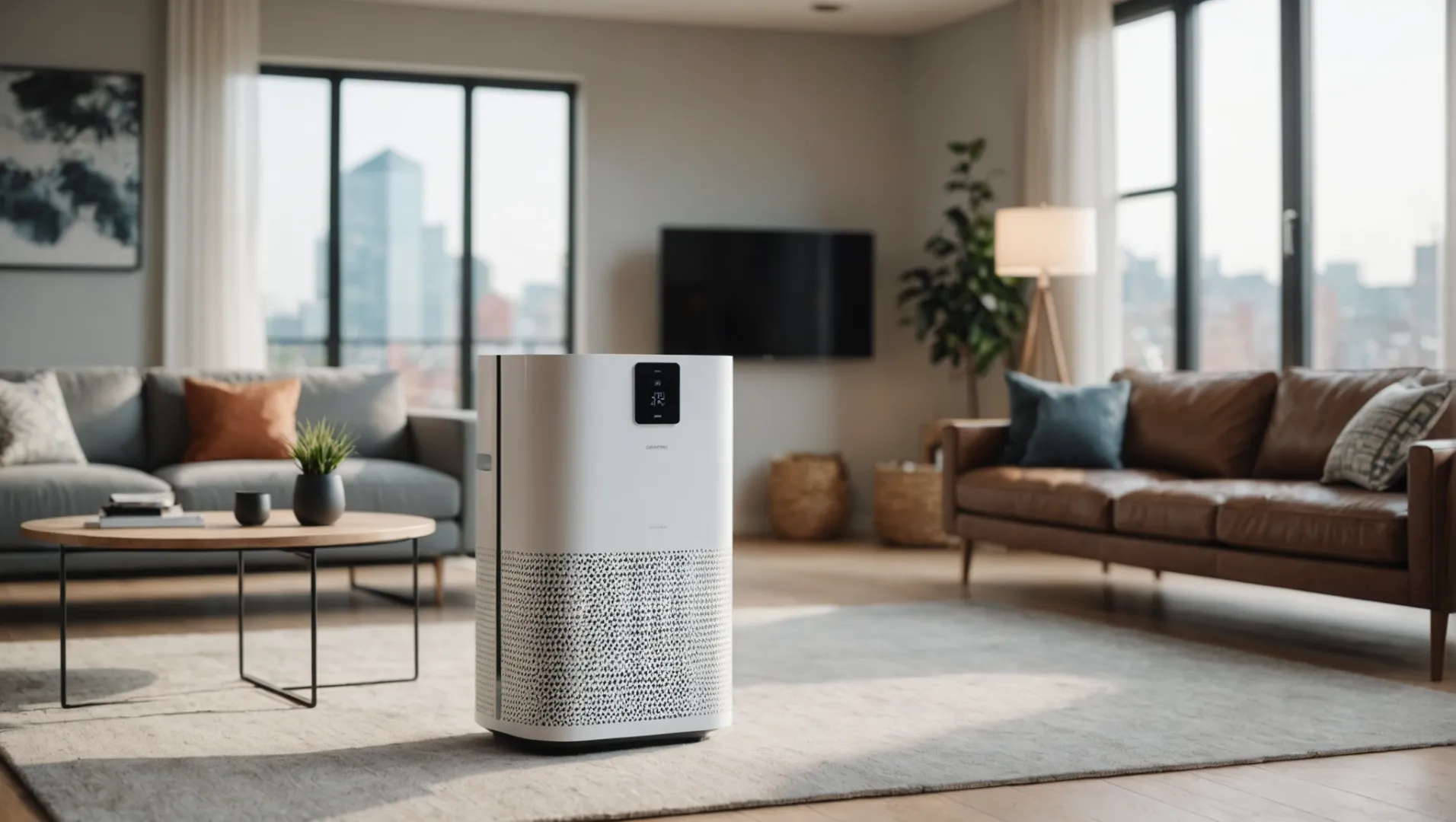
IoTとAI機能を備えたスマート空気清浄機をモダンなリビングルームに設置

空気浄化の未来は、単に空気をきれいにすることではなく、よりスマートにすることなのだ。

IoTとAIは、より正確なフィルター交換アラートを可能にし、さまざまなセンサーを統合し、多様な環境に対応した空気品質管理をパーソナライズすることで、空気清浄機の機能に革命を起こすことができる。

これらの技術が、業界の難点に取り組むだけでなく、家庭での健康とエネルギー効率の向上を約束する革新的な機能をどのように導入しているかを明らかにするために、読み進めてください。

空気清浄機のAIは、正確なフィルター交換アラートを可能にする。真

AIはリアルタイムのデータとアルゴリズムを用いて、正確なフィルター交換時期を予測する。

空気清浄機にIoTとAIを統合する主な利点とは?

空気清浄機があなたの環境に適応し、あなたのニーズに合わせて最適化される世界を想像してみてください。

空気清浄機におけるIoTとAIの統合は、正確なフィルター交換の通知、追加センサーによる環境モニタリングの強化、個々の設定に合わせた空気品質管理などの利点をもたらす。
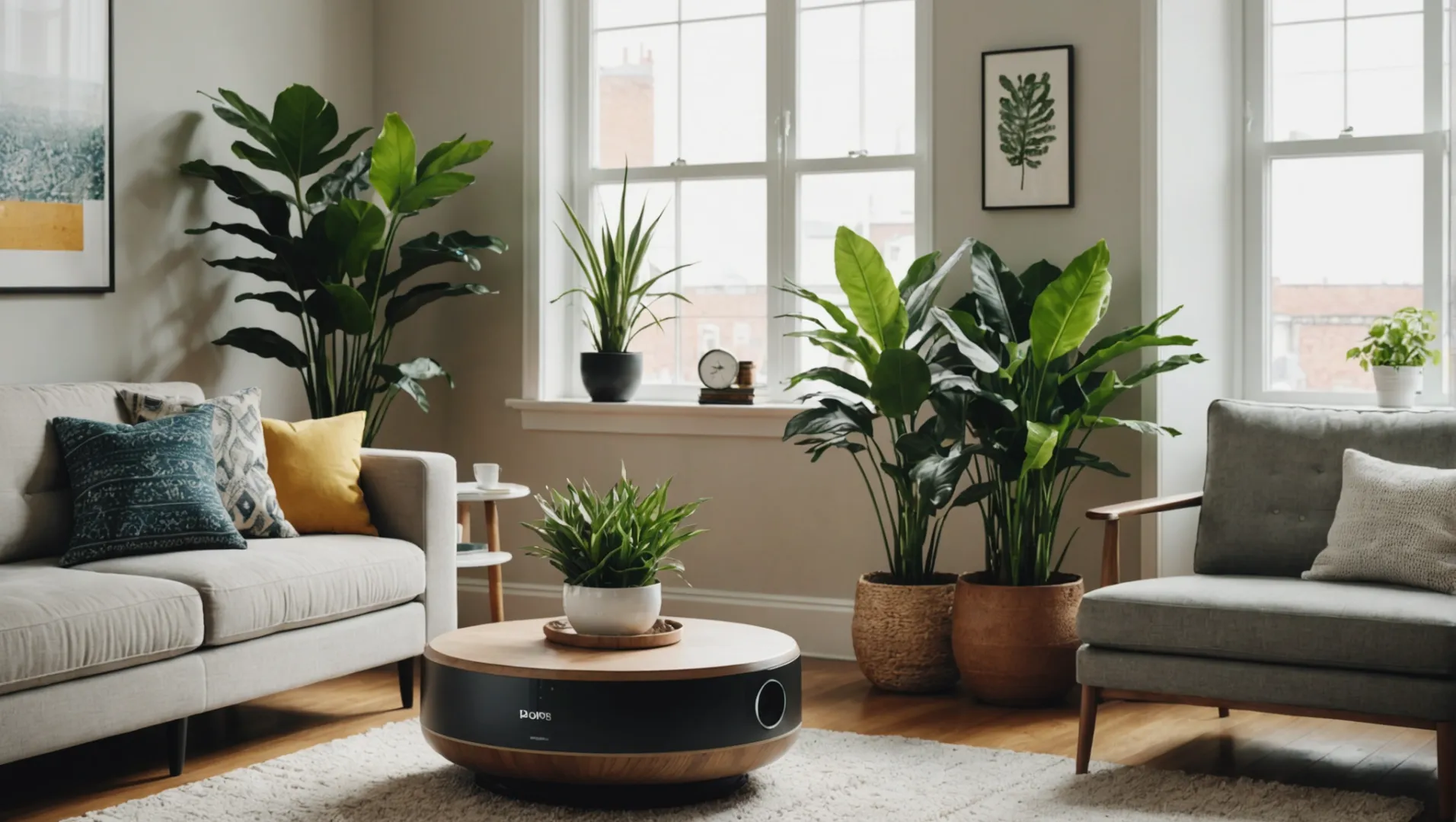
リビングルームに設置されたIoTとAIを統合した最新の空気清浄機
IoTとAIを搭載したスマート空気清浄機

フィルター交換通知の強化

従来、空気清浄機は一般的な使用時間に基づいてフィルター交換をユーザーに促していたが、しばしば不正確な交換を招いていた。しかし、IoTとAIを活用すれば、メーカーは圧力センサーを活用してリアルタイムのデータを収集し、正確なフィルター交換時期を予測するアルゴリズムを作成することができる。このカスタマイズは、ユーザーの利便性を高めるだけでなく、最適なパフォーマンスを保証する。特定の空気品質要件に応じてフィルター交換を適応させる能力は ゲームチェンジャー1 さまざまな環境で暮らす人々のために。

包括的な環境モニタリング

最新の空気清浄機は、もはや粒子状物質の除去だけにとどまらない。IoTとAIの統合により、湿度、温度、さらには騒音センサーなど、さまざまなセンサーをデバイスに組み込むことができる。これにより、環境の空気の質をより総合的に把握することができる。VOC(揮発性有機化合物)、CO2、CO、ガスセンサーなどの高度なセンサーは、存在する汚染物質に関するより深い洞察を提供し、ユーザーは特定の空気品質問題に効果的に対処することができる。

パーソナライズされた空気品質管理

複数のソースからのデータを分析することで、AIは浄化プロセスをパーソナライズすることができる。例えば、空気清浄機は、統合されたセンサーによって検出された稼働率に基づいて、その設定を自動的に調整することができる。この適応性は、空気の質を損なうことなくエネルギー効率が最大化されることを意味する。パーソナライズされたアラートと推奨は、ユーザー独自のニーズに合わせて、より健康的な室内環境を作るようユーザーを導くことができる。

スマートホームシステムとの統合

Matter over Thread技術により、スマートホームデバイスはAmazon AlexaやGoogle Homeのようなプラットフォーム間でシームレスに通信できる。この統合により空気清浄機の機能が拡張され、ユーザーは統一されたインターフェースを通じてデバイスを制御・監視できるようになる。すべてのセンサーが中央のプラットフォームにデータを供給するため、ユーザーは自宅の空気質の傾向について包括的な洞察を得ることができ、室内環境について十分な情報に基づいた決定を下すことができる。このようなイノベーションは、空気清浄機を単なる電化製品からインテリジェントな健康の守護者へと昇華させるIoTとAIの可能性を強調するものである。

IoTにより、リアルタイムのフィルター交換アラートが可能になる。真

IoTはセンサーを使用して、正確でタイムリーなフィルター警告を提供する。

AIは空気清浄機の消費電力を50%削減。偽

AIは設定を最適化するが、50%の削減を保証するものではない。

AIを搭載したセンサーはどのように大気質監視を強化するのか?

AIを搭載したセンサーは、より高い精度と適応性を提供することで、大気質モニタリングに革命をもたらしている。

AIを搭載したセンサーは、リアルタイムのデータ収集、精度の向上、特定の環境に合わせたアラートのカスタマイズにより、空気品質のモニタリングを改善する。

AI搭載センサーが大気質監視を強化
空気品質用AIセンサー

リアルタイムデータ収集

空気清浄機に組み込まれたAI搭載センサーは、様々な環境要因に関するリアルタイムデータを継続的に収集する。これには従来の粒子状物質だけでなく、湿度、温度、さらには揮発性有機化合物(VOC).これらのデータポイントを分析することで、AIシステムは任意の瞬間の空気の質の包括的な概要を提供することができる。

例えば PM2.5 とVOCセンサーにより、空気清浄機は汚染源とそのレベルを効果的に特定することができます。このリアルタイムの洞察力により、浄化設定を即座に調整することができ、室内空気全体の質が向上します。

精度と精度の向上

従来の空気清浄機は、フィルターの交換時期をタイマーや手動入力に頼ることが多かった。しかし、この方法は不正確であり、環境条件の異なるユーザーにとっては不便である。 AIアルゴリズム2 フィルター内に設置された圧力センサーから収集したデータを活用し、交換時期を予測する。

この予測機能は精度を向上させるだけでなく、性能低下前にフィルター交換をユーザーに知らせることで、最適な空気浄化を維持します。

多様な環境に対応するカスタマイズ

AIの統合により、空気清浄機はユーザーの行動や外部条件から学習することで、さまざまな環境に適応できるようになる。例えば、スマート清浄機は、人がいることを判断するために占有センサーを使用して、部屋の占有率に基づいてその動作を調整することができる。

さらに、以下のようなスマートホームシステムとの統合が可能である。 マター対応プラットフォーム3 つまり、これらの機器はユーザーの好みや日常生活を学習することができる。この統合により、日々の活動や特定の健康ニーズに合わせたパーソナライズされた空気環境管理が可能になる。

センサー統合の拡大

最近の空気清浄機には、従来使われてきたセンサー以外にも、より幅広いセンサーが搭載されるようになった。静かな環境での運転音を低減するノイズセンサー、周囲の状況に適応する光センサー、室内の空気質を監視するCO2センサーなどである。

例えば、HisoAirによる "WellCube "プロジェクトでは、10種類以上のセンサーが組み込まれており、AIシステムが分析可能なデータの潜在的な幅広さを示している。このアプローチは、包括的な環境洞察を提供するだけでなく、室内快適性の複数の側面に対処することで、ユーザー体験を向上させる。

AIセンサーは粒子状物質のみを監視する。偽

AIセンサーはVOC、湿度、温度などさまざまな要因を追跡する。

性能が低下する前に、AIがエアフィルターの交換を予測。真

AIは圧力センサーのデータを使って、フィルターの交換時期を予測する。

スマート空気清浄機は健康状態を改善できるか?

スマート空気清浄機は、私たちの生活空間を健康を増進する環境に変えるかもしれない。

スマート空気清浄機は、空気中の汚染物質を除去し、オーダーメイドの空気品質ソリューションを提供し、健康監視システムと統合することで、健康状態を大幅に改善することができる。
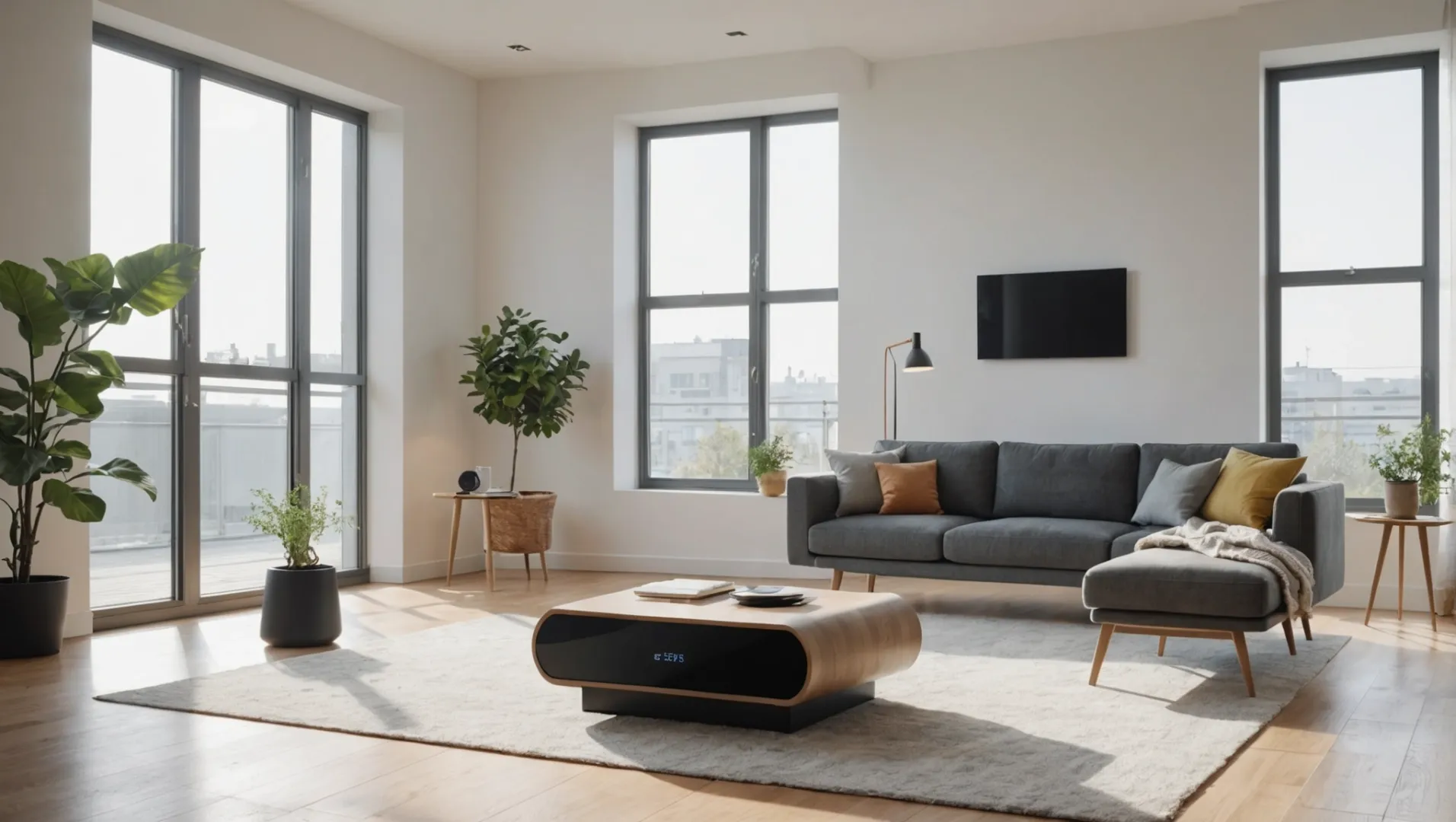
デジタル・インターフェース・ディスプレイを備えたモダンなリビングルームのスマート空気清浄機
スマート空気清浄機の動作

大気質への懸念への対応

従来の空気清浄機は、環境条件の変化に適応する能力を欠くことが多く、汚染物質の除去効果が低い。高度なセンサーを搭載したスマート空気清浄機は、以下のような幅広い空気中の汚染物質を検出し、除去することができます。 VOC (揮発性有機化合物)、CO2、およびその他の有害ガス。この精密なモニタリングにより、室内の空気の質は常に最適なレベルに保たれ、呼吸器系や循環器系の問題のリスクを低減します。

パーソナライズされた空気品質ソリューション

AI技術の登場により、スマート空気清浄機は家庭環境に特化した空気品質データを分析できるようになった。機械学習アルゴリズムを活用することで、これらのデバイスは過去のデータと現在の状況に基づいて動作を予測し、調整することができる。このパーソナライズされたアプローチは、アレルギーや喘息などの呼吸器疾患を持つ人が、健康上のニーズに合わせた環境から恩恵を受けられることを意味する。要するに、これらの清浄機は現在の空気の質に反応するだけでなく、将来の変化を予測し、プロアクティブなソリューションを提供する。

ヘルス・モニタリング・システムとの統合

スマート空気清浄機にIoTを統合することで、これらのデバイスが他のスマートホームシステムや個人の健康機器と通信できるようになる。例えば、清浄機を健康アプリに接続すれば、現在の健康データや地域の汚染予測に基づいて設定を調整することができる。で強調されているように ヒソエアのウェルキューブ・プロジェクト4このような統合は、全体的な幸福を促進することを目的としたより大きなエコシステムの一部として、大気質管理がシームレスな体験を生み出す。

エビデンスに基づく健康改善

調査によると、室内の空気の質を改善することは、健康状態に直接良い影響を与える。環境保護庁が実施した研究によると、室内の汚染物質を減らすことで、喘息やその他の呼吸器系疾患を患っている人の症状が緩和されることがわかった。スマートテクノロジーを採用することで、空気清浄機は従来のものと比べて、より信頼性が高く、一貫した空気の質の改善を提供することができる。よりクリーンな空気を維持する能力は、病院への受診の減少や全体的な生活の質の向上など、目に見える健康上のメリットにつながります。

スマート空気清浄機は空気の質の変化を予測できる。真

AIと機械学習を使って将来の空気の質を予測するのだ。

伝統的な清浄機は、環境の変化に適応しやすい。偽

従来の浄化装置には、汚染物質を適応的に除去するための高度なセンサーがない。

空気清浄機のスマートホームインテグレーションの未来はマターか?

スマートホームの未来はマターとともに進化し、空気清浄機のようなデバイスのシームレスな統合を約束する。

Matterのユニバーサル・プロトコルは、プラットフォーム間で空気清浄機の統合を統一し、合理的な制御とユーザー体験の向上を提供することができる。

Matterプロトコルを使用してスマートホームシステムに統合された最新の空気清浄機
マター付きスマートホーム空気清浄機

マターを理解する:普遍的なスマートホーム・プロトコル

Matterは、コネクティビティ・スタンダード・アライアンス(南部連合以前はZigbee Allianceとして知られていた)。このプロトコルは、スマートホームデバイスのインタラクションを簡素化・統一し、異なるメーカーのデバイスが効果的に通信できるようにすることを目的としている。このプロトコルは、Amazon Alexa、Google Home、Apple HomeKit、Samsung SmartThingsなど、幅広いプラットフォームに対応している。

空気清浄機の統合における物質の役割

空気清浄機には、以下のようなセンサーが装備されている。 PM2.5VOC、CO2検出器は、Matterのユニバーサルフレームワークから大きな恩恵を受けることができます。と マター5ユーザーは期待できる:

  • シームレスな接続性:ブランドやプラットフォームに関係なく、空気清浄機は他のスマートホームデバイスに簡単に接続できる。
  • ユーザーコントロールの強化:多様なデバイスを単一のアプリケーション・インターフェイスでシンプルに制御。
  • 相互運用性の向上:アップデートや新しいデバイスが互換性の問題なく統合されるようにすること。

マターで業界の痛みに対処する

空気清浄機業界における重要な問題点のひとつは、フィルター交換のリマインダーが不正確であることだ。従来、これらのリマインダーは固定された使用時間に基づいており、変化する空気品質条件を無視していました。Matterの統合により、メーカーはIoTデータを活用し、リアルタイムのセンサーデータを利用して正確なフィルター交換アラートを提供できる。 AIとIoT技術6 は、空気品質データを分析して、フィルター交換が必要な時期をより正確に予測することができる。

Matterでスマートホームの未来を支える

スマートホームのエコシステムが成長するにつれ、Matterのような標準化されたプロトコルがあれば、住宅所有者は特定のエコシステムに縛られることはない。柔軟性と拡張性があり、ユーザーは安心してスマートホームシステムを拡張できる。さらに、HisoAirの "WellCube "プロジェクトのようなイノベーションは、空気清浄機に複数のセンサーを統合することで先例となりつつある。これらの進歩は、よりインテリジェントで適応性の高い家庭環境へと向かう傾向を示している。

のコンバージェンス マター7 空気清浄機の高度なセンサー技術とAI機能は、家庭環境がより健康的でエネルギー効率に優れたものになる未来を示唆している。

MatterはGoogle Homeとの統合をサポートしている。真

MatterはGoogle Homeのようなプラットフォームと連動するように設計されている。

エアフィルターの交換を予測することはできない。偽

Matterは、IoTデータを使って正確なフィルター交換アラートを出す。

結論

IoTとAIのイノベーションを取り入れることで、空気の質を高め、エネルギーを節約する。


  1. AIがフィルター交換を最適化し、効率を向上させる方法をご覧ください:IoTとAIは、リアルタイムのモニタリング、自動調整、エネルギー効率の改善を可能にすることで、空気清浄を再定義しています。 ↩

  2. AIがフィルター交換の効率を予測する方法を発見..:この論文では、達成可能な大気質パラメータの削減範囲を予測する、人工ニューラルネットワークに基づく初のモデルを紹介する。 ↩

  3. スマートホームプラットフォーム間のシームレスな統合についてご紹介します:このオープンソースプロトコルは、デバイスがうまく動作することを保証します。Matter 1.3は、より多くのデバイスサポートとエネルギー管理を追加します。 ↩

  4. WellCubeがどのように複数のセンサーを統合して空気品質を向上させているかをご覧ください:IoTとAIがリアルタイムモニタリング、自動化、エネルギー効率化によって空気清浄機を強化し、室内の空気の質をどのように変えるかをご覧ください。 ↩

  5. Matterがどのようにスマートデバイスの通信を標準化し、より良い統合を実現しているかをご覧ください:このオープンソースプロトコルは、デバイスがうまく動作することを保証します。Matter 1.3 は、より多くのデバイスサポートとエネルギー管理を追加します。 ↩

  6. IoTとAIは、リアルタイムのモニタリング、空気品質データに基づく自動調整、エネルギー効率の改善を可能にし、空気清浄機を強化します。 ↩

  7. デバイスの相互運用性に Matter を使用する利点をご覧ください:このオープンソースプロトコルは、デバイスの相互運用性を保証します。Matter 1.3 は、より多くのデバイスサポートとエネルギー管理を追加します。 ↩

シェアする
ヒソエア創設者のリー氏
Alwen Lee, an air purification expert with over 10 years of experience, is a devoted father of two and a passionate traveler, having explored more than 30 countries. With a love for public speaking and swimming, he has dedicated his life to the indoor air quality industry. His mission is to ensure that people around the world enjoy the freedom to breathe clean air and lead happy, healthy lives.

メッセージを送る

Related Products

もっと読む

Modern living room with a family enjoying a healthy indoor environment monitored by smart devices, natural lighting, and greenery.

After IFA 2026: The Healthy Home Is Moving Beyond Smart Devices

In our previous IFA 2026 column, Air Purification Is Becoming Part of the Healthy-Home Platform, we argued that the next generation of indoor-health products would ...
ニュース
Modern living room and kitchen with smart home air quality devices including an air purifier, humidifier, and water filtration system, connected with visualized blue connectivity lines.

IFA 2026: Air Purification Is Becoming Part of the Healthy-Home Platform

Pre-IFA Industry Perspective | September 4, 2026 This article is based on official announcements and regulatory information available ahead of IFA 2026, which takes place ...
ニュース
Comparison infographic showcasing the differences between carbon block filter and activated carbon fiber. Detailed diagrams illustrate the hierarchical porous structure of the carbon block with long diffusion paths and the open microporous structure of the activated carbon fiber with direct access for PFAS adsorption.

Carbon Block vs. Activated Carbon Fiber (ACF): Matching Media to Target Contaminants

Two carbon media. Same adsorption chemistry. Very different behaviour in a point-of-use cartridge. If you are specifying a water purifier platform for a PFAS-aware market, ...
ニュース
NSF base listing and ANF private-label certification pathway for OEM water filters

What Is an NSF Master Listing? A Guide to Base Listings, ANF Certification and OEM Water Filters

For a brand preparing to launch an OEM water purifier, one of the most common supplier claims is: “We already have an NSF master listing, ...
News, Water Purifiers
Healthy-home brand team reviewing PFAS water filter certification, test data and product engineering

Entering the Water Category Is Easy. Building a Credible PFAS Claim Is Much Harder

For air purification, appliance and healthy-home brands, entering the water category can look surprisingly easy. A company can select an existing undersink system, customize its ...
ニュース
Team in a business meeting discussing a water filtration system with product components and a comparison table displayed on a screen.

5 Leading OEM Water Purifier Manufacturers in China for Private Label Brands

China has thousands of companies selling water filters, reverse osmosis systems and drinking-water appliances. However, only a portion of them are suitable for private-label, OEM ...
ニュース
Contaminant Engineering•3 min read

PFAS Water Filtration Technologies Explained: Carbon, Resin & RO

Key Takeaway:

PFAS reduction depends on the specific compounds present, treatment media, contact time, water chemistry, and system design. Activated carbon, ion exchange, and Reverse Osmosis address PFAS through different mechanisms.

PFAS are a large family of persistent fluorinated compounds that can occur in drinking-water supplies. Their treatment behavior varies significantly by molecular structure, chain length, functional group, concentration, and the chemistry of the source water.

Granular Activated Carbon (GAC) removes PFAS primarily through adsorption. It is generally more effective for many longer-chain PFAS, while shorter-chain compounds tend to break through more quickly. Carbon performance depends on media properties, Empty Bed Contact Time (EBCT), competing organic matter, loading, and replacement frequency.

Ion-exchange resins use charged functional sites to capture many PFAS compounds. Properly selected anion-exchange media can provide high capacity and may perform better than conventional activated carbon for some shorter-chain PFAS, although performance still depends on water chemistry and competing ions.

Reverse Osmosis (RO) uses membrane separation rather than adsorption. Properly designed RO systems can provide broad reduction across many PFAS compounds as well as dissolved salts and other contaminants. Unlike carbon or resin, however, RO also produces a concentrate stream that must be managed.

No single technology should be selected from a PFAS label alone. System design should consider which PFAS compounds are present, their concentrations, required reduction targets, flow rate, media life, and the applicable third-party certification or validation requirements.

HisoAir Water Technical Series
Product Discovery•3 min read

How to Choose an Under-Sink Water Purifier for Modern Kitchens

Key Takeaway:

Match the treatment technology to your water quality first, then evaluate cabinet space, faucet configuration, flow rate, drain and power requirements, and filter replacement needs.

Choosing an under-sink water purifier starts with water chemistry. Carbon filtration is well suited to chlorine, taste, odor, and many organic contaminants, while Reverse Osmosis is more appropriate when dissolved salts, fluoride, nitrates, or broader dissolved contaminants need to be reduced.

For compact kitchens, tankless RO systems eliminate the conventional storage tank and can significantly reduce the space required under the sink. However, membrane capacity stated in GPD does not directly equal faucet flow. When comparing systems, check the actual dispensing flow rate, inlet-pressure requirement, recovery ratio, and whether a booster pump is required.

Installation architecture also matters. Many RO systems require a drain connection, electrical power, and either a dedicated drinking-water faucet or a compatible multi-function faucet. High-flow carbon systems can often connect directly to the existing cold-water line with a simpler installation, but pressure drop and available faucet flow should still be verified.

RO also removes much of the naturally occurring dissolved mineral content. Where taste or mineral balance is a priority, a post-RO remineralization stage can be added. Filter life should be evaluated by both rated capacity and local water quality rather than replacement time alone.

The right system is therefore not simply the smallest or highest-GPD model. It is the configuration that matches the target contaminants, available cabinet space, desired faucet setup, peak dispensing demand, and maintenance expectations.

HisoAir Water Technical Series
Water Quality•2 min read

What Does TDS Mean in Drinking Water? Measurement vs Contaminant Reality

Key Takeaway:

A TDS meter estimates the overall concentration of dissolved ionic substances from electrical conductivity. It cannot identify specific contaminants or determine whether water is chemically safe.

Total Dissolved Solids (TDS) refers to the combined concentration of dissolved substances in water. Most handheld TDS meters do not measure TDS directly. Instead, they measure electrical conductivity (EC) and convert that reading into an estimated parts-per-million (ppm) value.

This means a TDS reading can indicate how much dissolved ionic material is present, but not what that material actually is. Calcium, magnesium, sodium, nitrates, and other dissolved ions can all contribute to conductivity, yet a simple TDS meter cannot distinguish between them.

TDS meters are also not suitable for detecting trace contaminants such as PFAS, many VOCs, pesticides, pharmaceuticals, or disinfection byproducts. These substances may be present at concentrations far below the level needed to noticeably change electrical conductivity.

A low TDS reading therefore does not guarantee safe drinking water, and a higher TDS reading does not automatically indicate contamination. Water-treatment decisions should be based on laboratory testing for specific contaminants of concern rather than TDS alone.

HisoAir Water Technical Series
Technology Selection•2 min read

RO vs UF Water Filtration: Understanding Pore Sizes & Dissolved Minerals

Key Takeaway:

Ultrafiltration can reduce bacteria, turbidity, and suspended particles while retaining most naturally occurring dissolved minerals. Reverse Osmosis provides much broader reduction of dissolved salts and smaller contaminants.

Ultrafiltration (UF) typically uses hollow-fiber membranes with pore sizes in the approximate 0.01–0.1 micron range. These membranes physically retain turbidity, suspended solids, colloids, and many microorganisms while allowing dissolved minerals and salts to remain in the water.

Reverse Osmosis (RO) operates at a much finer separation level. Unlike UF, RO can substantially reduce dissolved ions such as sodium, calcium, fluoride, nitrates, and other contributors to total dissolved solids (TDS). This makes RO more suitable when dissolved-salt reduction is a primary treatment objective.

UF generally requires less system pressure and produces little or no continuous concentrate stream in many point-of-use configurations. RO typically requires greater pressure and produces a reject-water stream, but delivers broader contaminant reduction.

For water with acceptable TDS and mineral content, UF can be a simpler mineral-retaining treatment option. Where dissolved salts, fluoride, nitrates, or broader dissolved contaminants are a concern, RO is generally the more appropriate technology.

HisoAir Water Technical Series
Technology Selection•4 min read

Carbon Block vs Reverse Osmosis: Which Fits Your Need?

Key Takeaway:

Choose RO for dissolved inorganic salts and heavy metals; choose Carbon Block for chemical taste/odor, no wastewater, and high line-pressure flow.

Reverse Osmosis (RO) and Carbon Block filtration represent two fundamentally different treatment methods: membrane separation and adsorption. Understanding these differences helps determine which technology is better suited to a specific water-quality requirement.

Reverse Osmosis uses a semi-permeable membrane with pore sizes of approximately 0.0001 microns. It can significantly reduce dissolved inorganic contaminants such as TDS, fluoride, nitrates, and certain heavy metals. Because water must be forced through the membrane, RO systems require sufficient pressure or a booster pump and generate a concentrated wastewater stream.

Carbon Block filtration relies primarily on adsorption through compressed activated carbon, commonly with nominal pore sizes around 0.5–5 microns. It is highly effective for chlorine, chloramines, VOCs, taste, and odor, while allowing substantially higher direct-flow rates without producing wastewater.

From an operating perspective, Carbon Block systems are generally simpler, require less energy, and avoid the water loss associated with RO. RO involves higher system complexity and operating cost, but provides substantially broader reduction of dissolved contaminants that Carbon Block alone cannot address.

HisoAir Water Technical Series

見積依頼
















