新しいタブで開きます
革新的な空気品質ソリューション

IoTとAIは空気清浄機の機能をどう革新するか?

Related Products

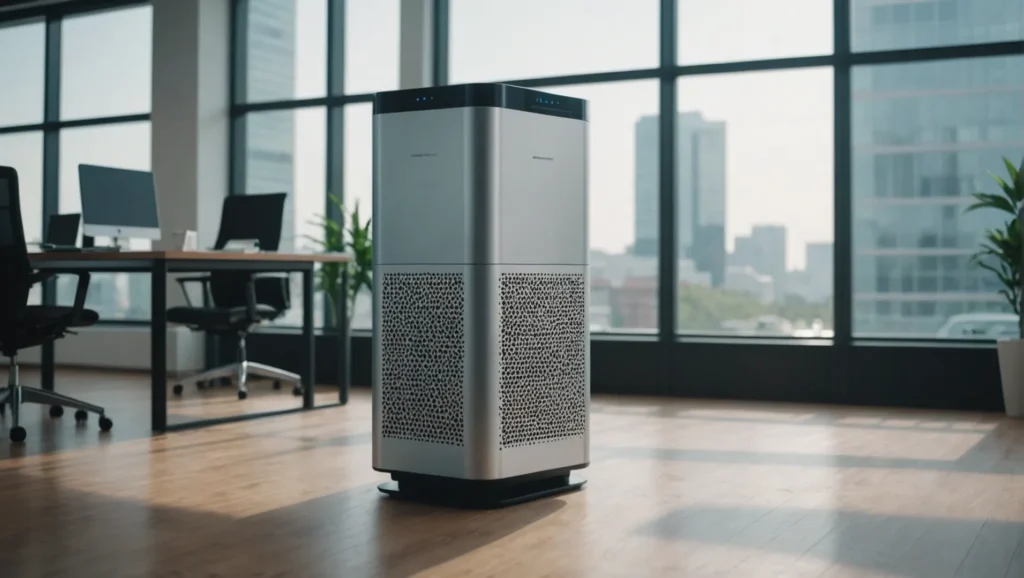
リアルタイムの空気品質データを表示するデジタルディスプレイ付きスマート空気清浄機

家の中に一歩足を踏み入れた瞬間、爽やかな気分になることを想像してみてほしい。それが不思議だ。 IoT とAIが空気清浄機を紹介!

IoT とAIは、リアルタイムのモニタリング、空気品質データに基づく自動調整、エネルギー効率の改善を可能にすることで、空気清浄機を強化します。これらのテクノロジーは最適な空気品質を確保し、より健康的で快適な生活環境を提供する。

シンプルな空気清浄機が何をするかは誰もが理解している。 IoT とAIがすべてを変える。これらのエキサイティングな変化は、多くの新機能をもたらす。最新の空気清浄機は、以前よりもスマートに機能するようになった。

IoT空気清浄機はリアルタイムで空気の質を監視する。真

IoT技術は、空気清浄機の常時観察とデータ収集を可能にする。

で可能になる主な機能とは? IoT 空気清浄機?

どのように IoT 接続によりエアクリーナーが交換され、性能と使いやすさが向上する。

IoT-対応空気清浄機は、リアルタイム・モニタリング、リモート・コントロール、エネルギー最適化、他のスマート・ホーム・システムとの統合機能を備えており、空気の質と利便性の向上を保証します。

スマートフォン・インターフェースを備えたIoT対応空気清浄機
IoT対応空気清浄機

継続的な大気質チェックと情報収集

IoT 技術により、空気清浄機は常に空気の質を監視し、一定期間データを収集することができる。こうすることで、空気清浄機は空気状態の傾向を研究し、必要に応じて調整することができる。人々は携帯電話やその他の機器で詳細なレポートを観察し、周囲の汚染物質についての詳細を示す。

遠くからのコントロール

の大きな利点は IoT は離れた場所からコントロールできる。人々はモバイルアプリやオンラインプラットフォームを使って、どこからでも空気清浄機を操作することができる。この機能は、不在時に設定を変更したり、到着前に空気の質が良いかどうかをチェックしたりするのに便利だ。また、個人のスケジュールや好みに応じて自動的に変更することもできる。

エネルギーとお金の節約

IoT 空気清浄機は、スマートな動作でエネルギー使用量を削減する。センサーを使用してクリーニングが必要なタイミングを識別するため、ノンストップで作動するのではなく、必要な場合にのみ作動します。この機能により、エネルギーを保護し、フィルター寿命を延ばし、メンテナンスコストを削減します。

特徴 メリット
連続チェック 大気の質の最新情報と理解をノンストップで提供
ファーコントロール どこからでも簡単にコントロールできる
省エネ エネルギー使用量と運転コストを削減

インテリジェント・ホーム・システムとの容易な統合

IoT 空気清浄機は、サーモスタット、照明、音声システムなど、他のスマート・デバイスとスムーズに融合する。この連携により、家の環境を完全にコントロールすることができ、理想的な生活環境を簡単に保つことができる。例えば、汚染度が上昇すると、空気清浄機はサーモスタットや照明にメッセージを送る。 空調 必要に応じて換気を変更するシステム。

として IoT 技術の発展により、空気清浄機にはより独創的な機能が期待され、私たちの快適さと健康を向上させる。

IoT空気清浄機はリアルタイムで空気の質を監視する。真

IoT技術は、ノンストップの大気質情報を提供する。

IoT空気清浄機の遠隔操作は不可能である。偽

アプリを使えば、ユーザーはどこからでも清浄機を操作できる。

AIは大気質管理をどのように改善するのか?

AIは、より賢くより効果的な選択肢を提供することで、私たちが空気環境を扱う方法を変える。

AIは予測分析、自動化、リアルタイムのデータ処理を通じて空気品質管理を改善し、屋内と屋外の空気環境を向上させる。

AI搭載の大気質モニタリング装置によるスマートシティのスカイライン
AIを活用した大気質管理

予測分析とリアルタイムモニタリング

人工知能(AI)は予測分析を活用し、大気質の変化を事前に予測する。過去のデータとリアルタイムのデータを分析することで、AIシステムは大気汚染の急増やその他の大気質の変化を予測することができる。これにより、換気設定を調整したり、居住者に窓を閉めるよう警告を発したりするなどの事前対策が可能になる。

例えば、スマートシティでは、都市部のあちこちに設置されたセンサーが汚染物質のデータを収集する。AIアルゴリズムはこのデータを処理してパターンを特定し、将来の大気質レベルを予測する。 都市大気質モニタリングの詳細1 都市がこれらの技術をどのように導入しているかを理解するためだ。

強化された空気浄化システム

AIを搭載した空気清浄機は、検出された空気の質に基づいて動作を自動的に調整する。これらの機器は、機械学習を利用して特定の環境やユーザーの習慣に適応し、効率と効果を向上させる。例えば、AIは時間帯や占有レベルに基づいてろ過速度や電力使用量を最適化することができる。

さらに、AIは他のスマートホームデバイスと統合することができ、変化する状況に動的に対応するまとまりのある環境を作り出すことができる。例えば、AIが高濃度の粒子状物質を検知すると、空気を浄化しながら快適さを維持するために照明を落としたり、サーモスタットを調整したりする。

カスタマイズされた空気品質ソリューション

空気品質管理におけるAIの統合は、パーソナライズされた環境制御を可能にする。AIシステムは、個人の健康上のニーズや嗜好、活動に応じて空気浄化の設定を調整することができる。このカスタマイズは単に空気を浄化するだけでなく、湿度、温度、騒音レベル、光の強さまで調整することができる。

長期にわたってユーザーのデータを収集することで、AIはウェルネスと快適さを促進するパーソナライズされた設定を推奨することができる。 パーソナライズされた空気浄化の仕組みを探る2 をご覧ください。

との統合 空調 システム

空気品質管理におけるAIの役割は、単体の清浄機にとどまらない。次のような分野にも広がっている。 空調 ビルや家庭内のシステム。AIアルゴリズムはこれらのシステムの性能を最適化し、優れた空気品質を維持しながら効率的に稼働することを保証する。

と統合することで 空調 AIは、室内環境を管理するためのより包括的なアプローチを可能にする。エネルギー効率や快適性を犠牲にすることなく、最適な空気品質を確保することができる。 AIがどのように変貌するかを見る 空調 システム3 これらのイノベーションの詳細については

AIは大気質の変化を事前に予測することができる。真

AIは過去と現在のデータを調査し、大気の質の変化を予測する。

AIはHVACシステムと空気品質を統合することはできない。偽

AIはHVACの機能を向上させ、室内空気の質を効果的に改善する。

空気清浄機にとってなぜリアルタイム・モニタリングが重要なのか?

空気清浄機のリアルタイム・トラッキングは、空気の状態の変化に素早く対応し、健康を守る。

リアルタイムモニタリングは、空気の質に関する継続的なフィードバックを提供し、空気清浄機が最適なパフォーマンスを発揮できるように設定を自動的に調整することを可能にします。この機能により、汚染物質やアレルゲンに迅速に対応し、一貫性のある安全な呼吸環境を実現します。

モダンなリビングルームの空気清浄レベルをリアルタイムでモニター表示する空気清浄機。
空気清浄機のリアルタイム・モニタリング

即座の観察が果たす役割

即座の観察は、従来の空気清浄機を、空気の変化に反応する能動的なツールに変える。室内の空気の質を定期的にチェックすることで、これらのツールは以下を保証する。 汚染物質レベル4 は安全なレベルに保たれ、空気は新鮮なままです。これは、外部の汚染源によって空気の状態が急激に変化する可能性のある都市環境では特に有益である。

ユーザー・エクスペリエンスの向上

リアルタイム・チェック機能を備えた空気清浄機は、多くの場合スマートフォンと接続し、ユーザーに家庭の空気環境に関する最新情報を提供する。この機能はユーザーに知らせるだけでなく、デバイスを遠隔操作することもでき、利便性と安心感を提供する。例えば、調理の煙によって空気の状態が悪化した場合、ユーザーは迅速にアラートを受け取ることができ、自宅にいなくても対応することができる。

オートメーションと省エネルギー

即時チェックは、空気清浄機がより効率的に作動するのに役立つ。空気清浄機は、現在の空気の質のデータに基づいて活動を調整し、汚染レベルが上昇したときにはより多くの電力を使用し、空気が新鮮なときにはより少ない電力を使用します。そのため、不必要に働きすぎることがなく、電力を節約しながらよりクリーンな環境を保つことができる。

特徴 ベネフィット
継続的なフィードバック 空気の質を最適なレベルに保つ
遠隔モニタリング どこからでも管理可能
自己調整 省エネをサポート

スマートホームシステムとの接続

スマートホームのセットアップの一部として、即時観測により空気清浄機は他のデバイスと通信し、統一された環境を作り出すことができる。例えば、センサーが高い二酸化炭素レベルを検出した場合、風量を増やすためにファンを作動させたり、快適さのためにスマート空調コントローラーを調整したりすることができる。このような統合は、以下のような技術によってよりスムーズになると予想される。 マター5異なるブランドのデバイスが簡単に協力できるようになる。

将来的には、個人の嗜好や健康上の必要性に基づいて空気清浄を調整するスマートシステムが登場し、リアルタイムの観察能力がさらに鋭くなることが予想される。このような技術が向上するにつれて、効果と健康の両方を確保するための即時観測の役割は大きくなっていくだろう。

リアルタイムモニタリングで空気清浄機を自動調整。真

リアルタイム観測により、空気清浄機は空気の質に応じて設定を調整できる。

リアルタイム監視機能付き空気清浄機は、エネルギーを節約する。真

空気の質に応じて活動を変更し、不要なエネルギー消費を抑える。

将来の技術革新は空気清浄機をどう変えるか?

空気清浄技術の今後の進歩は、私たちの日常にスムーズに溶け込み、私たちが室内で呼吸する空気を再構築することを約束する。

今後、空気清浄機のイノベーションは、スマートホームシステムとの統合、AIを活用したパーソナライゼーション、空気清浄機と調和する目に見えないデザインに焦点が当てられるだろう。 空調 システムを導入し、大気質管理を強化する。

スマートな家庭環境における最新の一体型空気清浄機システム
未来型空気清浄機

スマートホームシステムとの統合

今後数年間で、空気清浄機はMatterのようなセットアップを使ってスマートホームシステムに加わることが予想される。このセットアップにより、さまざまなブランドのガジェット間でシームレスな通信が可能になり、空気清浄機が照明、サーモスタット、セキュリティ・デバイスと相互作用できるようになる。例えば、サーモスタットが検知した温度と湿度レベルに基づいて清浄機が自動的に設定を調整し、室内の快適性を高めることができる。

AIによるカスタマイズ

人工知能(AI)は、空気清浄にカスタマイズという新たな要素をもたらすことを約束する。ユーザーの行動や好みを観察することで、AIシステムは空気品質設定を個人のニーズに合わせることができる。これには、湿度、温度、騒音レベル、光の強さ、さらには酸素濃度を調整し、パーソナライズされたウェルネス設定を作り出すことが含まれる。空気をきれいにするだけでなく、仕事や休息に最適なムードを設定する清浄機を想像してみてほしい。

隠しエア・クリーニング

将来的には、空気清浄機はスタンドアローンのユニットではなくなる可能性がある。 空調 システムや建物の設計を変更した。これらの変更は、空気清浄を「隠す」ことを目的としており、スペースを占有したり、部屋の美観を損ねたりすることなく、より清浄な空気を提供する。建物の構造の一部となることで、これらのシステムは、すべてのエリアを通じて継続的な空気品質管理を提供する。

高度なデータ理解とモニタリング

の進歩に伴い IoT やAIを活用することで、今後発売される空気清浄機は、より高度なデータ理解能力を提供できるようになるかもしれない。早期のメンテナンスのためのリアルタイムの追跡とアラートが標準機能になり、ユーザーが室内の空気質をプロアクティブに管理できるようになるかもしれない。これには、フィルターの交換が必要になったときや、異常な空気品質パターンが検出されたときの通知も含まれる。

これら イノベーション6 は、私たちの空気清浄機に対する認識と使い方を変え、空気清浄機をスマートで健康的な家庭の重要な構成要素に変えようとしている。

空気清浄機はスマートホームシステムと統合される。真

将来の空気清浄機は、Matterのようなスマートホームシステムと連動するかもしれない。

AIが空気清浄機の設定に影響を与えることはない。偽

AIはおそらく、ユーザーの選択に応じて空気清浄をカスタマイズするのだろう。

結論

IoT とAIは、空気がクリーンであり続ける方法を変えつつある。健康的な生活空間のために、これらの改善を受け入れよう。


  1. 大気質モニタリングにAIを活用する都市..:CALIOPE-Urbanは、BSC大気質予測システムであるCALIOPE地域モデルの技術と、大気質モニタリングにAIを活用した都市モデルを組み合わせたものです。 ↩

  2. 空気清浄のカスタマイズにおけるAIの役割を理解する:AIによる空気モニタリング|迅速な空気清浄|ゲームを変える拡張システム|ローメンテナンス|フレグランスモード|IoT&無料アプリ. ↩

  3. AIがHVACシステムの効率に与える影響について学ぶ..:AIはHVACシステムに目覚ましい進歩をもたらします。その進歩には、インテリジェントなデータ分析、予知保全、エネルギー最適化、故障検知、故障診断などが含まれる。 ↩

  4. リアルタイムの汚染モニタリングがどのように健康と安全を向上させるかをご覧ください:大気質モニタリングは、大気の質を改善し、公衆衛生を守り、規制を確実に遵守するための重要なツールです。 ↩

  5. Matterがスマートホームデバイスをシームレスに接続する方法を発見しよう:Matterキャスティングは、対応するスマートフォンアプリのコンテンツをテレビやスマートディスプレイにキャストできる。 ↩

  6. 次世代の空気浄化技術を形成する最先端の開発をご覧ください:その一つがUVGI空気浄化技術である。UVGIとはUltraviolet Germicidal Irradiationの略で、紫外線殺菌照射とも呼ばれています。 ↩

シェアする
ヒソエア創設者のリー氏
Alwen Lee, an air purification expert with over 10 years of experience, is a devoted father of two and a passionate traveler, having explored more than 30 countries. With a love for public speaking and swimming, he has dedicated his life to the indoor air quality industry. His mission is to ensure that people around the world enjoy the freedom to breathe clean air and lead happy, healthy lives.

メッセージを送る

Related Products

もっと読む

A modern air purifier in a commercial office setting meeting OSHA standards

Commercial Air Purifiers and OSHA Guidelines

Ensuring your air purifiers are OSHA compliant is crucial for maintaining a safe workplace. This involves understanding specific standards regarding performance indicators like purification efficiency, ...
Air purifier, Uncategorized
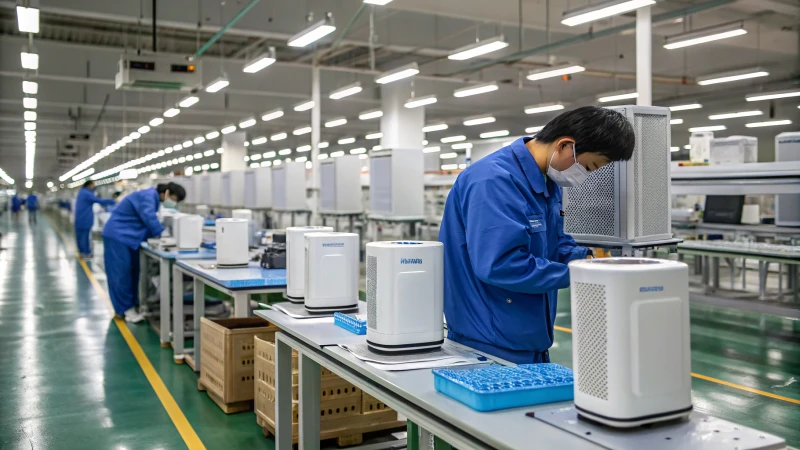
近代的な工場で空気清浄機を組み立てる作業員たち

空気清浄機の製造方法

空気清浄機の製造には、研究開発(R&D)から品質テスト、量産に至るまで、一連の複雑な工程が含まれる。大気汚染と...
ニュース, 未分類
Contaminant Engineering•3 min read

PFAS Water Filtration Technologies Explained: Carbon, Resin & RO

Key Takeaway:

PFAS reduction depends on the specific compounds present, treatment media, contact time, water chemistry, and system design. Activated carbon, ion exchange, and Reverse Osmosis address PFAS through different mechanisms.

PFAS are a large family of persistent fluorinated compounds that can occur in drinking-water supplies. Their treatment behavior varies significantly by molecular structure, chain length, functional group, concentration, and the chemistry of the source water.

Granular Activated Carbon (GAC) removes PFAS primarily through adsorption. It is generally more effective for many longer-chain PFAS, while shorter-chain compounds tend to break through more quickly. Carbon performance depends on media properties, Empty Bed Contact Time (EBCT), competing organic matter, loading, and replacement frequency.

Ion-exchange resins use charged functional sites to capture many PFAS compounds. Properly selected anion-exchange media can provide high capacity and may perform better than conventional activated carbon for some shorter-chain PFAS, although performance still depends on water chemistry and competing ions.

Reverse Osmosis (RO) uses membrane separation rather than adsorption. Properly designed RO systems can provide broad reduction across many PFAS compounds as well as dissolved salts and other contaminants. Unlike carbon or resin, however, RO also produces a concentrate stream that must be managed.

No single technology should be selected from a PFAS label alone. System design should consider which PFAS compounds are present, their concentrations, required reduction targets, flow rate, media life, and the applicable third-party certification or validation requirements.

HisoAir Water Technical Series
Product Discovery•3 min read

How to Choose an Under-Sink Water Purifier for Modern Kitchens

Key Takeaway:

Match the treatment technology to your water quality first, then evaluate cabinet space, faucet configuration, flow rate, drain and power requirements, and filter replacement needs.

Choosing an under-sink water purifier starts with water chemistry. Carbon filtration is well suited to chlorine, taste, odor, and many organic contaminants, while Reverse Osmosis is more appropriate when dissolved salts, fluoride, nitrates, or broader dissolved contaminants need to be reduced.

For compact kitchens, tankless RO systems eliminate the conventional storage tank and can significantly reduce the space required under the sink. However, membrane capacity stated in GPD does not directly equal faucet flow. When comparing systems, check the actual dispensing flow rate, inlet-pressure requirement, recovery ratio, and whether a booster pump is required.

Installation architecture also matters. Many RO systems require a drain connection, electrical power, and either a dedicated drinking-water faucet or a compatible multi-function faucet. High-flow carbon systems can often connect directly to the existing cold-water line with a simpler installation, but pressure drop and available faucet flow should still be verified.

RO also removes much of the naturally occurring dissolved mineral content. Where taste or mineral balance is a priority, a post-RO remineralization stage can be added. Filter life should be evaluated by both rated capacity and local water quality rather than replacement time alone.

The right system is therefore not simply the smallest or highest-GPD model. It is the configuration that matches the target contaminants, available cabinet space, desired faucet setup, peak dispensing demand, and maintenance expectations.

HisoAir Water Technical Series
Water Quality•2 min read

What Does TDS Mean in Drinking Water? Measurement vs Contaminant Reality

Key Takeaway:

A TDS meter estimates the overall concentration of dissolved ionic substances from electrical conductivity. It cannot identify specific contaminants or determine whether water is chemically safe.

Total Dissolved Solids (TDS) refers to the combined concentration of dissolved substances in water. Most handheld TDS meters do not measure TDS directly. Instead, they measure electrical conductivity (EC) and convert that reading into an estimated parts-per-million (ppm) value.

This means a TDS reading can indicate how much dissolved ionic material is present, but not what that material actually is. Calcium, magnesium, sodium, nitrates, and other dissolved ions can all contribute to conductivity, yet a simple TDS meter cannot distinguish between them.

TDS meters are also not suitable for detecting trace contaminants such as PFAS, many VOCs, pesticides, pharmaceuticals, or disinfection byproducts. These substances may be present at concentrations far below the level needed to noticeably change electrical conductivity.

A low TDS reading therefore does not guarantee safe drinking water, and a higher TDS reading does not automatically indicate contamination. Water-treatment decisions should be based on laboratory testing for specific contaminants of concern rather than TDS alone.

HisoAir Water Technical Series
Technology Selection•2 min read

RO vs UF Water Filtration: Understanding Pore Sizes & Dissolved Minerals

Key Takeaway:

Ultrafiltration can reduce bacteria, turbidity, and suspended particles while retaining most naturally occurring dissolved minerals. Reverse Osmosis provides much broader reduction of dissolved salts and smaller contaminants.

Ultrafiltration (UF) typically uses hollow-fiber membranes with pore sizes in the approximate 0.01–0.1 micron range. These membranes physically retain turbidity, suspended solids, colloids, and many microorganisms while allowing dissolved minerals and salts to remain in the water.

Reverse Osmosis (RO) operates at a much finer separation level. Unlike UF, RO can substantially reduce dissolved ions such as sodium, calcium, fluoride, nitrates, and other contributors to total dissolved solids (TDS). This makes RO more suitable when dissolved-salt reduction is a primary treatment objective.

UF generally requires less system pressure and produces little or no continuous concentrate stream in many point-of-use configurations. RO typically requires greater pressure and produces a reject-water stream, but delivers broader contaminant reduction.

For water with acceptable TDS and mineral content, UF can be a simpler mineral-retaining treatment option. Where dissolved salts, fluoride, nitrates, or broader dissolved contaminants are a concern, RO is generally the more appropriate technology.

HisoAir Water Technical Series
Technology Selection•4 min read

Carbon Block vs Reverse Osmosis: Which Fits Your Need?

Key Takeaway:

Choose RO for dissolved inorganic salts and heavy metals; choose Carbon Block for chemical taste/odor, no wastewater, and high line-pressure flow.

Reverse Osmosis (RO) and Carbon Block filtration represent two fundamentally different treatment methods: membrane separation and adsorption. Understanding these differences helps determine which technology is better suited to a specific water-quality requirement.

Reverse Osmosis uses a semi-permeable membrane with pore sizes of approximately 0.0001 microns. It can significantly reduce dissolved inorganic contaminants such as TDS, fluoride, nitrates, and certain heavy metals. Because water must be forced through the membrane, RO systems require sufficient pressure or a booster pump and generate a concentrated wastewater stream.

Carbon Block filtration relies primarily on adsorption through compressed activated carbon, commonly with nominal pore sizes around 0.5–5 microns. It is highly effective for chlorine, chloramines, VOCs, taste, and odor, while allowing substantially higher direct-flow rates without producing wastewater.

From an operating perspective, Carbon Block systems are generally simpler, require less energy, and avoid the water loss associated with RO. RO involves higher system complexity and operating cost, but provides substantially broader reduction of dissolved contaminants that Carbon Block alone cannot address.

HisoAir Water Technical Series

見積依頼