
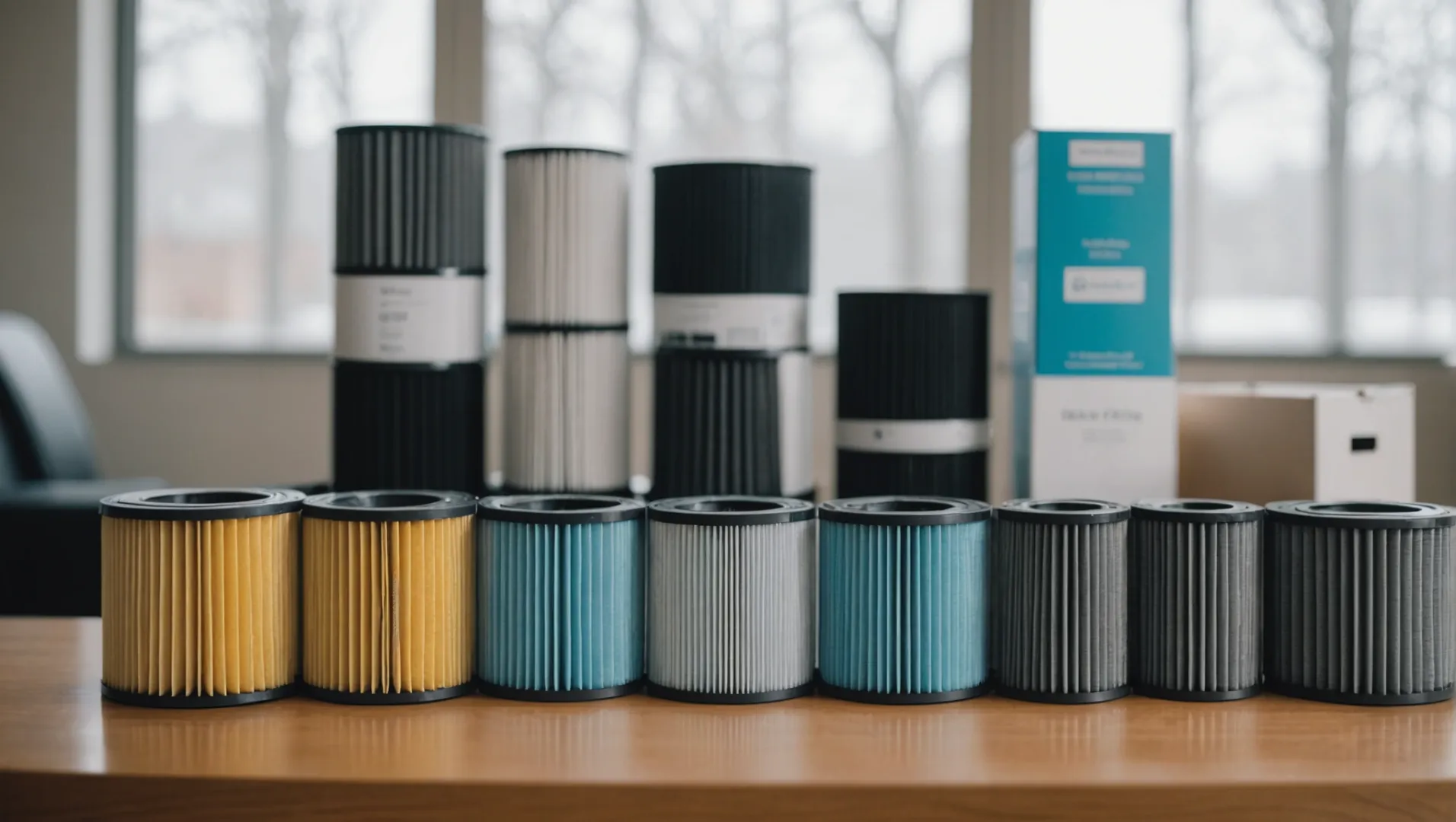
Navigating the world of air filters can be daunting, but it doesn’t have to be!
Selecting the right air filter media depends on the specific pollutants you need to target and the scenarios you are addressing. Understanding MERV ratings and filter types like HEPA or activated carbon helps in making informed decisions for effective air purification.
While the basics of air filter media are essential, a deeper dive into specific scenarios like pet odor control or mold risk management reveals tailored solutions. Continue reading to explore practical advice and expert insights for choosing the best filters for your needs.
HEPA filters capture at least 99.97% of particles as small as 0.3 microns.True
HEPA filters are highly efficient, capturing most fine particles, improving air quality.
What Are MERV Ratings and Why Do They Matter?
Understanding the significance of MERV ratings is crucial for selecting the right air filters for your home or office environment.
MERV ratings, ranging from 1 to 20, measure an air filter's ability to capture particles. Higher MERV values indicate finer filtration, effectively trapping smaller particles like dust, pollen, and even bacteria, thus improving indoor air quality significantly.
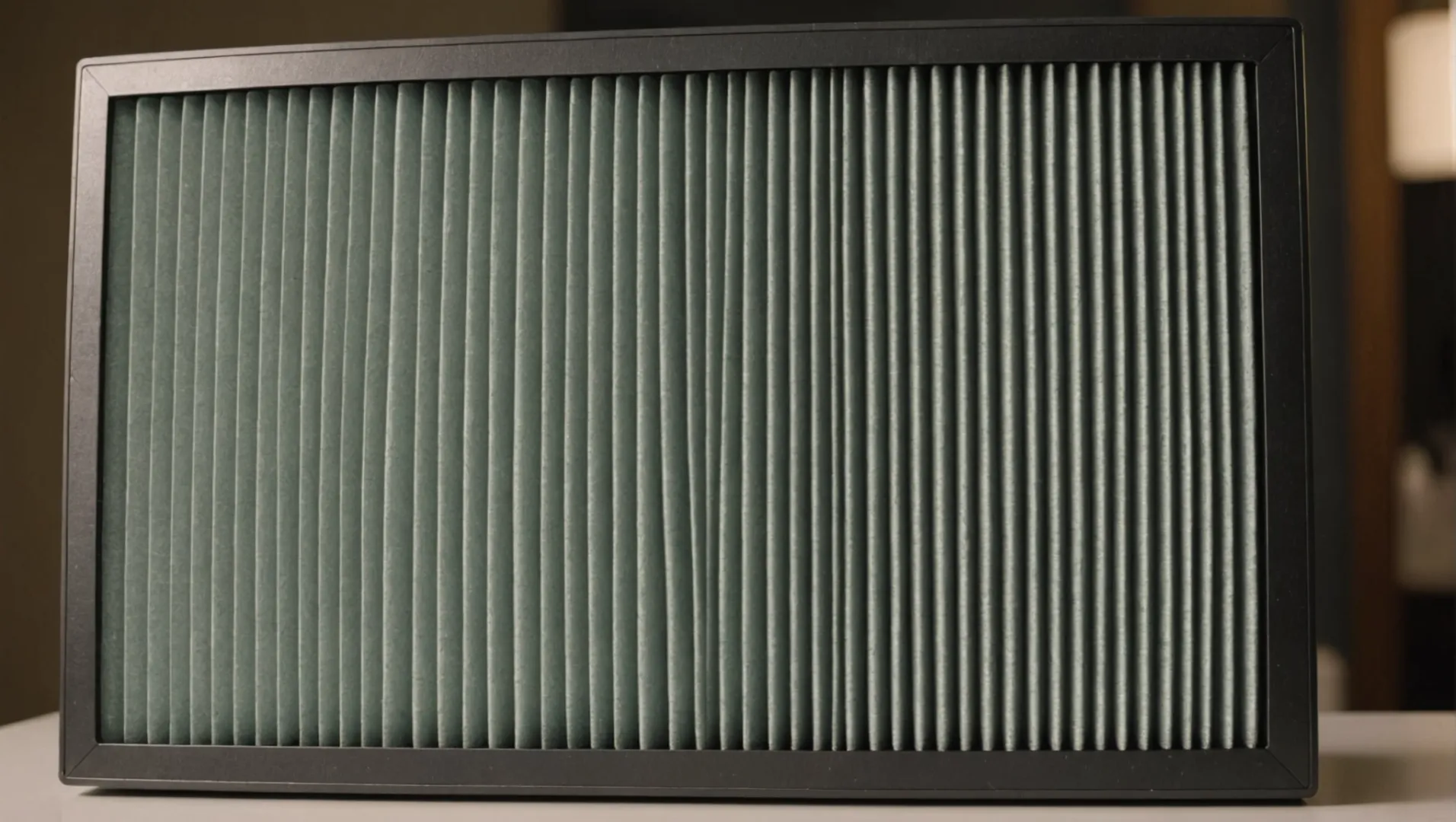
Understanding MERV Ratings
MERV stands for Minimum Efficiency Reporting Value. It is a standard that rates the overall effectiveness of air filters. The scale runs from 1 to 20, with higher numbers indicating a greater capacity to capture small particles. For instance, a filter with a MERV rating1 of 1 is capable of trapping larger particles like carpet fibers, while a filter with a rating of 13 can capture particles as small as 0.3 microns, such as dust, pollen, and some bacteria.
How MERV Ratings Impact Air Quality
Using a filter with an appropriate MERV rating can significantly enhance the quality of your indoor air. Higher-rated filters are essential for environments where air purity is critical, such as hospitals or homes with allergy sufferers. However, it's important to balance filtration efficiency with airflow; a filter that is too restrictive can impede airflow and reduce HVAC system efficiency.
Table: MERV Ratings and Particle Types
| MERV Rating | Captures |
|---|---|
| 1-4 | Pollen, dust mites |
| 5-8 | Mold spores, hair spray |
| 9-12 | Legionella, lead dust |
| 13-16 | Bacteria, smoke particles |
| 17-20 | Viruses, carbon dust |
Practical Applications of MERV Ratings
When choosing an air filter, consider the specific needs of your environment. For example:
- Homes with pets may benefit from filters with a MERV rating2 of at least 5 to capture pet dander.
- Families with young children should consider filters rated 13 or higher to remove bacteria and allergens effectively.
- Areas prone to wildfire smoke may require filters with a MERV rating of 14 or more to trap smoke particles and improve air quality.
Understanding these aspects helps in tailoring your choice to specific needs, ensuring both safety and comfort.
MERV ratings range from 1 to 20.True
MERV ratings measure air filter efficiency on a scale of 1 to 20.
Higher MERV ratings reduce HVAC efficiency.True
Filters with high MERV can restrict airflow, affecting HVAC systems.
How Do Different Air Filter Types Work Against Specific Pollutants?
Discover how various air filter types tackle specific pollutants to ensure cleaner, healthier indoor air.
Different air filter types are engineered to combat specific pollutants. HEPA filters excel at trapping fine particles like dust and allergens, while activated carbon filters are ideal for eliminating odors and volatile organic compounds (VOCs). Choosing the right filter involves understanding these functions and matching them to the pollutants you wish to address.

Understanding the Basics of Air Filters
Air filters are essential in maintaining indoor air quality by removing contaminants from the air. They vary widely in terms of design, materials, and targeted pollutants. Here, we will explore how different types of air filters operate to tackle specific indoor pollutants effectively.
HEPA Filters: Capturing Fine Particles
High-Efficiency Particulate Air (HEPA) filters are known for their ability to trap at least 99.97% of particles as small as 0.3 microns. They are particularly effective against dust3, pollen, mold spores, and pet dander. This makes HEPA filters an excellent choice for homes with allergy sufferers or those seeking to improve general air quality.
Activated Carbon Filters: Absorbing Odors and Chemicals
Activated carbon filters are composed of carbon material treated to be highly porous. This design allows them to absorb gases and odors, including VOCs emitted by household products like paints and cleaning supplies. These filters are perfect for environments where odor control is crucial, such as homes with pets or smokers.
Anti-Bacterial Filters: Targeting Microbial Growth
For those concerned about microbial growth such as mold or bacteria, anti-bacterial filters provide a specialized solution. These filters often incorporate materials treated with anti-microbial agents that neutralize harmful microorganisms, thus reducing the risk of mold-related health issues.
Ultraviolet (UV) Filters: Neutralizing Germs
UV filters use ultraviolet light to kill or inactivate microorganisms like bacteria and viruses. Although not effective for particulate removal, they serve as a supplementary system for enhancing air purification in environments where germ exposure is a concern, such as hospitals or households during flu season.
Combining Filters for Maximum Effectiveness
Many modern air purifiers combine different filter types to address a broader range of pollutants. For instance, a unit may feature both HEPA and activated carbon filters, providing comprehensive protection against particulates and odors. When selecting an air purifier, consider models that allow for such customization to suit your specific needs.
By understanding the distinct roles each filter type plays in air purification, you can make informed decisions about which options best suit your environmental challenges.
HEPA filters capture 99.97% of particles as small as 0.3 microns.True
HEPA filters are designed to trap fine particles, ensuring high air quality.
Activated carbon filters are ineffective against VOCs.False
Activated carbon filters absorb VOCs effectively, reducing odors and chemicals.
Which Filters Are Best for Pet Owners Concerned About Odors?
Pet odors can be persistent and challenging to manage. Choosing the right air filter can make a significant difference in maintaining a fresh home environment.
For pet owners, filters combining activated carbon with HEPA 13 are most effective. Activated carbon traps odor molecules, while HEPA 13 captures airborne pet dander and bacteria, ensuring a cleaner and odor-free home.
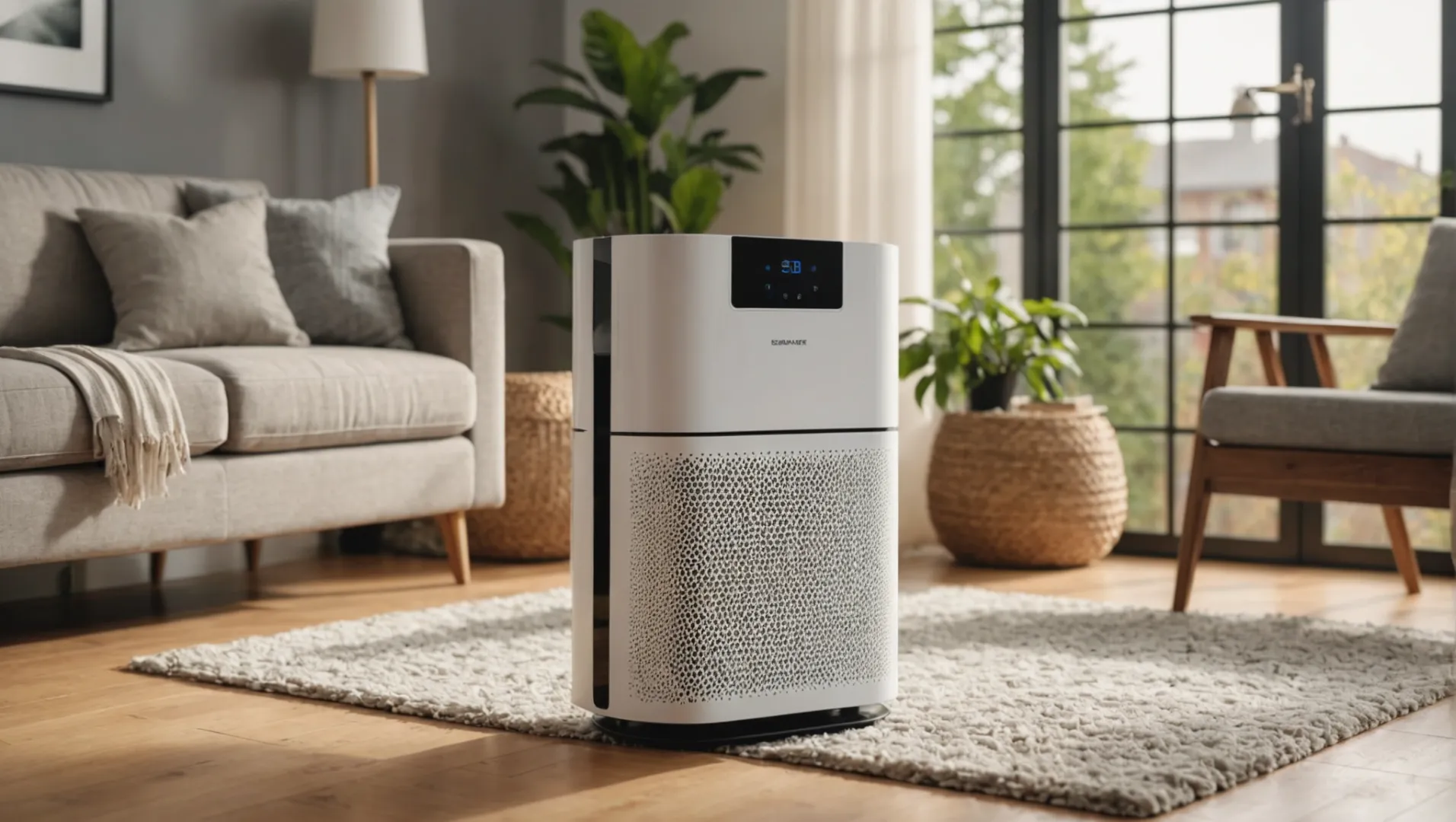
The Role of Activated Carbon in Odor Control
Activated carbon filters are highly effective in controlling pet odors. They work by trapping odor-causing molecules on their large surface area, effectively neutralizing smells from pets. This is particularly beneficial for households with multiple pets or those that have strong-smelling animals.
HEPA 13: A Must-Have for Pet Owners
HEPA 13 filters are renowned for their ability to capture tiny particles, including pet dander and bacteria. This level of filtration is crucial for pet owners who want to ensure that both odors and allergens are effectively managed. Combining HEPA 13 with activated carbon creates a powerful duo against pet-related pollutants.
Understanding the Limitations of Basic Filters
While basic filters can remove larger particles, they often fall short in managing odors and smaller allergens. Pet owners should look for filters that specifically mention odor control capabilities, such as those with activated carbon technology4.
Importance of Choosing the Right Air Purifier Supplier
Selecting an air purifier supplier who specializes in high-performance products is crucial. High power airflow and low noise levels enhance the efficiency of HEPA filters, ensuring thorough purification. When choosing a supplier, consider their expertise in offering diverse filter options and their ability to maintain high CADR (Clean Air Delivery Rate).
Factors to Consider When Shopping for Filters
| Feature | Importance |
|---|---|
| Activated Carbon | Essential for neutralizing pet odors. |
| HEPA 13 | Captures pet dander and bacteria effectively. |
| Noise Level | Low noise ensures comfort in living spaces. |
| Airflow | High airflow is necessary for efficient filtering. |
Practical Tips for Maintaining a Fresh Home
Regular maintenance of your air purifier, such as timely filter replacement and cleaning, maximizes its efficiency. It’s also beneficial to ensure good ventilation and regular cleaning of pet areas to complement the use of air filters.
Activated carbon filters neutralize pet odors effectively.True
Activated carbon traps odor molecules, neutralizing pet smells.
Basic filters are sufficient for managing pet odors.False
Basic filters lack odor control capabilities compared to advanced ones.
How Can Parents Ensure Safe Air Quality for Babies at Home?
Creating a safe environment is crucial for your baby’s health, and air quality is a significant factor. But how can parents ensure the air their baby breathes is clean and safe?
To ensure safe air quality for babies at home, parents should use air purifiers with HEPA 13 or 14 filters to effectively remove PM2.5 particles. Additionally, maintaining good ventilation, avoiding indoor smoking, and regularly cleaning surfaces can help maintain a healthy indoor environment.
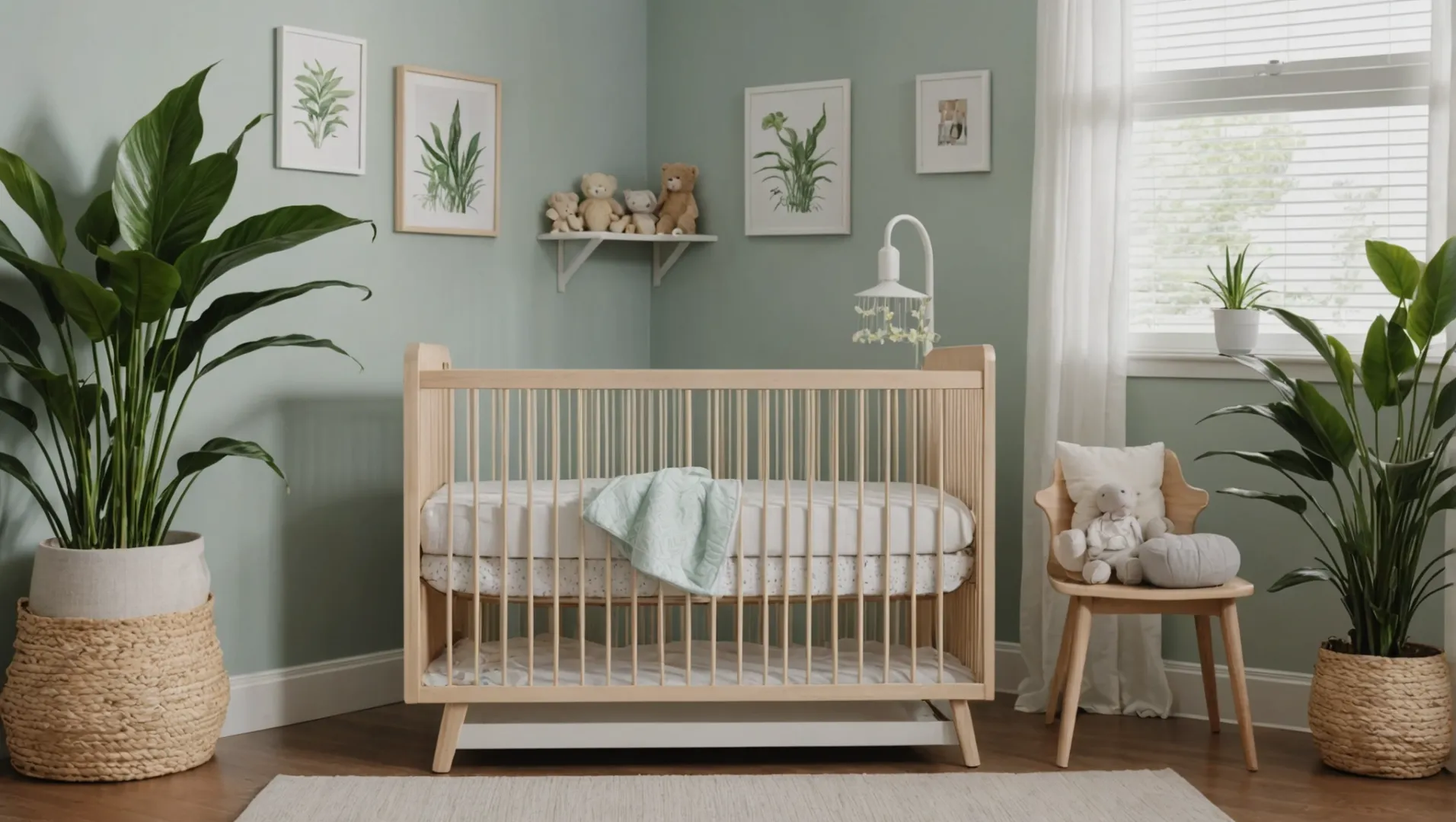
Understanding Air Pollutants and Their Effects on Babies
Babies are particularly vulnerable to airborne pollutants because their respiratory systems are still developing. Common indoor pollutants include dust mites, mold spores, pet dander, and PM2.5 particles, which can exacerbate respiratory issues like asthma or allergies. By understanding these pollutants, parents can take targeted actions to reduce their impact.
The Role of HEPA Filters in Air Purification
High-Efficiency Particulate Air (HEPA) filters are renowned for their ability to trap tiny particles. For parents concerned about PM2.5, HEPA 13 or even HEPA 14 filters are recommended, as they can capture up to 99.97% of airborne particles as small as 0.3 microns. This makes them highly effective in reducing the presence of harmful pollutants in the home.
Additional Measures for Ensuring Safe Air
While HEPA filters5 play a significant role, they are part of a broader strategy to ensure clean air:
- Maintain Good Ventilation: Ensure your home is well-ventilated by opening windows when outdoor air quality permits.
- Regular Cleaning: Dust surfaces and vacuum with a HEPA-equipped vacuum cleaner to minimize dust accumulation.
- Avoid Indoor Smoking: Smoke contains numerous harmful chemicals that can linger in the air long after smoking has stopped.
- Houseplants: Certain plants like spider plants and peace lilies can naturally improve indoor air quality by absorbing pollutants.
Choosing the Right Air Purifier
When selecting an air purifier, consider factors such as room size and noise levels. A device with high CADR (Clean Air Delivery Rate) ensures efficient air purification without excessive noise, which is essential for maintaining a peaceful environment for your baby. Consulting reviews and comparisons of top-rated models can be beneficial when making a choice.
Monitoring and Adjusting Based on Needs
Finally, use indoor air quality monitors to track pollutant levels. This allows parents to adjust their strategies as needed, ensuring that the measures they take are effectively maintaining a safe breathing environment for their child. Regularly reviewing the latest research and expert advice can also provide new insights into improving indoor air quality.
HEPA 13 filters capture 99.97% of particles.True
HEPA 13 filters are designed to trap particles as small as 0.3 microns.
Indoor smoking does not affect air quality for babies.False
Indoor smoking releases harmful chemicals that linger and affect air quality.
Conclusion
Choosing the right air filter media means understanding your specific needs. Equip yourself with knowledge and make informed choices to elevate your indoor air quality today.
-
Learn how MERV ratings define filter effectiveness.: Minimum Efficiency Reporting Values, or MERVs, report a filter's ability to capture larger particles between 0.3 and 10 microns (μm). ↩
-
Discover optimal MERV ratings for capturing pet dander.: However, for pet owners, it's recommended to choose a filter with a higher MERV rating, such as 13, as it can capture smaller particles like pet ... ↩
-
Learn about HEPA's efficiency in trapping dust and allergens.: This type of air filter can theoretically remove at least 99.97% of dust, pollen, mold, bacteria, and any airborne particles with a size of 0.3 ... ↩
-
Learn how activated carbon neutralizes odors effectively.: Helps to Remove Smoke and Chemical Fumes: Air purifiers with activated carbon filters are excellent at removing smoke and chemical fumes, ... ↩
-
Discover how HEPA filters effectively clean the air for infants.: Most air purifiers are perfectly safe around your baby as long as you take some precautions. Filtering air purifiers remove pollution from the air. ↩

 English
  Français
  Español
  Italiano
  Deutsch
  Português
  Русский
  العربية
  日本語
日本語  한국어
한국어  Tiếng Việt

