新しいタブで開きます
革新的な空気品質ソリューション

さまざまな汚染物質とシナリオに適したエアフィルター・メディアを選ぶには?

Related Products

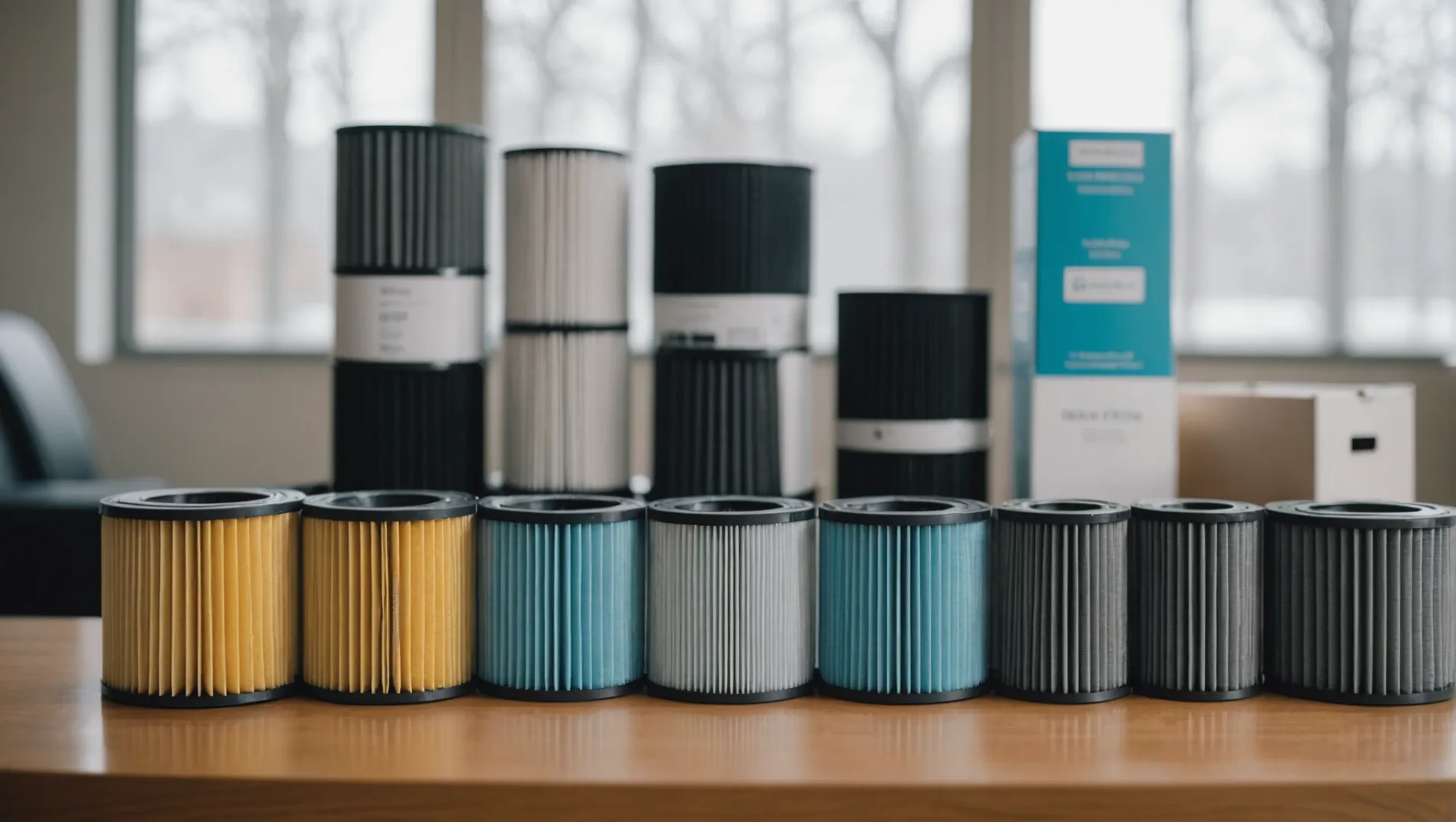
さまざまな種類のエアフィルター・メディアをラベルとMERVレーティングで表示

エアフィルターの世界をナビゲートするのは大変なことだが、その必要はない!

適切なエアフィルター媒体の選択は、対象とする汚染物質や対処するシナリオによって異なります。理解する MERV HEPAや活性炭のような定格とフィルタータイプは、効果的な空気浄化のための十分な情報に基づいて決定するのに役立ちます。

エアフィルターメディアの基本は不可欠ですが、ペットの臭い対策やカビのリスク管理など、具体的なシナリオを深く掘り下げると、それぞれに合ったソリューションが見えてきます。お客様のニーズに最適なフィルターを選ぶための実践的なアドバイスと専門家の見識について、引き続きお読みください。

HEPAフィルターは、0.3ミクロンの粒子を99.97%以上捕集します。真

HEPAフィルターは高効率で、ほとんどの微粒子を捕捉し、空気の質を改善します。

どのようなものなのか? MERV 格付けとその理由

の意義を理解する。 MERV 家庭やオフィスの環境に適したエアフィルターを選ぶには、視聴率が重要です。

MERV エアフィルターの粒子を捕獲する能力を評価するもので、1~20のレーティングがある。より高い MERV の数値は濾過がより細かいことを示し、ホコリや花粉、さらにはバクテリアのような小さな粒子を効果的に捕捉し、室内の空気の質を大幅に改善する。
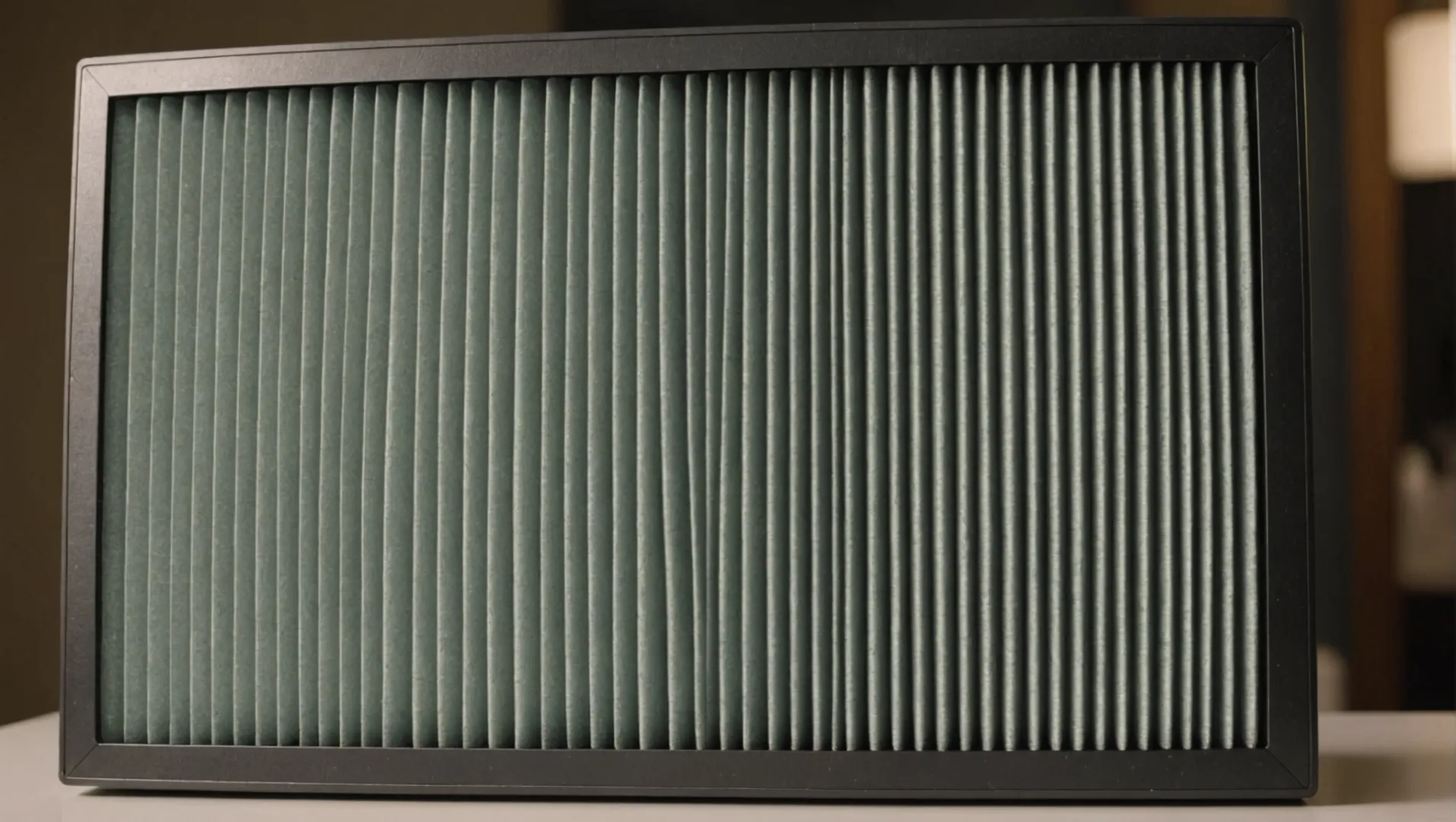
1〜20のMERVレーティングスケールが表示されたエアフィルター
MERV格付けの説明

理解する MERV 格付け

MERV Minimum Efficiency Reporting Valueの略。エアフィルターの総合的な有効性を評価する基準である。1から20まであり、数値が高いほど小さな粒子を捕捉する能力が高いことを示す。例えば MERV 格付け1 のフィルターは、カーペットの繊維のような大きな粒子を捕捉することができ、13のフィルターは、ほこり、花粉、いくつかの細菌のような0.3ミクロンの粒子を捕捉することができます。

どのように MERV 格付けが大気の質に与える影響

適切な MERV の格付けは、室内の空気の質を大幅に向上させます。病院やアレルギー患者のいる家庭など、空気の清浄度が重要な環境では、より高い等級のフィルターが不可欠です。しかし、ろ過効率と空気の流れのバランスをとることが重要です。フィルターが制限されすぎると、空気の流れが妨げられ、HVACシステムの効率が低下します。

表 MERV 格付けと粒子タイプ

MERV 評価 キャプチャー
1-4 花粉、ダニ
5-8 カビの胞子、ヘアスプレー
9-12 レジオネラ菌、鉛粉塵
13-16 バクテリア、煙の粒子
17-20 ウイルス、カーボンダスト

の実践的応用 MERV 格付け

エアフィルターを選ぶ際には、ご使用の環境特有のニーズを考慮してください。例えば

  • ペットのいる家庭 のフィルターが有効かもしれない。 MERV 格付け2 ペットのフケを捕獲するために、最低でも5.
  • 幼児のいる家庭 細菌やアレルゲンを効果的に除去するために、13等級以上のフィルターを検討すべきである。
  • 山火事の煙が出やすい地域 のフィルターが必要な場合がある。 MERV スモークの粒子を捕捉し、空気の質を改善するために、14以上の評価を得ている。

これらの点を理解することで、安全性と快適性の両方を確保しながら、特定のニーズに合わせた選択をすることができる。

MERVは1から20まである。真

MERV値は、エアフィルターの効率を1から20の尺度で測定する。

MERV評価が高いほど、HVACの効率は低下する。真

MERVの高いフィルターは空気の流れを制限し、HVACシステムに影響を与える可能性がある。

特定の汚染物質に対して、エアフィルターの種類はどのように作用するのか?

よりクリーンで健康的な室内空気を確保するために、さまざまなタイプのエアフィルターが特定の汚染物質にどのように対処しているかをご覧ください。

エアフィルターの種類は、特定の汚染物質と闘うように設計されています。HEPAフィルターはホコリやアレルゲンのような微粒子の捕集に優れ、活性炭フィルターは臭いや揮発性有機化合物(VOC)の除去に最適です。適切なフィルターを選ぶには、これらの機能を理解し、対処したい汚染物質に適合させる必要があります。

HEPA、活性炭、UVなど、さまざまなタイプのエアフィルターが、対象となる汚染物質とともに表示される。
エアフィルターの種類と汚染物質

エアフィルターの基本を理解する

エアフィルターは、空気中の汚染物質を除去し、室内の空気の質を維持するために不可欠なものである。エアフィルターは、デザイン、素材、対象となる汚染物質によって大きく異なります。ここでは、特定の室内汚染物質に効果的に対処するために、さまざまなタイプのエアフィルターがどのように機能するのかを探ります。

HEPAフィルター微粒子の捕捉

高効率微粒子空気(HEPA)フィルターは、0.3ミクロンの微粒子を少なくとも99.97%捕集する能力で知られています。HEPAフィルターは、特に以下のような粒子に対して効果的です。 ほこり3花粉、カビの胞子、ペットのフケを除去します。このため、HEPAフィルターは、アレルギーを患う方や一般的な空気の質を改善したい方に最適です。

活性炭フィルター臭いと化学物質を吸着

活性炭フィルターは、非常に多孔質に処理された炭素材料で構成されています。このデザインにより、塗料や掃除用具などの家庭用品から発生するVOCを含むガスや臭いを吸収することができます。このフィルターは、ペットや喫煙者のいる家庭など、臭気対策が重要な環境に最適です。

抗菌フィルター微生物の繁殖を防ぐ

カビやバクテリアなどの微生物の繁殖を心配する人には、抗菌フィルターが特化した解決策を提供する。これらのフィルターには、有害な微生物を中和する抗菌剤で処理された素材が使用されていることが多く、カビに関連する健康問題のリスクを低減します。

紫外線(UV)フィルター:雑菌を中和する

UVフィルターは、紫外線を利用して細菌やウイルスなどの微生物を死滅または不活性化する。微粒子の除去には効果がないが、病院やインフルエンザの季節の家庭など、細菌にさらされることが懸念される環境では、空気浄化を強化する補助的なシステムとして役立つ。

最大限の効果を得るためのフィルターの組み合わせ

最近の空気清浄機の多くは、より幅広い汚染物質に対応するため、異なるフィルタータイプを組み合わせている。例えば、HEPAフィルターと活性炭フィルターの両方を搭載し、微粒子や悪臭から総合的に保護します。空気清浄機を選ぶ際には、特定のニーズに合わせてこのようなカスタマイズが可能なモデルを検討してください。

それぞれのフィルターが空気浄化に果たす役割を理解することで、どのオプションがお客様の環境問題に最も適しているか、十分な情報に基づいて判断することができます。

HEPAフィルターは、0.3ミクロンの粒子を99.97%捕集します。真

HEPAフィルターは微粒子を捕捉するように設計されており、高い空気品質を保証します。

活性炭フィルターはVOCには効果がない。偽

活性炭フィルターがVOCを効果的に吸収し、臭いや化学物質を低減します。

臭いが気になるペットオーナーに最適なフィルターは?

ペットの臭いはしつこく、管理が難しいものです。適切なエアフィルターを選ぶことで、爽やかな家庭環境を維持することができます。

ペットを飼っている人には、活性炭とHEPA 13を組み合わせたフィルターが最も効果的です。活性炭が臭いの分子を捕捉し、HEPA 13が空気中のペットのフケやバクテリアを捕捉することで、より清潔で臭いのない家を実現する。
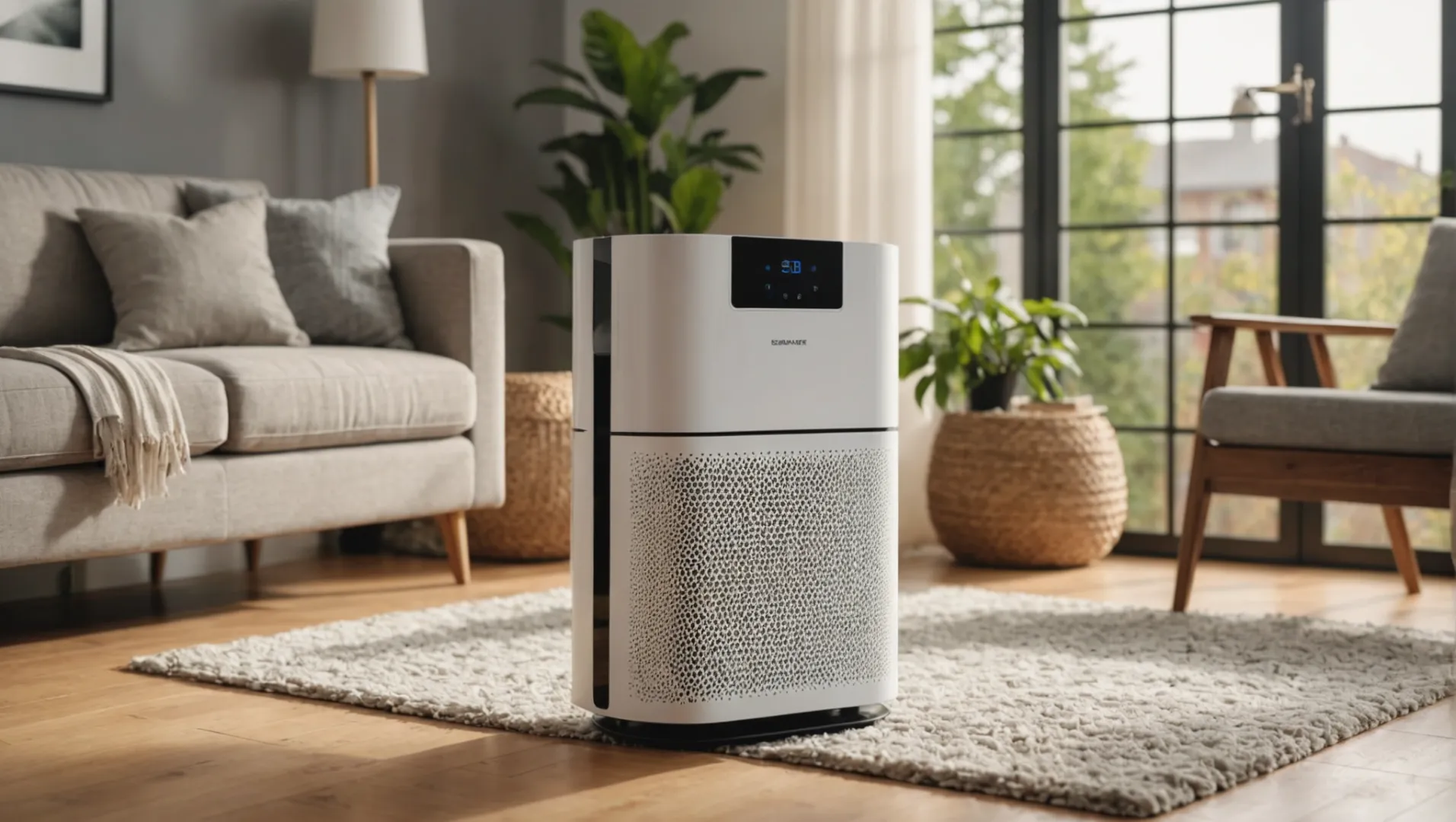
HEPA 13と活性炭フィルターを備えた最新の空気清浄機
ペット臭用空気清浄機

臭気対策における活性炭の役割

活性炭フィルターは、ペットの臭いを抑えるのに非常に効果的です。臭いの原因となる分子を大きな表面積で捕捉し、ペットからの臭いを効果的に中和します。これは、複数のペットを飼っている家庭や、臭いの強い動物を飼っている家庭に特に有効です。

HEPA 13:ペットオーナーの必需品

HEPA 13フィルターは、ペットのフケやバクテリアなどの微小粒子を捕獲する能力で有名です。このレベルのろ過性能は、臭いとアレルゲンの両方を効果的に管理したいペットオーナーにとって極めて重要です。HEPA13と活性炭を組み合わせることで、ペットに関連する汚染物質に対する強力なコンビが誕生します。

基本的なフィルターの限界を理解する

基本的なフィルターは大きな粒子を除去することはできるが、臭いや小さなアレルゲンを管理するには不十分なことが多い。ペットの飼い主は、以下のような、特に臭気対策について言及されているフィルターを探すべきである。 活性炭技術4.

正しい空気清浄機サプライヤー選びの重要性

高性能製品を専門とする空気清浄機サプライヤーを選ぶことは非常に重要です。高出力のエアフローと低ノイズレベルがHEPAフィルターの効率を高め、徹底した浄化を実現します。サプライヤーを選ぶ際には、多様なフィルターオプションを提供する専門知識と、高いCADR(清浄空気供給率)を維持する能力を考慮してください。

フィルターを購入する際に考慮すべき要素

特徴 重要性
活性炭 ペット臭の中和に欠かせない。
HEPA 13 ペットのフケやバクテリアを効果的に捕獲。
騒音レベル 低騒音で居住空間の快適性を確保。
気流 効率的なフィルタリングには大風量が必要だ。

新鮮な家を維持するための実践的なヒント

適時のフィルター交換や清掃など、空気清浄機の定期的なメンテナンスは、その効率を最大限に高めます。また、換気をよくし、ペットのいる場所を定期的に掃除することも、エアフィルターの使用を補完するために有効です。

活性炭フィルターがペットの臭いを効果的に中和します。真

活性炭が臭いの分子を捕捉し、ペットの臭いを中和します。

ペットの臭いを抑えるには、基本的なフィルターで十分だ。偽

基本的なフィルターには、高度なものに比べて臭いを抑える機能がない。

家庭で赤ちゃんのために安全な空気環境を確保するには?

赤ちゃんの健康のためには、安全な環境を作ることが重要であり、空気の質は重要な要素です。しかし、赤ちゃんが呼吸する空気が清潔で安全であることを、親はどうすれば確認できるのでしょうか?

家庭で赤ちゃんのために安全な空気環境を確保するには、PM2.5粒子を効果的に除去するHEPA13または14フィルター付きの空気清浄機を使用する必要があります。さらに、換気をよくし、屋内での喫煙を避け、定期的に表面を掃除することで、健康的な室内環境を維持することができます。
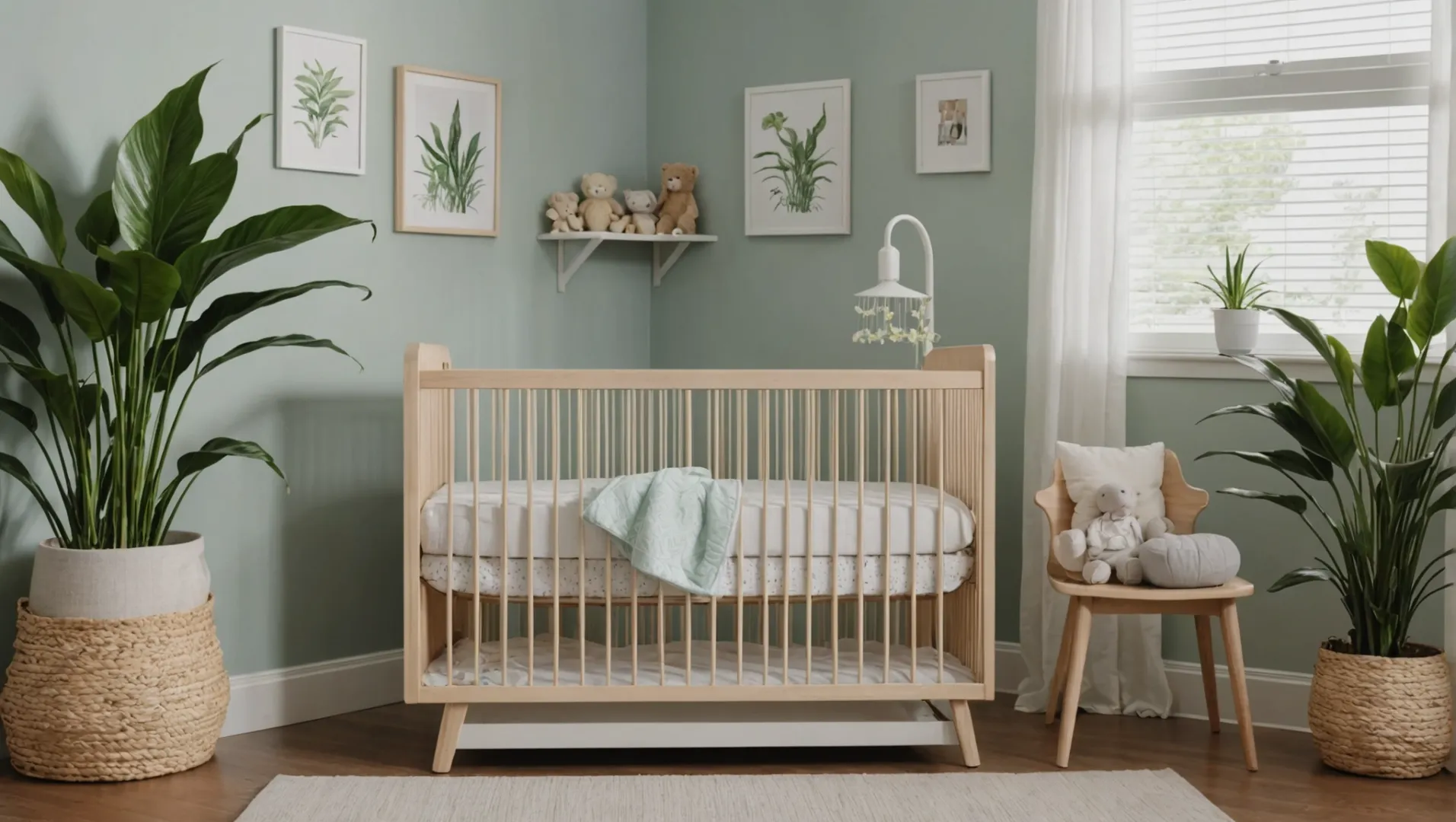
空気清浄機が近くにある子供部屋ですやすやと眠る赤ちゃん
赤ちゃんに安全な空気環境

大気汚染物質と赤ちゃんへの影響を理解する

赤ちゃんは呼吸器系が発達途上にあるため、空気中の汚染物質の影響を特に受けやすい。一般的な室内汚染物質には、ダニ、カビの胞子、ペットのフケ、PM2.5粒子などがあり、喘息やアレルギーなどの呼吸器系の問題を悪化させる可能性がある。これらの汚染物質を理解することで、親はその影響を軽減するために的を絞った行動をとることができる。

空気浄化におけるHEPAフィルターの役割

高効率微粒子空気(HEPA)フィルターは、微小粒子を捕捉する能力で有名です。PM2.5を心配するご両親には、HEPA 13またはHEPA 14フィルターが推奨されます。HEPAフィルターは、0.3ミクロンの空気中の微粒子を99.97%まで捕捉することができます。このため、家庭内の有害な汚染物質の存在を減らすのに非常に効果的です。

安全な空気を確保するための追加措置

一方 HEPAフィルター5 は重要な役割を果たすが、それはきれいな空気を確保するためのより広範な戦略の一部である:

  • 良好な換気を保つ: 外気が許せば窓を開け、家の換気をよくする。
  • 定期的なクリーニング: 埃の堆積を最小限に抑えるため、表面の埃を払い、HEPA搭載の掃除機で吸引する。
  • 屋内での喫煙を避ける: 煙には有害な化学物質が多数含まれており、喫煙をやめた後も空気中に長く残ることがある。
  • 観葉植物: 彼岸花や平和の百合のような特定の植物は、汚染物質を吸収することで、室内の空気の質を自然に改善することができる。

正しい空気清浄機の選択

空気清浄機を選ぶ際には、部屋の広さや騒音レベルなどを考慮しましょう。CADR(Clean Air Delivery Rate:清浄空気送出率)の高い機種は、過度の騒音を発生させることなく効率的に空気を浄化します。トップクラスのモデルのレビューや比較を参考にすることも、選択の際に役立ちます。

モニタリングとニーズに基づく調整

最後に、室内空気品質モニターを使って汚染物質レベルを追跡する。こうすることで、保護者は必要に応じて対策を調整し、子どもにとって安全な呼吸環境を効果的に維持することができる。また、最新の研究や専門家のアドバイスを定期的に見直すことで、室内空気の質を改善するための新たな知見を得ることもできる。

HEPA 13フィルターは99.97%の粒子を捕集します。真

HEPA 13フィルターは、0.3ミクロンの粒子を捕捉するように設計されています。

屋内喫煙が赤ちゃんの空気の質に影響を与えることはない。偽

屋内喫煙は有害な化学物質を発生させ、それが残留して空気の質に影響を与える。

結論

適切なエアフィルター・メディアを選ぶには、お客様固有のニーズを理解する必要があります。知識を身につけ、十分な情報に基づいた選択をすることで、今すぐ室内の空気の質を高めましょう。


  1. MERV値がフィルターの有効性をどのように定義しているかを学びましょう:最小効率報告値(MERV)は、0.3~10ミクロン(μm)の大きな粒子を捕獲するフィルターの能力を報告します。 ↩

  2. ペットのフケを捕獲するための最適なMERVレーティングをご覧ください。ただし、ペットを飼っている方には、ペットのフケのような小さな粒子を捕獲できる13などのMERVレーティングの高いフィルターを選ぶことをお勧めします。 ↩

  3. 埃やアレルゲンを捕捉するHEPAの効率について学びましょう:このタイプのエアフィルターは、理論上少なくとも99.97%のホコリ、花粉、カビ、バクテリア、および0.3 ... ↩

  4. 活性炭が臭いを効果的に中和する方法をご紹介します:煙や化学物質の除去に役立ちます:活性炭フィルター搭載の空気清浄機は、煙や化学物質を除去するのに優れています。 ↩

  5. HEPAフィルターが乳幼児の空気を効果的に清浄する方法をご覧ください:ほとんどの空気清浄機は、いくつかの注意事項を守れば、赤ちゃんのそばでもまったく問題ありません。空気清浄機は空気中の汚れを取り除きます。 ↩

シェアする
Alwen Lee of HisoAir
Alwen Lee, an air purification expert with over 10 years of experience, is a devoted father of two and a passionate traveler, having explored more than 30 countries. With a love for public speaking and swimming, he has dedicated his life to the indoor air quality industry. His mission is to ensure that people around the world enjoy the freedom to breathe clean air and lead happy, healthy lives.

メッセージを送る

Related Products

もっと読む

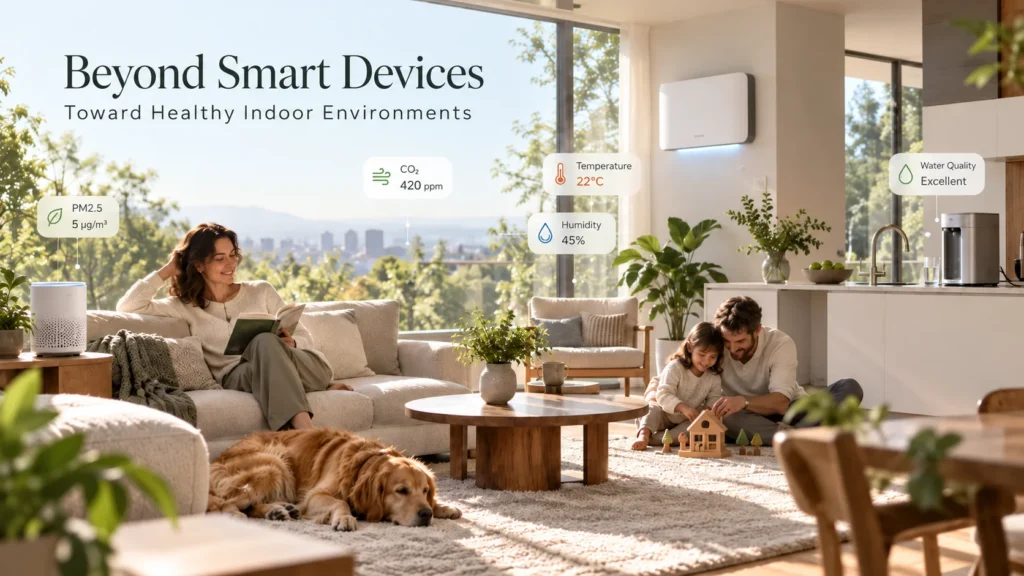
Modern living room with a family enjoying a healthy indoor environment monitored by smart devices, natural lighting, and greenery.

After IFA 2026: The Healthy Home Is Moving Beyond Smart Devices

In our previous IFA 2026 column, Air Purification Is Becoming Part of the Healthy-Home Platform, we argued that the next generation of indoor-health products would ...
ニュース
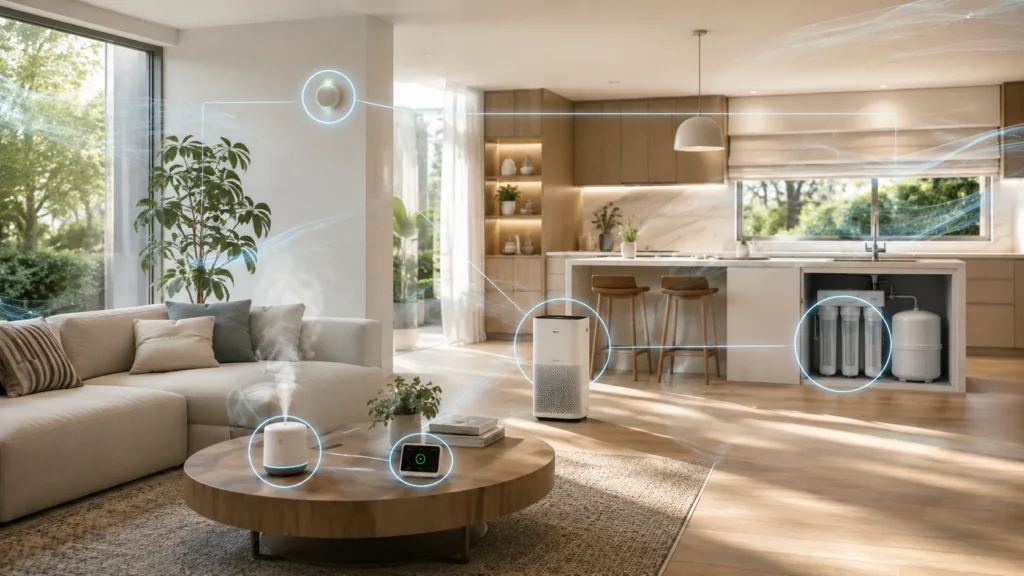
Modern living room and kitchen with smart home air quality devices including an air purifier, humidifier, and water filtration system, connected with visualized blue connectivity lines.

IFA 2026: Air Purification Is Becoming Part of the Healthy-Home Platform

Pre-IFA Industry Perspective | September 4, 2026 This article is based on official announcements and regulatory information available ahead of IFA 2026, which takes place ...
ニュース
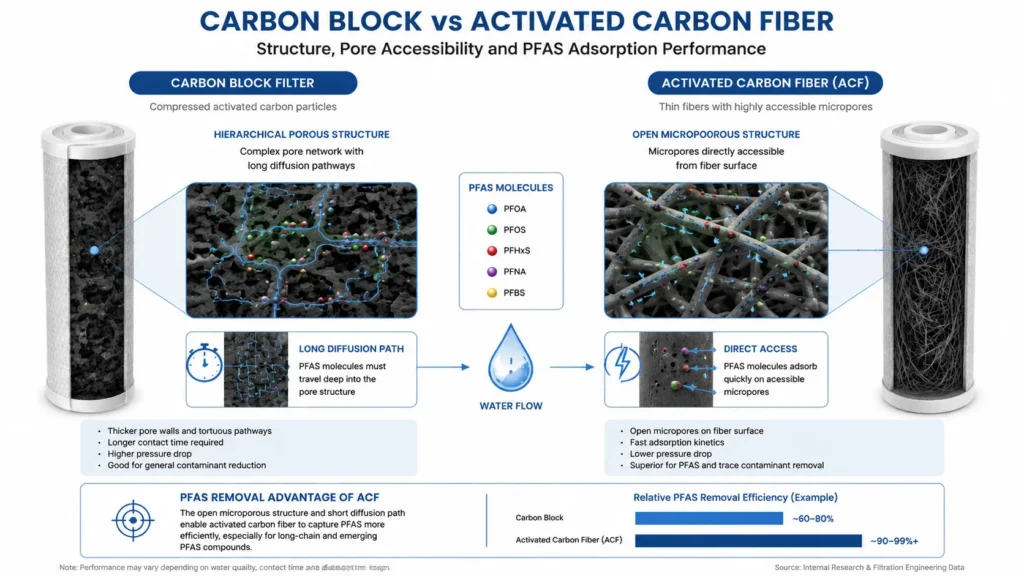
Comparison infographic showcasing the differences between carbon block filter and activated carbon fiber. Detailed diagrams illustrate the hierarchical porous structure of the carbon block with long diffusion paths and the open microporous structure of the activated carbon fiber with direct access for PFAS adsorption.

Carbon Block vs. Activated Carbon Fiber (ACF): Matching Media to Target Contaminants

Two carbon media. Same adsorption chemistry. Very different behaviour in a point-of-use cartridge. If you are specifying a water purifier platform for a PFAS-aware market, ...
ニュース
NSF base listing and ANF private-label certification pathway for OEM water filters

What Is an NSF Master Listing? A Guide to Base Listings, ANF Certification and OEM Water Filters

For a brand preparing to launch an OEM water purifier, one of the most common supplier claims is: “We already have an NSF master listing, ...
News, Water Purifiers
Healthy-home brand team reviewing PFAS water filter certification, test data and product engineering

Entering the Water Category Is Easy. Building a Credible PFAS Claim Is Much Harder

For air purification, appliance and healthy-home brands, entering the water category can look surprisingly easy. A company can select an existing undersink system, customize its ...
ニュース
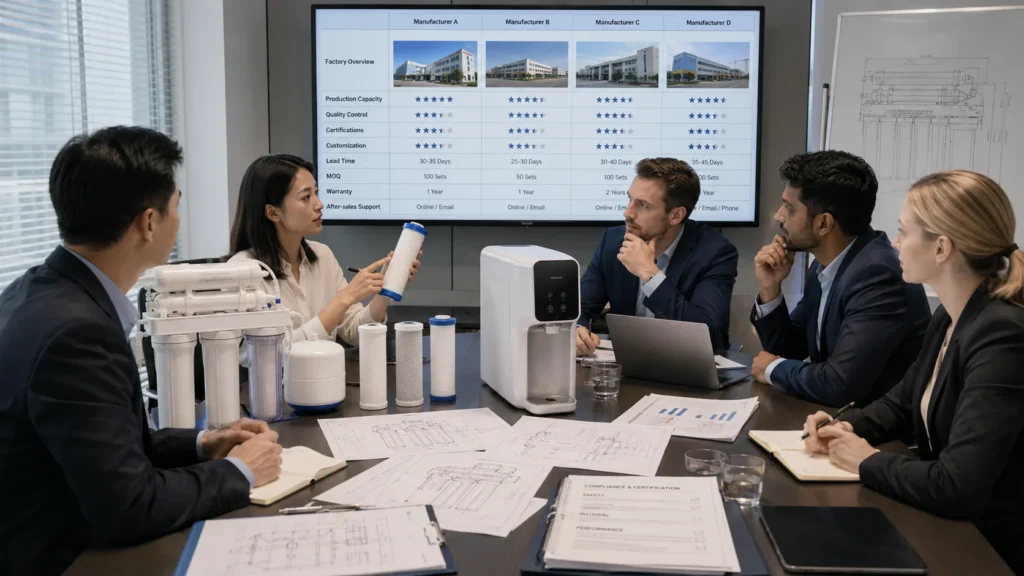
Team in a business meeting discussing a water filtration system with product components and a comparison table displayed on a screen.

5 Leading OEM Water Purifier Manufacturers in China for Private Label Brands

China has thousands of companies selling water filters, reverse osmosis systems and drinking-water appliances. However, only a portion of them are suitable for private-label, OEM ...
ニュース
Contaminant Engineering•3 min read

PFAS Water Filtration Technologies Explained: Carbon, Resin & RO

Key Takeaway:

PFAS reduction depends on the specific compounds present, treatment media, contact time, water chemistry, and system design. Activated carbon, ion exchange, and Reverse Osmosis address PFAS through different mechanisms.

PFAS are a large family of persistent fluorinated compounds that can occur in drinking-water supplies. Their treatment behavior varies significantly by molecular structure, chain length, functional group, concentration, and the chemistry of the source water.

Granular Activated Carbon (GAC) removes PFAS primarily through adsorption. It is generally more effective for many longer-chain PFAS, while shorter-chain compounds tend to break through more quickly. Carbon performance depends on media properties, Empty Bed Contact Time (EBCT), competing organic matter, loading, and replacement frequency.

Ion-exchange resins use charged functional sites to capture many PFAS compounds. Properly selected anion-exchange media can provide high capacity and may perform better than conventional activated carbon for some shorter-chain PFAS, although performance still depends on water chemistry and competing ions.

Reverse Osmosis (RO) uses membrane separation rather than adsorption. Properly designed RO systems can provide broad reduction across many PFAS compounds as well as dissolved salts and other contaminants. Unlike carbon or resin, however, RO also produces a concentrate stream that must be managed.

No single technology should be selected from a PFAS label alone. System design should consider which PFAS compounds are present, their concentrations, required reduction targets, flow rate, media life, and the applicable third-party certification or validation requirements.

HisoAir Water Technical Series
Product Discovery•3 min read

How to Choose an Under-Sink Water Purifier for Modern Kitchens

Key Takeaway:

Match the treatment technology to your water quality first, then evaluate cabinet space, faucet configuration, flow rate, drain and power requirements, and filter replacement needs.

Choosing an under-sink water purifier starts with water chemistry. Carbon filtration is well suited to chlorine, taste, odor, and many organic contaminants, while Reverse Osmosis is more appropriate when dissolved salts, fluoride, nitrates, or broader dissolved contaminants need to be reduced.

For compact kitchens, tankless RO systems eliminate the conventional storage tank and can significantly reduce the space required under the sink. However, membrane capacity stated in GPD does not directly equal faucet flow. When comparing systems, check the actual dispensing flow rate, inlet-pressure requirement, recovery ratio, and whether a booster pump is required.

Installation architecture also matters. Many RO systems require a drain connection, electrical power, and either a dedicated drinking-water faucet or a compatible multi-function faucet. High-flow carbon systems can often connect directly to the existing cold-water line with a simpler installation, but pressure drop and available faucet flow should still be verified.

RO also removes much of the naturally occurring dissolved mineral content. Where taste or mineral balance is a priority, a post-RO remineralization stage can be added. Filter life should be evaluated by both rated capacity and local water quality rather than replacement time alone.

The right system is therefore not simply the smallest or highest-GPD model. It is the configuration that matches the target contaminants, available cabinet space, desired faucet setup, peak dispensing demand, and maintenance expectations.

HisoAir Water Technical Series
Water Quality•2 min read

What Does TDS Mean in Drinking Water? Measurement vs Contaminant Reality

Key Takeaway:

A TDS meter estimates the overall concentration of dissolved ionic substances from electrical conductivity. It cannot identify specific contaminants or determine whether water is chemically safe.

Total Dissolved Solids (TDS) refers to the combined concentration of dissolved substances in water. Most handheld TDS meters do not measure TDS directly. Instead, they measure electrical conductivity (EC) and convert that reading into an estimated parts-per-million (ppm) value.

This means a TDS reading can indicate how much dissolved ionic material is present, but not what that material actually is. Calcium, magnesium, sodium, nitrates, and other dissolved ions can all contribute to conductivity, yet a simple TDS meter cannot distinguish between them.

TDS meters are also not suitable for detecting trace contaminants such as PFAS, many VOCs, pesticides, pharmaceuticals, or disinfection byproducts. These substances may be present at concentrations far below the level needed to noticeably change electrical conductivity.

A low TDS reading therefore does not guarantee safe drinking water, and a higher TDS reading does not automatically indicate contamination. Water-treatment decisions should be based on laboratory testing for specific contaminants of concern rather than TDS alone.

HisoAir Water Technical Series
Technology Selection•2 min read

RO vs UF Water Filtration: Understanding Pore Sizes & Dissolved Minerals

Key Takeaway:

Ultrafiltration can reduce bacteria, turbidity, and suspended particles while retaining most naturally occurring dissolved minerals. Reverse Osmosis provides much broader reduction of dissolved salts and smaller contaminants.

Ultrafiltration (UF) typically uses hollow-fiber membranes with pore sizes in the approximate 0.01–0.1 micron range. These membranes physically retain turbidity, suspended solids, colloids, and many microorganisms while allowing dissolved minerals and salts to remain in the water.

Reverse Osmosis (RO) operates at a much finer separation level. Unlike UF, RO can substantially reduce dissolved ions such as sodium, calcium, fluoride, nitrates, and other contributors to total dissolved solids (TDS). This makes RO more suitable when dissolved-salt reduction is a primary treatment objective.

UF generally requires less system pressure and produces little or no continuous concentrate stream in many point-of-use configurations. RO typically requires greater pressure and produces a reject-water stream, but delivers broader contaminant reduction.

For water with acceptable TDS and mineral content, UF can be a simpler mineral-retaining treatment option. Where dissolved salts, fluoride, nitrates, or broader dissolved contaminants are a concern, RO is generally the more appropriate technology.

HisoAir Water Technical Series
Technology Selection•4 min read

Carbon Block vs Reverse Osmosis: Which Fits Your Need?

Key Takeaway:

Choose RO for dissolved inorganic salts and heavy metals; choose Carbon Block for chemical taste/odor, no wastewater, and high line-pressure flow.

Reverse Osmosis (RO) and Carbon Block filtration represent two fundamentally different treatment methods: membrane separation and adsorption. Understanding these differences helps determine which technology is better suited to a specific water-quality requirement.

Reverse Osmosis uses a semi-permeable membrane with pore sizes of approximately 0.0001 microns. It can significantly reduce dissolved inorganic contaminants such as TDS, fluoride, nitrates, and certain heavy metals. Because water must be forced through the membrane, RO systems require sufficient pressure or a booster pump and generate a concentrated wastewater stream.

Carbon Block filtration relies primarily on adsorption through compressed activated carbon, commonly with nominal pore sizes around 0.5–5 microns. It is highly effective for chlorine, chloramines, VOCs, taste, and odor, while allowing substantially higher direct-flow rates without producing wastewater.

From an operating perspective, Carbon Block systems are generally simpler, require less energy, and avoid the water loss associated with RO. RO involves higher system complexity and operating cost, but provides substantially broader reduction of dissolved contaminants that Carbon Block alone cannot address.

HisoAir Water Technical Series

見積依頼