Finding a reliable water purifier in Brazil can be challenging. This comprehensive guide helps you navigate the diverse market, ensuring you make the best decision for your home or business.
The Brazilian water purifier market features global giants, strong local champions, and specialized manufacturers. Innovative newcomers like HisoAir also offer advanced technology for both residential and commercial clients.
Understanding these market segments is crucial. Let's explore the top players, focusing on what matters most to both B2B and D2C customers.
Why Choosing the Right Commercial Water Purifier is Crucial for Businesses
For businesses – including offices, gyms, schools, and factories – a water purifier is a strategic investment. Beyond providing clean drinking water, it impacts operational costs, employee well-being, and brand reputation. When considering Brazilian commercial water purifier suppliers, businesses prioritize factors beyond initial purchase price.

Key Considerations for B2B Clients:
- Wholesale Pricing & Cost-Effectiveness: Competitive pricing and clear long-term operational costs, especially for filter replacement, are vital. Longer filter lifespans offer significant savings.
- Stable Supply & Logistics: Reliable supply of units and parts is paramount to avoid downtime. A strong distribution network in Brazil is essential.
- After-Sales Service & Support: Comprehensive service, including installation, maintenance, and prompt technical support, ensures continuous access to clean water.
- Filter Replacement Costs & Frequency: Transparent information on costs and frequency helps accurate budgeting.
- Certification & Compliance Standards: Systems must meet Brazilian and international health and safety regulations.
- Employee Health & Productivity: Clean water boosts morale, reduces plastic waste, and contributes to a healthier, more productive workforce. This is a key aspect of enterprise water purification solutions Brazil.
Understanding these B2B pain points is crucial. The choice between an office water dispenser vs. water purifier Brazil often depends on these long-term considerations.
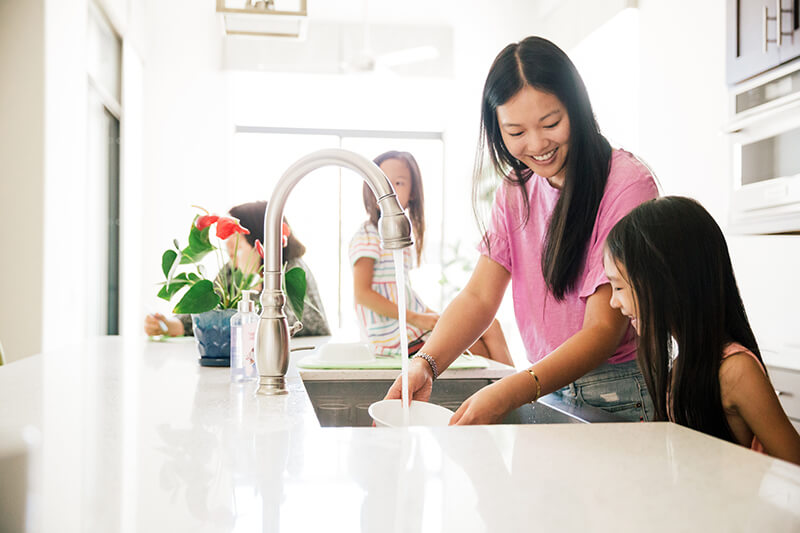
How to Choose the Right Water Purifier for Your Home
For families, purchasing a water purifier is personal, driven by health, convenience, and lifestyle. D2C customers prioritize water quality, ease of use, and aesthetic appeal. When searching for the best home water purifier Brazil 2025, families consider different criteria.
Key Considerations for D2C Clients:
- Water Quality and Safety: Ensuring water is safe and free from contaminants is the primary concern. Understanding local water quality helps in choosing the right purifier.
- Design and Aesthetics: A purifier should complement home decor. This is especially true for apartments, making water purifier for apartments Brazil a common search.
- Cost-Effectiveness and Value: D2C customers seek a balance between initial cost and long-term value, including installation and ongoing water filter replacement cost Brazil comparison.
- Ease of Use and Maintenance: User-friendly design, simple installation, and straightforward filter replacement are highly valued.
- Filter Replacement Frequency: Understanding filter change frequency and costs helps families budget and plan.

Your Home Water Purifier Checklist:
- Assess Your Water Source: Determine contaminants based on municipal, well, or other water sources.
- Consider Filtration Technology: Choose a method (RO, UF, Activated Carbon, UV) that addresses your specific water quality concerns.
- Evaluate Installation Requirements: Consider professional vs. DIY installation.
- Check Filter Lifespan and Cost: Understand long-term affordability based on filter lifespan and replacement cost.
- Read Reviews and Get Recommendations: Seek feedback from other Brazilian consumers.
- Compare Design and Size: Ensure the purifier fits aesthetically and physically in your space.
- Consider Smart Features: Features like filter change indicators or app connectivity enhance convenience.
This checklist helps you choose a purifier that meets your family's needs for safety, convenience, and value.

Which Global Brands Dominate the Brazilian Market?
When considering wholesale water purifier brands comparison Brazil, look beyond just the name. Global appliance leaders like Whirlpool (Consul), Electrolux, and IBBL (Culligan) heavily influence the market.
These brands offer wide distribution, stylish designs, and strong performance for both homes and businesses, providing significant enterprise water purification solutions Brazil and residential options.
They bring vast resources and brand trust, with decades of presence in Brazilian homes. Their extensive networks and high-performance, stylish products set a high bar for the industry.
Key Global Players
- Whirlpool (Consul): A household name in Brazil, known for reliability and dependability. A top choice for best home water purifier Brazil 2025.
- Electrolux do Brasil: Focuses on performance and sleek design, ideal for those seeking a stylish water purifier for apartments Brazil.
- IBBL / Culligan Latam: A powerhouse in residential and commercial sectors, offering robust solutions for various settings. A key Brazilian commercial water purifier supplier.
| Brand | Key Strength | Target Market | Price Range | Filter Lifespan | Suitable for B2B? |
|---|---|---|---|---|---|
| Whirlpool (Consul) | Wide Distribution & Brand Trust | Mass Residential | Mid | 6-12 months | No |
| Electrolux do Brasil | Stylish Design & High Performance | Mid-to-High End Residential | Mid-High | 6-12 months | Partial |
| IBBL / Culligan | Residential & Commercial Strength | Homes and Businesses (B2B/B2C) | Mid-High | 6-18 months | Yes |

Who Are Brazil's Strongest Local Champions in Water Purification?
Local champions often offer tailored solutions. Brazil's homegrown leaders include Purific, Lorenzetti, and Esmaltec.
These brands are deeply trusted by local consumers and are strong contenders in the best home water purifier Brazil 2025 category.
They deeply understand the Brazilian consumer, building solutions for local water conditions and preferences. Their long-standing trust comes from offering effective and affordable products, proving local ingenuity can compete globally.
Leading Brazilian Brands
- Purific: A giant in Latin America, with a loyal customer base and effective systems. A reliable Brazilian commercial water purifier supplier for large-scale needs.
- Lorenzetti SA: Master of value, offering reliable, no-frills performance at a great price. Popular for its affordability in water filter replacement cost Brazil comparison.
- Esmaltec SA: Provides affordable water purifier lines for budget-conscious households. A popular choice for a basic yet effective water purifier for apartments Brazil.
| Brand | Key Strength | Target Market | Price Range | Filter Lifespan | Suitable for B2B? |
|---|---|---|---|---|---|
| Purific | Large Homegrown Player | Mass Residential & Direct Sales | Mid | 6-12 months | Partial |
| Lorenzetti SA | High Value-for-Money | Budget-Conscious Residential | Low-Mid | 3-6 months | No |
| Esmaltec SA | Affordability | Entry-Level Residential | Low | 3-6 months | No |
What About Specialized and Legacy Manufacturers?
For specific business requirements or traditional methods, specialized and legacy manufacturers offer unique solutions. This includes robust enterprise water purification solutions Brazil and the timeless Filtro de barro vs modern purifier Brazil debate.
Brands like Everest Refrigeração (B2B focus), Hidro Filtros (filter expertise), and Cerâmica Stéfani (traditional ceramic filters) are key players, offering deep knowledge in their niches.
This category highlights the market's depth and history. Everest excels in the B2B space, understanding commercial needs. Cerâmica Stéfani, with its classic 'filtro de barro', is a cultural icon. Hidro Filtros focuses on filter technology. These companies are experts in their specific domains.
Niche and Heritage Experts
- Everest Refrigeração: A go-to for commercial water purifiers and coolers, built for high-traffic environments. A leading Brazilian commercial water purifier supplier.
- Hidro Filtros do Brasil: Expertise in filtration media and cartridges, a key supplier for replacement parts, influencing water filter replacement cost Brazil comparison.
- Cerâmica Stéfani SA: Famous for traditional ceramic filters, a staple in Brazilian homes. Central to the Filtro de barro vs modern purifier Brazil discussion.
| Brand | Key Strength | Target Market | Price Range | Filter Lifespan | Suitable for B2B? |
|---|---|---|---|---|---|
| Everest Refrigeração | B2B Focus & Durability | Commercial & Business | High | 12-24 months | Yes |
| Hidro Filtros | Filter & Cartridge Expertise | B2B & Component Supply | Varies | Varies | Yes |
| Cerâmica Stéfani | Ceramic Filter Pioneer | Traditional & Export Markets | Low | 6-12 months | No |
Why HisoAir is the Innovative Newcomer to Watch?
You're seeking the best home water purifier Brazil 2025 or advanced enterprise water purification solutions Brazil.

HisoAir is an innovative newcomer, a next-generation premium brand focused on advanced purification technology, backed by over 20 years of R&D experience, designed to meet modern consumer and business demands.
We entered the Brazilian market to fill a gap, addressing concerns about microplastics and chemicals, and offering aesthetically pleasing appliances. Our R&D team's two decades of experience in air and water quality solutions brings global expertise to Brazil, focusing on multi-stage filtration for exceptionally pure water.
The HisoAir Difference
We position ourselves as a premium brand focusing on:
- Advanced Technology: Our systems tackle modern contaminants, ensuring high water safety. A strong contender for best home water purifier Brazil 2025 and reliable for enterprise water purification solutions Brazil.
- Consumer-Centric Design: Elegant, contemporary designs ideal for any modern home or office, especially for a stylish water purifier for apartments Brazil.
- Uncompromising Quality: Built to last, providing peace of mind. Our quality ensures a favorable water filter replacement cost Brazil comparison due to durable components.
| Feature | HisoAir's Approach | Benefit to You | Price Range | Filter Lifespan | Suitable for B2B? |
|---|---|---|---|---|---|
| Technology | 20+ Years of R&D Experience | Access to the latest, most effective purification | High | 12-24 months | Yes |
| Focus | Modern Contaminants & Needs | Peace of mind about water safety | High | 12-24 months | Yes |
| Positioning | Next-Generation Premium | A high-quality, stylish, and reliable investment | High | 12-24 months | Yes |

Frequently Asked Questions (FAQ)
How often should water purifier filters be replaced in Brazil?
Filter replacement frequency varies by purifier type, water quality, and usage. Residential filters typically need replacement every 3-12 months; commercial systems, every 1-6 months. Always follow manufacturer guidelines for optimal performance and to manage water filter replacement cost Brazil comparison.
Which water purifier brands are suitable for offices in Brazil?
For offices, brands known for durability, high capacity, and strong after-sales support are best. Everest Refrigeração and IBBL/Culligan are prime examples. Consider daily water consumption and user count. These brands provide reliable enterprise water purification solutions Brazil.
What are the pros and cons of 'filtro de barro' (clay filter)?
The 'filtro de barro' is a traditional Brazilian method, effective for sediment and some microorganisms. It's central to the Filtro de barro vs modern purifier Brazil debate.
Pros: Effective, affordable, no electricity needed, natural cooling.
Cons: Slow filtration, limited contaminant removal (not effective against chemicals, heavy metals, viruses, microplastics), requires regular cleaning, fragile.
Despite limitations, 'filtro de barro' remains a practical option for many, especially for natural methods and cost-effectiveness.
Conclusion
Choosing a water purifier in Brazil involves balancing global technology, local trust, and new innovation. Whether for enterprise water purification solutions Brazil or the best home water purifier Brazil 2025, understanding manufacturers is key. The market offers solutions for every need, from established players to innovators like HisoAir. This guide equips you with the knowledge to find the right brand, ensuring safe, clean water.

 English
 Français
 Español
 Italiano
 Deutsch
 Português
 Русский
 العربية
 日本語
 한국어
 Tiếng Việt

