

Worried about Indonesia's air quality1? Finding a reliable air purifier manufacturer can feel overwhelming. We're here to help you breathe easier by identifying the best partners in the industry.
The top 5 air purifier manufacturers in Indonesia are HisoAir, Sharp Electronics Indonesia, Panasonic Gobel Indonesia, LG Electronics Indonesia, and Daikin Air Conditioning Indonesia. These companies lead the market with their advanced technology, strong distribution networks, and trusted brand reputations across the archipelago.

Navigating the crowded air purifier market is a real challenge. I've seen many clients struggle to tell the difference between high-quality solutions and ineffective gadgets. It's a journey that requires careful consideration of not just the product, but the company behind it. You need a partner who understands the unique air quality challenges in Indonesia and is committed to providing real, effective solutions. This guide is designed to cut through the noise. We will explore the market, break down the key players, and give you the insights you need to make an informed decision for your home or business. Let's dive in and find the right fit for you.
Indonesia has one of the lowest demands for air purifiers in Southeast Asia.False
Indonesia has one of the highest and fastest-growing demands for air purifiers in the region, driven by concerns over pollution from urbanization and haze.
The Indonesian government has launched initiatives to raise public awareness about the health impacts of air pollution.True
Government programs and public health campaigns have increased awareness, contributing to the rising demand for air purifiers.
What Does Indonesia’s Air Purifier Market Look Like?
Struggling to understand the Indonesian market? This complex landscape can be confusing. We will break it down so you can see the opportunities clearly and make smarter business decisions.
The Indonesian air purifier market is experiencing rapid growth. This is driven by increasing urbanization2 and a greater focus on health. The market features a mix of established international brands and innovative newcomers, all competing to offer the best air quality solutions to concerned consumers and businesses.
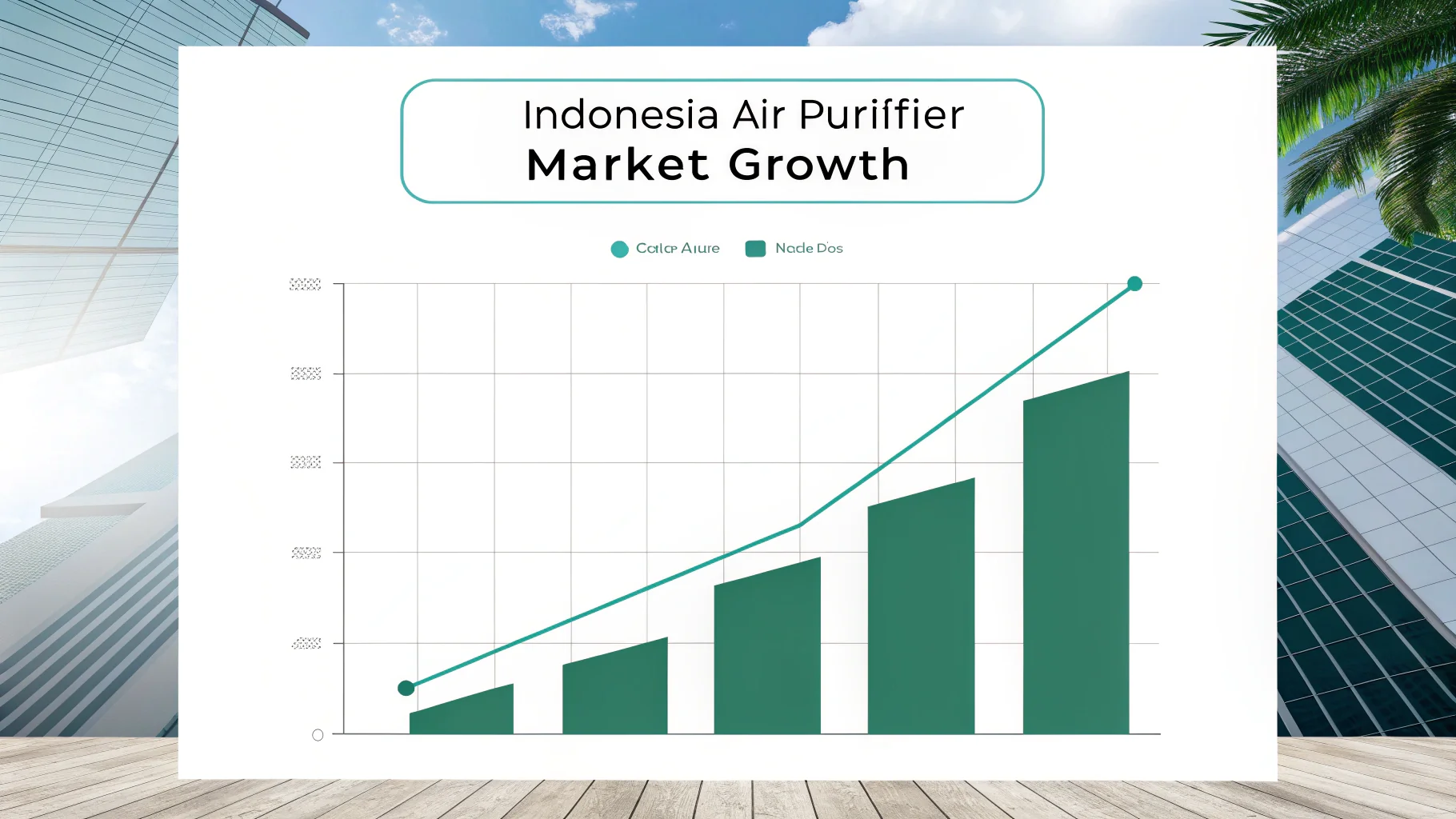
When I first started exploring the Indonesian market for HisoAir, I was struck by its sheer potential. It's not just a trend; it's a fundamental shift in how people think about their living and working environments. The market is expanding beyond the major cities like Jakarta. We are now seeing strong interest from second and third-tier cities where industrial growth and traffic are on the rise. This expansion presents a huge opportunity. The market can be broken down into two main areas: residential and commercial. Each has its own unique needs. Home users want quiet, stylish units. Businesses need powerful, durable systems for larger spaces like offices, schools, and hospitals. Understanding these segments is key to success.
Market Segmentation in Indonesia
| Market Segment | Key Characteristics | Primary Demand Drivers |
|---|---|---|
| Residential | Smaller units, aesthetic design, low noise levels. | Health of family, allergies, pet dander, cooking fumes. |
| Commercial | Large capacity, high durability, advanced filtration. | Employee well-being, customer safety, regulatory compliance. |
| Healthcare | Medical-grade filtration (HEPA), UV-C sterilization. | Infection control, patient safety, cleanroom standards. |
All air purifiers sold in Indonesia are imported from other countries.False
While many brands are international, some companies have established local assembly or manufacturing facilities in Indonesia to better serve the market.
The residential segment holds the largest share of the air purifier market in Indonesia.True
The majority of air purifiers are purchased for home use, driven by individual and family health concerns.
What's Fueling the Demand for Air Purifiers in Indonesia?
Wondering why air purifiers are suddenly so popular? Ignoring these trends means missing out. Understanding the key drivers is the first step to capturing this growing market demand.
The primary factors driving demand are worsening urban air pollution, heightened health awareness3 following the global pandemic, and rising disposable incomes. Seasonal haze from forest fires also significantly boosts sales, making air purifiers an essential household appliance for many.
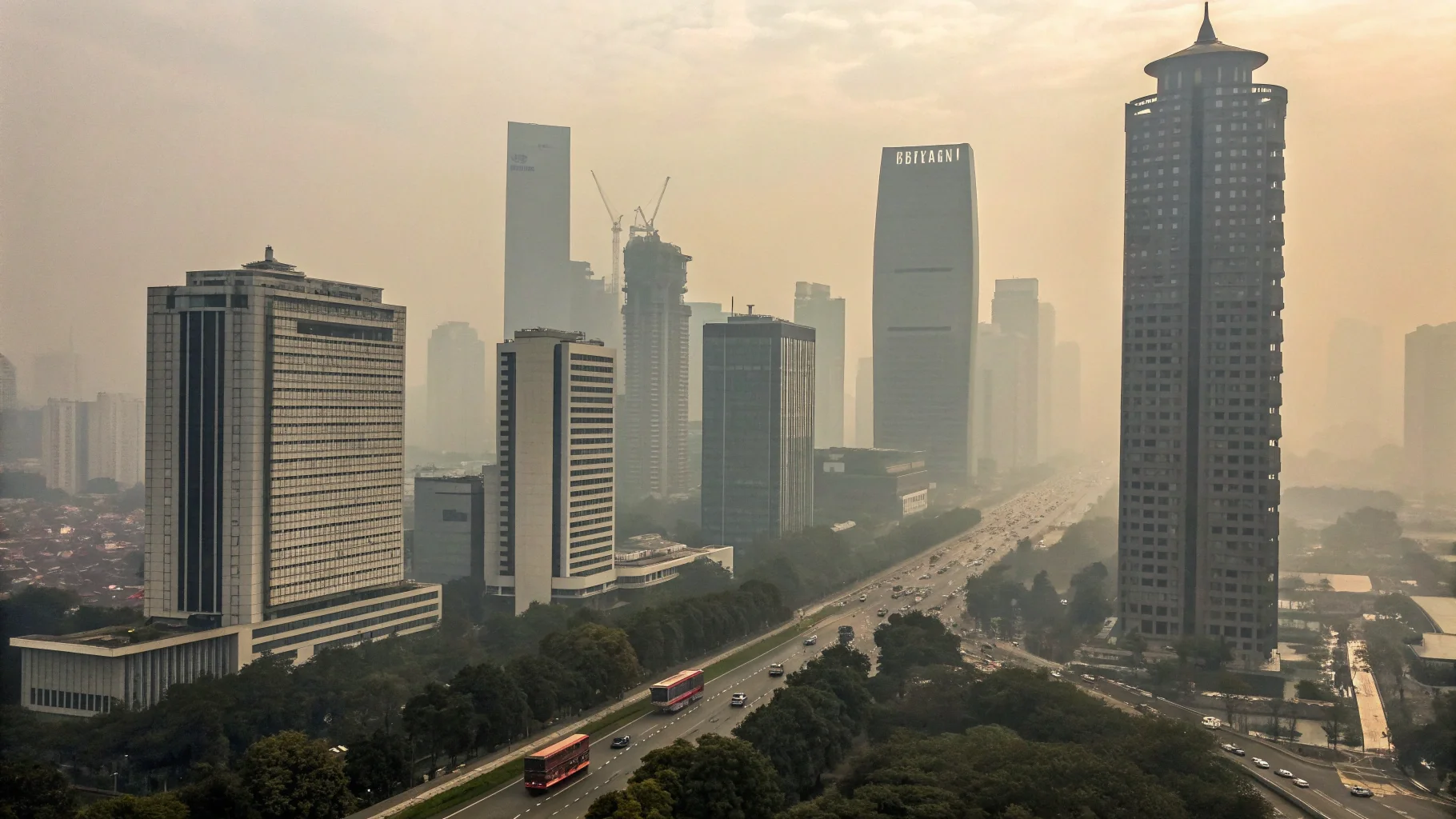
I remember a conversation with a client in Jakarta. He told me he used to think of air purifiers as a luxury. But after seeing the daily air quality index and worrying about his children's health, he now sees it as a necessity, just like a water filter. This story is becoming more and more common. The combination of vehicle emissions, industrial pollutants, and the notorious transboundary haze creates a challenging environment. People are no longer just accepting it; they are actively seeking solutions. This shift in mindset is the most powerful driver of all. It's not just about comfort anymore. It's about protecting one's health and the health of loved ones, a motivation that creates a strong and sustainable market.
Key Demand Drivers
| Driver | Description | Impact on Market |
|---|---|---|
| Urban Pollution | High levels of PM2.5 from traffic and industry in cities like Jakarta and Surabaya. | Creates a consistent, year-round demand for air purifiers in urban centers. |
| Health Awareness | Increased public knowledge about respiratory illnesses, allergies, and long-term effects of pollution. | Consumers are more willing to invest in health-related appliances. |
| seasonal haze4 | Annual forest fires in Sumatra and Kalimantan cause severe air quality degradation. | Causes sharp spikes in demand for high-performance purifiers. |
| Rising Income | A growing middle class has more disposable income to spend on quality-of-life products. | Makes air purifiers more accessible to a larger portion of the population. |
The primary source of air pollution in Indonesia is volcanic ash.False
While volcanoes are active, the main sources of persistent air pollution are vehicle emissions, industrial activities, and seasonal smoke haze from forest fires.
The COVID-19 pandemic increased consumer interest in air purifiers due to concerns about airborne virus transmission.True
The pandemic made people acutely aware of indoor air quality and the role of filtration in reducing the spread of airborne pathogens, boosting the market significantly.
Who Are the Leading Air Purifier Manufacturers in Indonesia?
Feeling lost in a sea of brands? Choosing the wrong one can lead to disappointment. We've identified the top 5 manufacturers to help you partner with a proven leader in the industry.
The top manufacturers dominating the Indonesian market are HisoAir, Sharp, Panasonic, LG, and Daikin. These brands are recognized for their innovative technologies, product reliability, and extensive service networks, making them the go-to choices for consumers and businesses alike.
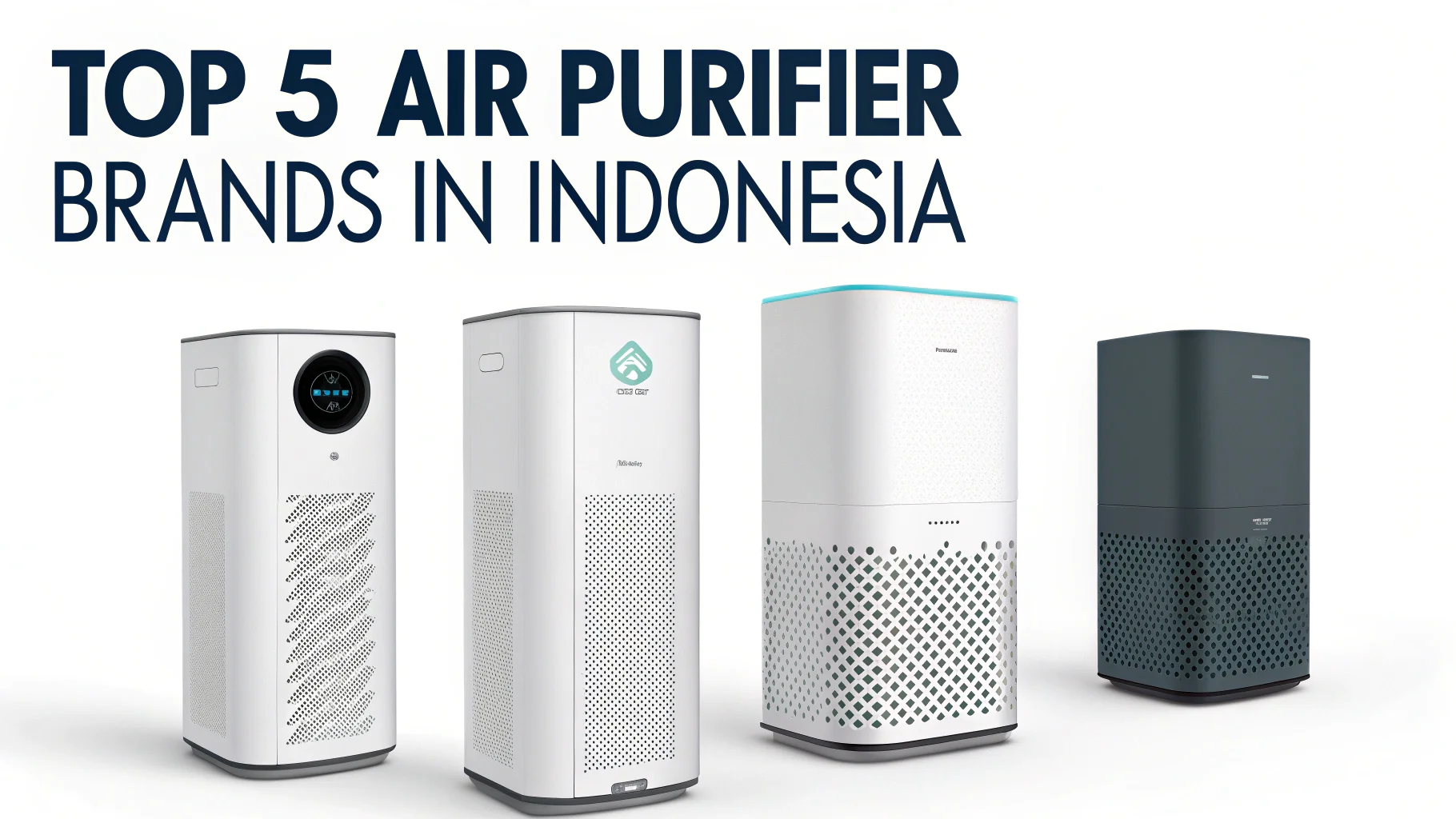
As the founder of HisoAir, I'm proud to see our name alongside these established giants. We entered the market with a clear mission: to offer innovative, tailored solutions. While brands like Sharp and Panasonic have a long history in Indonesian households with their consumer electronics, and Daikin is a master of HVAC systems, we focus purely on air and water quality. This specialization allows us to innovate faster. For example, our smart purifiers with localized air quality sensors provide real-time data that matters to Indonesian users. LG brings its design and smart home integration5 expertise. Each of us has a unique strength, which is great for the consumer. It means more choice and better technology for everyone.
Comparison of Top 5 Manufacturers
| Manufacturer | Key Technology / USP | Target Audience | Key Strength |
|---|---|---|---|
| HisoAir | Smart IoT Integration, Custom B2B Solutions | B2B Clients, Tech-savvy Consumers | Agility and Innovation |
| Sharp | Plasmacluster Ion Technology | Mass Market, Families | Strong Brand Recognition |
| Panasonic | Nanoe™ Technology | Mid-to-High End Consumers | Reliability and Durability |
| LG | PuriCare™ 360° Design, SmartThinQ® | Design-conscious Consumers | Smart Home Ecosystem |
| Daikin | Streamer Technology, HVAC Integration | Commercial, High-End Residential | HVAC Expertise |
Daikin exclusively manufactures commercial air conditioning systems and not standalone air purifiers.False
Daikin is a leader in HVAC but also manufactures a popular line of standalone air purifiers featuring their advanced Streamer technology.
Sharp's Plasmacluster technology is designed to actively neutralize airborne pollutants like viruses and mold.True
Plasmacluster technology releases positive and negative ions into the air to break down pollutants, a feature that has made their purifiers very popular.
What New Technologies Are Shaping the Air Purifier Industry?
Is your technology keeping up? Outdated products get left behind quickly. Stay ahead of the curve by learning about the latest innovations that are defining the next generation of air purifiers.
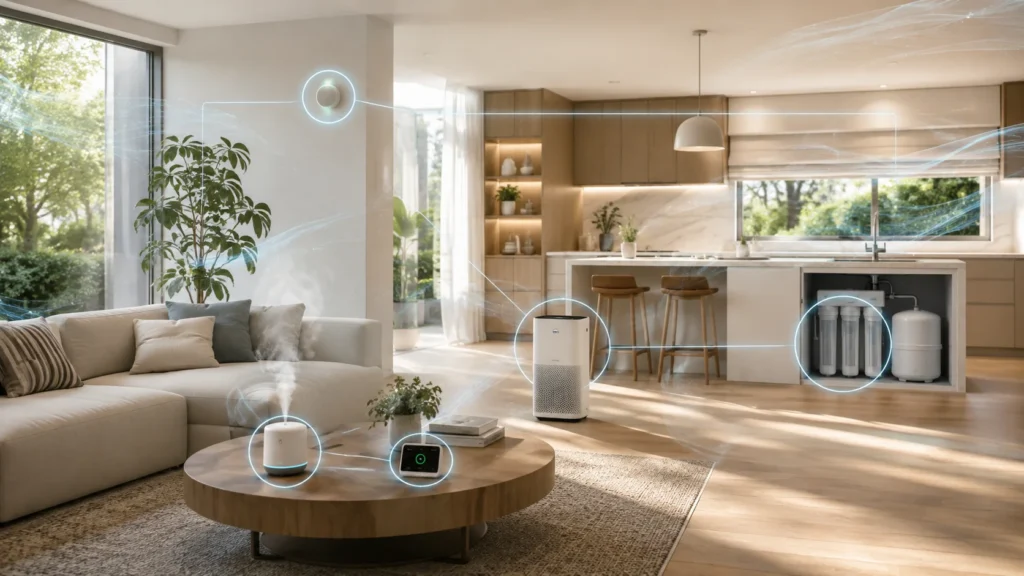
The industry is rapidly advancing with smart/IoT connectivity, multi-stage filtration6 systems combining HEPA and activated carbon, and UV-C light for sterilization. Energy efficiency and sustainable design are also becoming key technological trends for leading manufacturers.
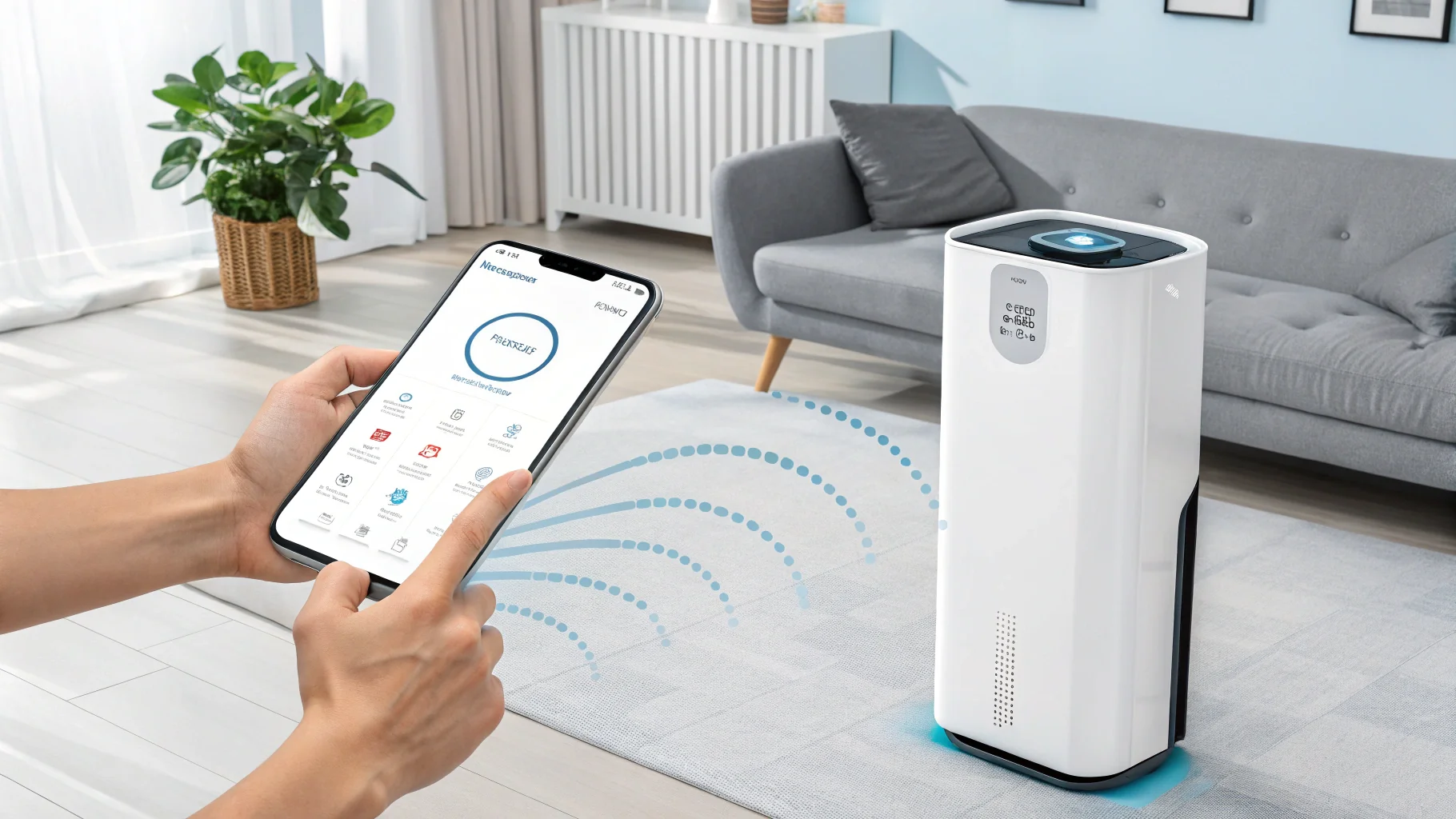
At HisoAir, our slogan is "Innovative Air Quality Solutions," and we live by it. The days of a simple fan-and-filter box are over. Today, it's all about creating a smarter, more responsive system. I believe the biggest game-changer is IoT connectivity. It allows a device to do more than just clean the air in a room; it can react to real-time pollution data from local monitoring stations, adjust its fan speed automatically, and notify you when a filter needs changing. Another area we are heavily invested in is filtration efficiency. We are moving beyond standard HEPA to include specialized layers for specific pollutants found in Indonesia, like VOCs from new furniture or specific industrial emissions. This targeted approach is the future.
Key Technology Trends
| Technology | Function | Benefit to User |
|---|---|---|
| IoT/Smart Control | Connects to Wi-Fi for app control and automation. | Convenience, remote monitoring, energy savings, real-time data. |
| Multi-Layer Filtration | Combines pre-filter, HEPA, and activated carbon. | Captures a wider range of pollutants, from dust to gases and odors. |
| UV-C Sterilization | Uses ultraviolet light to kill bacteria and viruses. | Enhanced protection against airborne pathogens. |
| Energy Efficiency | Uses brushless DC motors and smart sensors. | Lower electricity bills and reduced environmental impact. |
HEPA filters can remove 100% of all particles from the air.False
True HEPA filters are rated to remove 99.97% of airborne particles down to 0.3 microns in size, but not 100% of all particles.
Activated carbon filters are effective at removing odors, gases, and volatile organic compounds (VOCs) from the air.True
The porous structure of activated carbon adsorbs gas and odor molecules, making it a critical component for comprehensive air purification.
How Can You Choose the Right Air Purifier Manufacturer for Your Business?
Choosing a manufacturing partner is a critical decision. A poor choice can damage your brand and finances. We will guide you through the key factors to ensure you find a reliable partner.
For B2B clients, focus on a manufacturer's OEM/ODM capabilities7, supply chain reliability, and quality certifications (like ISO 9001). For direct consumers, prioritize after-sales service, filter availability and cost, and product warranty to ensure long-term satisfaction.
I've been on both sides of this table, as a buyer and now as a manufacturer with HisoAir. The most important lesson I've learned is that partnership goes beyond the product specs. For my B2B clients, the conversation starts with their brand. What do they want to offer their customers? We then work backward to design and manufacture a product that fits their vision, a process known as ODM. We discuss supply chain transparency, production capacity, and how we can support their marketing. For individual customers, the relationship starts after the sale. How easy is it to get a replacement filter? Is customer service responsive? A good manufacturer stands behind their product for its entire lifecycle. That's the true test of quality.
Manufacturer Selection Checklist
| Criteria | Why It's Important | What to Look For |
|---|---|---|
| Certifications | Ensures quality, safety, and international standards. | ISO 90018 (Quality Management), CE, RoHS. |
| Technology & R&D | Indicates a forward-thinking, competitive partner. | A clear technology roadmap, patents, investment in research. |
| Supply Chain | Guarantees consistent production and delivery. | Transparent sourcing, local warehousing, stable logistics. |
| After-Sales Support | Crucial for customer satisfaction and brand reputation. | Strong warranty policy, accessible service centers, filter availability. |
The CE mark is a mandatory certification for air purifiers sold in Indonesia.False
The CE mark is a certification for products sold within the European Economic Area. Indonesia has its own standard, the SNI (Standar Nasional Indonesia), for many products.
ISO 9001 is a certification that relates to a company's quality management systems.True
ISO 9001 certification indicates that a manufacturer has established and follows effective processes to ensure consistent quality in their products and services.
What's the Future of the Air Purifier Industry in Indonesia?
The market is changing fast. If you stand still, you'll be left behind. Let's look at the future trends so you can position your business for long-term success and growth.
The future of the Indonesian air purifier industry points towards stronger growth, driven by smart home integration and a rising demand for sustainable products. We expect to see more specialized purifiers and a greater focus on data-driven air quality management.

Looking ahead, I see the air purifier becoming a central part of the smart home ecosystem in Indonesia. It won't just be a standalone box. It will be a device that communicates with your air conditioner, windows, and home assistant to create a perfectly managed indoor environment. At HisoAir, we are already working on this integration. Another major trend will be sustainability9. Consumers are becoming more environmentally conscious. They will demand products made from recycled materials, with energy-efficient motors and biodegradable filters. The market will also become more segmented, with products designed specifically for babies' rooms, for people with severe allergies, or for removing specific industrial pollutants. The future is smart, sustainable, and specialized.
Future Industry Outlook
| Trend | Description | Potential Impact |
|---|---|---|
| Smart Home Integration | Purifiers will sync with other smart devices and platforms. | Creates a seamless, automated user experience and increases product stickiness. |
| Sustainability | Focus on eco-friendly materials and energy efficiency. | Brands that prioritize sustainability will gain a competitive edge. |
| Data-Driven Health | Devices will provide detailed air quality reports and health recommendations. | Shifts the product from an appliance to a personal health device. |
| Market Expansion | Growth in Tier 2 and Tier 3 cities. | Opens up new geographic markets for distribution and sales. |
The demand for air purifiers in Indonesia is expected to decline as air quality improves due to government action.False
Despite government efforts, factors like population growth and industrialization mean that air quality challenges will likely persist, and market forecasts predict continued strong growth for air purifiers.
The integration of air purifiers with building management systems (BMS) in commercial properties is a growing trend.True
Smart buildings are increasingly incorporating air quality sensors and purifiers into their central BMS to optimize air quality, enhance occupant well-being, and improve energy efficiency.
Conclusion
The Indonesian air purifier market is dynamic and full of potential. Choosing the right manufacturer is crucial for success. Focus on innovation, quality, and a partner who understands your needs.
References
-
Explore comprehensive resources on air quality to understand its impact on health and the demand for air purifiers. ↩
-
Learn about the relationship between urbanization and air quality to grasp the growing need for air purifiers. ↩
-
Discover how health awareness is driving the demand for air purifiers and influencing consumer choices. ↩
-
Understanding seasonal haze can highlight the importance of air purifiers during specific times of the year. ↩
-
Investigate how smart home technology is revolutionizing air purifiers and enhancing user experience. ↩
-
Explore the advantages of multi-stage filtration systems for effective air purification. ↩
-
Explore the importance of OEM/ODM capabilities in choosing a reliable air purifier manufacturer. ↩
-
Learn how ISO 9001 certification ensures quality and reliability in air purifier manufacturing. ↩
-
Learn about the growing focus on sustainability in air purifiers and its impact on consumer choices. ↩


 English
  Français
  Español
  Italiano
  Deutsch
  Português
  Русский
  العربية
  日本語
日本語  한국어
한국어  Tiếng Việt

