
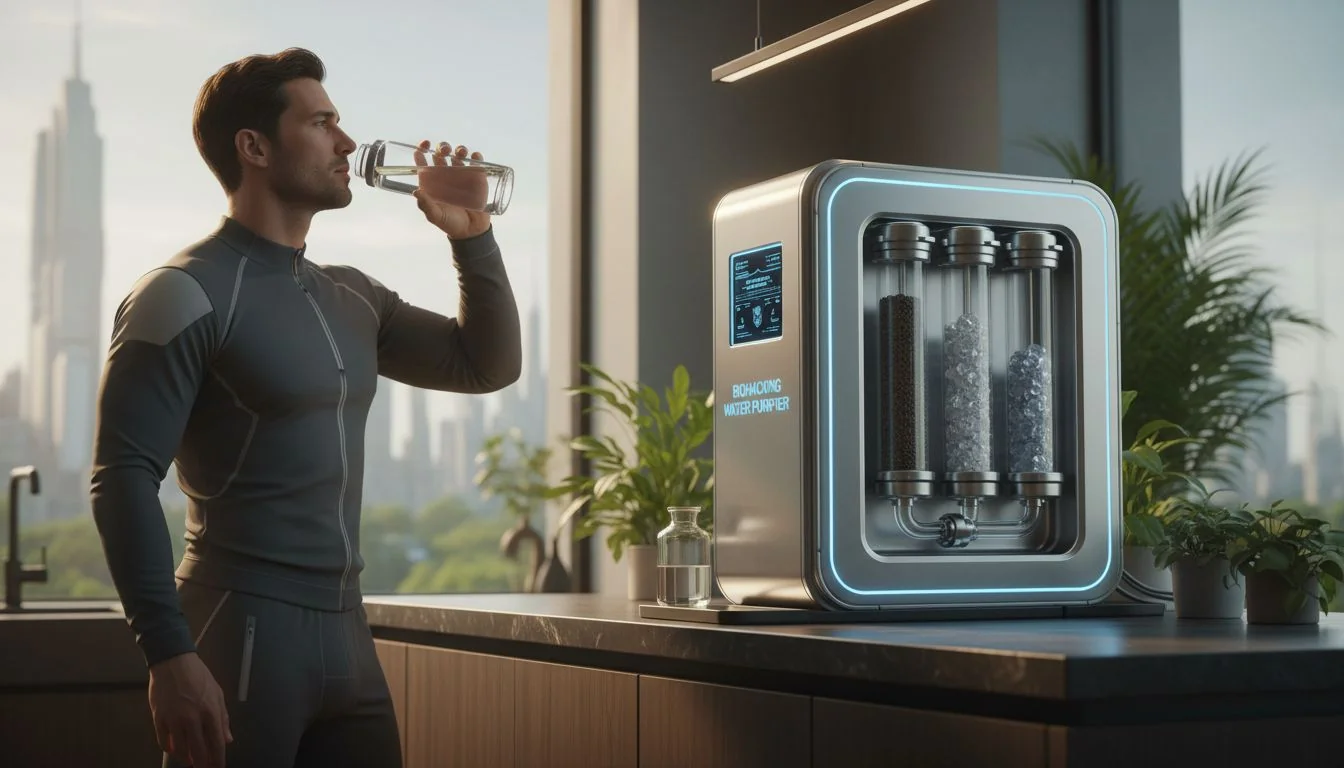
You spend hours optimizing your sleep, diet, and supplements. Yet, you might be ruining your biological hardware with the wrong water. Why let basic hydration undo your hard work?
Biohacking requires water purification that goes far beyond simple taste. To truly optimize longevity, you need a Reverse Osmosis (RO) system1 that eliminates microplastics and chlorine while re-mineralizing the water. This protects gut health and prevents hormonal disruption caused by estrogenic plastics found in standard filters.
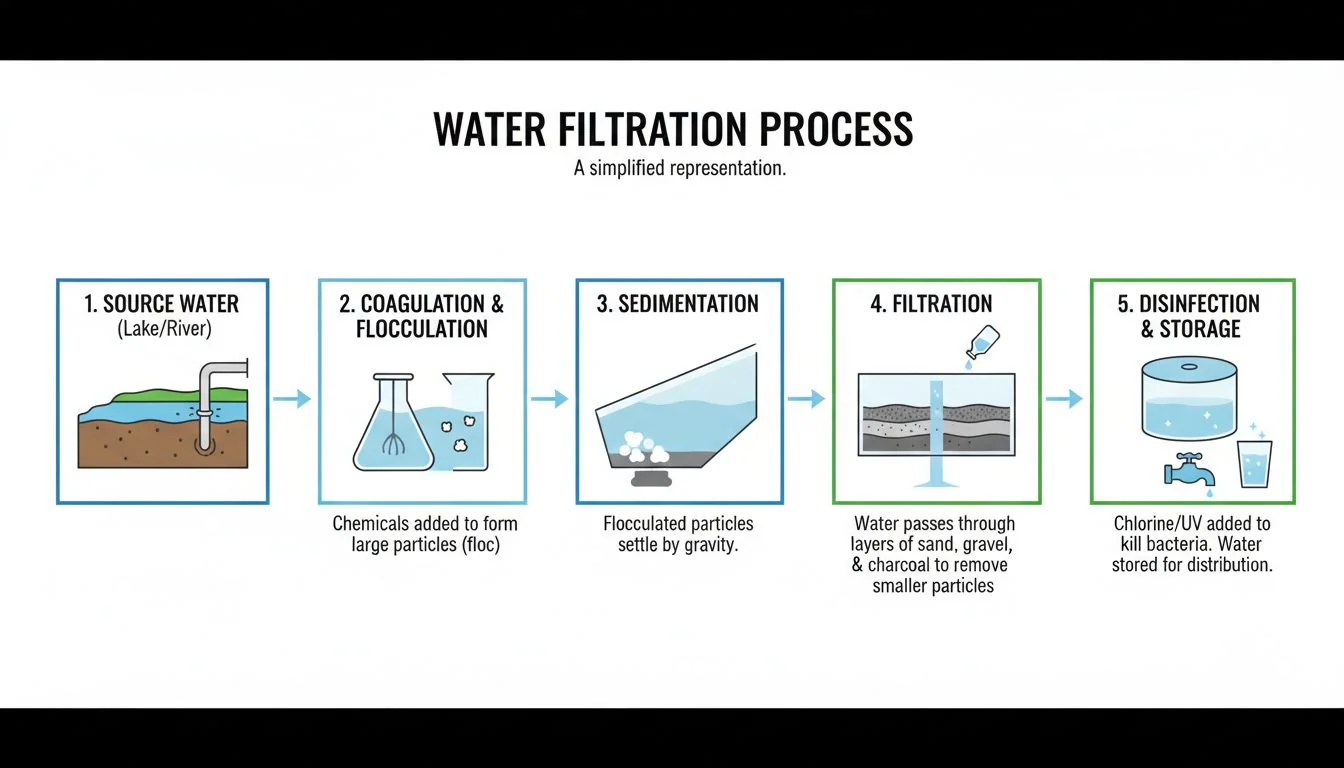
I have spent years in the manufacturing industry. I know how materials interact with the environment. Most people think water is just water. They trust the tap or a cheap plastic pitcher. This is a mistake. As a mold expert, I see the flaws in standard filtration hardware. We need to look at water through the lens of engineering and biology.
Tap water is sufficient for optimal biological performance.False
Tap water often contains chlorine and microplastics that disrupt gut health and hormones.
Reverse Osmosis removes the majority of dissolved solids.True
RO technology is the baseline for removing up to 99% of contaminants.
Why is water the foundation of your longevity stack?
Supplements and diets fail if your hydration source is toxic. You are building a house on sand. You must fix the foundation first.
The biohacking2 community talks about "stacks." This usually means a group of supplements. But water is the delivery system for everything. It transports nutrients. It removes waste. If your water carries toxins, your cellular efficiency drops. Clean water is the base layer for all other interventions.
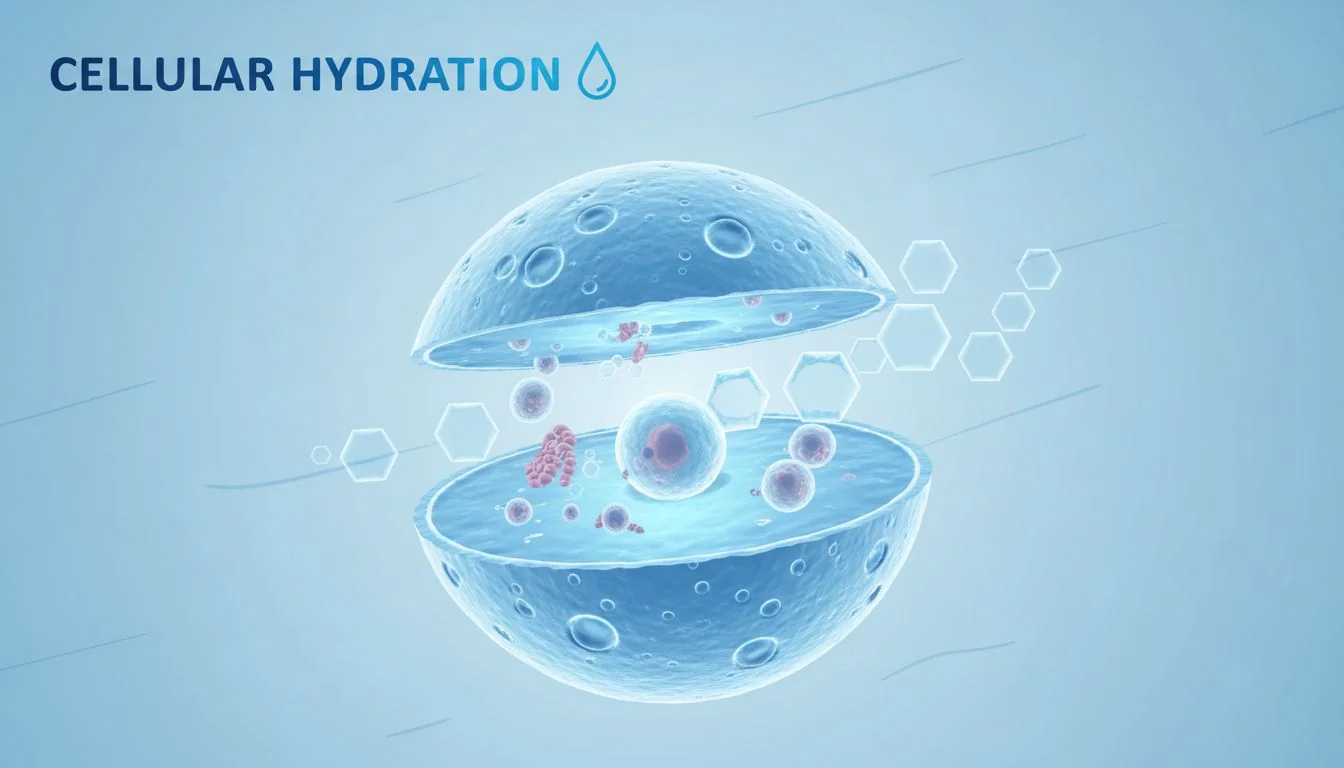
We need to think about "Systemic Impact." Standard marketing focuses on taste. Biohacking marketing focuses on performance. We want to optimize mitochondrial function. We want to reduce systemic inflammation3. Contaminants in water trigger immune responses. This creates low-level inflammation. This inflammation slows down recovery and ages you faster.
I look at the human body like a complex machine. If you put dirty fuel in a high-performance engine, it breaks. The same applies here. You are the engineer of your own body. You need to treat your water intake as a critical variable in your N=1 experiment. You cannot control your biology if you cannot control your water input.
The Biological Impact Table
| Factor | Standard Water | Biohacked Water |
|---|---|---|
| Inflammation | High (Toxins present) | Zero (Pure input) |
| Mitochondria | Stressed | Optimized |
| Detoxification | Blocked | Efficient |
Chlorine in water supports a healthy gut microbiome.False
Chlorine is an antimicrobial agent that kills both bad and good bacteria in the gut.
Systemic inflammation accelerates aging.True
Chronic inflammation damages tissues and DNA, shortening healthspan.
Is Reverse Osmosis the only way to achieve absolute purity?
Carbon filters are weak and leave behind the worst contaminants. You need heavy-duty filtration to protect your internal ecosystem.
RO is the baseline because it removes 99% of dissolved solids. This includes heavy metals and pharmaceutical residues that standard filters miss. For a biohacker, anything less than RO is compromising the experiment and exposing the gut to harmful agents.
We need to talk about the "Gut Health" connection. Municipal water contains chlorine. Chlorine is there to kill bacteria. It does a good job. But it does not distinguish between bad bacteria in the pipes and good bacteria in your gut. When you drink tap water, you are nuking your gut flora.
Biohackers protect their Gut Microbiome4 at all costs. It is the second brain. I have seen designs for many filters. Simple carbon filters are like a chain-link fence. They stop leaves, but they let dust through. Viruses, heavy metals, and dissolved drugs pass right through carbon.
Reverse Osmosis is different. It is like a solid wall. It forces water through a membrane with microscopic pores. Only water molecules fit. This creates a blank slate. It removes the chlorine. It protects your internal ecosystem. As a manufacturing guy, I respect the precision of RO. It is the only way to guarantee "Absolute Purity."
Filtration Comparison
| Contaminant | Carbon Filter | Reverse Osmosis |
|---|---|---|
| Chlorine | Reduces | Removes |
| Viruses | Misses | Removes |
| microplastics5 | Misses | Removes |
Carbon filters remove all viruses.False
Carbon filters are not fine enough to catch viruses; RO is required.
RO protects the microbiome from chlorine.True
By removing chlorine, RO water prevents the destruction of beneficial gut bacteria.
Can plastic water filters disrupt your hormonal balance?
You avoid soy but drink from plastic. This destroys your testosterone levels silently. You must eliminate this variable.
Plastic leaches xenoestrogens6 into water. These chemicals mimic estrogen and lower testosterone. To maintain hormonal safety, you must switch to stainless steel water systems like Hisoair to eliminate this risk.
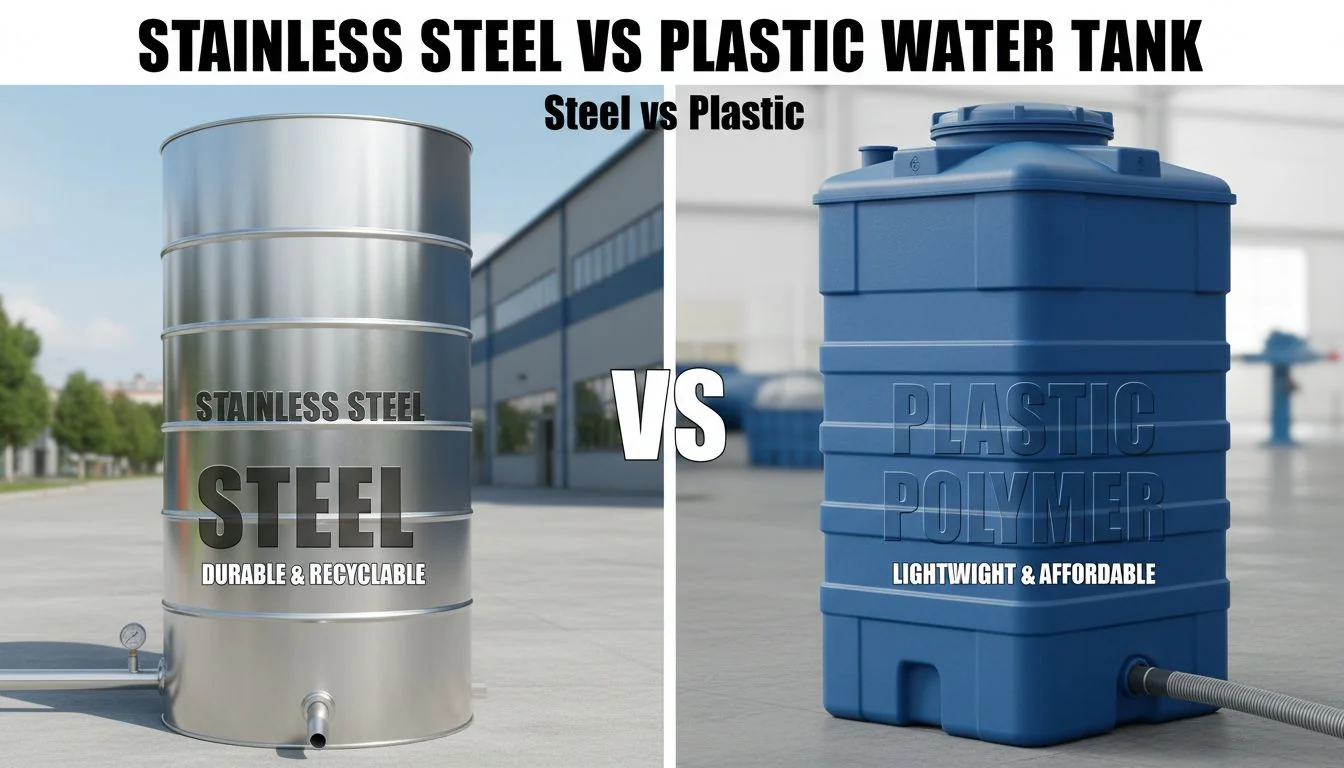
This is the most critical insight for men in the biohacking space. We are terrified of "Estrogenics." These are chemicals that lower testosterone. I work with molds. I know plastic. Plastic degrades over time. Heat accelerates this. Light accelerates this. Even time accelerates this.
When plastic degrades, it sheds microplastics. It releases chemicals like BPA and phthalates. These are endocrine disruptors7. They trick your body into thinking they are estrogen. This is a disaster for your hormonal profile.
Most water purifiers are made of cheap plastic. You filter the water, but then it sits in a plastic tank. It gets re-contaminated. This defeats the purpose.
The solution is material science. Stainless steel is hormonally neutral. It is inert. It does not leach. Hisoair uses steel units. This is not just for looks. It is a functional requirement for hormonal safety. By framing Plastic as Estrogenic and Stainless Steel as Hormonally Neutral, the choice becomes clear. You need to upgrade to steel to protect your biology.
Material Safety Breakdown
| Material | Hormonal Impact | Durability |
|---|---|---|
| Plastic | High (Estrogenic) | Low (Degrades) |
| Stainless Steel | Neutral (Safe) | High (Permanent) |
Stainless steel leaches chemicals into water.False
Stainless steel is an inert material that does not leach chemicals.
Plastics can act as endocrine disruptors.True
Many plastics release chemicals that mimic estrogen in the human body.
Does Reverse Osmosis create dead water that harms you?
Pure water is aggressive and strips minerals from your body. You need to fix this to maintain cellular health.
RO water is acidic and lacks minerals. This is "dead water." You must re-mineralize it with magnesium and calcium to restore its biological profile and ensure proper cellular hydration.
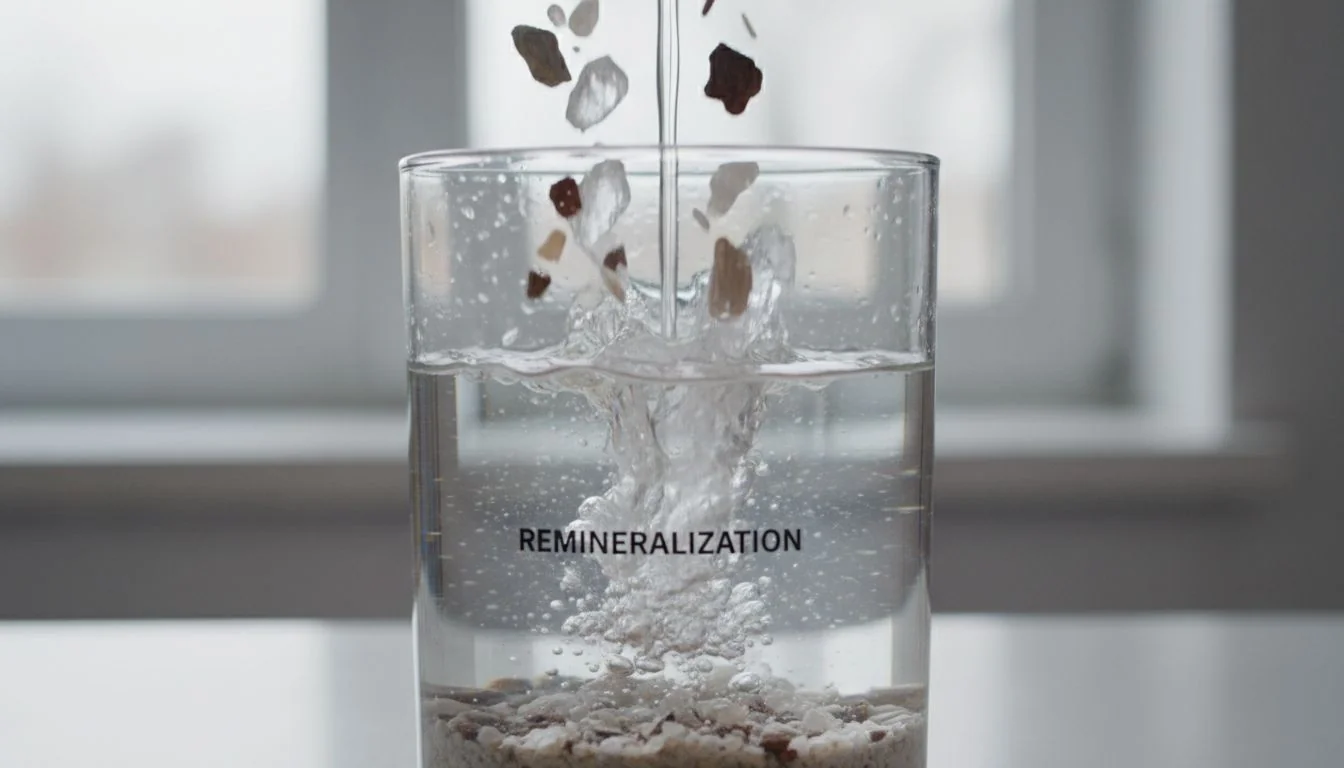
There is a trap in using RO. It works too well. It removes the bad stuff, but it also removes the good stuff. It removes minerals. This creates "Dead Water."
Dead water is hungry. It wants to bond with minerals. If you drink it, it can leach minerals from your bones and tissues. This is the opposite of what we want. We want "Structured" or "Live" water.
The solution is re-mineralization8. Good systems add minerals back in after filtration. Think of this as a daily supplement hack. You are adding Magnesium and Calcium automatically. Magnesium is crucial for hundreds of bodily functions. Most people are deficient.
By re-mineralizing, you restore the water's biological profile. You turn it from an industrial solvent back into a life-giving fluid. This is the bridge between pure engineering and human biology. You get the purity of RO without the side effects.
Mineral Benefits
| Mineral | Function | Source |
|---|---|---|
| Magnesium | Muscle/Nerve function | Remineralization Stage |
| Calcium | Bone health | Remineralization Stage |
| Potassium | Electrolyte balance | Remineralization Stage |
RO water is naturally mineral-rich.False
RO removes minerals, making the water pure but empty.
Magnesium aids in cellular hydration.True
Magnesium is an essential electrolyte that helps cells absorb water.
How does temperature control improve your daily protocol efficiency?
Boiling water takes time and waiting breaks your flow state. You need instant precision to stay efficient.
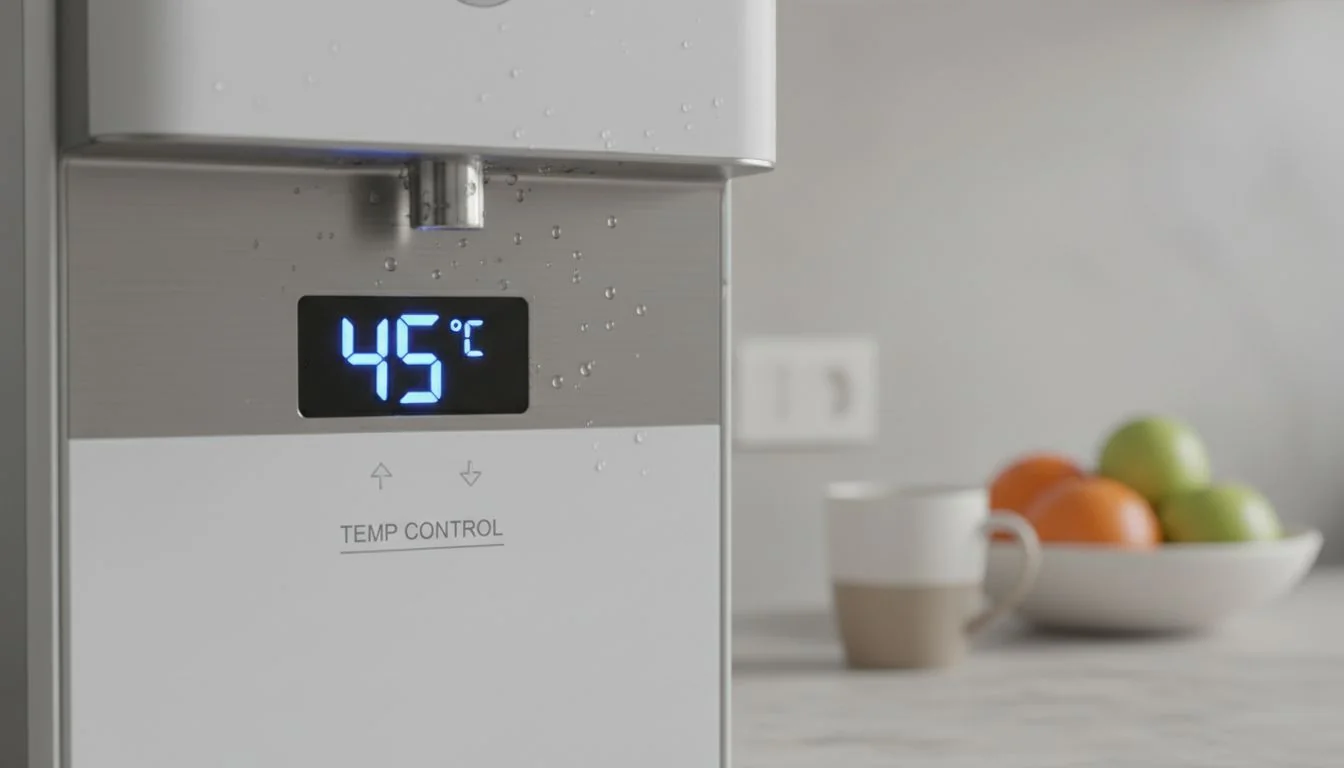
Precise temperature control9 allows for instant tea, coffee, or electrolyte mixing. This removes friction from your routine, allowing you to maintain your biohacking protocols without wasting time on preparation.
Biohackers view themselves as "citizen scientists." You are running an experiment on yourself. You need reliable tools. Hisoair is not just a factory. Think of it as your "Engineering Lab." It provides the tools you need.
One of those tools is temperature control. This sounds simple. But it changes your workflow. You have morning protocols. Maybe it is warm lemon water. Maybe it is black coffee. Maybe it is green tea at exactly 80 degrees to preserve the catechins.
Standard kettles are slow. They are inaccurate. A system with precise temperature control removes friction. You press a button. You get the exact output you need. This increases "Protocol Efficiency."
When you remove friction, you stick to your habits. If it is hard to make your supplements, you skip them. If it is easy, you win. This hardware supports your lifestyle. It allows you to execute your N=1 experiments with consistency.
Protocol Efficiency Matrix
| Drink | Required Temp | Benefit |
|---|---|---|
| Green Tea | 80°C | Preserves Antioxidants |
| Coffee | 90-96°C | Optimal Extraction |
| Morning Water | Room Temp | Gut Awakening |
Temperature affects nutrient extraction in tea.True
Water that is too hot can destroy delicate compounds like catechins in green tea.
Waiting for water to boil adds value to your day.False
Waiting creates friction and reduces the likelihood of sticking to a routine.
Conclusion
You must engineer your environment to support your biology. Stop drinking from plastic. Stop nuking your gut with chlorine. Use a steel RO system to create the ultimate biological hardware.
References
-
Understanding RO systems is crucial for optimizing water purity and health benefits. ↩
-
Biohacking offers innovative ways to enhance health; explore its principles and practices. ↩
-
Understanding systemic inflammation can help you manage health and longevity. ↩
-
The Gut Microbiome plays a vital role in overall health; discover how to support it. ↩
-
Microplastics pose serious health risks; learn how to protect yourself from their effects. ↩
-
Learn about xenoestrogens to protect your hormonal health and well-being. ↩
-
Understanding endocrine disruptors is essential for maintaining hormonal balance. ↩
-
Re-mineralization is key for maintaining healthy hydration; find out how it works. ↩
-
Temperature control can enhance your hydration routine; discover its benefits. ↩



 English
 Français
 Español
 Italiano
 Deutsch
 Português
 Русский
 العربية
 日本語
 한국어
 Tiếng Việt

