

Ever wondered how your daily surroundings affect your health and happiness? Air quality issues are on the rise. Finding good answers is very important today.
Chinese air purifier manufacturers lead with excellent products at affordable prices. They use advanced technology. Their strong supply chains create a dependable option for businesses. Businesses trust their reliable air purifiers.
When I first thought about entering the air purification market, the innovation from China really astonished me. They don't just follow trends; they start them. Their advanced filtration systems and modern IoT features lead the way. Working with them goes beyond sourcing goods; it connects you with a culture of creativity and success. Expanding your product line or entering a new market becomes easier with their vast knowledge. They offer big advantages. Also, their adaptability lets you focus on either home or business markets, based on your strengths.
Chinese air purifier manufacturers lead the global market.True
They are known for their advanced technology and competitive pricing.
Chinese air purifiers lack advanced technology innovations.False
Chinese manufacturers are recognized for their technological advancements.
Why Are Chinese Air Purifier Manufacturers Dominating the Market?
Do you ever ask why Chinese air purifiers are so common now?
Chinese companies that build air purifiers do well through new technologies, strong supply systems and low costs. They work with big global brands. They offer smart solutions like HEPA filters and IoT features.

Advanced Technology and Innovation
I remember when I first felt the power of new air cleaning technology. It was a quiet afternoon. My new air purifier softly hummed in the room. The device included special technology that lowered noise, helping me work calmly. My experience showed how Chinese companies are improving air cleaners.
They use top-quality filters, like HEPA 14, which trap dust really well. Many global brands wanting good products choose these. This tech doesn't just clean air; it creates a nicer place to live.
Strong Global Partnerships
I have seen how working together brings success. Many top names like Levoit and BlueAir trust Chinese makers to update their products with modern tech. It's like a beautiful music piece where every player contributes.
For instance, these partnerships often involve the use of HisoAir's Storm Motor1 technology, known for its efficiency in air circulation.
| Brand | Chinese Partner Technology |
|---|---|
| Levoit | Storm Motor |
| BlueAir | Decibel Cancellation |
| Philips | HEPA 14 Filtration |
Cost-Effectiveness and Supply Chain
Once a friend told me how amazed he was by his cheap yet good air purifier. This price and quality come from a strong supply chain in China. They offer great products at low costs.
The mix of price and quality is why many brands buy from China. Their cost-effective models2 make clean air available everywhere.
Adaptability for Various Markets
I admire how flexible Chinese manufacturers are. They make models for homes and companies, giving options that suit each need.
Whether your strength is selling to customers or connecting with hotels or schools, there is a fitting model.
Future-Proofing with IoT Technology
I enjoy seeing how tech makes life easier. Using IoT, Chinese purifiers connect to your phone or voice assistant. This feature simplifies user control and keeps them ahead.
In the end, while there is more to learn, these points show why Chinese manufacturers lead the air purifier market. Their mix of new ideas, good quality, and low cost sets a high standard.
Chinese air purifiers use decibel cancellation technology.True
Chinese manufacturers incorporate decibel cancellation to reduce noise.
Levoit does not collaborate with Chinese manufacturers.False
Levoit partners with Chinese firms for technological enhancements.
How Can Advanced Technologies Enhance Your Product Line?
Have you ever thought about how a little bit of modern technology could transform your products? Let’s explore the possibilities together.
Advanced technologies improve product lines by increasing efficiency, reducing costs and raising quality. Innovations like IoT, AI and advanced materials create smarter and more adaptable products. These products satisfy the changing needs of today's consumers. Products are now smarter. Products are now more adaptable.
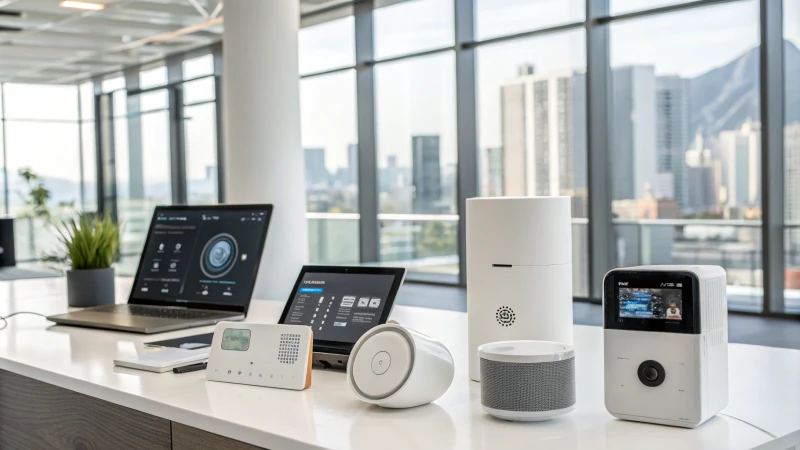
Embracing the Internet of Things (IoT)
Imagine this: I sit in my living room. The air purifier adjusts itself. No need to use my hands. That's the magic of the Internet of Things3. IoT sensors in products provide real-time data, leading to better performance and a better user experience.
Think about air purifiers. IoT helps them do more than just clean air. They also monitor air quality and change settings on their own, ensuring users like you and me don't have to do anything for optimal efficiency. Better performance means a smooth experience.
Harnessing Artificial Intelligence (AI)
Artificial Intelligence sounds like a sci-fi movie idea, but it is becoming part of daily life. AI algorithms in products predict your needs before you know them, offering personalization and optimization of functionality.
For example, AI in air purifiers learns how you live and suggests settings to be more effective and save energy. It's like having your own helper to keep your space perfect.
| Technology | Benefit |
|---|---|
| IoT | Real-time data and automation |
| AI | Personalization and optimization |
Exploring Advanced Materials
I am curious about advanced materials. Materials like graphene or carbon fiber don't just sound cool; they make products stronger and more efficient.
Picture air purifiers built with these materials—they are strong yet lightweight, easy to move while still performing well. This changes both portability and durability.
The Role of Smart Manufacturing
In product development, smart manufacturing changes how things are made. Automation and robotics bring consistency and lower costs—this is very important now.
Smart manufacturing helps companies like mine stay ahead by controlling every production detail so that quality remains high throughout the process.
The integration of smart manufacturing4 technologies allows for precise control over the production environment, ensuring product quality is maintained throughout the manufacturing process.
Conclusion
Adding advanced technology to products keeps you ahead by enhancing functionality to meet modern expectations. These innovations meet and exceed market demands—why not step forward? The future holds smarter and more effective solutions.
IoT in air purifiers enhances user experience.True
IoT sensors provide real-time data, improving performance and efficiency.
AI does not optimize air purifier settings.False
AI algorithms learn usage patterns to recommend optimal settings.
Is a Partnership with Chinese Manufacturers Right for Your Business?
I remember the first time I thought about working with Chinese manufacturers. Excitement and confusion filled my mind. This choice probably holds the key your business really needs for a new direction.
Working with Chinese manufacturers often provides affordable solutions and access to advanced technologies. Businesses find an entry into international markets this way. However, businesses really need to evaluate compatibility and communication methods. Quality control plays a crucial role in this process. Success depends on these factors.

Understanding the Advantages
When I started learning about Chinese factories, I was surprised by their speed and new ideas. Imagine using the latest technologies while cutting production costs a lot! This is very true for industries such as air cleaning. Chinese companies lead with advanced things like IoT and quiet technology.
| Advantages | Description |
|---|---|
| Cost Efficiency | Lower labor costs and economies of scale reduce overall expenses. |
| Advanced Technology | Access to state-of-the-art advancements like IoT and filtration tech. |
| Flexible Collaboration | Opportunities to co-develop or distribute products effectively. |
Potential Challenges to Consider
But there are challenges, too. Some colleagues had trouble keeping product quality high and dealing with cultural differences. Communication is sometimes tricky. It is important to understand these subtleties. Protecting ideas and inventions needs both trust and careful watching.
- Quality Control: Keeping products always good needs strong supervision.
- Cultural Differences: Knowing business customs and communication styles is crucial.
- Intellectual Property Concerns: Shielding your brand and ideas might be complex.
Using practical ways to communicate well5 can build strong ties and help solve these problems.
Tailoring Your Partnership Strategy
To me, shaping a partnership plan is like fitting a custom-made suit. It really needs to match well. Whether focusing on homes or businesses, matching your skills with the right products counts a lot. Are you great at selling directly to customers? Then home air cleaners are possibly a better fit.
- Market Focus: Home versus business product types.
- Innovation Needs: Using Chinese skills for tech solutions.
Knowing what your market very much needs keeps the partnership good for both sides and aligned with your goals.
Evaluating Long-term Commitments
Strong, lasting partnerships grow from shared goals. Think about setting up agreements that serve today's needs but also open the door for future ideas. Looking at how other businesses did it successfully gives helpful tips.
Price, support, and technology exchanges need careful negotiation to benefit each side.
Studying whether your business goals match what Chinese manufacturers offer is very important. By knowing both the chances and the challenges, businesses get to make very informed choices that fit their plans.
Chinese manufacturers offer cost-efficient production.True
Lower labor costs and economies of scale contribute to cost efficiency.
Cultural differences are not a concern in partnerships.False
Understanding cultural differences is crucial for effective communication.
What Are the Long-Term Benefits of Collaborating with Chinese Brands?
Have you ever thought about how working with Chinese brands might change your business in a positive way?
Working with Chinese brands opens doors to advanced technology, fast supply networks and competitive prices. These partnerships really improve product quality, expand market reach and support sustainable growth in many areas.

Access to Cutting-Edge Technology
Chinese brands know a lot about technology, particularly in tech industries. They use advanced tech like IoT and AI in their products, making them smarter and more appealing to tech-savvy customers. This approach enhances functionality and customer appeal.
| Technology | Benefit |
|---|---|
| IoT Integration | Smarter product offerings |
| AI Solutions | Enhanced data analysis and user experience |
Competitive Pricing and Cost Efficiency
I observed China's manufacturing sector's efficiency for the first time. Their pricing remains competitive while maintaining quality, surprising with its effectiveness. Such partnerships really lower costs, leading to more profit and stronger competition. By partnering with Chinese brands, companies can achieve significant cost savings6.
Robust Supply Chains
During a tough season, I relied on a network of Chinese manufacturers. Their reliability felt like a safety net, minimizing disruptions and ensuring consistent product availability. This constancy is crucial for businesses aiming for steady market presence7.
Market Expansion Opportunities
Chinese brands hold a strong position in Asian markets, offering partners strategic access8 to these regions. This provides new ways to grow by gaining access to many new customers and increasing global visibility.
Sustainable Innovation and Growth
Long-term partnerships highlight the value of learning together. Drawing from China's knowledge in sustainability helps us create eco-friendly products that match global sustainability trends.
- Mutual Learning: Exchange of ideas sparks innovation.
- Sustainable Practices: Emphasis on eco-friendly product design.
Versatile Collaboration Models
I appreciate the flexibility in collaboration models such as joint ventures or research partnerships. These methods adapt easily to specific goals, enhancing competitive edge and building lasting relationships that thrive in today’s globalized world.
Chinese brands offer competitive pricing globally.True
China's cost-effective manufacturing allows for competitive pricing.
Collaborating with Chinese brands limits market expansion.False
Partnerships with Chinese brands often expand market reach in Asia.
Conclusion
Chinese air purifier manufacturers excel in advanced technology, cost-effectiveness, and strong supply chains, making them ideal partners for businesses seeking quality and innovation in air purification solutions.
-
Learn about the Storm Motor's efficiency in enhancing air circulation in modern purifiers. ↩
-
Explore how Chinese models offer an affordable yet high-quality solution for clean air. ↩
-
Explore how IoT technology can revolutionize product interaction, offering real-time data and enhanced user experiences. ↩
-
Understand the advantages of smart manufacturing in boosting production efficiency and maintaining high-quality standards. ↩
-
Learn strategies to improve communication with Chinese partners, essential for smooth collaborations. ↩
-
Discover how partnerships with Chinese manufacturers can lead to significant cost savings, enhancing overall business profitability. ↩
-
Learn about the reliability of Chinese supply chains and their role in maintaining steady market presence. ↩
-
Understand how collaborations with Chinese brands can facilitate entry into new markets, particularly in Asia. ↩







 English
 Français
 Español
 Italiano
 Deutsch
 Português
 Русский
 العربية
 日本語
 한국어
 Tiếng Việt


