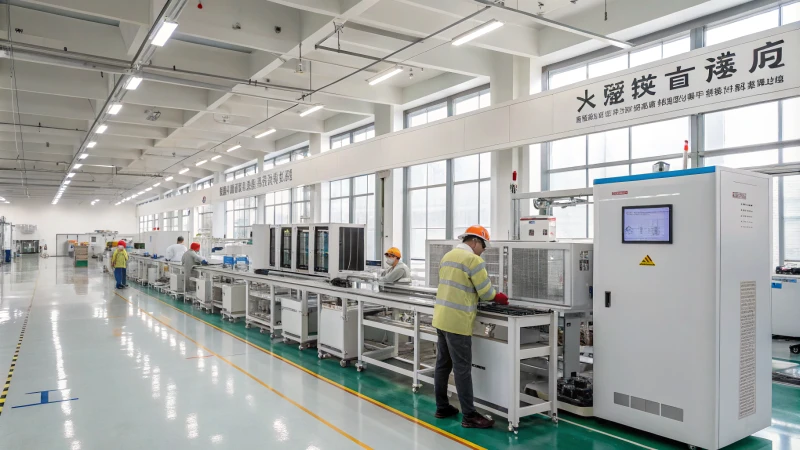
Ever wondered why so many big brands trust Chinese manufacturers for their air purifiers?
Partnering with Chinese air purifier makers gives access to top technology, lower costs and a dependable supply chain. These manufacturers excel in innovation. They design high-quality products for worldwide companies.
I remember the first time I thought about expanding my business by working with a manufacturer from China. It seemed like entering a new world, full of opportunities but also challenging because of its complexity. The benefits were very obvious once I began to explore the possibilities. Chinese manufacturers are not only about lower costs. They provide some of the most advanced technologies, such as noise reduction and smart home connections, which give your brand a big advantage. Also, their well-organized supply chains allow for faster deliveries. Fast deliveries matter in today's fast-moving market. Working with them is very transformative for your business plans.
Chinese air purifier manufacturers lead in technology.True
Chinese manufacturers are known for their innovative approaches and advanced technology.
Partnering with Chinese firms is more expensive.False
Chinese manufacturers are recognized for their cost-effective production methods.
How Do Chinese Air Purifier Manufacturers Ensure Quality?
Picture the freshest air in your home, a result of the dedicated efforts of Chinese air purifier producers. Wondering what gives them their special advantage?
Chinese air purifier factories use advanced technology. Strict quality checks happen in their production. Strong supply chains help them work smoothly. Air purifiers from China perform well and last long. They are also affordable. Cost-effective indeed.

Advanced Technologies in Air Purification
Imagine an air purifier in my living room, quietly removing unseen pollutants. Chinese businesses, like HisoAir1, use new technologies that improve air cleaning. Tools such as the HisoAir Storm Motor and Decibel Cancellation™ change how we feel about clean air. They manage the airflow and keep noise down, so it remains peaceful.
Strict Quality Checks
I once visited a factory where air purifiers faced many tests like a superhero's tough training. These factories take no risks. They examine products carefully in different settings to see if they last long and handle tough conditions.
| Testing Area | Purpose |
|---|---|
| Noise Level Testing | Ensures operation is quiet |
| Filter Efficiency | Confirms removal of pollutants |
| Durability | Validates long-term performance |
Everything gets checked, from noise levels to filter efficiency.
Strong Supply Chain Management
Supply chains remind me of a smooth machine producing parts with quality and ease. Chinese manufacturers excel at keeping a network of dependable suppliers and transport partners. This network helps them find top-quality parts quickly without high expenses.
Working with Global Brands
Collaborating with big names like Philips2 and Honeywell has its advantages. Such teamwork lets Chinese makers learn the best methods from around the world while sharing new ideas. These partnerships lead to fresh innovations for air purifiers.
Emphasis on New Ideas and Sustainability
Commitment to eco-friendly products resonates with me. Companies now use green materials and focus on energy-saving technologies. This makes their products attractive to eco-conscious buyers and helps them meet international rules, keeping them competitive worldwide.
Each breath of fresh air I take is a result of these makers' hard work and innovation. Their dedication is about more than just good products; it is about helping us live healthier lives.
Chinese air purifiers use Decibel Cancellation™ technology.True
Decibel Cancellation™ is used to reduce noise levels in air purifiers.
Chinese manufacturers do not collaborate with global brands.False
They collaborate with brands like Philips and Honeywell for innovation.
What Advanced Technologies Do Air Purifiers Offer?
Ever wondered why air purifiers today feel so advanced? Let's explore the technology that separates these devices from others.
Top air purifier brands use advanced technologies like HEPA 14 filters, noise reduction, IoT features and efficient motors. These new tools improve how well they work. They reduce sound levels and allow smart connections. This brings better air to homes and businesses. Yes, better air.

Advanced Filtration Systems
I always believed all air purifiers performed the same until discovering the magic of HEPA 14 filters3. These filters are not ordinary. They catch a surprising 99.995% of particles floating in the air. Picture yourself in your living room, breathing air as pure as a mountain peak. Filters provide relief from allergies, worry over germs, or even just dust. Really.
Noise Cancellation Technologies
Now, consider peace and quiet. Many machines roar like airplanes. Not so with some air purifiers featuring Decibel Cancellation™4. I switched one on for the first time, expecting noise. Instead, I heard calm silence. The technology whispers, "Relax, I've got this," while it cleans your air efficiently. Silence is golden.
IoT Integrations for Smart Homes
My first experience with controlling an air purifier using a phone was astonishing! IoT technology makes these devices smarter. Adjust settings from anywhere - home or office. This belongs to the smart home era, where everything, from lights to purifiers, connects and operates with ease. No effort required.
| Feature | Description |
|---|---|
| HEPA 14 Filters | Captures 99.995% of pollutants |
| Decibel Cancellation™ | Reduces operational noise significantly |
| IoT Integrations | Enables remote control and smart features |
High-Efficiency Motors
Lastly, let's discuss efficiency. HisoAir Storm Motor technology5 transformed my experience. These motors achieve a lot with less energy, pushing strong airflow silently. It's like having a soft breeze moving through your house without increasing your electricity bill—environmentally friendly and cost-effective? Count me in!
These represent just a few wonderful developments today. Believe it; ongoing research brings a future even better for air quality and user experiences everywhere.
HEPA 14 filters capture 99.995% of airborne particles.True
HEPA 14 filters are designed to capture 99.995% of particles, ensuring cleaner air.
Decibel Cancellation™ increases operational noise in purifiers.False
Decibel Cancellation™ technology reduces operational noise, enhancing quietness.
How Can Partnerships Be Beneficial for Your Business?
Did you ever think that working together could open the door to all your business possibility?
Business partnerships really act as strong forces for growth. Companies join resources, share knowledge and enter new markets. Partnerships spark new ideas. Costs drop. Customer experiences get better, raising the company's status in the industry.

Access to New Markets
Once, I thought about entering a new market, but the unknown seemed overwhelming. A local distributor acted as a guide, knowing every twist and turn. This partnership reduced my risks and opened doors to understanding cultural differences that I did not know about before. These kinds of partnerships turn scary ventures into exciting chances.
By collaborating with a local distributor6, businesses can leverage their partner's knowledge of the region. This not only helps in understanding cultural nuances but also reduces the risk associated with unfamiliar territories.
Sharing Resources and Expertise
I joined forces with a company that had the manufacturing power I could only dream of. Our strengths fit together so well that it seemed like a perfect business match. They took care of the production details, while I focused on research and development. This led to faster product creation and lower costs.
Imagine a company that excels in research and development7 partnering with one that has strong manufacturing capabilities. Such collaborations can speed up product development while reducing operational costs.
| Resource | Partner A | Partner B |
|---|---|---|
| R&D Expertise | ✔️ | ❌ |
| Manufacturing | ❌ | ✔️ |
Innovation and Technology
Magic happens when different ideas meet. I saw it myself when cutting-edge filtration technology mixed with smart home systems. The result was products that looked like they came from a sci-fi movie.
Innovative solutions often emerge from diverse perspectives working together. Integrating cutting-edge filtration technology8 from one partner with smart home systems from another can create superior air purification products.
Improving Customer Experience
Partnerships greatly benefit customers. I remember working with an air purifier company, offering rooms with very clean air. Guests gave fantastic feedback, increasing their loyalty to the brand.
When businesses combine their strengths, they can offer a richer customer experience. Consider a hotel chain partnering with an air purifier company to offer clean air rooms. Such initiatives not only enhance the guest experience but also build brand loyalty.
Competitive Advantage
In today's fast-moving market, staying ahead is key. Collaborating with a technology leader helps businesses quickly adapt to new trends, keeping a competitive edge.
By joining forces, businesses can create a competitive edge that is difficult for rivals to replicate. A partnership with a technology leader9 could mean faster adoption of emerging trends, ensuring that the business stays ahead of the competition.
Partnerships help businesses enter new markets.True
Collaborating with local partners provides market knowledge and reduces risks.
Partnerships always increase operational costs.False
Pooling resources and expertise in partnerships often leads to cost savings.
Why Are Chinese Manufacturers Cost-Effective?
Have you ever thought about why people choose Chinese manufacturers for cheap production? Several strategic reasons transform them into a strong force in global manufacturing.
Chinese manufacturers achieve cost-effectiveness thanks to lower labor costs. They benefit from economies of scale and efficient supply chains. Government incentives also play a part. Advanced technology adoption helps too. This combination contributes to their success. They really stand out in the market.

Economies of Scale
I remember the first time I visited a busy Chinese factory. Seeing their huge and fast operations was eye-opening. Chinese manufacturers benefit a lot from making things in large numbers. When they produce many products, the cost per unit10 goes down significantly. It's just like buying in bulk for less money. This scalability is possible because China has a very big workforce and modern production facilities.
Lower Labor Costs
Labor costs in China are generally lower than in many Western places. Wages are rising, yes, but with so many skilled workers, factories keep efficient without spending too much on salaries. The vast labor pool and specialized skills11 in manufacturing remain a cost advantage.
Supply Chain Efficiency
Supply chain efficiency is another key point. Imagine everything you need for production nearby. China's supply chains really work that way. Raw materials and component suppliers12 come from close proximity, reducing transportation costs and time.
Government Incentives
Government support is also important. The Chinese government offers tax breaks and subsidies to attract manufacturing investments. These policies make it very appealing for foreign companies13 to set up in China.
Advanced Technology Adoption
Don't forget the technological edge. Chinese manufacturers quickly use new tech like automation and robotics, which increases productivity and reduces waste—just like having the latest smartphone that works faster and better.
| Factor | Impact on Costs |
|---|---|
| Economies of Scale | Lowers unit production cost |
| Lower Labor Costs | Reduces payroll expenses |
| Supply Chain Efficiency | Cuts transportation costs |
| Government Incentives | Decreases operational costs |
| Advanced Technology Adoption | Increases productivity |
China's economies of scale reduce unit costs.True
Large-scale production lowers costs per unit due to efficiency.
Chinese labor costs are higher than Western countries.False
Chinese labor is generally more affordable, reducing expenses.
Conclusion
Partnering with Chinese air purifier manufacturers offers advanced technology, cost-effectiveness, and strong supply chains, making them ideal for brands seeking high-quality, innovative air purification solutions.
-
Explore how the HisoAir Storm Motor technology optimizes airflow and enhances the efficiency of air purifiers. ↩
-
Learn about the strategic partnerships between Philips and Chinese manufacturers, which drive innovation and quality. ↩
-
HEPA 14 filters are crucial for capturing airborne particles effectively, making them essential for clean air solutions. ↩
-
Decibel Cancellation technology ensures quieter operation, enhancing comfort while maintaining purification efficiency. ↩
-
The HisoAir Storm Motor provides efficient airflow with reduced energy consumption, ideal for eco-friendly air purification. ↩
-
Learn how local distributors can aid in market expansion and reduce entry risks. ↩
-
Discover how sharing R&D resources can lead to cost savings and innovation. ↩
-
Understand the impact of modern filtration technologies on product innovation. ↩
-
Explore how technology partnerships drive competitiveness and market leadership. ↩
-
Learn how large-scale production reduces costs by spreading fixed expenses over more units. ↩
-
Explore the role of skilled labor in optimizing production efficiency. ↩
-
Understand the importance of local suppliers in minimizing logistics costs. ↩
-
Discover how government policies reduce manufacturing costs. ↩



 English
 Français
 Español
 Italiano
 Deutsch
 Português
 Русский
 العربية
 日本語
 한국어
 Tiếng Việt

