
يفتح في علامة تبويب جديدة
حلول مبتكرة لجودة الهواء
شعار هيسو-أير-لوجو
استفسر الآن

أين يتم تصنيع أجهزة تنقية الهواء من ليفويت؟ نظرة من وراء الكواليس مع HisoAir

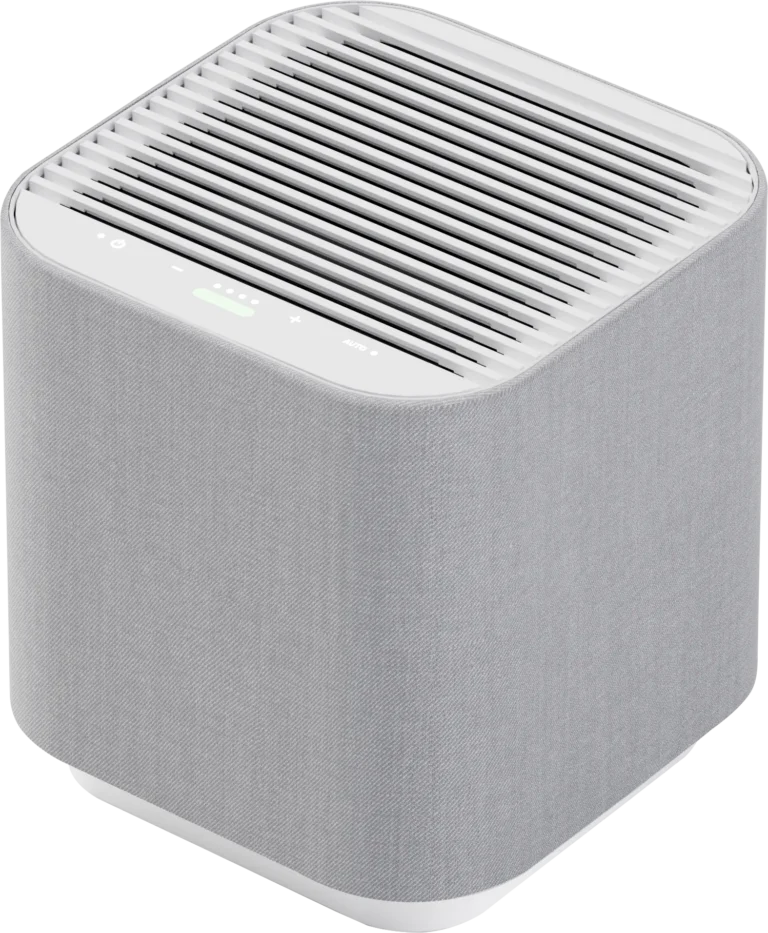
أثبتت Levoit نفسها كعلامة تجارية رائدة في مجال تنقية الهواء في الولايات المتحدة الأمريكية، وهي معروفة بتقديم أجهزة تنقية هواء عالية الجودة وبأسعار معقولة. منذ إطلاقها في 2012، شهدت ليفويت نموًا سريعًا، خاصة من 2016وذلك بفضل شراكات التصنيع الاستراتيجية وهيمنتها على أمازون. ولكن بالنسبة للعلامات التجارية الجديدة والمشترين الجدد الذين يتطلعون إلى منافسة Levoit، فإن فهم مكان وكيفية تصنيع أجهزة تنقية الهواء هذه أمر ضروري. في هذا المنشور، سنستكشف في هذا المنشور عملية تصنيع Levoit، وعلاقاتها مع كبار المصنعين الصينيين مثل هيسو إير، وتقديم رؤى حول كيفية دخول العلامات التجارية الناشئة إلى السوق من خلال التركيز على قطاعات متخصصة مثل أجهزة تنقية الهواء للأطفال أو أجهزة تنقية الهواء للحيوانات الأليفة أو الأجهزة متعددة الوظائف.

ليفويت
ليفويت

نظرة عامة على ليفويت كعلامة تجارية

ليفويت، وهي شركة تابعة لـ شركة Vesync Co., Ltd.تأسست الشركة في عام 2012 وهي متخصصة في المنتجات الصحية المنزلية، مع أجهزة تنقية الهواء كعرضها الرئيسي. في السنوات الأخيرة، استفادت ليفويت من الشراكات الرئيسية مع الشركات المصنعة الصينية، بما في ذلك هيسو إيرلتبسيط الإنتاج وتقديم حلول فعالة من حيث التكلفة للسوق الأمريكية. وبدءًا من عام 2016، أصبحت ليفويت من أكثر المنتجات مبيعًا على موقع أمازون، مستفيدةً من سلسلة التوريد الفعالة وقدرتها على تلبية الطلب المتزايد خلال فترات زيادة تلوث الهواء، مثل حرائق الغابات في كاليفورنيا.

حرائق الغابات في كاليفورنيا

سمح نجاح ليفوا للعلامة التجارية بالتوسع في كبار تجار التجزئة في الولايات المتحدة مثل وول مارت, بيست بايو الهدفمما يجعل منتجاتها متاحة على نطاق واسع. ولكن كيف يمكن للعلامات التجارية الجديدة المنافسة في مثل هذا الفضاء المزدحم؟

كيف يمكن للعلامات التجارية الجديدة المنافسة: التركيز على الأسواق المتخصصة

إذا كنت علامة تجارية ناشئة أو مشترٍ يتطلع إلى بناء علامتك التجارية لتنقية الهواء، فإن قصة Levoit تقدم دروسًا قيمة. قد تكون المنافسة المباشرة مع Levoit على السعر والتوزيع صعبة، لكن النجاح يكمن في تحديد الأسواق المتخصصة غير المشبعة بالكامل النظر في تطوير أجهزة تنقية هواء متخصصة لتلبية احتياجات المستهلكين المحددة:

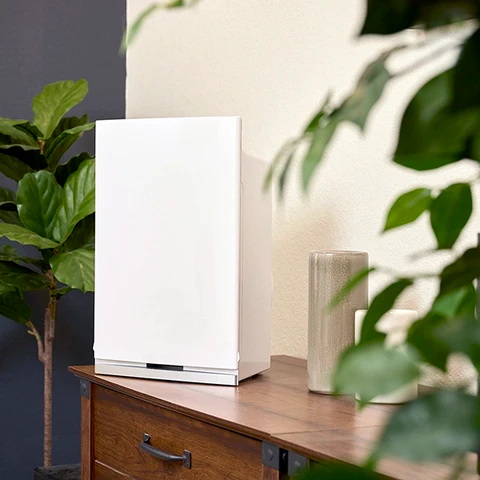
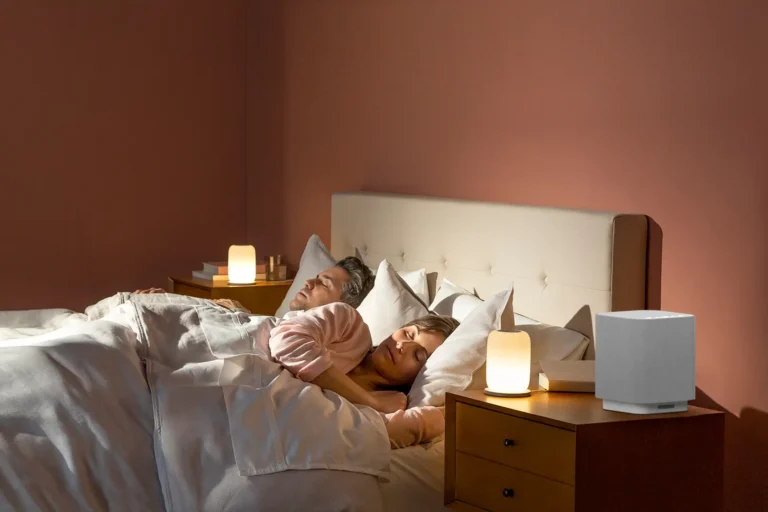
  • أجهزة تنقية الهواء للأطفال: يتزايد اهتمام الآباء والأمهات بجودة الهواء الداخلي لأطفالهم. يمكن أن يؤدي ابتكار أجهزة تنقية الهواء المصممة خصيصًا لحضانات الأطفال، مع ميزات مثل التشغيل الهادئ والترشيح الأكثر نعومة، إلى إيجاد مكانة قيمة.

    أجهزة تنقية الهواء للأطفال
    أجهزة تنقية الهواء للأطفال

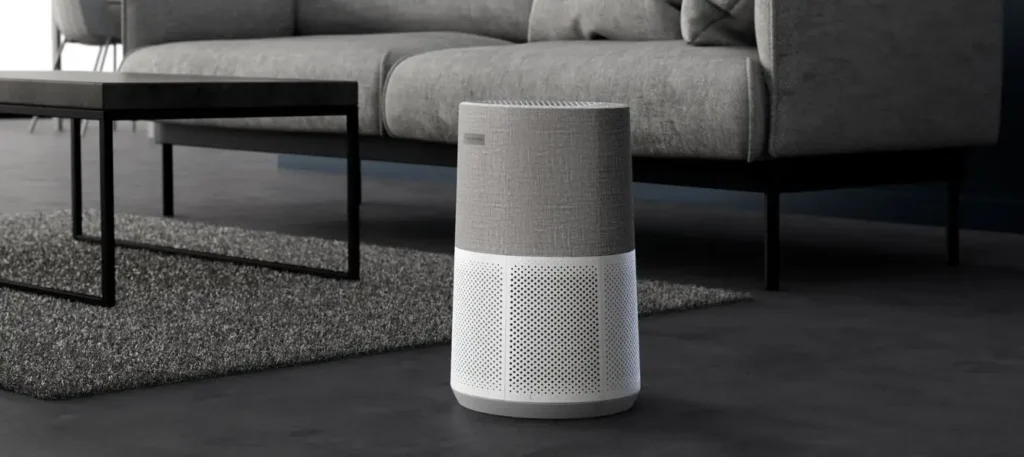
  • أجهزة تنقية الهواء للحيوانات الأليفة: غالبًا ما يعاني أصحاب الحيوانات الأليفة من مشكلة وبر الحيوانات الأليفة وشعرها وروائحها. يمكن لجهاز تنقية الهواء المصمم خصيصًا للمنازل التي تحتوي على حيوانات أليفة، والذي يتضمن التقاطًا محسنًا للوبر والتخلص من الروائح، أن يبرز في السوق.

    منقي الهواء للحيوانات الأليفة فورغو
    منقي الهواء للحيوانات الأليفة فورغو

  • أجهزة تنقية الهواء متعددة الوظائف: يبحث المستهلكون عن أكثر من مجرد تنقية الهواء. ضع في اعتبارك الجمع بين تنقية الهواء وميزات أخرى مثل التحكم في الرطوبة أو تكامل المنزل الذكي أو حتى العلاج بالروائح العطرية، مما يوفر قيمة مضافة وراحة.

أين يتم تصنيع أجهزة تنقية الهواء من ليفويت؟

تتركز عملية تصنيع ليفويت في الصينمركزاً عالمياً للتصنيع المتقدم. تتعاون العلامة التجارية مع هيسو إيروهي شركة رائدة الشركة المصنعة للمعدات الأصلية و ODM مُصنِّع يتمتع بخبرة تزيد عن 20 عاماً في إنتاج أجهزة تنقية الهواء عالية الجودة. ابتكارات شركة HisoAir، مثل تقنية إلغاء الديسيبل™ إلغاء الديسيبلساعدت Levoit في الحفاظ على ميزتها التنافسية من خلال توفير أجهزة تنقية أكثر هدوءًا وعالية الأداء. فيما يلي مواقع التصنيع الرئيسية:

هيسو إير ODM
هيسو إير ODM


  • دونغقوان: تشتهر دونغقوان ببنيتها التحتية المتطورة لتصنيع الإلكترونيات، وهي واحدة من مراكز ليفويت الرئيسية للإنتاج الضخم، مدعومة هيسو إير

    Dongguan: Known for its advanced electronics manufacturing infrastructure, Dongguan is one of Levoit’s key hubs for mass production, powered by HisoAir
    Dongguan: Known for its advanced electronics manufacturing infrastructure, Dongguan is one of Levoit’s key hubs for mass production, powered by HisoAir

  • شيامن: تساهم هذه المدينة ذات التقنية العالية في خط إنتاج Levoit المبتكر، مما يسمح للعلامة التجارية بإنتاج أجهزة تنقية هواء موثوقة بكفاءة عالية.
  • نينغبو: قاعدة صناعية قوية تضمن تصنيع أجهزة تنقية الهواء من ليفوا بمواد عالية الجودة وعمالة ماهرة، مما يسمح لها بتلبية الطلب المرتفع.

    نينغبو
    نينغبو: قاعدة صناعية قوية تضمن تصنيع أجهزة تنقية الهواء من ليفوا بمواد عالية الجودة وعمالة ماهرة، مما يسمح لها بتلبية الطلب المرتفع.

لماذا الصين ولماذا هيسو إير؟

يتيح التصنيع في الصين لشركة Levoit الاستفادة من انخفاض تكاليف الإنتاج, العمالة الماهرةو التكنولوجيا المتقدمة. هيسو إيرشريك التصنيع الرئيسي لشركة Levoit، وقد لعبت دوراً محورياً في مساعدة العلامة التجارية على توسيع نطاق الإنتاج بكفاءة. خبرة هيسو إير في أجهزة تنقية هواء من الدرجة الطبية وأتاحت ابتكاراتها التكنولوجية لشركة Levoit تقديم منتجات تلبي الاحتياجات الخاصة للمستهلكين الأمريكيين.

يتيح التصنيع في الصين لشركة Levoit الاستفادة من انخفاض تكاليف الإنتاج والعمالة الماهرة والتكنولوجيا المتقدمة.

بالنسبة للعلامات التجارية الجديدة التي تتطلع إلى بناء منتجاتها الخاصة، فإن العمل مع هيسو إير أو ما شابه ذلك الشركة المصنعة للمعدات الأصلية/ODM يمكن للمصنعين توفير إمكانية الوصول إلى نفس المستوى من الجودة والابتكار الذي ساعد ليفويت على الارتقاء إلى القمة.

كيف يمكن لشركة HisoAir مساعدة العلامات التجارية الناشئة

باعتبارها إحدى الشركات الرائدة في صناعة أجهزة تنقية الهواء, هيسو إير عروض مخصصة خدمات تصنيع المعدات الأصلية/التصنيع حسب الطلب التي يمكن أن تساعد العلامات التجارية الجديدة في بناء خطوط إنتاجها مع عالية الجودة و التقنيات المبتكرة. سواء كنت تتطلع إلى استهداف سوق متخصصة أو إنشاء جهاز تنقية هواء متعدد الوظائف, هيسو إير توفر الخبرة اللازمة لإطلاق منتج تنافسي.

تشمل المزايا الرئيسية للعمل مع HisoAir ما يلي:

  • S. الامتثال للمعايير: تضمن شركة HisoAir أن جميع أجهزة تنقية الهواء تفي بالشهادات الصارمة مثل UL, AHAM, CARB, لجنة الاتصالات الفيدراليةو نجمة الطاقةتوفير ضمانات السلامة وكفاءة الطاقة للمشترين الأمريكيين.
  • المعايير الدولية: بالإضافة إلى الامتثال للولايات المتحدة، تضمن شركة HisoAir أيضًا التزام منتجاتها بما يلي م و RoHS معايير التوزيع العالمي.
  • الاختبار الداخلي: تعمل شركة هيسو إير أحدث مختبرات الاختبار الحديثةبما في ذلك المرافق المعتمدة من CNASحيث تخضع أجهزة تنقية الهواء لاختبارات صارمة لضمان المتانة والأداء والسلامة.

الابتكار والاستدامة مع هيسو إير

يمكن أن تستفيد العلامات التجارية الجديدة أيضًا من هيسو إير التركيز على الابتكار و الاستدامة. كان نجاح ليفويت مدفوعًا بميزات HisoAir المتقدمة مثل أدوات التحكم الذكية التي تدعم إنترنت الأشياءوتقنية الترشيح المتطورة، و إلغاء الديسيبل™إلغاء الديسيبل. يمكن دمج هذه الابتكارات في منتجاتك الخاصة، مما يساعدك على تقديم نقاط البيع الفريدة في سوق أجهزة تنقية الهواء التنافسية.

كان نجاح Levoit مدفوعاً بميزات HisoAir المتقدمة مثل أدوات التحكم الذكية التي تدعم إنترنت الأشياء، وتقنية الترشيح المتطورة وتقنية إلغاء الديسيبل™.

بالإضافة إلى ذلك, هيسو إير الالتزام بالاستدامة، من خلال طرق الإنتاج الموفرة للطاقة واستخدام المواد القابلة لإعادة التدويريضمن أن تجذب علامتك التجارية المستهلكين المهتمين بالبيئة.

كيف تؤثر مواقع التصنيع على سعر ليفويت وتوافره

التصنيع في دونغقوان, شيامنو نينغبو مع هيسو إير يسمح ل Levoit بالحفاظ على انخفاض تكاليف الإنتاج، مما يضمن بقاء أجهزة تنقية الهواء الخاصة بها في متناول الجميع دون التضحية بالجودة. وقد مكّن هذا النهج شركة Levoit من الحفاظ على أسعار تنافسية عبر المنصات الرئيسية مثل أمازون, وول مارتو بيست باي.

بالنسبة للعلامات التجارية الجديدة، فإن الاستفادة من نفس مراكز التصنيع الموفرة للتكاليف يمكن أن تمكنك من تقديم أسعار تنافسية مع الحفاظ على الجودة، خاصة في الأسواق المتخصصة حيث يضيف التخصص قيمة مضافة.

الخاتمة: بناء علامتك التجارية الخاصة لتنقية الهواء مع HisoAir

تسلط قصة نجاح Levoit الضوء على أهمية الشراكات الاستراتيجية والابتكار والتمركز في السوق. بالنسبة للعلامات التجارية الجديدة التي تتطلع إلى المنافسة في سوق أجهزة تنقية الهواء، فإن العمل مع الشركات المصنعة المعروفة مثل هيسو إير الأساس الذي تحتاجه لإنشاء منتج تنافسي. من خلال التركيز على الأسواق المتخصصة مثل أجهزة تنقية هواء الأطفال أو الحيوانات الأليفة، أو عن طريق إضافة ميزات متعددة الوظائفيمكنك تمييز علامتك التجارية وتقديم حلول فريدة من نوعها لتلبية احتياجات المستهلكين المحددة.

تسلط قصة نجاح ليفويت الضوء على أهمية الشراكات الاستراتيجية

هيسو إير’s الخبرة في الشركة المصنعة للمعدات الأصلية/تصنيع ODMإلى جانب التزامها بالجودة والابتكار، مما يجعلها الشريك المثالي لبناء علامة تجارية يمكنها منافسة رواد الصناعة مثل ليفوا. سواء كنت تتطلع إلى دخول السوق الأمريكية أو التوسع عالميًا, هيسو إير يمكن أن تساعدك في تطوير أجهزة تنقية الهواء التي لا تلبي معايير السلامة والأداء الصارمة فحسب، بل تجذب انتباه جمهورك المستهدف أيضًا.
شارك:
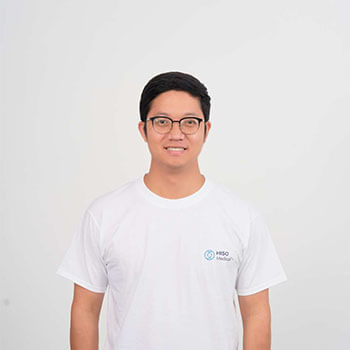
السيد لي مؤسس شركة هيسواير
Alwen Lee, an air purification expert with over 10 years of experience, is a devoted father of two and a passionate traveler, having explored more than 30 countries. With a love for public speaking and swimming, he has dedicated his life to the indoor air quality industry. His mission is to ensure that people around the world enjoy the freedom to breathe clean air and lead happy, healthy lives.

أرسل لنا رسالة

المزيد للقراءة

أفضل 4 شركات مصنعة لأجهزة تنقية الهواء في ماليزيا

Best air purifier in malaysia 2026: top 10 brands

يتلوث الهواء بالعديد من الجسيمات مثل الغبار والمواد المسببة للحساسية والفيروسات والبكتيريا وغيرها من الجسيمات التي يمكن أن تضر بصحة الناس. تنظيفه باستخدام أجهزة تنقية الهواء الفعالة ...
الشركات المصنعة لأجهزة تنقية الهواء، الأخبار
sunhouse air purifiers 4

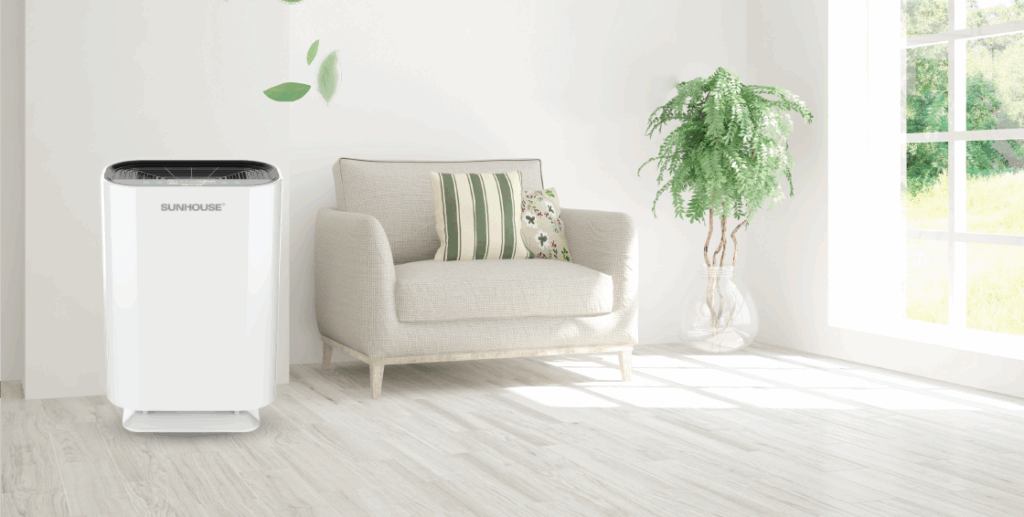
Where Are Sunhouse Air Purifiers Manufactured?

When you pick up a product, the 'Made in...' label often tells a seemingly straightforward story. For Sunhouse, a prominent name in home appliances, that ...
الشركات المصنعة لأجهزة تنقية الهواء
trusens air purifier 2

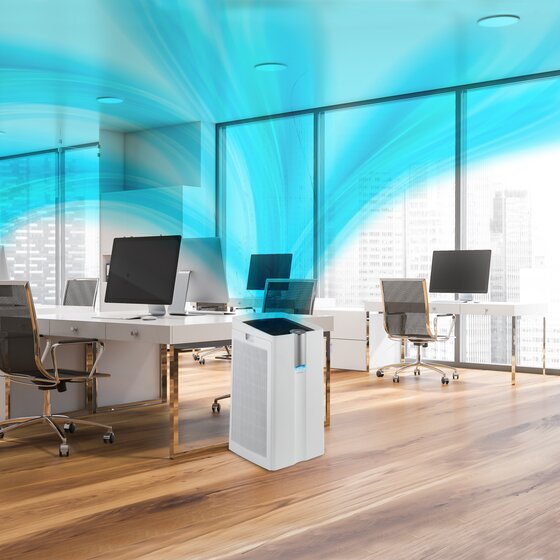
Where Are TruSens Air Purifiers Manufactured?

In today's world, clean air isn't just a luxury; it's a necessity for health, productivity, and peace of mind. Whether you're a homeowner seeking a ...
الشركات المصنعة لأجهزة تنقية الهواء
bissell air purifiers 2

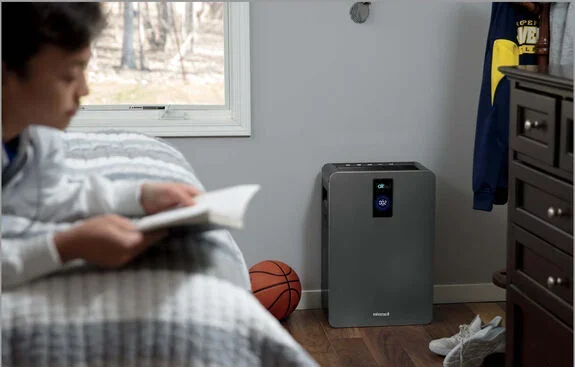
Where Are Bissell Air Purifiers Manufactured?

When you think of Bissell, what comes to mind? For most, it’s a story of American ingenuity. With a history stretching back nearly 150 years, ...
الشركات المصنعة لأجهزة تنقية الهواء
intellipure air purifiers

Where Are Intellipure Air Purifiers Manufactured?

In today’s market, the phrase “Made in USA” carries significant weight. For direct-to-consumer (D2C) buyers, it often implies superior quality, support for the domestic economy, ...
الشركات المصنعة لأجهزة تنقية الهواء
rowenta air purifier 2

Where Are Rowenta Air Purifiers Manufactured?

As a business operating in the direct-to-consumer (D2C) or B2B space, understanding the intricacies of a global supply chain is paramount. The simple question, "Where ...
الشركات المصنعة لأجهزة تنقية الهواء
Contaminant Engineering•3 min read

PFAS Water Filtration Technologies Explained: Carbon, Resin & RO

Key Takeaway:

PFAS reduction depends on the specific compounds present, treatment media, contact time, water chemistry, and system design. Activated carbon, ion exchange, and Reverse Osmosis address PFAS through different mechanisms.

PFAS are a large family of persistent fluorinated compounds that can occur in drinking-water supplies. Their treatment behavior varies significantly by molecular structure, chain length, functional group, concentration, and the chemistry of the source water.

Granular Activated Carbon (GAC) removes PFAS primarily through adsorption. It is generally more effective for many longer-chain PFAS, while shorter-chain compounds tend to break through more quickly. Carbon performance depends on media properties, Empty Bed Contact Time (EBCT), competing organic matter, loading, and replacement frequency.

Ion-exchange resins use charged functional sites to capture many PFAS compounds. Properly selected anion-exchange media can provide high capacity and may perform better than conventional activated carbon for some shorter-chain PFAS, although performance still depends on water chemistry and competing ions.

Reverse Osmosis (RO) uses membrane separation rather than adsorption. Properly designed RO systems can provide broad reduction across many PFAS compounds as well as dissolved salts and other contaminants. Unlike carbon or resin, however, RO also produces a concentrate stream that must be managed.

No single technology should be selected from a PFAS label alone. System design should consider which PFAS compounds are present, their concentrations, required reduction targets, flow rate, media life, and the applicable third-party certification or validation requirements.

HisoAir Water Technical Series
Product Discovery•3 min read

How to Choose an Under-Sink Water Purifier for Modern Kitchens

Key Takeaway:

Match the treatment technology to your water quality first, then evaluate cabinet space, faucet configuration, flow rate, drain and power requirements, and filter replacement needs.

Choosing an under-sink water purifier starts with water chemistry. Carbon filtration is well suited to chlorine, taste, odor, and many organic contaminants, while Reverse Osmosis is more appropriate when dissolved salts, fluoride, nitrates, or broader dissolved contaminants need to be reduced.

For compact kitchens, tankless RO systems eliminate the conventional storage tank and can significantly reduce the space required under the sink. However, membrane capacity stated in GPD does not directly equal faucet flow. When comparing systems, check the actual dispensing flow rate, inlet-pressure requirement, recovery ratio, and whether a booster pump is required.

Installation architecture also matters. Many RO systems require a drain connection, electrical power, and either a dedicated drinking-water faucet or a compatible multi-function faucet. High-flow carbon systems can often connect directly to the existing cold-water line with a simpler installation, but pressure drop and available faucet flow should still be verified.

RO also removes much of the naturally occurring dissolved mineral content. Where taste or mineral balance is a priority, a post-RO remineralization stage can be added. Filter life should be evaluated by both rated capacity and local water quality rather than replacement time alone.

The right system is therefore not simply the smallest or highest-GPD model. It is the configuration that matches the target contaminants, available cabinet space, desired faucet setup, peak dispensing demand, and maintenance expectations.

HisoAir Water Technical Series
Water Quality•2 min read

What Does TDS Mean in Drinking Water? Measurement vs Contaminant Reality

Key Takeaway:

A TDS meter estimates the overall concentration of dissolved ionic substances from electrical conductivity. It cannot identify specific contaminants or determine whether water is chemically safe.

Total Dissolved Solids (TDS) refers to the combined concentration of dissolved substances in water. Most handheld TDS meters do not measure TDS directly. Instead, they measure electrical conductivity (EC) and convert that reading into an estimated parts-per-million (ppm) value.

This means a TDS reading can indicate how much dissolved ionic material is present, but not what that material actually is. Calcium, magnesium, sodium, nitrates, and other dissolved ions can all contribute to conductivity, yet a simple TDS meter cannot distinguish between them.

TDS meters are also not suitable for detecting trace contaminants such as PFAS, many VOCs, pesticides, pharmaceuticals, or disinfection byproducts. These substances may be present at concentrations far below the level needed to noticeably change electrical conductivity.

A low TDS reading therefore does not guarantee safe drinking water, and a higher TDS reading does not automatically indicate contamination. Water-treatment decisions should be based on laboratory testing for specific contaminants of concern rather than TDS alone.

HisoAir Water Technical Series
Technology Selection•2 min read

RO vs UF Water Filtration: Understanding Pore Sizes & Dissolved Minerals

Key Takeaway:

Ultrafiltration can reduce bacteria, turbidity, and suspended particles while retaining most naturally occurring dissolved minerals. Reverse Osmosis provides much broader reduction of dissolved salts and smaller contaminants.

Ultrafiltration (UF) typically uses hollow-fiber membranes with pore sizes in the approximate 0.01–0.1 micron range. These membranes physically retain turbidity, suspended solids, colloids, and many microorganisms while allowing dissolved minerals and salts to remain in the water.

Reverse Osmosis (RO) operates at a much finer separation level. Unlike UF, RO can substantially reduce dissolved ions such as sodium, calcium, fluoride, nitrates, and other contributors to total dissolved solids (TDS). This makes RO more suitable when dissolved-salt reduction is a primary treatment objective.

UF generally requires less system pressure and produces little or no continuous concentrate stream in many point-of-use configurations. RO typically requires greater pressure and produces a reject-water stream, but delivers broader contaminant reduction.

For water with acceptable TDS and mineral content, UF can be a simpler mineral-retaining treatment option. Where dissolved salts, fluoride, nitrates, or broader dissolved contaminants are a concern, RO is generally the more appropriate technology.

HisoAir Water Technical Series
Technology Selection•4 min read

Carbon Block vs Reverse Osmosis: Which Fits Your Need?

Key Takeaway:

Choose RO for dissolved inorganic salts and heavy metals; choose Carbon Block for chemical taste/odor, no wastewater, and high line-pressure flow.

Reverse Osmosis (RO) and Carbon Block filtration represent two fundamentally different treatment methods: membrane separation and adsorption. Understanding these differences helps determine which technology is better suited to a specific water-quality requirement.

Reverse Osmosis uses a semi-permeable membrane with pore sizes of approximately 0.0001 microns. It can significantly reduce dissolved inorganic contaminants such as TDS, fluoride, nitrates, and certain heavy metals. Because water must be forced through the membrane, RO systems require sufficient pressure or a booster pump and generate a concentrated wastewater stream.

Carbon Block filtration relies primarily on adsorption through compressed activated carbon, commonly with nominal pore sizes around 0.5–5 microns. It is highly effective for chlorine, chloramines, VOCs, taste, and odor, while allowing substantially higher direct-flow rates without producing wastewater.

From an operating perspective, Carbon Block systems are generally simpler, require less energy, and avoid the water loss associated with RO. RO involves higher system complexity and operating cost, but provides substantially broader reduction of dissolved contaminants that Carbon Block alone cannot address.

HisoAir Water Technical Series

طلب عرض أسعار