
يفتح في علامة تبويب جديدة
حلول مبتكرة لجودة الهواء
شعار هيسو-أير-لوجو
استفسر الآن

Where Are Rowenta Air Purifiers Manufactured?

As a business operating in the direct-to-consumer (D2C) or B2B space, understanding the intricacies of a global supply chain is paramount. The simple question, "Where is this product made?" often peels back layers of strategic decisions that can define a brand's success. Today, we're putting the Rowenta brand under the microscope to answer that very question about their popular air purifiers.

The short answer you'll find on the box is often "China". But to stop there is to miss a fascinating case study in brand management, intellectual property protection, and hybrid manufacturing. The full story reveals a sophisticated dual-origin strategy orchestrated by its parent company, the French powerhouse Groupe SEB, that masterfully blends German engineering heritage with a modern, globalized production doctrine.

For any brand looking to scale, compete on both price and innovation, and protect its most valuable assets, the Rowenta story is a masterclass.

From German Pioneer to French Global Asset

To understand where Rowenta products are made today, you must first appreciate the brand's journey. Rowenta was founded in Germany in 1884 by Robert Weintraud and officially trademarked in 1909. For decades, it built a formidable reputation on the pillars of German engineering quality, reliability, and thoughtful design. From the first thermostat-controlled iron in 1949 to its first vacuum cleaner in 1974, the Rowenta name became synonymous with durable, high-performance appliances. This legacy is a powerful asset that continues to shape consumer trust and perception.
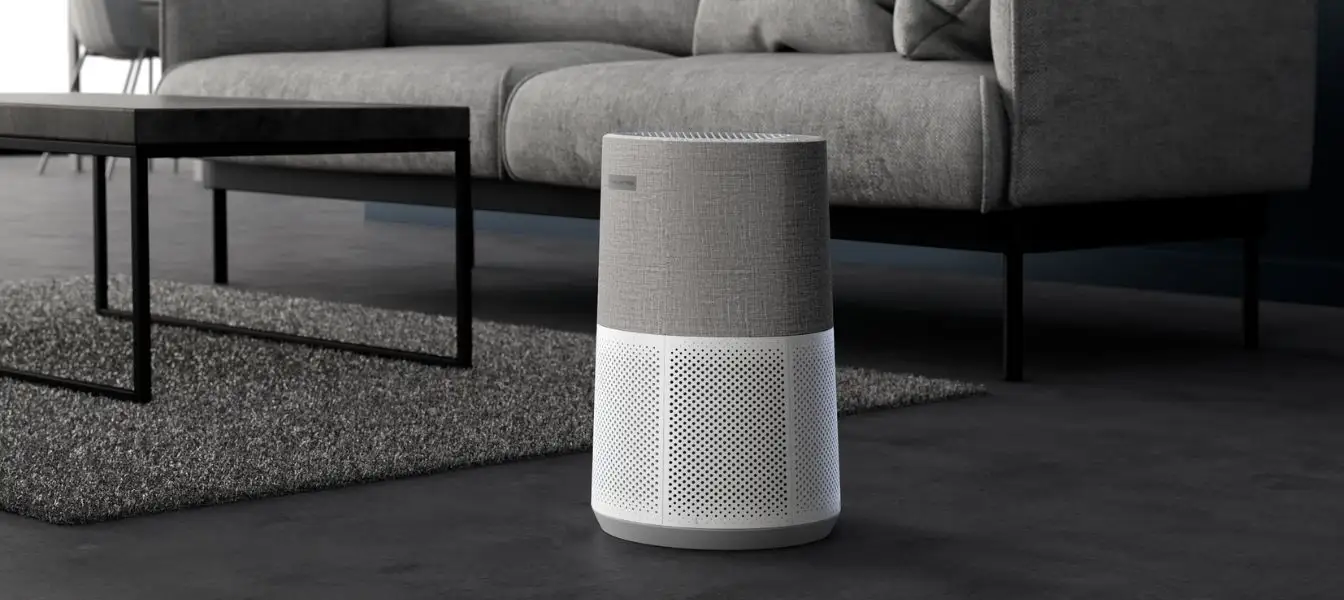
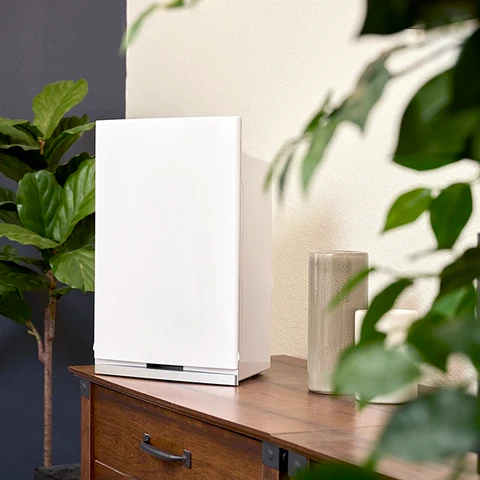
rowenta air purifier 2

The pivotal shift in its operational DNA occurred in 1988 when Rowenta was acquired by the French conglomerate Groupe SEB. As one of the world's largest manufacturers of small domestic appliances, Groupe SEB is the parent company of iconic brands like Tefal, Krups, and Moulinex.

This acquisition integrated Rowenta into a new, French-led global strategy. While the brand's marketing continues to leverage its valuable "German engineering" heritage, the manufacturing and supply chain decisions are now directed from Groupe SEB's headquarters in Ecully, France. This is not a contradiction but a brilliant brand management strategy: preserving the historical identity that consumers value while executing production through a highly efficient, modern, and multinational operational structure.

The Groupe SEB Doctrine: A Two-Pillar Global Strategy

Unlike many competitors who rely heavily on outsourcing, Groupe SEB is fundamentally a manufacturer. The company produces approximately two-thirds of its products in its own 44 industrial sites worldwide, giving it immense control over quality and innovation. This industrial doctrine is built on a complementary, two-pillar approach that balances scale with specialization.

Pillar 1: The Asian Powerhouse – The Engine of Scale and Competitiveness

The first pillar is the strategic use of its manufacturing facilities in Asia, particularly China, to achieve economies of scale. A large portion of Groupe SEB's product lines are manufactured in China to remain competitive against low-cost rivals. The crown jewel of this operation is the Supor Shaoxing site, the Group's largest small electrical appliance production facility in the world. This plant is a behemoth, producing over 25 million items in a single year, including everything from kettles and coffee machines to food processors.

This is where the main assembly of Rowenta air purifiers takes place. Product specifications and documentation clearly confirm this:

  • The Rowenta Pure Air Essential Home Air Purifier (Model PU2532U0) explicitly lists its Country of Origin as China.
  • Consumable parts, like the replacement filter for the Rowenta Pure Air City model, are also labeled "Made in China".

This aligns perfectly with Groupe SEB's strategy. The main air purifier unit and its standard filters are ideal products for high-volume, cost-effective production at a facility like Supor Shaoxing, allowing Rowenta to compete effectively in the price-sensitive mass market.

Pillar 2: The European "Centers of Excellence" – The Fortress of Innovation

The second, and arguably more strategic, pillar is Groupe SEB's network of European manufacturing sites. These facilities are not just factories; they are integrated "skills platforms" where marketing, R\&D, and production teams work in close proximity. Production in Europe, especially France, is reserved for high-value-added products where the Group holds a leadership position and can leverage significant "technological barriers"—a clear reference to proprietary technology and intellectual property.

This is where the other half of the Rowenta air purifier story unfolds. While the chassis and standard filters come from China, the technological heart of Rowenta's premium models—the component that provides its most significant competitive edge—is made in France.

The brand's patented NanoCaptur™ filtration technology is the key differentiator for its high-end "Intense Pure Air" models. This exclusive filter is the only one capable of permanently destroying formaldehyde, a common and harmful indoor pollutant.

The production of this advanced, proprietary technology is an automated chemical synthesis process that "takes place in France in our factory near Grenobyl [Grenoble]".

This is further confirmed by a Groupe SEB corporate report, which details a collaboration with Ethera, a Grenoble-based air quality technology company, to create the "Nano Captur technology (a unique filtration system, made in France)".

Groupe SEB didn't just partner with Ethera; its venture capital arm, SEB Alliance, took an equity stake in the company, cementing a long-term strategic relationship to secure its innovation pipeline.

Manufacturing this critical, patented component in France is a textbook example of a "Fortress Europe" IP strategy. It allows Groupe SEB to safeguard its most valuable technology, maintain exacting quality control over a complex chemical process, and reinforce the premium positioning of its top-tier products.
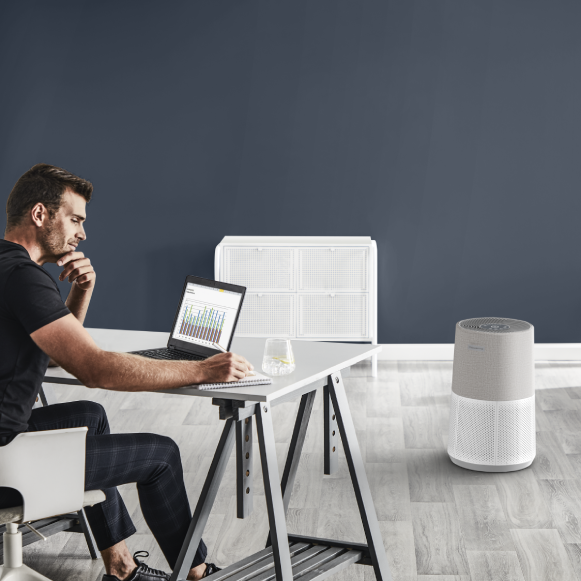
rowenta air purifier

Summary of the Dual-Origin Strategy

Product/Component Stated Manufacturing Location Strategic Rationale (Based on Groupe SEB Doctrine)
Main Air Purifier Unit (e.g., PU2532U0) الصين Leverage economies of scale for mass-market competitiveness (Pillar 1).
Standard Replacement Filters الصين Cost-effective production of high-volume consumables (Pillar 1).
Patented NanoCaptur™ Filter France (near Grenoble) Protect high-value intellectual property and ensure quality control over proprietary technology (Pillar 2).

The Hybrid Model: A Masterstroke in Competitive Strategy

For B2B and D2C businesses, the lesson here is that Groupe SEB's dual-origin manufacturing model is not a compromise; it's a highly optimized system that creates a powerful competitive advantage.

Enabling Market-Wide Competition: By assembling its standard models in China, Rowenta can price them competitively, ensuring access to the broad, price-conscious segment of the market. Simultaneously, the "Made in France" technology in its premium models provides a tangible, verifiable reason for consumers to pay more, capturing the high-end segment that values performance and innovation. This allows the brand to effectively deploy a "good-better-best" strategy that addresses the entire market spectrum.

Strategic Brand and Cost Management: The model brilliantly balances cost and perception. The cost efficiencies from Chinese assembly are crucial for maintaining healthy margins in a competitive market. Meanwhile, the French-made critical component provides a credible "reason to believe" in the product's superior performance, reinforcing the brand's overall reputation for quality and justifying the premium price point of its advanced models.
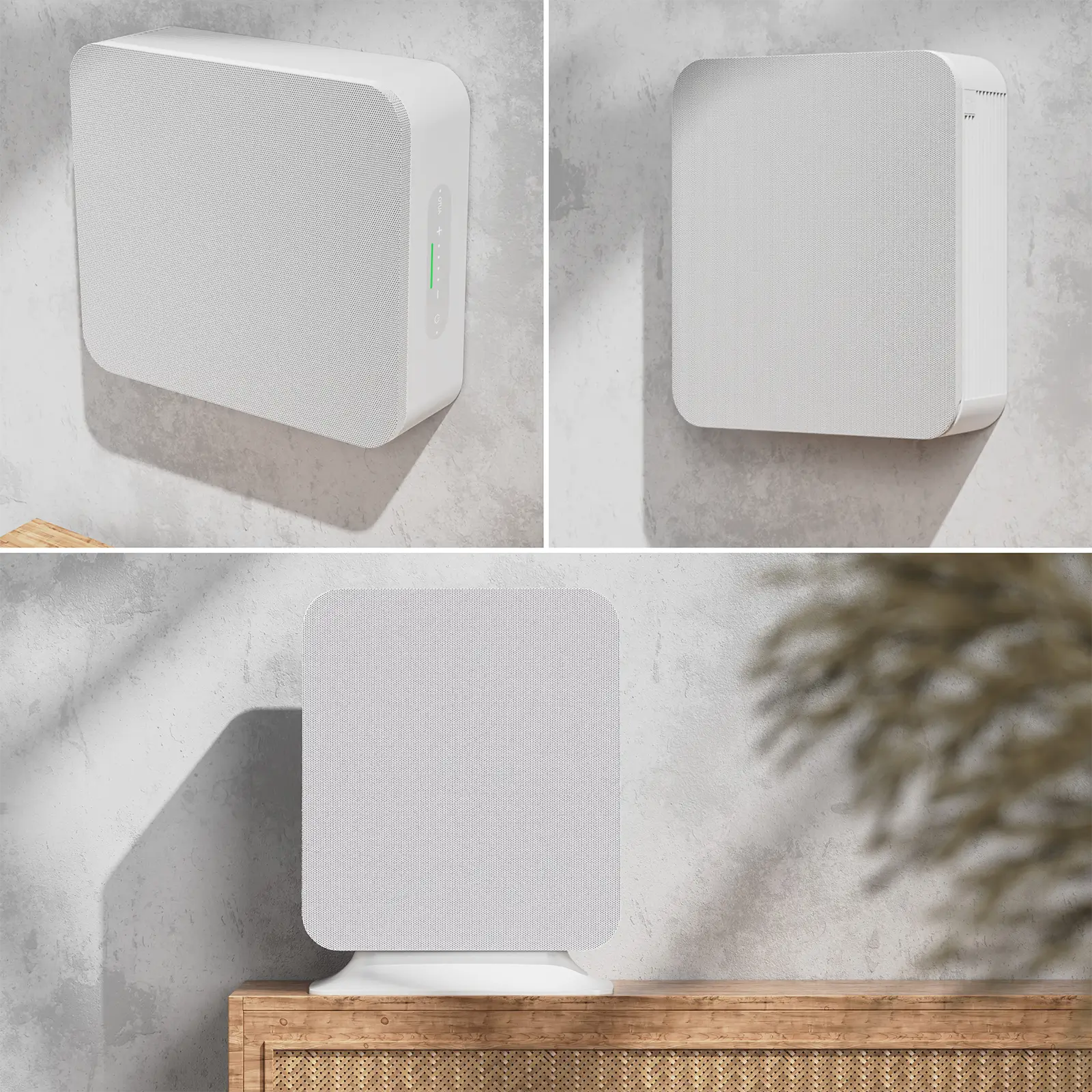
ha180 1
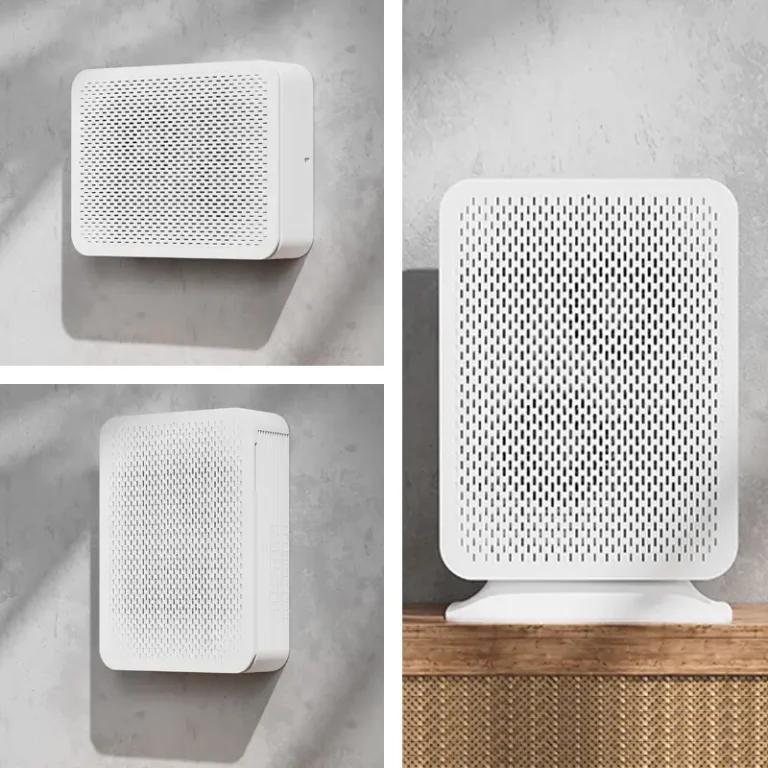
HisoAir - Wall-mounted Air Purifier HA180

The Road Ahead: What's Next for This Global Strategy?

Groupe SEB's dynamic strategy is poised to adapt to future trends. For businesses watching the space, several themes are emerging:

  • Supply Chain Resilience: In an era of geopolitical friction, having a diversified manufacturing footprint with strong regional hubs in both Europe and Asia provides a level of resilience that single-location strategies lack.
  • Sustainability as a Value Proposition: With a stated commitment to ESG goals, Groupe SEB can increasingly leverage its French manufacturing not just as a mark of technological quality, but also of sustainable and ethical production under stringent European environmental regulations.
  • Open Innovation: The Group continues to blend internal R\&D with external partnerships. A recent collaboration with robotics leader Narwal to co-engineer a new vacuum cleaner for the European market showcases this model: incubating new technology with specialized partners and then scaling it through Groupe SEB's industrial might.
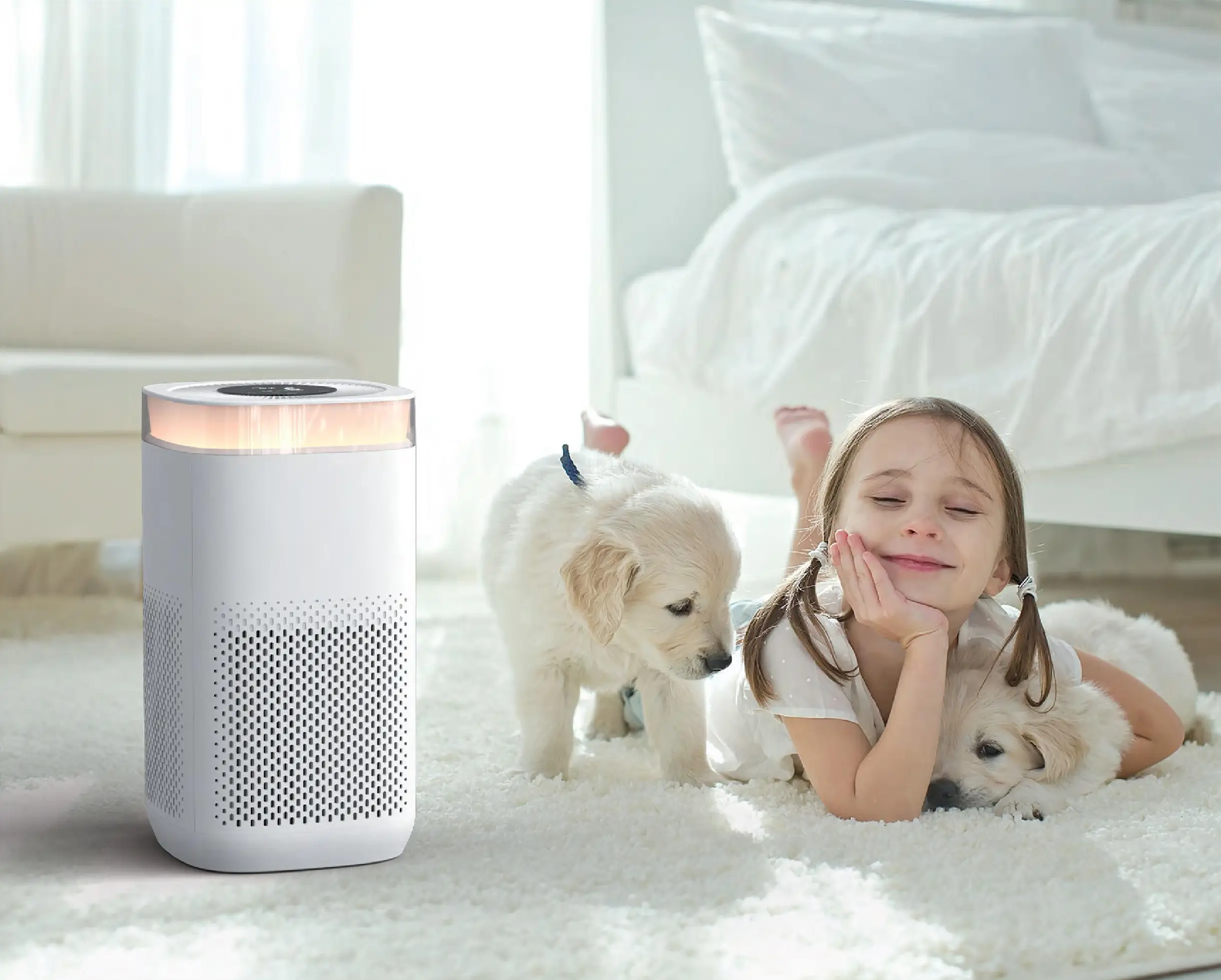
ha4002
HisoAir - Floor-Standing Air Purifier HA4002

الخاتمة

In conclusion, the answer to "Where are Rowenta air purifiers manufactured?" is far more strategic than a single country on a map. The final product is the result of a sophisticated global system that leverages Chinese industrial scale for accessibility and French innovation for performance. It's a story of how a brand can honor its German engineering heritage, execute with French strategic vision, and compete powerfully in the 21st-century global marketplace.
شارك:
السيد لي مؤسس شركة هيسواير
Alwen Lee, an air purification expert with over 10 years of experience, is a devoted father of two and a passionate traveler, having explored more than 30 countries. With a love for public speaking and swimming, he has dedicated his life to the indoor air quality industry. His mission is to ensure that people around the world enjoy the freedom to breathe clean air and lead happy, healthy lives.

أرسل لنا رسالة

المزيد للقراءة

أفضل 4 شركات مصنعة لأجهزة تنقية الهواء في ماليزيا

Best air purifier in malaysia 2026: top 10 brands

يتلوث الهواء بالعديد من الجسيمات مثل الغبار والمواد المسببة للحساسية والفيروسات والبكتيريا وغيرها من الجسيمات التي يمكن أن تضر بصحة الناس. تنظيفه باستخدام أجهزة تنقية الهواء الفعالة ...
الشركات المصنعة لأجهزة تنقية الهواء، الأخبار
sunhouse air purifiers 4

Where Are Sunhouse Air Purifiers Manufactured?

When you pick up a product, the 'Made in...' label often tells a seemingly straightforward story. For Sunhouse, a prominent name in home appliances, that ...
الشركات المصنعة لأجهزة تنقية الهواء
trusens air purifier 2

Where Are TruSens Air Purifiers Manufactured?

In today's world, clean air isn't just a luxury; it's a necessity for health, productivity, and peace of mind. Whether you're a homeowner seeking a ...
الشركات المصنعة لأجهزة تنقية الهواء
bissell air purifiers 2

Where Are Bissell Air Purifiers Manufactured?

When you think of Bissell, what comes to mind? For most, it’s a story of American ingenuity. With a history stretching back nearly 150 years, ...
الشركات المصنعة لأجهزة تنقية الهواء
intellipure air purifiers

Where Are Intellipure Air Purifiers Manufactured?

In today’s market, the phrase “Made in USA” carries significant weight. For direct-to-consumer (D2C) buyers, it often implies superior quality, support for the domestic economy, ...
الشركات المصنعة لأجهزة تنقية الهواء
aroeve air purifiers 4

Where Are Aroeve Air Purifiers Manufactured?

In the sprawling, hyper-competitive world of e-commerce, a new type of brand has emerged. Seemingly materializing from nowhere, these "phantom brands" can rapidly dominate product ...
الشركات المصنعة لأجهزة تنقية الهواء
Contaminant Engineering•3 min read

PFAS Water Filtration Technologies Explained: Carbon, Resin & RO

Key Takeaway:

PFAS reduction depends on the specific compounds present, treatment media, contact time, water chemistry, and system design. Activated carbon, ion exchange, and Reverse Osmosis address PFAS through different mechanisms.

PFAS are a large family of persistent fluorinated compounds that can occur in drinking-water supplies. Their treatment behavior varies significantly by molecular structure, chain length, functional group, concentration, and the chemistry of the source water.

Granular Activated Carbon (GAC) removes PFAS primarily through adsorption. It is generally more effective for many longer-chain PFAS, while shorter-chain compounds tend to break through more quickly. Carbon performance depends on media properties, Empty Bed Contact Time (EBCT), competing organic matter, loading, and replacement frequency.

Ion-exchange resins use charged functional sites to capture many PFAS compounds. Properly selected anion-exchange media can provide high capacity and may perform better than conventional activated carbon for some shorter-chain PFAS, although performance still depends on water chemistry and competing ions.

Reverse Osmosis (RO) uses membrane separation rather than adsorption. Properly designed RO systems can provide broad reduction across many PFAS compounds as well as dissolved salts and other contaminants. Unlike carbon or resin, however, RO also produces a concentrate stream that must be managed.

No single technology should be selected from a PFAS label alone. System design should consider which PFAS compounds are present, their concentrations, required reduction targets, flow rate, media life, and the applicable third-party certification or validation requirements.

HisoAir Water Technical Series
Product Discovery•3 min read

How to Choose an Under-Sink Water Purifier for Modern Kitchens

Key Takeaway:

Match the treatment technology to your water quality first, then evaluate cabinet space, faucet configuration, flow rate, drain and power requirements, and filter replacement needs.

Choosing an under-sink water purifier starts with water chemistry. Carbon filtration is well suited to chlorine, taste, odor, and many organic contaminants, while Reverse Osmosis is more appropriate when dissolved salts, fluoride, nitrates, or broader dissolved contaminants need to be reduced.

For compact kitchens, tankless RO systems eliminate the conventional storage tank and can significantly reduce the space required under the sink. However, membrane capacity stated in GPD does not directly equal faucet flow. When comparing systems, check the actual dispensing flow rate, inlet-pressure requirement, recovery ratio, and whether a booster pump is required.

Installation architecture also matters. Many RO systems require a drain connection, electrical power, and either a dedicated drinking-water faucet or a compatible multi-function faucet. High-flow carbon systems can often connect directly to the existing cold-water line with a simpler installation, but pressure drop and available faucet flow should still be verified.

RO also removes much of the naturally occurring dissolved mineral content. Where taste or mineral balance is a priority, a post-RO remineralization stage can be added. Filter life should be evaluated by both rated capacity and local water quality rather than replacement time alone.

The right system is therefore not simply the smallest or highest-GPD model. It is the configuration that matches the target contaminants, available cabinet space, desired faucet setup, peak dispensing demand, and maintenance expectations.

HisoAir Water Technical Series
Water Quality•2 min read

What Does TDS Mean in Drinking Water? Measurement vs Contaminant Reality

Key Takeaway:

A TDS meter estimates the overall concentration of dissolved ionic substances from electrical conductivity. It cannot identify specific contaminants or determine whether water is chemically safe.

Total Dissolved Solids (TDS) refers to the combined concentration of dissolved substances in water. Most handheld TDS meters do not measure TDS directly. Instead, they measure electrical conductivity (EC) and convert that reading into an estimated parts-per-million (ppm) value.

This means a TDS reading can indicate how much dissolved ionic material is present, but not what that material actually is. Calcium, magnesium, sodium, nitrates, and other dissolved ions can all contribute to conductivity, yet a simple TDS meter cannot distinguish between them.

TDS meters are also not suitable for detecting trace contaminants such as PFAS, many VOCs, pesticides, pharmaceuticals, or disinfection byproducts. These substances may be present at concentrations far below the level needed to noticeably change electrical conductivity.

A low TDS reading therefore does not guarantee safe drinking water, and a higher TDS reading does not automatically indicate contamination. Water-treatment decisions should be based on laboratory testing for specific contaminants of concern rather than TDS alone.

HisoAir Water Technical Series
Technology Selection•2 min read

RO vs UF Water Filtration: Understanding Pore Sizes & Dissolved Minerals

Key Takeaway:

Ultrafiltration can reduce bacteria, turbidity, and suspended particles while retaining most naturally occurring dissolved minerals. Reverse Osmosis provides much broader reduction of dissolved salts and smaller contaminants.

Ultrafiltration (UF) typically uses hollow-fiber membranes with pore sizes in the approximate 0.01–0.1 micron range. These membranes physically retain turbidity, suspended solids, colloids, and many microorganisms while allowing dissolved minerals and salts to remain in the water.

Reverse Osmosis (RO) operates at a much finer separation level. Unlike UF, RO can substantially reduce dissolved ions such as sodium, calcium, fluoride, nitrates, and other contributors to total dissolved solids (TDS). This makes RO more suitable when dissolved-salt reduction is a primary treatment objective.

UF generally requires less system pressure and produces little or no continuous concentrate stream in many point-of-use configurations. RO typically requires greater pressure and produces a reject-water stream, but delivers broader contaminant reduction.

For water with acceptable TDS and mineral content, UF can be a simpler mineral-retaining treatment option. Where dissolved salts, fluoride, nitrates, or broader dissolved contaminants are a concern, RO is generally the more appropriate technology.

HisoAir Water Technical Series
Technology Selection•4 min read

Carbon Block vs Reverse Osmosis: Which Fits Your Need?

Key Takeaway:

Choose RO for dissolved inorganic salts and heavy metals; choose Carbon Block for chemical taste/odor, no wastewater, and high line-pressure flow.

Reverse Osmosis (RO) and Carbon Block filtration represent two fundamentally different treatment methods: membrane separation and adsorption. Understanding these differences helps determine which technology is better suited to a specific water-quality requirement.

Reverse Osmosis uses a semi-permeable membrane with pore sizes of approximately 0.0001 microns. It can significantly reduce dissolved inorganic contaminants such as TDS, fluoride, nitrates, and certain heavy metals. Because water must be forced through the membrane, RO systems require sufficient pressure or a booster pump and generate a concentrated wastewater stream.

Carbon Block filtration relies primarily on adsorption through compressed activated carbon, commonly with nominal pore sizes around 0.5–5 microns. It is highly effective for chlorine, chloramines, VOCs, taste, and odor, while allowing substantially higher direct-flow rates without producing wastewater.

From an operating perspective, Carbon Block systems are generally simpler, require less energy, and avoid the water loss associated with RO. RO involves higher system complexity and operating cost, but provides substantially broader reduction of dissolved contaminants that Carbon Block alone cannot address.

HisoAir Water Technical Series

طلب عرض أسعار