يفتح في علامة تبويب جديدة
حلول مبتكرة لجودة الهواء
شعار هيسو-أير-لوجو
استفسر الآن
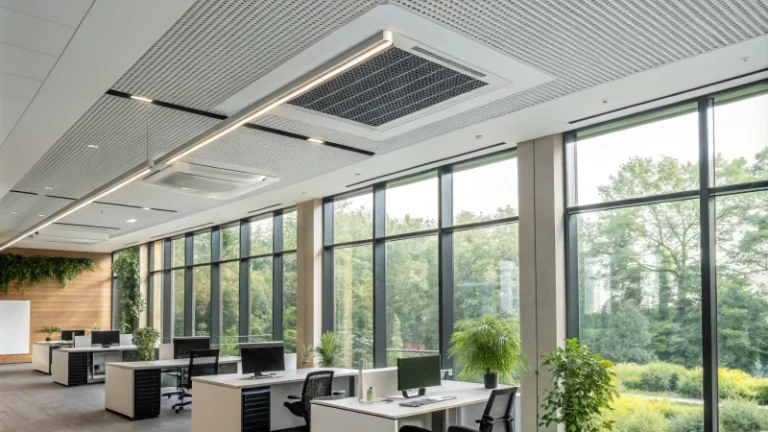
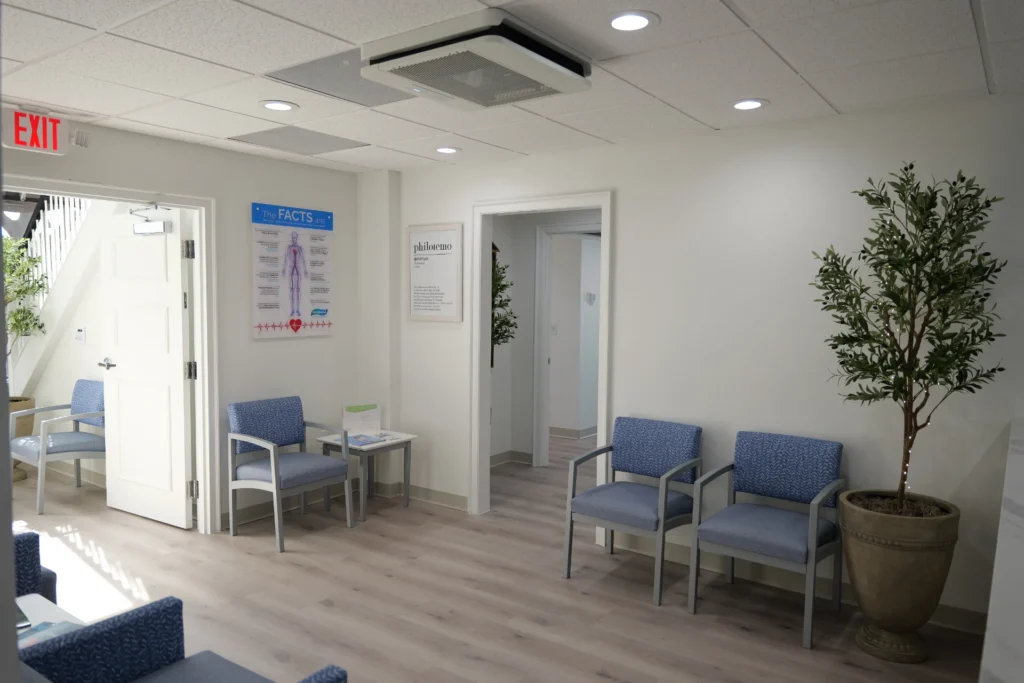
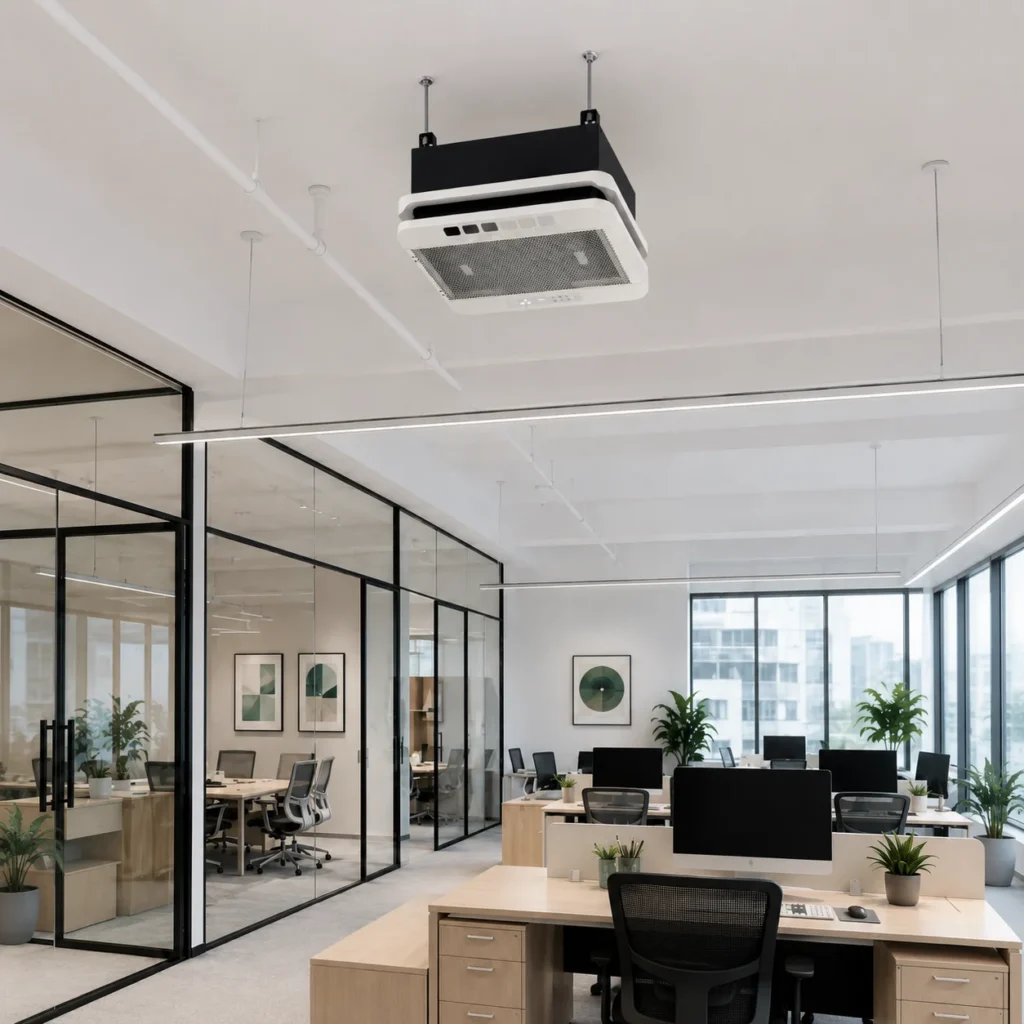
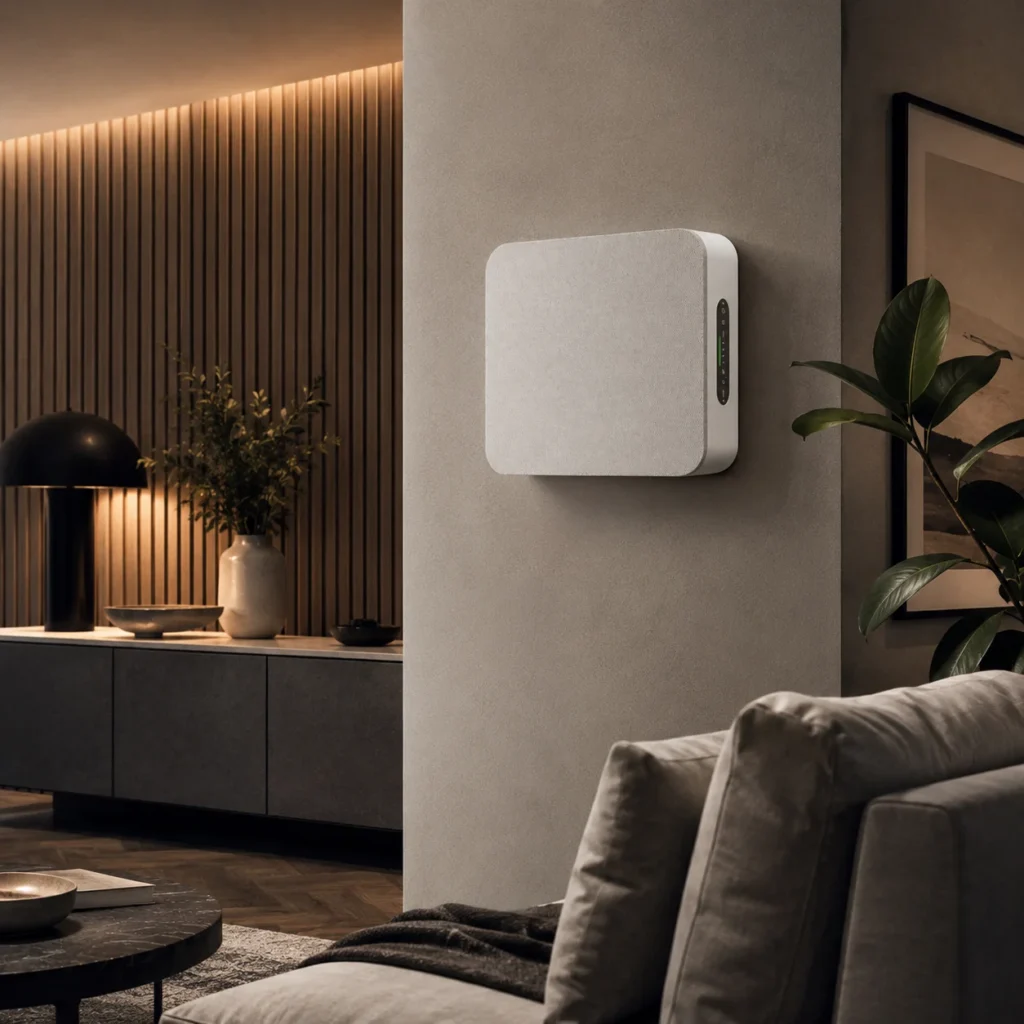
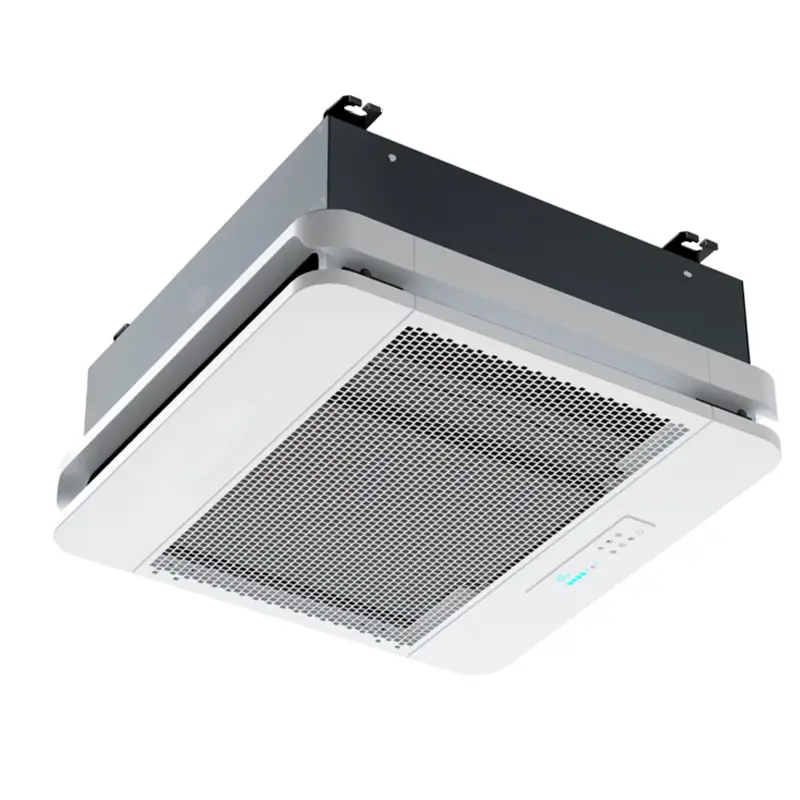
وحدة تكييف هواء عصرية مثبتة في السقف بتصميم أنيق وعناصر تحكم رقمية.

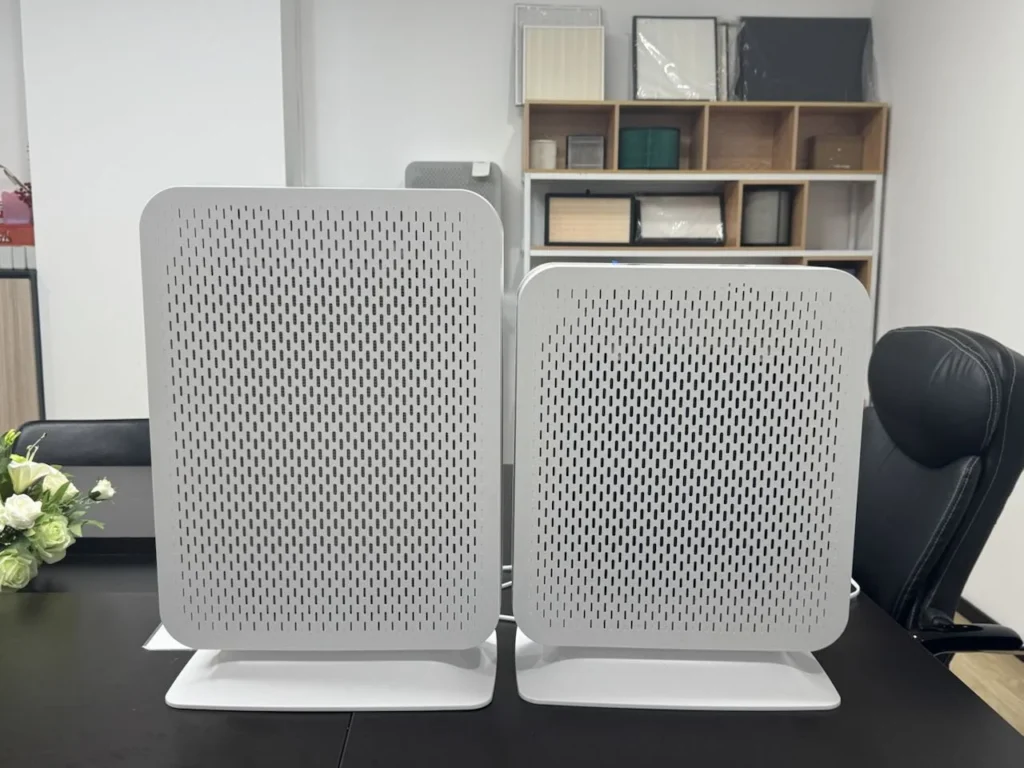
جهاز تنقية الهواء السقفي HA800

  • قوية وهادئة: مزوّد بفلتر HEPA لتنقية فعالة مع الحفاظ على تشغيل فائق الهدوء في مختلف الإعدادات.
  • تصميم صغير الحجم، تغطية كبيرة: Covers spaces of 50-80m² with four air volume options to suit various needs.
  • مستشعر رادار مدمج: يكتشف إشغال الغرفة في الوقت الحقيقي ويضبط التشغيل تلقائياً لتحقيق الأداء الأمثل وكفاءة الطاقة.
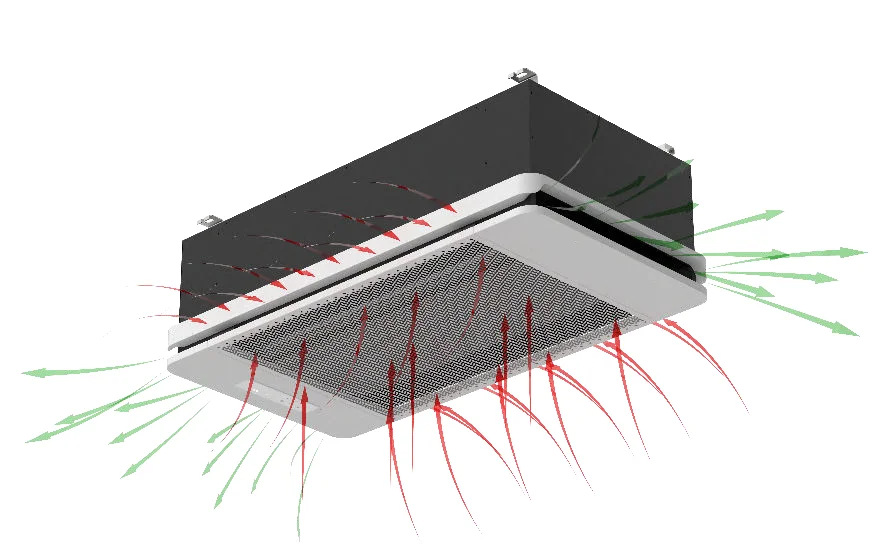
  • دوران هواء فعال: يعزز تدفق الهواء بسلاسة، مما يضمن توزيع الهواء النظيف بالتساوي في المساحات الكبيرة مثل قاعات المؤتمرات والمكاتب.
  • الإدارة الذكية للطاقة: يتم ضبطها تلقائياً بناءً على الإشغال، مما يوفر الطاقة مع الحفاظ على جودة هواء فائقة.
طلب عرض أسعار

وصف المنتج

CEILING-MOUNTED AIR PURIFICATION

High-Airflow Purification Without Taking Up Floor Space

The HA800 is a commercial ceiling-mounted air purifier designed for offices, classrooms, meeting rooms and other occupied spaces where floor space, airflow and acoustic performance matter.

Its metal ceiling-integrated design combines up to 700 m³/h (414 CFM) airflow with H13 HEPA filtration and four operating levels, providing a fixed air-purification solution without adding freestanding equipment to the room.
700 m³/h Maximum Airflow
22–47 dB Specified Noise Range*
H13 HEPA Standard Filtration
50–80 m² Recommended Area*
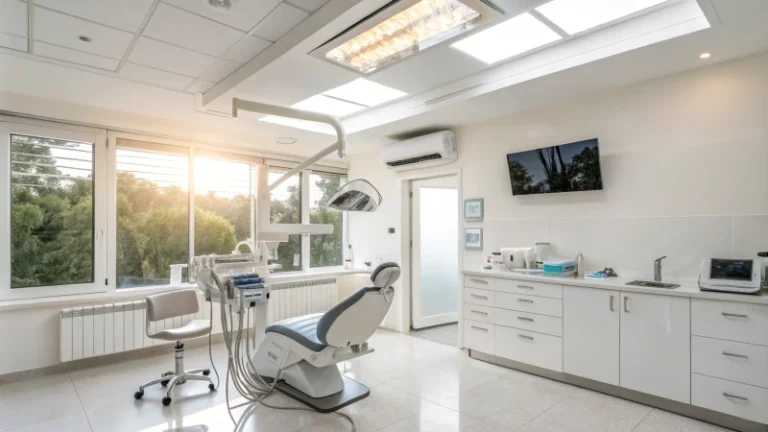
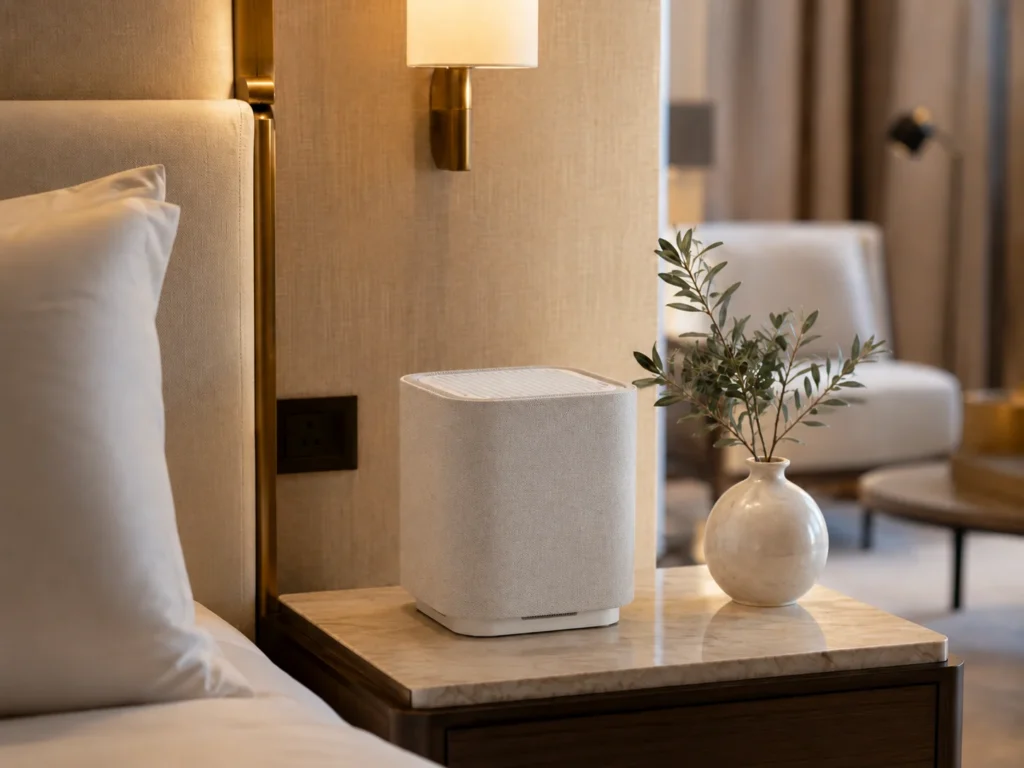
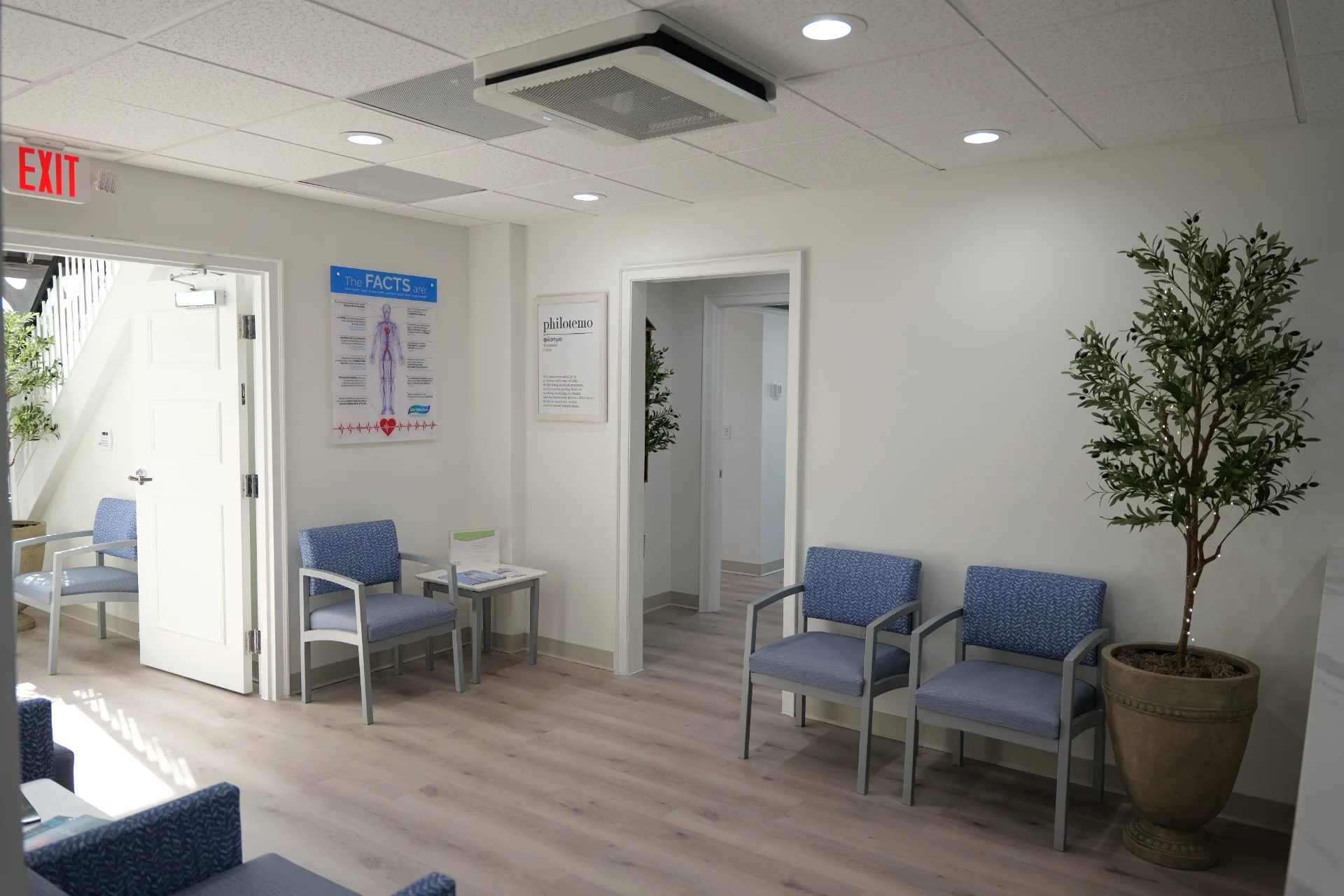
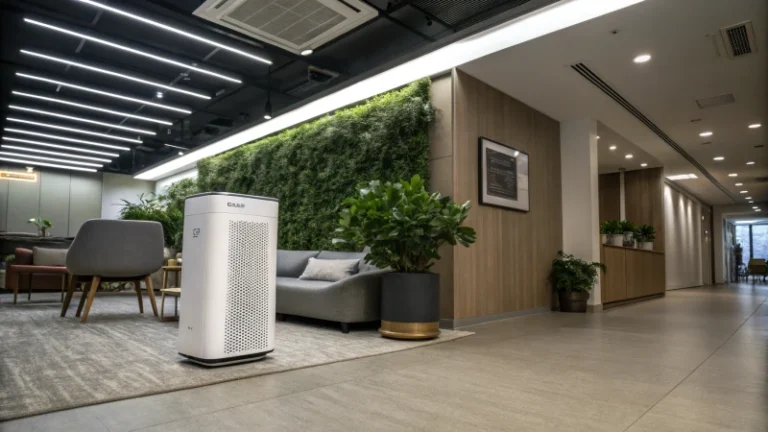
HA800 ceiling-mounted air purifier installed in a commercial space
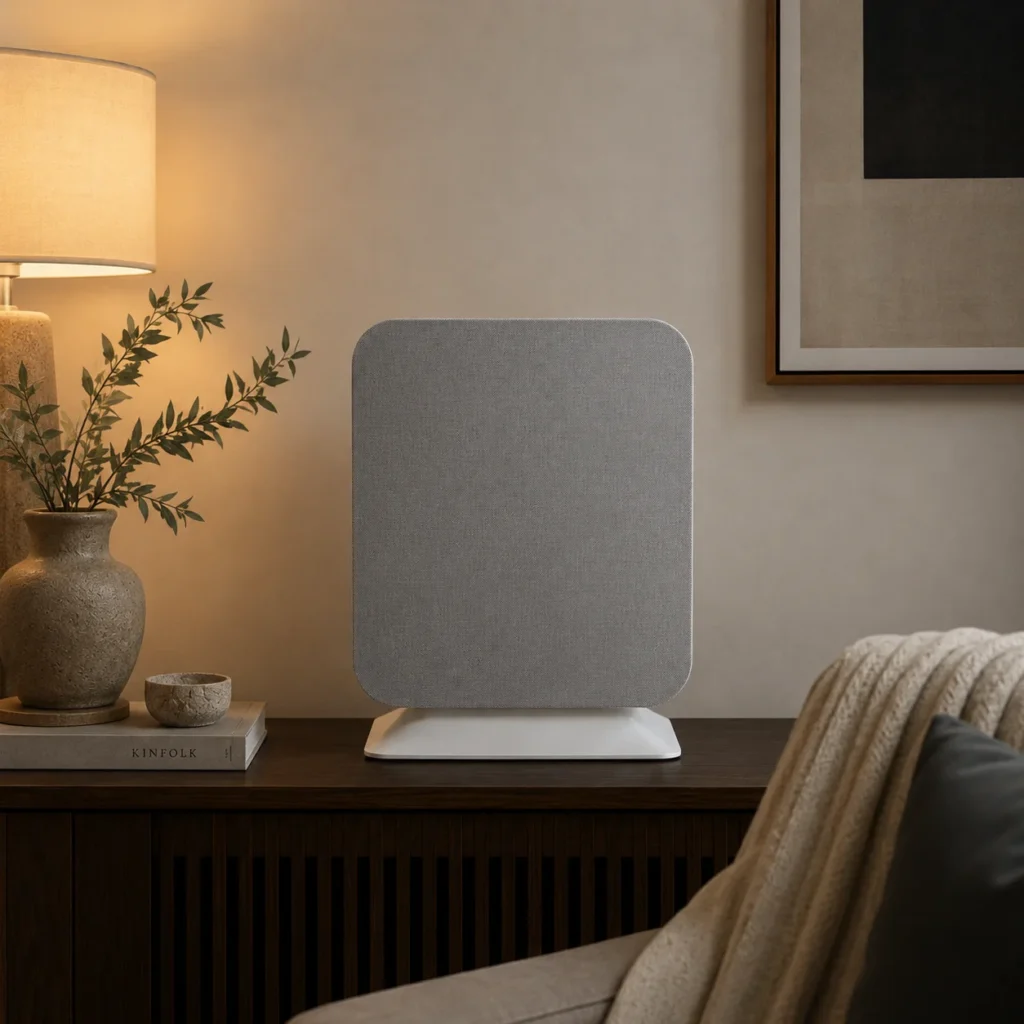
HA800 ceiling air purifier airflow design
AIRFLOW & ACOUSTICS

Four Airflow Levels for Different Commercial Environments

The HA800 provides four airflow settings from 160 to 700 m³/h. This allows airflow output to be matched to different room conditions while maintaining a specified acoustic range of 22–47 dB.

160 m³/h 22 dB*
280 متر مكعب/ساعة 27 dB*
460 m³/h 38 dB*
700 m³/h 47 dB*
Explore Ceiling Air Purifier Engineering →
SPACE-SAVING DESIGN

Designed for Permanent Ceiling Installation

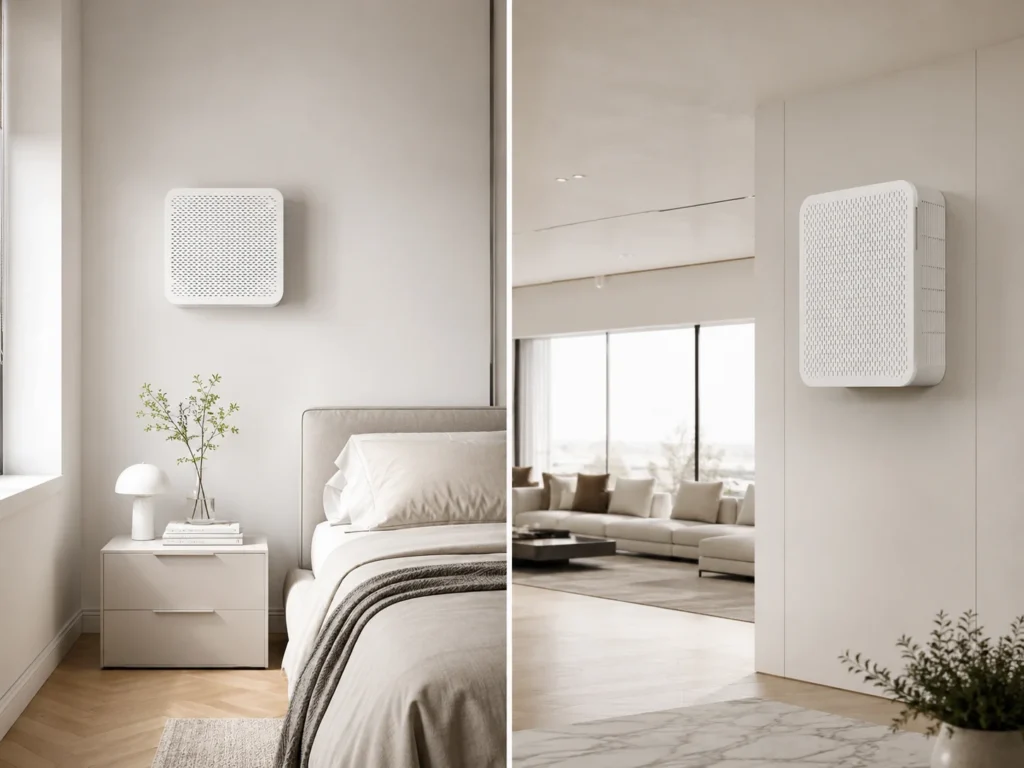
The HA800 uses a durable metal enclosure with a 490 × 490 mm footprint designed for ceiling-mounted installation. Moving the purification system above the occupied space helps preserve usable floor and wall area while maintaining a clean, integrated appearance.

  • Fixed ceiling-mounted configuration
  • Metal construction for commercial applications
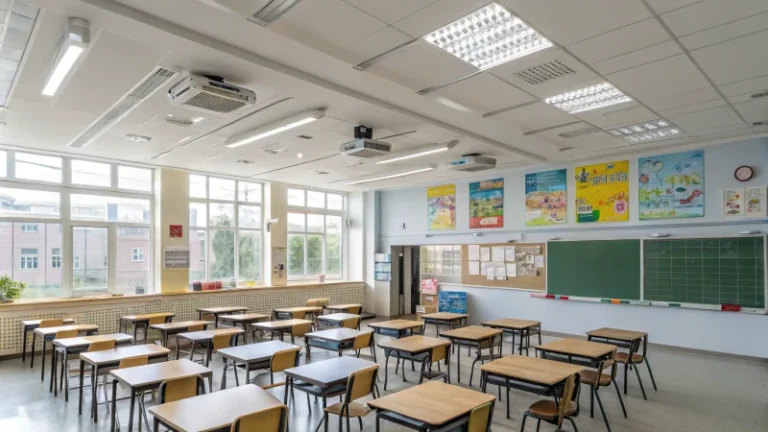
  • Suitable for offices, classrooms and meeting spaces
  • Touch-button and remote-control operation
HA800 commercial ceiling installation and space-saving design
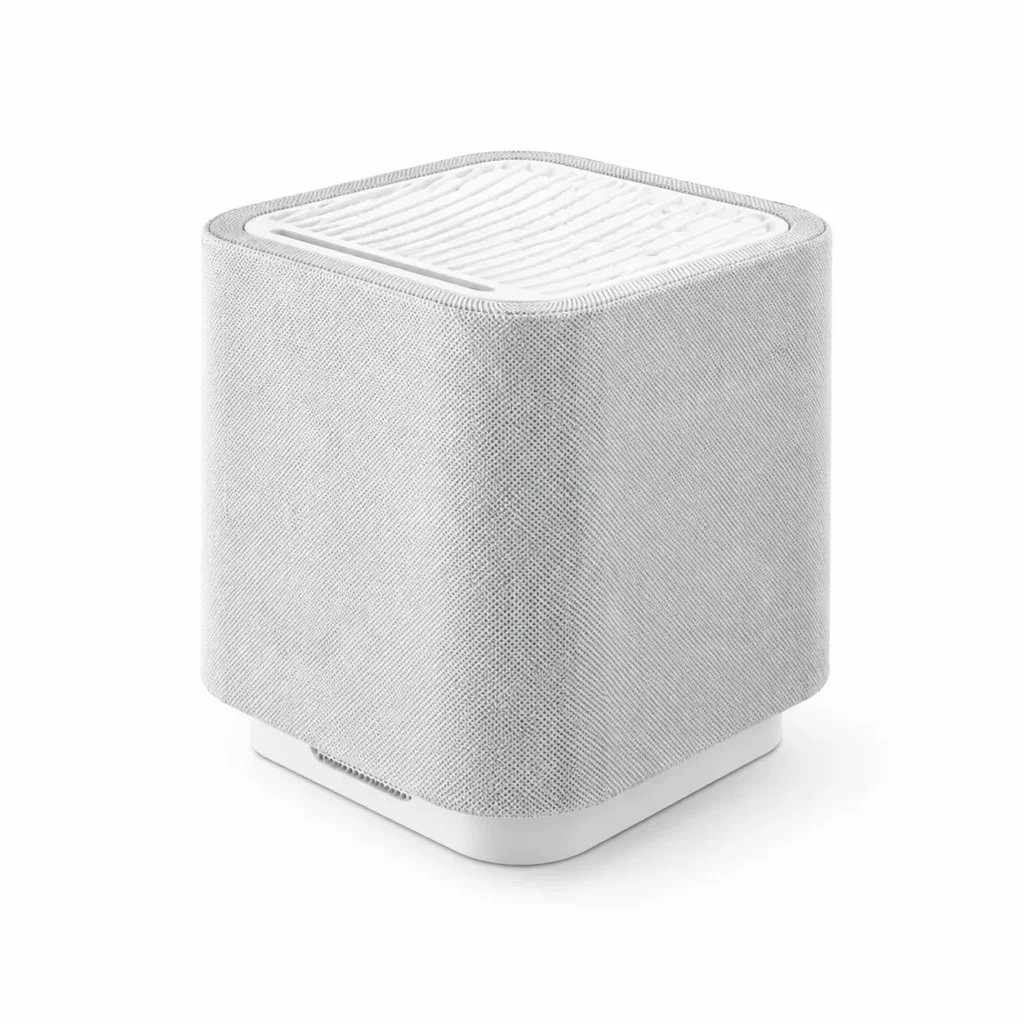
HA800 built-in proximity sensor and control detail
CONFIGURABLE PLATFORM

Built-In Proximity Sensor with Optional Smart Upgrades

The standard HA800 configuration includes a مستشعر القرب, touch controls and remote control. For projects requiring additional indoor-air-quality monitoring, filtration or connectivity, the platform can be configured with selected optional functions.

PM2.5 Sensor CO₂ Sensor الكربون المنشط Wi-Fi / Tuya UVC

Optional functions depend on the final product configuration and project requirements.

* Performance figures shown above should be maintained against the latest approved HA800 product specification and applicable test data.
المواصفات

الفولتية
110 فولت/ 220 فولت، 50-60 هرتز
الطاقة
75W
المواد
معدن
الضوضاء
22-47 dB
العرض
شاشة LED
المستشعر
مستشعر القرب
حجم الماكينة
636*636*255mm
مجال التطبيق
50-80m²
Gear 1 CADR - Noise
160m³/h (94 CFM)-22dB
Gear 2 CADR - Noise
280m³/h (167 CFM)-27dB
Gear 3 CADR - Noise
460m³/h (274 CFM)-38dB
Gear 4 CADR - Noise
700m³/h (414 CFM)-47dB
التصفية
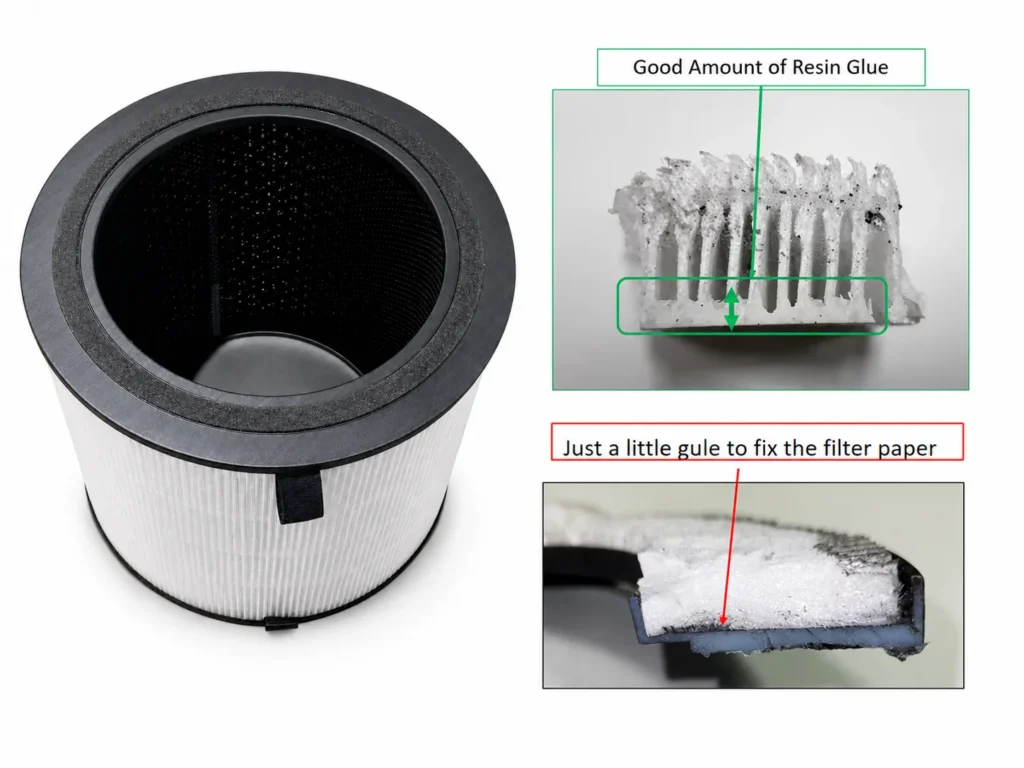
فلتر مسبق + فلتر HEPA H13 HEPA
حجم المرشح
395mm*230mm*80mm
كمية المرشح
2 قطعة
منطقة فلتر HEPA
7.2m²
التحكم:
زر لمس + جهاز تحكم عن بُعد
Function for option
UVC lamp, PM2.5 sensor, CO2 sensor, WIFI (Tuya),Activated carbon filter

تنزيلات المستندات ذات الصلة

لا توجد تنزيلات متاحة.

لماذا تختار أجهزة تنقية الهواء التي نقدمها؟

High-Performance Air Purification
Advanced Filtration Options
99.91.9% البكتيرية
معدل الإزالة
ارتفاع CADR
(معدل توصيل الهواء النظيف)
H13/H14 HEPA Filtration Options
Optional 270–280 nm UVC Module
H14 H13 extended filter life
lifespan HEPA filters
Third-Party Tested Filtration Performance

أفضل 3 مصنعي أجهزة تنقية الهواء OEM/ODM في الصين

وضع العلامات الخاصة لأجهزة تنقية الهواء ذات العلامات التجارية لعقود من الزمن

تقدم شركة HisoAir خدمات وضع العلامات الخاصة على أجهزة تنقية الهواء للعملاء الذين قاموا بالفعل بمراجعة تصميم ومواصفات أجهزة تنقية الهواء من HisoAir ووافقوا عليها. بمجرد توقيع الاتفاقية، سيتم وضع علامة باسم العميل على المنتجات المختارة.

أجهزة تنقية الهواء من OEM من البداية إلى النهاية

تقدم شركة HisoAir خدمات تنقية الهواء من مصنعي المعدات الأصلية للشركاء الذين لديهم المواصفات اللازمة في المنتج. تقدم شركة HisoAir خدمات البحث والتصميم والهندسة والنماذج أو التعديلات والاختبار والإنتاج بكميات كبيرة بناءً على التصميم النهائي للعميل.

شعار شركة 3M 3M باللون الأحمر.
شعار الناقل
شعار هاير
شعار ألين - موثوق به في مجال تنقية الهواء
شعار tcl 0
شعار هانيويل - الشركة الرائدة في مجال حلول تنقية الهواء والترشيح
شعار LG - شركة مبتكرة في الأجهزة المنزلية الذكية وحلول تنقية الهواء
شعار فيليبس - شركة رائدة في مجال التكنولوجيا الصحية وحلول تنقية الهواء

موثوق بها من قبل علامات تجارية عالمية شهيرة

مع أكثر من 20 عاماً من الخبرة، نحن متخصصون في تقديم حلول IAQ التي تتكامل بسلاسة مع احتياجات العلامات التجارية الأكثر شهرة في العالم. كن شريكاً معنا لتحقيق أداء استثنائي مصمم خصيصاً لسوقك

الشهادات

" لقد وجدت موقع hisoair الإلكتروني من جوجل، ولأكون صادقًا، لم أكن متأكدًا من موثوقيتهم في البداية، لكنهم أكملوا متطلبات مشروعي في شهر ونصف. وعندما تطلب المشروع الإضافة العاجلة لمستشعر ثاني أكسيد الكربون، أنجزوا عينة جديدة في غضون أسبوع، مما يجعلهم أكثر الشركات المصنعة احترافية وتركيزًا على العملاء الذين تعاملت معهم على الإطلاق "
TMS 1
توماس
مورد حكومي من ألمانيا
" نعلم جميعًا أن كوفيد كان كارثة رهيبة للعالم بأسره، خاصة بالنسبة للهند، لقد اشتريت جهاز تنقية الهواء من هيسو اير، لقد كان هذا مفيدًا جدًا لي ولمكتبي ومنزلي وعائلتي وأصدقائي، لقد عملت مع ألوين على مدار السنوات السبع الماضية، وهو من هيسو اير، يمكنني أن أؤكد أنه شخص موثوق به للغاية وفعال للغاية ومحترف للغاية "
شهادات العملاء 2
رانجيث بالا
مستورد المنتجات الطبية من الهند
" نحن شركة لديها أكثر من 15 عامًا من الخبرة في العمل مع المؤسسات الخاصة والقطاعات الخاصة، وقد تعاونا مع شركة هيسو لمدة 3 سنوات، ونحن ممتنون حقًا للأعمال التي قدمتها لنا شركة هيسو. نحن ممتنون للتعاون مع شيري والسيد لي "
شهادات العملاء
هيرينا
المستشفيات والمورد الحكومي من رومانيا

انضم إلى الرواد العالميين الذين يعتمدون على خبرتنا في حلول تنقية الهواء.

استفسارك يهمنا. سنتصل بك قريباً، وستظل بياناتك آمنة دائماً.
لقد تعاونا مع هيسو لمدة 3 سنوات، ونحن ممتنون حقًا للأعمال التي قدمها لنا هيسو. نحن ممتنون للتعاون مع شيري والسيد لي.
TMS 1
توماس
مورد حكومي من ألمانيا
Contaminant Engineering•3 min read

PFAS Water Filtration Technologies Explained: Carbon, Resin & RO

Key Takeaway:

PFAS reduction depends on the specific compounds present, treatment media, contact time, water chemistry, and system design. Activated carbon, ion exchange, and Reverse Osmosis address PFAS through different mechanisms.

PFAS are a large family of persistent fluorinated compounds that can occur in drinking-water supplies. Their treatment behavior varies significantly by molecular structure, chain length, functional group, concentration, and the chemistry of the source water.

Granular Activated Carbon (GAC) removes PFAS primarily through adsorption. It is generally more effective for many longer-chain PFAS, while shorter-chain compounds tend to break through more quickly. Carbon performance depends on media properties, Empty Bed Contact Time (EBCT), competing organic matter, loading, and replacement frequency.

Ion-exchange resins use charged functional sites to capture many PFAS compounds. Properly selected anion-exchange media can provide high capacity and may perform better than conventional activated carbon for some shorter-chain PFAS, although performance still depends on water chemistry and competing ions.

Reverse Osmosis (RO) uses membrane separation rather than adsorption. Properly designed RO systems can provide broad reduction across many PFAS compounds as well as dissolved salts and other contaminants. Unlike carbon or resin, however, RO also produces a concentrate stream that must be managed.

No single technology should be selected from a PFAS label alone. System design should consider which PFAS compounds are present, their concentrations, required reduction targets, flow rate, media life, and the applicable third-party certification or validation requirements.

HisoAir Water Technical Series
Product Discovery•3 min read

How to Choose an Under-Sink Water Purifier for Modern Kitchens

Key Takeaway:

Match the treatment technology to your water quality first, then evaluate cabinet space, faucet configuration, flow rate, drain and power requirements, and filter replacement needs.

Choosing an under-sink water purifier starts with water chemistry. Carbon filtration is well suited to chlorine, taste, odor, and many organic contaminants, while Reverse Osmosis is more appropriate when dissolved salts, fluoride, nitrates, or broader dissolved contaminants need to be reduced.

For compact kitchens, tankless RO systems eliminate the conventional storage tank and can significantly reduce the space required under the sink. However, membrane capacity stated in GPD does not directly equal faucet flow. When comparing systems, check the actual dispensing flow rate, inlet-pressure requirement, recovery ratio, and whether a booster pump is required.

Installation architecture also matters. Many RO systems require a drain connection, electrical power, and either a dedicated drinking-water faucet or a compatible multi-function faucet. High-flow carbon systems can often connect directly to the existing cold-water line with a simpler installation, but pressure drop and available faucet flow should still be verified.

RO also removes much of the naturally occurring dissolved mineral content. Where taste or mineral balance is a priority, a post-RO remineralization stage can be added. Filter life should be evaluated by both rated capacity and local water quality rather than replacement time alone.

The right system is therefore not simply the smallest or highest-GPD model. It is the configuration that matches the target contaminants, available cabinet space, desired faucet setup, peak dispensing demand, and maintenance expectations.

HisoAir Water Technical Series
Water Quality•2 min read

What Does TDS Mean in Drinking Water? Measurement vs Contaminant Reality

Key Takeaway:

A TDS meter estimates the overall concentration of dissolved ionic substances from electrical conductivity. It cannot identify specific contaminants or determine whether water is chemically safe.

Total Dissolved Solids (TDS) refers to the combined concentration of dissolved substances in water. Most handheld TDS meters do not measure TDS directly. Instead, they measure electrical conductivity (EC) and convert that reading into an estimated parts-per-million (ppm) value.

This means a TDS reading can indicate how much dissolved ionic material is present, but not what that material actually is. Calcium, magnesium, sodium, nitrates, and other dissolved ions can all contribute to conductivity, yet a simple TDS meter cannot distinguish between them.

TDS meters are also not suitable for detecting trace contaminants such as PFAS, many VOCs, pesticides, pharmaceuticals, or disinfection byproducts. These substances may be present at concentrations far below the level needed to noticeably change electrical conductivity.

A low TDS reading therefore does not guarantee safe drinking water, and a higher TDS reading does not automatically indicate contamination. Water-treatment decisions should be based on laboratory testing for specific contaminants of concern rather than TDS alone.

HisoAir Water Technical Series
Technology Selection•2 min read

RO vs UF Water Filtration: Understanding Pore Sizes & Dissolved Minerals

Key Takeaway:

Ultrafiltration can reduce bacteria, turbidity, and suspended particles while retaining most naturally occurring dissolved minerals. Reverse Osmosis provides much broader reduction of dissolved salts and smaller contaminants.

Ultrafiltration (UF) typically uses hollow-fiber membranes with pore sizes in the approximate 0.01–0.1 micron range. These membranes physically retain turbidity, suspended solids, colloids, and many microorganisms while allowing dissolved minerals and salts to remain in the water.

Reverse Osmosis (RO) operates at a much finer separation level. Unlike UF, RO can substantially reduce dissolved ions such as sodium, calcium, fluoride, nitrates, and other contributors to total dissolved solids (TDS). This makes RO more suitable when dissolved-salt reduction is a primary treatment objective.

UF generally requires less system pressure and produces little or no continuous concentrate stream in many point-of-use configurations. RO typically requires greater pressure and produces a reject-water stream, but delivers broader contaminant reduction.

For water with acceptable TDS and mineral content, UF can be a simpler mineral-retaining treatment option. Where dissolved salts, fluoride, nitrates, or broader dissolved contaminants are a concern, RO is generally the more appropriate technology.

HisoAir Water Technical Series
Technology Selection•4 min read

Carbon Block vs Reverse Osmosis: Which Fits Your Need?

Key Takeaway:

Choose RO for dissolved inorganic salts and heavy metals; choose Carbon Block for chemical taste/odor, no wastewater, and high line-pressure flow.

Reverse Osmosis (RO) and Carbon Block filtration represent two fundamentally different treatment methods: membrane separation and adsorption. Understanding these differences helps determine which technology is better suited to a specific water-quality requirement.

Reverse Osmosis uses a semi-permeable membrane with pore sizes of approximately 0.0001 microns. It can significantly reduce dissolved inorganic contaminants such as TDS, fluoride, nitrates, and certain heavy metals. Because water must be forced through the membrane, RO systems require sufficient pressure or a booster pump and generate a concentrated wastewater stream.

Carbon Block filtration relies primarily on adsorption through compressed activated carbon, commonly with nominal pore sizes around 0.5–5 microns. It is highly effective for chlorine, chloramines, VOCs, taste, and odor, while allowing substantially higher direct-flow rates without producing wastewater.

From an operating perspective, Carbon Block systems are generally simpler, require less energy, and avoid the water loss associated with RO. RO involves higher system complexity and operating cost, but provides substantially broader reduction of dissolved contaminants that Carbon Block alone cannot address.

HisoAir Water Technical Series

طلب عرض أسعار