
Allergies are a pervasive and often debilitating issue affecting millions worldwide. From the incessant sneezing and runny noses to itchy eyes and skin rashes, allergic reactions can significantly diminish quality of life. While many factors contribute to allergic responses, indoor air quality plays a crucial role, as our homes can become reservoirs for various allergens. This often leads to a pressing question for allergy sufferers: "Do air purifiers really work to reduce allergens?"
In recent years, advancements in air purification technology have brought forth a new generation of devices, offering more than just basic air filtration. Modern air purifiers often integrate multiple functionalities, such as dehumidification and humidification, to create a more comprehensive indoor environment management system. This article will delve into the science behind air purifiers, explore their effectiveness in allergen reduction, and discuss how integrated solutions can provide a holistic approach to allergy management.
What Causes Allergies Indoors?
Our homes, while offering sanctuary, can also harbor a multitude of allergens that trigger uncomfortable reactions. Understanding these common culprits is the first step toward effective allergen control. The primary indoor allergens include:
- Pollen: While often associated with the outdoors, pollen can easily enter our homes through open windows, doors, or even on our clothes and pets. Once inside, it can remain suspended in the air or settle on surfaces, continuing to cause issues.
- Dust Mites: These microscopic creatures thrive in warm, humid environments and are commonly found in bedding, upholstered furniture, carpets, and curtains. Their droppings and decaying body parts are potent allergens.
- Mold Spores: Mold flourishes in damp areas, such as bathrooms, basements, and kitchens, releasing spores into the air that can trigger allergic reactions and respiratory problems. High humidity levels are a significant factor in mold growth.
- Pet Dander: Tiny flakes of skin shed by animals with fur or feathers (cats, dogs, birds, etc.) are a common allergen. Pet dander can become airborne and remain suspended for long periods, easily spreading throughout the home.
It's crucial to recognize that high humidity acts as a significant catalyst for the proliferation of certain allergens, particularly mold and dust mites. Environments with relative humidity levels consistently above 60% create an ideal breeding ground for these unwelcome guests. This highlights a critical point: effective allergen control isn't just about removing existing particles; it's also about managing the environmental conditions that allow them to thrive. This is where integrated solutions, such as an air purifier combined with a dehumidifier, become invaluable. By actively controlling indoor humidity, these devices can significantly reduce the conditions favorable for mold and dust mite growth, offering a more comprehensive approach to maintaining a healthy indoor environment.

Do Air Purifiers Really Work?
The short answer is a resounding yes, air purifiers can be highly effective in reducing airborne allergens and alleviating allergy symptoms. The primary mechanism by which most effective air purifiers achieve this is through sophisticated filtration systems, with HEPA (High-Efficiency Particulate Air) filters being the gold standard.
HEPA filters are designed to capture at least 99.97% of airborne particles 0.3 microns in size, which includes common allergens like pollen, dust mites, mold spores, and pet dander. These particles, though microscopic, are precisely what trigger allergic reactions. By continuously drawing in indoor air and passing it through these dense filters, air purifiers effectively remove these irritants from circulation.
Numerous studies and authoritative organizations support the efficacy of air purifiers in allergen reduction:
- The American Academy of Allergy, Asthma & Immunology (AAAAI) acknowledges that air filtration can reduce airborne allergens and provide relief for allergy sufferers.
- Research published in the Journal of Allergy and Clinical Immunology has shown that air filtration can lead to a significant reduction in allergy symptoms. One study indicated an average of 26% reduction in morning symptoms and 24% reduction in evening symptoms for participants using air filters.
- A systematic review in 2024 highlighted that HEPA filters can reduce allergen concentrations by approximately 65%–90%.
- Studies have specifically demonstrated the effectiveness of air filtration in removing house dust mites, cat, and dog allergens, as well as particulate matter from indoor air, offering a fast and simple solution for allergen control.
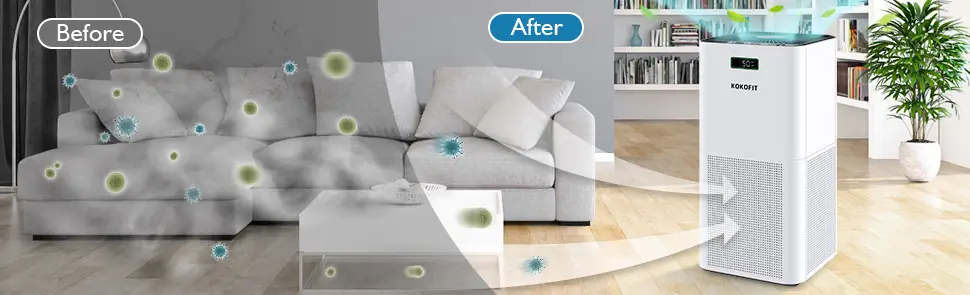
It's important to understand that modern air purification goes beyond mere particle capture. As mentioned in the introduction, the latest advancements in air purification technology mean that air purifier products not only purify the air but can also be combined with dehumidification and humidification features to provide a more comprehensive allergy protection environment. This integrated approach addresses not just the presence of allergens but also the environmental conditions that contribute to their proliferation and impact on respiratory health.
What About Humidity?
Humidity plays a far more significant role in indoor allergen management than many people realize. It's not just about comfort; it's about creating an environment where allergens either thrive or are suppressed. Maintaining optimal indoor humidity levels is crucial for allergy sufferers.
-
High Humidity (>60%): The Allergen Breeding Ground. When indoor humidity consistently exceeds 60%, it creates an ideal breeding ground for common allergens like mold and dust mites. Mold spores flourish in damp conditions, and dust mites, which absorb moisture from the air, multiply rapidly in high humidity environments. Their presence and proliferation directly contribute to increased allergen concentrations in the air, exacerbating allergy symptoms.
-
Low Humidity (<30%): Irritation and Discomfort. Conversely, excessively low humidity, typically below 30%, can also pose problems for allergy sufferers. Dry air can irritate the nasal passages and throat, making them more susceptible to inflammation and discomfort. This can worsen symptoms for individuals with respiratory allergies, leading to dry coughs, sore throats, and increased sensitivity to airborne irritants.
Given this delicate balance, effective humidity management becomes a cornerstone of comprehensive allergy control. This is where specialized solutions come into play:
-
Air Purifier + Dehumidifier Integrated Units: Ideal for Humid Climates. For those living in southern, humid environments where mold and dust mites are prevalent, an integrated air purifier + dehumidifier unit is highly recommended. These devices not only filter out airborne allergens but also actively remove excess moisture from the air, creating an inhospitable environment for mold and dust mites. This dual action provides a powerful defense against the most common indoor allergens in damp regions.
-
Humidifiers (Paired with Air Purifiers): For Dry Winter Environments. In contrast, for northern regions or during dry winter months when heating systems can drastically reduce indoor humidity, a humidifier can be a beneficial addition. When used in conjunction with an air purifier, a humidifier can help maintain optimal humidity levels (ideally between 40-50%), preventing the drying out of nasal passages and throats, which can alleviate allergy symptoms and improve overall respiratory comfort. It's crucial to use humidifiers responsibly, ensuring they are cleaned regularly to prevent mold growth within the unit itself.
By addressing humidity levels, we can significantly impact the presence and severity of indoor allergens, complementing the air purification process for a truly comprehensive approach to allergy relief.
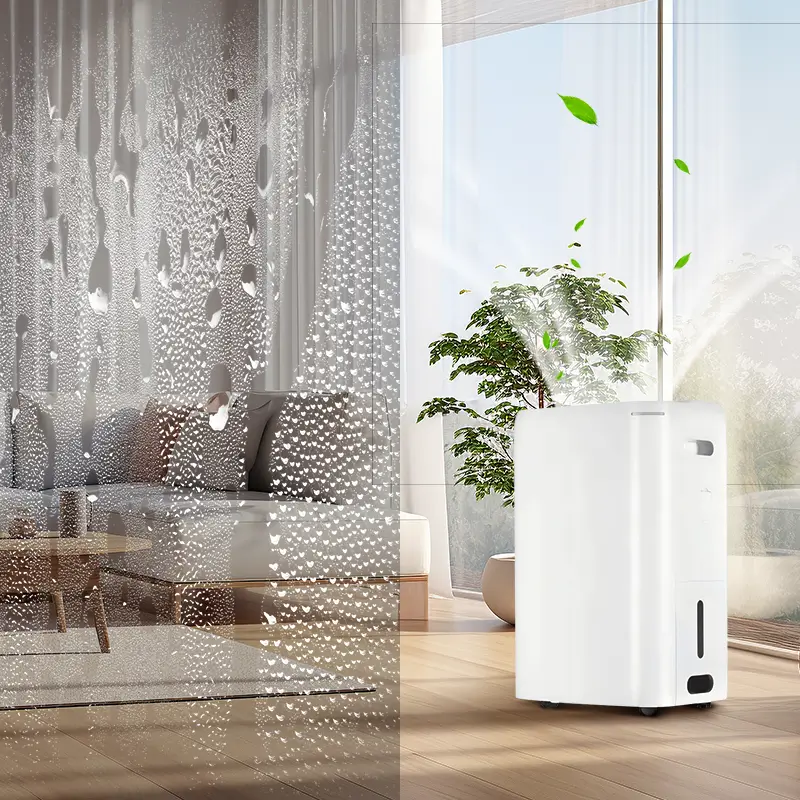
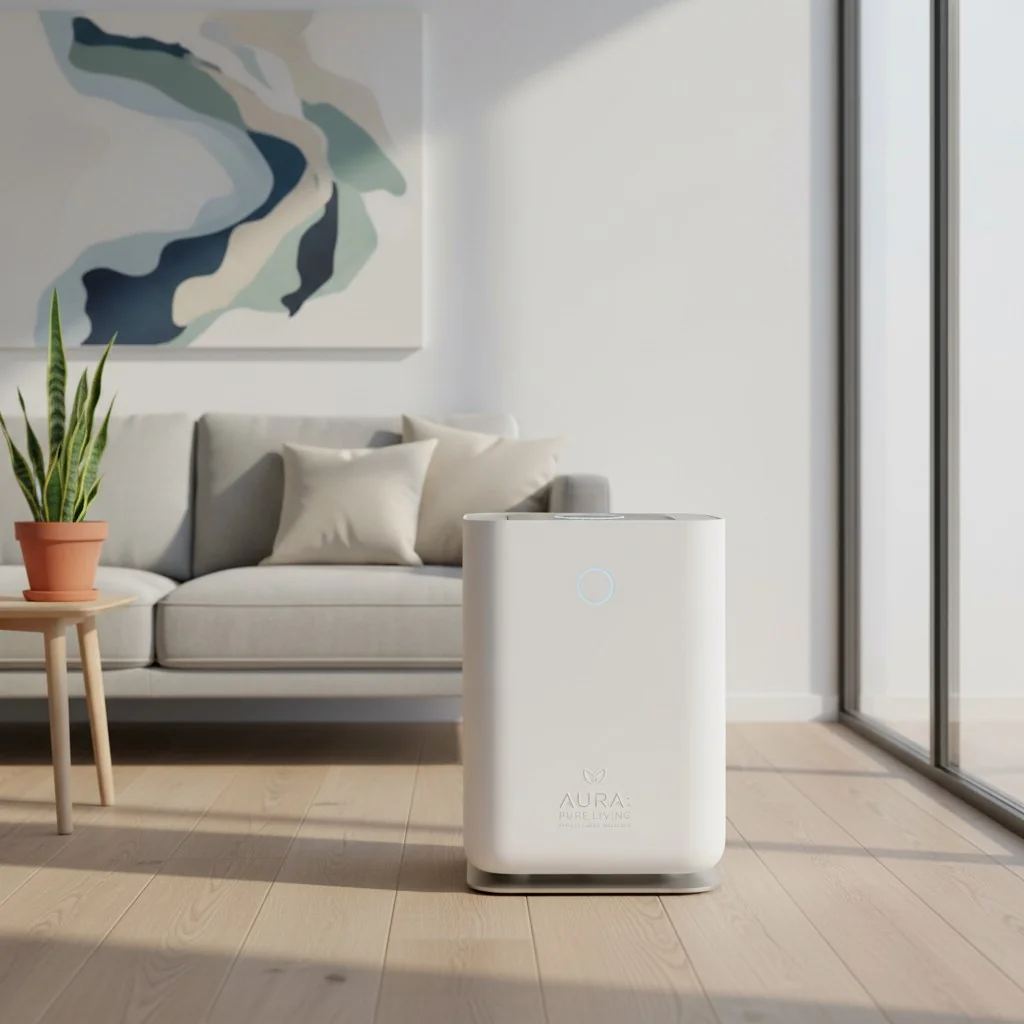
(HisoAir - Air Purifier + Dehumidifier DM-A212)
Choosing the Right Device for Allergen Control
Selecting the appropriate air quality device is paramount to effective allergen management. The 'best' device isn't a one-size-fits-all solution; rather, it depends on your specific living environment, the prevalent allergens, and your individual needs. Here’s a guide to help you choose:
-
Standalone Air Purifiers: For Everyday Basic Purification. If your primary concern is general airborne particulate matter and you live in an environment with relatively stable humidity, a high-quality standalone air purifier with a true HEPA filter is an excellent choice. These devices are designed to efficiently capture common allergens like pollen, dust, pet dander, and mold spores, providing a cleaner breathing environment for daily relief.
-
Air Purifier + Dehumidifier Integrated Units: Ideal for Humid, Mold-Prone Areas. For those residing in consistently humid climates, particularly in southern regions or areas prone to mold growth and dust mite infestations, an integrated air purifier and dehumidifier unit offers a superior solution. These devices provide the dual benefit of air filtration and moisture removal, actively combating the conditions that allow these allergens to flourish. This combination is crucial for preventing mold and dust mite proliferation, leading to a more effective and sustainable reduction in allergen levels.
-
Humidifiers (Paired with Air Purifiers): For Dry Winter Environments. In arid climates or during the dry winter months when indoor heating can significantly reduce humidity, a humidifier can be a valuable addition to your allergen control strategy. When used in conjunction with an air purifier, a humidifier helps maintain optimal indoor humidity (ideally 40-50%), which can soothe irritated respiratory passages and prevent the drying out of mucous membranes, often exacerbated by low humidity. This can alleviate symptoms like dry coughs, sore throats, and nasal irritation, providing comfort and reducing susceptibility to airborne irritants.
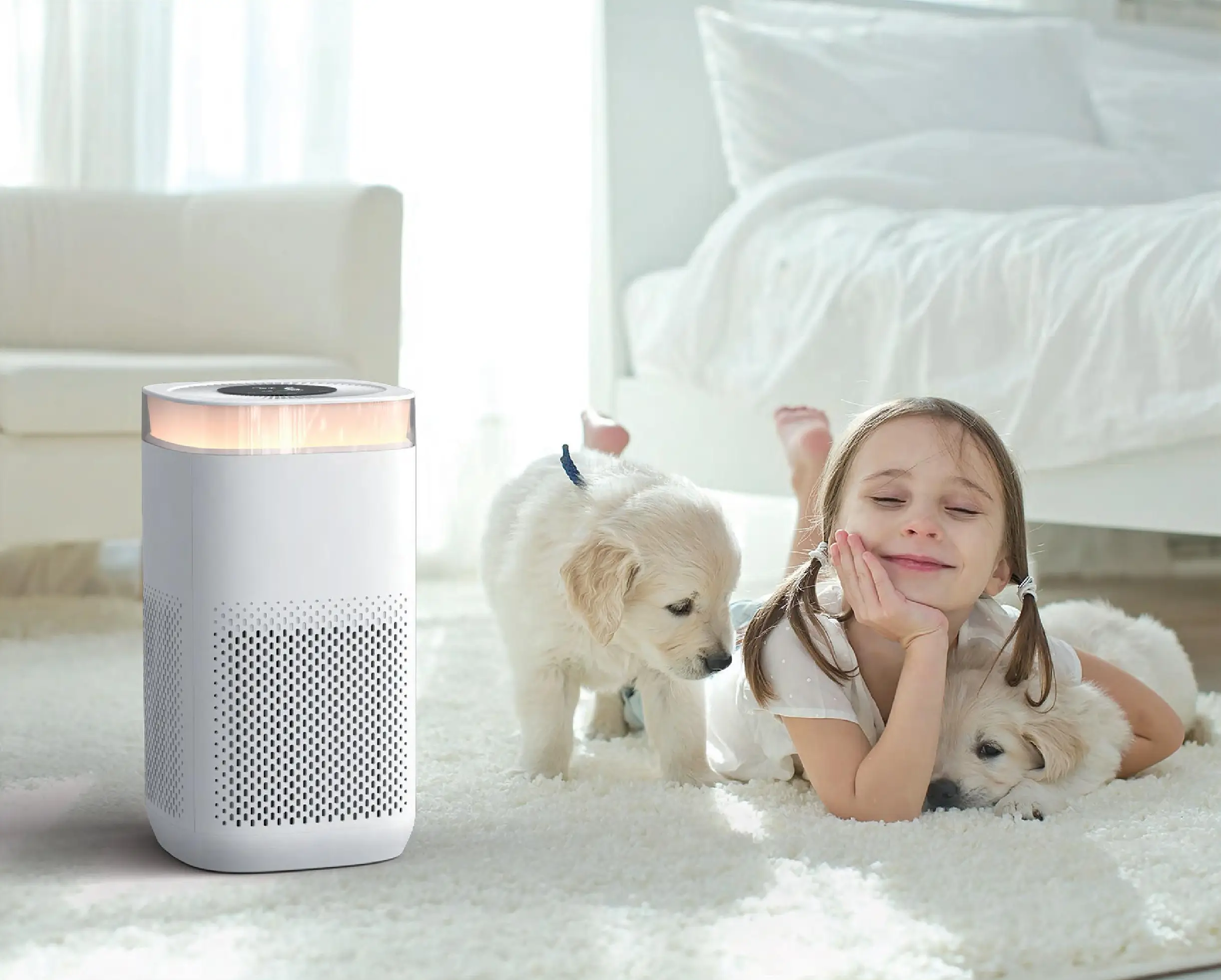
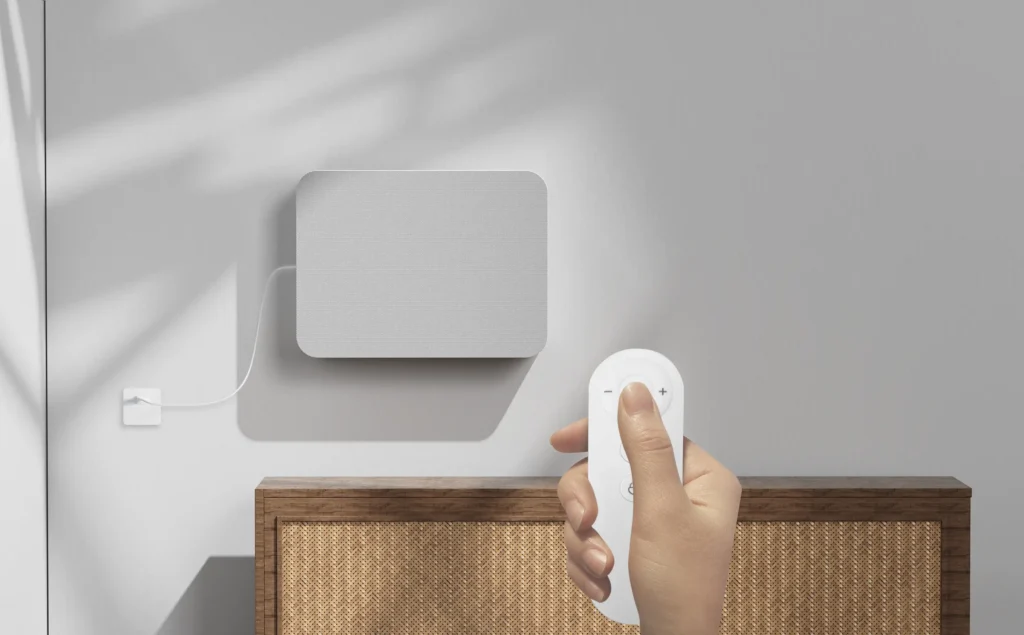
(HisoAir - Air Purifier HA4002)
How to Maximize Performance
Owning an air quality device is only half the battle; maximizing its performance is key to achieving optimal allergen reduction. Here are essential tips to ensure your air purifier, dehumidifier, or humidifier works most effectively:
-
Strategic Placement: The location of your device significantly impacts its efficiency. For air purifiers, place them in the rooms where you spend the most time, such as bedrooms and living areas. Position them away from walls and furniture to allow for unrestricted airflow. For dehumidifiers, place them in the dampest areas, like basements or bathrooms. Humidifiers should be placed in central locations to distribute moisture evenly.
-
Regular Filter Replacement: This is perhaps the most critical aspect of maintaining an air purifier's effectiveness. HEPA filters become saturated with captured particles over time, reducing their ability to trap new allergens. Follow the manufacturer's recommendations for filter replacement intervals, typically every 6-12 months, or sooner if you live in a highly polluted environment or have pets. Neglecting filter replacement can lead to decreased performance and even re-release of trapped particles.
-
Maintain Space Sealing: For an air purifier to be truly effective, the space it operates in should be as sealed as possible. Keep windows and doors closed, especially during high pollen seasons or when outdoor air quality is poor. This prevents new allergens from entering and allows the purifier to efficiently clean the air within the enclosed space.
-
Humidity Monitoring: For integrated units or when using separate humidifiers/dehumidifiers, consistent humidity monitoring is vital. Use a hygrometer (a device that measures humidity) to keep track of indoor humidity levels. Aim for a relative humidity between 40-50% to deter dust mites and mold while preventing overly dry air. Some advanced air quality devices, including those from HisoAir, come with built-in humidity sensors and can even link with other products to automatically adjust operation based on real-time humidity readings, creating a truly intelligent indoor environment management system.
By implementing these practices, you can ensure your air quality devices are working at their peak, providing you with the cleanest, most comfortable indoor air possible.

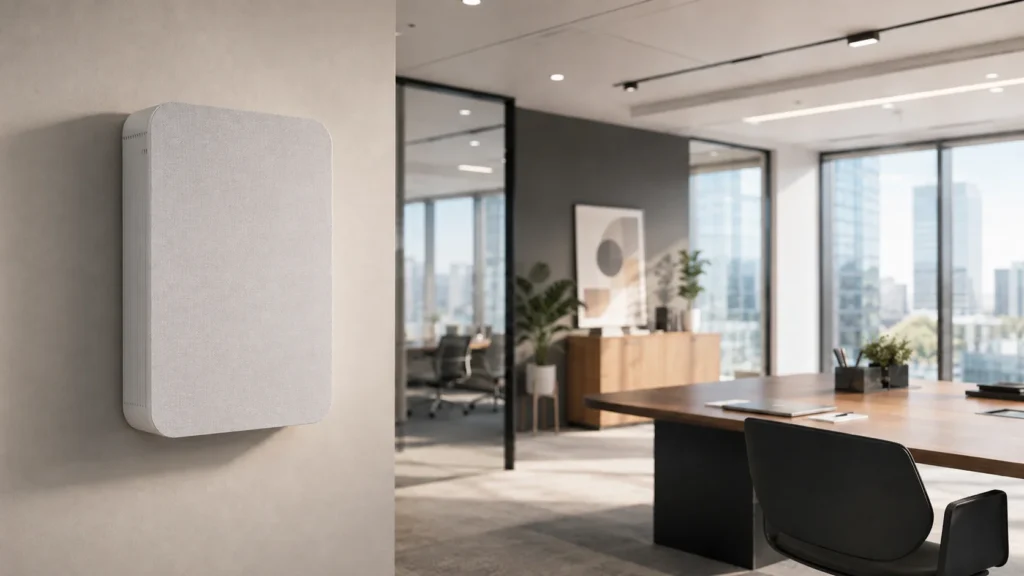
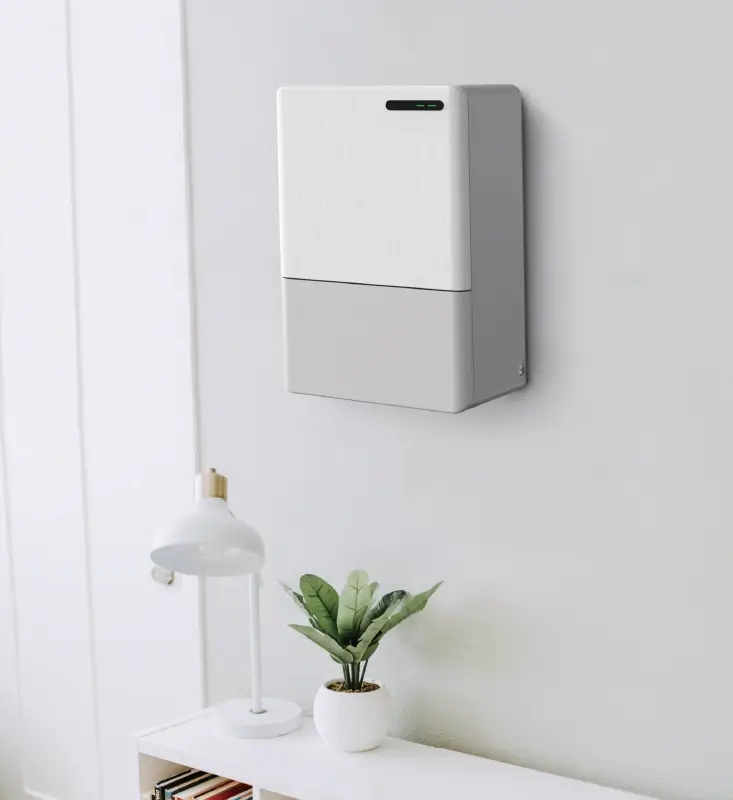
(HisoAir - Home & Office Air Monitor HS004)
Combine Methods for Best Results
While air purification devices are powerful tools in the fight against indoor allergens, they are not a standalone solution. For the most comprehensive and effective allergy management, a multi-faceted approach that combines air purification with other proactive measures is essential. Think of it as creating a complete "air environment management closed loop" in your home.
-
Physical Cleaning (Dusting and Vacuuming): Air purifiers excel at capturing airborne particles, but they cannot remove allergens that have settled on surfaces. Regular physical cleaning, including dusting with a damp cloth and vacuuming with a HEPA-filtered vacuum cleaner, is crucial to remove settled dust mites, pet dander, and pollen. This prevents these allergens from becoming airborne again.
-
Allergen-Proof Bedding: Since dust mites thrive in bedding, using allergen-proof covers for mattresses, pillows, and duvets can significantly reduce your exposure to these common triggers during sleep. These covers create a barrier that dust mites cannot penetrate.
-
Indoor Humidity Management: As extensively discussed, controlling indoor humidity is paramount. Whether through a standalone dehumidifier, an integrated air purifier-dehumidifier unit, or a humidifier in dry conditions, maintaining optimal humidity levels (40-50%) directly impacts the growth of mold and dust mites. Consider smart humidity monitors that can link with your air quality devices for automated control.
By integrating these methods, you create a holistic strategy that addresses allergens at their source, in the air, and on surfaces. For instance, someone with severe dust mite allergies in a humid climate might benefit most from an **air purifier-dehumidi

 English
 Français
 Español
 Italiano
 Deutsch
 Português
 Русский
 العربية
 日本語
 한국어
 Tiếng Việt


