
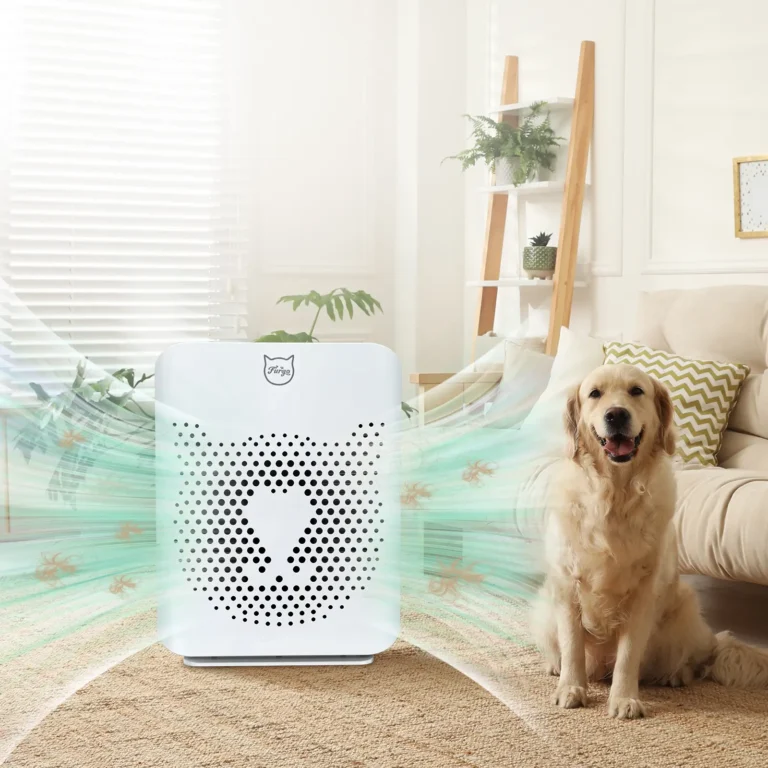
Sharing your home with a beloved pet brings unparalleled joy and comfort. However, alongside these cherished moments comes a less visible, yet equally significant, aspect of pet ownership: their profound impact on indoor air quality. While we diligently clean and groom, the floating fur, persistent odors, and microscopic dander often remain, affecting both human and pet health.
Standard cleaning routines and conventional air purifiers often fall short. Pet-related air pollution requires a specialized approach. This comprehensive guide will explore why every pet owner needs a dedicated pet air purifier, detailing how these advanced systems tackle the specific airborne issues that come with furry family members, ensuring a cleaner, healthier, and more comfortable home for everyone.
The Triple Threat to Air Quality in Pet Homes
Living with pets introduces three distinct challenges to your indoor air quality, each requiring specific filtration solutions. Understanding these challenges helps explain why multi-stage air purifiers have become essential equipment for pet owners.
Pet Hair and Dander: More Than Just a Cleaning Nuisance
Pet hair is the most visible air quality challenge in pet homes. Whether you have a heavy-shedding Husky or a seemingly low-maintenance short-haired cat, pet hair inevitably becomes airborne before settling on surfaces throughout your home. What many pet owners don't realize is that this hair carries more than just the visual evidence of your pet's presence.
Each strand of fur can transport:
- Saliva proteins from grooming
- Outdoor pollutants picked up during walks or outdoor time
- Microscopic skin cells (dander) that trigger allergies
- Dust and other particles that cling to fur
While regular vacuuming helps with hair that's already settled, it does nothing for the hair that's actively circulating in your air. This floating fur not only settles on your furniture and clothes but can also clog standard air purifiers that weren't designed with pets in mind.
Pet dander the microscopic skin flakes shed by all pets with fur or feathers presents an even more persistent challenge. These particles are so small (typically 2.5 microns or less) that they remain suspended in the air for hours and can penetrate deep into the lungs when inhaled. Even homes with "hypoallergenic" breeds contain significant amounts of dander, as all pets shed skin cells as part of their natural biological processes.
Pet Odors: The Chemistry Behind the Smell
Pet odors are perhaps the most immediately noticeable air quality issue for visitors to pet homes, though pet owners themselves often become desensitized to these smells over time. These odors come from various sources:
- Natural body oils that transfer to fur and surroundings
- Bacterial decomposition on skin and in the mouth
- Urine and fecal matter (even in well-trained pets)
- "Wet dog" smell from moisture-activated compounds in fur
What makes pet odors particularly challenging is their chemical composition. Many pet-related odors consist of volatile organic compounds (VOCs) that continuously release into the air. These molecules can permeate porous materials like upholstery, carpets, and curtains, creating reservoirs of odor that standard cleaning can't fully eliminate.
Air fresheners and scented products only temporarily mask these odors while adding more chemicals to your indoor environment. Without addressing the molecular source of the smells, these "solutions" simply create a competing layer of fragrance rather than truly freshening your air.
Why Standard Air Purifiers Fall Short for Pet Owners
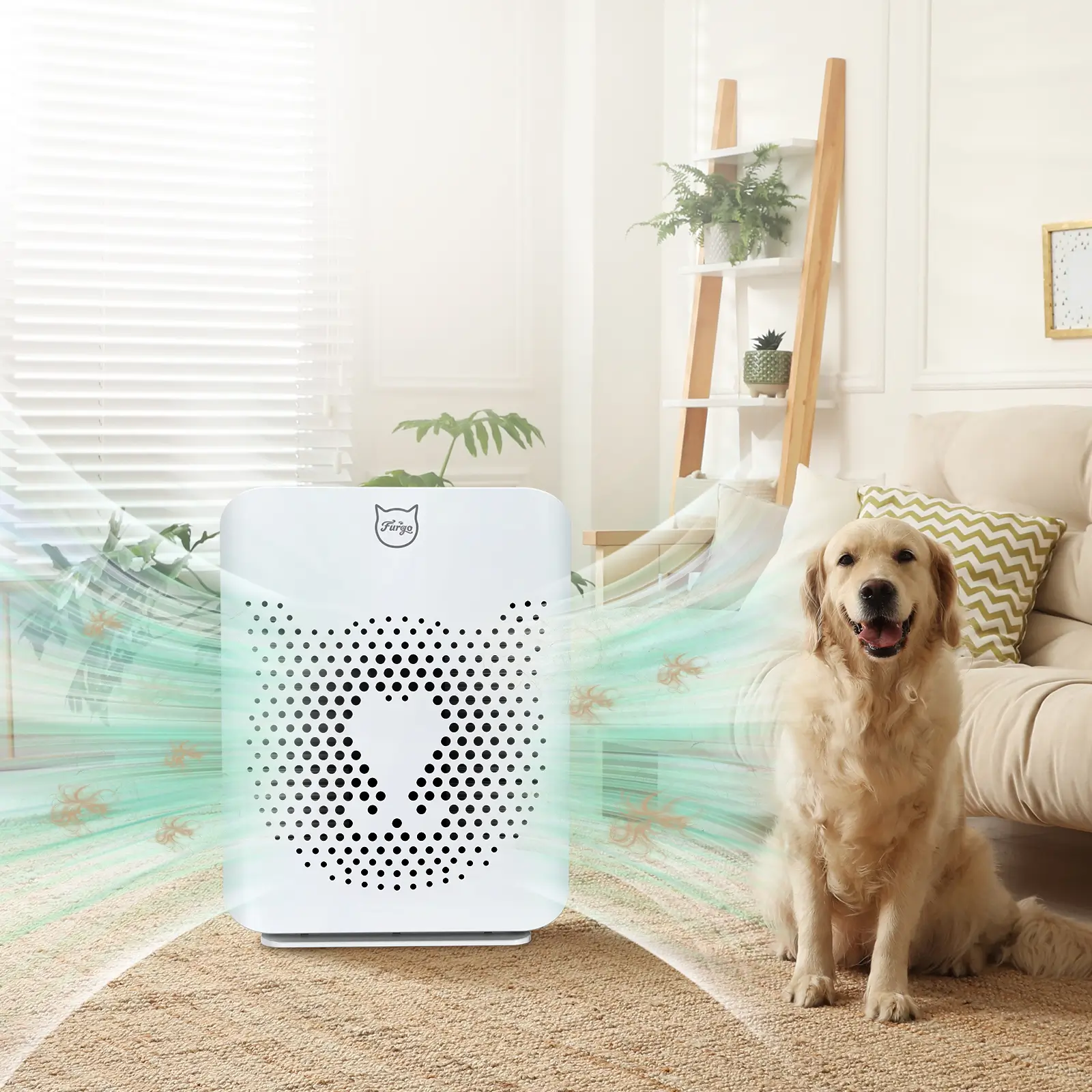
Many pet owners invest in standard air purifiers only to find themselves disappointed with the results. This disappointment stems from a fundamental mismatch between the design of conventional air purifiers and the unique air quality challenges that pets create. Understanding these limitations helps explain why specialized multi-stage purifiers have become essential for pet households.
The Limitations of Single-Function Air Purifiers
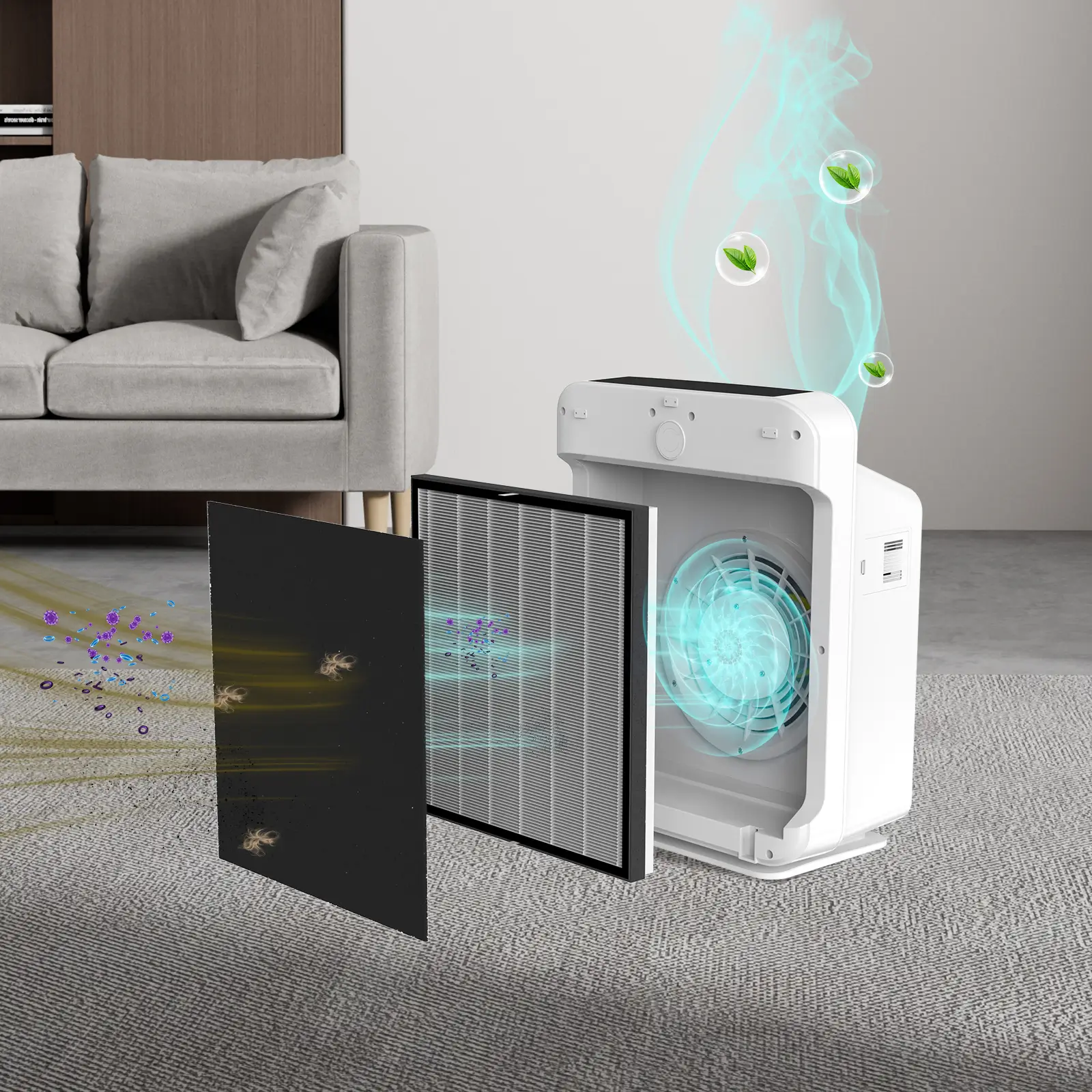
Standard air purifiers typically focus on particle filtration through HEPA technology alone. While HEPA filters are excellent at capturing microscopic particles, they're just one piece of the pet air quality puzzle. Here's why single-function purifiers fall short:
Quick Clogging from Pet Hair: Without a dedicated pre-filter designed for pet hair, standard HEPA filters quickly become clogged with fur. This not only reduces efficiency but significantly shortens filter life, leading to increased maintenance costs and decreased performance.
Inability to Address Odors: Most basic air purifiers lack sufficient activated carbon filtration the only effective technology for addressing pet odors at the molecular level. Without this critical component, even the most powerful HEPA-only purifier will leave your home smelling like pets.
Reduced Airflow Over Time: As pet hair accumulates on standard filters, airflow diminishes rapidly. This creates a frustrating cycle where the purifier works increasingly harder while delivering progressively worse results, ultimately consuming more energy while cleaning less air.
Why HEPA Alone Isn't Enough
HEPA (High-Efficiency Particulate Air) filtration is undoubtedly valuable for capturing microscopic allergens, including pet dander. These filters can trap 99.97% of particles as small as 0.3 microns—an impressive capability that helps reduce allergen concentrations in the air.
However, HEPA filtration has specific limitations in pet households:
-
No Effect on Gaseous Pollutants: HEPA filters work by physically trapping solid particles but have no mechanism for capturing gaseous compounds—precisely what causes most pet odors.
-
Vulnerability to Large Particles: Pet hair and larger dander flakes can quickly overwhelm and clog HEPA filters, dramatically reducing their effectiveness and lifespan.
-
Limited Odor Reduction: While HEPA filters may capture some odor-causing particles, they cannot address the molecular compounds that create persistent pet smells.
The Three Essential Filtration Technologies for Pet Homes
A truly effective pet air purifier combines three distinct filtration technologies, each targeting a specific aspect of pet-related air quality challenges. Understanding how these technologies work together helps explain why multi-stage purifiers have become essential equipment for pet owners.
Pre-filters: The First Line of Defense Against Pet Hair
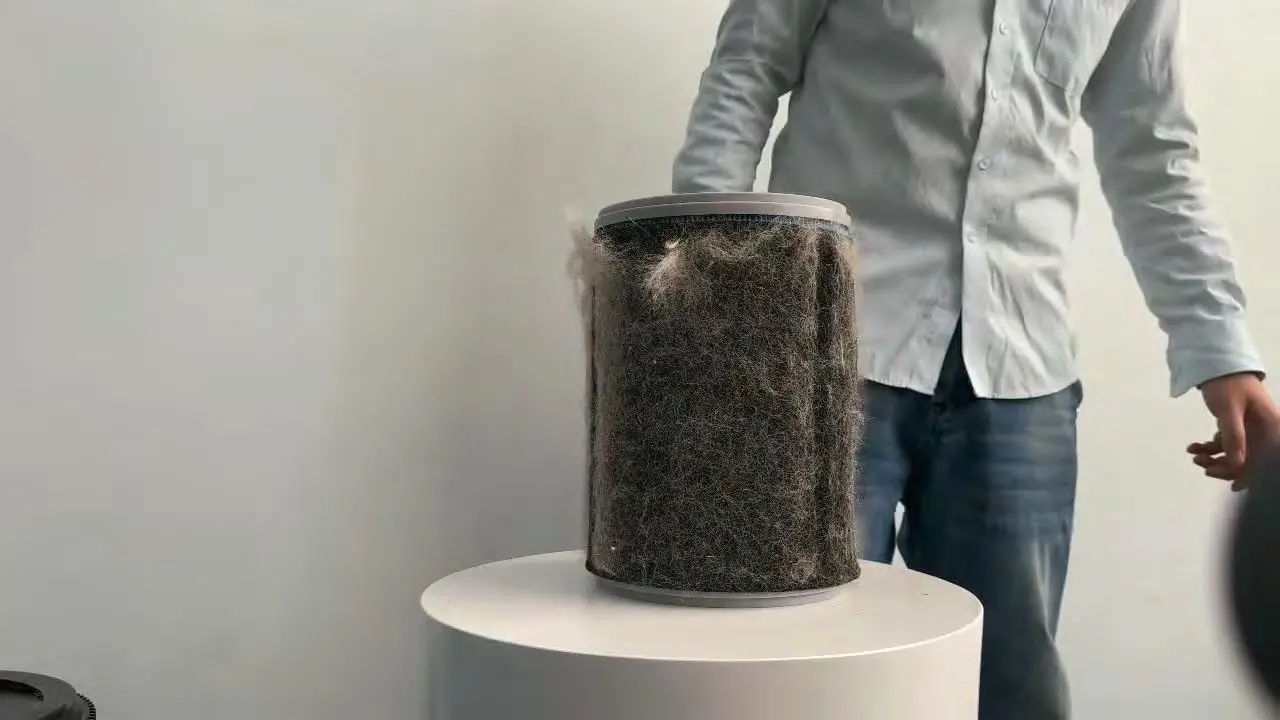
Pre-filters serve as the initial barrier in a multi-stage air purification system, designed specifically to capture larger particles before they reach more delicate filter components. In pet households, this stage is critical for managing the constant influx of pet hair and larger dander flakes.
How Pre-filters Work:
Pre-filters typically consist of a washable mesh or fabric screen with openings large enough to maintain strong airflow but small enough to trap pet hair and larger particles. The most effective pet-specific pre-filters incorporate:
- Wider mesh designs that capture hair without quickly becoming clogged
- Electrostatic properties that attract and hold floating fur
- Durable materials that withstand frequent cleaning
- Optimized openings (typically 5-10mm) specifically sized for pet hair
Benefits Beyond Hair Capture:
While their primary function is capturing pet hair, quality pre-filters deliver several additional benefits:
-
Extended HEPA Filter Life: By preventing hair from reaching the HEPA filter, pre-filters can extend the life of these more expensive components by 3-4 times in pet households.
-
Maintained Airflow Efficiency: As the most easily cleaned component, regular pre-filter maintenance ensures consistent airflow and performance.
-
Reduced Operating Costs: Less frequent replacement of expensive HEPA and carbon filters translates to lower long-term ownership costs.
Activated Carbon Filters: The Odor Elimination Specialists
Activated carbon filtration represents the only truly effective technology for addressing pet odors at the molecular level. Unlike air fresheners that mask smells, activated carbon actually removes odor-causing compounds from the air through a process called adsorption.
The Science of Odor Molecule Absorption:
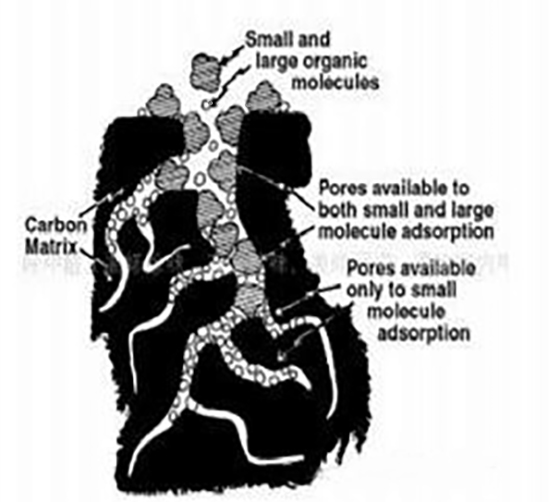
Activated carbon is carbon that has been treated to create millions of microscopic pores, dramatically increasing its surface area. This porous structure creates the perfect environment for capturing gaseous pollutants:
- Odor molecules physically bond to the carbon surface
- The enormous surface area (one gram can have over 3,000 square meters of surface area) provides extensive capture capacity
- The physical structure traps molecules of many different sizes
- Once captured, these molecules remain permanently bound until the filter is replaced
Why Carbon Filters Are Crucial for Pet Households:
For pet owners, activated carbon filtration addresses several specific challenges:
-
Elimination of Persistent Pet Odors: Carbon filters capture the volatile organic compounds that create "pet smell," including those from natural body oils, saliva, and waste products.
-
Removal of Harmful VOCs: Beyond odors, carbon filtration captures potentially harmful compounds found in pet products like flea treatments, shampoos, and cleaning solutions.
-
Reduction of Ammonia Compounds: Particularly important for cat owners, carbon filters can reduce ammonia-based compounds associated with litter boxes.
HEPA Filters: Completing the System
While pre-filters handle visible particles and carbon filters address odors, HEPA filtration completes the system by capturing the microscopic allergens that would otherwise remain in your air.
In a properly designed pet air purifier, the HEPA filter serves as the final stage of filtration, capturing microscopic pet dander (typically 0.5-10 microns), allergen proteins from saliva and urine, and other microscopic irritants.
True HEPA filters capture 99.97% of particles as small as 0.3 microns creating comprehensive protection against the invisible allergens that trigger respiratory symptoms when properly protected by effective pre-filtration and paired with activated carbon.
HisoAir's Comprehensive Pet Air Purifier Solutions
In the competitive landscape of pet air purifiers, HisoAir has distinguished itself by developing solutions specifically engineered to address the unique challenges pet owners face. Rather than simply adapting general-purpose air purifiers, HisoAir has built their technology from the ground up with pet households in mind.
HA360: The Complete Solution for Pet Households
The flagship HisoAir HA360 represents the pinnacle of pet air purification technology, incorporating several innovative features:
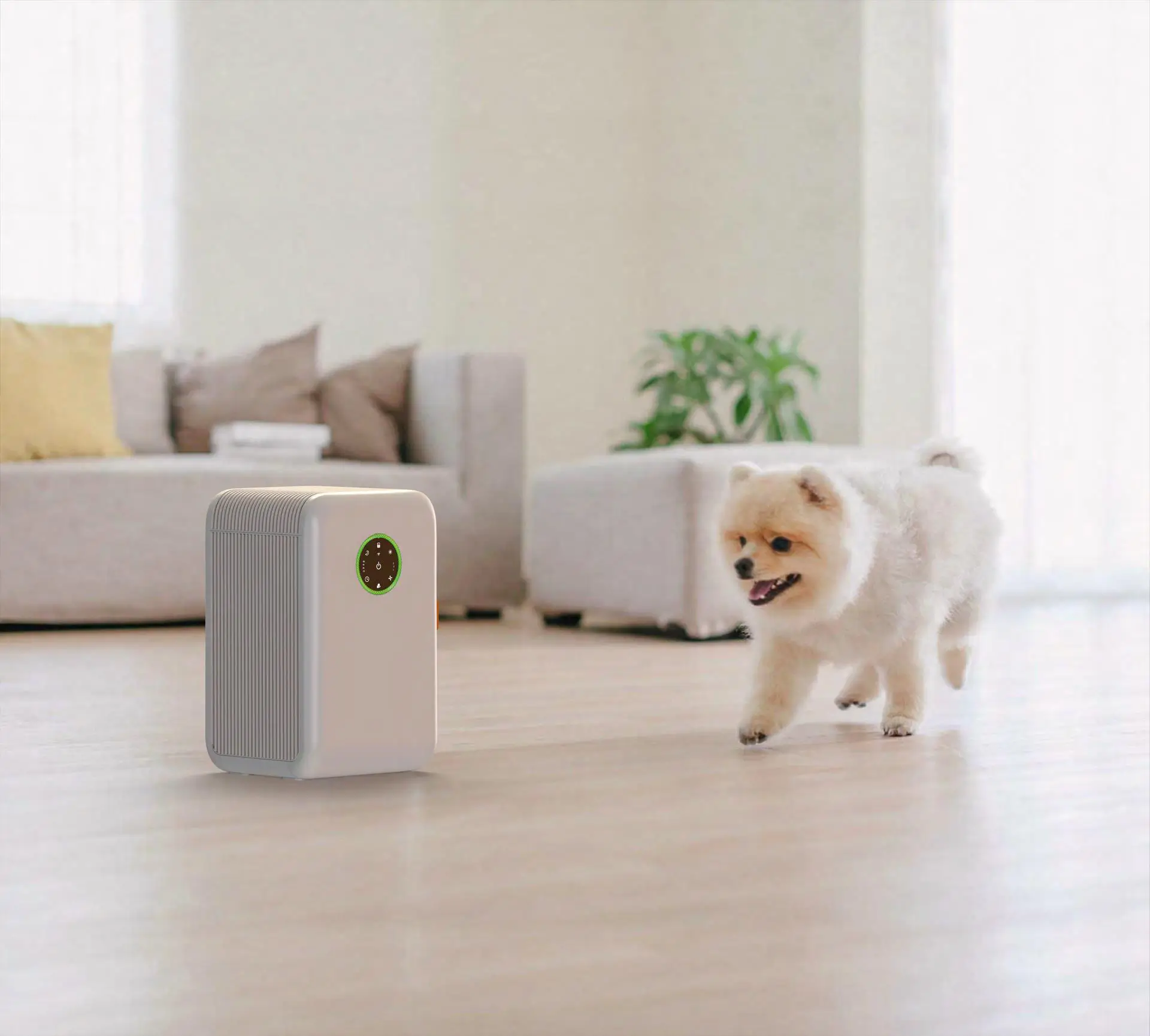
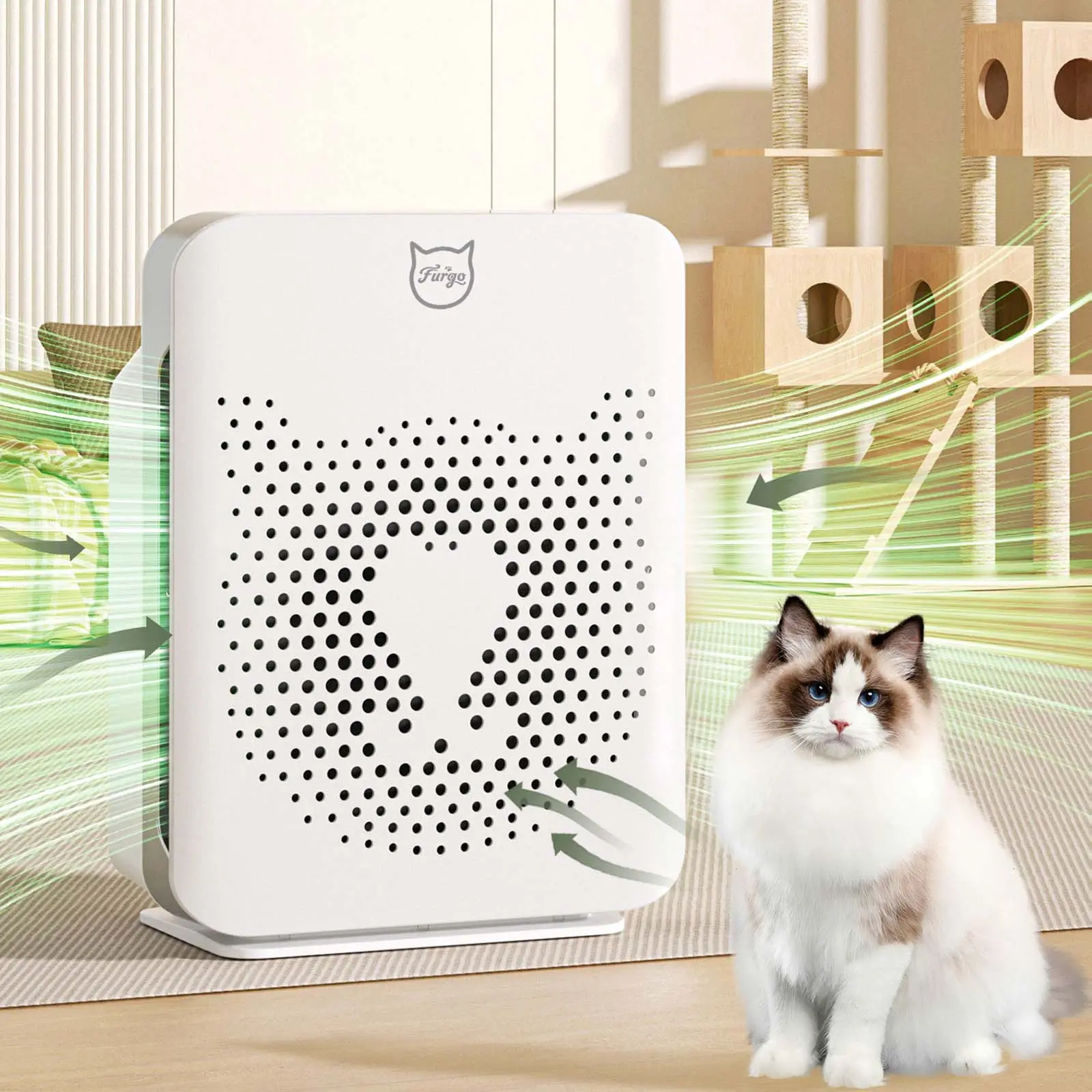
TriSuck Advantage: Unlike conventional air purifiers that draw air from only one or two directions, the HA360 features a revolutionary three-sided air intake system. This design ensures more comprehensive capture of airborne pet hair and dander, regardless of how they're distributed throughout the room.
FurTrap Technology: One of the most common complaints about air purifiers in pet households is how quickly they become clogged with pet hair. The HA360's innovative FurTrap system solves this problem with specially designed 5.8-11mm openings that effectively capture long pet hair while maintaining smooth airflow without clogging.
Dual-Defense Filtration: The two-stage filtration system combines a specialized pre-filter for fur removal with an H12 HEPA filter coated with activated carbon. This combination captures 99.99% of pet hair, dander, and allergens while effectively neutralizing pet odors at the molecular level.
HA65: Compact Power for Smaller Spaces
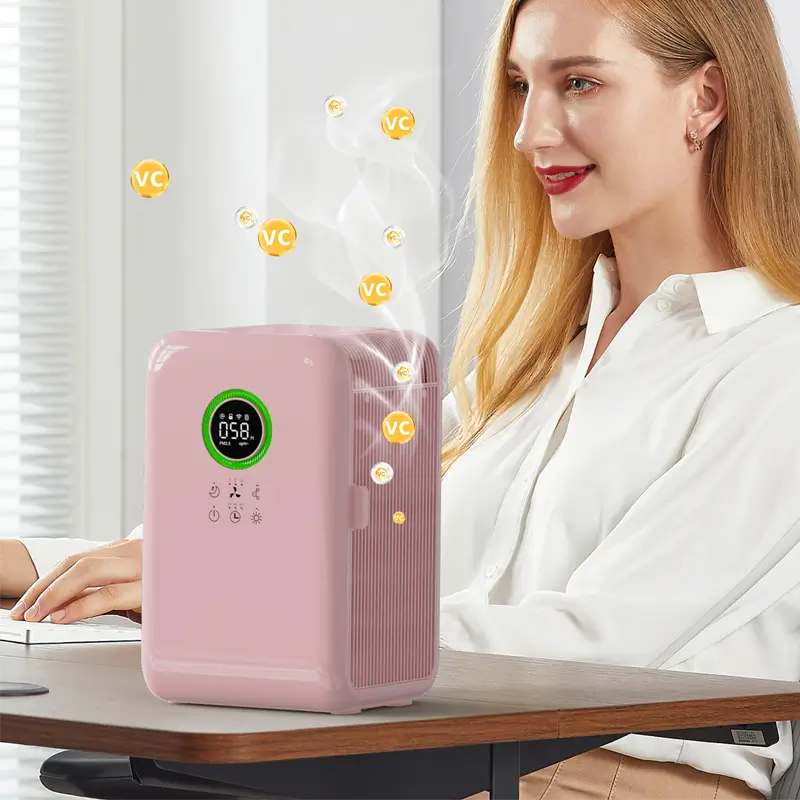
For smaller living spaces or as a complement to the HA360 in specific rooms, the HisoAir HA65 desktop pet air purifier offers impressive performance in a compact package:
Triple Filtration System: Despite its smaller size, the HA65 doesn't compromise on filtration quality, offering:
- A removable pre-filter layer specifically designed to capture floating pet hair
- A biological enzyme filtration layer that effectively eliminates pet urine odors by decomposing organic odor substances
- An H12 True HEPA filtration layer that removes 99.7% of particles as small as 0.3 microns
Energie-Effizienz: Operating at just 11W, the HA65 provides powerful filtration while minimizing energy consumption, making it economical for continuous operation.
HA230: High-Performance Pet Air Purifier for Medium to Large Rooms
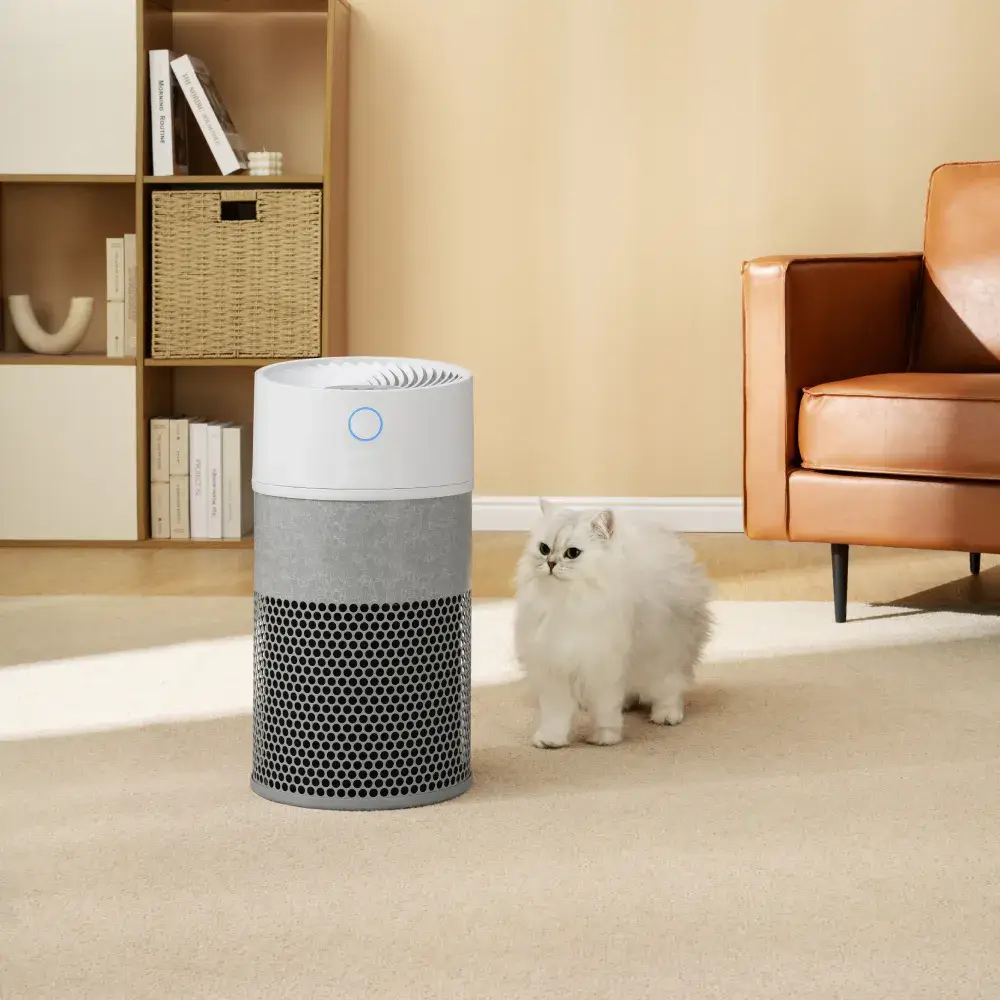
Tailored for homes with multiple pets or larger living spaces, the HisoAir HA230 combines robust filtration with thoughtful design—ideal for rooms sized 18–30 m².
Enhanced Filtration Power: Equipped to tackle both allergens and odors, the HA230 features:
- A HEPA13-grade filter that captures 99.97% of airborne particles as small as 0.3 microns, including pet dander and fine dust
- A coated activated carbon sponge filter that adsorbs pet odors and household VOCs for fresher indoor air
Four-speed fan control including TURBO mode to handle higher pollution loads quickly and efficiently
Smart & Functional Design: The HA230 includes a child lock, filter replacement reminder, and soft breathing light—blending performance with ease of use and family safety.
Strong Yet Quiet: Despite its powerful 60W motor and high CADR of 250 m³/h (140 CFM), the HA230 maintains a noise level under 60 dB(A), making it suitable for daily use in living rooms, bedrooms, or pet zones.
HA240: Advanced Pet Air Purification for Medium Spaces
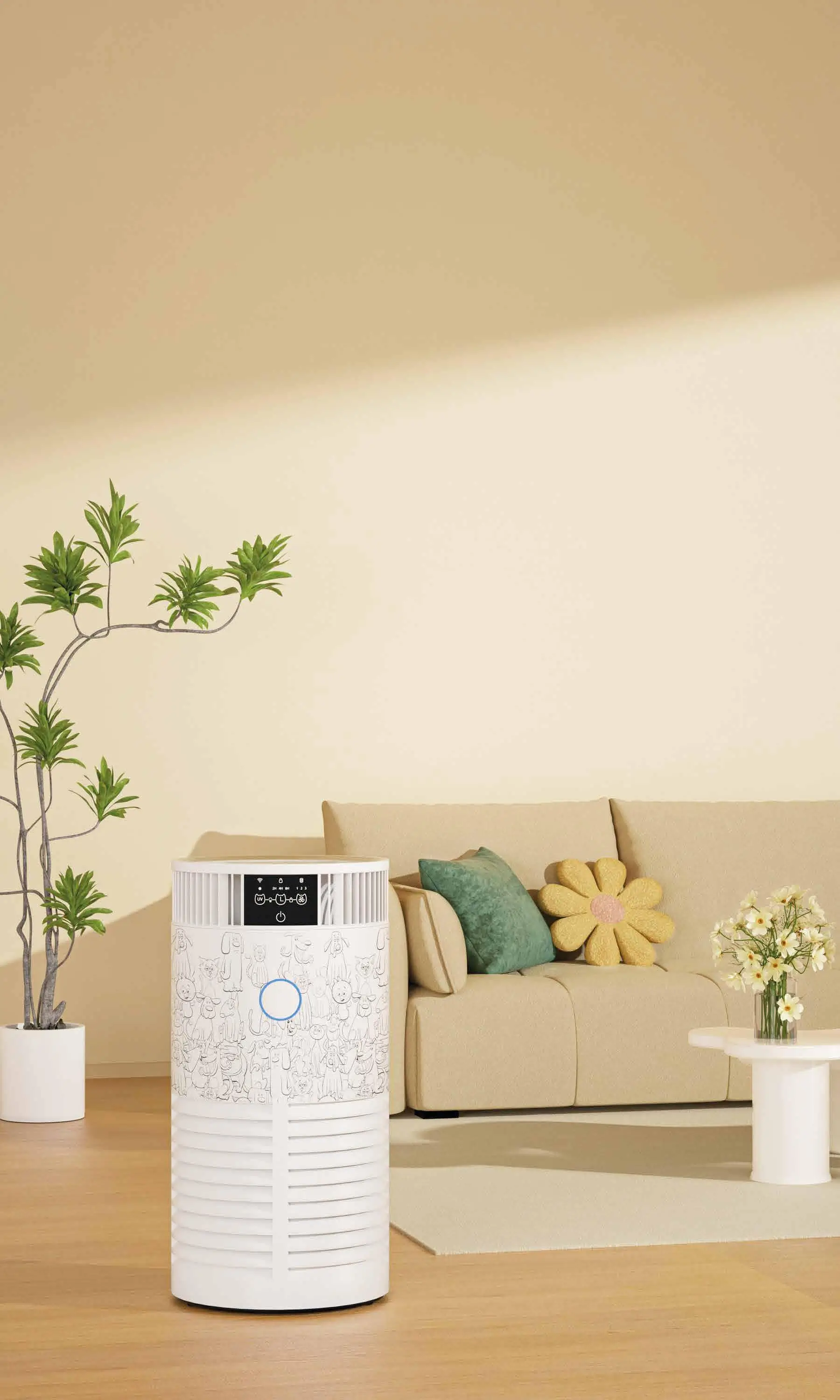
Designed for living rooms, pet areas, or multi-pet households, the HisoAir HA240 delivers high-performance air purification in a sleek, pet-friendly design—ideal for spaces between 15–25 m².
Mehrstufiges Filtersystem: The HA240 combines powerful purification with convenience, offering:
- A HEPA13-grade filter that captures 99.97% of particles as small as 0.3 microns, including dander, dust, and allergens
- A coated activated carbon sponge layer that adsorbs pet odors and VOCs for fresher indoor air
- Optional ionizer and UV-C features to further neutralize airborne bacteria and enhance overall hygiene
Smart Convenience: With an intuitive digital control panel, air quality indicators, and timer options (2/4/8 hours), the HA240 ensures easy, worry-free operation for pet owners.
Quiet and Efficient: Operating at under 50 dB(A) with a CADR of 200 m³/h (112 CFM), this unit balances high airflow with low noise and 27W of energy-efficient power making it suitable for both day and night use.
HA500: Powerful Purification for Larger Pet Spaces
For open living areas or multi-pet households, the HisoAir HA500 offers exceptional performance with advanced filtration in a sleek, high-capacity design:
Mehrstufiges Filtersystem: Engineered for stronger airflow and deeper cleaning, the HA500 features:
- A washable spray-bonded cotton layer and pre-filter to trap large particles and pet hair
- A HEPA11 filtration layer that captures fine allergens and dust as small as 0.3 microns
- An activated carbon layer to effectively absorb pet odors and VOCs from the air
Intelligente Bedienung: Choose from 4 speed modes (High, Medium, Sleep, Auto) and enjoy ambient mood lighting with adjustable settings for comfort.
Efficient Coverage: With a CADR of 500m³/h, the HA500 is ideal for rooms up to 60m²—making it perfect for open-concept homes or shared pet zones.
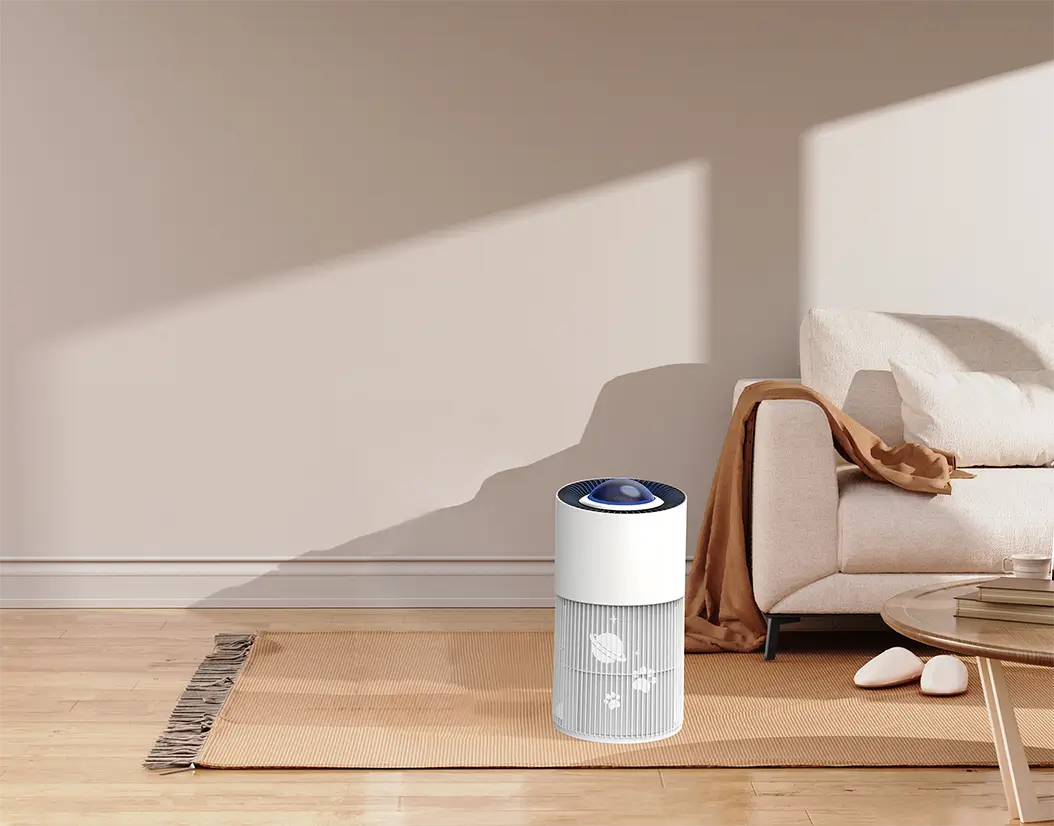
The HisoAir HA500 uses washable cotton, HEPA11, and activated carbon filters to remove pet hair and odors, delivering powerful purification for larger rooms.
Practical Tips for Maximizing Your Pet Air Purifier's Effectiveness
Owning a high-quality pet air purifier is just the first step in creating a healthier environment for you and your pets. How you use and maintain your device can significantly impact its effectiveness.
Strategic Placement for Maximum Impact
Where you position your air purifier can dramatically affect its performance:
Follow the Pet: Place your primary air purifier in the room where your pet spends the most time. For many households, this might be the living room during the day and the bedroom at night.
Consider Air Flow Patterns: Position the unit where it can access the greatest volume of air:
- Avoid corners and enclosed spaces
- Keep at least 2 feet of clearance on all sides with air intakes
- Place the unit perpendicular to the most common airflow in the room
Maintenance Schedule for Different Filter Types
Each component of your multi-stage air purifier requires specific maintenance:
Pre-Filter Maintenance: As the first line of defense against pet hair, pre-filters require the most frequent attention:
- Inspect weekly in homes with heavy-shedding pets
- Clean when visibly coated with hair (typically every 2-4 weeks)
- Wash according to manufacturer instructions and ensure complete drying before reinstallation
Carbon Filter Replacement: Activated carbon has a finite absorption capacity:
- Replace every 3-6 months in pet households (more frequently with multiple pets)
- Cannot be cleaned or regenerated once saturated
- May need more frequent replacement during shedding seasons or after pet baths
HEPA Filter Care: As the final filtration stage:
- Replace according to manufacturer recommendations (typically every 6-12 months)
- Cannot be washed without damaging filtration capability
- May require more frequent replacement in homes with multiple pets
Schlussfolgerung
Pet ownership is rewarding, but brings indoor air quality challenges. Pet hair, dander, and odors impact health and comfort. Standard methods fall short.
A specialized pet air purifier with multi-stage filtration (pre-filter, activated carbon, True HEPA) is an investment in a healthier, fresher home. It alleviates allergies, eliminates odors, reduces cleaning, and improves health for all.
Don't let pollutants diminish joy. Take control of your indoor air quality. Explore HisoAir's advanced pet air purifiers, designed for pet owners, and experience the difference clean air makes. Your pets, and your lungs, will thank you.


 English
  Français
  Español
  Italiano
  Deutsch
  Português
  Русский
  العربية
  日本語
日本語  한국어
한국어  Tiếng Việt

