

You design great products, but your clients refuse to pay premium prices. You feel stuck competing with cheap, mass-market goods. How do we break out of the low-margin trap?
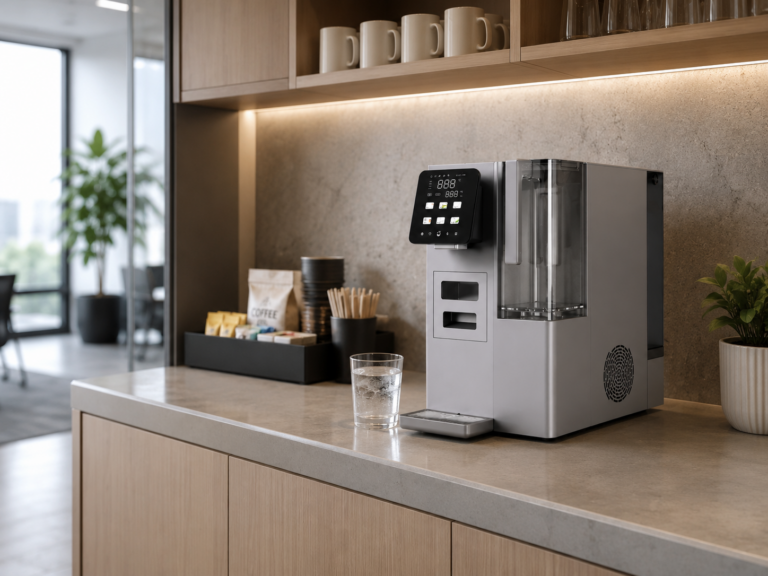
Premium water appliances1 transform basic filtration into luxury lifestyle products by integrating heating, cooling, and sparkling functions into 304 stainless steel designs. This shift allows designers to target the "appliance" category rather than "accessories," significantly increasing profit margins and appealing to interior designers who demand aesthetic consistency.

I have seen many mold designers struggle with this specific pivot. We are used to making functional plastic parts. However, the market is moving. We need to understand why a simple change in materials and positioning changes everything.
A standard water filter pitcher typically sells for over $500.Falso
Standard water filter pitchers usually sell for $50-$100. The $500-$1,000 price point is reserved for countertop appliances with heating or cooling functions.
Interior designers are key decision-makers for appliance selection in high-end homes.Verdadero
In the luxury market, homeowners rely on architects and designers to select appliances that fit the visual theme, making designers a primary sales channel.
Introduction: Is Water the New Wine?
Water used to be free and simple. Now, wealthy homeowners treat it like a vintage collection. Why is this shift happening in kitchen design and manufacturing?
Water is the new wine because consumers now demand specific temperatures, carbonation levels, and mineral content on tap. This trend moves water delivery from a hidden under-sink chore to a centerpiece "hydration station" that rivals the coffee bar in importance, demanding higher engineering standards.

I want to share a pricing psychology hack that I learned during my time in the mold industry. It is the pivot from "Filter" to "Appliance." If you design a product and call it a "Water Filter," the customer expects to pay $50 to $100. That is the mental anchor for a filter. It is a commodity.
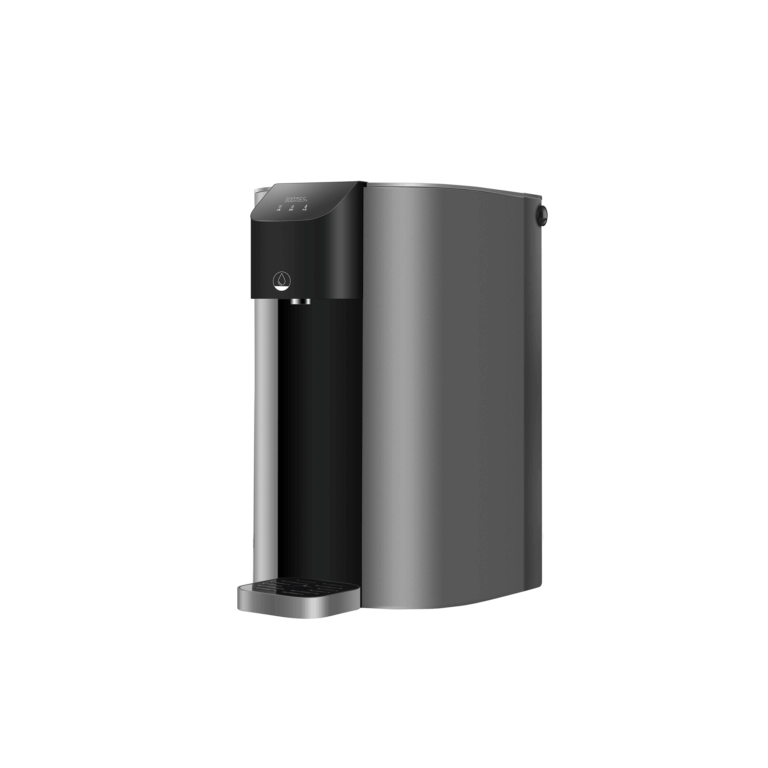
However, if you take that same filtration concept, add a heating element, a cooling compressor, and wrap it in a nice shell, it becomes a "Countertop Appliance." Think about brands like Smeg or Breville. Suddenly, the price tag of $500 to $1,000 seems reasonable. You have unlocked 5x to 10x margins for your B2B clients simply by changing the category.
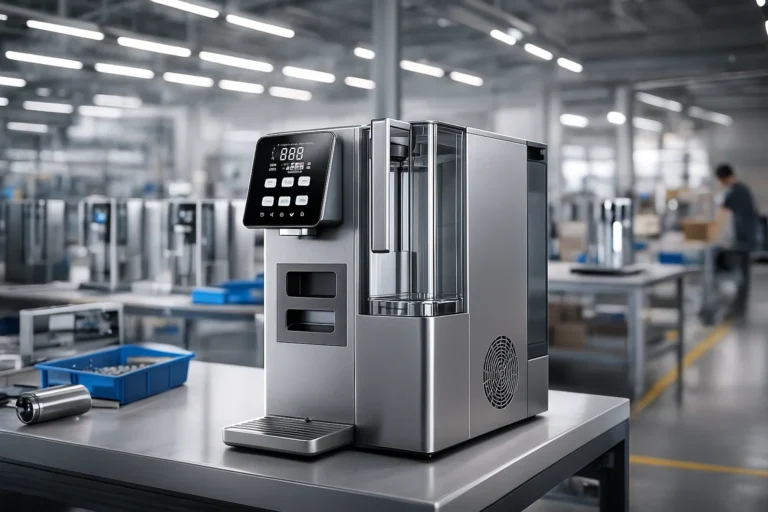
This is where "Boutique Engineering2" comes in. Mass-market factories churn out plastic. To win here, you must position yourself like Hisoair. You need to be the "Foxconn for Water." You must offer precision fit-and-finish.
| Característica | Water Filter | Premium Water Appliance |
|---|---|---|
| Price Point | $50 - $100 | $500 - $1,000+ |
| Primary Material | ABS/PP Plastic | 304 Stainless Steel |
| Función | Filtration only | Heat, Cool, Sparkle, Filter |
| Customer Perception | Utility / Consumable | Luxury / Asset |
Adding heating and cooling functions moves a product into the appliance category.Verdadero
Functional complexity and powered features shift consumer perception from a passive accessory to an active appliance, justifying a higher price.
Plastic housing is preferred for luxury appliances.Falso
Luxury markets demand materials like stainless steel or glass; plastic is often associated with lower-cost, entry-level products.
Trend #1: Is the "Countertop Bar" Aesthetic Taking Over?
Plastic units ruin the look of a marble island. Designers hate clutter and mismatched textures. How do we solve this visual conflict for the high-end market?
The "Countertop Bar" aesthetic demands appliances that blend seamlessly with high-end kitchens. By using materials like 304 Stainless Steel, manufacturers create units that match Sub-Zero or Wolf ranges, making the water dispenser a deliberate design element rather than an eyesore.

We need to talk about your real customer. It is not always the homeowner. In the high-end market, the homeowner does not choose their own appliances. Their Interior Designer does.
I have worked with many clients who failed because they ignored the designer. Designers want to solve a clutter problem. They do not want a plastic Brita pitcher sitting on a $20,000 granite island. It looks cheap. It looks like a toy.
To sell to them, you must adopt the "Sub-Zero" Association. Your mold design and material choices must match the professional ranges found in these homes. This is why "Material Matching3" is a huge selling point. If your unit uses the same 304 Stainless Steel as a Wolf range, the designer will specify your product.
Why Designers Choose Appliances
- Visual Harmony: Does it match the fridge and oven?
- Space Saving: Does it remove the need for kettles and bottles?
- Build Quality: Does it feel permanent?
When you design the housing, think about the architect. Show them that your wall-mounted or countertop unit is a piece of furniture, not just a filter.
Interior designers prefer appliances that stand out with bright, contrasting colors.Falso
High-end designers typically prefer appliances that blend in or match existing high-end equipment, often favoring stainless steel or integrated panel-ready designs.
304 Stainless Steel is the standard for professional kitchen appliances.Verdadero
This grade of steel is durable, resistant to corrosion, and is the industry standard for luxury brands like Sub-Zero and Viking.
Trend #2: Is "Instant Gratification" the New Functionality Standard?
Waiting for a kettle to boil is outdated. Modern luxury is about speed and convenience. Can your product deliver immediate results to the user?
"Instant Gratification" functionality defines the new standard for luxury water appliances. Users expect boiling, chilled, and ambient water instantly at the touch of a button, requiring advanced internal heating and cooling modules that separate premium units from standard pitchers.

If you want to win big, you need to look at the "Sparkling" upsell. This is the secret weapon in the water industry right now.
Wealthy consumers spend thousands of dollars a year on bottled sparkling water like San Pellegrino or Perrier. It is heavy to carry, and the bottles create waste. If you can integrate a Sparkling Water capability4 into your appliance, you win.
A device that creates sparkling water "on tap" pays for itself in the mind of the consumer. It turns a "boring" water product into a "fun" lifestyle product.
From a design perspective, this adds complexity. You need to account for CO2 canisters, pressure lines, and mixing chambers. But the payoff is massive. You are no longer selling water; you are selling a party trick. You are selling convenience.
The Value Ladder of Water Functions
- Ambient Filtered: Basic necessity.
- Instant Hot: Replaces the kettle.
- Instant Cold: Replaces the fridge pitcher.
- Sparkling: The luxury lifestyle upgrade.
Integrating sparkling water functions can increase the perceived value of the appliance.Verdadero
Sparkling water capability replaces the recurring cost and waste of bottled water, positioning the device as a cost-saving luxury.
Wealthy consumers prefer buying bottled sparkling water over making it at home.Falso
While they buy it, the trend is moving toward home generation to reduce waste and effort, provided the appliance matches their aesthetic standards.
Trend #3: Is "Spa-Grade" Mineralization Essential?
Clean water is the baseline, but health-conscious buyers want more. How do we add value beyond just removing dirt and chemicals?
"Spa-Grade" mineralization adds value by reintroducing essential minerals like magnesium and calcium after filtration. This feature appeals to the wellness-focused demographic, positioning the appliance as a health device that improves taste and bodily function, justifying a higher price point.

I often tell my clients that we are not just engineers; we are solving lifestyle problems. The current trend is wellness. People do not just want "safe" water; they want "healthy" water.
This is where the concept of the "Boutique Engineer" really shines. Mass production factories in China can make a filter that removes chlorine. That is easy. But can they engineer a system that adds exact amounts of magnesium for heart health?
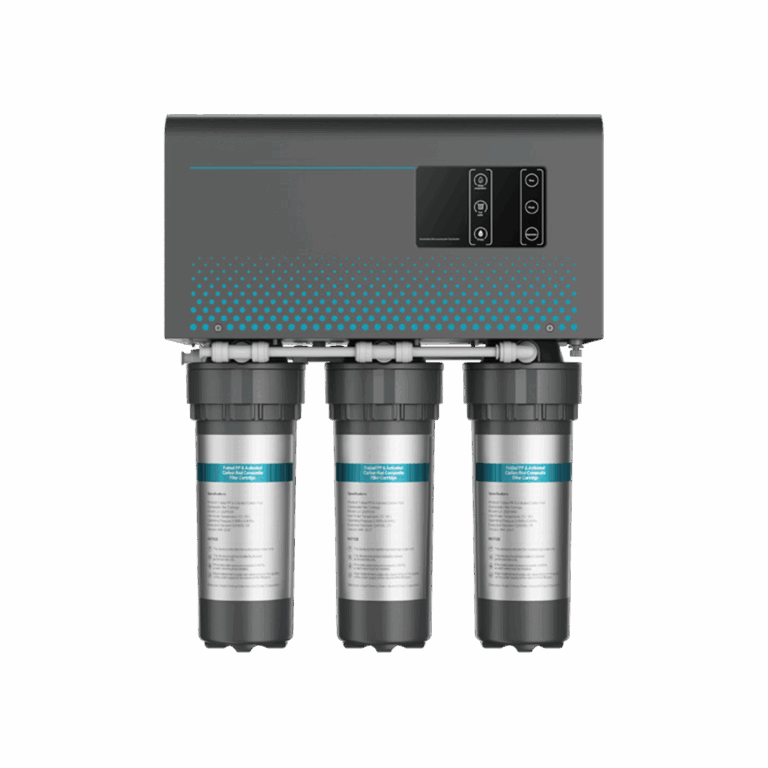
This requires precision. It requires a different level of molding for the cartridges and the flow control. You are creating a "Spa" experience in the kitchen.
When you market this, or when you design the user interface, you highlight these benefits. You are not selling a filter; you are selling a health supplement system. This justifies the high price tag. It separates your product from the $50 pitcher at the grocery store.
Key Minerals in Demand
- Magnesium: For taste and heart health.
- Calcium: For bone strength and pH balance.
- Potassium: For hydration and electrolyte balance.
Re-mineralization is purely a marketing gimmick with no taste difference.Falso
Minerals like magnesium and calcium significantly alter the mouthfeel and taste of water, making it smoother and more palatable compared to flat, distilled water.
Wellness trends are driving the demand for functional water appliances.Verdadero
Consumers are increasingly viewing water intake as a key part of their health regimen, seeking appliances that enhance water quality beyond basic safety.
Trend #4: Is the "Plastic-Free" Mandate Non-Negotiable?
Plastic is becoming a dirty word in luxury design. Clients want durability and purity. Is your mold design ready for the shift to metal?
The "Plastic-Free" mandate drives the shift toward glass, steel, and ceramic components in water appliances. High-net-worth individuals associate plastic with cheapness and toxicity, whereas metal signals durability, hygiene, and environmental responsibility, aligning with the "Sub-Zero" quality standard.

This is the hardest challenge for us as mold designers. We love plastic. It is easy to mold, cheap, and light. But in the luxury market, a white plastic unit looks like a toy next to a professional range.
To compete, you must embrace the "Sub-Zero" Association I mentioned earlier. This means using 304 Stainless Steel not just for the outside skin, but for the internal tanks and tubing where possible.
This changes your manufacturing process. You might need to partner with a "Boutique Engineering House" like Hisoair that specializes in this precision. You are looking at metal stamping, deep drawing, or metal insert molding.
The fit and finish must be perfect. There can be no gaps. A plastic part can hide a lot of sins. Steel hides nothing. If you want to sell to the high-end market, you must eliminate the "plastic feel." Even the buttons must feel heavy and substantial.
The Material Hierarchy
- Low End: White ABS Plastic (Looks cheap, yellows over time).
- Mid Range: Plastic with metallic paint (Looks okay, feels cheap).
- High End: Real 304 Stainless Steel (Looks professional, feels solid).
High-end consumers associate plastic appliances with toxicity and cheapness.Verdadero
There is a growing consumer bias against plastic due to concerns about microplastics and BPA, leading to a preference for glass and steel.
Manufacturing with stainless steel is cheaper than injection molding plastic.Falso
Stainless steel requires more expensive raw materials and complex processes like stamping and welding, whereas plastic injection molding is generally cheaper for high volume.
Conclusión
The "Water Station" is the new hearth of the modern luxury home. By pivoting from simple filters to high-end, multi-functional appliances with premium materials, we unlock massive value for designers and manufacturers alike.
References
-
Explore how premium water appliances enhance luxury living and elevate kitchen aesthetics. ↩
-
Understand how Boutique Engineering elevates product quality and design in high-end markets. ↩
-
Explore how matching materials with high-end brands can influence designer and consumer choices. ↩
-
Discover why integrating sparkling water features can enhance the appeal of luxury water appliances. ↩

 English
 Français
 Español
 Italiano
 Deutsch
 Português
 Русский
 العربية
 日本語
 한국어
 Tiếng Việt


