
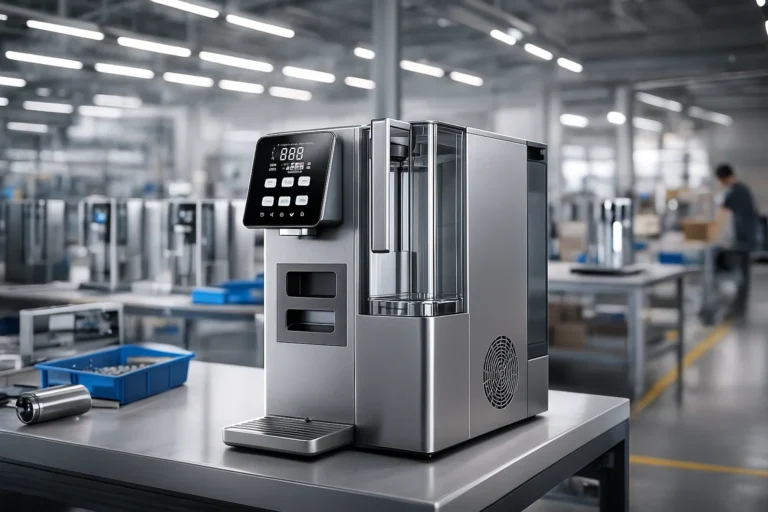
Mexico's demand for clean water is not just a market trend; it's a fundamental necessity driving one of the most dynamic and rapidly growing sectors in the region. In 2024, the Mexican water purifier market reached a valuation of USD 897 million and is on a steep upward trajectory, projected to hit USD 1.88 billion by 2033, expanding at an impressive compound annual growth rate (CAGR) of 8.58%. This growth is fueled by a convergence of powerful drivers: persistent water scarcity, widespread contamination of freshwater sources, and a heightened public awareness of the health risks associated with untreated tap water.
For brands, distributors, and investors looking to navigate this landscape, understanding the key players is paramount. The market is a complex arena, home to long-established global conglomerates and a dominant domestic champion. However, the competitive environment is being reshaped by the rise of innovative global partners who offer a new path to market entry and success. This analysis provides an in-depth look at the top five manufacturers defining the future of water purification in Mexico.
Selection Criteria
To provide a comprehensive and actionable overview, the manufacturers in this analysis were selected based on a weighted set of criteria that reflect their influence and capabilities within the Mexican market. These factors include:
- Market Presence and Brand Recognition: The extent to which a company has established a footprint and earned consumer trust in Mexico.
- Technology and Innovation: The sophistication, effectiveness, and proprietary nature of their purification technologies.
- Distribution and Scalability: The strength and reach of their sales channels, from professional installers to mass retail and e-commerce.
- Certifications and Compliance: Adherence to both Mexican Official Standards (NOM) and key international quality benchmarks like NSF, which are critical for market acceptance.
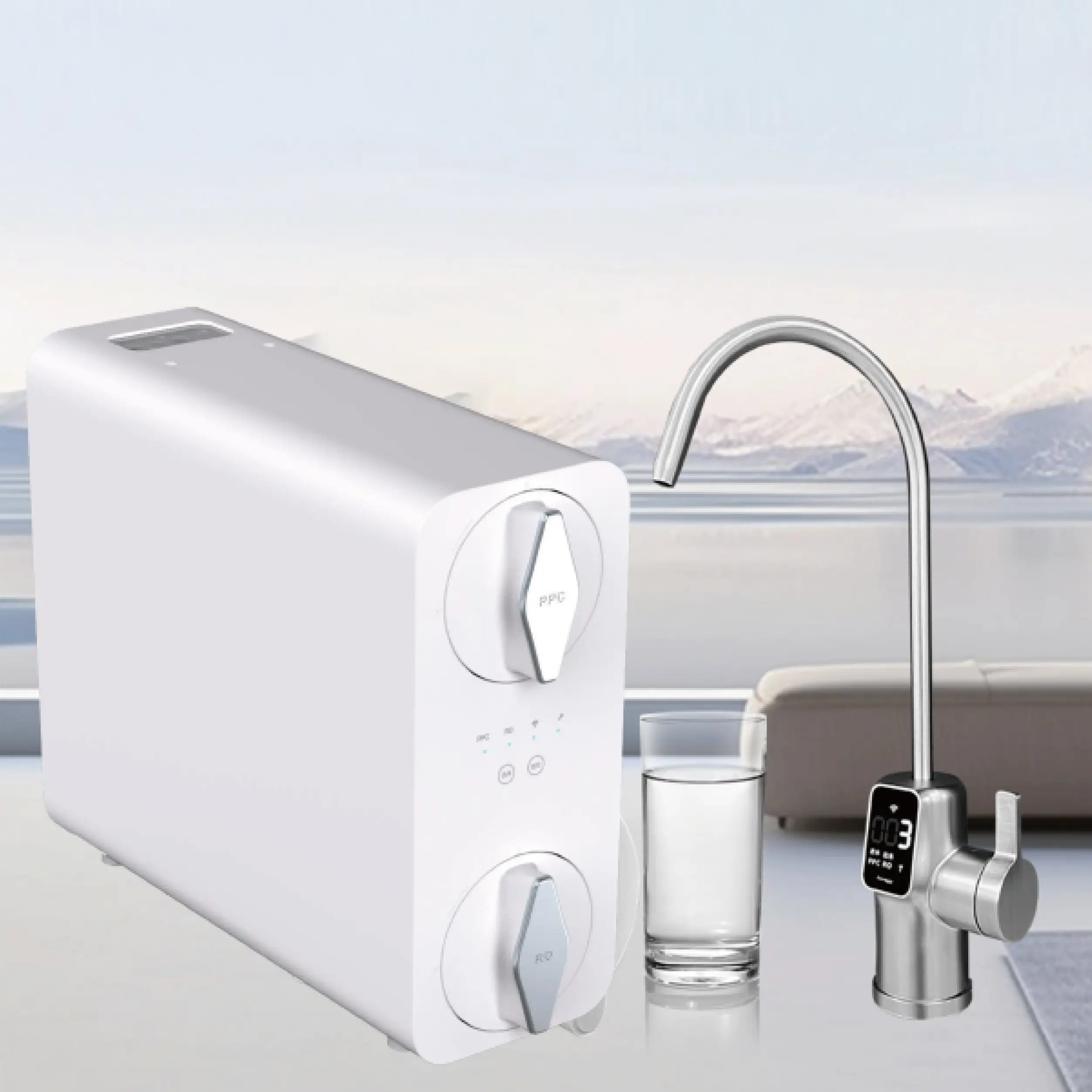
HisoAir - HW03 serise - contact to learn more details
The Top 5 Manufacturers in Mexico
1. Grupo Rotoplas – The Domestic Leader

Image Source: Rotoplas
As a quintessential Mexican success story, Grupo Rotoplas has spent over 45 years cementing its position as the leading provider of water solutions across the Americas. Its brand is synonymous with water management in the minds of millions, granting it an unparalleled level of consumer trust.
- Tecnología: Rotoplas offers a comprehensive portfolio, from its iconic water storage tanks to advanced purification systems. Its purifiers feature proprietary Hydropur® technology, which combines activated carbon with colloidal silver to remove chlorine and inhibit bacterial growth. For more challenging water conditions, Rotoplas provides robust five-stage Reverse Osmosis (RO) systems certified by both Mexico’s COFEPRIS (NOM 244) and the international NSF.
- Distribution & Strategy: The company’s primary advantage is its vast, deeply entrenched distribution network that reaches every corner of Mexico’s hardware and plumbing supply chain. In a forward-looking move, Rotoplas has also launched bebbia, a subscription-based "water-as-a-service" model that brings purified water directly into homes, challenging the traditional bottled water market.
2. A.O. Smith – The Global Powerhouse

Image Source: A. O. Smith
A.O. Smith is a global giant in water technology with a 140-year legacy of innovation. Its influence in the Mexican market expanded dramatically in July 2024 with the strategic acquisition of Unilever’s Pureit water purification division, a move that signaled an aggressive push into key growth regions.
- Tecnología: A.O. Smith’s portfolio is a testament to its global scale, covering the full spectrum of water treatment solutions. Through its family of brands, which now includes Aquasana y Pureit, the company offers everything from whole-house filtration and water softeners to advanced multi-stage RO systems designed for maximum contaminant removal.
- Distribution & Strategy: The company employs a sophisticated multi-channel strategy, partnering with professional installers for its complex systems while leveraging retail and e-commerce for its consumer-facing brands. The Pureit acquisition instantly provides A.O. Smith with an established product line and distribution network tailored to the specific needs of the Mexican market.
3. 3M – The Innovation Specialist
Image Source: 3M
A global science and innovation conglomerate, 3M competes on the strength of its proprietary technology and user-centric design, positioning itself as a premium, high-performance brand.
- Tecnología: 3M’s flagship Aqua-Pure™ series is built around its patented Integrated Membrane Pre-Activated Carbon Technology (IMPACT). This advanced system integrates a pharmaceutical-grade membrane and a carbon block into a single, compact cartridge capable of removing 99.99% of waterborne bacteria. Its Sanitary Quick Change (SQC) design is a key differentiator, allowing for fast, tool-free filter replacement without any mess or contact with the filter media.
- Distribution & Strategy: In Mexico, 3M operates through a robust network of authorized distributors who provide specialized sales, installation, and after-sales support. This B2B2C model is complemented by a strong presence on major e-commerce platforms like Mercado Libre, where its partners are active sellers.
4. Pentair – The Professional’s Choice

Image Source: Pentair
Pentair is a global leader in sustainable water solutions, but its primary role in Mexico is that of a B2B technology partner and the preferred brand for industry professionals.
- Tecnología: Pentair’s strength lies in the sheer breadth and reliability of its product portfolio, which ranges from individual components to complete systems. It is the go-to supplier for iconic products like Pentek brand filter cartridges, high-rejection RO membranes, and the industry-standard Big Blue filter housings used in countless residential and commercial applications.
- Distribution & Strategy: Pentair’s go-to-market strategy is firmly rooted in its B2B model. It supplies its vast range of products to a well-established network of dealers, specialized distributors, and water treatment professionals who depend on Pentair’s quality and durability to build their own solutions.
5. HisoAir – The Emerging Global Partner in Mexico

Fuente de la imagen: HisoAir
While established brands compete for shelf space, a new category of player is emerging: the strategic manufacturing partner. HisoAir represents the pinnacle of this model, positioning itself as the premier OEM/ODM/JDM partner for brands seeking to enter and scale within the Mexican market. With over 20 years of experience engineering solutions for top global brands, HisoAir offers a powerful combination of innovation, certified quality, and supply chain resilience.
- Tecnología: HisoAir is at the forefront of wellness technology. Its expertise spans advanced Reverse Osmosis systems, high-adsorption 100% coconut shell carbon filters, and systems that produce functional alkaline and hydrogen-rich water—tapping directly into the next wave of consumer demand. Furthermore, its leadership in smart IoT integration allows partner brands to offer future-ready products with features like real-time water quality monitoring and predictive maintenance.
- Distribution & Strategy: HisoAir’s strategy is not to build its own consumer brand, but to empower others. By providing a full suite of OEM, ODM, and even collaborative JDM (Joint Design Manufacturing) services, it enables D2C and B2B companies to launch world-class products under their own brand, fast. Its products are export-ready with a full suite of global certifications (NSF, ISO 9001, CE, RoHS), ensuring a smooth path to market. Critically, its “China+1” manufacturing footprint across China, Vietnam, Thailand, and Malaysia offers brands unparalleled supply chain stability and a strategic advantage in navigating tariffs and logistics for the North American market.
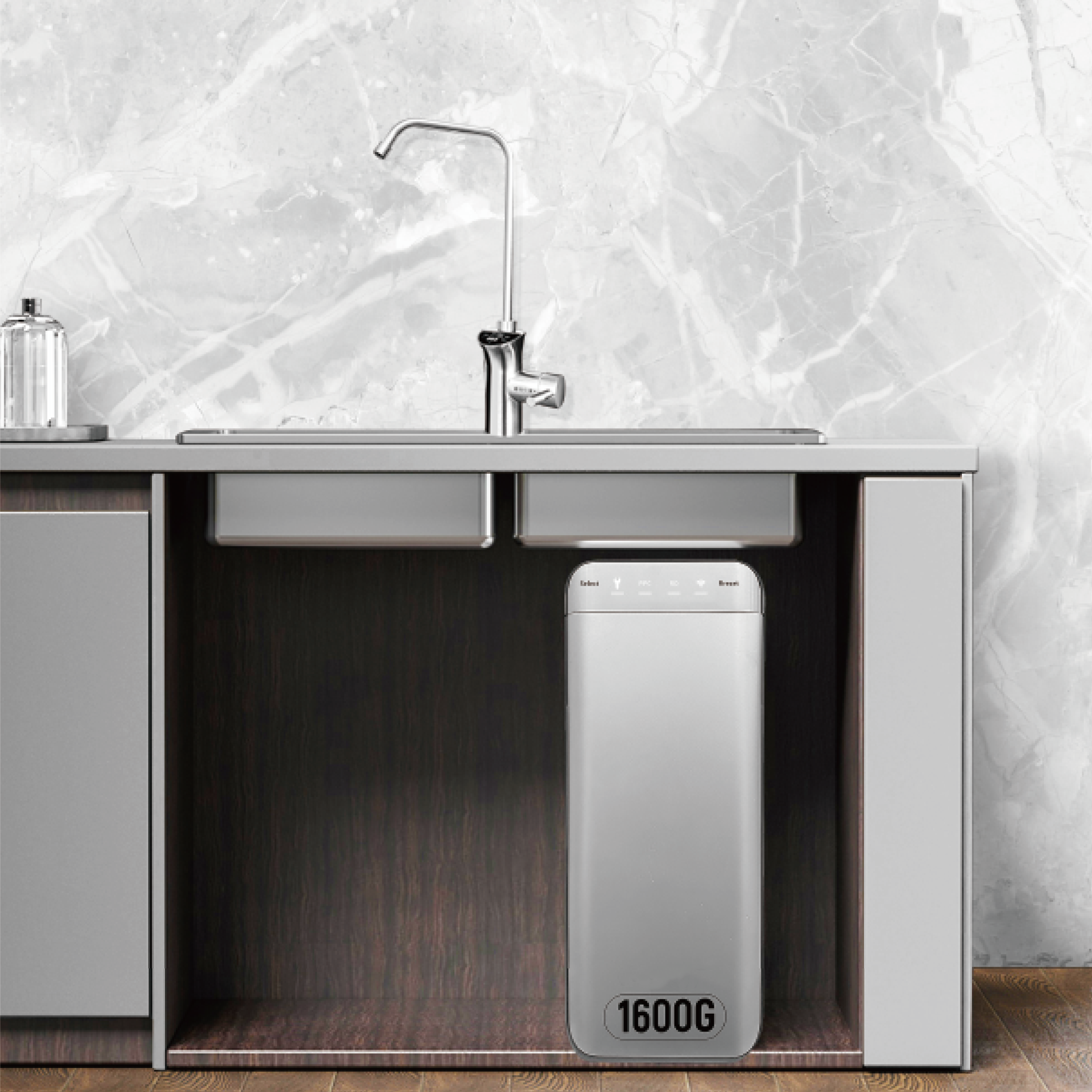
HisoAir - HW04 serise - contact to learn more details
Bonus: Agua Inmaculada – The Franchise Disruptor
No analysis of the Mexican market is complete without acknowledging the disruptive force of Agua Inmaculada. The company’s genius lies in its business model: it doesn’t sell purifiers to end-users; it sells a turnkey water purification business to entrepreneurs. These local refill stations, or purificadoras, have become a neighborhood staple. With a network of over 1,800 franchises, Agua Inmaculada has achieved a level of grassroots market penetration that is unrivaled. This "water-as-a-service" model provides affordable, safe water to a price-sensitive mass market, making it a formidable competitor to both appliance ownership and traditional bottled water.
Comparative Summary Table
| Marca | Origen | Key Technology | Mercado destinatario | Distribution Strengths |
|---|---|---|---|---|
| Grupo Rotoplas | México | Hydropur® (Carbon/Silver), RO | Residential, Commercial | Extensive domestic hardware/plumbing network |
| A.O. Smith | EE.UU. | RO, Multi-brand portfolio | Residential, Commercial | Multi-channel via installers, retail, e-commerce |
| 3M | EE.UU. | IMPACT (Membrane/Carbon), SQC | Premium Residential | Specialized distributors, e-commerce |
| Pentair | EE.UU. | RO, Carbon Block, Components | Professional Installers, B2B | Professional dealer & specialist network |
| HisoAir | China | Advanced RO, Wellness Water, IoT | D2C/B2B Brands | Global OEM/ODM/JDM Supply Chain |
Strategic Insights for Market Entrants
The Mexican water purifier market is defined by several key dynamics that new entrants must navigate:
- Technology Trends: While Reverse Osmosis remains the dominant technology due to its comprehensive filtration capabilities, the market is rapidly evolving. The next frontier of growth lies in premium, wellness-oriented features like alkaline and mineral-rich water, as well as smart IoT integration for enhanced convenience and control.
- The Distribution Moat: For many brands, the single greatest barrier to entry is distribution. The leading players have spent decades building powerful, exclusive networks that are difficult and costly to replicate.
- The Partnership Pathway: For D2C and B2B brands, the fastest and lowest-risk route to market is through a strategic manufacturing partnership. An experienced OEM/ODM partner can provide immediate access to certified, market-ready technology and a resilient supply chain, allowing brands to bypass the immense costs of in-house R&D and factory setup.
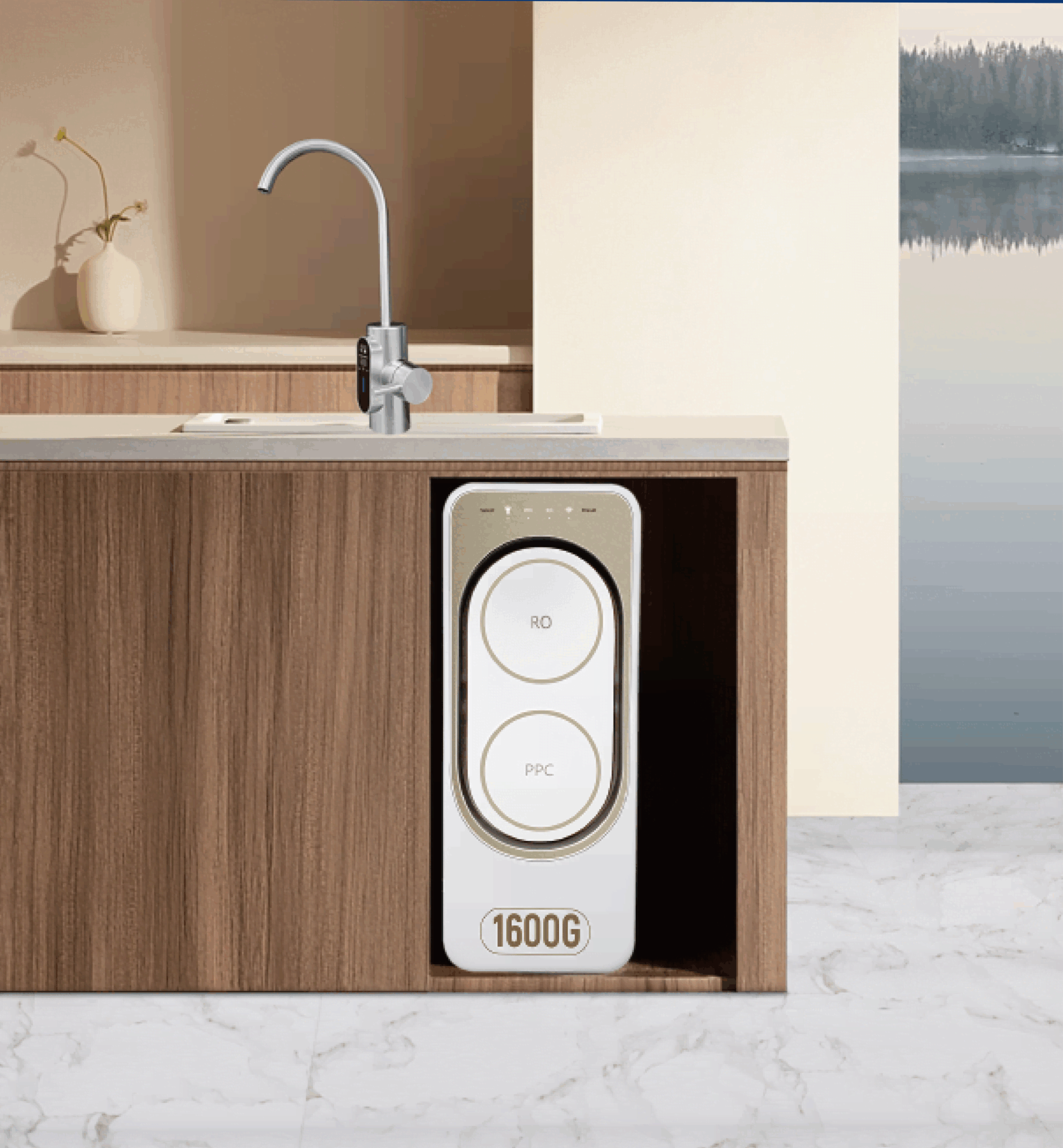
HisoAir - HW05 serise - contact to learn more details
Conclusión
Mexico’s water purifier market is a landscape of immense opportunity, shaped by the deep-rooted need for safe water. It is a battleground where domestic champions, global giants, and disruptive service models compete for consumer trust.
For brands looking to make their mark, success will not come from challenging these incumbents on their own terms. Instead, it will be forged through strategic partnerships that leverage global manufacturing excellence to meet local demand. A partner like HisoAir offers precisely this advantage, providing the advanced technology, certified quality, and flexible supply chain needed to launch innovative products and capitalize on the high-growth potential of the Mexican market.




 English
 Français
 Español
 Italiano
 Deutsch
 Português
 Русский
 العربية
 日本語
 한국어
 Tiếng Việt


