

Wellness brands often struggle to increase customer lifetime value1. You sell supplements, but customers buy water filters elsewhere. This disconnect hurts your brand's potential revenue and loyalty.
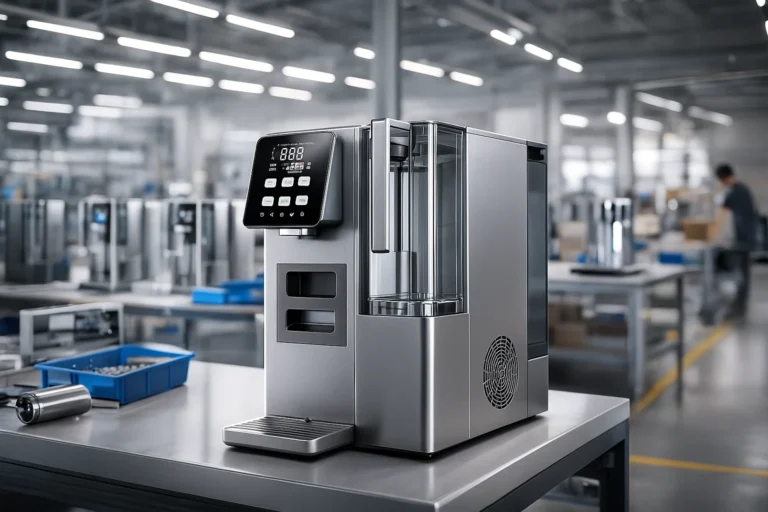
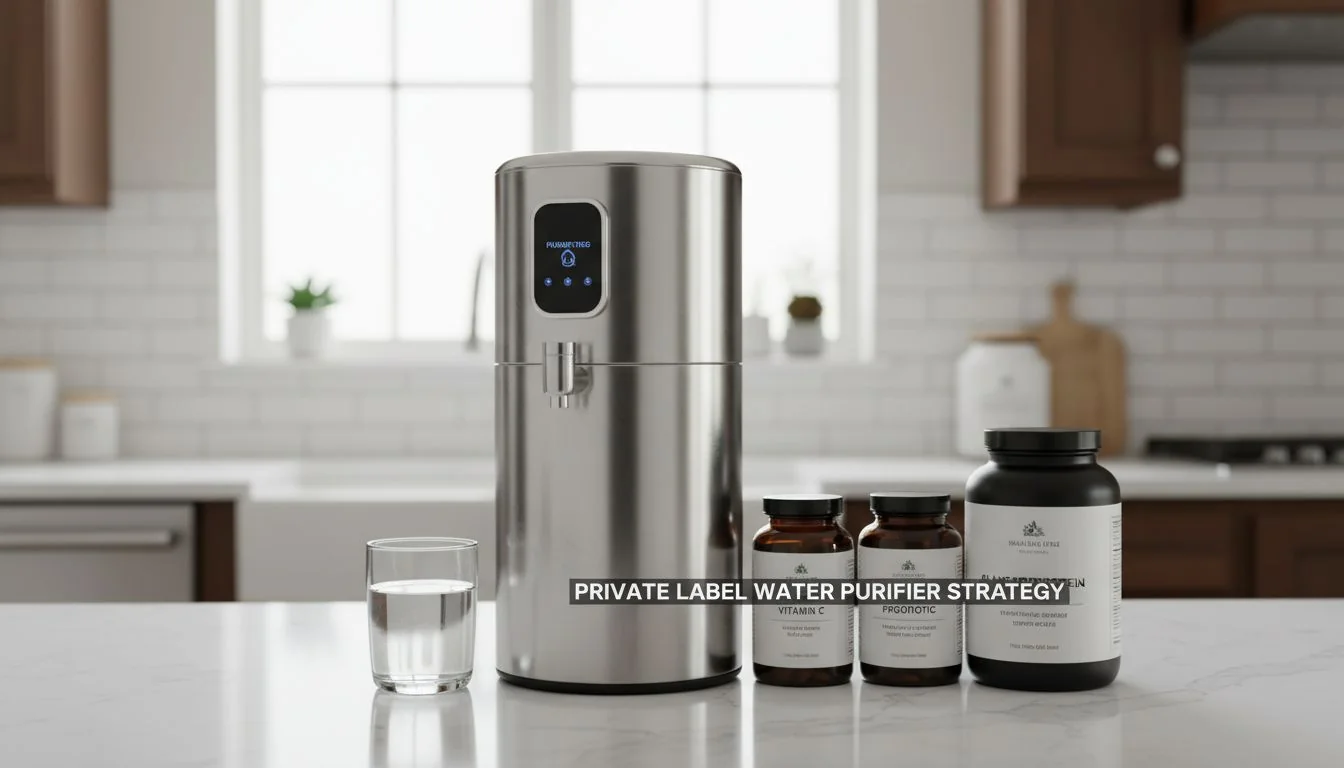
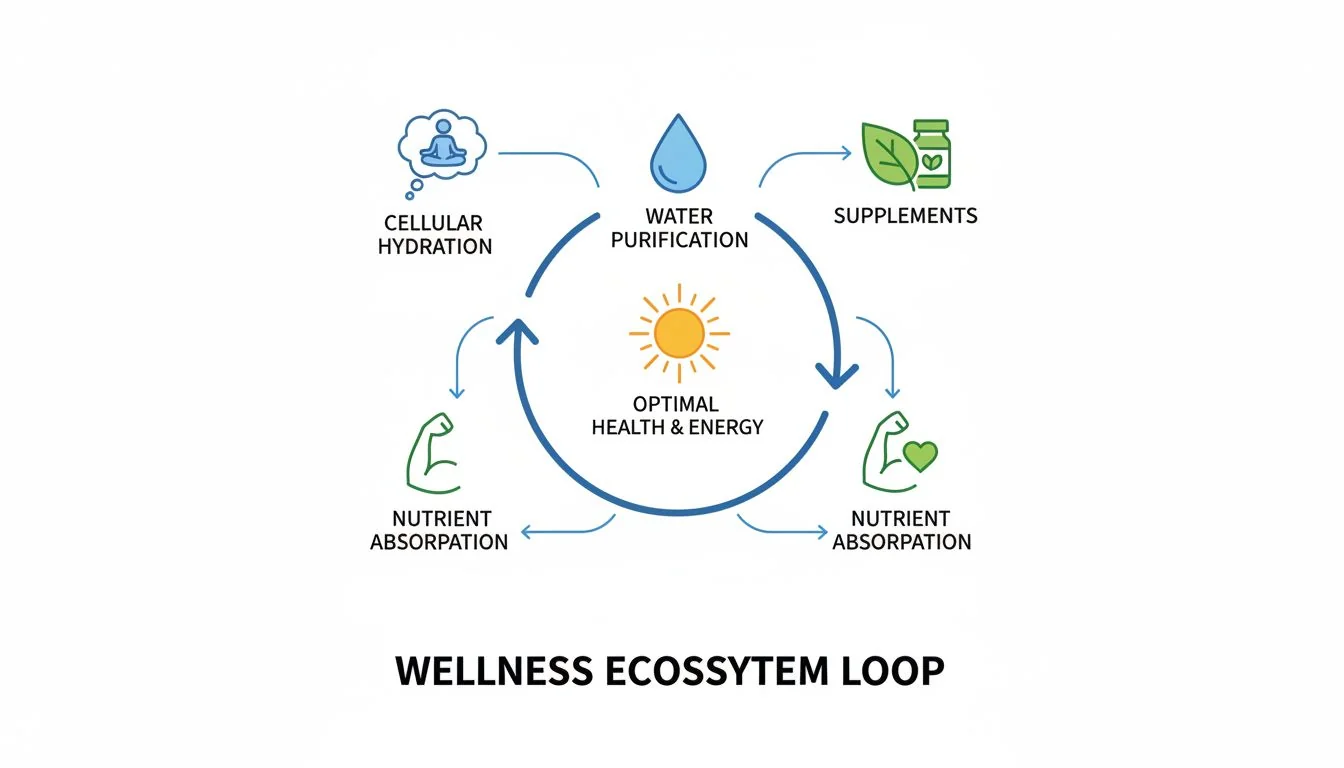
Private labeling a water purifier allows wellness brands to complete the "wellness loop2" by offering the pure water needed to consume their supplements. Instead of simple white-labeling, brands should use platform-based manufacturing with pre-certified stainless steel units to ensure material alignment, build trust quickly, and increase ecosystem value.
Many business owners think adding a hardware product is too hard. They worry about engineering and molds. But if you choose the right strategy, it is simple. You do not need to be a factory expert. You just need to avoid the common traps.
Selling a water purifier increases the Lifetime Value (LTV) of wellness brand customers.Vero
By offering a complementary product that is used daily with the core product (supplements), brands capture more of the customer's daily routine and spending.
Plastic pitchers are the best option for premium wellness brands due to low cost.Falso
Cheap plastic creates poor 'Material Alignment' for premium brands. High-end customers expect materials like stainless steel that match the quality of expensive supplements.
Why Every Wellness Brand Needs a "Hydration Strategy"?
leading paragraph:
You focus on clean ingredients and pure sourcing. But your customers wash your premium supplements down with dirty tap water. This undermines your entire health promise.
A hydration strategy is not just about selling a filter; it is about Ecosystem Building3. By providing the hardware for pure water, you increase Lifetime Value (LTV) and ensure your supplements work effectively, positioning your brand as a complete health solution rather than just a pill seller.
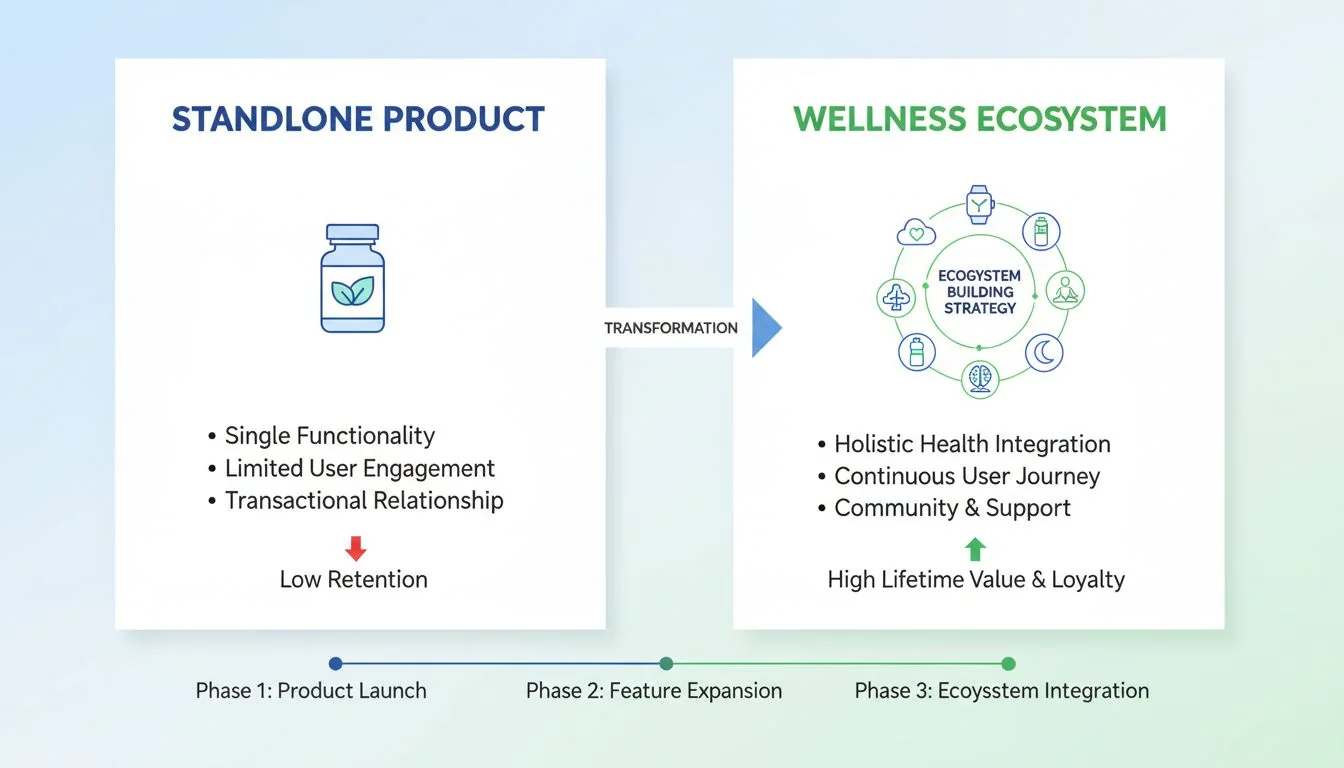
I have spent years in the manufacturing industry. I have seen many companies try to sell a single product. They usually struggle to keep customers. The most successful companies build an ecosystem. Think about it this way. If you sell a skin supplement, you are selling hydration. If you sell a detox powder, you are selling water consumption. If you do not sell the device to clean that water, you are giving money to someone else.
You need to pivot your thinking. Do not pitch this as "selling a water filter." Pitch it as "completing the wellness loop." You are helping your customers get the best results from your supplements. This is how you increase Lifetime Value (LTV). When a customer buys your machine, they commit to your brand every day. They see your logo on their kitchen counter every morning.
Here is the difference between Reselling and Ecosystem Building:
| Caratteristica | Reselling a Filter | Ecosystem Building |
|---|---|---|
| Goal | Quick profit margin | Long-term customer retention |
| Prodotto | A commodity tool | A necessary part of the health routine |
| Connection | Transactional | Emotional and functional |
| Outcome | One-time sale | Recurring revenue (filters + supplements) |
When you control the water, you control the foundation of health. This makes your brand essential, not optional.
Ecosystem building leads to higher customer retention than single product selling.Vero
Creating an interdependent product suite increases switching costs and deepens the customer's reliance on the brand for their health goals.
Customers prefer using tap water with premium supplements.Falso
Health-conscious consumers who buy premium supplements are typically aware of water quality issues and prefer purified water to maximize health benefits.
The "White Label" Trap: Why Sticking Your Logo on Plastic Fails?
You want a quick launch. You find a cheap plastic pitcher online and add your logo. Suddenly, your premium brand looks cheap and desperate.
Sticking a logo on generic plastic hardware creates a disconnect known as poor "Material Alignment4." Premium wellness customers expect high-quality materials like stainless steel; cheap plastic signals a lack of care, looks like a "cash grab," and ultimately damages brand authority.
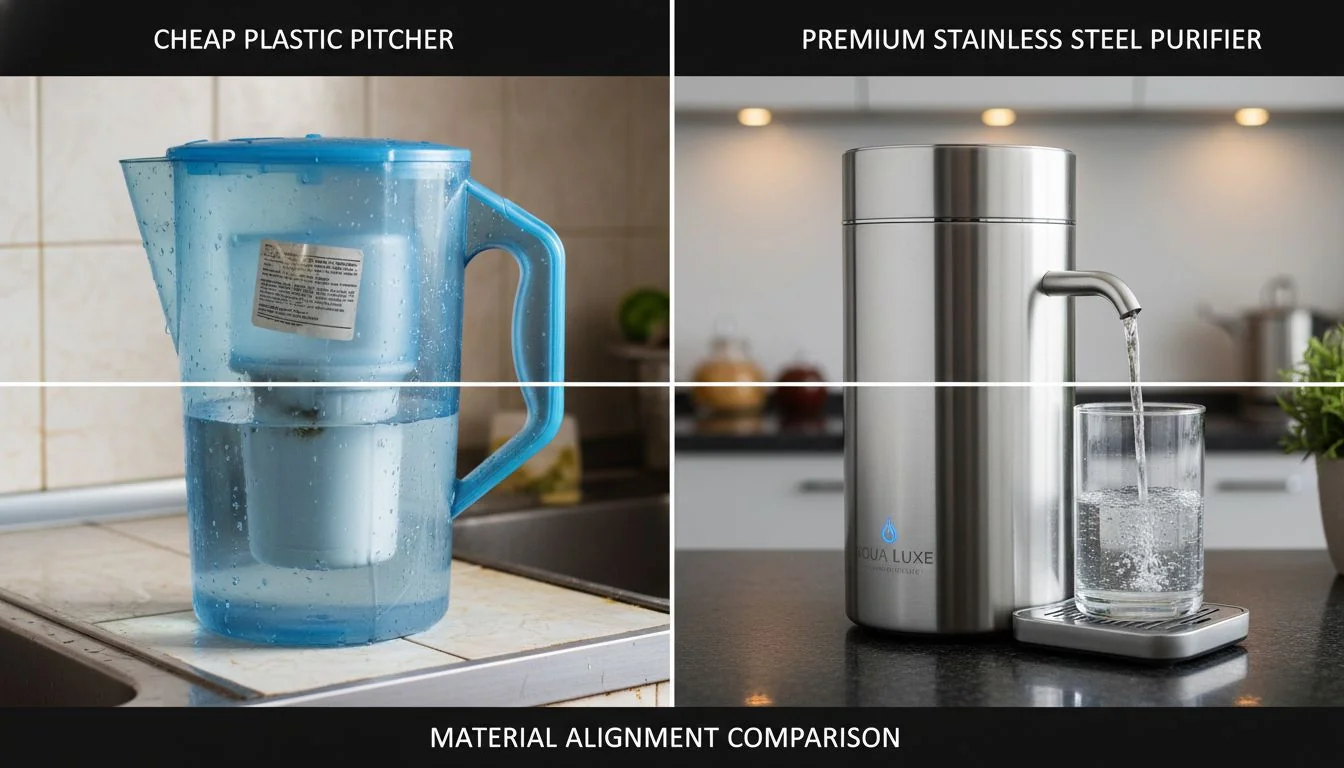
In the mold industry, we talk about materials all the time. Material tells a story. If you hold a heavy, cool stainless steel object, you feel quality. If you hold a light, scratching plastic object, you feel cheapness. This is what I call "Material Alignment." This is the strongest B2B argument you will face.
Imagine you sell a $80 jar of organic greens. The packaging is glass. The label is textured paper. It feels expensive. Now, imagine you tell your customer to pour that powder into water from a $15 plastic pitcher with your logo sticker on it. It looks wrong. It looks like a cheap flip. It looks like you do not care about the product, only the money.
Plastic molds are easier to make, yes. They are cheaper. But for a wellness brand, they are a trap. Plastic absorbs odors. It scratches. It stains. Over time, it looks dirty. A premium brand cannot put its logo on a device that degrades. You need to use materials that age well. Stainless steel is hygienic. It is durable. It aligns with the concept of "purity" that you sell in your supplements. Do not let a cheap mold ruin your expensive brand reputation.
Material Alignment refers to matching the physical quality of a product with the brand's price point and promise.Vero
Consistency in material quality builds trust. A luxury brand using cheap materials creates cognitive dissonance for the consumer.
Plastic is the most hygienic material for long-term water storage.Falso
Stainless steel or glass is superior for hygiene as plastic can degrade, scratch, and harbor bacteria over time.
The Smart Strategy: What Is "Platform-Based" Private Labeling?
Custom manufacturing takes years and costs millions. White labeling is too generic. You feel stuck between two bad options. Is there a middle ground?
platform-based private labeling5 offers a smart middle ground by using existing, high-quality internal engineering (the platform) with customizable external aesthetics. This approach reduces development time while allowing for a unique product identity that fits your brand without the heavy R&D investment.
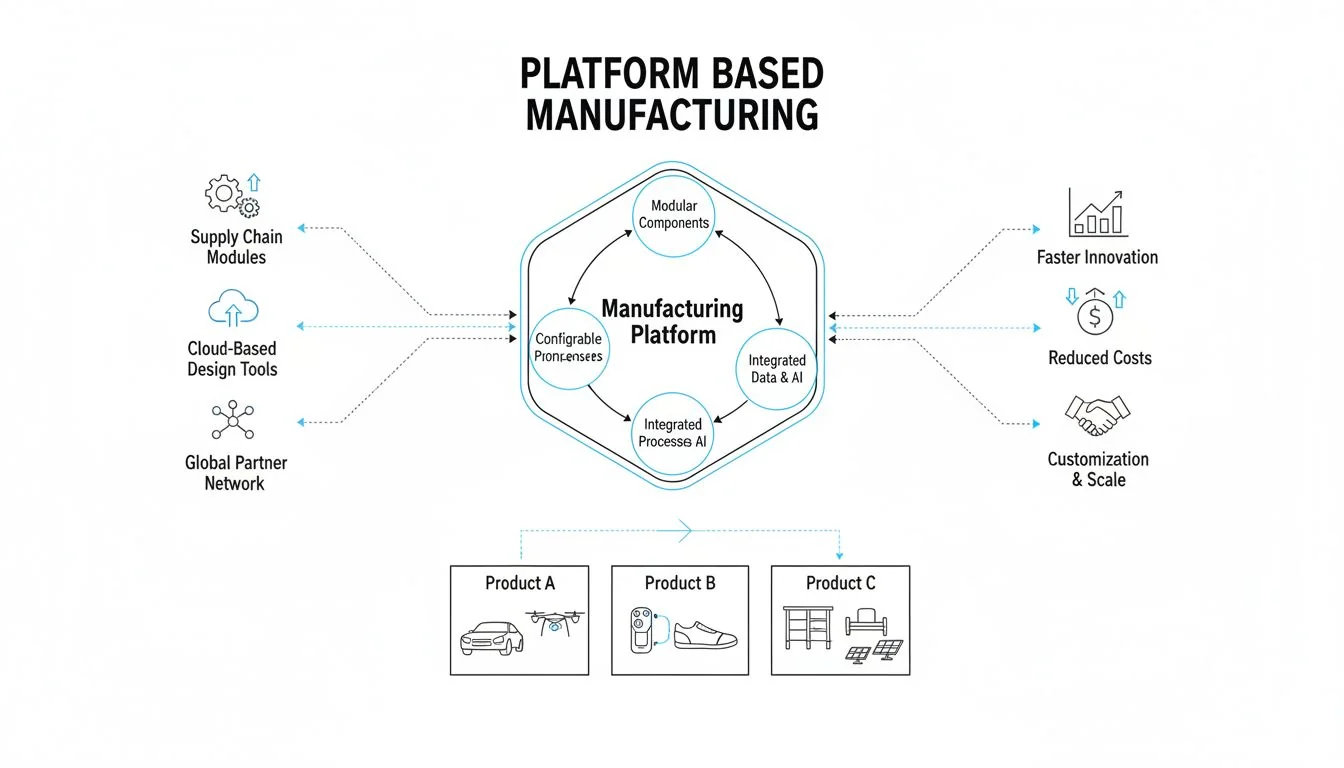
I have helped many clients with mold design. Starting from zero is hard. You have to design the internal pumps, the electronics, and the flow channels. This takes engineers and a lot of testing. Most marketing brands do not have this expertise. This is where "Platform-Based" private labeling saves you.
Think of it like a car. Many different car brands use the same engine and chassis (the platform). But the outside looks different. The interior feels different. You can do this with water purifiers. You use a proven internal system—like the ones from Hisoair—and you customize the user experience.
You position the manufacturer as your "outsourced hardware division." You know marketing. You know your customer. They know engineering. They know how to make water clean. Together, you build a product that neither could build alone. You get the reliability of a tested machine, but you get the credit for the brand. This is not just buying a product; it is buying a capability. You instantly have an engineering team without paying their salaries. This is the smartest way to scale a hardware product today.
Platform-based labeling requires brands to design the internal engineering from scratch.Falso
The main benefit of platform-based labeling is utilizing pre-existing, tested internal engineering while only customizing the exterior or interface.
Hisoair acts as an outsourced hardware division for wellness brands.Vero
By providing the engineering platform and manufacturing capabilities, they allow brands to focus on marketing while ensuring product quality.
Step 1: How Do You Choose a Platform That Matches Your Brand Promise?
There are thousands of factories. Most offer the same low-quality goods. Finding a partner that understands "premium" is difficult. How do you filter them?
Choose a manufacturing partner that offers stainless steel platforms and supports "Brand Testing" through low Minimum Order Quantities (MOQ). This allows you to run a Pilot Program6 to test the market with a premium product without committing to thousands of units upfront.
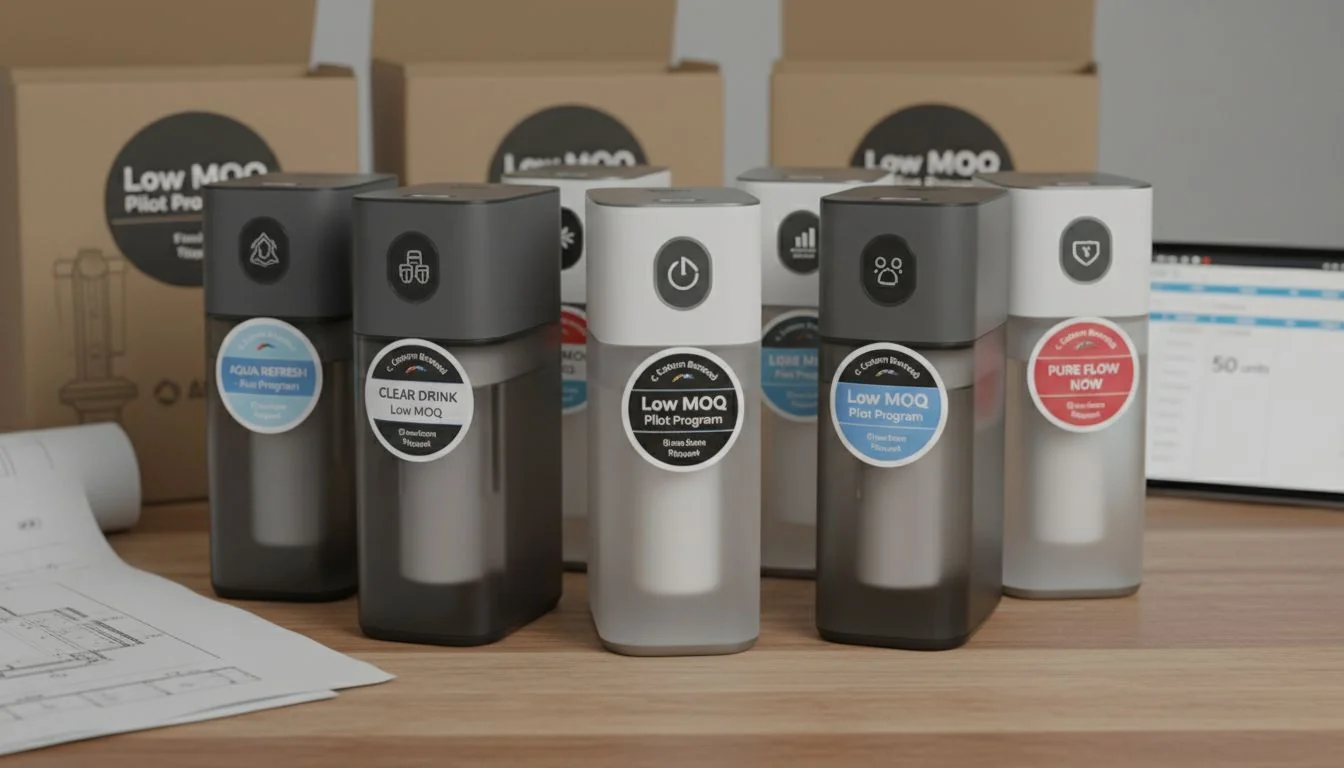
When you look for a partner, look for flexibility. In the mold business, high volume is usually king. Factories want you to order 10,000 units. But a wellness brand needs to test the waters. You need a "Pilot Program."
Look for a partner who offers a low MOQ (Minimum Order Quantity), for example, 500 units. This lowers your barrier to entry. It reduces your risk. If a factory demands a huge order, they are not a partner; they are just a vendor. A real partner wants you to grow. They understand that if the first 500 sell well, the next order will be 5,000.
Also, look at the "finish." As a mold guy, I look at the surface. Is it polished? Are the seams tight? Does it look like a medical device or a toy? For wellness, you want it to look like a medical-grade appliance. It should look like it belongs in a spa. If the platform is plastic, walk away. If the factory cannot do semi-custom packaging for a small run, walk away. You need a partner like Hisoair who understands that you are building a brand, not just moving stock.
A low MOQ allows brands to test market demand with lower financial risk.Vero
Ordering a small quantity (e.g., 500 units) prevents overstocking and allows the brand to gather customer feedback before scaling.
High volume orders are the only way to start a private label business.Falso
Modern manufacturing partners offer pilot programs with lower volumes to help brands enter the market without massive upfront capital.
Step 2: How Can You Leverage "Pre-Certification" to Skip the 12-Month Wait?
Certifications like NSF and ETL are complex. They take months and cost a fortune. This delays your launch significantly and kills your momentum.
Utilizing a platform with pre-existing certifications (NSF/ETL) acts as a "Time Machine" for your product launch. It allows you to bypass the 12-month compliance process, ensuring immediate market readiness and safety compliance without the technical headache or legal risks.
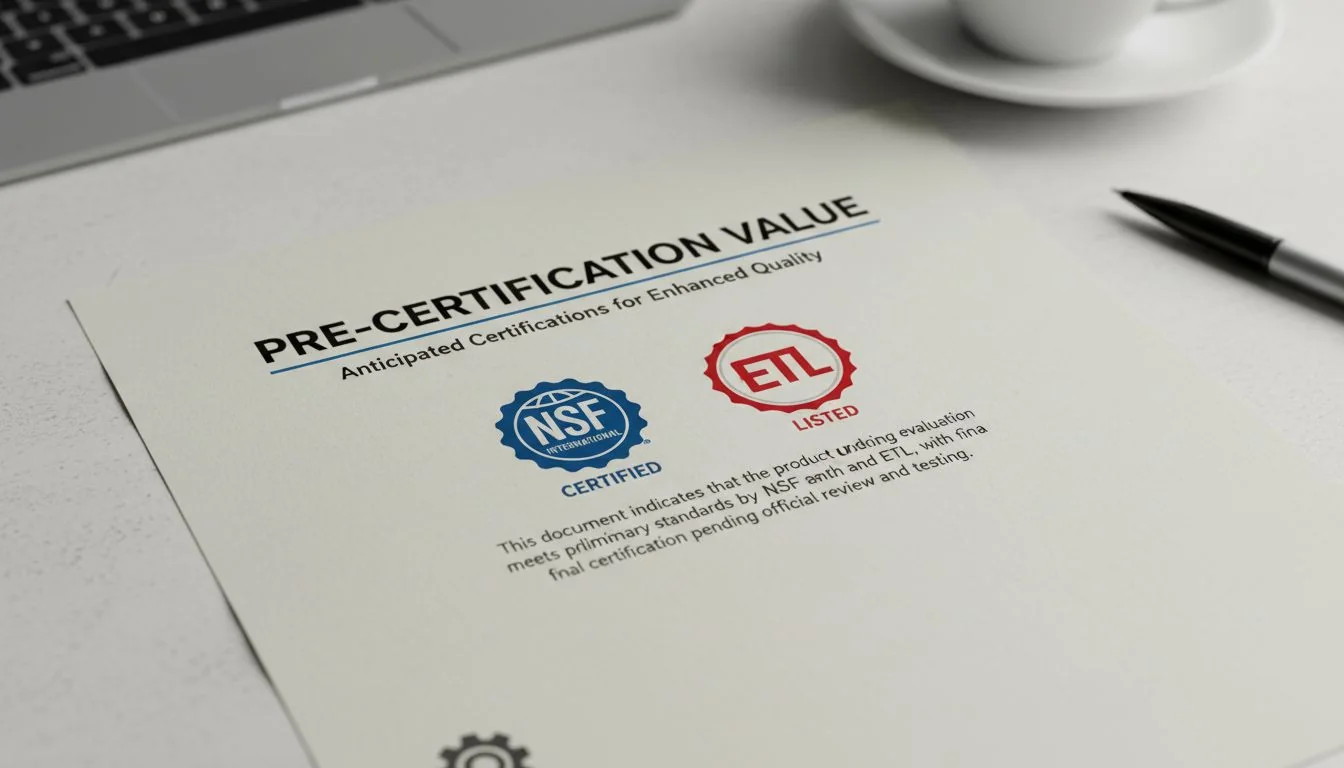
For a marketing-focused wellness brand, technical compliance is a nightmare. I have seen projects stall for a year because of testing. You have to send units to a lab. You wait. They find a problem. You fix it. You send it back. It costs tens of thousands of dollars.
Position your pre-certified platforms7 as a "Time Machine." When you work with a partner who already has the NSF (water safety) and ETL (electrical safety) marks, you save a year of headaches. You are paying for speed. In business, speed is money.
This "Speed-to-Trust" is worth a premium price. You can launch next quarter, not next year. Also, these certifications protect you. If you sell a device that puts electricity into water, you need to be sure it is safe. If you sell a filter, you need to prove it actually cleans the water. Using a pre-certified platform transfers that burden away from you. You get the badge of trust without the scars of earning it yourself. This lets you focus on selling, while the engineers focus on compliance.
Obtaining NSF and ETL certifications independently can take up to 12 months.Vero
The testing, adjustment, and re-testing process for strict safety standards is time-consuming and technically demanding.
Marketing brands should handle all technical compliance internally.Falso
Marketing brands rarely have the engineering resources for compliance; outsourcing this via pre-certified platforms is faster and safer.
Conclusione
Do not launch a commodity; launch a Hero Product. By partnering with a hardware expert and using premium materials8, you complete the wellness loop and build a brand that lasts.
References
-
Understanding customer lifetime value is crucial for brands to enhance revenue and loyalty. ↩
-
Exploring the wellness loop concept can help brands create a holistic health solution for customers. ↩
-
Ecosystem Building can significantly enhance customer loyalty and recurring revenue for brands. ↩
-
Material Alignment is key for premium brands to maintain trust and quality perception among consumers. ↩
-
Learning about platform-based private labeling can help brands innovate without heavy R&D costs. ↩
-
A Pilot Program allows brands to test market demand with lower financial risk before scaling. ↩
-
Pre-certified platforms can expedite product launches and ensure compliance, saving time and resources. ↩
-
Using premium materials is vital for maintaining brand integrity and meeting customer expectations. ↩









 English
  Français
  Español
  Italiano
  Deutsch
  Português
  Русский
  العربية
  日本語
日本語  한국어
한국어  Tiếng Việt

