
In our increasingly health-conscious world, air purifiers have become essential appliances, promising a sanctuary of clean air indoors. Among the many brands, 래빗 에어1 has carved out a significant niche, especially with its sleek and efficient wall-mounted models. But as you enjoy the pristine air these devices deliver, have you ever wondered where they come from? The answer, as we'll explore, is a fascinating blend of global strategy, specialized manufacturing, and unique heritage. This article delves into the journey of Rabbit Air wall-mounted purifiers, revealing their production details and the strategic decisions behind their market position. We'll uncover their manufacturing heartland, examine its advantages, and even glimpse the evolving competitive landscape, including new players like HisoAir2.
Rabbit Air's Global Footprint: A Tale of Two Locations (LA vs. South Korea)
Rabbit Air, a name synonymous with high-quality air purification, offers an intriguing case study in global business. While their brand and market presence are strongly felt in the United States, particularly with their headquarters in Los Angeles3, the true manufacturing heart of their acclaimed wall-mounted air purifiers lies thousands of miles across the Pacific, in 대한민국4. This dual geographical presence isn't just a logistical setup; it's a strategic decision leveraging the strengths of both locations. This strategic dual presence allows Rabbit Air to effectively manage market engagement in the US while leveraging South Korea's manufacturing excellence.
The Los Angeles headquarters serves as the central hub for sales and distribution, primarily catering to the robust U.S. market. The United States, being one of the largest and most discerning markets for air purifiers globally, demands a strong local presence for effective sales, customer service, and brand management. This positioning keeps Rabbit Air agile and responsive to its largest customer base, ensuring efficient market penetration and sustained growth. Here, the focus is on market engagement, brand building, and delivering a seamless customer experience.
Conversely, manufacturing operations are firmly rooted in South Korea. This deliberate choice speaks volumes about the country's advanced manufacturing capabilities and technological prowess. South Korea is renowned as a hub for innovation and precision engineering, especially in electronics and appliances. By producing there, Rabbit Air taps into a rich ecosystem of skilled labor, sophisticated supply chains, and a culture of meticulous quality control. This enables them to produce air purifiers that meet stringent standards and incorporate cutting-edge technology, reinforcing their reputation for reliability and performance. The synergy between LA's market focus and South Korea's manufacturing excellence forms the backbone of Rabbit Air's successful global strategy.
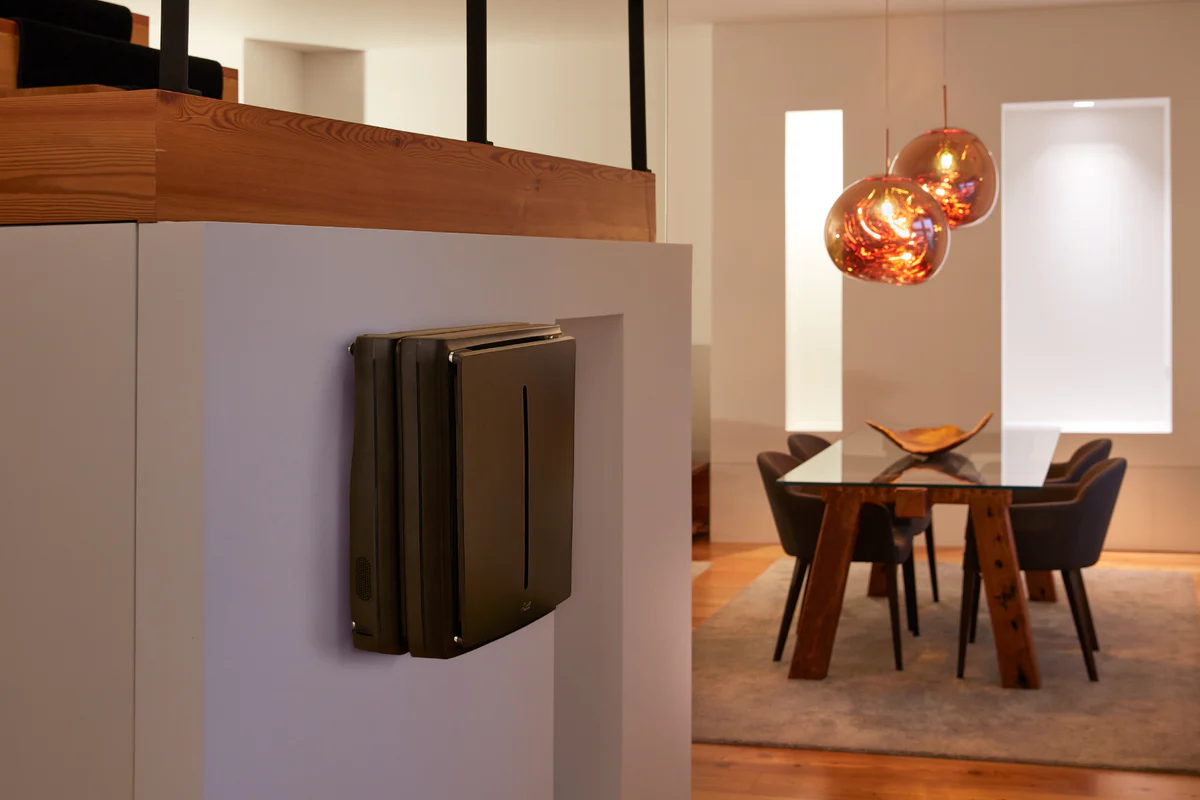
Manufacturing Rabbit Air purifiers predominantly in South Korea is central to their brand identity and market positioning. This strategic choice isn't just about production efficiency; it's deeply tied to the perception of premium quality and has been crucial in establishing Rabbit Air as a leader in wall-mounted air purifiers. The "Made in South Korea"5 label carries significant weight globally, often associated with advanced technology, meticulous craftsmanship, and rigorous quality control. This perception allows Rabbit Air to command a premium price, differentiating itself from competitors who might opt for lower-cost manufacturing. The 'Made in South Korea' label significantly contributes to Rabbit Air's premium brand image and market leadership.
Before global shifts like the COVID-19 pandemic6, the air purifier market, though growing, was less intensely competitive. Rabbit Air, with its focus on quality and design, successfully carved out a niche, becoming a go-to brand for consumers seeking high-performance, aesthetically pleasing wall-mounted solutions. Their South Korean manufacturing base provided a consistent foundation for this premium offering, ensuring each unit met high customer expectations. This commitment to quality, backed by their manufacturing origin, solidified their market leadership.
However, the landscape has changed dramatically. Increased awareness of indoor air quality post-COVID-19 led to an explosion in air purifier demand, attracting many new players and intensifying competition. While this presents challenges, Rabbit Air's established reputation and the advantages of its South Korean manufacturing remain strong differentiators. Consistently delivering high-quality products, even in a crowded market, is a testament to their robust manufacturing processes and quality assurance. This enduring commitment to excellence, rooted in South Korean production, allows Rabbit Air to maintain its premium brand image and leadership, even as the market saturates.
The Unexpected Boost: How US Tariffs Benefit Rabbit Air
In the complex world of global trade, geopolitical decisions often have unforeseen ripple effects, creating both challenges and opportunities. For Rabbit Air, U.S. tariffs on goods imported from China7 have, perhaps counter-intuitively, provided a significant advantage. This economic policy, aimed at rebalancing trade, has inadvertently become a strategic boon for Rabbit Air, especially against lower-priced air purifiers from China. US tariffs on Chinese imports have inadvertently strengthened Rabbit Air's competitive position by reducing price-based competition.
Before the tariffs, the U.S. air purifier market was increasingly saturated with Chinese products, many competing primarily on price. These lower-cost alternatives often challenged brands like Rabbit Air, which operate at a premium price point justified by quality and manufacturing origin. Consumers, especially those less informed about air purification technology or manufacturing standards, might gravitate towards cheaper options, making it harder for premium brands to justify their higher cost.
However, tariffs effectively raised the cost of these Chinese-made air purifiers entering the U.S. market. This increase in import duties narrowed the price gap between them and products manufactured elsewhere, like South Korea. For Rabbit Air, this leveled the playing field. The competitive edge lower-priced Chinese imports once held, largely due to manufacturing cost advantages, significantly diminished. This shift allowed Rabbit Air to better highlight its value proposition—superior quality, advanced technology, and the reliability of South Korean manufacturing—without being immediately overshadowed by a stark price differential.
This situation is good news for Rabbit Air. By mitigating intense price competition from Chinese imports, tariffs create an environment where Rabbit Air can more effectively leverage its premium brand and the "Made in South Korea" distinction. It offers an opportunity to gain a larger market share, as consumers may now be more inclined to invest in a product offering perceived higher quality and durability, especially when the price difference is less pronounced. In essence, tariffs have inadvertently reinforced Rabbit Air's strategic position, allowing its commitment to quality and South Korean manufacturing heritage to shine more brightly in the competitive U.S. market.
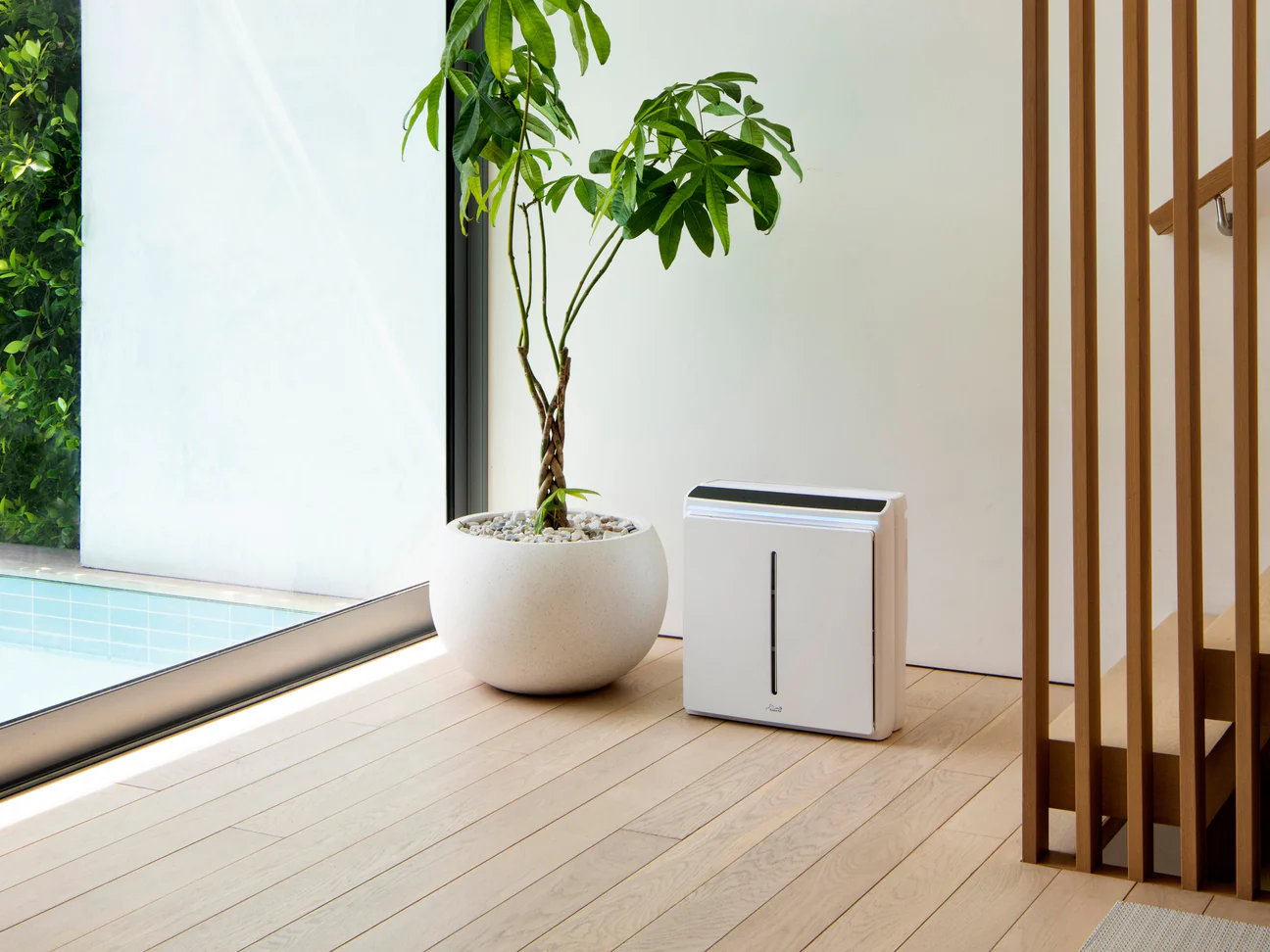
Beyond Assembly: The Deep Roots of Korean Manufacturing Expertise
South Korea's manufacturing prowess extends far beyond mere assembly; it's deeply rooted in specialized industrial ecosystems and a culture of technological advancement. For Rabbit Air, this translates into a significant competitive advantage, as their production in South Korea allows them to tap into highly specialized expertise for critical components and sub-assemblies. This integrated approach ensures both product quality and seamless incorporation of cutting-edge technology. South Korea's specialized industrial ecosystems provide Rabbit Air with a significant competitive advantage in component fabrication and integration.
Consider the core sub-assemblies of Rabbit Air purifiers: Brushless Direct Current (BLDC) motors8, True HEPA filter media9, and onboard air-quality sensors 10. These aren't just imported and assembled; they're fabricated and integrated locally within South Korea. This localized production testifies to the country's robust manufacturing infrastructure and its ability to foster specialized industries. For instance, expertise in Printed Circuit Board (PCB) manufacturing11, particularly in regions like Gumi12, is crucial. PCBs are the brains of modern electronics, and Gumi's reputation for high-quality PCB fabrication ensures Rabbit Air's control systems are precise, reliable, and efficient. This local expertise allows for tighter integration between design and production, leading to optimized performance and reduced complexities.
Similarly, developing and producing advanced filtration media is critical for any air purifier. South Korea, with its strong focus on material science and engineering, boasts specialists in filtration media, particularly in areas like Busan13. These experts contribute to True HEPA filters that meet stringent standards for capturing microscopic particles, allergens, and pollutants. Sourcing and integrating these specialized filter media locally means Rabbit Air can maintain strict quality control over one of their purifiers' most vital components, ensuring maximum effectiveness.
This deep integration with local expertise for key sub-assemblies signifies a commitment to quality beyond simple outsourcing. It allows Rabbit Air to leverage South Korea's advanced manufacturing, ensuring components like BLDC motors are powerful, energy-efficient, and remarkably quiet—a hallmark of Rabbit Air products. The synergy between specialized component fabrication and final product assembly within South Korea underscores their comprehensive manufacturing strategy, contributing significantly to their wall-mounted air purifiers' overall performance and reliability.
A Touch of Nature: The Unique Heritage of Rabbit Air's Green Tea Filters
Beyond advanced engineering and meticulous assembly, Rabbit Air distinguishes itself through unique, natural elements in its filtration system. This commitment to innovation and differentiation is best exemplified by their custom Green Tea filters14, which not only enhance purification but also weave in rich Korean agricultural heritage. This thoughtful integration elevates Rabbit Air purifiers beyond mere mechanical devices. Rabbit Air's Green Tea filters uniquely blend advanced filtration with Korean agricultural heritage for enhanced air purification.
Rabbit Air's proprietary Green Tea filters aren't just a marketing gimmick; they're a testament to the brand's dedication to holistic air purification. These filters are designed to neutralize odors and harmful chemicals, adding an extra layer of protection and freshness. What makes them truly unique is their key ingredient: organic Camellia sinensis leaves15. These leaves are meticulously sourced from the famed Boseong plantations16 in South Korea. Boseong is globally renowned for its lush, terraced green tea fields and long tradition of cultivating high-quality tea.
The decision to incorporate green tea from Boseong is strategic, reflecting Rabbit Air's commitment to leveraging local resources and expertise. Boseong's unique climate and fertile soil contribute to its green tea's distinct quality, celebrated for its antioxidant properties and natural deodorizing capabilities. By embedding these authentic Korean agricultural products into their filtration line, Rabbit Air enhances functional performance and infuses them with a sense of place and heritage. This connection to a specific, high-quality natural source reinforces the brand's image of purity and natural effectiveness.
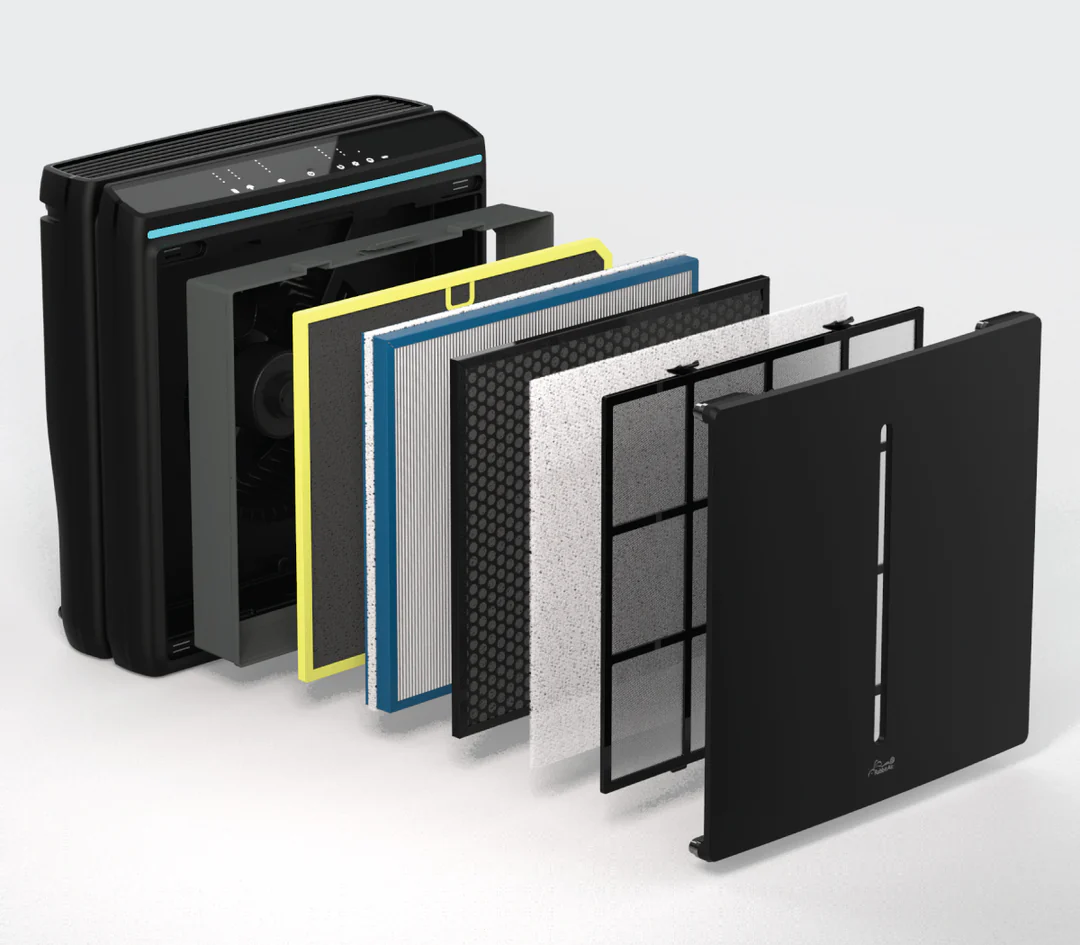
This integration of organic Camellia sinensis leaves into the filters showcases Rabbit Air's innovative approach. It demonstrates a willingness to look beyond conventional materials and explore natural solutions with tangible benefits. The green tea component works synergistically with other filtration stages, like True HEPA and activated carbon filters, for comprehensive purification. This unique feature not only sets Rabbit Air apart but also appeals to consumers who value natural ingredients and sustainable practices. It's a subtle yet powerful example of how Rabbit Air combines cutting-edge technology with respect for natural resources and cultural heritage to deliver a superior air purification experience.
The Horizon of Innovation: What's Next in Wall-Mounted Air Purification?
While Rabbit Air has firmly established itself as a leader in wall-mounted air purifiers, the technology landscape is dynamic and constantly evolving. Innovation drives this industry, with new players continuously emerging, pushing boundaries of performance, efficiency, and cost-effectiveness. One such emerging force we believe will soon make a significant impact is HisoAir, poised to introduce a new generation of advanced wall-mounted air purifiers that promise to redefine market expectations. HisoAir is set to disrupt the wall-mounted air purifier market with advanced, high-performance, and cost-effective models.
Our insights suggest HisoAir is on the cusp of launching wall-mounted air purifiers offering higher performance and more cost-effective models. This combination of superior efficacy and affordability is a critical differentiator in a market increasingly demanding both. While Rabbit Air excels in the premium segment, HisoAir aims to deliver cutting-edge technology accessible to a broader consumer base without compromising purification quality. This strategic approach aims to capture significant market share by addressing evolving consumer needs for optimal air quality at a competitive price.
The anticipated entry of HisoAir is particularly noteworthy due to potential partnerships with key U.S. players. We believe HisoAir will collaborate with good partners from the US, especially new Direct-to-Consumer (D2C) brands17. These D2C brands often have strong marketing and traffic teams, excelling in digital outreach, brand storytelling, and direct consumer engagement. What they often need, however, are unique and high-performance products to fill their portfolios and differentiate themselves in a crowded e-commerce space.
This synergy between HisoAir's advanced manufacturing and product innovation, and the marketing prowess of U.S. D2C brands, creates a powerful alliance. HisoAir can provide the cutting-edge, high-quality wall-mounted air purifiers these D2C brands need, allowing them to offer distinctive products. In return, D2C partners can leverage their extensive marketing reach and efficient distribution to rapidly introduce HisoAir's products, accelerating market penetration and brand recognition. This collaborative model points to the future direction of the air purifier market, where strategic partnerships and a focus on both performance and value will be key to success. As demand for clean air grows, HisoAir's impending offerings are set to provide compelling new options for consumers and exciting opportunities for industry partners.
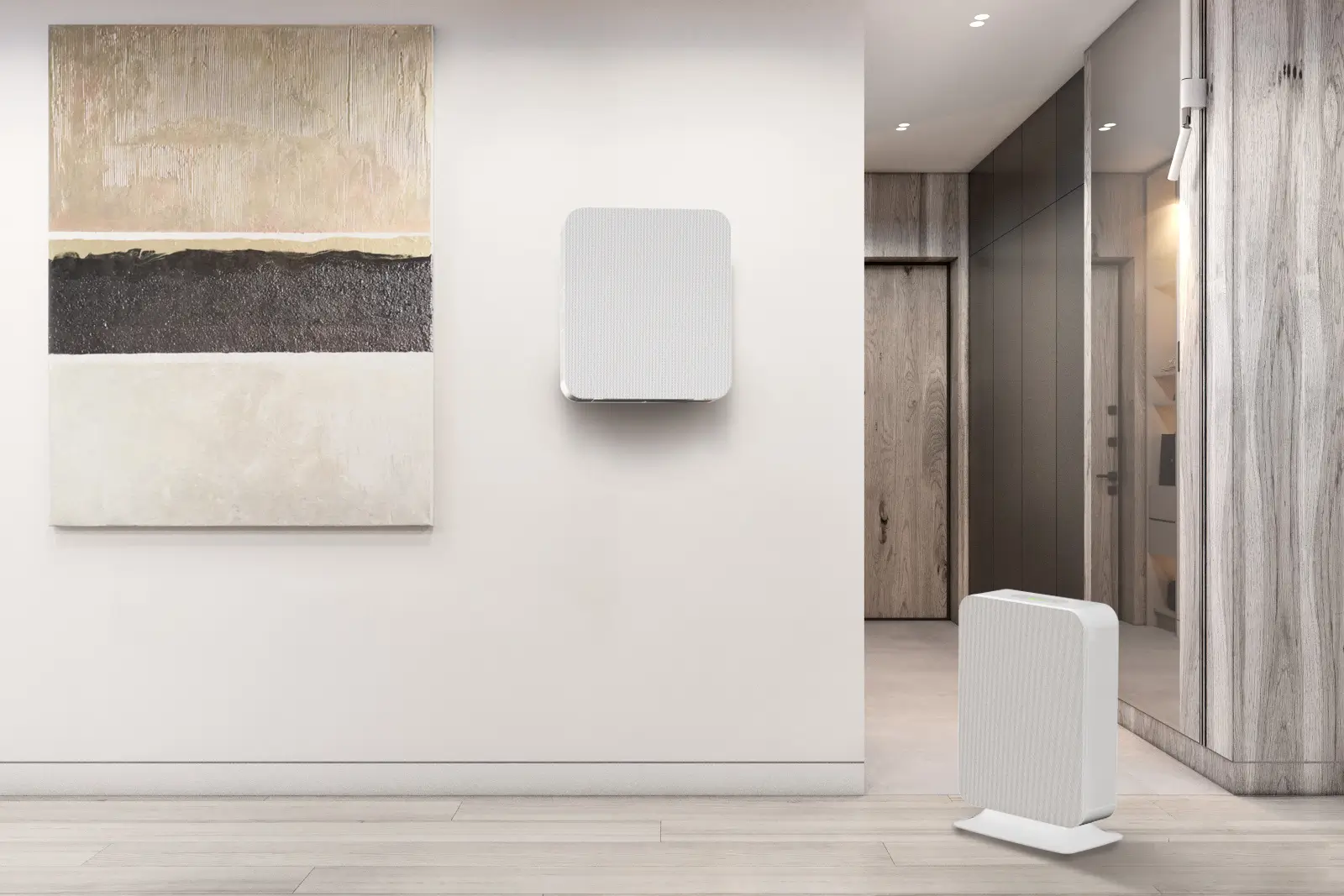
(HisoAir’s latest launch is a dual - use air purifier that can be used as both a floor - standing and wall - mounted device.)
Conclusion: The Future of Clean Air and Strategic Partnerships
The journey into Rabbit Air's manufacturing origins reveals a compelling narrative of strategic global positioning, deep reliance on South Korea's advanced manufacturing, and a keen understanding of market dynamics. From its LA headquarters managing sales in the world's largest air purifier market to meticulous production in South Korea, Rabbit Air has built a brand synonymous with premium quality and innovative design. The "Made in South Korea" distinction isn't just a geographical tag; it's a testament to the country's expertise in precision engineering, specialized sub-assembly fabrication, and even unique agricultural heritage, as seen with Boseong green tea in their filters. The manufacturing journey of Rabbit Air highlights a successful blend of global strategy, South Korean manufacturing excellence, and unique product differentiation.
However, the air purifier market constantly evolves, especially with heightened indoor air quality awareness. While Rabbit Air has adeptly navigated increased competition and benefited from unexpected geopolitical shifts like U.S. tariffs on Chinese goods, the horizon keeps shifting. The impending arrival of new, highly competitive players like HisoAir, promising advanced, high-performance, and cost-effective wall-mounted air purifiers, signals a new era of innovation and market competition.
The future of clean air solutions will likely be defined by a blend of established excellence and disruptive innovation. Brands that consistently deliver superior performance, leverage strategic manufacturing advantages, and adapt to evolving consumer demands will thrive. Furthermore, strategic partnerships, particularly between innovators like HisoAir and agile D2C brands with strong marketing capabilities, will play a crucial role in shaping market leadership. As consumers increasingly prioritize health and well-being, demand for effective and accessible air purification will only grow, making this an exciting and dynamic space to watch.
각주
-
Learn more about Rabbit Air and their products. ↩
-
Discover HisoAir's innovative air purification solutions. ↩
-
Explore the city of Los Angeles. ↩
-
Learn about South Korea's economy and industries. ↩
-
Understand the significance of 'Made in South Korea' products. ↩
-
Information on the COVID-19 pandemic. ↩
-
Information on US tariffs and trade policy. ↩
-
Learn about Brushless DC (BLDC) motors. ↩
-
Understand True HEPA filters. ↩
-
Information on air quality sensors. ↩
-
Learn about Printed Circuit Board (PCB) manufacturing. ↩
-
Explore Gumi, South Korea. ↩
-
Discover Busan, South Korea. ↩
-
Information on green tea benefits. ↩
-
Learn about Camellia sinensis (tea plant). ↩
-
Explore Boseong Green Tea Plantations. ↩
-
Understand Direct-to-Consumer (D2C) business model. ↩


 English
  Français
  Español
  Italiano
  Deutsch
  Português
  Русский
  العربية
  日本語
日本語  한국어
한국어  Tiếng Việt

