
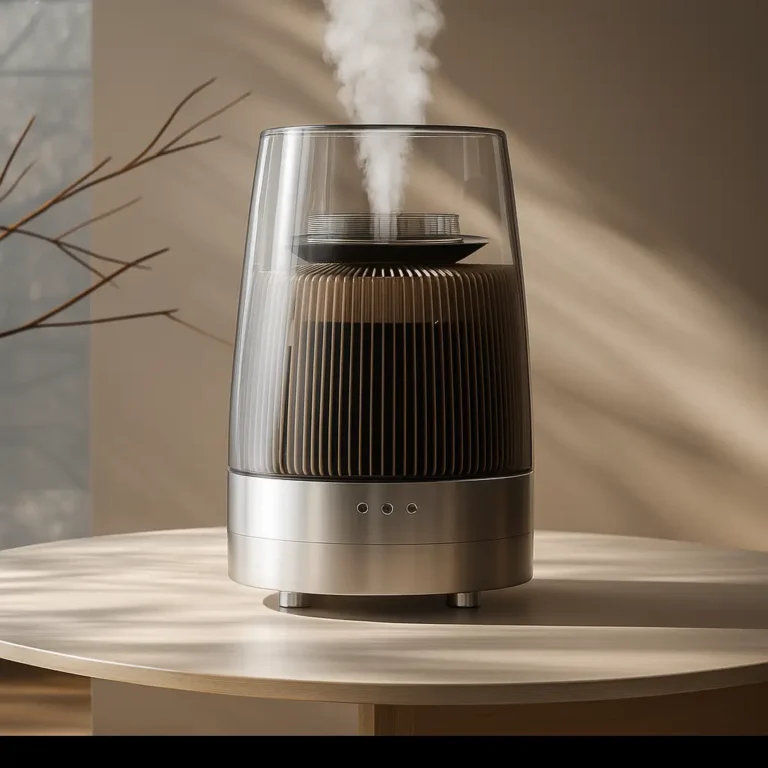
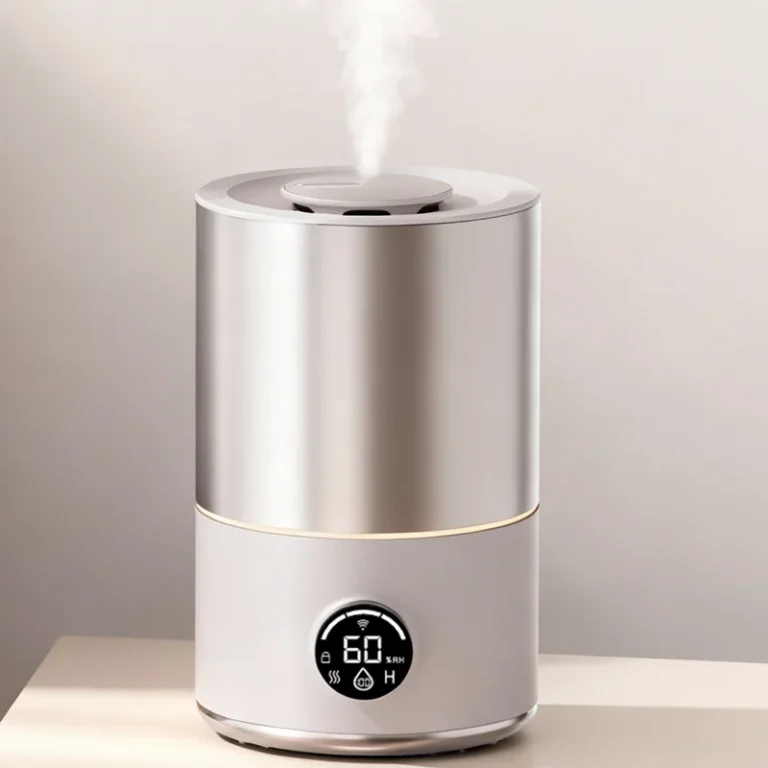
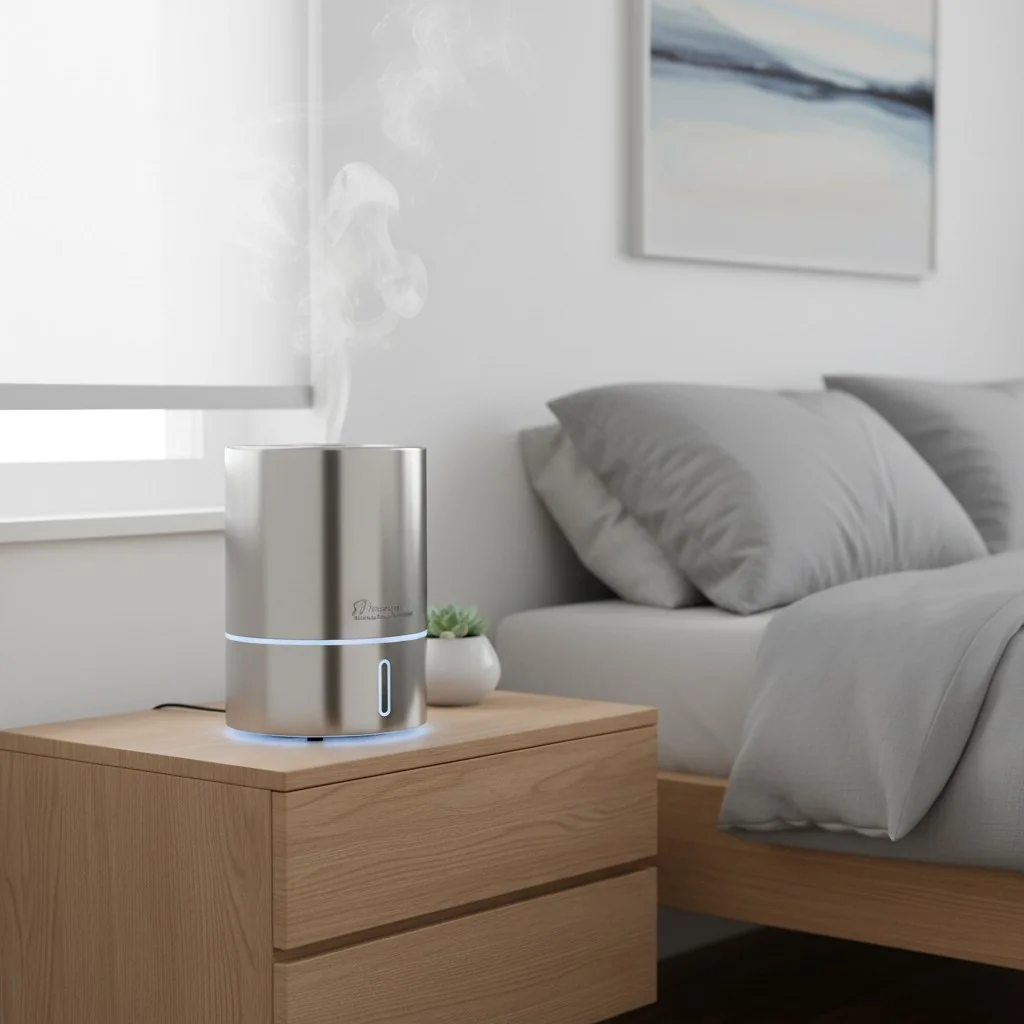
Struggling to find the next truly premium wellness product1? Your customers are getting smarter about materials, and plastic is quickly losing its appeal in the high-end market.
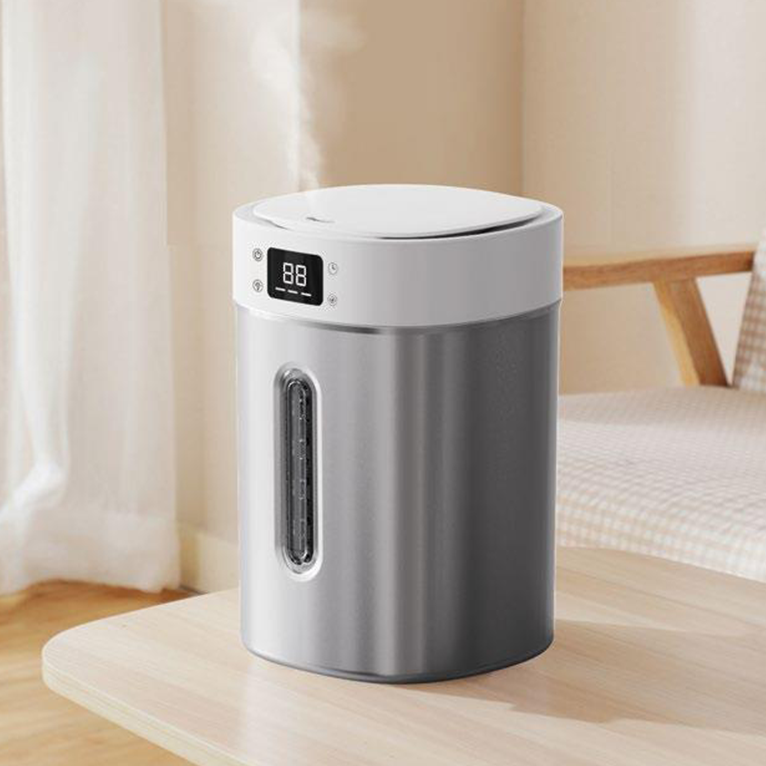
Stainless steel tanks2 are the new gold standard because they offer superior hygiene, durability, and a luxury feel that health-conscious consumers now demand. This material eliminates concerns about plastic-related emissions, making it a safer, premium choice for any home.
I've been in the air quality industry for over two decades, working on everything from environmental protection to electronic design. I have seen many trends come and go. But the current shift from plastic to stainless steel is different. It is not a passing fad. It is a fundamental change driven by educated consumers who demand real quality and safety. For a business owner like you, Marshal, understanding this shift is critical. It presents a clear opportunity to source and brand a product that truly stands out. Let's explore why this material is becoming a non-negotiable feature for premium wellness brands.
All plastic humidifiers release harmful VOCs.False
Not all plastics are equal. While some low-quality plastics can release VOCs, especially when heated, many high-grade, BPA-free plastics used in appliances are stable and meet safety standards. The concern often arises from the potential for degradation over time and the type of technology used (e.g., ultrasonic vs. evaporative).
Stainless steel is naturally resistant to mold and bacteria growth compared to plastic.True
Stainless steel has a non-porous surface, which makes it much harder for bacteria, mold, and biofilm to adhere and grow. Plastic, being more porous, can develop microscopic scratches and crevices where microbes can thrive, making it harder to clean completely.
Why Are Parents and Wellness Shoppers Actively Seeking Stainless-Steel Humidifiers?
Are you noticing a new question from your customers? They are asking about materials and specifically want to avoid plastic. This is not a niche concern anymore. It is a mainstream demand.
Parents and wellness shoppers seek stainless steel because they are more aware of 실내 공기질3. They see it as a safer, cleaner choice for their families, especially for children with asthma or other respiratory sensitivities. This demand is a clear market signal.
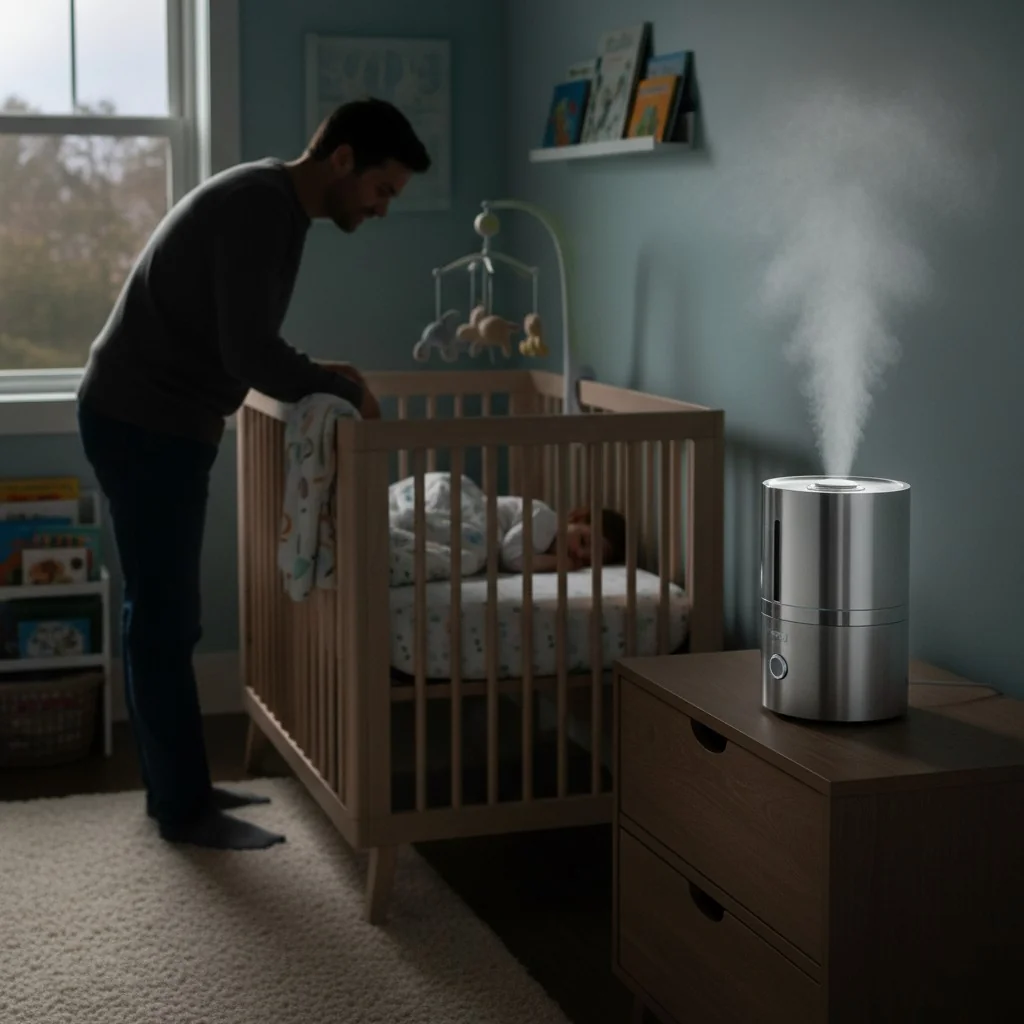
In my 20 years of experience, I've watched consumer awareness4 grow exponentially. It used to be that people only cared if a device was quiet and effective. Now, the conversation has shifted. I spend time on parenting forums and social media groups, and the topic of "plastic vs. stainless steel humidifiers" appears constantly. This isn't just idle chatter. It's research. These are educated buyers who are making a direct link between the materials in their home and their family's health. For you, as a buyer and brand owner, this is invaluable market intelligence. You have a customer base that is pre-sold on the benefits of a safer material. They are actively looking for the product you could be providing.
The Voice of the Consumer
Parents of children with asthma are leading this charge. They are meticulous about their home environment. They share stories about plastic humidifiers leaving a strange film on furniture or having a faint "plastic" smell. They are looking for peace of mind, and stainless steel provides it.
From Niche Concern to Mainstream Demand
What starts with a specific group, like parents of sensitive children, often becomes a mainstream wellness trend. People see "hospital-grade" and "hygienic" and understand the value. This is a lasting trend because it is rooted in a core human desire for safety and well-being.
| Consumer Concern | Plastic Humidifiers | Stainless Steel Humidifiers |
|---|---|---|
| Material Safety | Potential for VOC5/micro-plastics | Inert, no chemical leaching |
| hygiene6 | Porous, can harbor mold/biofilm | Non-porous, easy to sterilize |
| durability7 | Can crack, discolor, or degrade | Resists corrosion, long lifespan |
| Perception | Seen as basic or disposable | Perceived as premium and safe |
Humidifiers can help relieve symptoms of the common cold.True
Adding moisture to the air can soothe irritated nasal passages and throat, thin mucus, and ease coughing, which are all common symptoms of a cold. The FDA and medical experts often recommend using a humidifier for this purpose.
Using tap water in any humidifier is perfectly safe.False
Tap water contains minerals that, especially in ultrasonic humidifiers, can be dispersed into the air as a fine 'white dust.' This dust can settle on surfaces and be inhaled. It's generally recommended to use distilled or demineralized water to prevent this.
Do Plastic Humidifiers Really Release Harmful Particles and VOCs?
Have you ever wondered why running a new plastic humidifier can sometimes trigger an air purifier? Your customers are noticing this, and it is making them question the safety of their wellness devices.
Yes, some plastic humidifiers, particularly ultrasonic models, can aerosolize micro-plastic particles and may release volatile organic compounds (VOCs) from the tank material. This is a significant health concern driving consumers toward safer alternatives like stainless steel, which does not pose this risk.
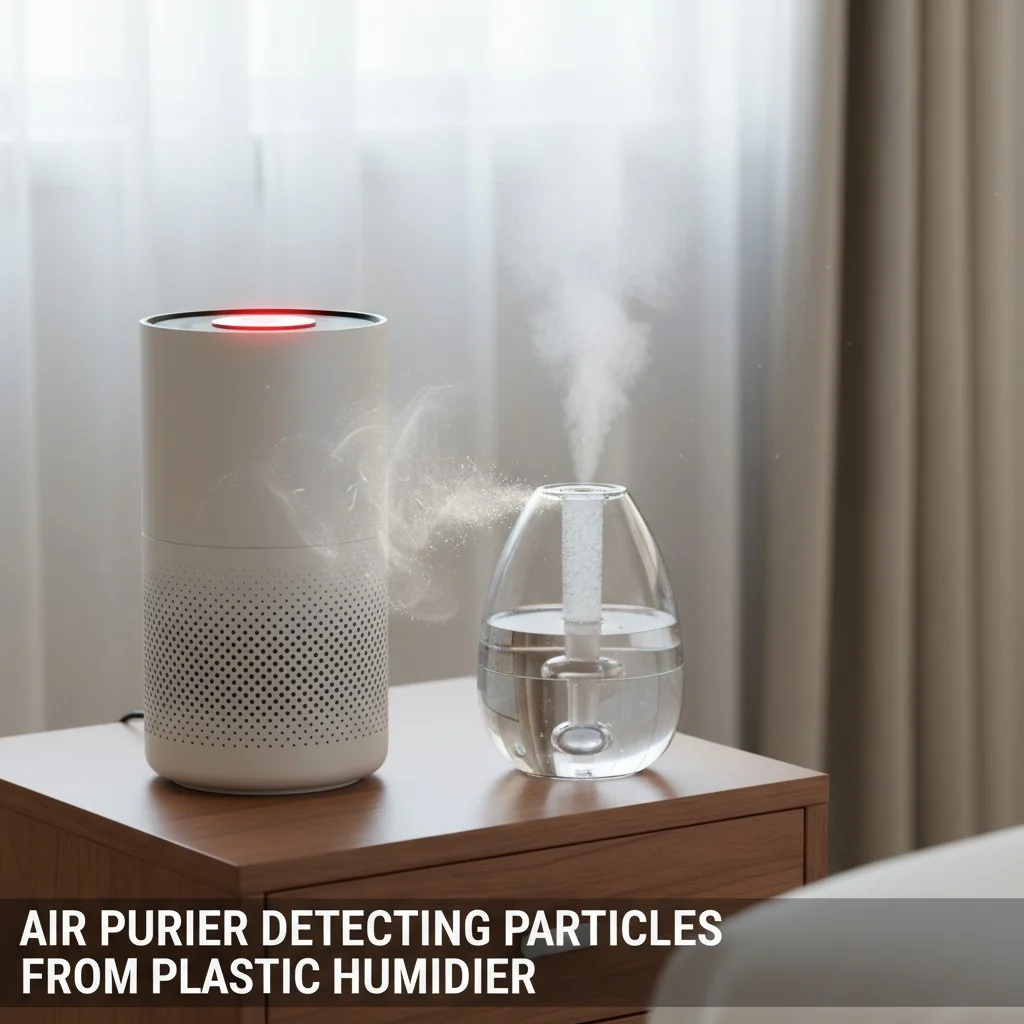
In our labs at HisoAir, we test all kinds of air quality devices. One of the most interesting things we've observed is what we call the "red light" problem. We'll place a high-sensitivity air purifier next to a brand-new ultrasonic plastic humidifier, and within minutes, the purifier's particle sensor will light up red, indicating poor air quality. This happens even when using distilled water. The purifier is detecting something being emitted from the humidifier itself. While it could be a number of things, the most likely culprits are tiny particles from the plastic or VOCs. This simple visual confirmation is powerful. It's something your customers can see in their own homes, and it makes them uneasy. They are right to be concerned. Why invest in a wellness device that might be polluting the very air it's supposed to improve?
Understanding the Risk
The issue is twofold. First, the high-frequency vibration of ultrasonic technology can potentially break off microscopic particles from the plastic tank. Second, some plastics can off-gas VOCs, especially when new. A stainless steel tank, particularly one that uses boiling technology8, completely avoids these issues.
Boiling vs. Ultrasonic
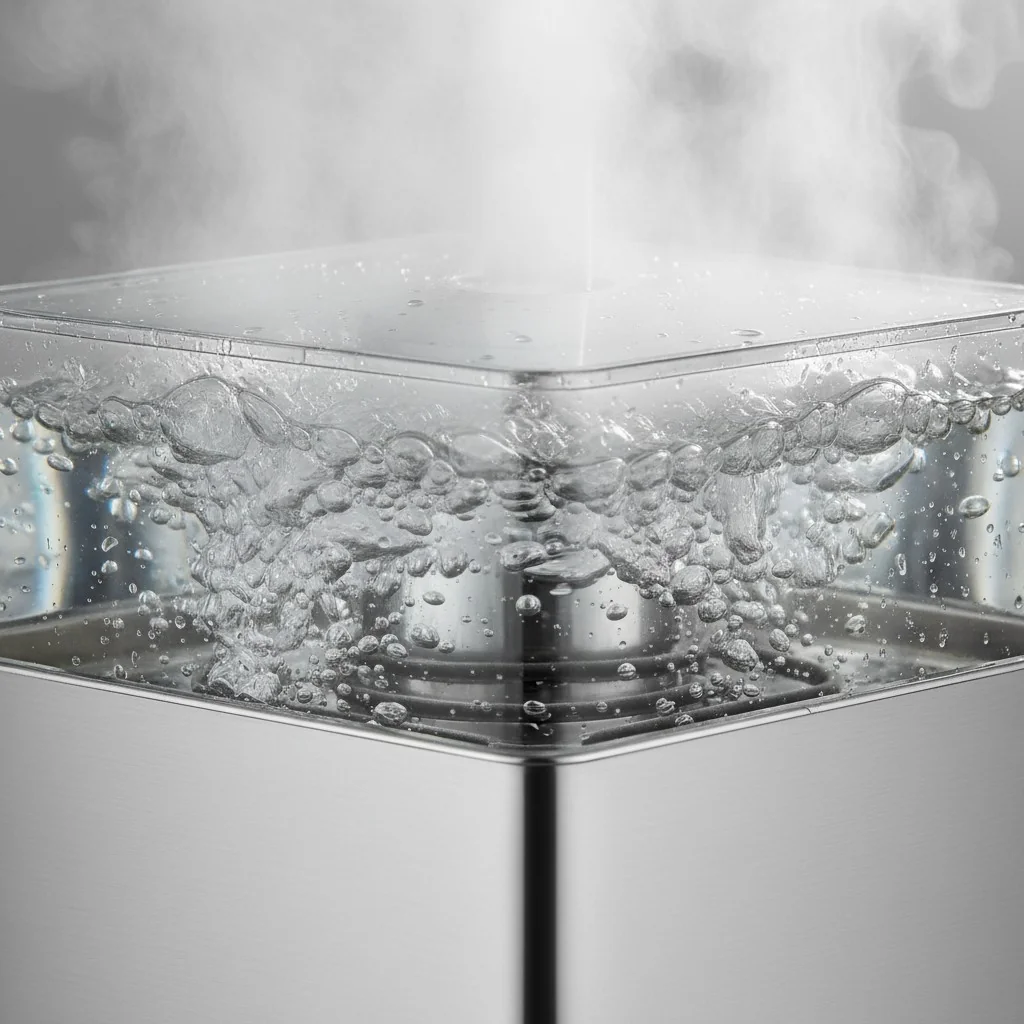
Boiling technology is inherently cleaner. The process of boiling water kills bacteria and mold. The steam released is pure H2O. It doesn't carry minerals or particles from the tank. This is a key performance differentiator that you can market.
| 기술 | Emission Risk | Hygiene |
|---|---|---|
| Ultrasonic (Plastic) | High (Micro-plastics, VOCs, minerals) | Low (Can create and spread biofilm) |
| Boiling (Stainless Steel) | None (Releases pure steam) | High (Boiling sterilizes water) |
Stainless steel is an alloy of iron, chromium, and sometimes nickel and other metals.True
This is the fundamental definition of stainless steel. The chromium content is key, as it forms a passive, self-healing oxide layer on the surface that prevents rust and corrosion.
All stainless steel is magnetic.False
It depends on the type. Austenitic stainless steels (like 304 and 316, common in cookware and appliances) are non-magnetic. Ferritic and martensitic stainless steels, however, are magnetic due to their different crystalline structures.
Your brand's packaging and website look luxurious. But does the product itself feel like a premium item when a customer holds it? The material choice is a critical part of that experience.
Stainless steel instantly communicates luxury, hygiene, and durability. Its sleek finish, cool touch, and satisfying weight align perfectly with a premium brand identity9. It is a tangible signal to consumers that they are buying a high-quality, long-lasting wellness product.
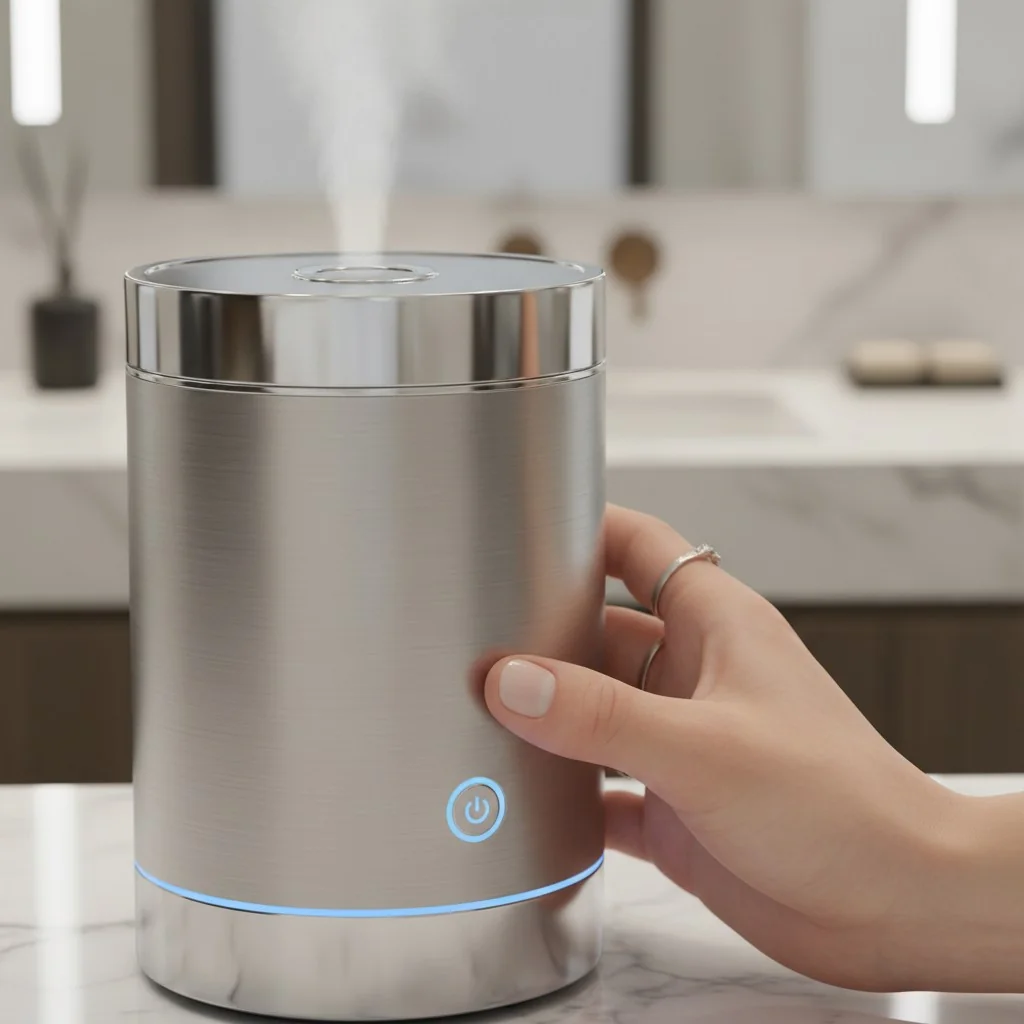
As a product designer, I know that materials tell a story. Plastic often says "mass-market" or "disposable." Stainless steel, on the other hand, speaks a language of quality and permanence. Think about other premium markets, like kitchen appliances or high-end water bottles. The best products use stainless steel. For a brand owner like you, Marshal, who focuses on rebranding and selling at a high price point, this is a massive advantage. You are not just selling a function; you are selling an aesthetic and a feeling. A stainless steel humidifier looks and feels substantial. It has a pleasing weight. It looks beautiful on a nightstand. This is a product that complements a well-designed home, rather than something to be hidden away. It becomes a piece of "wellness hardware10" or even a design object.
Engineering a Premium Experience
This is not just about looks. A stainless steel design allows for better engineering. As I mentioned, it pairs perfectly with boiling technology, which is a superior humidification method. You can also integrate other premium features that customers love, like ambient lighting, essential oil diffusion, and smart IoT controls. This combination of high-end materials, superior technology, and thoughtful industrial design creates a product that is truly differentiated. It's not just another plastic humidifier. It's a sophisticated wellness gadget that justifies a premium price and builds a loyal customer base.
Brand Attributes Conveyed by Material
| Attribute | 플라스틱 | Stainless Steel |
|---|---|---|
| Quality Perception | Basic, Standard | High-End, Professional |
| 내구성 | Lower, can degrade | High, Built to last |
| 미학 | Can look cheap | Sleek, Modern, Timeless |
| Brand Alignment | Mass-Market, Value | Premium, Luxury, Wellness |
Boiling water humidifiers use more energy than ultrasonic models.True
Heating water to its boiling point requires significantly more energy than vibrating a ceramic disk. This is a direct trade-off: boiling offers superior hygiene at the cost of higher electricity consumption.
Stainless steel was invented in the 20th century for making cutlery.False
While its use in cutlery became popular, stainless steel was initially invented by Harry Brearley in 1913 in Sheffield, England, while he was seeking a corrosion-resistant alloy for gun barrels.
결론
Stainless steel humidifiers are not just a trend. They are the future of premium wellness hardware, offering the safety, performance, and luxury that discerning customers and brands demand.
References
-
Explore the characteristics that elevate wellness products to premium status, focusing on materials and consumer expectations. ↩
-
Discover how stainless steel tanks enhance hygiene and durability, making them a premium choice for wellness products. ↩
-
Learn about the importance of indoor air quality and how it impacts overall health and well-being. ↩
-
Understand the shift in consumer awareness and its influence on purchasing decisions in the wellness market. ↩
-
Learn about volatile organic compounds (VOCs) and their potential health risks associated with plastic humidifiers. ↩
-
Find out why hygiene is a critical factor in the selection of wellness products, especially humidifiers. ↩
-
Investigate the durability of stainless steel compared to plastic and its implications for product longevity. ↩
-
Discover the benefits of boiling technology in humidifiers and how it ensures cleaner air quality. ↩
-
Explore how the choice of materials, like stainless steel, can elevate a brand's identity to premium status. ↩
-
Understand the concept of wellness hardware and how it relates to consumer health and lifestyle choices. ↩

 English
  Français
  Español
  Italiano
  Deutsch
  Português
  Русский
  العربية
  日本語
日本語  한국어
한국어  Tiếng Việt

