



새 탭에서 열립니다
혁신적인 공기질 솔루션

How to Manufacture a Product to Sell: 5 Key Steps for First-Time Creators

Bringing a new product to market is an exciting but challenging journey for first-time creators. This guide demystifies the manufacturing process, offering a clear, step-by-step roadmap for aspiring entrepreneurs. Whether your vision involves innovative indoor air quality solutions or other consumer electronics, understanding these fundamental stages is crucial for success. Companies like Hisoair, with over two decades of experience in OEM/ODM indoor air quality solutions, exemplify the expertise required to navigate this complex landscape. This article will break down the five key steps essential for manufacturing a product to sell, helping you transform your ideas into market-ready products.

Step 1: Plan The Scope For Manufacturing Your Product

The first step is to meticulously plan your product's scope. This phase sets the foundation for the entire manufacturing journey, transforming an abstract idea into a concrete, actionable blueprint.

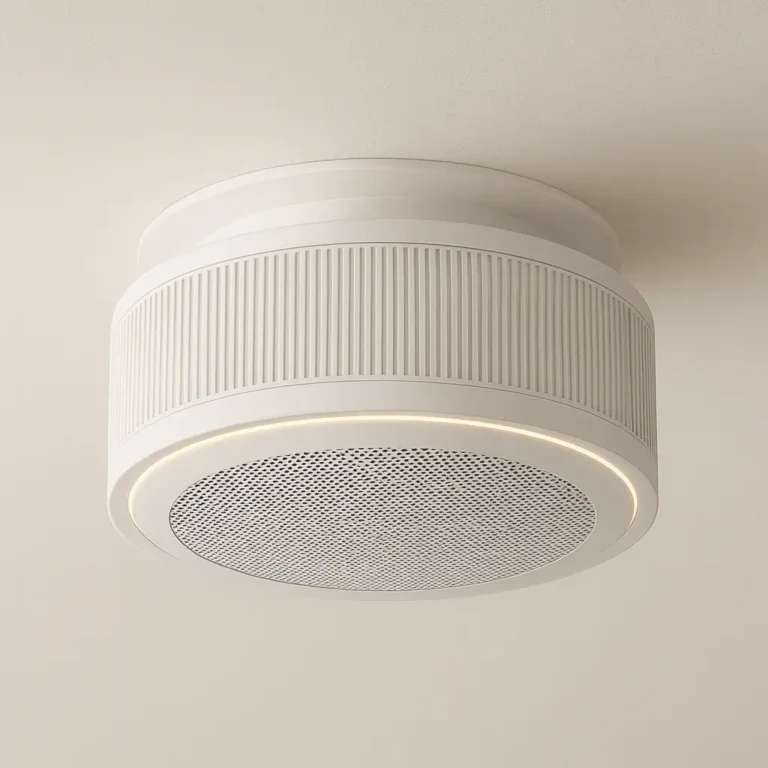
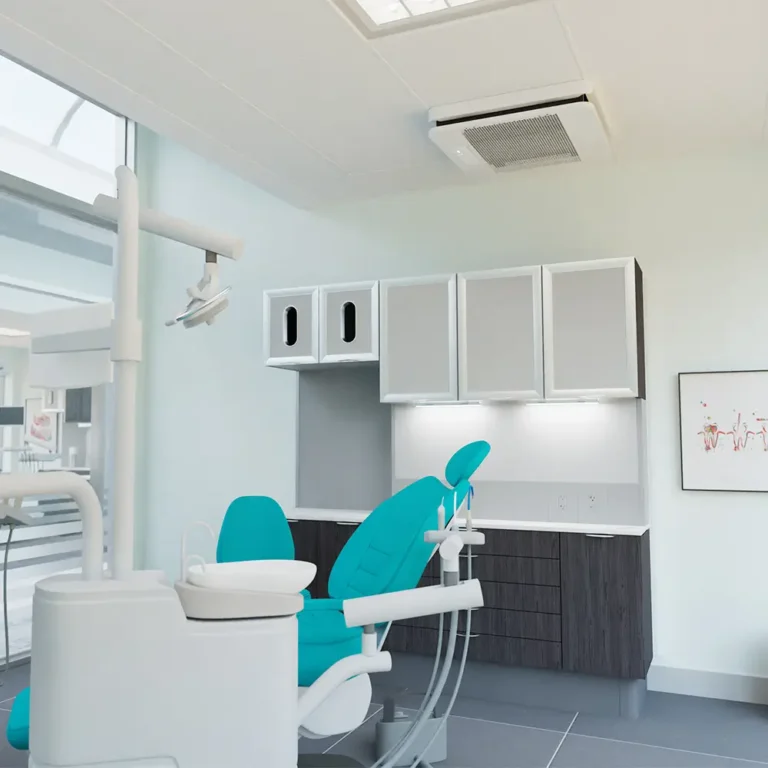
ceiling air purifier ha2000

Defining Your Vision: Clearly articulate what your product is, what problem it solves, and who it serves. For an indoor air quality solution, specify its core function, target environment, and unique selling propositions (e.g., ultra-quiet operation, smart connectivity).

Market Research and Validation: Validate your product idea with thorough market research. Understand your target audience's needs, analyze existing solutions, identify market gaps, and assess potential demand. This research helps refine your product's features and ensures it meets a genuine market need.

Setting Realistic Goals and Milestones: Break down the manufacturing process into manageable phases with defined goals and timelines. This includes product definition, industrial design, structured engineering, prototyping, tooling, and production stages.

Budgeting and Resource Allocation: Create a detailed budget covering all stages, from design to mass production. Accurately estimating costs and securing adequate funding is crucial. Identify the necessary human resources and expertise, whether in-house or through external partners.

Risk Assessment and Mitigation: Identify potential challenges such as supply chain disruptions, quality control issues, or regulatory compliance hurdles. Develop contingency plans to save time and resources.
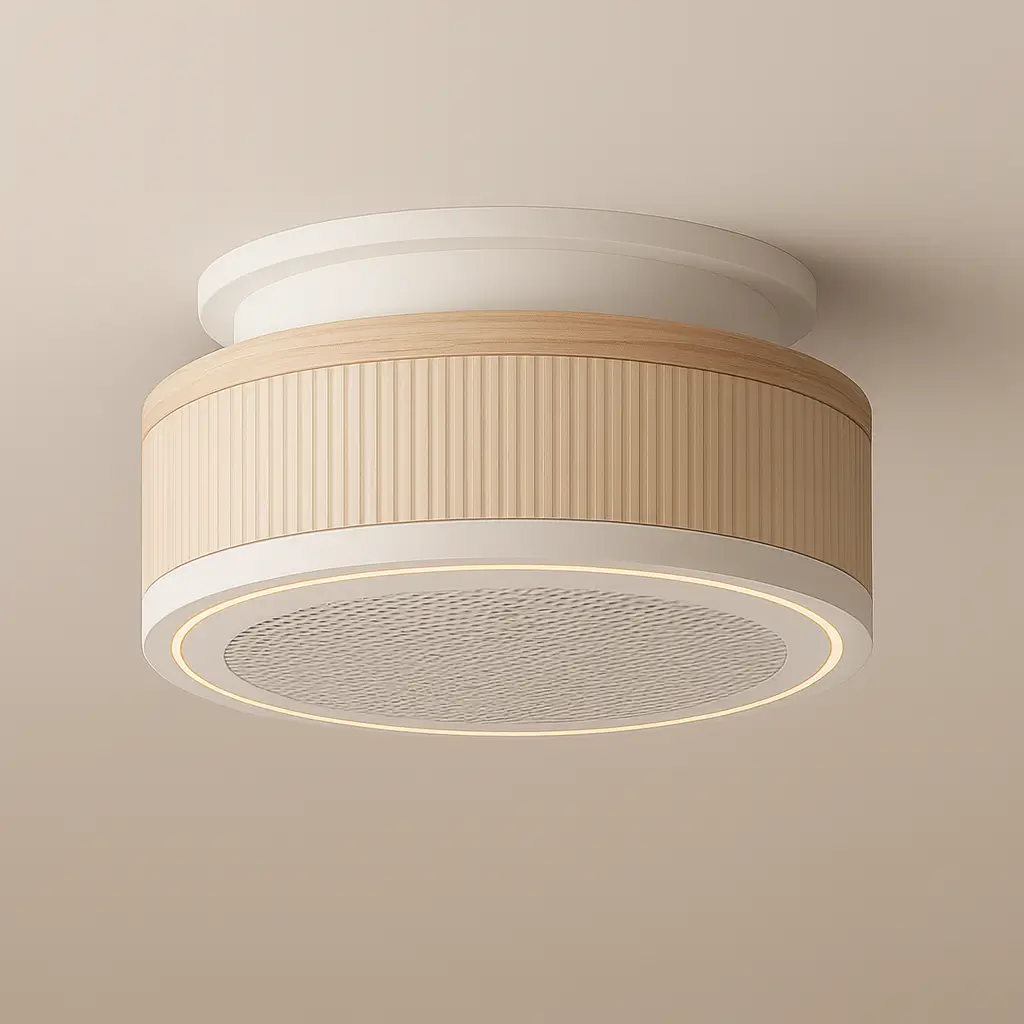
ceiling air purifier ha1002

Step 2: Research Your Product Before You Manufacture It

Thorough product research is essential before manufacturing. It involves understanding your market, potential customers, and the competitive landscape.

Understanding Your Target Audience: Define your target audience's demographics, pain points, and purchasing behaviors. For Hisoair's air quality solutions, this could range from health-conscious individuals to businesses seeking to improve air quality.

Identifying Market Needs and Gaps: Analyze existing solutions to identify unmet needs. HisoAir’s Decibel Cancellation™ Technology, for example, addresses the common issue of noise in air purifiers.

Competitive Analysis: Study your competitors' products, strengths, weaknesses, and market positioning to identify opportunities for differentiation.

Feasibility and Profitability Assessment: Evaluate the technical and economic feasibility of your product. Consider material costs, manufacturing processes, and potential profit margins. HisoAir’s multi-national production capabilities offer flexibility in optimizing manufacturing costs.

Regulatory and Certification Requirements: Research necessary certifications and compliance standards for your target markets. For air quality products, this includes standards like ETL and FCC.

Intellectual Property (IP) Considerations: Investigate existing patents and trademarks to avoid infringement and consider protecting your own IP.

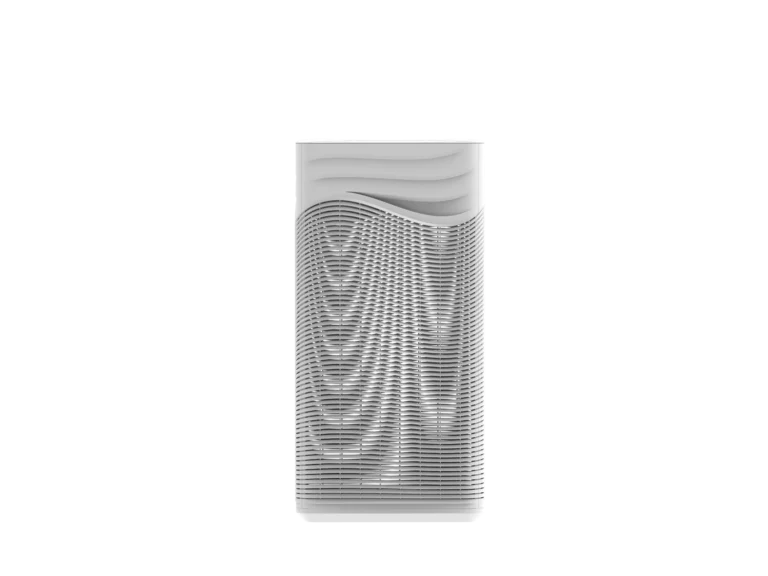
ha100d home use

Step 3: Create a Manufacturing Prototype

Prototyping is where your conceptual design becomes a tangible product. This stage allows you to visualize, test, and refine your product before mass production.

The Importance of Prototyping: A prototype helps validate design and functionality, test user experience, identify manufacturing challenges, gather feedback, and attract investors.

Types of Prototypes: You might create different types of prototypes, from basic concept mock-ups to functional and engineering prototypes, and finally pre-production samples.

The Prototyping Process:

  1. Detailed Design: Create comprehensive designs using CAD software, including precise measurements and material specifications.
  2. Material Selection: Choose appropriate materials based on durability, cost, and safety standards.
  3. Fabrication: Use methods like 3D printing or CNC machining to create the prototype.
  4. Assembly: Assemble all components to identify any design flaws or assembly difficulties.
  5. Testing and Iteration: Rigorously test the prototype against performance criteria and iterate on the design based on feedback. For air purifiers, this includes CADR testing, noise level measurements, and sensor calibration, as performed in Hisoair's CNAS-accredited laboratory.
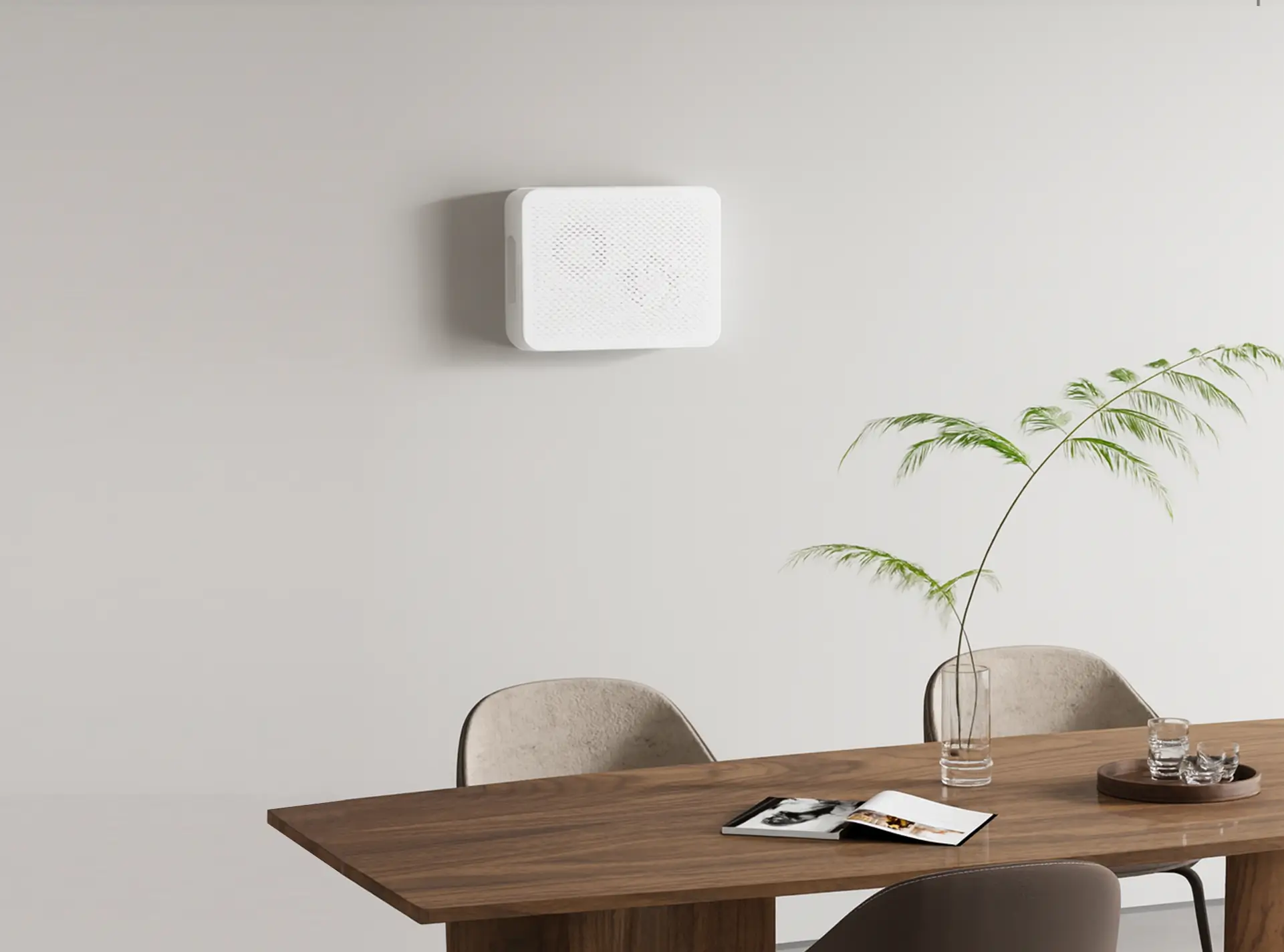
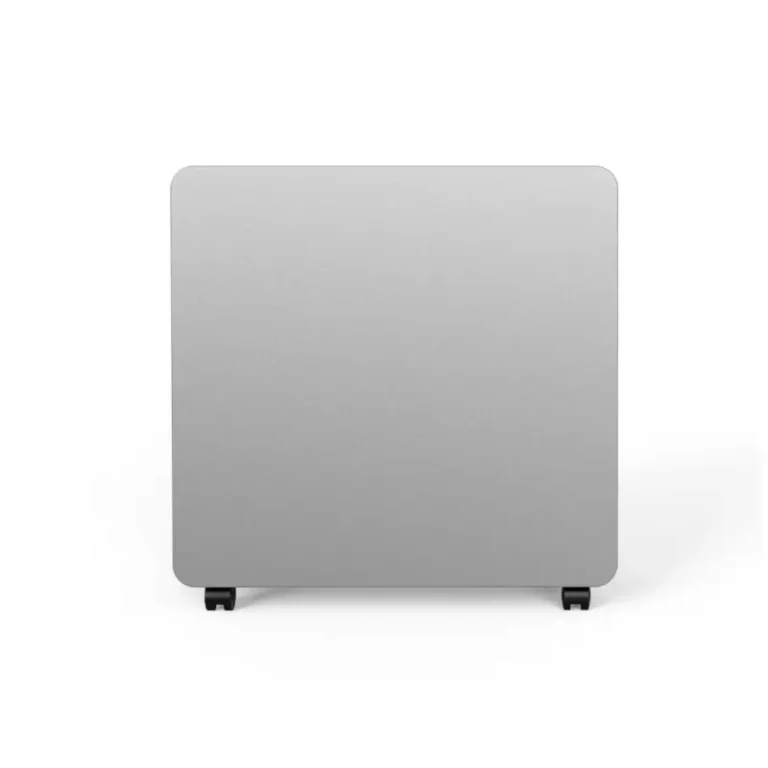
wall mounted air purifier ha200 ha400 office

Step 4: Find A Production & Manufacturing Partner

Once your prototype is perfected, the next step is to find the right production and manufacturing partner. This decision impacts the quality, cost, and delivery of your product.

Understanding Your Manufacturing Needs: Define your production volume, required expertise, location preferences, and certification requirements.

Where to Find Potential Partners: Use online B2B platforms, attend industry trade shows, leverage your professional network, or work with manufacturing consultants.

Vetting Potential Manufacturers: Conduct due diligence by assessing their experience, quality control processes, communication, pricing, and technical capabilities. HisoAir’s OEM/ODM services, for example, offer a partnership model for brands.

Building a Strong Relationship: Foster a collaborative relationship with your chosen partner based on clear communication and mutual respect.
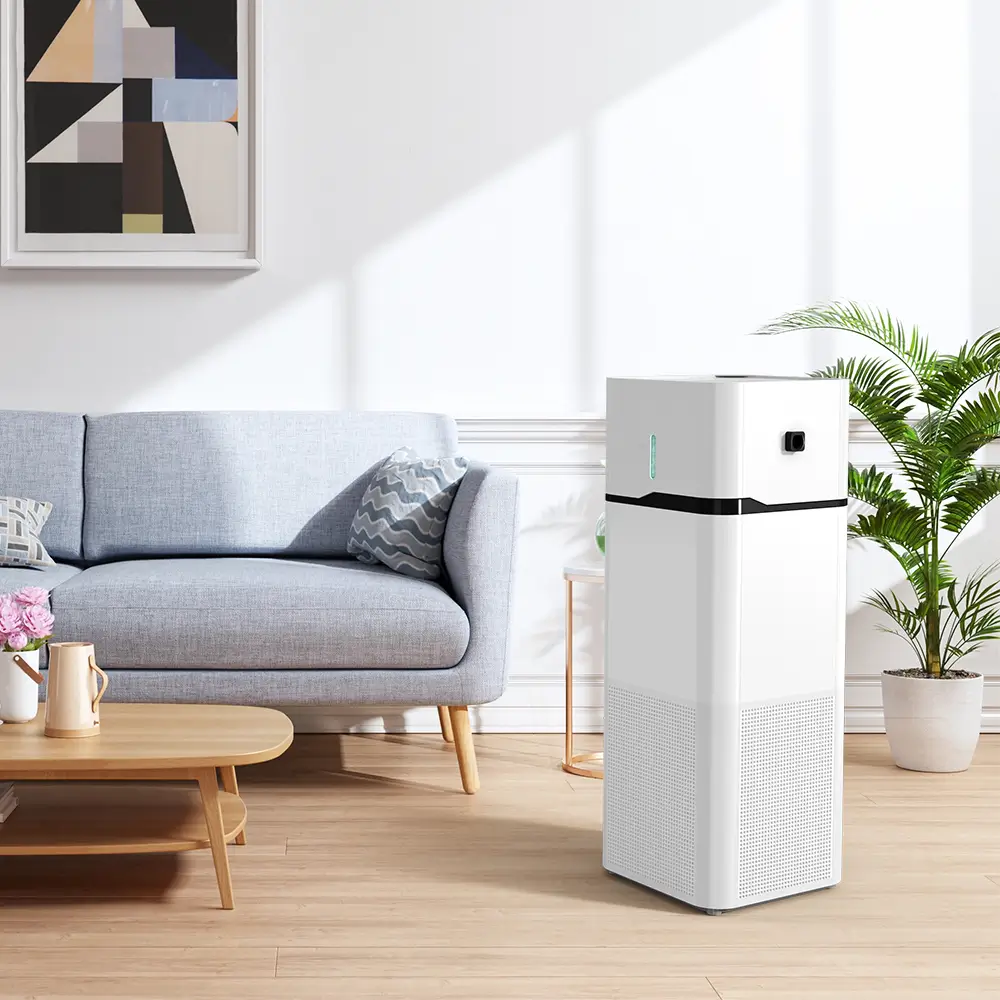
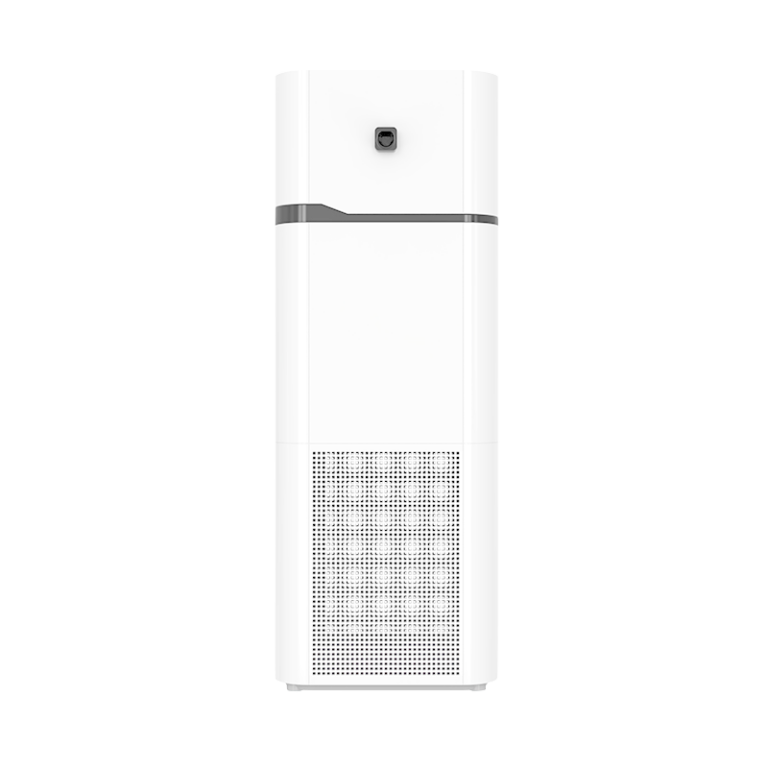
가습기 포함 공기청정기 HM3000 (5)

Step 5: Go Time—How To Sell Your Product Online

With your product manufactured, the final step is to execute a robust online sales strategy.

Developing Your Online Sales Strategy: Decide whether to sell on marketplaces like Amazon or build your own e-commerce store. Develop a marketing plan to reach your target audience.

Key Elements of Online Selling:

  1. Product Listing Optimization: Use relevant keywords, high-quality images and videos, and compelling product descriptions to optimize your listings for search and conversion.
  2. Digital Marketing and Promotion: Drive traffic to your listings through SEO, paid advertising, social media marketing, and content marketing.
  3. Customer Service and Fulfillment: Ensure a seamless post-purchase experience with efficient order fulfillment and responsive customer support.
  4. Analytics and Iteration: Continuously monitor your sales performance and marketing effectiveness, and adapt your strategies based on data.

결론

Bringing a product from concept to market is a journey that demands meticulous planning, research, prototyping, strategic partnerships, and a robust sales strategy. By following these five key steps, first-time creators can significantly increase their chances of success. Companies like HisoAir demonstrate that with dedication and expertise, even complex products can be brought to market with excellence. Embrace the process, leverage available resources, and persevere to turn your innovative idea into a tangible success.

공유:
히로에어 설립자 미스터 리
Alwen Lee, an air purification expert with over 10 years of experience, is a devoted father of two and a passionate traveler, having explored more than 30 countries. With a love for public speaking and swimming, he has dedicated his life to the indoor air quality industry. His mission is to ensure that people around the world enjoy the freedom to breathe clean air and lead happy, healthy lives.

메시지 보내기

자세히 보기

Modern living room with a family enjoying a healthy indoor environment monitored by smart devices, natural lighting, and greenery.

After IFA 2026: The Healthy Home Is Moving Beyond Smart Devices

In our previous IFA 2026 column, Air Purification Is Becoming Part of the Healthy-Home Platform, we argued that the next generation of indoor-health products would ...
뉴스
Modern living room and kitchen with smart home air quality devices including an air purifier, humidifier, and water filtration system, connected with visualized blue connectivity lines.

IFA 2026: Air Purification Is Becoming Part of the Healthy-Home Platform

Pre-IFA Industry Perspective | September 4, 2026 This article is based on official announcements and regulatory information available ahead of IFA 2026, which takes place ...
뉴스
Comparison infographic showcasing the differences between carbon block filter and activated carbon fiber. Detailed diagrams illustrate the hierarchical porous structure of the carbon block with long diffusion paths and the open microporous structure of the activated carbon fiber with direct access for PFAS adsorption.

Carbon Block vs. Activated Carbon Fiber (ACF): Matching Media to Target Contaminants

Two carbon media. Same adsorption chemistry. Very different behaviour in a point-of-use cartridge. If you are specifying a water purifier platform for a PFAS-aware market, ...
뉴스
NSF base listing and ANF private-label certification pathway for OEM water filters

What Is an NSF Master Listing? A Guide to Base Listings, ANF Certification and OEM Water Filters

For a brand preparing to launch an OEM water purifier, one of the most common supplier claims is: “We already have an NSF master listing, ...
News, Water Purifiers
Healthy-home brand team reviewing PFAS water filter certification, test data and product engineering

Entering the Water Category Is Easy. Building a Credible PFAS Claim Is Much Harder

For air purification, appliance and healthy-home brands, entering the water category can look surprisingly easy. A company can select an existing undersink system, customize its ...
뉴스
Team in a business meeting discussing a water filtration system with product components and a comparison table displayed on a screen.

5 Leading OEM Water Purifier Manufacturers in China for Private Label Brands

China has thousands of companies selling water filters, reverse osmosis systems and drinking-water appliances. However, only a portion of them are suitable for private-label, OEM ...
뉴스
Contaminant Engineering•3 min read

PFAS Water Filtration Technologies Explained: Carbon, Resin & RO

Key Takeaway:

PFAS reduction depends on the specific compounds present, treatment media, contact time, water chemistry, and system design. Activated carbon, ion exchange, and Reverse Osmosis address PFAS through different mechanisms.

PFAS are a large family of persistent fluorinated compounds that can occur in drinking-water supplies. Their treatment behavior varies significantly by molecular structure, chain length, functional group, concentration, and the chemistry of the source water.

Granular Activated Carbon (GAC) removes PFAS primarily through adsorption. It is generally more effective for many longer-chain PFAS, while shorter-chain compounds tend to break through more quickly. Carbon performance depends on media properties, Empty Bed Contact Time (EBCT), competing organic matter, loading, and replacement frequency.

Ion-exchange resins use charged functional sites to capture many PFAS compounds. Properly selected anion-exchange media can provide high capacity and may perform better than conventional activated carbon for some shorter-chain PFAS, although performance still depends on water chemistry and competing ions.

Reverse Osmosis (RO) uses membrane separation rather than adsorption. Properly designed RO systems can provide broad reduction across many PFAS compounds as well as dissolved salts and other contaminants. Unlike carbon or resin, however, RO also produces a concentrate stream that must be managed.

No single technology should be selected from a PFAS label alone. System design should consider which PFAS compounds are present, their concentrations, required reduction targets, flow rate, media life, and the applicable third-party certification or validation requirements.

HisoAir Water Technical Series
Product Discovery•3 min read

How to Choose an Under-Sink Water Purifier for Modern Kitchens

Key Takeaway:

Match the treatment technology to your water quality first, then evaluate cabinet space, faucet configuration, flow rate, drain and power requirements, and filter replacement needs.

Choosing an under-sink water purifier starts with water chemistry. Carbon filtration is well suited to chlorine, taste, odor, and many organic contaminants, while Reverse Osmosis is more appropriate when dissolved salts, fluoride, nitrates, or broader dissolved contaminants need to be reduced.

For compact kitchens, tankless RO systems eliminate the conventional storage tank and can significantly reduce the space required under the sink. However, membrane capacity stated in GPD does not directly equal faucet flow. When comparing systems, check the actual dispensing flow rate, inlet-pressure requirement, recovery ratio, and whether a booster pump is required.

Installation architecture also matters. Many RO systems require a drain connection, electrical power, and either a dedicated drinking-water faucet or a compatible multi-function faucet. High-flow carbon systems can often connect directly to the existing cold-water line with a simpler installation, but pressure drop and available faucet flow should still be verified.

RO also removes much of the naturally occurring dissolved mineral content. Where taste or mineral balance is a priority, a post-RO remineralization stage can be added. Filter life should be evaluated by both rated capacity and local water quality rather than replacement time alone.

The right system is therefore not simply the smallest or highest-GPD model. It is the configuration that matches the target contaminants, available cabinet space, desired faucet setup, peak dispensing demand, and maintenance expectations.

HisoAir Water Technical Series
Water Quality•2 min read

What Does TDS Mean in Drinking Water? Measurement vs Contaminant Reality

Key Takeaway:

A TDS meter estimates the overall concentration of dissolved ionic substances from electrical conductivity. It cannot identify specific contaminants or determine whether water is chemically safe.

Total Dissolved Solids (TDS) refers to the combined concentration of dissolved substances in water. Most handheld TDS meters do not measure TDS directly. Instead, they measure electrical conductivity (EC) and convert that reading into an estimated parts-per-million (ppm) value.

This means a TDS reading can indicate how much dissolved ionic material is present, but not what that material actually is. Calcium, magnesium, sodium, nitrates, and other dissolved ions can all contribute to conductivity, yet a simple TDS meter cannot distinguish between them.

TDS meters are also not suitable for detecting trace contaminants such as PFAS, many VOCs, pesticides, pharmaceuticals, or disinfection byproducts. These substances may be present at concentrations far below the level needed to noticeably change electrical conductivity.

A low TDS reading therefore does not guarantee safe drinking water, and a higher TDS reading does not automatically indicate contamination. Water-treatment decisions should be based on laboratory testing for specific contaminants of concern rather than TDS alone.

HisoAir Water Technical Series
Technology Selection•2 min read

RO vs UF Water Filtration: Understanding Pore Sizes & Dissolved Minerals

Key Takeaway:

Ultrafiltration can reduce bacteria, turbidity, and suspended particles while retaining most naturally occurring dissolved minerals. Reverse Osmosis provides much broader reduction of dissolved salts and smaller contaminants.

Ultrafiltration (UF) typically uses hollow-fiber membranes with pore sizes in the approximate 0.01–0.1 micron range. These membranes physically retain turbidity, suspended solids, colloids, and many microorganisms while allowing dissolved minerals and salts to remain in the water.

Reverse Osmosis (RO) operates at a much finer separation level. Unlike UF, RO can substantially reduce dissolved ions such as sodium, calcium, fluoride, nitrates, and other contributors to total dissolved solids (TDS). This makes RO more suitable when dissolved-salt reduction is a primary treatment objective.

UF generally requires less system pressure and produces little or no continuous concentrate stream in many point-of-use configurations. RO typically requires greater pressure and produces a reject-water stream, but delivers broader contaminant reduction.

For water with acceptable TDS and mineral content, UF can be a simpler mineral-retaining treatment option. Where dissolved salts, fluoride, nitrates, or broader dissolved contaminants are a concern, RO is generally the more appropriate technology.

HisoAir Water Technical Series
Technology Selection•4 min read

Carbon Block vs Reverse Osmosis: Which Fits Your Need?

Key Takeaway:

Choose RO for dissolved inorganic salts and heavy metals; choose Carbon Block for chemical taste/odor, no wastewater, and high line-pressure flow.

Reverse Osmosis (RO) and Carbon Block filtration represent two fundamentally different treatment methods: membrane separation and adsorption. Understanding these differences helps determine which technology is better suited to a specific water-quality requirement.

Reverse Osmosis uses a semi-permeable membrane with pore sizes of approximately 0.0001 microns. It can significantly reduce dissolved inorganic contaminants such as TDS, fluoride, nitrates, and certain heavy metals. Because water must be forced through the membrane, RO systems require sufficient pressure or a booster pump and generate a concentrated wastewater stream.

Carbon Block filtration relies primarily on adsorption through compressed activated carbon, commonly with nominal pore sizes around 0.5–5 microns. It is highly effective for chlorine, chloramines, VOCs, taste, and odor, while allowing substantially higher direct-flow rates without producing wastewater.

From an operating perspective, Carbon Block systems are generally simpler, require less energy, and avoid the water loss associated with RO. RO involves higher system complexity and operating cost, but provides substantially broader reduction of dissolved contaminants that Carbon Block alone cannot address.

HisoAir Water Technical Series

견적 요청하기