
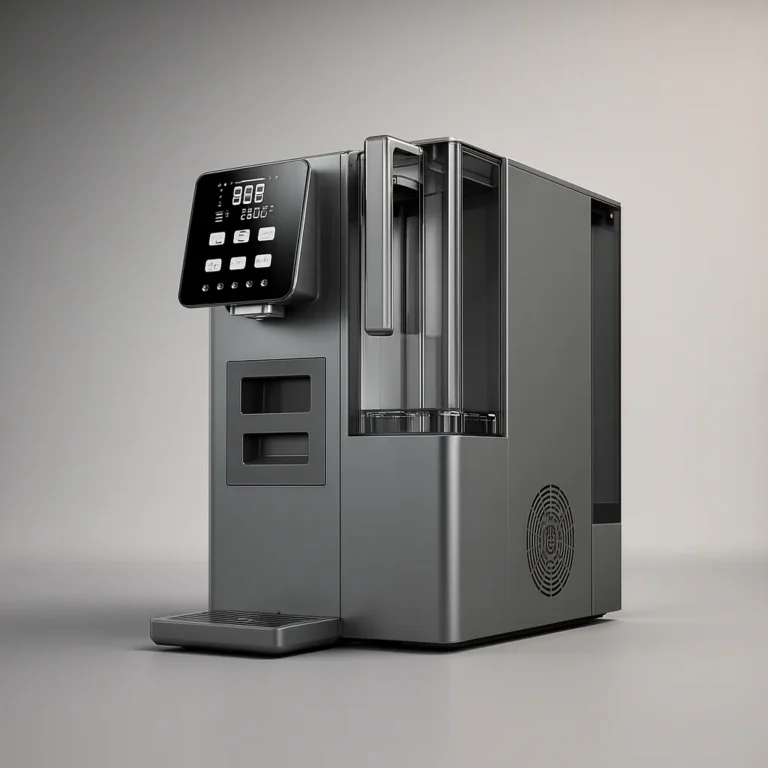
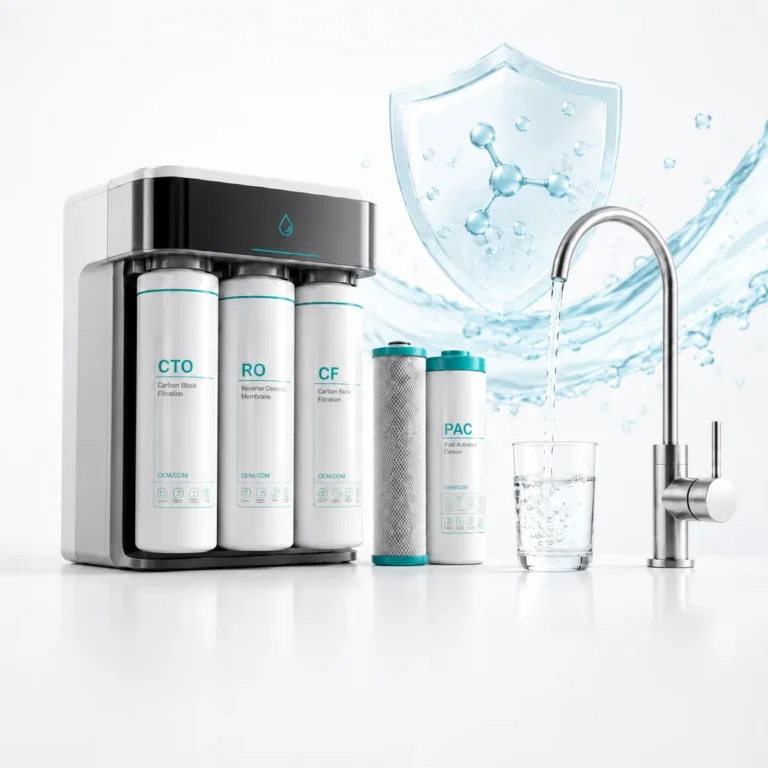

High upfront costs kill many water projects. Community operators struggle to fund massive systems all at once. Low-CAPEX models1 offer a practical way to move forward without going broke.
Low-CAPEX water filtration models for Manufactured Housing Communities (MHCs) reduce upfront costs through phased installations, Point-of-use (POU) systems2, and equipment leasing. These strategies allow operators to improve water quality incrementally. They help balance immediate budget limits with long-term operational expenses.

You might think a massive central plant is the only way to fix bad water. But I will show you how smart design and phased funding can save your project. Let us look at the exact trade-offs you need to weigh before you spend your capital.
Point-of-use (POU) water filtration systems treat water for the entire community at a single central location.False
POU systems treat water at the specific location where it is used, such as under a kitchen sink, rather than at a central plant.
Equipment-as-a-Service (EaaS) models allow operators to pay for water filtration as a monthly operating expense rather than a large upfront capital expense.True
EaaS shifts the cost from CAPEX to OPEX by charging a recurring fee for the equipment and its maintenance.
Why CAPEX Constraints Shape MHC Water Projects?
Big water systems cost too much money upfront. You cannot approve a design if the budget fails. We must design systems that fit tight capital limits.
CAPEX constraints force MHC operators to reject large, centralized water plants. Instead, they need modular, scalable designs. As designers, we must engineer solutions that require less upfront cash while still meeting strict water quality standards.
The Reality of Budget Limits in Community Projects
When I started my CNC trading company, I learned that cash flow is everything. The same rule applies to MHC water projects. Operators simply do not have millions of dollars sitting in the bank. They collect monthly rent. They need solutions that match their monthly cash flow. If you design a massive central filtration plant, the project will die on the drawing board.
We must think like product designers who optimize for cost. We need to break the big problem into smaller pieces. High capital expenditure (CAPEX) limits the materials we can use. It limits the size of the pumps. It limits the complexity of the control systems. We have to design for reality. We must focus on systems that do the job without unnecessary extras.
Here is a breakdown of how budget limits change our design choices:
| 디자인 요소 | High-CAPEX Approach | Low-CAPEX Approach |
|---|---|---|
| System Scale | One large central plant | Multiple small modular units |
| Material Choice | Custom stainless steel tanks | Standardized plastic housings |
| 설치 | Heavy construction required | Plug-and-play skid mounts |
| Funding Source | Large bank loans | Monthly cash flow or leases |
High CAPEX constraints often lead engineers to choose standardized, modular components over custom-built infrastructure.True
Standardized components cost less to manufacture and install, making them ideal for projects with strict upfront budget limits.
MHC operators prefer large central plants because they require the least amount of upfront capital.False
Large central plants require massive upfront capital, which is why operators with tight budgets avoid them.
Lower-CAPEX Approaches: Phasing, POU, and Modular Options?
Centralized plants drain budgets fast. You risk stalling the whole project if money runs out. Phased rollouts and modular units keep the project moving forward.
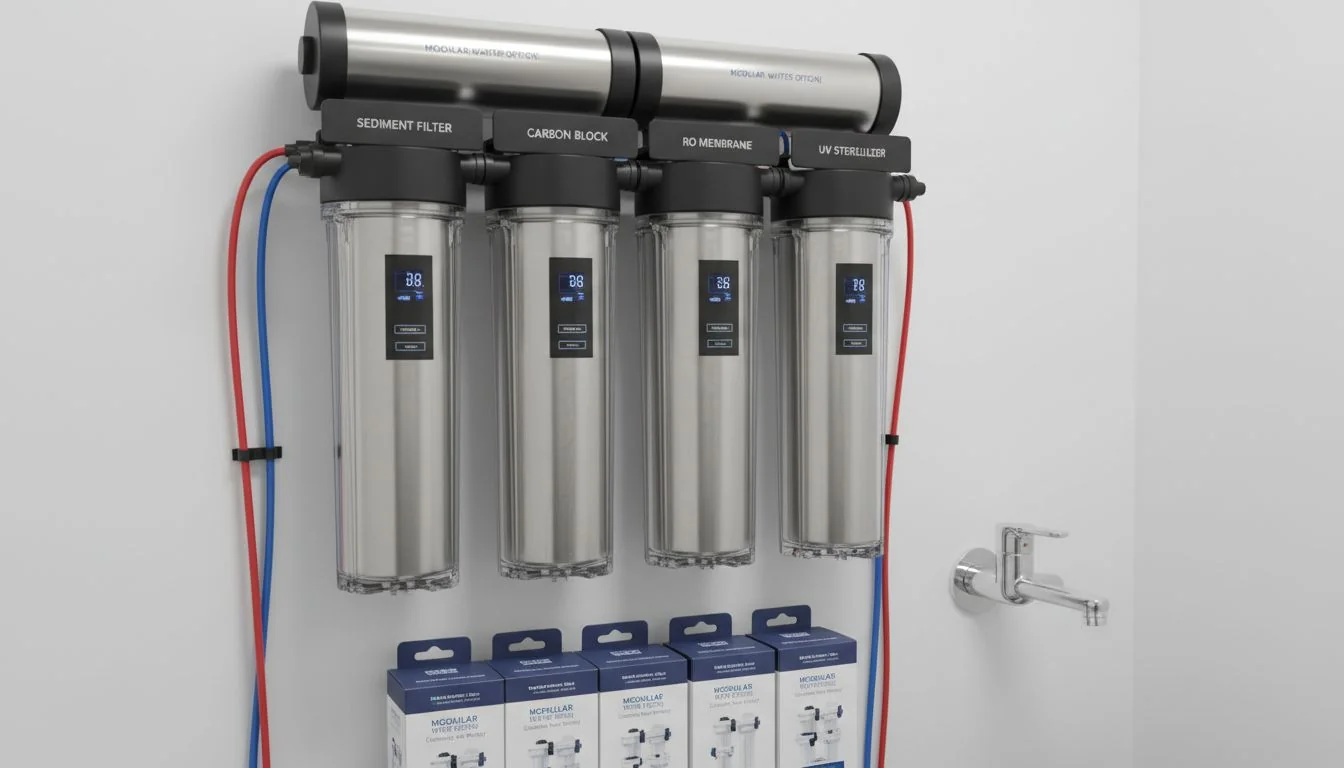
Lower-CAPEX approaches include Point-of-Use (POU) filters at individual homes and modular skids for common areas. Phasing allows you to install systems in stages. You solve the most controllable locations first and scale up later.
Breaking Down the Installation Process
You do not have to fix every house on the first day. I always tell my clients to solve the easiest problems first. This builds trust. It also keeps the initial costs very low. We can use a phased approach. We start with the community clubhouse. We install a modular system there. Everyone can see it and use it.
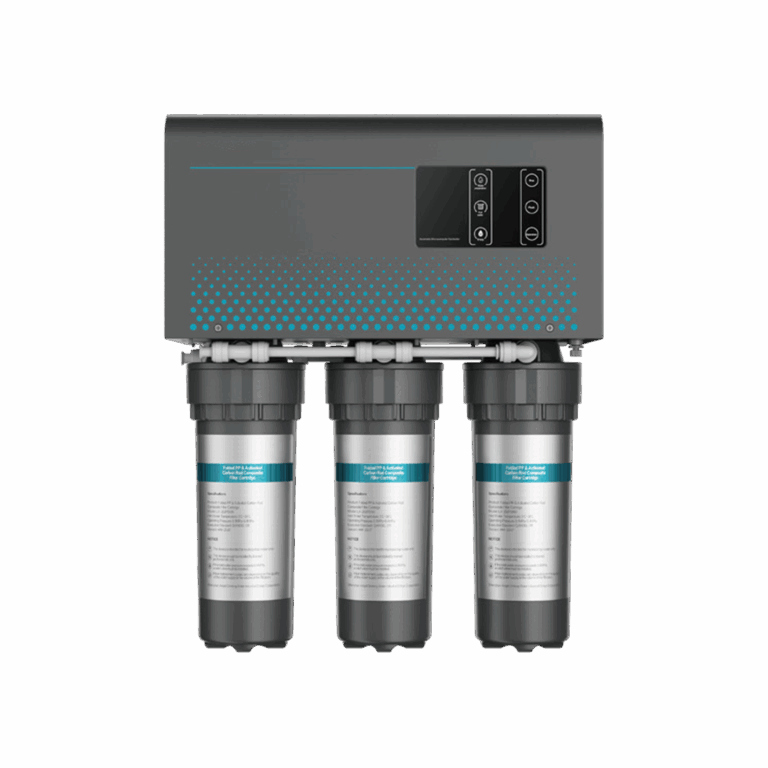
Next, we look at Point-of-Use (POU) systems. As a mold designer, you know that mass-producing small plastic parts is cheap. POU systems use standard plastic housings. We can install these under the sink in each home. We do this in batches. We might do ten homes this month. We do ten more next month. This spreads the cost over time. Modular options work the same way. We build small filtration skids in a factory. We ship them to the site. We connect them quickly. This avoids expensive on-site construction.
Here is how these three approaches compare:
| Approach | How It Works | Main Benefit |
|---|---|---|
| Phasing | Install the system in stages over time. | Spreads the cost across multiple budget years. |
| POU Systems | Put small filters in each home. | Very low initial cost per unit. |
| Modular Skids | Use pre-built, factory-tested units. | Eliminates expensive on-site construction work. |
Point-of-Use systems use standardized plastic housings to keep manufacturing and installation costs low.True
POU systems rely on mass-produced components, which significantly reduces their cost compared to custom metal fabrication.
Modular skids must be built entirely on-site, which increases the cost of labor.False
Modular skids are pre-built in a factory and shipped to the site, which reduces on-site labor costs.
Lease, Service-Contract, and Financing Models to Consider?
Buying equipment outright hurts your cash flow. Maintenance costs can surprise you later. Leasing and service contracts shift the financial burden away from you.
MHC operators can use Equipment-as-a-Service (EaaS) or lease-to-own models. These contracts turn high capital expenses into predictable monthly operating expenses. This includes maintenance, which reduces the risk of unexpected repair costs.
Shifting from CAPEX to OPEX
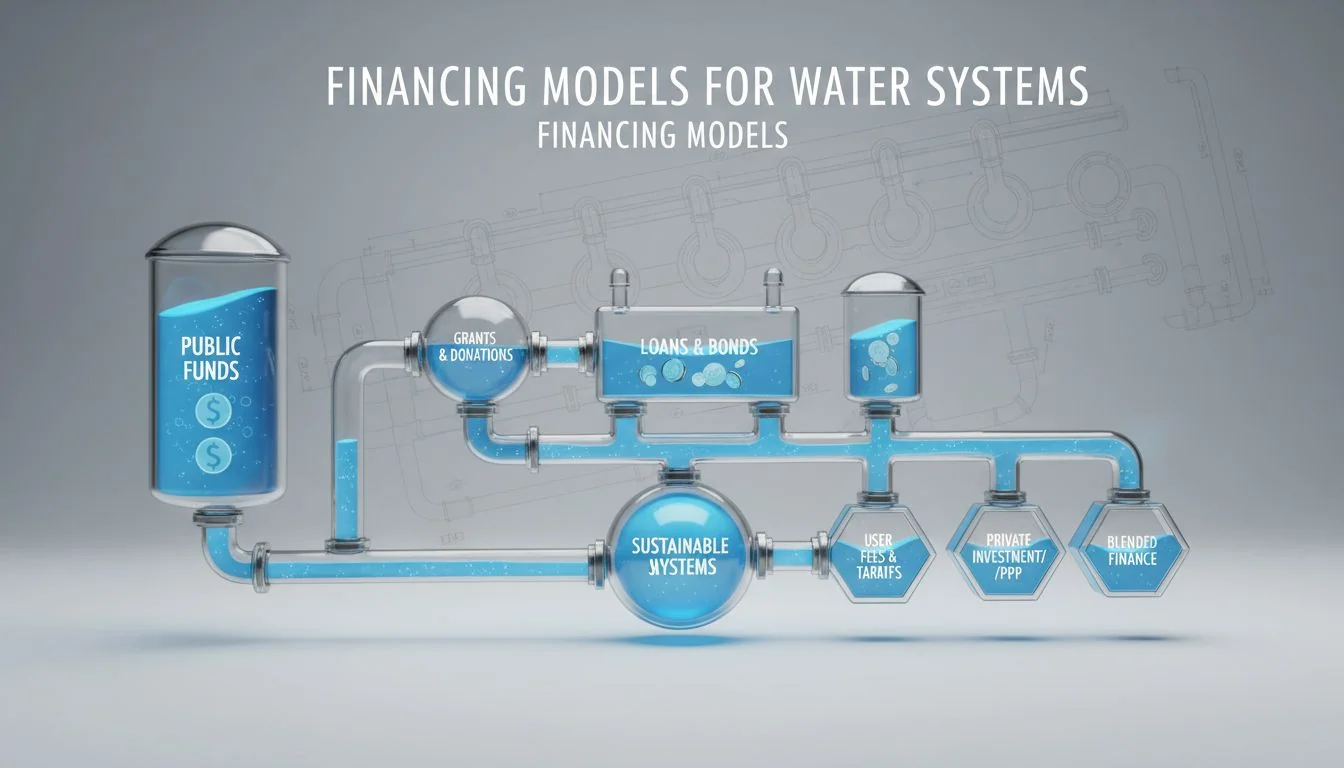
I have helped many factory owners buy expensive CNC machines. The smart ones rarely pay cash upfront. They use financing. MHC operators should do the same thing with water filtration. You can use an Equipment-as-a-Service (EaaS) model. In this model, you do not own the equipment. The supplier owns it. You pay a flat monthly fee. This fee covers the equipment, the filters, and the repairs.
This model is great for cash flow. It turns a scary capital expense (CAPEX) into a safe operating expense (OPEX). You can also look at lease-to-own contracts. You pay monthly for a few years. At the end of the term, you own the system. You must also consider service contracts. If you buy the system, you still need a service contract. Water filters need regular changes. Pumps break. A good service contract locks in your maintenance costs.
Here are the main financial models you can use:
| Financial Model | Ownership | Maintenance Included? | Best For |
|---|---|---|---|
| Cash Purchase | Operator | 아니요 | Communities with large cash reserves. |
| Lease-to-Own | Operator (at end) | Sometimes | Operators who want to own but need time to pay. |
| EaaS | Supplier | 예 | Operators who want zero surprise costs. |
Equipment-as-a-Service (EaaS) models require the community operator to pay for all unexpected repair costs.False
In an EaaS model, the supplier owns the equipment and is responsible for maintenance and unexpected repairs.
Lease-to-own contracts allow operators to spread the purchase cost of equipment over several years.True
These contracts break the total cost into monthly payments, culminating in ownership at the end of the term.
Balancing Upfront Cost Against Long-Term Operating Cost?
Cheap parts save money today. But they break often and cost more later. You must find the right balance between upfront costs and long-term costs.
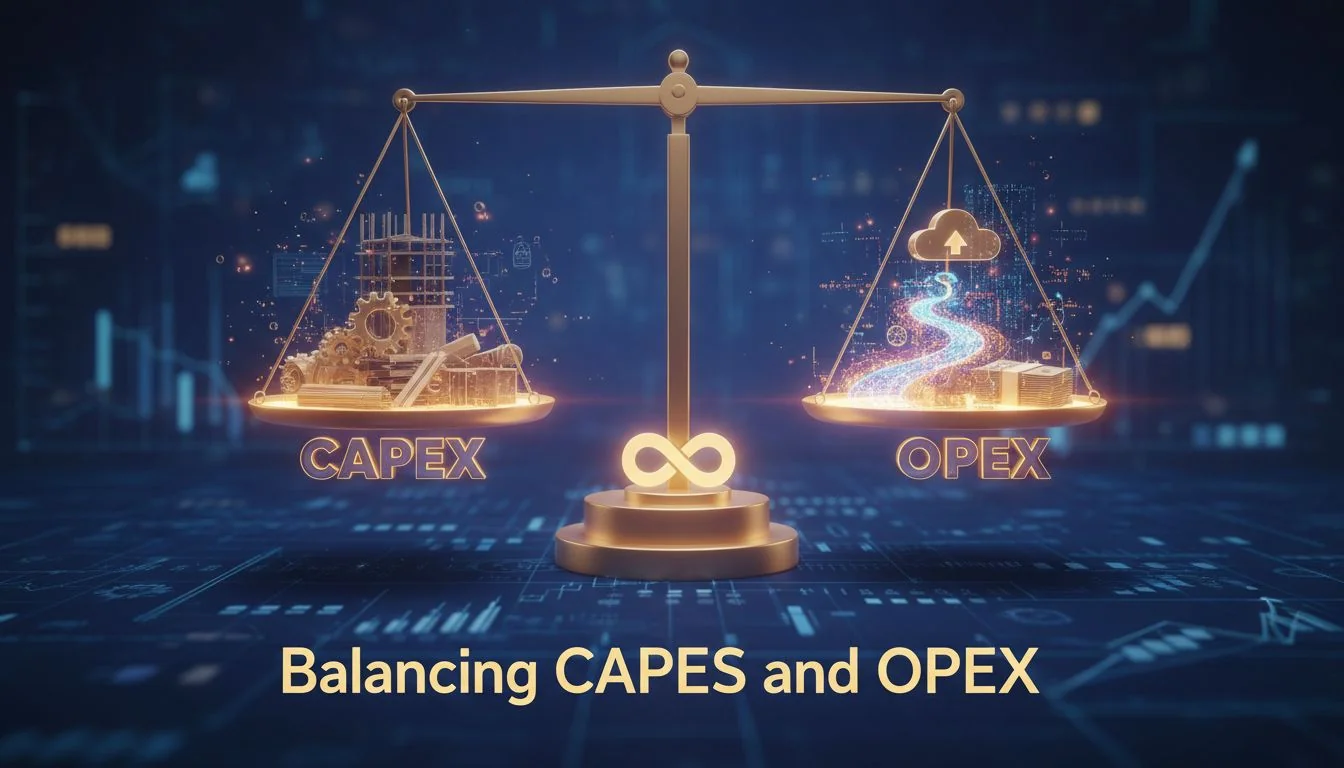
Low CAPEX does not always solve the problem. Cheaper upfront systems often require more frequent filter changes and higher energy use. You must evaluate the total cost of ownership over ten years to make a smart choice.
The Hidden Costs of Cheap Equipment
In mold design, if you use cheap steel, the mold wears out fast. You save money on day one. But you lose money on day one hundred. Water filtration works the exact same way. I want to be clear. Low CAPEX is not a magic trick. It comes with trade-offs.
If you buy a very cheap POU system, the plastic housings might crack. The filter cartridges might be small. Small cartridges clog quickly. You will have to pay a technician to change them every two months. That labor cost adds up fast. A slightly more expensive system might have larger filters. Those filters might last six months. You pay more upfront, but you save on labor later. You must look at the Total Cost of Ownership (TCO). You need to calculate the cost of the equipment, the replacement parts, the energy use, and the labor for ten years.
Here is how upfront savings can cause long-term pain:
| System Type | Upfront Cost (CAPEX) | Long-Term Cost (OPEX) | Trade-off |
|---|---|---|---|
| Cheap POU | Very Low | 매우 높음 | Frequent filter changes and high labor costs. |
| Premium POU | Medium | 낮음 | Filters last longer, saving labor money. |
| Central Plant | 매우 높음 | Medium | High energy use, but less manual labor per home. |
Total Cost of Ownership (TCO) only includes the initial purchase price of the equipment.False
TCO includes the purchase price plus all operating, maintenance, energy, and labor costs over the life of the equipment.
Cheaper water filtration systems often require more frequent maintenance, which increases long-term labor costs.True
Low-cost systems typically use smaller or lower-quality filters that clog faster and need more frequent replacement.
How to Pilot Before Committing Capital?
Guessing on a full system is risky. If it fails, you lose thousands of dollars. A small pilot program proves the concept first.
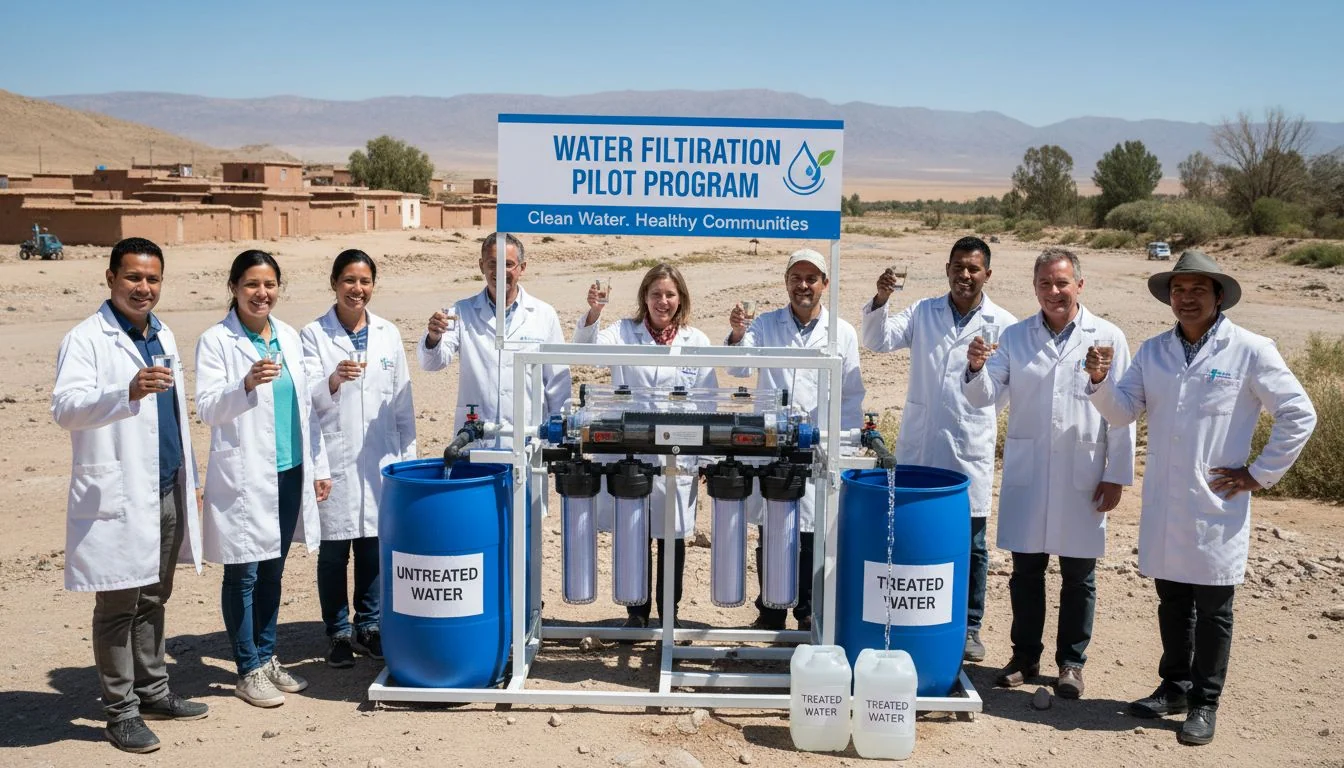
A pilot program tests a small-scale filtration unit in a common area or a few homes. This low-barrier test proves the technology works on the specific local water chemistry before you spend money on a community-wide rollout.
Testing the Waters Safely
You would never mass-produce a plastic part without testing a prototype first. You need to check the shrinkage and the finish. Water systems need prototypes, too. We call them pilot programs. Water chemistry changes from town to town. A filter that works in one city might fail in another.
You should start with a low-barrier pilot. Pick a common area. The community office or the clubhouse is perfect. Install one modular unit there. Test the water every week. See how fast the filters clog. See if the residents like the taste. If the common area works, move to phase two. Pick five homes. Install POU systems in those homes. Monitor them for three months. This gives you real data. You will know exactly how much the maintenance will cost. You can then take this data to the bank or the community board to get approval for the full project.
Here are the steps for a safe pilot program:
| Pilot Step | Action | Goal |
|---|---|---|
| 1. Common Area | Install one unit in the clubhouse. | Test basic technology and water chemistry. |
| 2. Small Batch | Install units in 5 to 10 homes. | Test installation time and resident feedback. |
| 3. Data Review | Track filter life and labor hours. | Calculate true OPEX for the final budget. |
| 4. Full Rollout | Scale the system to all homes. | Complete the project with zero guesswork. |
A pilot program helps operators test how a filtration system handles specific local water chemistry.True
Water chemistry varies by location, and a pilot ensures the chosen technology actually works on the local water supply.
Pilot programs require operators to install filtration systems in every home at the same time.False
Pilot programs are small-scale tests, usually involving just a common area or a few homes, to minimize risk.
Questions to Ask Suppliers About Cost Structure?
Hidden fees ruin budgets. Suppliers often hide installation and maintenance costs. You must ask the right questions to expose the true price.
Ask suppliers about consumable costs, warranty limits, and installation fees. You need to know who pays for replacement parts and how long the service contract lasts. Clear answers prevent budget overruns later.
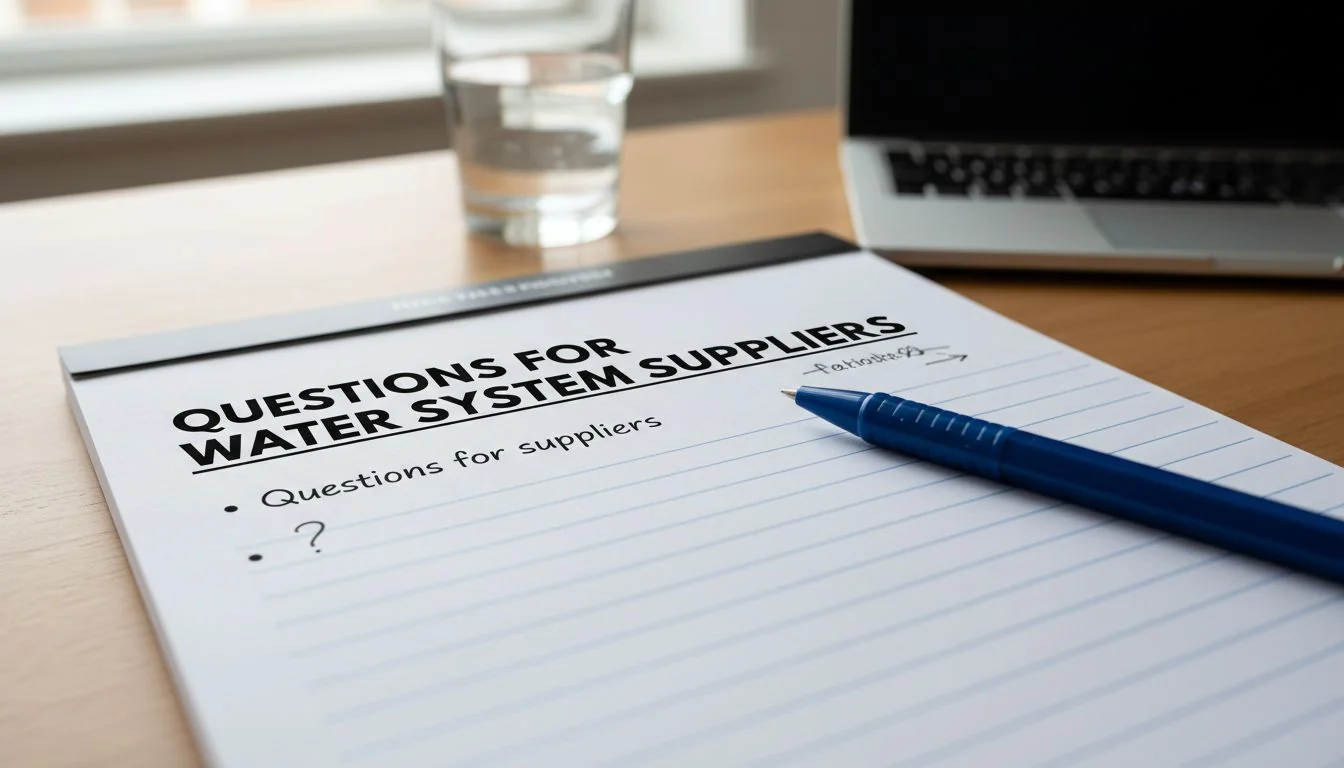
Exposing the True Costs
When I buy CNC parts, I ask a lot of questions. Suppliers want to sell. You want to save. You must protect your budget. Many suppliers will quote a very low price for the equipment. But they will charge a massive markup on the replacement filters.
You need to ask them about consumables. Ask them exactly how much a replacement filter costs. Ask them if you have to buy the filters from them, or if you can buy generic brands. You also need to ask about labor. If a pump breaks under warranty, who pays for the travel time of the technician? Many warranties cover the part, but not the labor. You must also ask about the end of the contract. If you use an EaaS model, what happens in year five? Do they upgrade the equipment? Do they raise the monthly fee? Get all of this in writing.
Here are the most important questions to ask:
| Question to Ask | Why You Must Ask It |
|---|---|
| Are replacement filters proprietary? | Proprietary filters cost more. Generic filters save money. |
| Does the warranty cover labor and travel? | Parts are cheap. Technician travel time is very expensive. |
| What is the guaranteed flow rate? | If the flow rate drops, residents will complain. |
| What happens at the end of the lease? | You need to know if you own the equipment or if you must return it. |
Suppliers sometimes sell equipment cheaply but charge high prices for proprietary replacement filters.True
This is a common business model where the initial product is sold at a low margin, but consumables are sold at a high margin.
All equipment warranties automatically cover the cost of a technician's travel time and labor.False
Many warranties only cover the cost of the physical part, leaving the buyer to pay for labor and travel expenses.
결론
Low-CAPEX models like phasing, POU systems, and leasing help MHC operators improve water quality without breaking the bank. You must balance upfront savings with long-term maintenance costs to succeed.


 English
  Français
  Español
  Italiano
  Deutsch
  Português
  Русский
  العربية
  日本語
日本語  한국어
한국어  Tiếng Việt

