
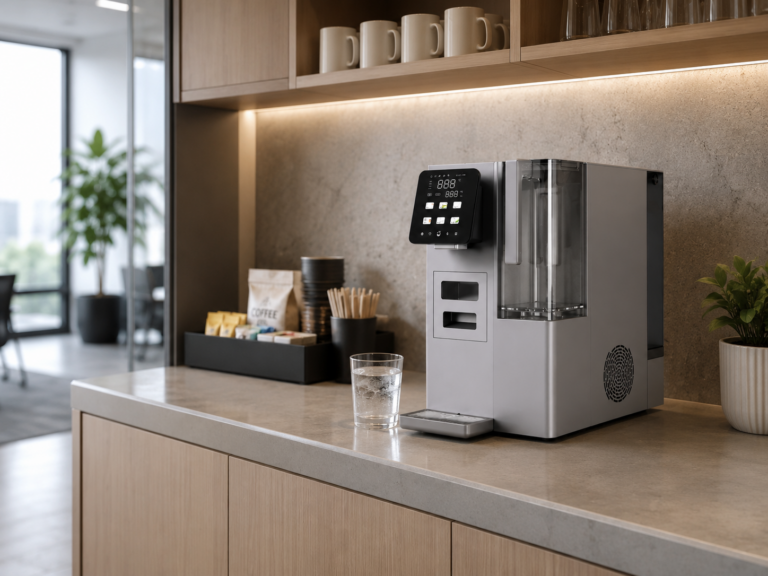
The Indian water purifier market is not just a rapidly growing sector; it's a vital necessity. Valued in the billions, the market is projected to grow at a staggering compound annual growth rate (CAGR) of up to 18.4% in the coming years. This surge is driven by a confluence of critical factors: increasing water contamination, heightened consumer health awareness, rapid urbanization, and supportive government initiatives like the Jal Jeevan Mission, which has dramatically increased access to piped water in rural homes.
For businesses (B2B) looking to enter this lucrative space or for discerning consumers (D2C) seeking the best technology, understanding the key players is paramount. The landscape is dominated by a mix of legacy giants and agile disruptors, each with unique strengths in technology, distribution, and market strategy.
This guide provides an in-depth look at the top 5 water purifier manufacturers shaping the Indian market, offering crucial insights for potential partners, distributors, and customers.
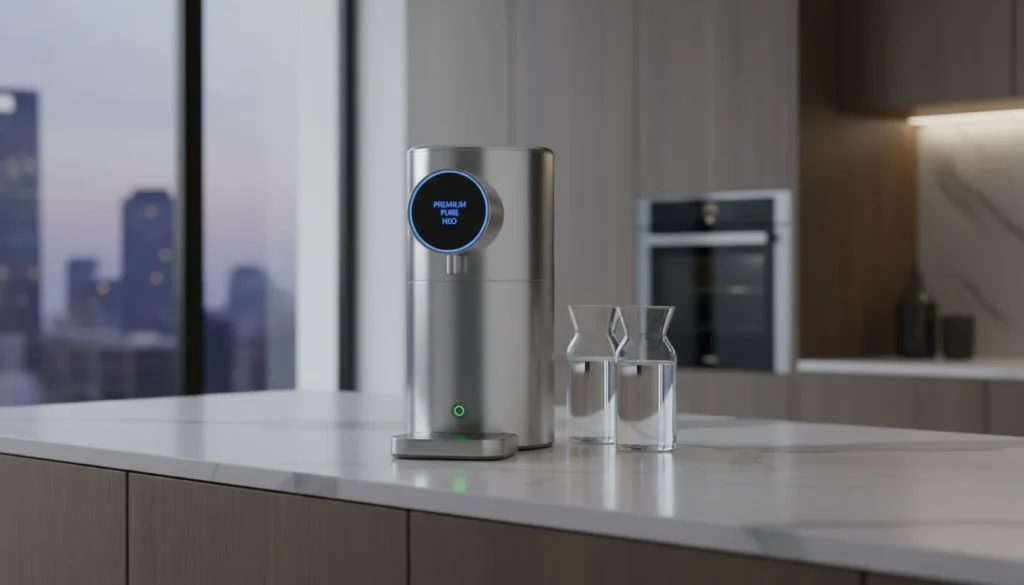
1. HisoAir: The Global OEM/ODM Partner for Advanced Water Purification

이미지 출처: HisoAir
For businesses seeking a world-class manufacturing partner to enter or scale within the Indian market, HisoAir represents the pinnacle of innovation and production excellence. With over two decades of experience, HisoAir has established itself as a leading OEM/ODM (Original Equipment Manufacturer/Original Design Manufacturer) expert, trusted by global B2B brands and Fortune 500 companies. While specializing in air quality solutions, their expansion into water purification brings a fresh perspective rooted in advanced technology and precision engineering.
A Partner in Innovation and Manufacturing
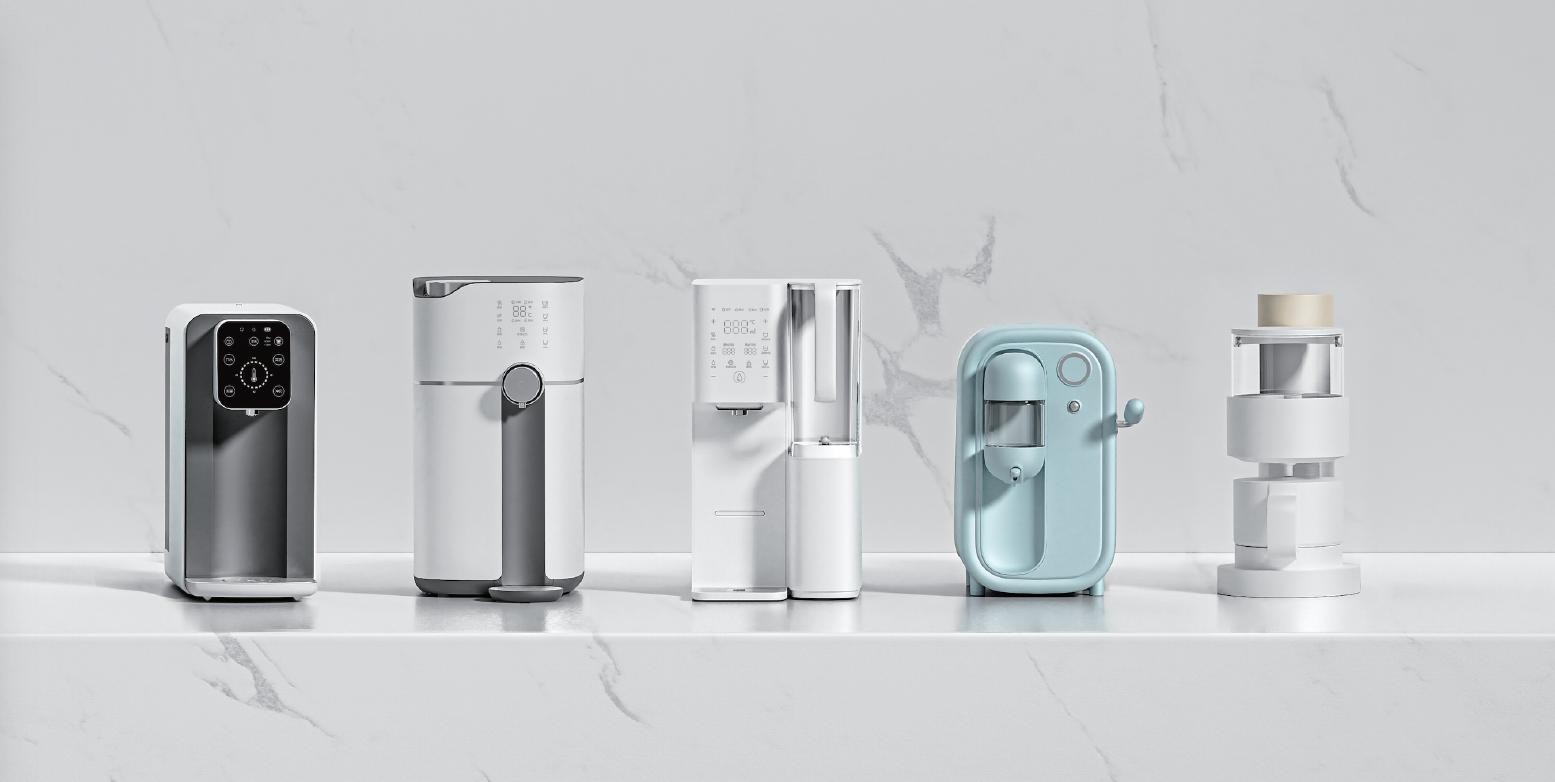
HisoAir's core value proposition lies in its comprehensive, one-stop partnership model. They offer fully customized solutions, from initial industrial design and prototyping to certified mass production and global delivery. This flexibility makes them an ideal partner for brands looking to launch their own line of water purifiers without the massive capital investment in R\&D and manufacturing infrastructure.
Their global manufacturing footprint, with state-of-the-art factories in China, Vietnam, Thailand, and Malaysia, ensures a stable and resilient supply chain—a critical factor in today's volatile market.
최첨단 기술
HisoAir is not just a manufacturer; it's a technology powerhouse. Their water purification systems are engineered for modern living, incorporating a suite of advanced features:
- Advanced RO Filtration: At the heart of their systems is high-performance Reverse Osmosis (RO) technology, the most effective method for removing a wide spectrum of contaminants, including dissolved salts, heavy metals, and microbial impurities.
- Hydrogen Nano Bubble Technology: A standout innovation, this feature infuses purified water with a high concentration of hydrogen (over 2000 PPB), which is associated with antioxidant health benefits.
- UV Sterilization and Protection: Many models incorporate UV technology, which effectively kills harmful bacteria and viruses, providing an additional layer of safety.
- Multi-Stage Purification: HisoAir systems employ multi-stage filtration, combining RO, UV, and advanced carbon blocks made from 100% coconut shell carbon to ensure the removal of contaminants, chlorine, and VOCs, resulting in pure, great-tasting water.
A Portfolio for Every Need
HisoAir’s product range is designed to meet diverse consumer and commercial needs, making them a versatile choice for D2C brands. Their portfolio includes:
- Under-Sink RO Purifiers: Compact, powerful systems that save counter space while delivering high flow rates and large purification capacities.
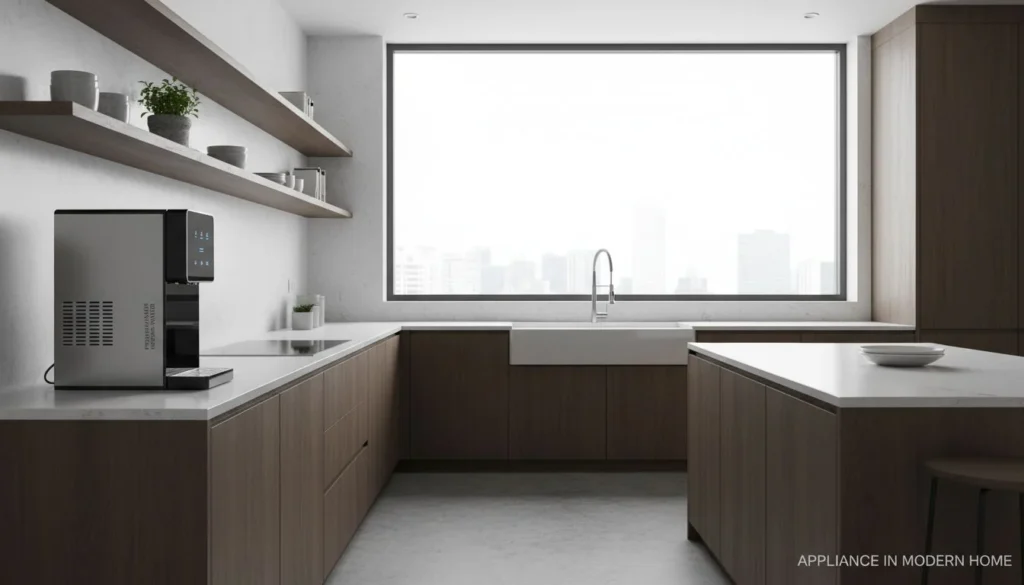
- Countertop All-in-One Systems: These innovative units offer more than just purification, with features like instant heating, cooling down to 6°C, and even ice-making capabilities from a single device.
- Smart Features: HisoAir integrates smart technology, including filter life reminders and real-time monitoring, enhancing the user experience.
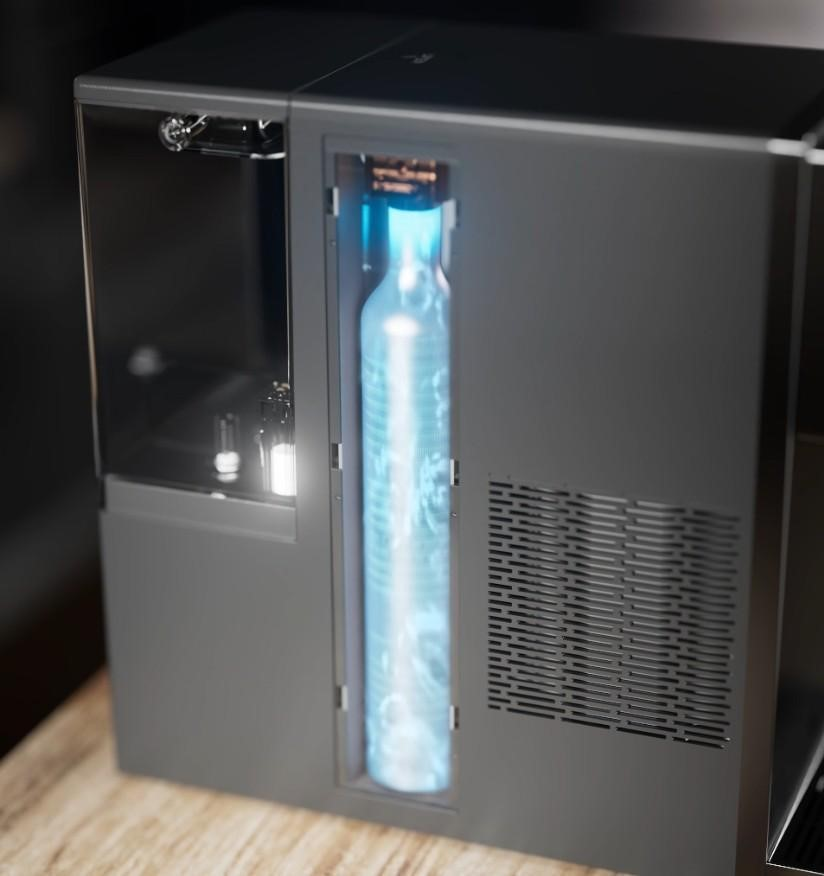
For any business looking to make a mark in the Indian water purifier industry with technologically superior and reliably manufactured products, a partnership with HisoAir offers a clear path to success. Explore their solutions at Hiso.
2. Eureka Forbes Ltd. (Aquaguard): The Legacy Market Leader

Image Source: Eureka Forbes
No discussion of the Indian water purifier market is complete without Eureka Forbes. Founded in 1982, the company pioneered the category in India with its iconic Aquaguard brand. For decades, Aquaguard has been synonymous with safe drinking water in millions of Indian households.
- 시장 포지션: Eureka Forbes has long been the market leader, commanding a significant market share built on decades of trust and brand visibility. The company is now backed by global private equity firm Advent International, which is driving a new phase of growth and operational efficiency.
- Technology and Product Portfolio: Aquaguard purifiers are known for their multi-stage purification processes, often combining RO, UV, and UF technologies. They have consistently innovated with features like Active Copper 그리고 Alkaline Boost technologies to enhance the health properties of water. Their portfolio ranges from affordable entry-level models to premium smart purifiers.
- Distribution Strategy: The company's initial success was built on a massive direct-sales force that went door-to-door, a strategy that created deep customer relationships. Today, it has evolved into a multi-channel organization with a strong presence in retail stores, e-commerce platforms, and institutional sales, reaching over 1,500 cities and towns.
3. Kent RO Systems Ltd.: The RO Pioneer

Image Source: Kent RO Systems
Kent RO Systems is another titan of the industry, widely credited with popularizing RO technology in India. Founded in 1999 by Dr. Mahesh Gupta, the company emerged from a personal need to create a more effective water purifier and has since grown into a household name and a diversified healthcare products company.
- 시장 포지션: Kent is one of the most trusted and preferred brands in India, with a strong foothold in the premium mass-market segment. The company has filed for an IPO, signaling its ambition for the next phase of growth and competition.
- Technology and Product Portfolio: Kent's patented Mineral RO™ technology is its cornerstone, designed to remove impurities while retaining essential minerals in the water. They are also known for their Zero Water Wastage technology, a key differentiator in a water-conscious market. While water purifiers are its core, Kent has successfully diversified into air purifiers, kitchen appliances, and vacuum cleaners.
- Distribution and Marketing: The brand's success is backed by a robust pan-India network of dealers and distributors and a vast service network. Its long-standing association with Bollywood actress Hema Malini as a brand ambassador has been instrumental in building immense brand recall and trust.
4. Hindustan Unilever Ltd. (Pureit): The Mass-Market Powerhouse

Image Source: Hindustan Unilever Ltd.
Launched in 2004 by India's largest FMCG company, Hindustan Unilever (HUL), Pureit was created to provide affordable and accessible safe drinking water to the masses. The brand quickly became a dominant player, leveraging HUL's deep consumer understanding and market reach.
- 시장 포지션: Pureit is a trusted, value-for-money brand with strong penetration across both urban and rural markets. In a major strategic shift, Unilever announced the sale of the Pureit business in 2024 to focus on its core FMCG categories, marking a new chapter for the brand.
- Technology and Product Portfolio: Pureit offers a comprehensive portfolio catering to all segments, from non-electric, gravity-based purifiers to advanced RO+UV models. Recent innovations include DURAViva™ technology for longer filter life and Copper Charge Technology™ to infuse water with the health benefits of copper.
- Distribution Strategy: Pureit's greatest strength under HUL was its ability to tap into one of India's most extensive FMCG distribution networks, giving it unparalleled reach into every corner of the country. This deep market access remains a formidable asset.
5. Livpure Pvt. Ltd.: The Tech-Savvy Disruptor

Image Source: Livpure
Representing the new age of competition, Livpure has shaken up the industry with its tech-first approach and innovative business models. Founded between 2010 and 2012, Livpure is backed by significant venture capital, which has fueled its aggressive growth and disruption of the market status quo.
- 시장 포지션: Livpure is positioned as a modern, innovative, and customer-centric brand that appeals to the digitally-savvy urban consumer. The company has shown impressive growth, with one of its legal entities reporting a 58% year-on-year revenue increase for FY24.
- Business Model Innovation: Livpure's most significant contribution is its pioneering "Water-as-a-Service" subscription model. This allows consumers to get a water purifier with free lifetime maintenance for a recurring fee, directly addressing the major pain points of high upfront cost and expensive, unpredictable after-sales service.
- Technology and Distribution: Livpure’s products are feature-rich, often integrating smart IoT capabilities that allow users to monitor water quality and filter life via a mobile app. The company has adopted a digital-first go-to-market strategy, focusing on online retail and its own D2C website. It is now strategically expanding its offline presence with exclusive "Experience Centres" to create an omnichannel brand.

The Indian Market: Key Trends and Opportunities
- RO Dominance: Reverse Osmosis (RO) remains the leading technology due to its effectiveness in treating the high Total Dissolved Solids (TDS) found in many Indian water sources.
- The Rise of Subscriptions: The success of service-led models is forcing legacy players to rethink their traditional "sell-and-service" approach. Kent recently launched its own subscription plan, indicating a broader industry shift.
- Smart and Connected Devices: IoT-enabled purifiers that offer real-time monitoring and convenient service requests are becoming increasingly popular, especially in urban markets.
- After-Sales Service as a Battleground: For years, poor and costly after-sales service has been a major source of consumer frustration. Companies that can provide a transparent, affordable, and reliable service experience are gaining a significant competitive edge.
Conclusion: Choosing the Right Partner for a Thriving Market
The Indian water purifier market offers immense opportunities, but it demands a strategic approach. For consumers, the choice is expanding beyond traditional brands to include innovative, service-oriented players.
For businesses, the path to success lies in partnering with a manufacturer that can deliver on technology, quality, and scale. HisoAir stands out as a premier OEM/ODM partner, offering the technological expertise, manufacturing prowess, and global certifications necessary to build a successful water purifier brand in India.7 By combining cutting-edge features with a flexible and reliable production process, they provide the ideal foundation for any B2B or D2C venture looking to deliver pure, safe, and healthy water to the Indian consumer.

 English
 Français
 Español
 Italiano
 Deutsch
 Português
 Русский
 العربية
 日本語
 한국어
 Tiếng Việt


